
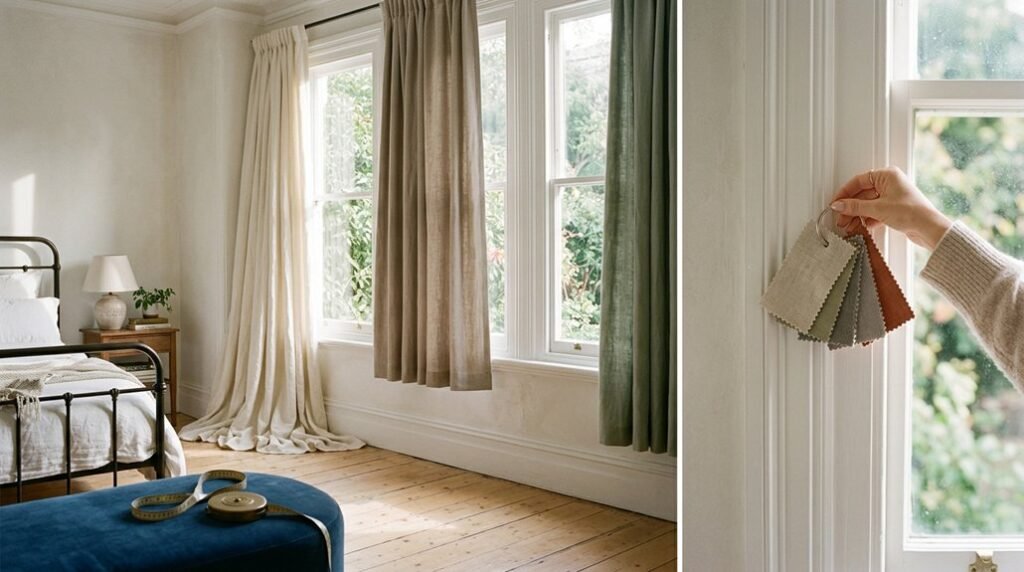
You stand in front of your window with a tape measure, but the numbers alone won’t tell you what you really need to know. The right curtain length transforms a room’s proportions, yet most people default to standard sizes that miss the mark. Whether you’re dressing a cozy bedroom or a formal living space, your choice affects light, privacy, and the illusion of height. The question isn’t simply how long, but why—and that answer might surprise you.
How to Measure Curtain Length for Any Window Style
Where do you even begin when every window seems to demand its own approach? You’ll start by grabbing your tape measure. First, you measure from rod to floor if you’re eyeing floor-length curtains, but you’ll subtract 3/8 inch if they’ll slide often. You calculate window width next, multiplying by 1.5 to 2.5 times for natural folds when you measure curtains properly.
You’re not limited to floor-length options. You’ll consider window sill/apron lengths for kitchens or bathrooms where space feels tight. Sill-length curtains hit exactly at the sill, while apron-length drops 3 to 4 inches below, clearing furniture or radiators. You’ve got flexibility. You choose curtain length based on function, traffic, and the statement you’re making.
Recommended Products

WELL MADE: Package includes 2 pcs high-quality blackout curtains. Each curtain panel measures 52 inches wide and 96 inches long. They can be easily matched with different...
Floor-Length Curtains: The Best Choice for Most Rooms
Once you’ve measured your windows and weighed your options, you’ll find floor-length curtains emerge as the clear winner for most spaces. These drapes create visual height, elongating your walls and windows for a polished, cohesive look in living rooms, dining rooms, and bedrooms.
When determining curtain length, use the rod to floor measurement as your target, subtracting about half an inch to prevent fraying and allow easy movement. You’ll want adequate width for proper fullness—typically double your window’s width. Pair your floor-length panels with grommet or pleated headers and matching rods for balanced installation. Consider furniture placement during measurement to avoid interference. This versatile style suits both formal and transitional décor, working beautifully with mid-to-heavy fabrics that provide better drape and privacy.
Recommended Products

Pinch Pleat Design: Pinch pleated curtains use more fabric than regular curtains, creating a luxury curtain with elegant folds. Each panel has 7 pinch pleats, which bring a touch of sophistication. Hanging Aersas pinch pleated linen curtains flow in harmony throughout your home, helping you to create nurturing spaces that feel soothing and calm

Ready-Made Full Blackout Curtain Set:This package includes two pinch pleated blackout curtain panels (40"W x 102"L each) and 18 hooks. Each panel features 7 permanent pinch pleats and a weighted bottom hem for a polished, full-bodied drape. Independently tested—"No Detected Formaldehyde" in both the natural linen-blend fabric and blackout lining, safe for your home.
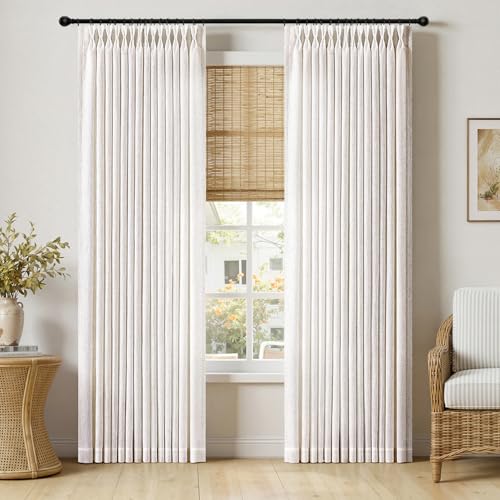
Extra Thick Linen Fabric: Crafted from a premium 380 GSM (grams per square meter) blend of linen,and polyester, these linen curtains strike the perfect balance between softness, natural beauty, and durability. The extra-thick linen fabric captures the authentic richness of true linen while adding a refined, substantial feel
Sill-Length vs. Apron-Length Curtains: When Shorter Works
Why limit yourself to floor-length drapes when your space might call for something more practical? You’ll find that shorter curtain lengths work brilliantly in smaller spaces where full panels feel overwhelming.
Choose sill-length curtains when you’re dressing compact windows in kitchens or bathrooms. They stop precisely at the window sill, keeping fabric clear of sinks, counters, and tight walkways. You won’t struggle with interference during daily tasks.
Opt for apron-length when you want slightly more refinement. These panels extend about four inches below the window sill, giving you cleaner lines without sacrificing functional clearance. They stay safely above radiators and furniture while suiting outward-opening windows or semi-formal dining areas.
Both options prove that practical choices don’t compromise style—you simply match the curtain length to your room’s demands.
Recommended Products

Double Layer Curtains: The embroidered floral sheer curtains are light and flowing, with a gauzy beauty that softens light—adding a peaceful and comfortable atmosphere to any room. The blackout layer effectively blocks light. Includes 2 lace tiebacks, so you can achieve different looks or light effects by tying it.

Size & Quantity: Each package includes 2 pieces cafe curtains tier. Each panel measures 30 inch width, 36 inch long(The curtain length not include top 1.5" header). The 3" rod pocket applicable to curtain rods no wider than 1"

Waffle Woven Fabric: Valea Home shower window curtains are made of waffle weave textured plaid fabric with fresh and crisp look. They are water repellent, durable and modern.
Trouser and Puddle Curtains: Drama Without the Dust
How far are you willing to let your curtains go? Trouser-length curtains extend about two inches past the floor, giving you a chic, flowing appearance that works beautifully in formal rooms with minimal foot traffic.
Puddle-length curtains push further, spilling six to ten inches onto the floor for maximum dramatic look and luxury.
You’ll notice both styles create distinct floor-length interaction, affecting how fabric moves across rugs or hard surfaces.
However, high-traffic suitability drops markedly with longer lengths—pets, children, and constant movement will soil trailing fabric quickly.
Puddle-length curtains demand the most cleaning maintenance and daily arranging to maintain their elegant pooling effect.
For drama without excessive upkeep, you’ll want to reserve these styles for low-traffic spaces or pair them with taller windows where their voluminous impact shines without constant interference.
Recommended Products
Package Include:1 Pack Soft Retractable Black Dual Sided Tape Measure Body Measuring Tape Set, Dual sided, 150cm/60inch in length, large and clear markings in both Inches and CM for easier reading, Retractable black measuring tape size 2 x 2 x 0.5 inches, weight 0.02 KG/0.7 OZ

Left to Right Reading Scale: Measurement markings read left to right for standard layout reference on workbenches and tools

60-inch, flexible and durable tape measure.
How to Calculate Curtain Width and Fullness
Length sets the stage, but width brings your curtains to life. You’ll calculate curtain width differently depending on your mounting choice. For outside mount, multiply your window width by 1.5x to 2x to achieve proper fullness and that luxurious, gathered look. Inside mount requires matching the window width measured inside trim for clean, tailored coverage.
Don’t assume one panel suffices. A 60″ panel won’t properly cover a 60″ window—you’ll need multiple panels for adequate coverage. Standard panel width runs 54″, with two panels typically totaling 100″ to 120″.
Recommended Products

Ready-Made:Sold as Pair, 2 Panels ivory lace sheer curtains 105 inch long included. Soft and quality lace fabric.
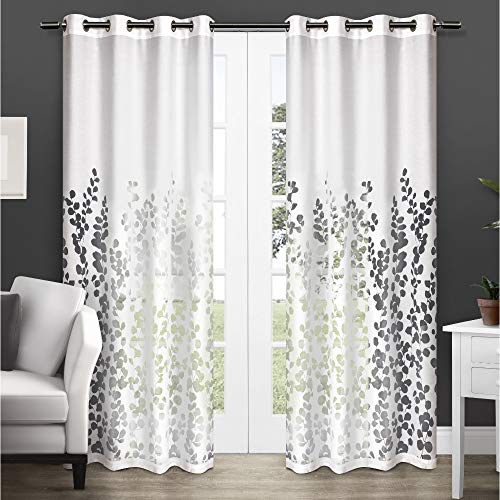
LEAFY FLORAL PATTERN: The Wilshire sheer curtain panels offer a beautiful leafy floral pattern that add elegance into any room.

Ready Made - 2 pieces of heavy-duty blackout curtains includes, each measures 52" wide x 102" Long(Total width is 104"). 3" rod pocket top fits most standard rods and makes the maximum coverage of windows
Standard vs. Custom Curtains: Which Should You Choose?
Where do you turn when your windows refuse to play by the rules? You weigh standard versus custom options carefully. Standard curtains come in 84″, 96″, and 108″ lengths with 54″ widths—if these don’t match your measurements, you’ll need precise data when shopping.
You can alter longer standard panels later, but shorter ones trap you without flexibility. Custom curtains eliminate this gamble entirely. You specify exact length, unlimited fullness, and tailored hardware. You also select materials that optimize privacy, light control, and energy efficiency.
Standard wins on cost and speed. Custom demands higher investment and patience. Yet only custom guarantees flawless alignment with walls, radiators, and furniture. Ultimately, you decide if perfect fit justifies the premium, or if near-enough satisfies your space and budget.
Recommended Products

Thick Linen Fabric: These linen curtains are carefully crafted from 400 GSM fabric of flax linen, cotton and polyester, offering a blend of softness, natural aesthetics and durability. Thicker linen curtains capture a real rich flax textured feel while savoring a heavier set,adding a touch of sophistication

PINCH PLEATED DESIGN: Curtains top features 1.5 times length fabric design for an elegant pleated effect. Perfectly presenting a sense of stereoscopic and layering. Whether in living room, bedroom, dining room or sliding door etc, it fit perfectly into a variety of room decor style
Ready Made:Each package includes 2 panels of pinch pleated curtain with 18 hooks(without rings),measuring 40"Wx90"L each panel.
How High to Hang Your Curtain Rod
Once you’ve settled on standard or custom panels, you’ll need to position your hardware with purpose.
Raising your curtain rod height transforms your space. You can hang curtain rod up to crown molding or halfway between the frame and ceiling to create a window height illusion, making windows appear taller and rooms feel larger.
Avoid visible rod placement too close to the frame—you’re wasting potential. For floor-length curtains, you’ve got decisions. Mount slightly above the floor for daily use, or let them skim for polish. You’ll save yourself hassle with ½ inch clearance for easy movement.
Sill-length works in kitchens and baths where long drapes tangle. Apron-length, ending four inches below the sill, clears radiators and furniture without sacrificing coverage.
Recommended Products
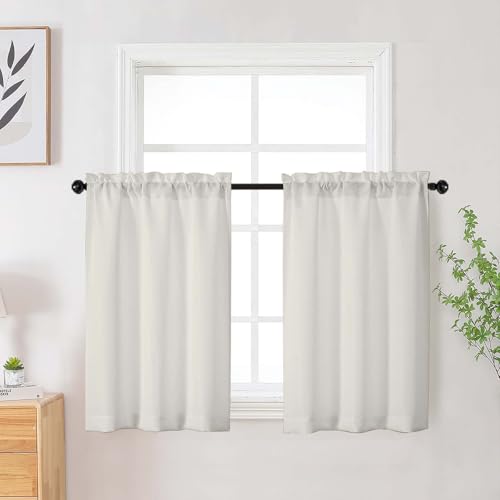
Size & Quantity: Each package includes 2 pieces cafe curtains tier. Each panel measures 30 inch width, 36 inch long(The curtain length not include top 1.5" header). The 3" rod pocket applicable to curtain rods no wider than 1"
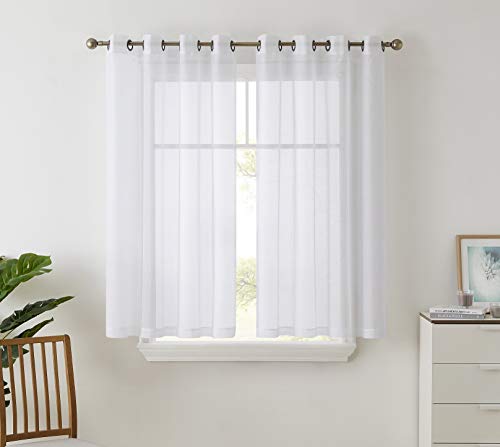
Beautiful Sheer Curtain Grommet Panels will liven up your indoor or outdoor spaces with a sense of airiness and beauty. Made from solid color polyester voile. Bring elegance and class to any room with this light filtering sheer curtains. Our luxurious sheer panels give your home a new & elegant look. Allows natural light to flow through the room.

Superb Material: Quality embroidery thread on the Faux Linen sheer curtains as well as professional sewing condition make these voile curtains soft and durable.
How to Fix Curtains That Are Too Long or Too Short
Why settle for curtains that bunch awkwardly or hover above your floor? You’ve got options when your curtains length misses the mark. If drapes drag excessively, embrace the puddle-length look by letting them pool 6 to 10 inches luxuriously, or hem them for proper floor-length clearance.
When panels fall short, you can lower the rod, but first measure from rod to window again. For high-mounted hardware, add fabric at the top or swap for longer panels. Sill-length situations work beautifully in kitchens where floor clearance matters.
Your length adjustment depends on function— formal spaces suit dramatic puddling while active rooms need streamlined floor-length precision. Always remeasure before altering. You’ll transform ill-fitting window treatments into tailored features that elevate your entire room without replacement costs.
Recommended Products
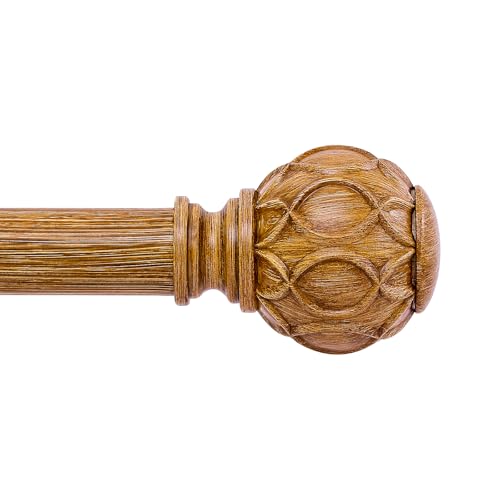
🎡⇤𝑯𝑻𝒁𝑶𝑵 𝑾𝒐𝒐𝒅 𝑪𝒖𝒓𝒕𝒂𝒊𝒏 𝑹𝒐𝒅 𝑺𝒆𝒕⇥:Light wood grain netted texture ball curtain rod with decorative finials and high-quality iron pipe are made of imitation wood grain effect,whole set of curtain rods of imitation wood color coordination and unity.The drapery rods were made of imitation wood grain rather than carved wood.Imitation wood grain design is consistent from start to finish, makes brown curtain rod look like real wood to create a close to the natural visual effect.

Use for planning and positioning

5-foot soft vinyl tape measure perfect tailor's tool for measuring flat or rounded surfaces
Common Curtain Length Mistakes to Avoid
How often do you hang curtains only to realize they completely change your room’s proportions for the worse? You can avoid this by matching curtain length to your space’s demands.
Don’t install sill-length curtains on large living room windows—they’ll shrink your space visually. You’ll look amateurish hanging floor-length panels in kitchens where spills and splatters occur daily. Avoid apron-length treatments in formal dining rooms when you’re seeking elegance; they read as casual and incomplete.
You shouldn’t choose puddle curtains for high-traffic hallways unless you enjoy daily dust collection and tripping hazards. When you skip high-hanging curtains on short windows, you’re missing an opportunity to create height illusion. Remember: measure precisely, consider function first, and resist one-size-fits-all solutions. Your window deserves better than an afterthought.
Recommended Products
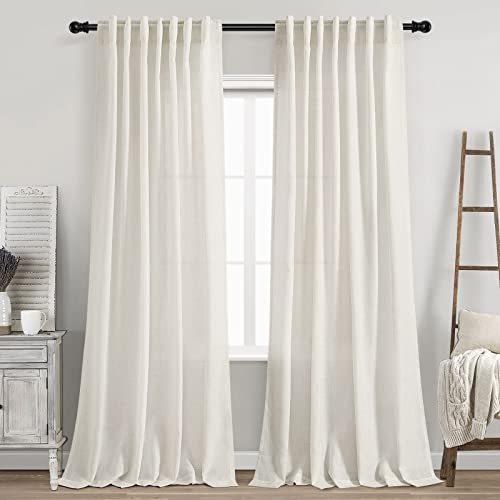
READY MADE: 2 Linen Curtain Panels per package.Each panel measures 52 inches wide by 84 inches long. Top design of Back tab & loop pocket provide 3 hanging options. <1> hanging from the back patch to create an elegant pleated look, <2> from the 3 inch rod pocket for a classic look <3> Hanging with clip rings for easy, slide open and closed (clip rings are not included)
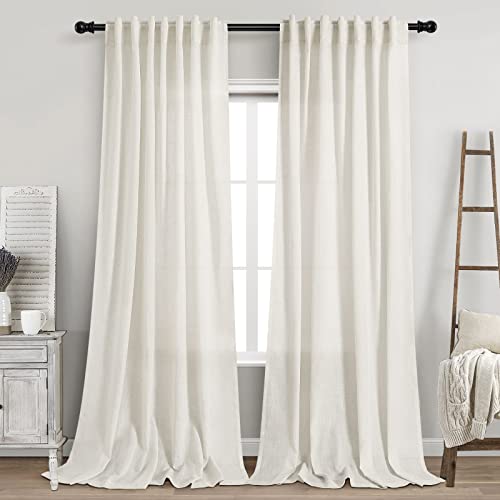
READY MADE: 2 Linen Curtain Panels per package.Each panel measures 52 inches wide by 120 inches long. Top design of Back tab & loop pocket provide 3 hanging options. <1> hanging from the back patch to create an elegant pleated look, <2> from the 3 inch rod pocket for a classic look <3> Hanging with clip rings for easy, slide open and closed (clip rings are not included)
Conclusion
You’ve got everything you need to nail your curtain length. Measure carefully, aim for floor-length when in doubt, and don’t shy away from custom options if standard sizes won’t cut it. Remember: the right curtains don’t just cover windows—they transform your space. Now grab that tape measure and get hanging.
Recommended Products

PINCH PLEATED DESIGN: Curtains top features 1.5 times length fabric design for an elegant pleated effect. Perfectly presenting a sense of stereoscopic and layering. Whether...