
You want greenery that won’t harm your curious cat, but the search isn’t always straightforward. Labels claiming “pet-safe” can mislead you, and some popular houseplants hide serious toxins. The good news? You’ve got more options than you might think. Before you bring home your next plant, there’s something you need to know about verification.
5 Cat-Safe Houseplants That Are Hard to Kill
You don’t need a green thumb to keep your cat safe and your home lush. These five non-toxic indoor plants offer easy-care beauty without worry.
You’ll love the Zebra Plant, a compact pet-safe succulent that thrives in sun or shade and needs minimal attention. The Parlor Palm gives you dramatic vertical greenery with drought-resistant resilience—it’s cat-safe and forgiving if you forget watering.
Add African violets for pet-friendly color; these low-water bloomers demand almost nothing. The Variegated String of Hearts trails elegantly as a cat-safe option, surviving extreme neglect with its drought-tolerant nature. Finally, Christmas Cactus brings holiday cheer year-round as a low maintenance, pet-safe choice.
These houseplants prove you can enjoy lush, cat-safe spaces without constant care.
Recommended Products

REAL PLANTS: Our plant pack contains 3 Calathea in 4" plant pots. Types may vary. Our decorative plants liven any space as an office plant, desk plant, or as a beloved houseplant.

LIVE INDOOR PLANT -Bring home the stunning Lemon Lime Maranta Prayer Plant and enjoy a touch of tropical calm. With its vivid green leaves brushed with yellow and dark-green veins, this houseplant brings instant warmth and charm to any room. Watch as its leaves fold upward at night like praying hands — a living rhythm of peace and nature.

Your Cat Deserves the Best: Our cat grass blend adds important nutrients to your cat’s diet, including wheat grass, oat, barley and rye. Organic and loaded with all the fiber your pet needs for healthy digestion, our cat grass kit provides hairball control for cats as well as a tasty edible grass treat.
How to Verify “Pet-Safe” Labels Before You Buy
How can you trust a plant labeled “pet-safe” when your cat’s health depends on it? You shouldn’t rely on pet-safe labels alone—you’ve got to verify their claims yourself.
Start by checking the ASPCA’s toxic plant database to confirm the plant is truly non-toxic for cats. Don’t just skim; cross-reference the scientific name on the label with the database, since common names vary and labeling accuracy isn’t regulated. Some “pet-friendly” plants might only mean safe to touch, not to ingest.
Look for vendor transparency through third-party certifications or manufacturer statements specifically addressing feline safety. Ask sellers directly if their non-toxic claims cover ingestion. Your diligence prevents emergency vet visits, so don’t skip these steps when evaluating pet-safe labels before you buy.
Recommended Products

PET FRIENDLY SUCCULENTS: Our dog and cat safe plants are meant for animal lovers with curious pets

LIVE SEDUM TILE: 10" by 20" live plant mat featuring a combination of sedum succulent plants with earthy colors and contrasting shapes. These easy ground cover plants offer endless DIY possibilities.

About the Plants: Includes 4 plants in decorative pots. Each of these plants are non-toxic, so you can keep your furry friends safe while enhancing your home with living plants! Place these plants on a sunny windowsill, end table, or bookshelf and enjoy their beautiful colors and growth
8 Cat-Safe Plants That Survive 2 Weeks Without Water
Once you’ve verified a plant’s non-toxic claims, you’ll want to make sure it fits your actual lifestyle. If you’re seeking pet-safe greenery that forgives missed waterings, these non-toxic, drought-tolerant options deliver exactly that.
You’ll love the Zebra Plant—compact at 8 inches, it thrives on low-water care. The Parlor Palm stretches to 6 feet and tolerates drought-resistant conditions while remaining pet-safe. African Violet offers colorful blooms at 9 inches tall, handling extremely drought-tolerant watering with grace. Christmas Cactus brings seasonal color to 12 inches, surviving on minimal moisture.
Each proves that low-water care doesn’t mean sacrificing safety or style. These drought-tolerant, pet-safe choices let you travel, work, or simply forget without endangering your cat—or your plant.
Recommended Products

Low Light Indoor Plant: The Parlor Palm (Chamaedorea elegans) grows well in low to medium indirect light, making it suitable for most indoor environments

Live Parlor Palm Houseplant with Pot Cover – Features graceful, feathery green fronds and comes ready to display in a decorative pot cover, adding instant charm to any space

Browse Safe Plants by Type: Succulents, Palms, Ferns, and More
Where should you look when your space—and your cat—crave variety? You’ll find cat-safe options across several plant families. Succulents like Echeveria offer compact, non-toxic charm with minimal watering needs. Palms such as Areca and Ponytail bring tropical height while remaining pet-friendly. Ferns, including Boston and Bird’s Nest varieties, thrive in humidity and pose no danger to curious cats.
You’ll appreciate how these houseplants let you design freely without worry. Each category delivers distinct textures and growth habits, yet all share that essential pet-friendly classification. Check care tips for light and moisture specifics—succulents demand bright, dry conditions, palms prefer indirect sun, and ferns need consistent dampness. Browse by type, match your home’s environment, and you’ll build a thriving, safe collection that satisfies both you and your feline companion.
Recommended Products

LIVE CACTUS PLANTS: Expand your pet friendly plant collection with a fishbone cacti (Epiphyllum) in a 6-inch hanging basket. This is real cactus is an easy plant for house plant beginners and impressive enough for the most enthusiastic of plant lovers.


LIVE SUCCULENTS: Easy popular succulent to grow indoors
Where to Put Cat-Safe Plants Beyond Your Cat’s Reach
Why limit yourself to ground-level greenery when vertical solutions keep your cat-safe plants thriving and your feline’s curiosity in check? You’ll find vertical gardening transforms your space while achieving effective cat deterrence.
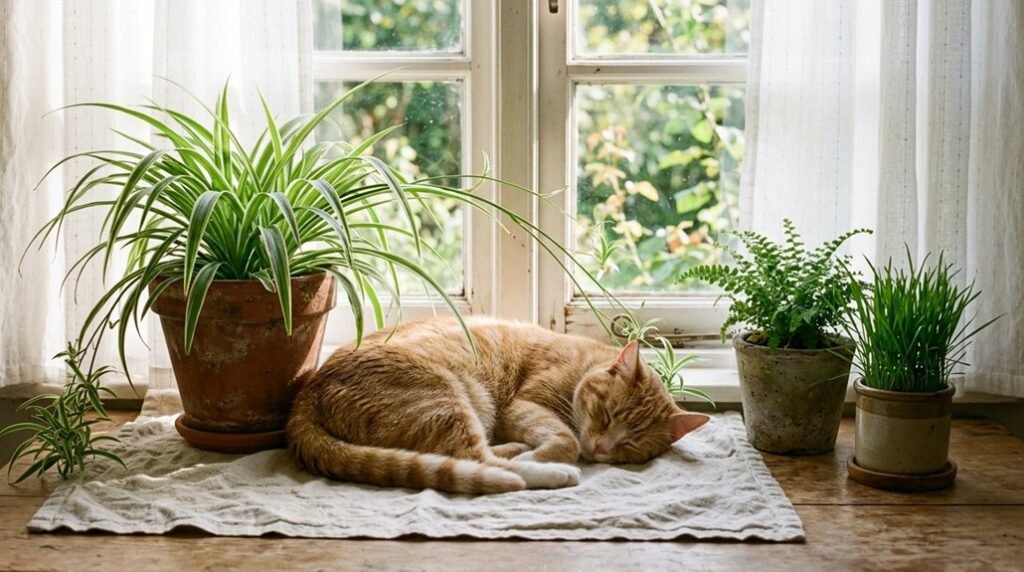
Place non-toxic houseplants like Calathea rattlesnake, Chinese money plant, and Areca palm on high shelves or in hanging planters to keep out of reach. Mount wall planters or use tall standing containers to maximize vertical space, preventing soil digging and nibbling. Position pet-friendly plants such as Spider Plant, African violet, and Peperomia Hope on windowsills behind grilles, just beyond paw range.
Secure all pots with museum putty to stop tipping when cats jump nearby. For complete cat-proofing, create restricted zones behind cabinet doors—strategic plant placement ensures your greenery stays safe even with determined climbers.
Recommended Products

READY TO USE MIXTURE - The same formulation as used by professional growers


Made for African Violets - This african violet fertilizer is specially formulated to support healthy growth and flowering in indoor african violet plants
What to Do If Your Cat Nibbles a Plant Anyway?
How can you stay calm when your cat ignores your carefully planned deterrents? First, keep a reference of ASPCA toxic vs non-toxic plants handy so you’ve got cat nibble guidance at your fingertips. Identify what they ate—non-toxic plants cause milder issues, while toxic ones demand veterinary care if ingestion occurs.
Watch for symptoms to watch: vomiting, drooling, or lip itching. Contact your vet immediately if these appear, especially after eating lilies, yew, or azaleas.
You can’t eliminate risk entirely, so stock cat-safe plants and offer pet-safe alternatives like cat grass, wheatgrass, or catnip to redirect their chewing instinct. Elevate remaining plants and use citrus sprays to deter chewing.
Preparation beats panic when your curious feline strikes.
Recommended Products

Triostar stromanthe (Stromanthe sanguinea) is a tropical leafy pet friendly and it purifying plant.
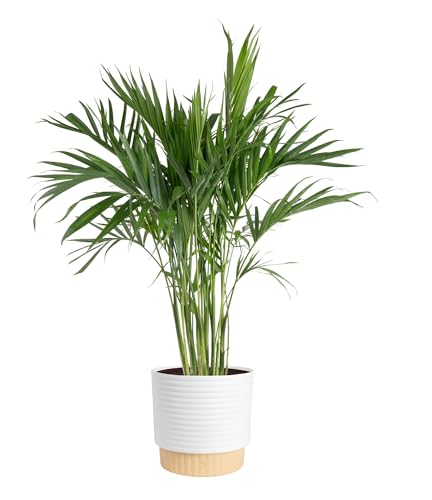
GORGEOUS HOME DÉCOR: The lush, full fronds of this live Cat Palm bring the vibrant feel of the tropics to your indoor space. An eye-catching decorative live plant accent, ideal for gifting, for a home room or office corner

High-Quality Seeds: Includes top-tier catnip, oat seeds, and barley grass seeds; perfect for creating a healthy and stimulating environment for your pets
Create a Cat-Safe Plant Corner for Under $50
Building a cat-safe plant corner doesn’t require a big budget or expert skills. You can create a thriving green space with pet-friendly indoor plants while keeping your budget under $50.
Start with a Spider Plant and African Violet—both tolerate typical indoor light and need minimal care. Add a Calathea rattlesnake and Pilea peperomioides for visual variety. These cat-safe options stay compact and affordable.
Choose hanging plants or elevate your pots on small stands to keep greenery accessible for viewing but safely out of reach. Secure pots with museum putty to prevent tipping during curious investigations.
Mix two or three pet-friendly varieties in ceramic containers under $15 each. You’ve now built an attractive, worry-free corner where your cat explores safely and your plants thrive.
Recommended Products

Live Air Plant: package contains 3 ragnaroc Air Plants Large Tillandsia Seleriana in size 4-6 inches with ragnaroc care card and gift box. The Tillandsia Seleriana has a striking appearance and its impressive size adds a touch of elegance and natural beauty to any environment.

WHAT YOU RECEIVE: One healthy, rooted Peperomia obtusifolia 'Sweet & Sour' variegated Baby Rubber Plant shipped in a 2" nursery pot.
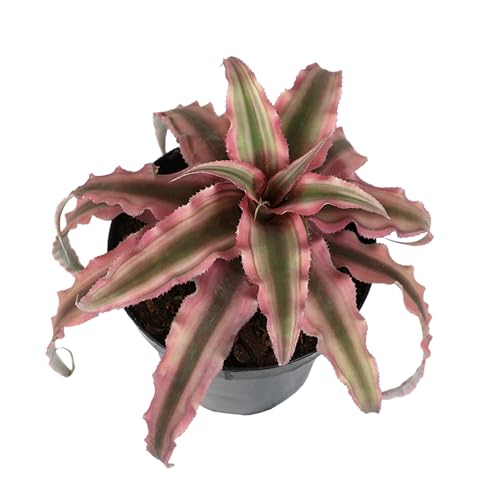
CRYPTANTHUS EARTH STAR: A star-shaped rosette with vibrant variegation, this perennial grows slender and serrated leaves that resemble a star.
Conclusion
You’ve got plenty of options to green up your space without risking your cat’s health. Double-check any plant’s safety using the ASPCA database before buying, and don’t rely solely on labels. Place plants strategically or build that budget-friendly corner to keep curious paws away. With drought-tolerant, low-maintenance choices available, you’ll enjoy thriving greenery even when life gets busy. Your cat-friendly home awaits.
Recommended Products

About the Plant: Neanthe Bella Palm, also known as Parlor Palm, is an indoor plant grown for its playful, feathery fronds and easy-care nature. This compact palm thrives in low to moderate light and requires minimal maintenance. Its air-purifying qualities make it a healthy choice for any space. It is also pet friendly, ensuring your furry friends are safe. Neanthe Bella Palm is a timeless, versatile houseplant that brings natural beauty to any home!

All of our listings have very representative pictures of what you would receive,

About the Plant: Neanthe Bella Palm, also known as Parlor Palm, is an indoor plant grown for its playful, feathery fronds and easy-care nature. This compact palm thrives in low to moderate light and requires minimal maintenance. Its air-purifying qualities make it a healthy choice for any space. It is also pet friendly, ensuring your furry friends are safe. Neanthe Bella Palm is a timeless, versatile houseplant that brings natural beauty to any home!