
You encounter low pile rugs where function shapes form—those tight, flat weaves under a quarter inch that refuse to yield under daily footsteps. They’re the quiet workhorses of lived-in spaces, yet their restraint conceals more than you might assume about placement, material behavior, and why pile height determines a room’s entire rhythm.
What Is a Low Pile Rug? Height, Durability, and Everyday Benefits
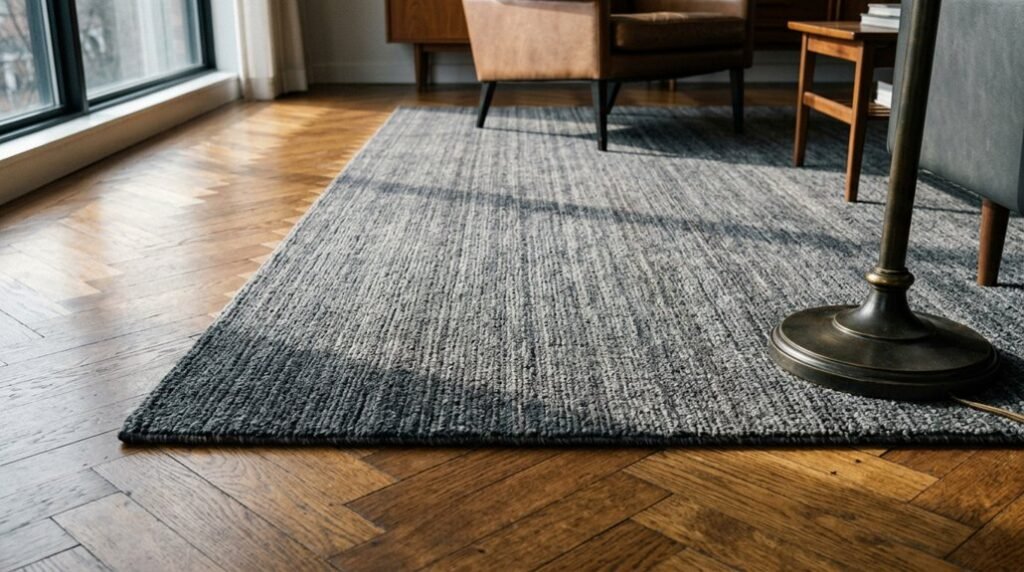
Why choose a low pile rug? You prioritize material intelligence. A low-pile construction features tightly woven fibers with a pile height typically under one-quarter inch, yielding a refined, flat surface that integrates seamlessly into layered interiors or beneath furniture without visual bulk.
You’re selecting durability when you opt for this profile. In high-traffic zones, the dense fiber construction resists crushing and matting, preserving its architectural integrity longer than lofted alternatives. Easy maintenance follows naturally—dirt remains surface-level, eliminating concealed particulate buildup; vacuuming proves efficient, and spills respond to prompt attention without penetrating deeply.
You’ll notice the comfort underfoot reads as cool and controlled rather than plush, a deliberate textural choice for warm climates or active households. The low-pile format doesn’t trap allergens or odors, keeping your spatial experience clean, precise, and materially honest.
Recommended Products

Washable Design for Easy Care: Its foldable and machine washable nature makes washable 2X3 rug a breeze to clean. Whether it's pet mishaps or little hands causing spills, clean-up is simple and leaves no sign of the mishap. A quick spot clean or a run over with a robot cleaner. For a thorough cleaning, simply toss the living room rug in the washing machine. For 8x10 area rug or 9x12 area rug, it is recommended to use a commercial laundry machine to wash and line dried.

PET-FRIENDLY AND DURABLE: Durable for high-traffic areas, soft and comfortable area rug perfect for families with kids; Low-pile synthetic rug fibers won’t trap dirt and debris, so they’re pet-friendly and easy to clean
Where to Use Low Pile Rugs: Room-by-Room Placement Guide
A low-pile rug reveals its intelligence through placement. You’ll find these durable foundations excel in high-traffic corridors where their short, dense fibers resist crushing and preserve form. Under dining table settings, low pile delivers furniture stability—chairs glide without sinking, and spills rest surface-level for swift removal.
In living spaces, strategic area rug placement anchors seating zones while supporting heavier pieces without indentation. Your kitchen and home office demand easy cleaning; here, low pile obliges with rapid vacuuming and minimal maintenance.
Whether you’re navigating contemporary layouts or traditional arrangements, these material-conscious choices adapt across rooms, tolerating the realities of children, pets, and continuous use without sacrificing refined appearance.
Recommended Products

[COLOR & DESIGN]: SAFAVIEH's Monaco area rug showcases a distressed traditional medallion pattern in grey tones with light blue accents; actual color may appear darker or lighter than shown, depending on lighting and screen settings.

DURABLE AND PLUSH: Crafted from 100% Polypropylene, Long-lasting and sturdy jute backing (rug pad recommended), 0.39 inch rug thickness, meant for indoor use, perfect for high traffic areas, ideal for homes with childrens, fits under most doors

Enhanced Non-Slip Design: This 3x6 runner rug features an upgraded anti-slip textured backing that effectively prevents slipping and curling in high-traffic areas, making 3x6 rug ideal for households with children and pets. Its soft yet durable surface protects floors while being suitable for use on various flooring types, including hardwood, tile, and laminate floors.
Low Pile vs. High Pile: Which Rug Height Works Where?
Your room-by-room placement decisions now sharpen into a broader calculation of fiber height itself. You’ll notice low-pile rugs present short, tightly woven fibers under a quarter inch—sleek surfaces engineered for durability. Deploy them in high-traffic areas; they resist crushing and simplify maintenance where footsteps multiply relentlessly. High-pile alternatives offer plushness, yes, but demand more upkeep and yield to flattening.
In open-plan spaces, low-pile foundations stay visually stable beneath furniture, avoiding the indentations that plague loftier constructions. Bedrooms and cozy nooks suit high-pile indulgence where comfort trumps practicality. Yet when you balance pile height against daily wear, low-pile solutions assert their superiority across demanding thresholds, cooking quarters, and dining zones. Choose your elevation with spatial discipline—each millimeter governs longevity and visual order.
Recommended Products

Vintage Charm: Step into a timeless garden scene—lush dark green, playful songbirds, and winding pomegranates woven with a touch of vintage, timeworn charm. A statement rug that feels likefeel like it’s been part of your home forever

【GREAT CHOICE FOR HOME DECOR】-Rugs are more than just functional items they reflect your taste in life. This woven solid rug beautifully enhances any space of the home and gives an aesthetic feeling, making a graceful and chic appearance to your home. The neutral area rug makes it possible to place seamlessly underneath furniture and won’t obstruct doorways, which can be integrated into any existing home décor

Abstract Design: Add a touch of contemporary flair to any space with the cool and abstract design of this rug. The neutral colors complement various decor styles, perfect for a living room, bedroom, dining room, home office, nursery room, and more
Choose Your Material: Wool, Synthetic, or Natural Fibers
How precisely does a low-pile rug earn its keep once you’ve settled on elevation? You’ll find your answer in the weave’s substance.
Material options dictate longevity, cleanliness, and visual weight within confined quarters.
Wool delivers inherent resilience; its fibers naturally repel spills while offering structural integrity that withstands compression. You’ll appreciate its refined texture beneathfoot without surrendering durability.
Synthetic fibers—particularly polypropylene—escalate performance metrics. You’ll gain superior moisture resistance and colorfastness, essential for high-traffic zones where natural alternatives falter.
Natural fibers like jute and sisal introduce organic tactility, though you’ll sacrifice some stain resistance. Cotton occupies middle ground: soft, occasionally machine-washable, yet prone to premature wear.
Consider maintenance protocols carefully. Wool and synthetics demand less intensive care than their natural counterparts, liberating you from frequent professional intervention. Your selection balances ecological preference against practical endurance.
Recommended Products
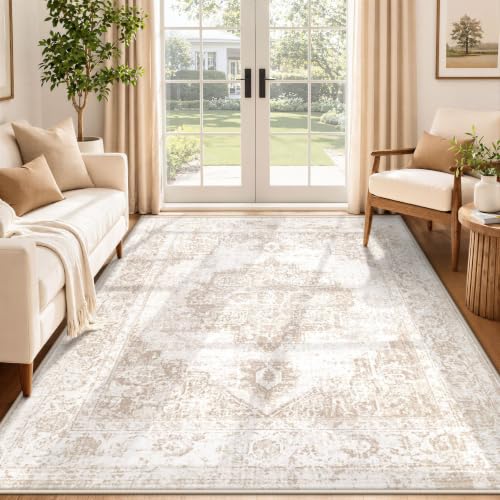
Stain Resistant Rug Surface: The living room rug is made of anti stain material, conventional liquids such as water, coffee, milk, and pet urine will not permeate the carpet, you just need to wipe it clean easily.

Machine Washable: Keep your rug fresh with ease! Simply vacuum regularly, or for a deeper clean, toss it in the machine. Ideal as black rug for dining room table, living room rugs and rugs for bedroom. Durable for everyday use.

PET FRIENDLY & NON-SLIP BACKING-5x7 area rugs featuring simple of colors while promising a luxurious feel underfoot. The blend of a hexagon pattern and a stylish design. Non-slip TPR backing makes the covering for bringing your space together. Make the most of your time at home with our pet-friendly and easy-to-clean area rugs. Elevate the floors of your home with this show-stopping and detailed rug
Style Your Low Pile Rug: From Minimalist to Traditional Rooms
Where does your low pile rug belong once material’s settled? You anchor minimalist spaces with neutral tones and clean geometric patterns, letting the streamlined surface speak quietly.
In traditional rooms, you select Persian or Oriental motifs—low pile grants you easy maintenance and durability without sacrificing heritage.
You bridge eras in transitional spaces through subtle patterns and versatile hues that complement rather than compete.
Scandinavian interiors demand light colors and simple designs; you amplify Nordic calm through restrained materiality.
In open-plan layouts, you employ layering techniques—positioning low pile beneath sheepskins or jute—to define seating zones while preserving spatial flow.
You choose consciously: material dictates placement, and placement transforms architecture.
Recommended Products

Vintage Style: The rug runners 2'6"x8' have a classic vintage style in neutral tones, making it a good choice for matching warm leather, fabric, and wood furniture. Elevate your home decor with this exquisite hallway runner rug and versatility that complements many different types of furniture.

【Classic Vintage Style】Hugear 2x6 area rug features a timeless distressed pattern that complements most home decor. Designed with classic retro styling, it blends well with modern and traditional interiors, adding elegant decorative charm to living spaces and high-traffic areas.

The Malibu Collection is an indoor/outdoor area rug featuring geometric patterns in airy, neutral palettes, with playfully fringed edges; from renowned interior designer Amber Lewis in collaboration with Loloi
Conclusion
You’ve seen how a low pile rug earns its place: restrained height, resilient weave, and an understated tactility that defers to architecture rather than announce itself. Whether you spec wool for patina, synthetics for endurance, or jute for raw materiality, you’re choosing surface intelligence. In rooms where circulation, layering, or precision matters, this is the foundation that performs without pleading for attention.
Recommended Products

MACHINE WASHABLE DESIGN - This moroccan tribal washable rug supports full machine washing on gentle cycle; simply toss it into washing machine for deep cleaning after daily use; air dry flat to keep texture and vivid pattern intact, ideal for households with kids and pets to remove stains, pet hair and spills easily

New Upgraded Textured Non-Slip Backing – Stays Secure, No Sliding: Made with an upgraded textured non-slip backing, this 2x3 rug stays securely in place, even in high-traffic areas like hallways and entryways. Whether it’s hardwood, tile, or laminate floors, you won’t have to worry about it sliding, providing extra safety for homes with kids and pets.

Moroccan Charm: Our 2x3 kitchen area rug feature a simple Moroccan design that adapts beautifully to multiple interior spaces. Low pile rug 2x3 with reinforced overlock edges and non-shedding design. At 0.14 inches thick, it rolls up effortlessly for transport, ideal for seasonal decor changes or moving homes, making it perfect for mothers day gifts.