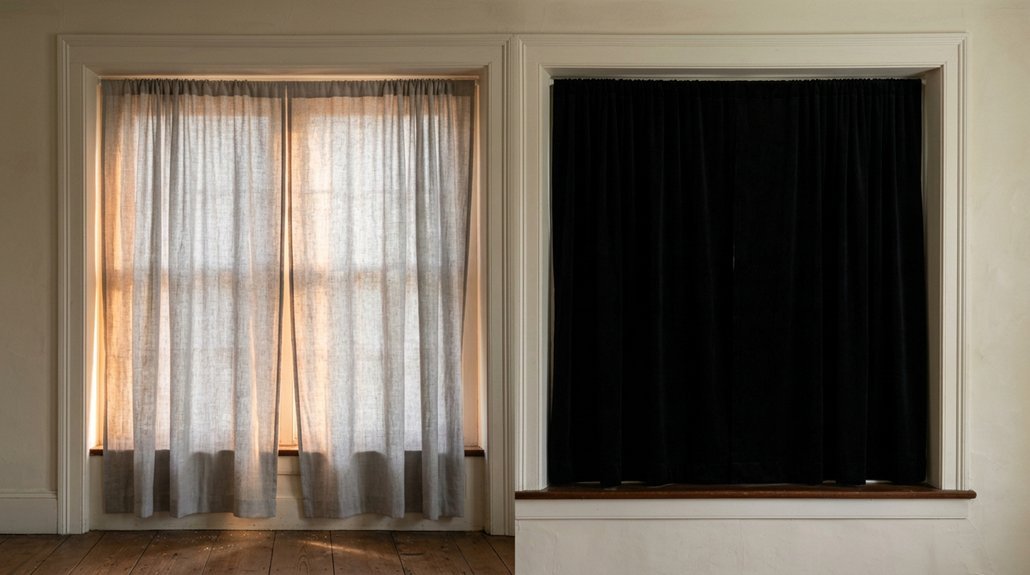

You’re torn between blackout and room darkening curtains, and the wrong choice means waking with the sunrise or overpaying for darkness you don’t need. Each option promises light control, but only one fits how you actually live and sleep. The difference isn’t just marketing—it’s measured in lumens, energy bills, and hardware requirements. Before you commit to either, you should know what each truly delivers.
Blackout vs. Room Darkening: The Complete Comparison
How do you decide between near-total darkness and gentle dimming? You start by comparing blackout curtains and room darkening options side by side.
Blackout curtains block 95%–100% of light transmission using dense, multi-layered fabrics, delivering maximum darkness level for bedrooms and nurseries. Room darkening reduces light by 60%–80%, creating softer ambiance perfect for living spaces where you need reduced glare without cave-like conditions.
You’ll notice stark differences in privacy and energy efficiency. Blackout materials provide superior insulation and complete visual shielding, while room darkening offers moderate thermal benefits and good—though not total—privacy. Test fabrics yourself: shine a flashlight through blackout layers and you’ll see nothing; room darkening reveals visible glow.
Consider layering with shades when you need flexible light control. This combination lets you adjust throughout the day, maximizing either system’s inherent strengths without compromise.
Recommended Products
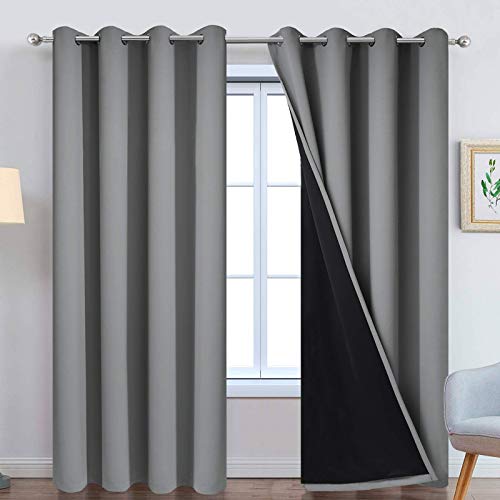
PACKAGE MADE:2 panels per package. Each Lined Curtain measures 52" wide x 84" long. 8 Silvery Grommets per panel. This silvery grommet (1.6 inch inner diameter) fits many rods. Easy to hang and smooth to slide. The simple design gives people a sense of ease.
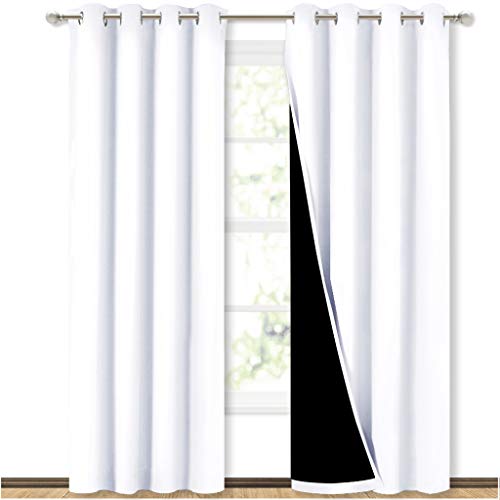
Ready Made: 2 panels per package. Each Classic Curtain measures 52" wide x 84" long (Total width is 104"). The unique design of the silver grommet (1.6 inch inner diameter) creates casual elegance for your house, which makes the curtains easy to install and slide.

Item Package Dimension: 11.3L x 9.1W x 3.3H inches
Light Blocking Reality: What Each Curtain Type Actually Delivers
Why settle for guesswork when you can see exactly what you’re getting? Test your fabric yourself: press a lit flashlight against it.
Blackout curtains reveal little to no glow, delivering near-total darkness and maximum privacy and darkness.
Room darkening fabrics show visible light, offering 60%–80% light reduction that dims your space without eliminating ambient brightness.
You’ll encounter edge light leakage with both types unless you install properly. Combat this by adding edge channels or side tracks, or try layering panels for tighter seals.
Your choice depends on the light blockage you actually need—complete elimination or substantial dimming. Don’t assume; verify performance before you commit to either solution.
Recommended Products

Pair Sold: Each package includes 2 panels of blackout curtains. Each panel measures 40"W x 63"L, with a pair measuring 80"W x 63"L. Each panel has 6 anti-rust silver grommets(1.6 inch inner diameter) which would fit most standard curtain rods

Pair Sold: Each package includes 2 panels of blackout curtains. Each panel measures 40"W x 63"L, with a pair measuring 80"W x 63"L. Each panel has 6 anti-rust silver grommets(1.6 inch inner diameter) which would fit most standard curtain rods

Sold as 2 Panels: Each package contains 2 pieces bedroom curtains, each panel measures 40" in width and 63" in length, the curtain sets two panels cover a total 80 inch width. The window curtains feature a top dual rod pocket design and have 2 hanging options (rod pocket and clip rings), crafted with a 3" rod pocket to fit a curtain rod no wider than 1.5" for effortless installation
Match Your Curtains to How You Sleep and Live
Whether you’re a night shift worker desperate for daytime sleep or a movie buff craving theater-quality darkness, your lifestyle dictates your curtain choice more than any marketing label ever could. You need blackout curtains if you demand total light exclusion for optimal sleep quality or a home theater blackout experience.
You choose room darkening when you want substantial bedroom darkening without complete darkness. You prioritize proper curtains installation to maximize light control and privacy. You consider layering with sheers if you desire flexibility—blocking light when needed while welcoming daylight aesthetically. You assess your specific needs: total darkness for shift work, moderate dimming for weekend sleep-ins, or adjustable options for multipurpose spaces. Your curtains should serve how you actually live, not how you imagine you might.
Recommended Products

MULTIPLE HANGING: Sold per pair, including 2 window panels - Panel measures: 52 x 84 - inches | Set measures: 104 x 84 - inches, with 3 curtain top hanging options (Back tab & Rod pocket & Pleated) for your personalized style. Each panel sewn with 4" rod pocket (7 back loops), 2" bottom hem and 0.8" side hem, specialized fitting the curtain rods up to 3
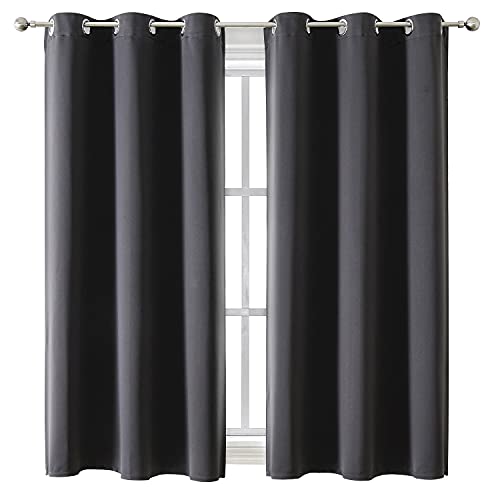
SET DETAILS: 2 charcoal gray curtains per package. Each panel measures 42 inch wide by 63 inch long with 6 silver metal grommets (1.6 inch inner diameter) on top, easy to install and slide.
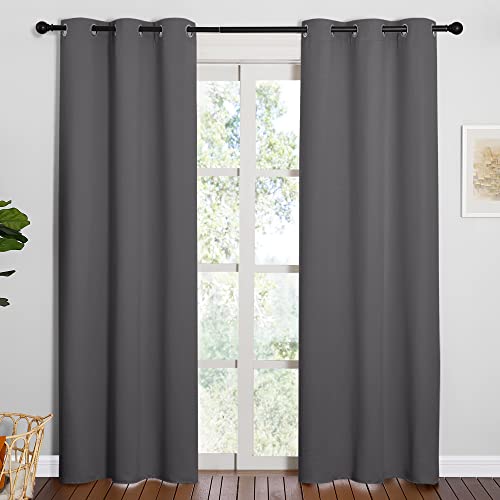
READY MADE: Set includes 2 BLACKOUT PANELS of 42" wide x 84" length with 6 grommets top each. Quality fabric without liner feels soft and heavy.
Best Rooms for Blackout Curtains (and Why They Work)
Certain spaces in your home demand uncompromising darkness, and blackout curtains deliver exactly that. You’ll find them essential in bedrooms where you need deep, restorative sleep without morning light intrusion. They’re equally crucial for home theaters, giving you cinema-quality glare reduction for immersive viewing.
Unlike basic room darkening options, true blackout curtains provide complete light control—blocking 95%–100% of light when you install them properly. You gain maximum privacy through thick, opaque fabric that shields your interior completely. The dense construction also delivers noise reduction benefits, muffling street sounds and neighborhood activity.
You’ll appreciate the insulation properties too. These curtains create thermal barriers that reduce heat transfer, generating real energy savings on heating and cooling bills. Layer them with liners to eliminate light gaps and boost performance further.
Recommended Products

Size & Quantity: Each pack contains 2 pieces, each 50" wide and 80" long. Each panel with 8 tabs, total 16 tabs. 17 pieces binder rings included(inner diameter 1.6 inch).

Size & Quantity: Each pack contains 2 pieces blackout panels for behind curtains, each 50" wide and 80" long. Each panel with 8 tabs, total 16 tabs. 18 pieces binder rings included(inner diameter 1.5inch).
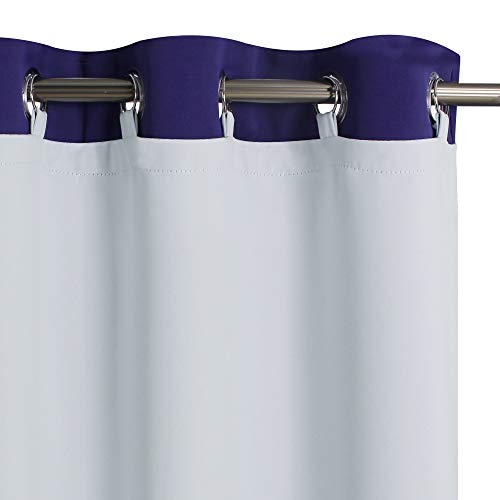
EFFECTIVE BLACKOUT: 2 panels per package, W50 x L80 each. The thick triple weaved fabric can enhance your curtain blackout effect up to 85%-99%(black works better than white), block the light and UV rays, offer a real dark environment for the night shift worker who has to sleep during the day.
When Room Darkening Curtains Fit Better
Where do you actually need flexibility with light rather than total elimination? When comparing room darkening vs blackout, you’ll find room darkening curtains deliver 70-80% light reduction—perfect for natural light control without complete elimination.
Your best fitting spaces include living rooms, home offices, and bedrooms where partial darkness preserves your circadian rhythm. You gain privacy and moderate insulation, though less robust than blackout alternatives. You’ll appreciate glare reduction for screen work and reading without sacrificing daytime ambiance.
You can master layering curtains with sheers or blackout panels, adjusting throughout the day. Remember, you’ll need sturdy hardware due to heavier fabrics. Room darkening strikes your ideal balance: significant dimming, flexible mood-setting, and practical functionality without the cave-like environment total blackout creates.
Recommended Products

𝑻𝑯𝑬 𝑫𝑰𝑭𝑭𝑬𝑹𝑬𝑵𝑪𝑬 𝑰𝑺 𝑻𝑯𝑬 𝑺𝑬𝑨𝑳𝑰𝑵𝑮 𝑮𝑨𝑺𝑲𝑬𝑻 – These light blockers for sides of blinds seal the light gaps most blackout shades and blinds leave behind. Unlike typical side tracks for blinds, our patented built-in foam gasket compresses against uneven walls to create a tighter seal and reduce side light leakage. This window light blocker improves blackout performance for cellular shades, roller shades, and more.

【Blackout Light Blockers】Window Blackout L-shaped strips are mainly installed on the side of curtains and blinds. Blocks light from entering from the sides of blackout curtains and sunshades, perfect for bedroom, home theaters, or nurseries.

[Blocks Side Light Gaps] Designed for roller shades, cellular shades, honeycomb blinds and roman shades, it effectively blocks the interstitial light leaking from the sides of window shades and blinds, compensates for the design gap of window coverings, and creates a darker, quieter sleeping and privacy environment for you.
Layering Blackout and Room Darkening Curtains Together
You don’t have to choose between blackout and room darkening—layering both gives you the best of each. Layered curtains combine near-total light exclusion with flexible brightness control, letting you adjust for day or night.
Layering blackout curtains inside with room darkening curtains outside—or reversing this—closes edge gaps and reduces light bleed significantly. These layered window treatments boost insulation and energy efficiency by creating dense thermal barriers against heat and cold.
You’ll also gain enhanced privacy, as opaque and semi-opaque fabrics together block outside visibility more effectively than single layers. To maximize results, ensure your panels overlap at edges and extend past the window frame. This strategic approach transforms your space without requiring specialized hardware solutions.
Recommended Products
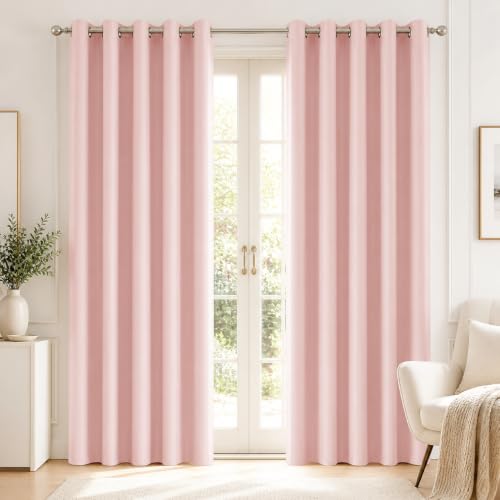
Ready-Made 2-Panel Set: Each package includes 2 lined blackout curtain panels. Silver metal grommets with a 1.6-inch inner diameter fit most standard curtain rods, making the panels easy to install and smooth to slide. The clean grommet top and substantial drape bring casual elegance to bedrooms, living rooms and home offices.

Designer Gold-Foil Print: This set includes 2 window panels in Black, each 42 inches wide and 72 inches long, finished with gold-foil wave lines and dots in warm metallic gold for a modern, designer-quality look in any room.

PREMIUM QUALITY - Masterly crafted 100% Polyester blackout curtain. Sold as a single panel (Panel measures 42" wide and 63" long).
Heavy Curtain Hardware: Rods, Tracks, and Light Gap Fixes
Why settle for curtains that sag or let light seep through the edges? You need robust hardware to support your blackout curtains and room darkening panels without bowing or failure.
First, check your mounting brackets. You should choose ones rated for at least double your curtain weight to prevent sagging and ensure smooth operation. For superior light control, install heavy-duty tracks or track systems designed for layered coverings. Traverse or double-track systems eliminate light gaps at seams while allowing flexible operation.
Consider ceiling-mounted tracks or dual-rod configurations when you want maximum darkness plus daytime filtering options. You can also block perimeter leaks through edge overlap techniques and magnetic light-blocking seals. These fixes transform ordinary setups into true darkening solutions that perform reliably year after year.
Recommended Products

Custom Design Fabric:Each package includes 2 panels of pinch pleated curtain with 18 hooks and 16 rings,measuring 40"Wx96"L each panel,To reduce budget while keeping the linen/cotton organic characteristics,Designer makes this stone washed ultra soft yet linen look blended fabric 20% cotton,20 linen,60% polyester.It drapes well,medium thick,airy and breathable in hot summer

【100% Blackout】HEMRLY blackout curtains are crafted from high-density polyester fabric with an upgraded reflective silver coating on the back. The window shades can completely block out sunlight and UV rays. Perfect for room darkening, thermal insulation and privacy protection
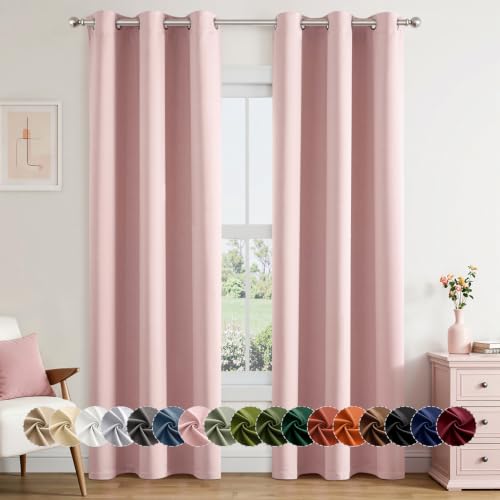
Pair Sold: Each package includes 2 panels of blackout curtains. Each panel measures 40"W x 84"L, with a pair measuring 80"W x 84"L. Each panel has 6 anti-rust silver grommets(1.6 inch inner diameter) which would fit most standard curtain rods
Energy Efficiency: Which Curtain Type Saves More?
Heavy hardware keeps your curtains in place, but the fabric itself determines how much energy you’ll save. Blackout curtains deliver superior insulation, cutting heat loss in winter and blocking heat gain in summer for maximum energy savings. Room darkening options offer moderate benefits, though you’ll notice less dramatic temperature control. Sheer window treatments barely help at all.
You’ll boost performance by checking fabric weight and lining—heavier, tightly woven materials trap air more effectively. Consider layering blackout curtains with shades to create additional thermal barriers. Your specific savings depend on window exposure and how well you seal edges against drafts. When you prioritize insulation in your selection, you’re investing in year-round comfort and lower utility bills without sacrificing style.
Recommended Products
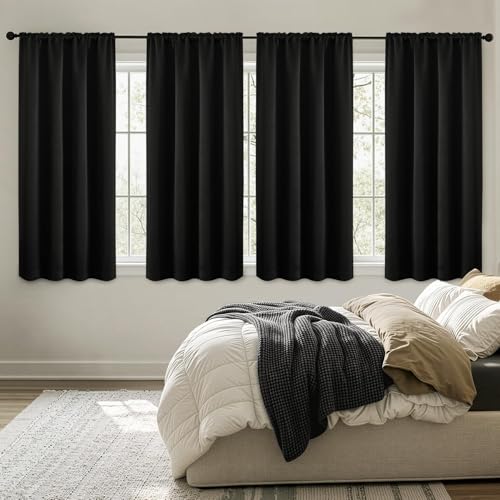
Package Includes & Material: Each package includes 4 black blackout curtains, each measuring 63 inches in length and 40 inches in width, with a total width of 160 inches for the 4 curtains. The 4-piece set provides fuller pleats and wider coverage, which is usually more cost-effective than purchasing two separate 2-piece sets. These curtains are the same colour on both sides. Made from thick 225 GSM matte single-layer fabric, these curtains drape neatly, creating a clean, modern look

【Package Content】Set of 2 100% blackout ombre curtain panels. Each panel measures 52 inches wide x 84 inches long, enough to cover any window. No Lining. The quality fabric feels soft and heavy. Grommet Construction, Good to go thread trimmed and wrinkle-free, the ring (1.6-inch inner diameter) fits easily with standard curtain rods.

Pair Sold: Each package includes 2 panels of blackout curtains. Each panel measures 40"W x 63"L, with a pair measuring 80"W x 63"L. Each panel has 6 anti-rust silver grommets(1.6 inch inner diameter) which would fit most standard curtain rods
Noise Reduction: Blackout vs. Room Darkening Performance
Thick fabric layers make blackout curtains your best defense against street noise, traffic rumble, and neighborly chatter. Their superior fabric density absorbs sound waves more effectively than lighter alternatives, delivering meaningful noise reduction for your space.
Room-darkening options provide moderate sound dampening as a secondary benefit, though you’ll notice less impact due to their thinner construction. You sacrifice some acoustic performance for lighter materials.
Your light blocking and noise reduction goals often align—blackout curtains excel at both simultaneously. Consider layering either curtain type with additional panels or linings to increase mass and eliminate air gaps between window treatments. This simple upgrade boosts practical quietness without replacing your existing setup.
Choose blackout curtains when you demand maximum silence; select room-darkening if you accept moderate noise control alongside partial light filtration.
Recommended Products
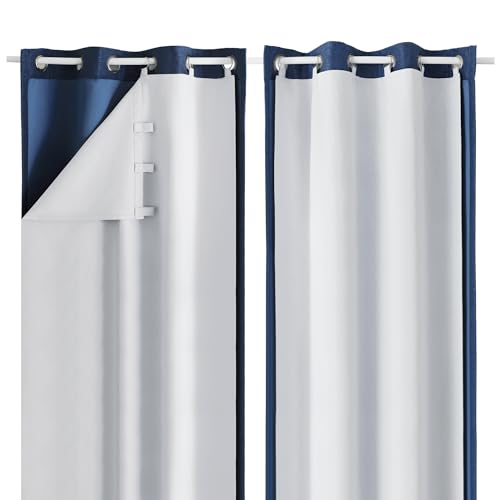
Sold as 2 Panels: Each Package contains 2 pieces: 40"Wide x 92"Long. Each panels has 8 back tabs, back tabs 16 totally. 17 drapery Rings included(1 for backup). The rings inner diameter 1.5 inch, easy to install.
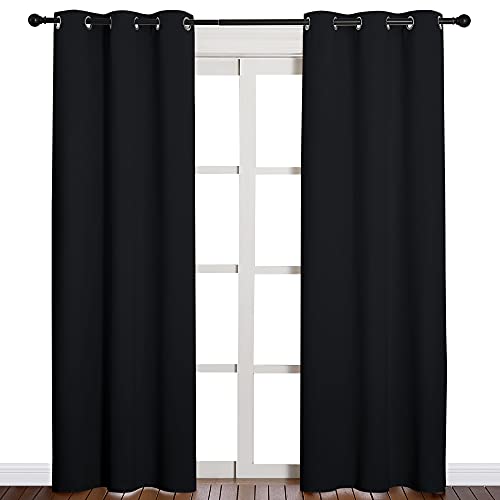
READY MADE: Set includes 2 BLACKOUT PANELS of 42" wide x 84" length with 6 grommets top each. Quality fabric without liner feels soft and heavy.

Premium Blackout Material: Our blackout curtain liner are crafted from a premium super soft and thick triple weaved polyester fabric with black lining yarn in the middle to block out the sun and UV protection.
Final Choice: Deciding Based on Your Priorities
Your noise reduction needs now sit alongside light control, energy savings, and privacy as you weigh your final decision. Start by setting priorities: do you need near-total darkness for sleep, or will substantial dimming suffice?
Blackout curtains deliver 95%–100% light blockage, superior insulation, and maximum privacy. Room darkening offers 60%–80% reduction with good privacy and lower cost. For energy efficiency, blackout curtains reduce heating and cooling costs more effectively through tighter construction.
Test fabric yourself—hold a flashlight against it. You’ll spot light seepage easily in room darkening materials, while blackout fabrics block nearly everything.
If you demand complete control, explore layering options like adding shades or side channels to blackout curtains. This eliminates gaps and achieves true darkness. Choose based on which features dominate your daily life.
Recommended Products
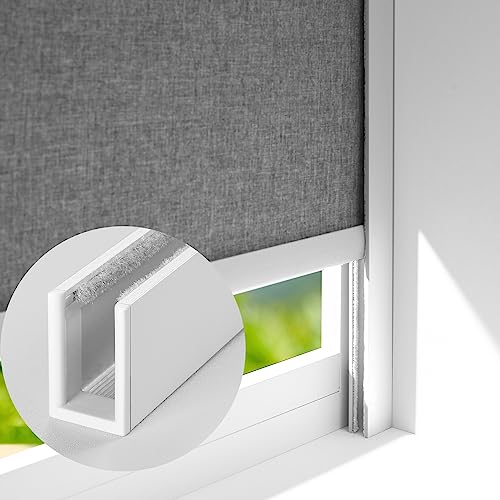
【Why we need to install light blockers for shades】Most blinds and blackout shades are made slightly narrower than the window frame to allow smooth raising and lowering. This design often causes light leakage from the sides. If your blackout blinds or shades still let in unwanted side light, this common side gap issue can reduce room darkening. ZSTARR light blocking strips are designed to help solve this problem and improve overall room darkening performance.
【Why we need to install light blockers for shades】Most blinds and blackout shades are made slightly narrower than the window frame to allow smooth raising and lowering. This design often causes light leakage from the sides. If your blackout blinds or shades still let in unwanted side light, this common side gap issue can reduce room darkening. ZSTARR light blocking strips are designed to help solve this problem and improve overall room darkening performance.

【Why we need to install light blockers for shades】Most blinds and blackout shades are made slightly narrower than the window frame to allow smooth raising and lowering. This design often causes light leakage from the sides. If your blackout blinds or shades still let in unwanted side light, this common side gap issue can reduce room darkening. ZSTARR light blocking strips are designed to help solve this problem and improve overall room darkening performance.
Conclusion
You’ve got the facts—now it’s your call. Choose blackout curtains when you need total darkness, maximum privacy, and serious energy savings for bedrooms or home theaters. Pick room darkening when you want substantial dimming without the weight, cost, or hardware demands, perfect for living spaces. Layer both if you’re chasing true darkness. Your sleep quality, budget, and room function should guide you. Trust your priorities and install accordingly.