
You want your pillows to look full, not frumpy, but choosing the wrong insert size leaves you with sad, sagging corners. The standard advice says go two inches larger than your cover, yet that rule crumbles when you’re dealing with vintage fabrics or oversized Euro shams. Before you toss another flat pillow in frustration, you need to know exactly when to follow the chart and when to ignore it completely.
Key Takeaways
- Choose inserts two inches larger than cover dimensions for a taut, polished look with no floppy corners.
- Standard square covers: 16″→18″, 18″→20″, 20″→22″, 22″→24″, 24″→26″ insert sizes.
- Rectangular lumbar covers pair with inserts two inches larger on each side (e.g., 12×20 cover with 14×22 insert).
- Never exceed four inches larger; downsize for vintage or delicate fabrics, upsize for thick, high-loft materials.
- Always verify actual cover measurements, as brand sizing varies.
Recommended Products

High-Rebound Filling: These pillows bounce back into shape every time after use. They are filled with 100% virgin fiber. It makes them lightweight, comfortable, and supportive. Solving the long-standing problem of the pillows going flat or saggy

PILLOW INSERT 18x18:The package includes 2 pieces of 18 by 18-inch pillow inserts with a Cotton Cover, which is breathable and skin-friendly.
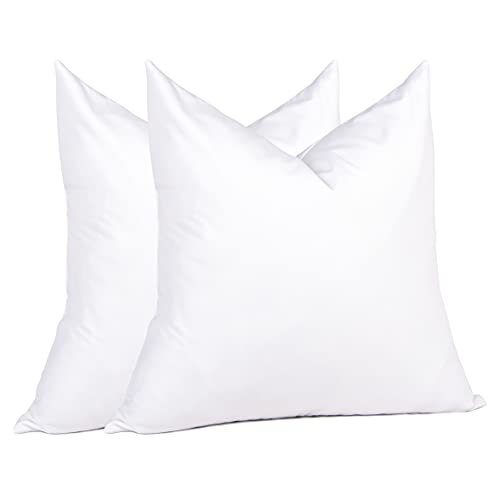
Luxurious Feather & Down Filling: Filled with a premium blend of 95% feather and 5% down, these pillow inserts deliver the perfect balance of support and softness. The feather core provides structure while the down adds plush comfort — creating a full, designer-style look for your decorative pillows.
How Much Larger Should Your Pillow Insert Be?
Why does your decorative pillow look so deflated? You’ve likely stuffed a 20-inch insert into a 20-inch cover, and that’s your mistake. You need to size up.
Choose inserts two inches larger than your cover dimensions. That means a 20-inch cover demands a 22-inch insert. This rule applies to squares and rectangles alike.
You’ll notice the difference immediately. The extra filling creates tension, forcing the fabric taut and eliminating those sad, floppy corners. Your pillow gains that coveted karate-chop-worthy structure and professional polish.
Don’t go overboard. Four inches larger than your cover strains seams and risks distorting the shape. Stick to the two-inch guideline for optimal results.
Measure your covers carefully before you buy. You’ll transform limp cushions into plump, inviting accents that hold their shape through daily use.
Recommended Products

Long-lasting Durability: 100% Virgin Filling and 110 GSM Brushed Fabric combining aesthetics and practicality for long-lasting use. 20x20 pillow insert is filled with 600g/1.3lb filling (20% more than other).
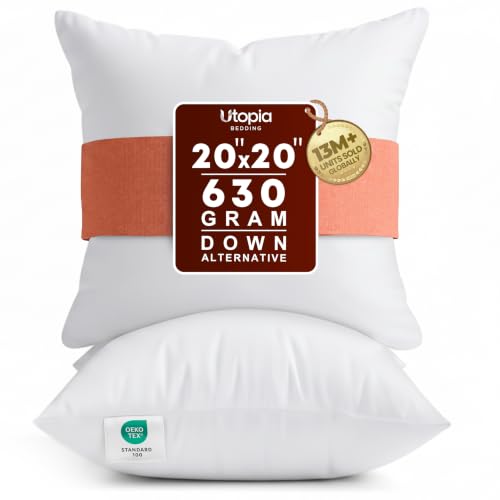
Packaging - Pillows are compressed in vacuum packaging because of shipping purpose, they might appear as one large pillow.

Pillow Inserts: The package contains with 2 packs of throw pillow inserts sized 20x20 inches. This size will not change over time and will not shrink due to water washing.
Pillow Insert Size Chart: Find Your Match Fast
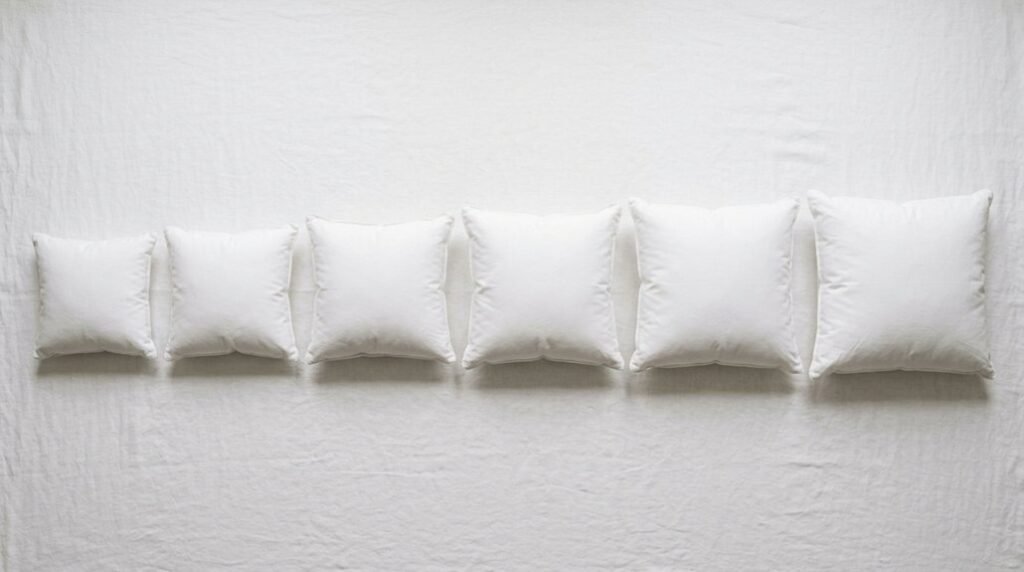
Two inches larger is your golden rule, but you still need to match insert dimensions to common cover sizes without guesswork. You’ll find standard covers at 16×16, 18×18, 20×20, 22×22, and 24×24 inches, so grab inserts at 18×18, 20×20, 22×22, 24×24, and 26×26 respectively.
For rectangular lumbar covers, size up similarly: a 12×20 cover needs a 14×22 insert, while 14×24 pairs with 16×26.
You should check your cover’s actual measurements too, since brands vary. Some run small, so you’ll adjust accordingly. European squares at 26×26 take 28×28 inserts, and king shams around 20×36 require 22×38 for that full, polished look.
Keep this chart handy when you shop. You’ll save time, skip returns, and stuff every cover perfectly on your first try.
Recommended Products

Package:One 22x22 inch is included. Please allow 1~2cm deviation because of hand-cutting and sewing.Measure corner-to-corner of your inserts,pulling tight along outer edges.Inserts should be larger than covers for a full look

High-Rebound Filling: These pillows bounce back into shape every time after use. They are filled with 100% virgin fiber. It makes them lightweight, comfortable, and supportive. Solving the long-standing problem of the pillows going flat or saggy

Long-lasting Durability: 100% Virgin Filling and 110 GSM Brushed Fabric combining aesthetics and practicality for long-lasting use. 22x22 pillow insert is filled with 700g/1.54lb filling (20% more than other).
When to Break the 2-Inch Rule
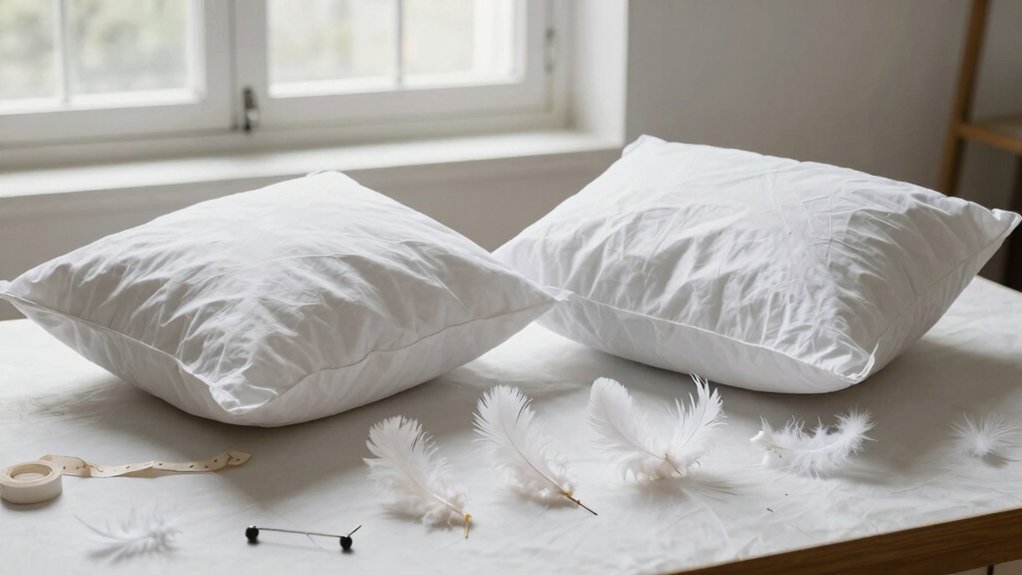
Sometimes you’ll want a different look than standard fullness provides, so knowing when to downsize or upsize beyond the usual two inches gives you real control over your space.
Choose a smaller insert when you’re working with vintage covers or delicate fabrics that can’t handle tension. You’ll prevent seam stress and preserve aged stitching this way. Downsize also for a relaxed, casual aesthetic—think slouchy lumbar pillows on a reading chair.
Upsize by three to four inches when you crave dramatic karate-chop definition or need pillows to stand taller on deep sofas. Oversized inserts fill out thick, high-loft covers like faux fur or heavy embroidery that standard sizes leave sagging.
Match your insert strategy to your fabric weight and intended vibe. Breaking the rule isn’t wrong—it’s intentional design.
Recommended Products

Feather and Down Filling: Filled by 1615 g/3.56 lb premium feather down (20% more than other) and our innovative double-layered textured woven fabric can effectively prevent feathers overflowing

High-Rebound Filling: These pillows bounce back into shape every time after use. They are filled with 100% virgin fiber. It makes them lightweight, comfortable, and supportive. Solving the long-standing problem of the pillows going flat or saggy
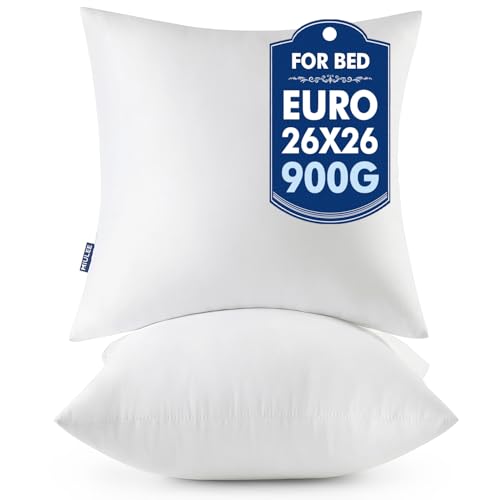
Long-lasting Durability: 100% Virgin Filling and 110 GSM Brushed Fabric combining aesthetics and practicality for long-lasting use. 26x26 pillow insert is filled with 900g/1.98lb filling (20% more than other).
Why Your Pillows Look Flat (And Quick Fixes)
Even the most intentional sizing strategy won’t save your pillows if the insert itself has given up. Cheap polyester loses loft within months, while premium down settles and compresses over years. You’ll spot the failure immediately: sad corners, no resistance when you squeeze, covers that wrinkle instead of stretching taut.
Rotate your inserts weekly to redistribute filling. Fluff vigorously—slap the centers and knead the edges until air refills the chambers. For synthetic fills, toss them in the dryer with tennis balls for ten minutes. Down revives with gentle steaming.
If these fixes fail, you’ve reached end-of-life. Replace rather than suffer. A flat pillow betrays your careful sizing choices and drags down your entire room’s polish.
Recommended Products

Premium Quality: Filler is 360g/0.79lb 7D fiber(20% more than other) with good breathability and softness. The cover is smooth brushed fabric, comfortable, durable.

SIZE: Including one 12x20in/ 30x50cm pillow insert. Please allow 1-2cm deviation because of hand-cutting and sewing.Inserts should be larger than covers for a full look. Curve Measure corner-to-corner of your inserts, pulling tight along outer edges.

Long-lasting Durability: 100% Virgin Filling and 110 GSM Brushed Fabric combining aesthetics and practicality for long-lasting use. 12x20 pillow insert is filled with 360g/0.8lb filling (20% more than other).
Where to Shop for Quality Pillow Inserts
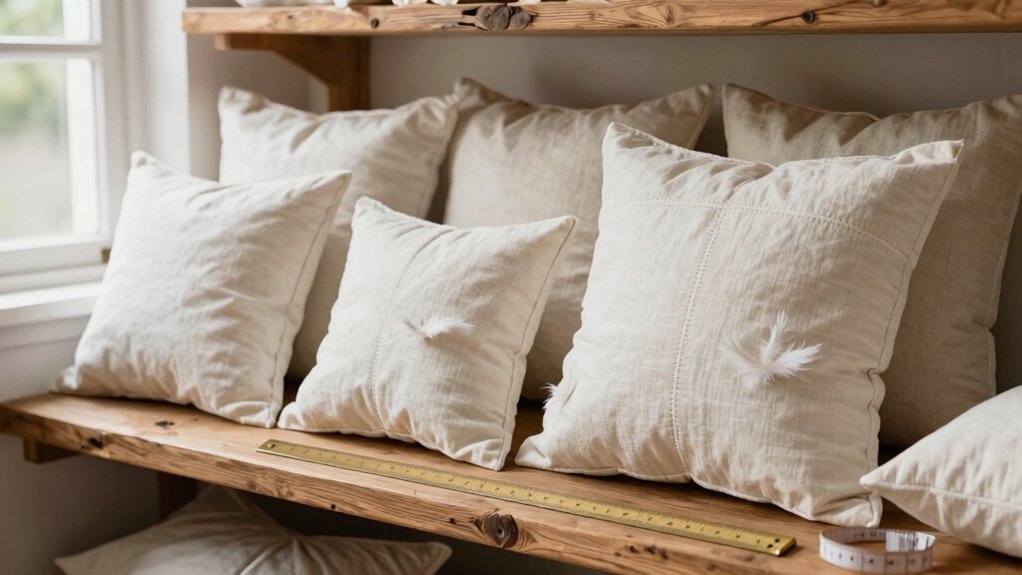
Where can you actually find inserts that survive daily abuse? Skip the big-box stores and head straight to specialty retailers.
You’ll discover your best options at textile suppliers like Jo-Ann or Fabric.com, where you can inspect fill density firsthand. Online, Amazon Basics and Utopia Bedding deliver surprisingly resilient polyester options, though you’ll sacrifice some loft longevity. For premium down and feather blends, you’ll pay more at retailers like Pottery Barn or The Company Store—but you’ll gain inserts that bounce back for years.
Don’t overlook hotel surplus suppliers; they stock commercial-grade inserts built for constant use. When you shop, you’ll want to squeeze the corners and check for even distribution. You’re investing in daily comfort, so you’ll prioritize certified fills and reinforced seams over bargain prices.
Recommended Products

Long-lasting Durability: 100% Virgin Filling and 110 GSM Brushed Fabric combining aesthetics and practicality for long-lasting use. 18x18 pillow insert is filled with 500g/1.1lb filling (20% more than other).
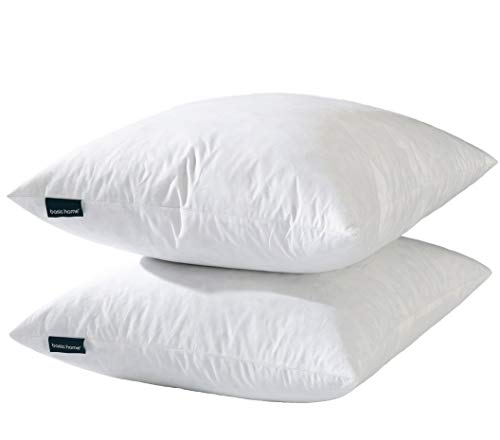
ACHIEVE THE PERFECT HOTEL LOOK Tired of flat, lifeless pillows? Our insert is generously filled to provide the ideal balance of softness and support, allowing you to plump and style it for that luxurious, "chopped" look on your sofa or bed.

18x18 Pillow Insert set of 2: Contains two fluffy 18x18 pillow inserts with ultra-soft comfort and fast rebound. This versatile 18x18 pillow inserts filler offers great support for your back, neck and waist, adding softness and decorative charm to any room.
Conclusion
You’re ready to create perfectly plump pillows. Remember: size up two inches from your cover, never more than four. Check actual measurements since brands vary. Break the rule for vintage fabrics or dramatic loft. Quality inserts make all the difference between sad, flat cushions and the polished look you’re after. Now grab that tape measure and start shopping.
Recommended Products
SQUARE PILLOW INSERT: The package includes 2 pieces of 20-inch by 20-inch pillow inserts with a Cotton Cover, which is breathable and skin-friendly.
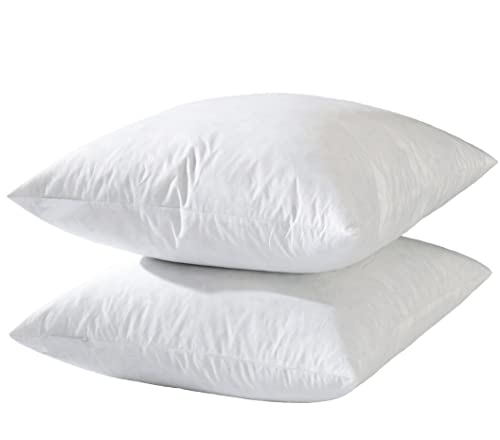
ACHIEVE THE PERFECT HOTEL LOOK Tired of flat, lifeless pillows? Our insert is generously filled to provide the ideal balance of softness and support, allowing you to plump and style it for that luxurious, "chopped" look on your sofa or bed.

PILLOW INSERT 20x20:Including 1 piece of 20 x 20 inch pillow insert with a textured woven fabric cover, durable and breathable. Soft yet supportive, it keeps a beautifully plump shape and is built for styling, making it easy to achieve the classic karate chop look with a full appearance.