
Expert Home Style – For the Price of a Coffee ($3.90)
Master high-end design secrets (Tuscan, Modern) without the expensive consultants.
🛒 Buy NowDecorating a space is an art, and there’s something magical about the warmth and charm that rugs can bring to a room. If you’ve been exploring ways to elevate your home decor, using multiple rugs in one room could be the answer you’ve been looking for. With the right layering techniques and placement tips, you can transform your space into a cozy haven that speaks to your personal style. This post is crafted to inspire you to get creative with layering rugs and redefine how you view your home’s interior.
If you’re a homeowner, renter, or simply someone passionate about interior design, this guide is designed for you. Maybe you’re looking to add coziness to your living room, define spaces in an open floor plan, or simply experiment with textures and colors. You’re in the right place! Here, you’ll discover 15 creative ideas that will help you effectively use multiple rugs in one room. These ideas are practical, stylish, and perfect for anyone wanting to make their home feel more inviting and uniquely theirs.
By diving into this guide, you’ll gain insights into how to blend various textures and colors, create defined spaces, and even incorporate seasonal changes with your rugs. Whether you want to create a cozy reading nook or a glamorous statement area, these tips will fill your home with warmth and personality. So, grab your favorite cup of coffee, and let’s get started on your new decorating adventure!
Key Takeaways
– Using multiple rugs allows you to add different textures, enriching the overall look of your space and making it feel more dynamic.
– Defining spaces with area rugs can help in open layouts, giving each zone a unique identity while maintaining a cohesive design.
– A cozy reading nook can be easily created with layered rugs, providing comfort and inviting you to curl up with a good book.
– Experimenting with patterns and sizes can lead to exciting visual contrasts, making your space feel eclectic and fun.
– Seasonal rug changes can refresh your décor, allowing you to play with colors and themes throughout the year without a complete overhaul.
1. Layer Different Textures
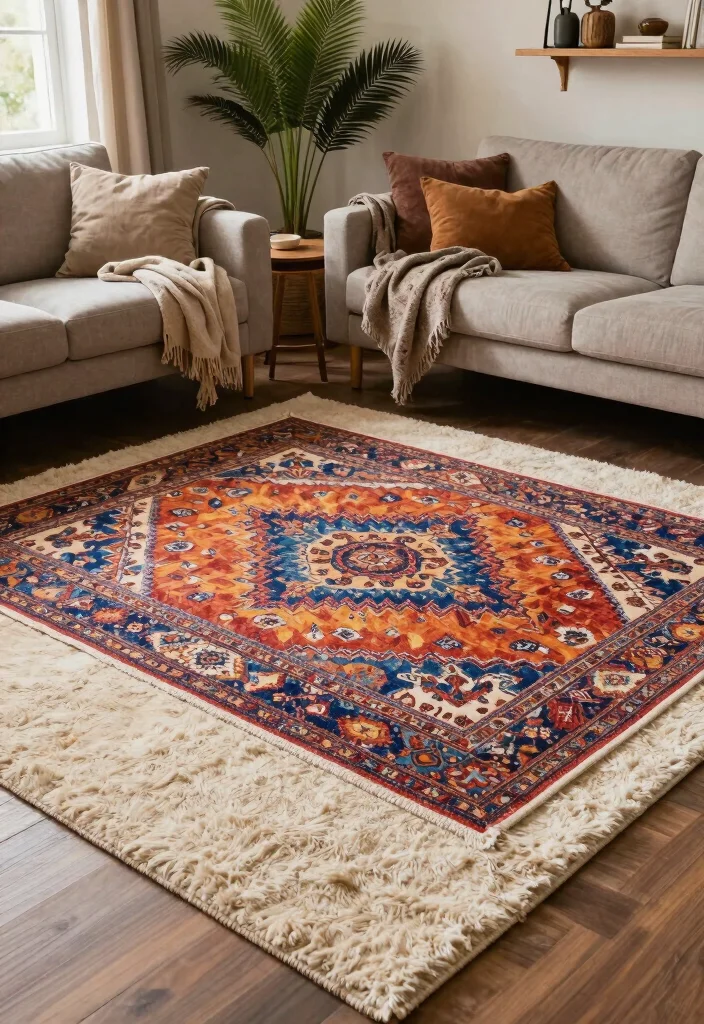
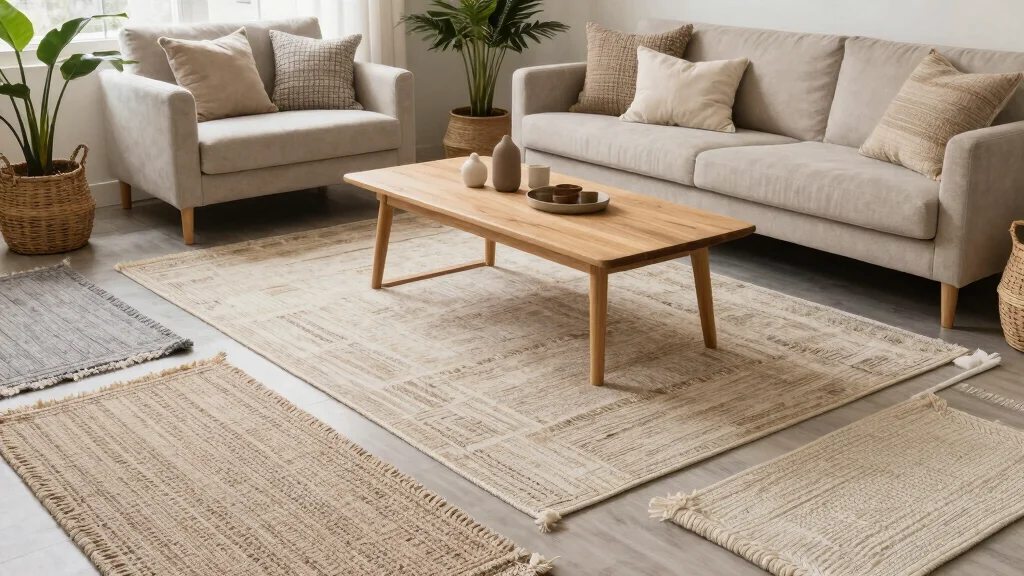
Layering different textures in your decor can elevate your space in remarkable ways. Begin with a plush area rug as a foundation, adding a flat-weave or jute rug on top. This combination creates visual depth and a tactile experience that invites interaction. For example, pair a soft shag rug with a sleek cotton option to make your area feel cozy and engaging.
To implement this, focus on contrasting fibers like wool and sisal for added richness. Don’t hesitate to mix subtle shades for a harmonious look or go bold to create a striking statement. Consider sourcing rugs from local markets or online shops to find unique pieces that fit your budget.
Consider these elements to maximize your layered textures:
– Pair a luxurious shag rug with a minimalist cotton option.
– Install contrasting fibers like wool and sisal for added depth.
– Use colors to enhance unity or create a vibrant focal point.
This approach not only enriches your design but also offers a sensory experience, making your home feel welcoming and alive.
🏡 Transform Your Home Today
Unlock the secrets to stunning room designs with our DIY guide for creative home makeovers and layered textures.
2. Define Spaces with Area Rugs
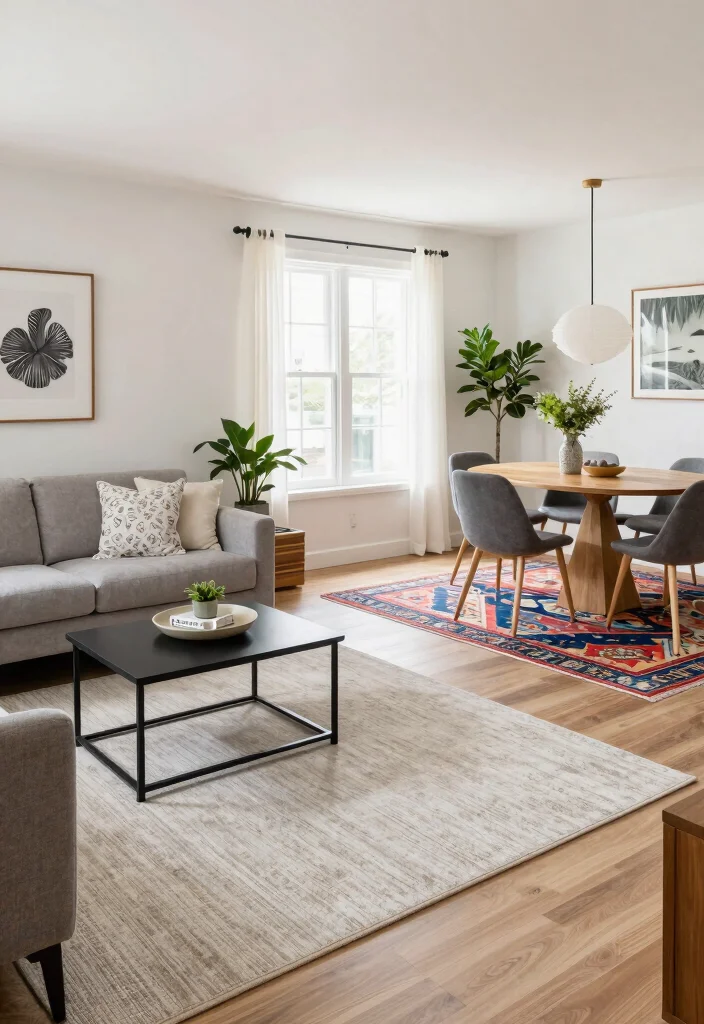
Utilizing area rugs is one of the most effective ways to define different spaces in a room. In larger areas, rugs can visually separate sections like the living room from a dining area, enhancing both organization and aesthetics. This method helps create distinct areas that feel cohesive yet unique.
To achieve this, select rugs that complement each other in color or design for a unified appearance. Ensure that each rug is adequately sized to accommodate the main furniture pieces, providing a comfortable and inviting atmosphere for each zone. A neutral base rug can set the stage in spacious areas while colorful accents can bring life to smaller spots.
Here are some tips for defining spaces with area rugs:
– Choose complementary rugs for a cohesive look.
– Ensure rugs are large enough to fit under key furniture.
– Use a neutral rug in expansive areas and colorful ones in smaller zones.
This method enhances the functionality of your space while maintaining an organized and visually appealing flow.
3. Create a Cozy Reading Nook
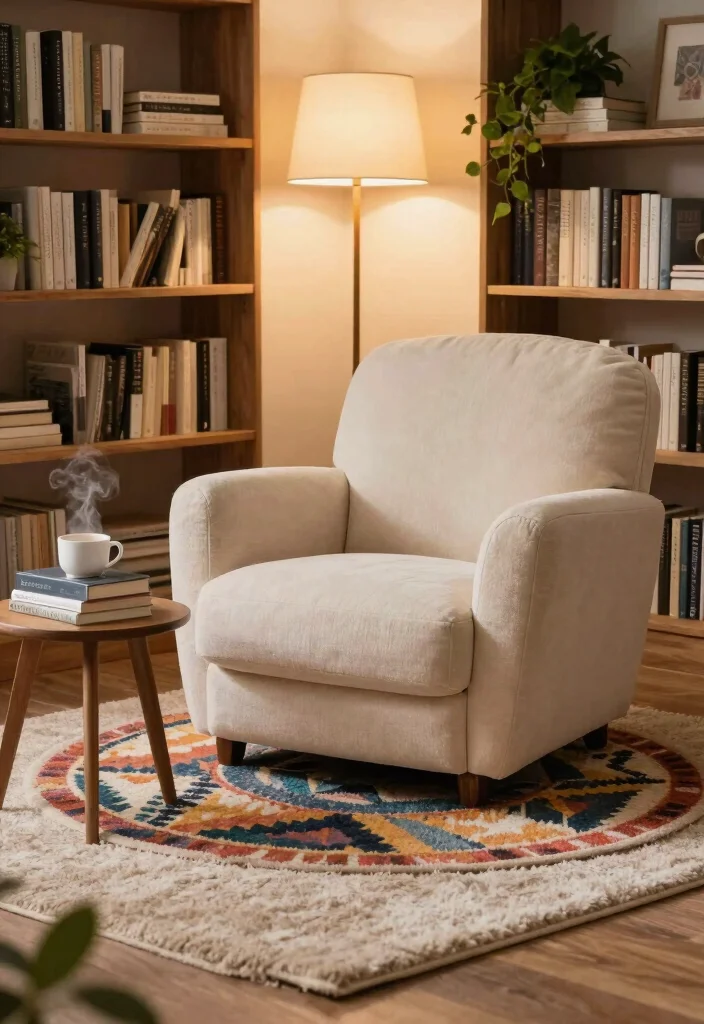
Transforming a corner into a cozy reading nook can offer a delightful retreat, and layering rugs plays a vital role in that comfort. Start with a soft, inviting rug as the base, layering it with a vibrant, smaller rug for added visual interest. This combination makes your reading nook an inviting oasis for relaxation.
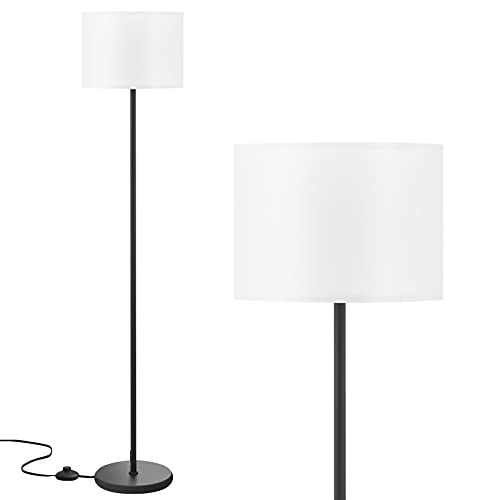
For practical implementation, include a plush oversized chair or bean bag for ultimate comfort. A small side table can hold your favorite books and a warm beverage, while a well-placed floor lamp or wall-mounted light sets the perfect reading ambiance. Consider using rugs that are easy to clean to maintain a tidy space.
Here are some elements to consider for your reading nook:
– Include a plush chair or bean bag for relaxation.
– Use a small table for books and drinks.
– Add a floor lamp for soft lighting.
Layering rugs in this way adds warmth and charm, creating a personal escape from the hustle and bustle of daily life.


4. Play with Patterns
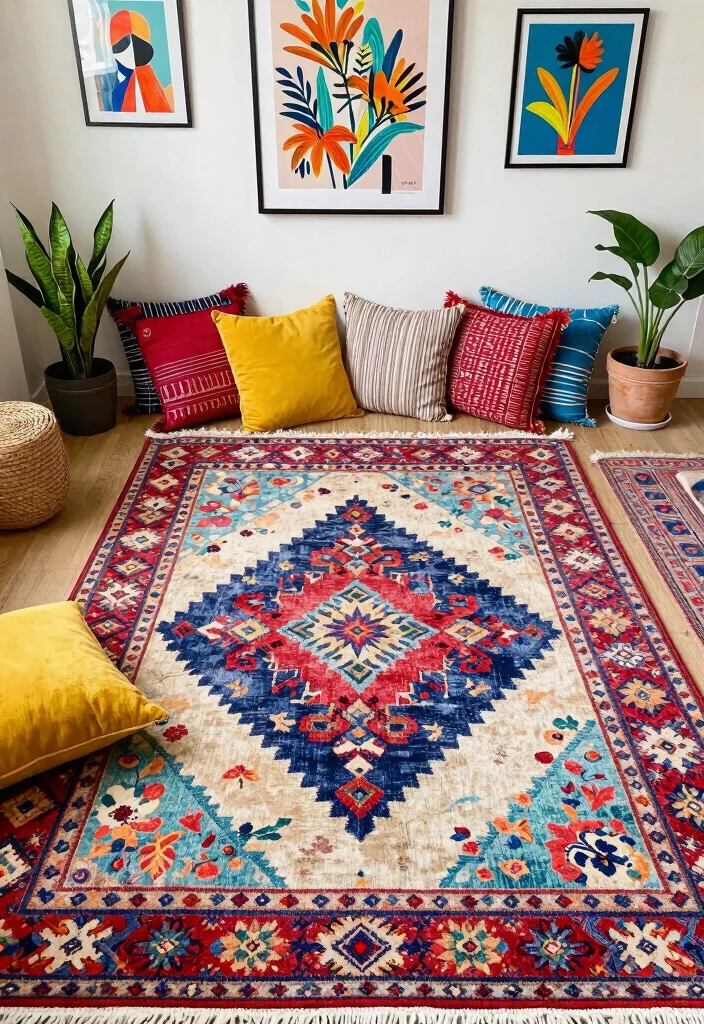
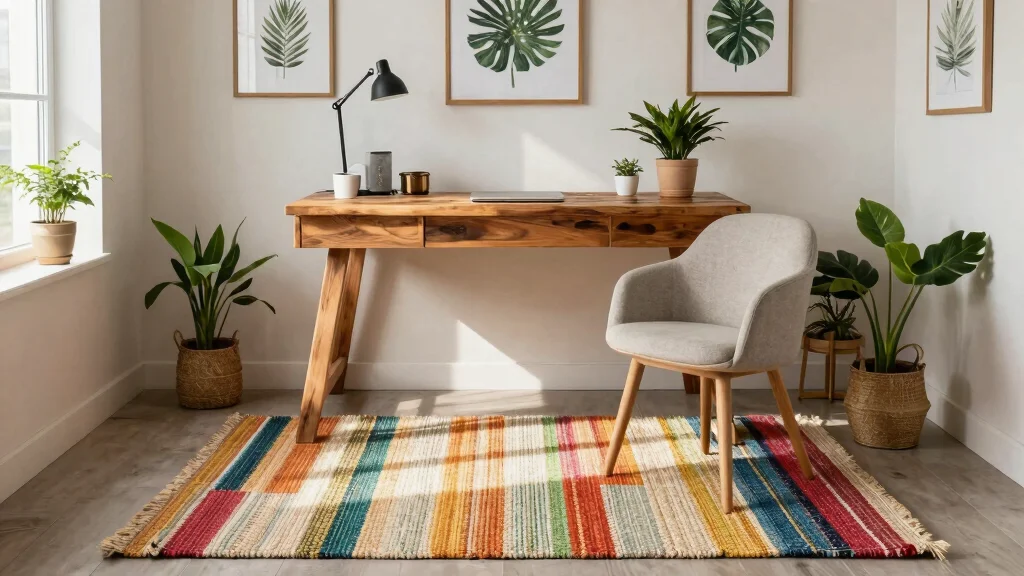
Incorporating multiple rugs with various patterns can infuse your space with a lively and eclectic atmosphere. The trick is to maintain a unifying theme through color or style, allowing florals to mingle with stripes or geometric designs for a spirited vibe. This approach can make your environment feel full of character.
To successfully mix patterns, ensure one design dominates to prevent visual chaos. Use similar color palettes across the patterns for cohesion, and keep the overall theme in mind—whether it’s bohemian, modern, or vintage. Shop for rugs that fit your desired aesthetic while considering budget-friendly options.
Here’s how to creatively play with patterns:
– Ensure one pattern is dominant to maintain balance.
– Use similar color palettes for cohesion across patterns.
– Keep the overall theme consistent, like boho or modern.
Embracing patterns in your rugs not only enhances visual interest but also allows you to express your unique style in a captivating way.
5. Incorporate Vintage Finds
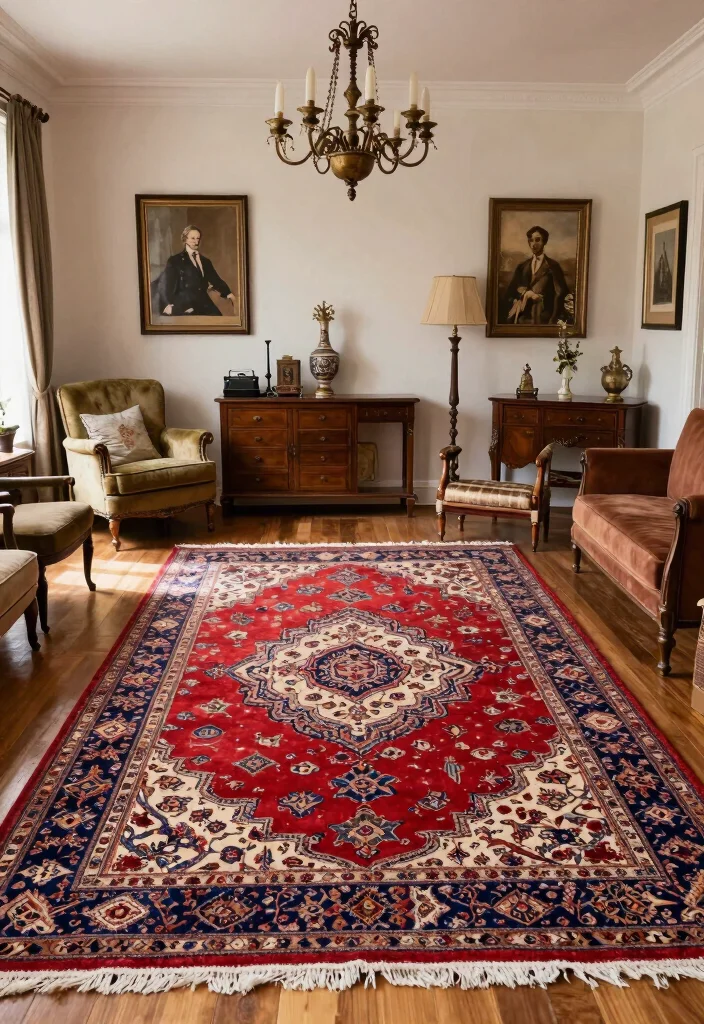
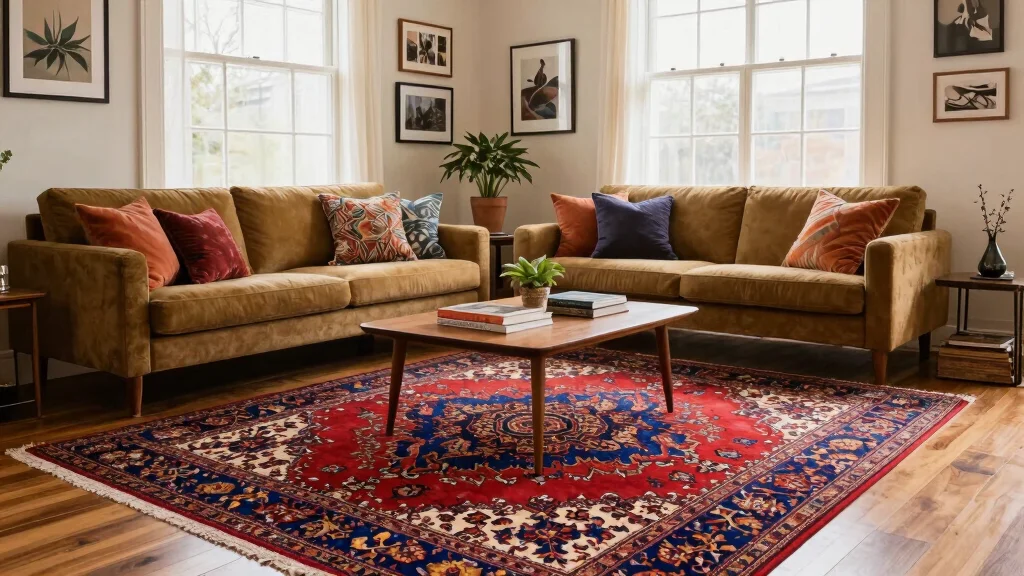
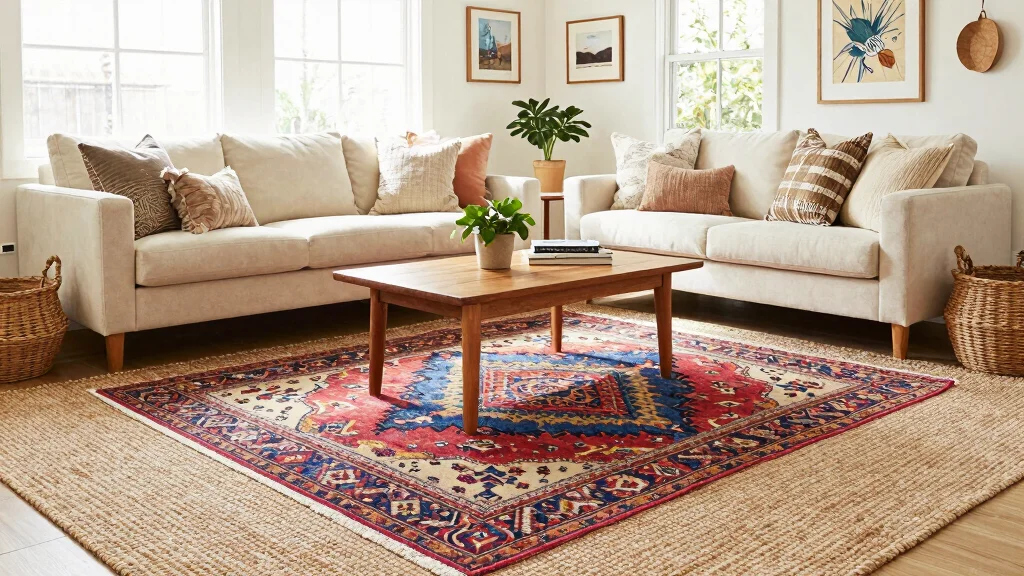
Vintage rugs bring a unique charm to your home, adding character and history. Layering a vintage piece over a modern rug can create a striking contrast that feels timeless and sophisticated. Look for worn textures and faded colors that tell a story, enriching your decor’s narrative.
For sourcing, explore thrift shops, online marketplaces, or local flea markets for one-of-a-kind finds. Pair a vintage Persian rug with a simple contemporary base for stunning contrast. Mixing vintage elements like furniture or decor can create a cohesive, nostalgic look that feels curated and personal.
Consider these tips for incorporating vintage finds:
– Visit thrift shops for unique vintage pieces.
– Pair a vintage rug with a neutral contemporary base.
– Mix in vintage decor items for a cohesive look.
Utilizing vintage rugs not only enhances your decor but also infuses your space with a sense of history and individuality.
Dimensions & Size Guide
Standard Sizes & Measurements:
When you are planning to use multiple rugs in one room, understanding sizes is crucial. Here are some common rug sizes:
– 2′ x 3′: Good for entryways or small spaces.
– 5′ x 7′: Ideal for a small seating area or under a coffee table.
– 8′ x 10′: Works well in larger areas, such as living rooms or dining rooms.
– 9′ x 12′: Best for spacious rooms where you want to define a larger space.
For layering rugs effectively, ensure that the top rug is at least 3 to 4 inches smaller than the one beneath it. This allows for a balanced look and keeps the layers visible without overwhelming the space.
Quick Reference Table:
Size/Dimension – Best for: [use case], Minimum space needed: [measurement]
– 2′ x 3′ – Best for: Entryways, Minimum space needed: 2′ x 3′
– 5′ x 7′ – Best for: Small seating areas, Minimum space needed: 5′ x 7′
– 8′ x 10′ – Best for: Living rooms or dining rooms, Minimum space needed: 8′ x 10′
– 9′ x 12′ – Best for: Large rooms, Minimum space needed: 9′ x 12′
Space Planning Tips:
1. Measure Your Space: Before purchasing rugs, measure the area where you plan to place them. This helps ensure they fit well without crowding the room.
2. Leave Some Floor Space: It’s best to leave 12 to 18 inches of exposed floor around the edges of the rug. This creates a frame that helps define the rug’s space.
3. Use Painter’s Tape: If you’re unsure about placement, use painter’s tape to outline the rug’s dimensions on the floor. This gives you a visual reference to see how it will look.
4. Consider Furniture Placement: When layering, make sure larger furniture pieces sit partially on the rug. This connects the furniture with the rug, creating a cohesive look.
5. Avoid Overlapping Patterns: If you’re using patterned rugs, choose designs that complement each other in color or style. Too many clashing patterns can overwhelm a space.
Pro Tip: The most important measurement is the space where the rug will be placed. Always check the dimensions of your room first. This ensures that your rugs enhance your space rather than making it feel cramped. Regularly stepping back and evaluating your layout will help achieve that cozy and stylish look you desire!


6. Use Rugs to Add Color
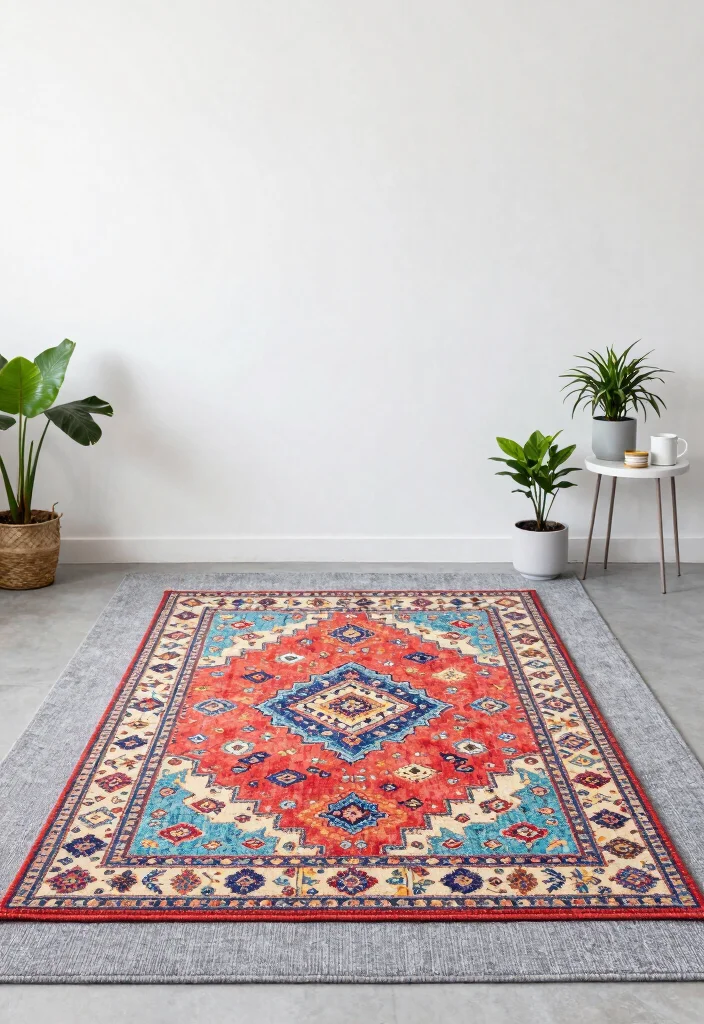
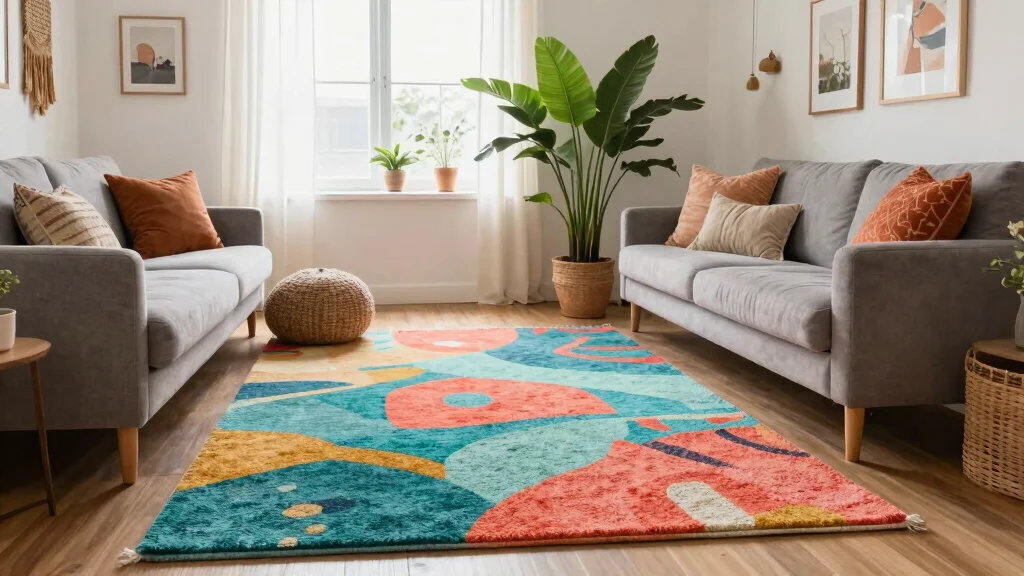
Rugs serve as an excellent vehicle for introducing color into your space without overwhelming it. Layering a bold-colored rug over a neutral base creates focal points that draw the eye and enliven a room. This technique particularly shines in minimalist settings, where subtlety is essential.
To implement this, choose a vibrant rug that contrasts well with your existing decor. Use color theory to select hues that complement each other and enhance the overall aesthetic. Keep other design elements minimal to allow the rugs to truly stand out and take center stage.
Here are some tips for adding color with rugs:
– Opt for a vibrant rug that contrasts your decor.
– Use color theory to ensure complementary hues.
– Maintain minimal elements to let the rugs shine.
Incorporating color through layered rugs not only elevates the vibrancy of the room but also maintains a balanced and harmonious aesthetic.
7. Experiment with Sizes
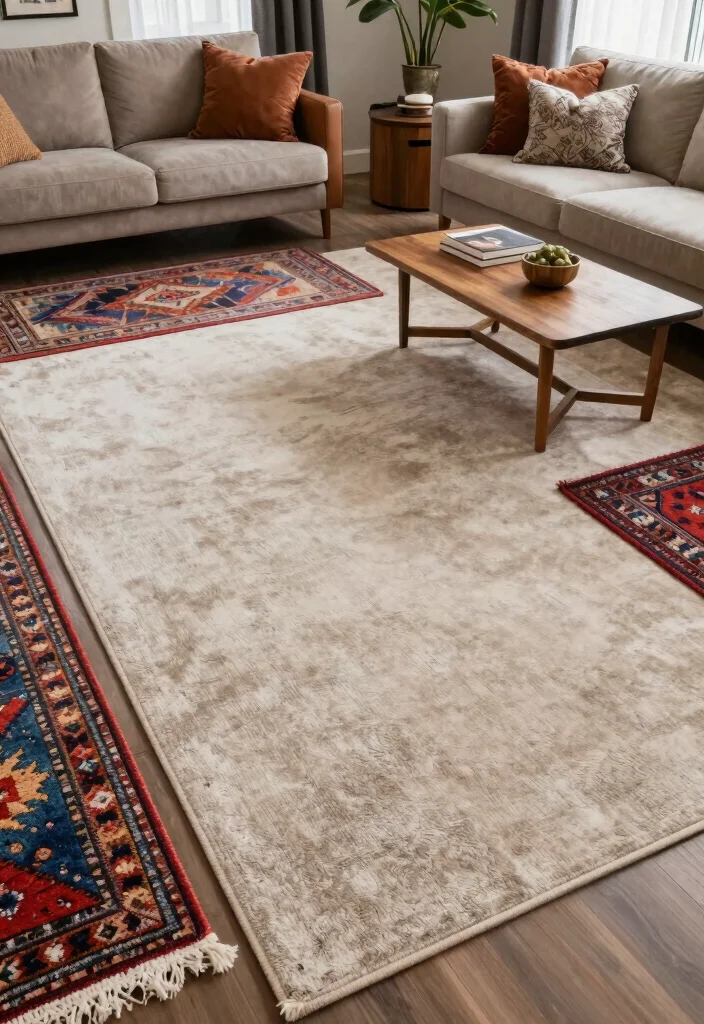
Mixing various rug sizes can create an engaging layered look that feels both curated and sophisticated. Pairing a large area rug with smaller accent rugs adds depth and helps define spaces, especially in expansive rooms. This playful approach invites creativity and can transform the overall feel of a space.
To successfully implement this, start with a large rug as your base, then add smaller rugs in key areas like beside a bed or in front of a chair. Ensure that the edges of the smaller rugs relate to the larger one to maintain a seamless flow throughout the room. Balancing proportions is crucial; avoid letting a small rug get lost under a larger one.
Consider these ideas when experimenting with sizes:
– Use a large rug as a base with smaller accents.
– Ensure smaller rugs relate to the larger one for flow.
– Balance proportions to keep a cohesive look.
This approach enhances depth and character, making any room feel more inviting and well-designed.
8. Focus on Functionality
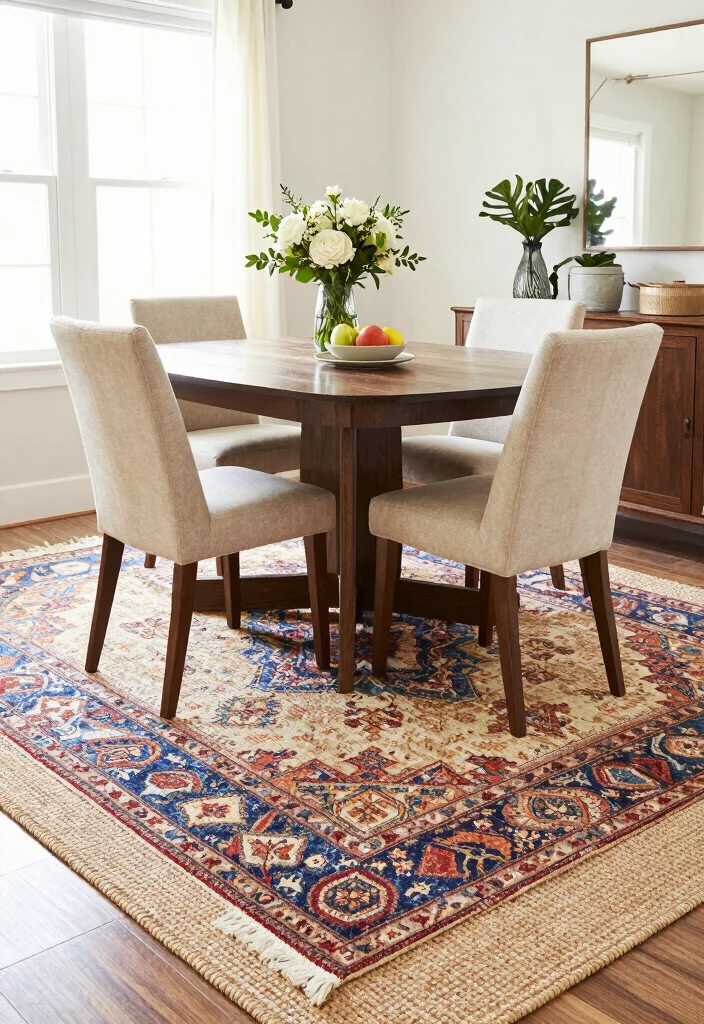
Layering rugs goes beyond aesthetics; it also enhances functionality. In high-traffic areas, opt for durable rugs that withstand wear while retaining style. A plush layer atop a more resilient base can provide comfort without sacrificing visual appeal.
Choose rugs made from easy-to-clean materials to simplify maintenance. A thicker bottom rug provides insulation and support, while a softer top layer invites relaxation. This consideration is essential in busy households that require both beauty and practicality.
Here are some tips to focus on functionality:
– Select easy-to-clean materials for longevity.
– Use thicker rugs underneath for support.
– Ensure the top layer is plush yet durable.
This practical approach ensures your layered rugs serve as both beautiful accents and functional elements in your home.
Fun fact: In busy rooms, layering multiple rugs in one room—a durable base plus plush top—can cut cleaning time by up to 30% and extend rug life by 2x. Choose easy-to-clean materials to keep maintenance quick. Practical, stylish, and surprisingly simple to implement.
9. Create a Layered Hallway
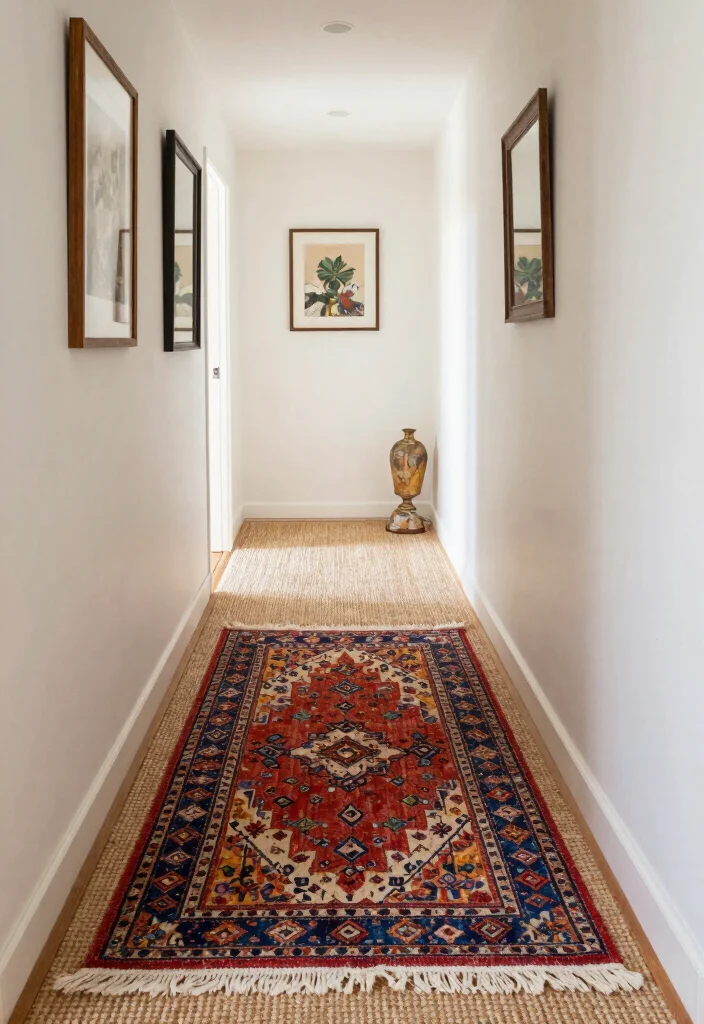
Hallways often go overlooked, but they can shine with thoughtful decor. Layering rugs in hallways adds warmth and visual interest, transforming them into inviting spaces. Choose long runners or smaller rugs that complement each other to create a cohesive look.
Begin with a long, narrow base rug, layering a shorter patterned runner on top to guide the eye down the hallway. Ensure seamless color transitions from room to room and consider adding accent decor like wall art or mirrors to enhance the hallway’s appeal. This thoughtful layering can create a seamless flow throughout your home.
Here are some tips for a layered hallway:
– Use a long base rug with a shorter patterned runner.
– Ensure colors transition smoothly between rooms.
– Add decor elements like art or mirrors for interest.
This approach not only beautifies the space but also enhances the overall flow of your home.


10. Maximize Outdoor Spaces
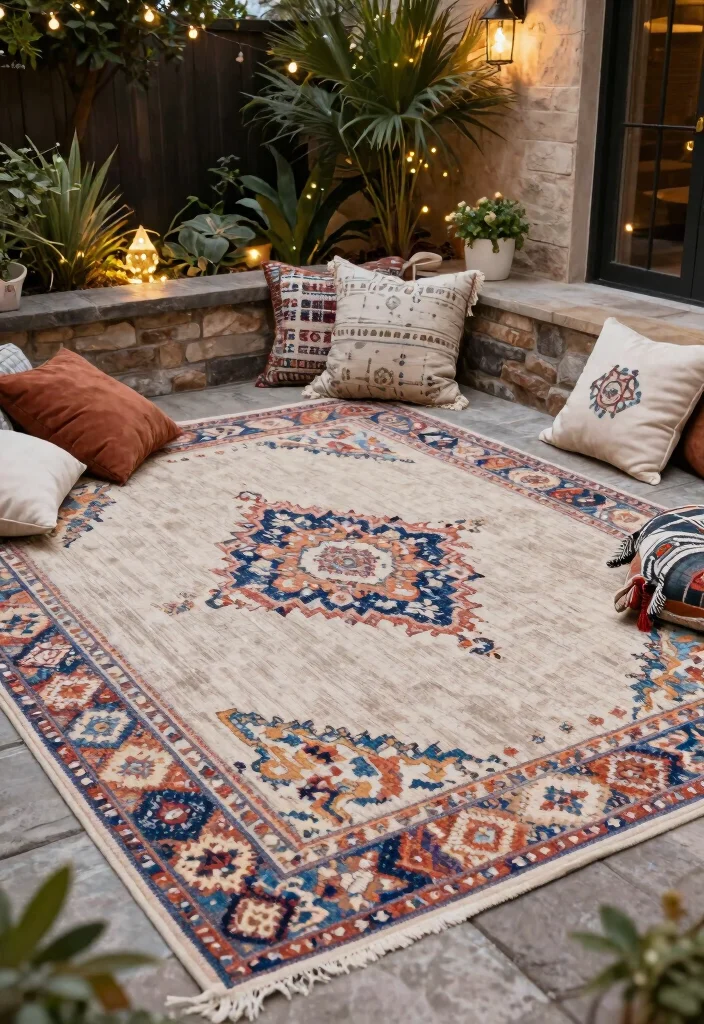
Don’t overlook your outdoor living areas! Layering rugs outside can create a cozy atmosphere for patios or decks. Look for weather-resistant options that withstand the elements while still being stylish. A vibrant outdoor rug layered over a neutral base can elevate your outdoor oasis.
Consider rugs made from synthetic materials that are easy to clean and maintain. Use multiple layers to define seating areas, encouraging relaxation and comfort outdoors. Enhance the look with decorative pillows and outdoor furniture for a complete setup.
Consider these tips for layering outdoor rugs:
– Choose weather-resistant rugs for durability.
– Use layers to define outdoor seating areas.
– Add pillows and furniture for a cozy feel.
Creating a warm outdoor space with layered rugs extends your living area and makes it feel like a true home.
11. Layer with Purpose
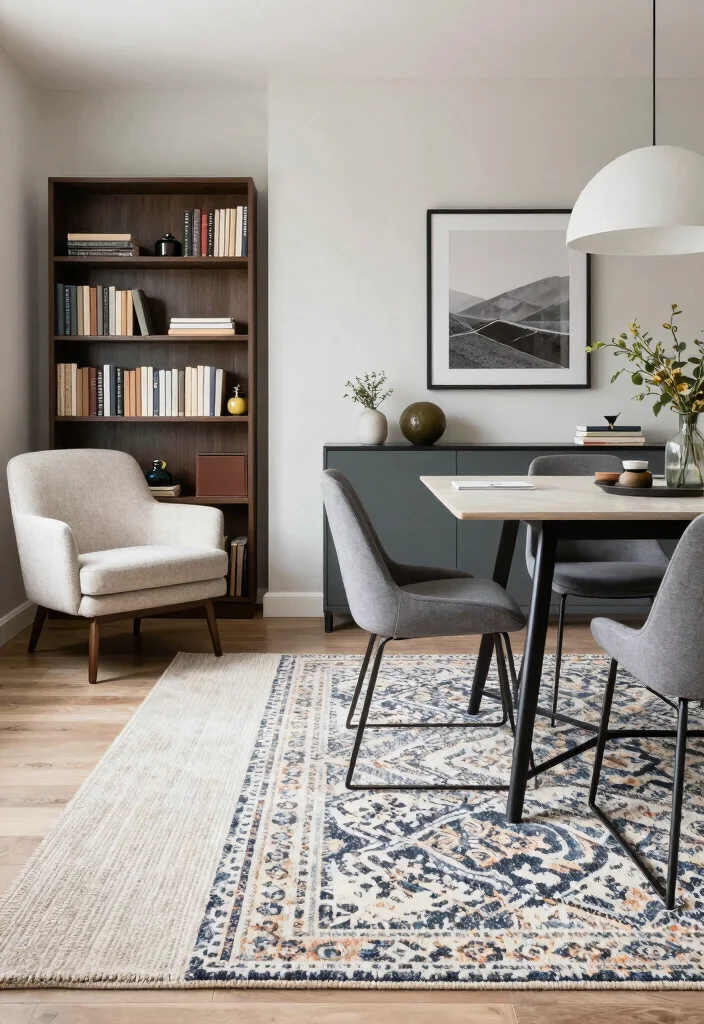
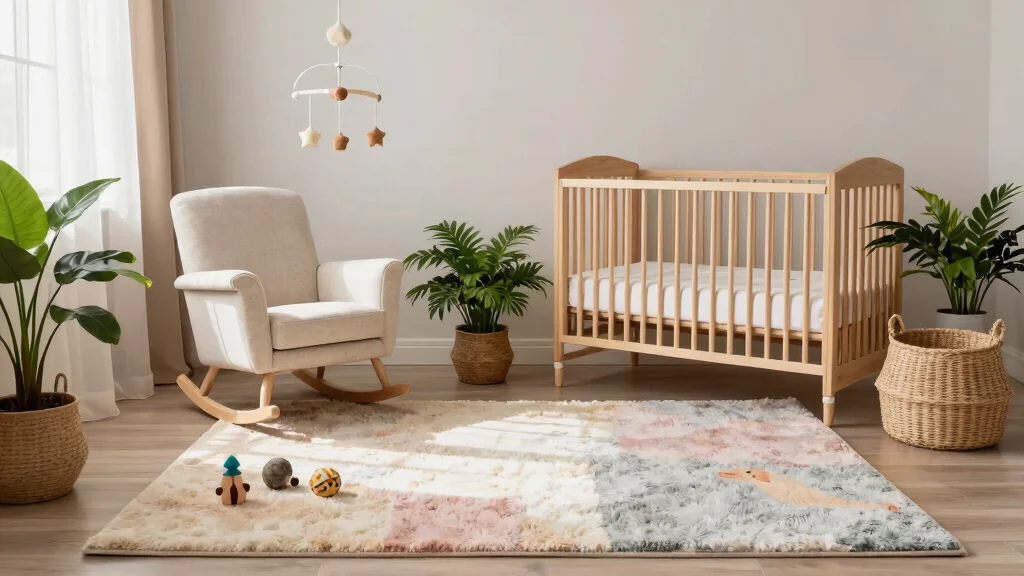
Layering rugs with intention can greatly enhance your space’s design. Different rugs can highlight specific functions within a room, like a soft rug for a play area or a stylish one for dining. Each rug should not only serve a purpose but also contribute to the overall aesthetic.
Identify areas that need definition, such as play zones or reading nooks, and choose rugs that cater to the relevant activities while enhancing decor. Ensure the colors and designs work harmoniously together to maintain flow and unity in the room.
Here are ideas for purposeful layering:
– Identify areas that need definition, like play zones.
– Choose rugs that cater to specific activities.
– Ensure colors and designs maintain a cohesive look.
By layering with purpose, you justify each rug’s placement and contribution to the room’s overall theme.
Fun fact: layering multiple rugs in one room can define zones like a reading nook or dining area without adding walls. Choose rugs that share a unifying color or texture so the space feels intentional, not cluttered.
12. Seasonal Switch-Ups
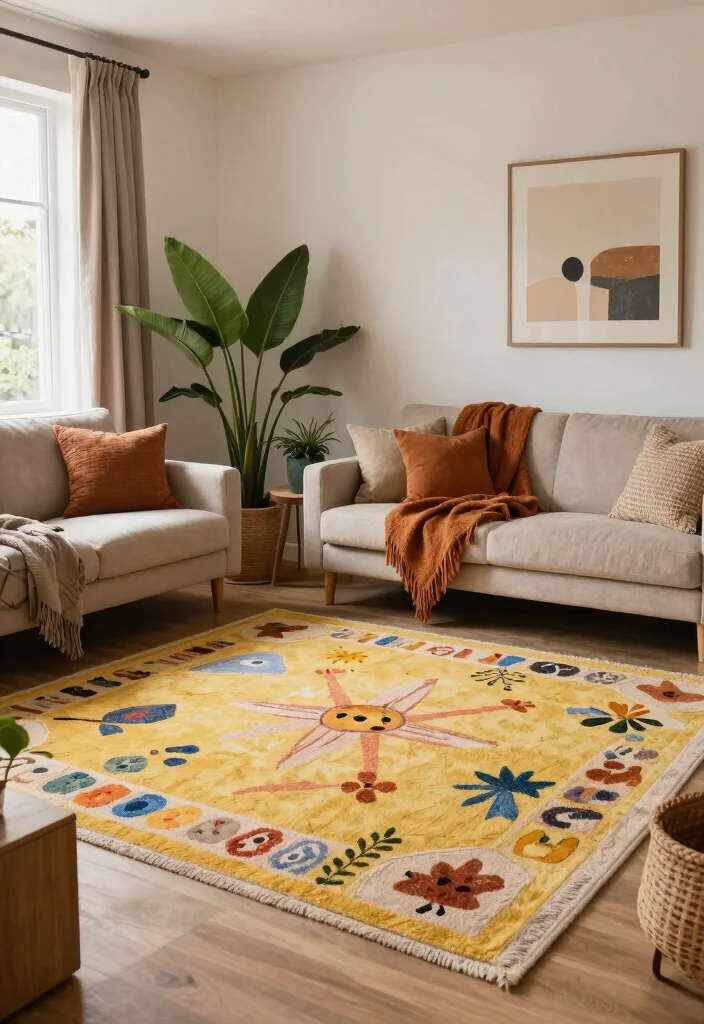
Changing out rugs with the seasons can keep your home feeling fresh and inviting. Layering allows for easy swaps depending on the time of year. Bright, vibrant patterns can evoke summer joy, while rich, warm textures create a cozy fall atmosphere.
In summer, consider lighter colors and breathable materials, while heavier fabrics work well in winter. Keep a few staple rugs that transition well between seasons while retaining a stylish appearance. Proper storage of off-season rugs is essential to maintain their quality.
Here are some tips for seasonal switch-ups:
– Use lighter colors in summer and heavier textiles in winter.
– Keep staple rugs that transition well between seasons.
– Store off-season rugs carefully to maintain quality.
This seasonal layering approach keeps your space vibrant and dynamic throughout the year.
Seasonal switch-ups for multiple rugs in one room keep a space fresh: swap lighter rugs for summer and cozy textures for winter. Layering a few staple rugs makes this easy, so you can refresh the room in minutes. Store off-season pieces neatly to preserve their vibe.
13. Create a Theme
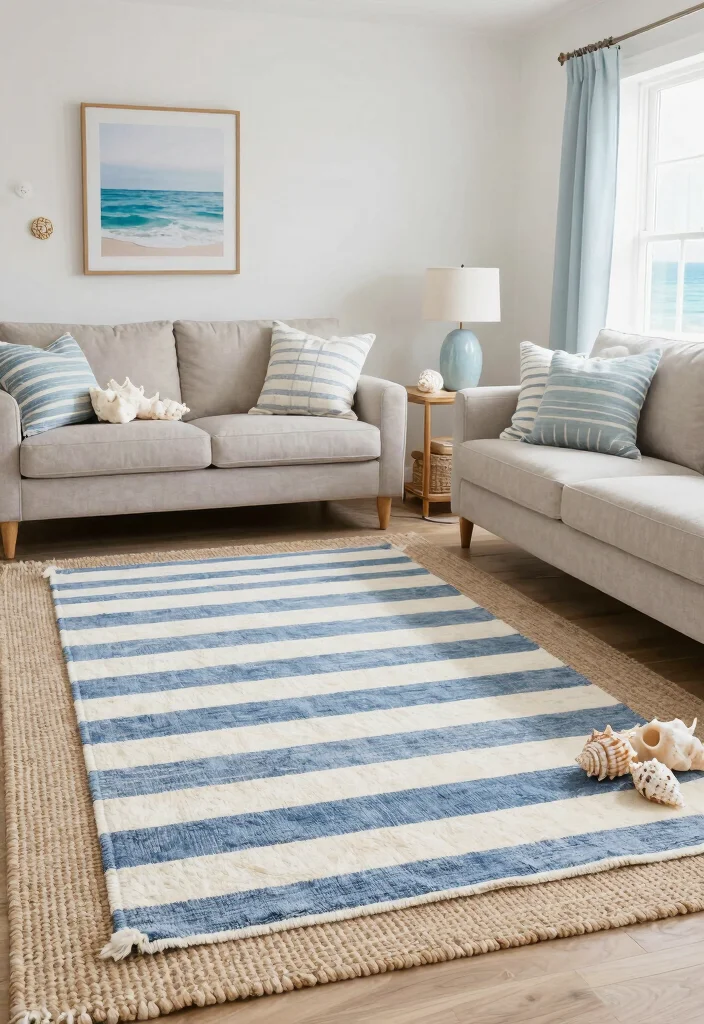
Themed decor becomes even more distinctive with layered rugs. Choose rugs that align with a particular theme—be it coastal, bohemian, or modern. This method enhances the overall decor while telling a story through your space’s various elements.
Look for rugs that share a common theme in colors, patterns, or materials. Use layers to amplify your theme; for instance, a coastal look can be achieved with natural fibers and ocean-inspired hues. Mix in decor elements like artwork and furniture that resonate with your chosen theme.
Consider these tips for creating a theme with rugs:
– Find rugs that share a theme in colors or patterns.
– Use layers to amplify the overall idea.
– Mix decor elements that resonate with your chosen theme.
Creating a theme through layered rugs helps unify the space and showcases your personality beautifully.
14. Add a Touch of Glam
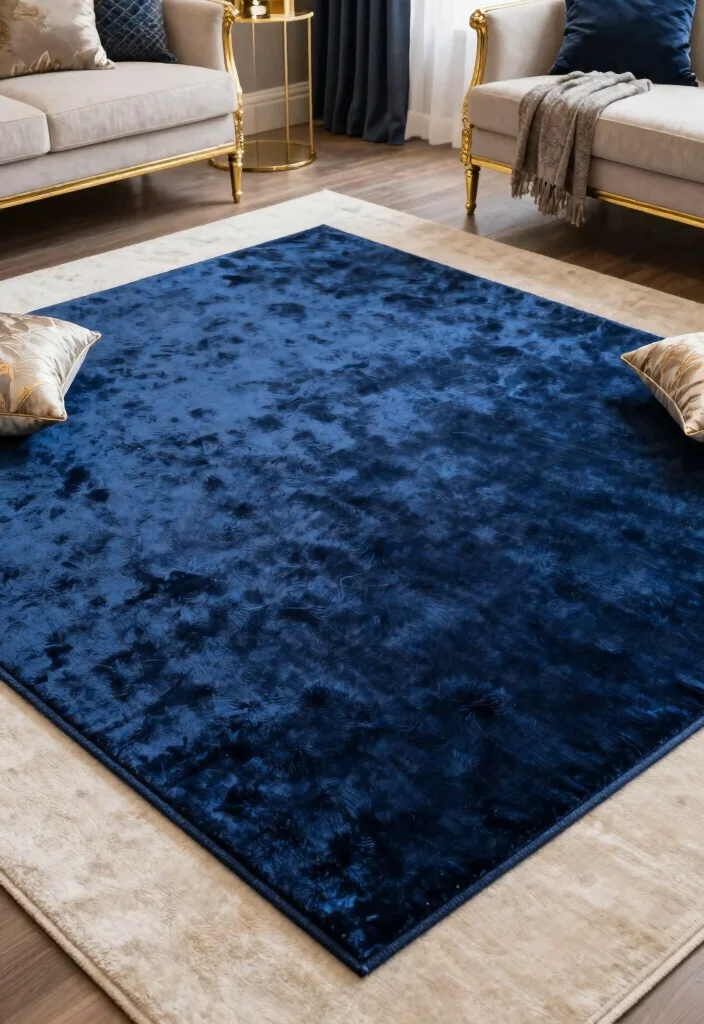
If you’re aiming to infuse a touch of glamour into your home, layering luxurious rugs made from silk or velvet is a perfect choice. These sumptuous materials can elevate any room into a chic retreat. Mix glam rugs with more casual options to achieve a balanced and sophisticated look.
Choose rugs that reflect light and boast rich colors to enhance elegance. Pair a glamorous rug atop a simple, understated base for contrast, and incorporate metallic decor accents to further accentuate the glamorous vibe. This thoughtful layering can truly transform your space.
Here are some tips for adding a touch of glam:
– Choose light-reflecting, rich-colored rugs for elegance.
– Pair a glam rug with a simple base for contrast.
– Incorporate metallic decor accents for extra flair.
This layering technique elevates your decor, creating an elegant and inviting atmosphere in your home.
15. Personal Touches
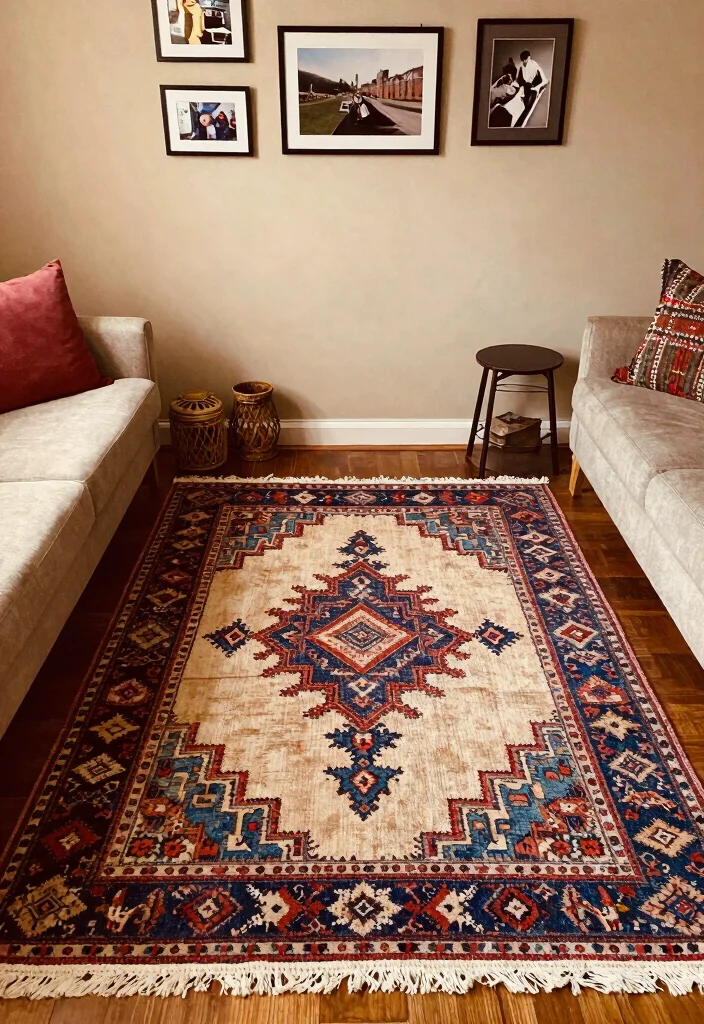
Finally, adding personal touches to your layered rugs can make your space feel truly unique. Whether it’s a handmade piece, a rug collected from a memorable journey, or a family heirloom, these items tell a story. Layering them with contemporary pieces creates a beautiful contrast of styles.
Mix modern decor with sentimental items to evoke nostalgia and warmth. Consider custom-made rugs that reflect your personality or interests, and balance colors and patterns to ensure cohesion. Personal elements in your layered rugs add depth and meaning to your home.
Here are some ideas for incorporating personal touches:
– Mix modern decor with sentimental pieces for nostalgia.
– Consider custom-made rugs that reflect your style.
– Balance colors and patterns for cohesive design.
By infusing personal elements into your layered rugs, you create a space that genuinely reflects who you are.
Conclusion
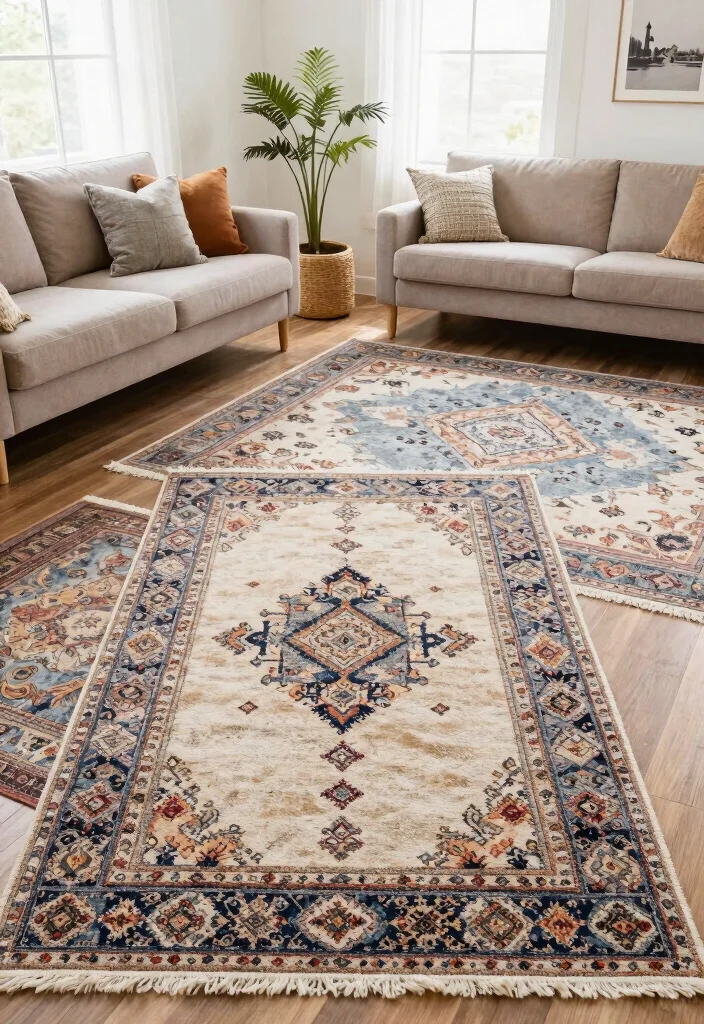
Layering rugs can be a fun and creative way to enhance your home while adding texture, color, and personality. Each of the ideas shared here opens the door to endless possibilities for making your space feel unique and inviting. Try mixing and matching different styles to discover what resonates with you most. Your home should tell your story, and with multiple rugs, it’s easier than ever to express your personal flair.
Frequently Asked Questions
What are the most practical tips for layering rugs in one room to achieve a modern look?
When layering multiple rugs in one room, start by anchoring the seating area with a large base rug. Then add a smaller top rug for contrast and texture. These are practical rug placement tips to keep the layout balanced; repeat a color from the base rug in the top rug to tie the layers together. Mix textures like wool, jute, and velvet, but avoid busy patterns that fight for attention. Use a non-slip underlay to prevent slipping and protect floors, so your layered look stays cozy and stylish.
How many rugs should I use and where should they go when layering rugs in one room?
In general, start with one large base rug under the main seating area plus one or two smaller accent rugs to define zones. In a living room, let the front legs of the sofa and chairs sit on the base rug, then place a second rug under a coffee table or at the edge of a reading nook. If space is narrow or you want a corridor feel, add a runner to guide traffic. If you’re using multiple rugs in one room, prioritize scale and proportion so the layers feel cohesive rather than chaotic.
Which rug materials and patterns mix well when layering in a modern interior?
Materials and patterns should complement without clashing. Pair a solid or tonal base rug with a patterned top rug, or mix textures like wool, cotton, jute, and velvet for depth. Keep color harmony by repeating a shared color across rugs, and vary scale so the patterns don’t fight for attention. Remember to balance interior design ideas by focusing on comfort and usability, not just looks.
How can layering rugs define spaces and add cozy accents without making the room feel cluttered?
Layering rugs can define spaces and add cozy accents without clutter when you anchor zones rather than covering every inch of floor. Use the rugs to designate a living area, a reading nook, or a dining zone, ensuring clear pathways and enough clearance for movement. Choose a neutral base and add one bold top rug to create a focal point and warmth, achieving cozy home accents with space definition with rugs.
What common mistakes should I avoid when using multiple rugs in one room?
Common mistakes include overloading with patterns, choosing rugs that are too small or too large for the space, and ignoring scale between layers. Skipping underlay can cause slipping and bunching, while mismatched pile heights can feel uneven or dangerous. Avoid placing rugs where foot traffic creates trip hazards and where furniture legs don’t have stable contact. Also, neglecting lighting and color balance can make layered rugs look flat.
Related Topics