
Your coffee table is probably the hardest-working surface in your living room, yet it often ends up cluttered or completely bare. You’ll transform it into a focal point that actually works for your space once you understand a simple three-level formula. But before you stack a single book, there’s one essential step most people skip entirely.
Style Your Coffee Table With the Three-Level Formula
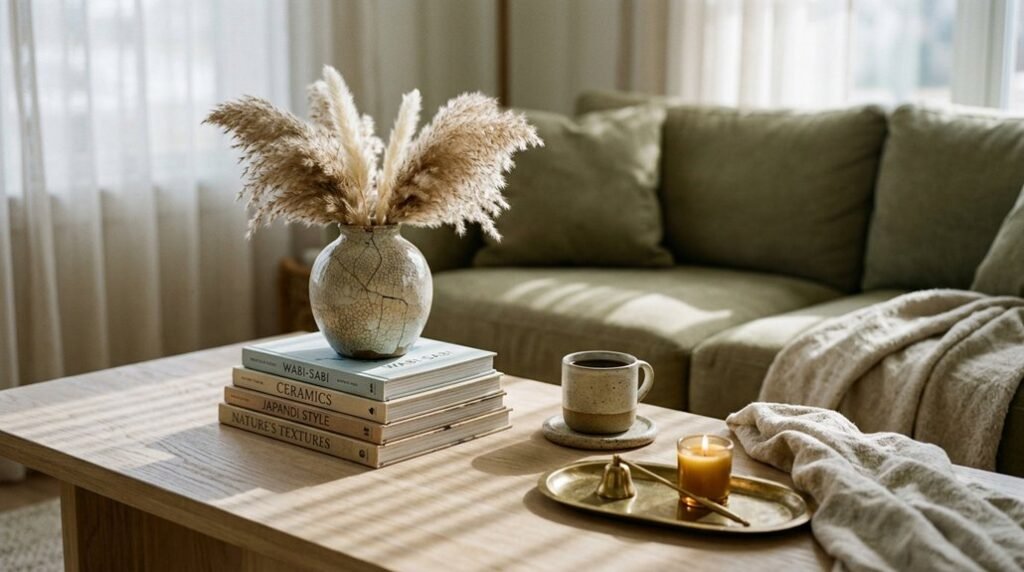
If you’re unsure where to begin, the Three-Level Formula gives you a straightforward way to build a balanced, visually interesting coffee table. You’ll select two items from three categories: a tall plant or sculptural vase, a stack or open book, and a candle and/or stack of coasters. This creates your essential low, mid, and high points.
For successful coffee table decor, you’ll place one tall object, one medium object, and one short object across these levels. You’re avoiding flat, clustered arrangements that feel static. If your table allows, you’ll add both candles and coasters without overcrowding.
You’ll mix textures—ceramic, metal, wood, woven—to add depth. Open books or stacks become platforms, letting you elevate smaller pieces. This approach keeps your styling practical, unfussy, and visually inviting.
Recommended Products
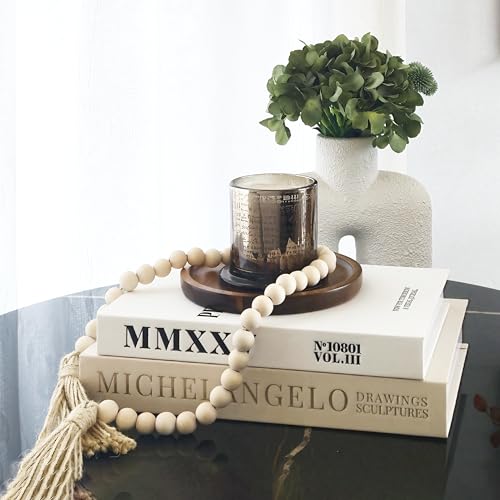
[Exquisite Set for Any Room]: This set includes 2 style decorative books, wood beads garland and tray. This unique and charming decoration will immediately enhance your living room, office or bedroom. The neutral colors blend well with decor styles like boho or minimalist modern.

【A Complete Modern Farmhouse Decor Set】Everything you need to create a perfectly coordinated rustic vignette is right here. This thoughtfully curated set includes a wooden tray, elegant wood bead garland, a vase, lifelike faux plants, ambient candles, and a charming wooden sign—all designed to match in style and finish. No more searching for separate pieces; this complete kit makes it effortless to style a stunning farmhouse table centerpiece or mantel display in minutes

The Perfect Home Decor Accent: Say hi to your new fave coffee table decor for your living room! This luxe set features a sleek decorative tray for a coffee table and a faux book wrapped in elegant linen - effortlessly upgrading your space with a modern, artsy touch
Reset to a Blank Slate Before You Start
Why fight against what’s already there? You’ll only create more work for yourself. Clear everything off the table first. This movement helps you see what truly belongs and what you’ve simply tolerated. You’ll reveal the negative space that’s been hiding beneath magazines, remotes, and last week’s coffee cups.
Embrace that emptiness. Negative space lets your chosen objects breathe, making each piece feel intentional and significant rather than lost in visual noise. You’re not aiming for a museum display; you want an unstyled, effortless composition that doesn’t look overworked.
A simpler surface adapts to your daily life. You’ll keep the table usable for actual coffee, laptops, or impromptu game nights. Start fresh. You’ll build something better when you’re not wrestling with existing clutter.
Recommended Products

【Perfect Size】Measuring 6.3 inches wide and 12.2 inches high, ideal for both fresh and artificial flowers.

【Modern Sculptural Ceramic Vase】This ceramic vase features a modern abstract sculptural design with a textured matte finish, making it a stylish statement piece for any home decor setting. It blends art-inspired aesthetics with functional elegance
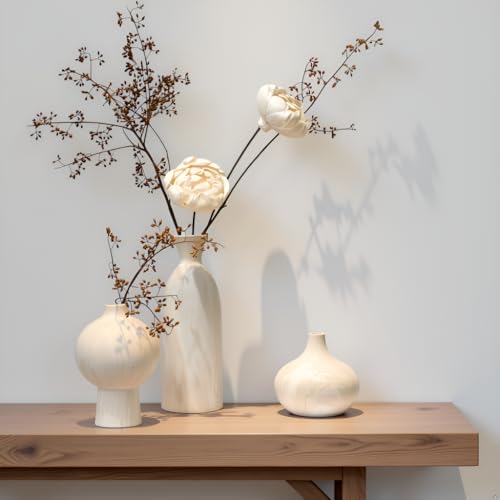
Organic Modern Sculptural Vase Set – Elevate your space with this ceramic vase set of 3 featuring sculptural organic shapes, soft curves, and a warm ivory stone-inspired textured finish. Inspired by artisan craftsmanship, each piece is designed with naturally varied textures and timeless sculptural forms for organic modern, minimalist, neutral, farmhouse, contemporary, and Scandinavian interiors.
Build Height With Stacked Books as Mini Platforms
You’ve cleared the surface; now give your objects somewhere to stand. Stack two or three books to create mini pedestals that add visual height variation throughout your arrangement.
Choose fairly plain covers and face them toward your sofas or chairs so guests feel invited to flip through. Rest curiosities, bowls, or candles on these elevated platforms, and ensure at least one tall object anchors the overall composition.
Mix coffee table books, pamphlets, and smaller volumes to layer in texture and depth without crowding the surface. You’ll keep things balanced by placing your book stacks on one end and grouping other objects on the opposite end, achieving a multi-level composition that draws the eye across the entire table.
Recommended Products

- TOUCH OF BEAUTY: Elegantly contoured with an exquisite crackled mosaic design, this set of two candle holders makes for perfect brown table decorations and blends beautifully with any home decor. ★Candles and other decor accents shown are not included★

Warm Seasonal Centerpiece: Add cozy charm to fall gatherings with this candlescape; doubles as centerpiece table decorations that bring warmth to your dining table, entryway, or mantel display

LEGANT DESIGN: Set of 4 clear glass hurricane candle holders with rich wooden bases, perfect for creating an sophisticated ambiance in any room
Choose a Tall Vase or Branches for Visual Drama
A sculptural vase or striking branch arrangement gives your coffee table the commanding presence it needs. You’ll create essential height variation by pairing this tall anchor with medium and short elements, building layered “levels” that add depth and balance to your display.
When selecting your piece, watch your conversational sightlines. Exceeding roughly twelve inches delivers dramatic photos but can block face-to-face interaction across your table. Consider branch foraging as your decorative strategy—it’s free, adds organic texture, and introduces dynamic, branching silhouettes that shift with light and shadow.
Balance your tall focal point with complementary textures like ceramic, wood, or metal, then soften the overall effect with lower, gentler elements. This prevents visual overwhelm while maintaining that coveted vertical interest your coffee table craves.
Recommended Products

Pack of 4 Coasters, each coaster has a diameter of 4.3 inches.

What You Get:ZEXOLAP Drink Coasters Set includes 8pcs cotton woven round coasters (4.3") in 4 minimalist boho colors and a durable black metal holder (4.3"x3.1"). Perfect for coffee cups, mugs, beer glasses, wine tumblers, and everyday family use.

【Package Included】 8 Pcs round drink coasters, 4.3inch diameter and 0.3 inch thickness, Handmade stylish coasters, safe and soft, 4inch diameter round coasters fit for a variety of cups. With a black metal coaster holder for convenient storage
Anchor the Middle With a Tray or Open Book
With your vertical statement in place, you’ll want something beneath it that organizes and unifies the scene. A tray works as the heartbeat of your coffee table, corralling items while providing a stable, functional base for your centerpiece. You’ll ground taller objects and create a cohesive focal point with this visual anchor.
Alternatively, open a book to a striking image and use it as a display platform, adding color and sculptural interest. Either option conceals clutter and keeps remotes, coasters, or small decor within reach.
Pair your tray or open book with one tall element, one medium object, and one short item. This maintains height variation and balanced proportions. You’re building a layered arrangement that feels intentional, not accidental.
Recommended Products

Get Ready To Impress: Transform your space into a realm of sophistication with these realistic decor books! The lovely coffee table books are destined to steal the spotlight as coffee table decor or bookshelf decor, leaving your guests in awe of your aesthetic taste


SET OF 2 LINEN HARDCOVER BOOKS WITH MAGNETIC CLOSURE – Stacked set includes one large 11x8" beige book and one small 10x7" brown book, both featuring thick linen covers for a premium look and feel. Each book includes a discreet magnetic closure for added security and refined detail.
Top Book Stacks With Sculptural, Meaningful Objects
Why let your favorite objects sit flat when you can give them a stage? Use two or three book stacks as elevated pedestals to raise sculptural or meaningful pieces, creating varied heights across your coffee table. You’ll build visual rhythm while keeping practical surfaces accessible.
When assembling your book stacks, favor fairly plain covers and orient them toward seating so guests can flip through pages and spot your curated pairings. Anchor one end with one or two stacks, then balance the opposite side with a single ceramic, antique, or found treasure. You’re not just decorating—you’re telling a story through objects with personal significance. Mix ceramic, metal, wood, or woven textures alongside your book stacks to build layered, unfussy depth that feels collected rather than arranged.
Recommended Products

Dual-Purpose Design: These elegant book-shaped boxes serve as both sophisticated home decor and discreet storage solutions, seamlessly blending into your living room, bedroom, or office while keeping your valuables hidden in plain sight,Perfect as luxury coffee table books for living room styling

Perfect Size: Each coaster measures 4", making them suitable for most types of cups, mugs, and glasses. The compact design makes storage easy when not in use.

Farmhouse Decoration Set: this white farmhouse tray set includes a sturdy 12 inch wooden bead tray with fashionable colors; 2 pots of artificial plant potted plants, as well as a unique white wooden bead wreath and wooden bead can be placed on a circular tray and used together to fill the gaps on the living room table and showcase your personal decorative style
Mix Personal Textures for a Lived-In Feel
How do you make a space feel truly yours? Start by layering textures across your coffee table—combine ceramic, metal, wood, and woven elements to build tactile contrast that invites touch. You’ll want to weave in personal, memory-filled objects alongside sculptural pieces: ceramics from friends, small antiques, or found treasures that spark conversation and anchor the space with meaning.
Build clusters using contrasting textures but unified color palettes, ensuring each item varies in height to create visual depth. Prioritize practical, low-risk materials like wood and woven baskets that withstand daily living and pet-friendly households. These textures ground your arrangement while keeping it approachable. By mixing the handcrafted with the collected, you create a surface that feels curated yet completely livable—authentically yours.
Recommended Products

【Scalloped Scale Sculptural Design: Ocean in Ceramic】More than a vase—this is a 3D ceramic sculpture inspired by ocean waves. Hand-carved scalloped scales rise like cresting tides, making it a unique flower vase that transforms any room into an art gallery. Perfect for modern, coastal, or boho spaces craving sculptural depth.

BOHO CERAMIC ACCENT - A 7.5 inch sculptural ceramic vase with a brown matte finish for modern boho farmhouse interiors. A designer-look centerpiece that adds height and warmth to any styled vignette.

Waterproof & Versatile Floral Display: Thick high-quality ceramic with a fully waterproof interior allows direct water filling for fresh flower arrangements. Perfect as a decorative vase for pampas grass, artificial plants and dried arrangements, making it an elegant accent for home decor in any room.
Add One Fresh Stem or Living Element
What finally brings a coffee table arrangement to life? You’ll find it’s nature. Add one fresh stem as your final touch—this single living element introduces organic texture and vitality that grounded objects alone can’t achieve.
Place your stem in a sculptural vase or tall vessel. You’ll create immediate height and establish a clear focal point that draws the eye upward. Choose stems with colors that complement your books and surrounding decor, building a layered, intentional look.
Mind the height and silhouette. You’ll balance other objects while keeping sightlines open across the sofa—no one’s view gets blocked during conversation. Refresh or swap your stem seasonally. You’ll maintain that sense of life and adapt your display’s mood to match shifting seasons or spaces.
Recommended Products
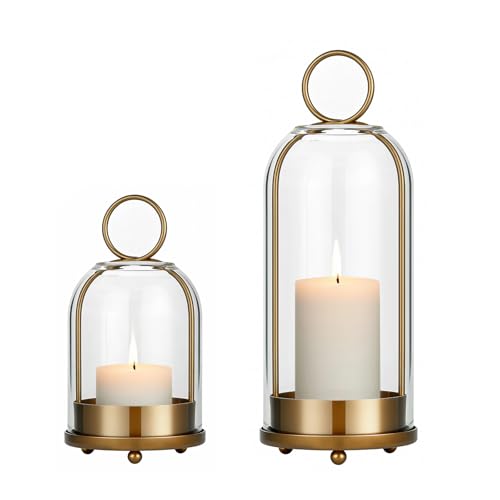
Hurricane Glass Candle Holders: This minimalist & retro-style brass candle holder features a simple, substantial brass base paired with a crystal-clear glass shade. Beautiful and elegant, it's suitable for open flame candles, flameless candles, or plants, blending seamlessly into any home and adding charm to your interior decor.

【Farmhouse Candle Holder Set – Complete Rustic Decor Centerpiece】 Create a warm and inviting farmhouse atmosphere with this complete farmhouse candle holder set. The package includes 3 white wooden candle holders, a decorative wooden tray, 6 flickering flameless candles, dried flowers, pinecones, lace ribbons, and hemp rope with wooden beads. Everything is thoughtfully arranged to create a beautiful rustic farmhouse decor centerpiece for your dining table, coffee table, or living room without needing extra styling pieces

Package Includes: You will receive 3 color-blocked wooden candle holders, 1 heart-shaped candle tray, and a set of decorative pebbles. These rustic wooden candle holders for pillar add a cozy, farmhouse touch to your home decor, perfect for creating a warm atmosphere in any room.
Finish With Short Practical Pieces: Candles, Coasters, or a Box
Your living element draws the eye upward, so now you’ll ground the arrangement with shorter pieces that earn their place through daily use. You’ll reach for candles and coasters as your finishing tools. Light candles to cast warmth and create focal points, but place them where elbows and knees won’t send them tumbling. Tuck them behind taller pieces or toward the table’s center. Stack coasters within easy reach; they’ll protect your surface and stand ready for daily use. Choose sturdy ones that look intentional even when idle. If clutter still lingers, slide a lidded box into the mix. You’ll stash remotes, matches, or loose items out of sight. Together, these low elements anchor your styling and keep the table working hard.
Recommended Products

【Unique Two-Tone Woven Design】 Boho Drink Coasters Set Of 2, Featuring a soft blend of khaki and white, these coasters add visual warmth and tactile charm to any setting. The dual-tone “Sandstone Blend” complements natural wood, ceramic, or minimalist spaces
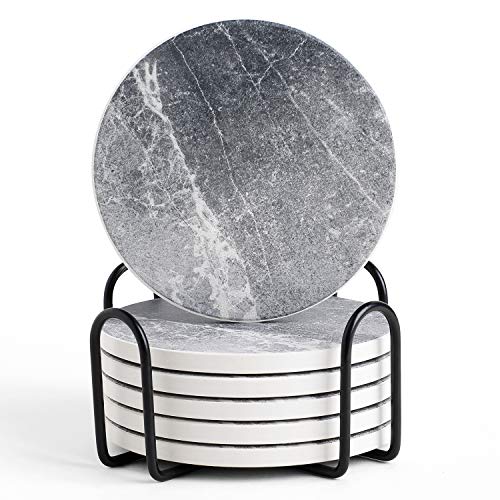
Perfect Size: Coasters set of 6 with a 4-inch diameter and 0.27-inch thickness, these drink coasters with holder fit a wide variety of cups and glasses, providing ample space to catch drips and condensation, making it versatile for normal drinkware
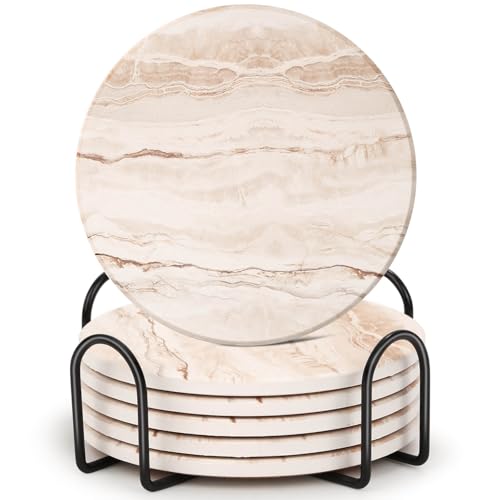
Drink Coasters Set: This drink coasters set includes 6 pieces of ceramic coasters and a metal holder. Simple marble design is suitable for home, office and party decorations. The coaster holder makes the coasters convenient for storage and make your home tidier.
Conclusion
You’ve got everything you need to transform your coffee table from cluttered to curated. Start fresh, build your three levels, mix those textures, and don’t forget that single fresh stem. Keep sightlines clear and let your personality shine through. Now grab your favorite objects and start styling—you’ll be amazed how quickly it all comes together.
Recommended Products

Preppy Set: You will receive a flat box containing a set of 3 folded decorative books for home decor, namely "Paris", "London", and "New York". You need to take them out and simply assemble them. They can be stacked and used in combination according to your needs. Delicate and stylish, they add more charm to your space

【Modern Decor Books】: This coffee table books use high quality cardboard with modern design. The stylish outlook of the decorative books gives it a luxurious feel that is going to help impress people at every visit. Add a unique touch to your home decor with simple but stylish design books.

Get Ready To Impress: Transform your space into a realm of sophistication with these realistic decor books! The lovely decorative books are destined to steal the spotlight as coffee table decor or bookshelf decor, leaving your guests in awe of your aesthetic taste