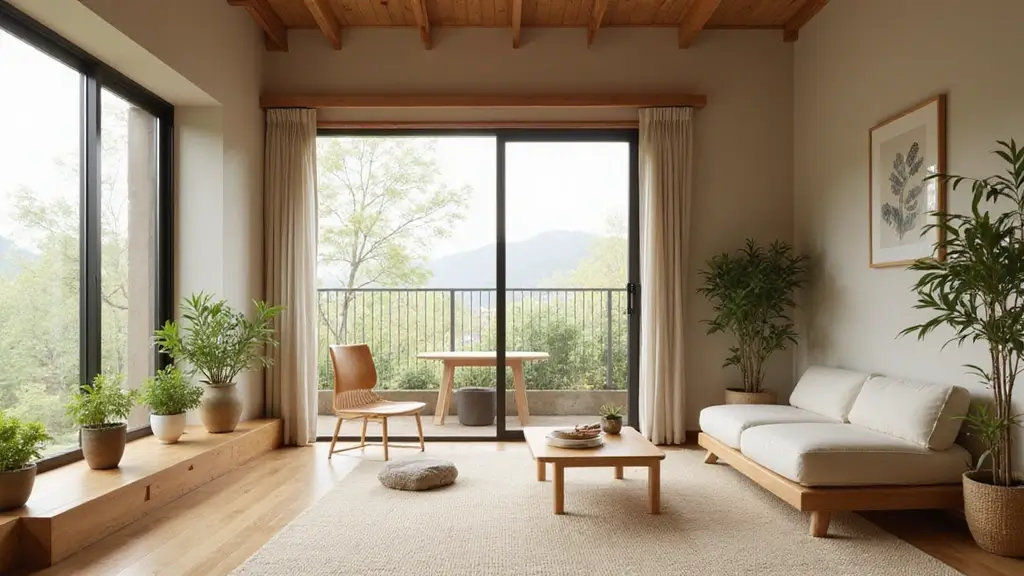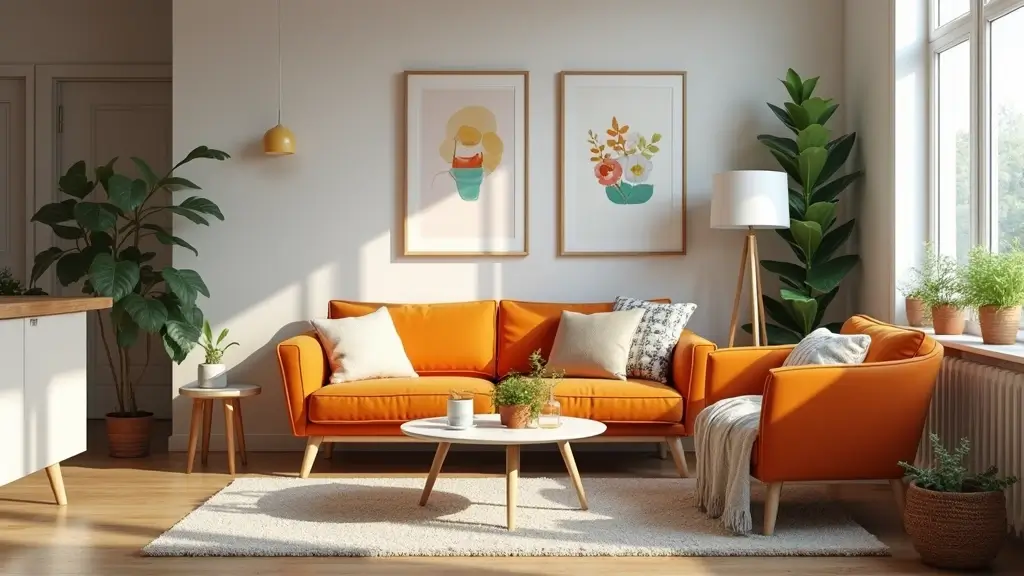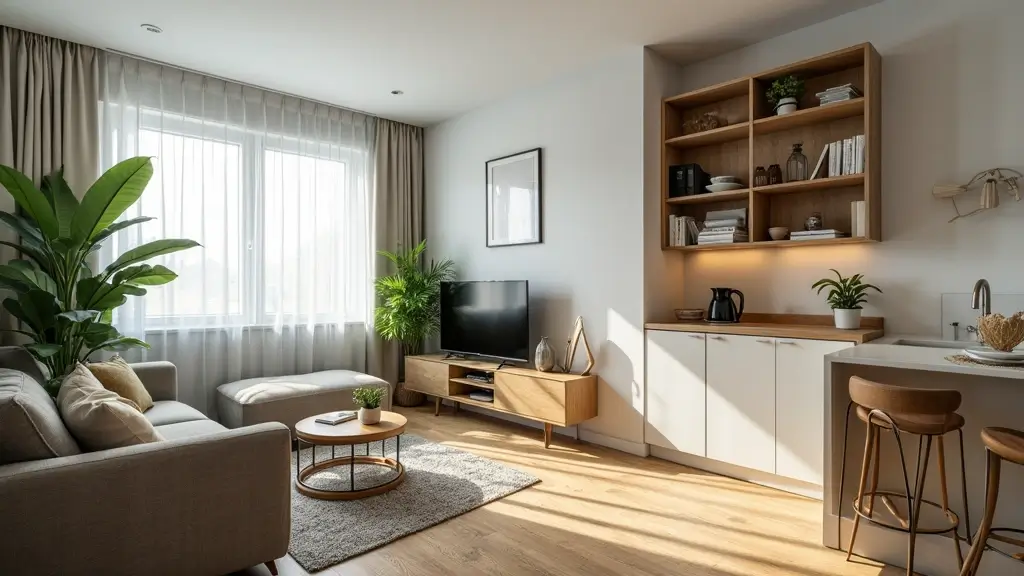

You’ve probably walked past that dim corner of your home and wondered what could possibly survive there. Low light doesn’t mean no life—it just means choosing plants that evolved for the forest floor, not the sun-drenched windowsill. The trick is matching resilience with your habits, and not every “easy” plant handles shade the same way. Which ones actually tolerate neglect, and which hidden gems add height without demanding spotlight?
Snake Plant Laurentii: The Unkillable Low-Light Starter
Why start with anything harder?
You want beginner-friendly greenery that thrives in low light, and Snake Plant Laurentii delivers exactly that. You’ll find this pet-safe option starting at $39, making it accessible without breaking your budget.
Its resilient foliage stands up to your busiest weeks. You can forget watering for stretches, and the plant won’t punish you—it tolerates dry soil and root-binding without complaint. Your dim corners gain instant architectural drama through those upright, striped leaves that demand so little yet give so much.
New varieties expand your choices. You might prefer ‘Moonshine’ with its silver-gray tones, or select cultivars showing yellow edges and wavy markings. Where sunlight barely reaches, this unkillable starter transforms neglect into sculptural beauty. You’re holding the perfect entry point to plant parenthood.
Recommended Products

HARDY INDOOR PLANT: Sansevieria Laurentii is a drought tolerant, durable, and adaptable houseplant for beginners
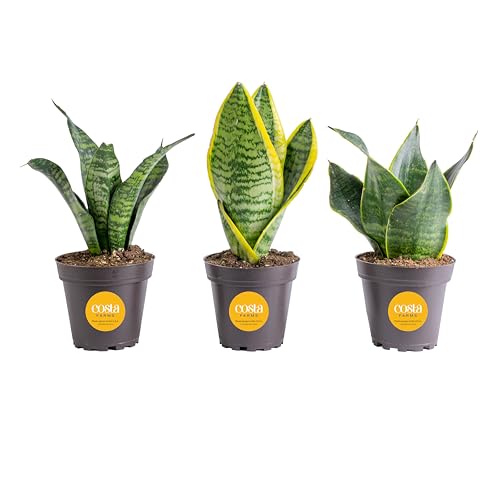
INSTANT HOME STYLING TRIO: Multi pack of three live snake plants takes the guesswork out of interior design by creating an effortless cohesive look across your living room shelves, bedroom nightstands, or home office desks

SANSEVIERIA ZEYLANICA: Mother in Laws Tongue House Plant is a stemless evergreen that grows elongated, sword-shaped leaves from its underground rootstock. The Snake Plant is an upright species with firm structure and hardiness characteristics. Being that it is a perennial, the Sansevieria will live for years when properly cared for.
ZZ Plant: Drought-Proof Drama for Dim Rooms
Where else can you find a plant that stores its own water supply? You get exactly that with the ZZ Plant. Its bulbous, fleshy rhizomes hold moisture, letting you water thoroughly only once or twice monthly in winter. Let the soil dry between waterings, and you’ll keep this drought-proof survivor thriving.
You watch arching stems reach 2 to 4 feet tall and wide, topped with shiny, waxy leaves that catch what little light filters through dim rooms. When plants grow in such conditions, you need hardy choices like this one. You won’t battle insects either, as pests typically ignore ZZ Plants entirely. Occasionally, you’ll dust those glossy leaves with a damp cloth so they absorb light efficiently and stay healthy.
Recommended Products

SLEEK, STYLISH ROOM DÉCOR: The architectural upright leaves of a real ZZ Plant provide a modern, sleek look that defines minimalist home decor. An excellent, stylish live plant choice for an office desk, plant shelf, or tabletop

Effortless Indoor Greenery: ZZ Plant thrives with minimal care; perfect for beginners or busy households; grows well in low to bright, indirect light with little maintenance required year-round

Zamioculcas zamiifolia
Spider Plant: Cascading Low-Light Charm That Propagates
How else do you fill a dim corner with living, trailing greenery? You reach for the Spider Plant. Its arching stems cascade downward, dotted with plantlets that dangle like tiny ornaments. You can root these babies directly in water or soil, creating new plants for friends or other rooms.
You’ll find variegated forms with creamy centers edged in green, or solid green varieties if you prefer simplicity. Either thrives in low light and adapts to stands, shelves, or cabinet tops with equal grace.
This isn’t some trendy newcomer. The Spider Plant has earned its place through decades of reliable performance. You won’t wrestle with demanding care routines here. You simply enjoy the trailing display and propagate whenever those stem-borne plantlets tempt you to expand your collection.
Recommended Products
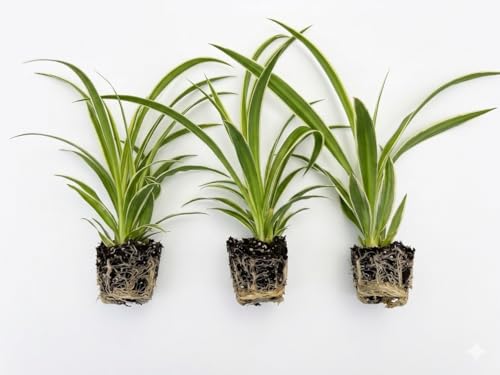
🌿 Three Healthy, Well-Rooted Plants: You get three fully established Airplane Spider Plants with thick, healthy roots, not bare cuttings. Buyers consistently tell us they arrive bigger and stronger than expected.

REAL SPIDER PLANTS: Now’s the time to add a spider plant to your collection of live indoor house plants. They’re perfect office plants and a plant gift everyone loves. Your live plant will arrive in a 6” hanging planter as pictured, ready to hang.

Gorgeous Foliage: Features long green leaves with white variegated stripes that gently taper to a point, creating an elegant cascading display
Cast-Iron Plant: Built for Neglect and Low Light
The Cast-Iron Plant won’t flinch when you forget it exists. You can leave it in a dim corner for weeks, and it’ll stay sturdy and green. This Victorian parlor classic thrives where other houseplants surrender.
You’ll find Aspidistra elatior handles neglect better than nearly any indoor option. It tolerates infrequent watering and forgives your busiest seasons without complaint. Shaded spots that doom fussier plants become its domain.
Modern cultivars refresh this old favorite. ‘Ginga Giant’, ‘Milky Way’, and ‘Big Spotty’ splash gold, cream, and yellow speckles across broad leaves. You get visual interest without sacrificing toughness.
Position yours in low light, water sparingly, and watch it endure. The Cast-Iron Plant earns its name through decades of reliable performance in forgetful hands.
Recommended Products

Hardy Large Evergreen Plant – A low-maintenance, shade-loving houseplant that thrives in low light and indirect sun, making it ideal for homes, offices, and shaded gardens

Hardy Low-Light Houseplant – Thrives in low-light indoor environments, making it perfect for homes, offices, and shaded gardens

Aspidistra Milky Way Cast Iron Plant
Peperomia: Humidity-Loving Resilience for Small Spaces
Why confine your plant search to windowsills when radiators and showers offer prime real estate? You’ll find peperomia thrives in these humid microclimates, turning cramped bathrooms and steamy kitchen corners into lush retreats.
This compact survivor tolerates less-than-hospitable conditions without complaint. You can perch it atop radiator covers—just nestle pebbles in the saucer and keep a water-filled reservoir nearby to boost humidity. It demands regular moisture but despises soggy feet, so you’ll want well-draining soil and careful watering to prevent rot.
Peperomia stays tidy and low-maintenance, filling tight spaces without sprawling. Its resilience doesn’t mean neglect, though. You’ll maintain its health with consistent care. For dim apartments where every inch counts, this humidity-lover delivers greenery without the guesswork.
Recommended Products

HOUSE PLANT BOX: Includes a rotating assortment of 4 greenhouse-grown, low-maintenance plants in 4.25" nursery pots
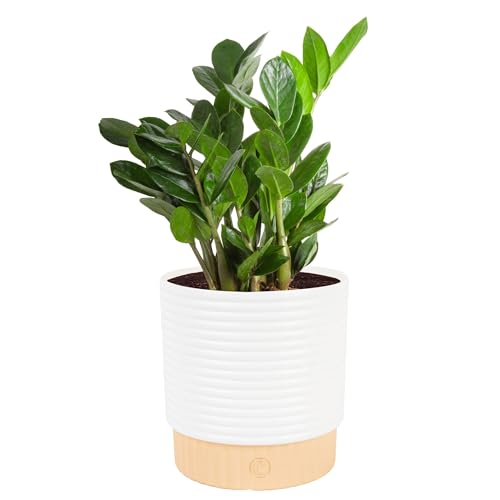
STYLISH ROOM DECOR: The architectural upright leaves of the live ZZ Plant provide a modern, sleek look that defines minimalist home decor. An excellent, stylish real plant choice for an office desk, plant shelf, or tabletop

Air Purifying Rattlesnake Calathea: Perfect addition to your living room decor, office decor, or garden decor. This live Calathea Rattlesnake plant not only brings color but also acts as an air purifier.
Kentia and Parlor Palms: Vertical Presence in Dark Corners
Where can you find architectural height when your windows barely scrape the sky? You turn to Kentia and Parlor palms, which stretch upward in shade where others fail.
You’ll notice Kentia palms (Howea forsteriana) reach for your ceiling with slow, steady grace. Their slender canes and feather fronds stand tall for years, asking only weekly water. You’re buying decades of vertical presence when you choose this long-lived specimen.
Parlor palms (Chamaedorea elegans) forgive your lighting mistakes. You’ll watch them adapt to whatever indirect light you offer, humidity highs and lows included. Their upright, slim profile tucks neatly into your darkest corners.
Together, these palms deliver commanding height without sun-hungry demands. You’re filling vertical space elegantly, even when your room’s light barely registers.
Recommended Products
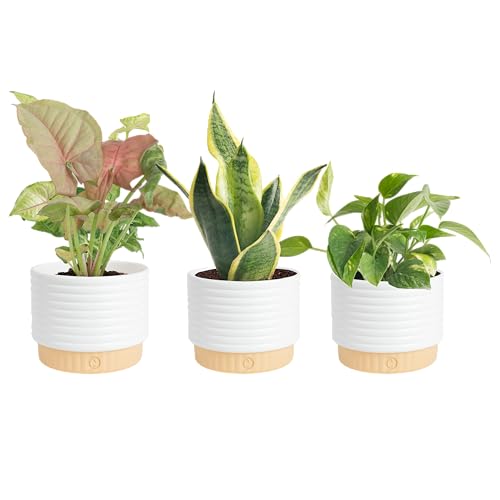
DECOR-READY LIVE INDOOR PLANTS: This 3-pack of houseplants offers incredible value to gift or instantly upgrade any space. Perfect for shelf, tabletop, or office desk. Varieties will vary — examples include Peace Lily, Snake Plant, Fern, and Pothos


LIVE ZEYLANICA PLANT: Includes one established live snake plant with upright sword-shaped leaves and naturally mottled light and dark green banding.
Heartleaf Philodendron Totem: Grow Upward in Tight Spots
When floor space disappears but you still crave greenery, you’ll reach for the Heartleaf Philodendron Totem. This plant climbs upward instead of sprawling outward, letting you maximize every square inch.
You’ll appreciate how easily it adapts to tight corners and narrow nooks. Give it a totem or moss pole, and you’ll watch it stretch toward the ceiling, building a tall, slender silhouette that draws the eye without crowding your room.
It’s forgiving, too. You can forget a watering or two, and it’ll keep thriving in low light without complaint. For anyone juggling busy schedules or dim apartments, this powerhouse delivers vertical impact with minimal effort.
Starting at $79, you’ll gain living architecture that transforms dead corners into vibrant focal points.
Recommended Products

Live ZZ Plant 'Zanzibar Gem' – Stylish and resilient houseplant with glossy, dark green leaves and upright growth that brings sleek elegance to any room

Zamioculcas is genus of flowering plants in the family Araceae, containing the single species Zamioculcas zamiifolia.

SLEEK, GLOSSY FOLIAGE: The ZZ Plant (Zamioculcas Zamiifolia) features upright stems of thick, waxy green leaves that reflect light, adding immediate structure and shine to modern indoor spaces.
Aglaonema Siam: Color for Low-Light Without the Fuss
How do you add color to a dim room without constant attention? You choose Aglaonema Siam. This hardy plant brings reliable color to dark corners without demanding your time. You’ll appreciate how it thrives where fussier plants would struggle.
Aglaonema Siam keeps performing in limited light, proving itself as a resilient option for busy households. You won’t need special routines or frequent monitoring. It simply carries on, adding visual interest to spaces that lack natural brightness.
You’re investing in a plant that won’t quit when conditions aren’t ideal. Starting at $39, it fits the low-maintenance, low-light category perfectly. You get color and dependability without the typical headaches. Place it in that shadowy spot you’ve ignored, and you’ll finally see it come alive.
Recommended Products
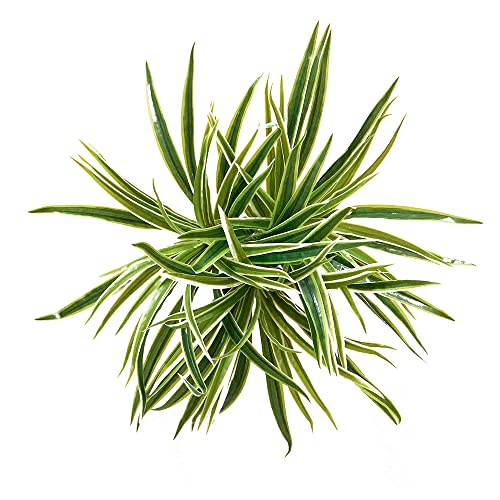
Artificial Flower Spider Plants Are Made Of High Quality, The Leaves Are Made Of Real Touch Silk Leaves With Plastic And Iron Wire Stems.The Length And Diameter Of This Spider Orchid Plants Is 13X13''.

2 Bundles Artificial Spider Plants: Each bundle has 5 forks stems in total 23.6" long. Enough quantity ensures full, vibrant coverage in planters or garden beds.

✨ 【 Natural & Harmonious Design】 – 3 pcs of artificial spider plants in VARYING SIZES are combined into one perfect cluster. We pursue a NATURAL and harmonious look that blends seamlessly with any decor.
What “Low Light” Actually Means (and Where to Put Your Plant)
Why does “low light” confuse so many plant owners? You often mistake it for darkness, but your plants still need some light to fuel their metabolism and growth. Low light simply means minimal direct sunlight, so you’ll want to position your Snake Plant, ZZ Plant, Cast-iron Plant, or Spider Plant away from windows where harsh rays hit.
You can’t just set them and forget them, though. As seasons shift and daylight changes, you’ll need to reposition your plants to maintain that gentle, consistent exposure.
Even shade-loving outdoor specimens demand thoughtful indoor placement when you bring them inside. Remember: you’re balancing reduced energy intake with survival, not eliminating light entirely. Your plant’s location directly determines how well it processes what little illumination it receives.
Recommended Products

Milky Way Aspidistra

40%-50% Shade for Fall Winter: Blocks 40%-50% sunlight for healthy plant growth during seasonal transitions. Protects tomatoes, vegetables, and seedlings from heat stress in fall and early frost in winter. Customers report leaf curl improvement within 1 week.

PLANT SHADE CLOTH DIMENSIONS: Each plant shade cover open size measures L28X W28X H32 Inch . It can be easily folded, A 15 inch Round handbag is included for easy storage and carriage ,weight is 3.5 lbs ,Plant Sun Shade Net for Flower UV Resistant Cover for Outdoor Gardens Sunblock Shade Cover with Carry bag and 16 Stakes.
How to Water Low-Light Plants So They Thrive
Finding the right spot gets your low-light plants started, but watering habits determine whether they actually survive.
You’ll water each species differently. Let your Snake Plant Laurentii and ZZ Plant dry completely between waterings—give the ZZ a deep soak just once or twice monthly in winter.
Your Spider Plant craves evenly moist soil, so mist it occasionally and water before it wilt.
The Cast-iron Plant forgives neglect; you’ll rarely need to water it.
Keep your Radiator Plant’s soil moist but never soggy, especially in humid spots.
Kentia and Parlor palms follow similar restraint—don’t drown them.
Always check soil dryness before adding water.
Low-light plants grow slowly and drink less; overwatering kills faster than underwatering.
Match your habits to each plant’s tolerance, and you’ll keep them alive.
Recommended Products

LIVE INDOOR PLANT -Bring home the stunning Lemon Lime Maranta Prayer Plant and enjoy a touch of tropical calm. With its vivid green leaves brushed with yellow and dark-green veins, this houseplant brings instant warmth and charm to any room. Watch as its leaves fold upward at night like praying hands — a living rhythm of peace and nature.


FARM-DIRECT PACKAGING & ARRIVAL: Each Money Tree is hand-selected at the greenhouse and secured in breathable, reinforced transit-safe materials. This direct-from-nursery process maintains plant integrity and soil moisture, providing a healthy houseplant ready for immediate indoor display
Conclusion
You’ve got plenty of options for brightening dim corners without fighting your space. Pick the Snake Plant or ZZ Plant if you’re forgetful, grab a Spider Plant or Aglaonema for easy color, or try the Heartleaf Philodendron totem when you need vertical growth. Remember: low light doesn’t mean no light, and less sun means less water. Trust your plant’s resilience, adjust your watering accordingly, and you’ll build an thriving indoor jungle—even in the darkest rooms.