
You’ve got this expansive living room, and you’re not quite sure where to start. It feels cavernous, maybe even a bit cold. But here’s the thing: with the right approach to zoning, scale, and lighting, you’ll transform that emptiness into something intentionally spacious. The real challenge isn’t filling square footage—it’s knowing which mistakes to avoid from the very beginning.
Key Takeaways
- Divide the room into functional zones using rugs, floating furniture, and bookshelves as subtle dividers.
- Choose substantial, oversized furniture with vertical presence to match the room’s scale and proportions.
- Establish one bold focal point, such as a fireplace or artwork, to anchor and unify the entire space.
- Layer multiple light sources, soft textures, and oversized rugs to create warmth and acoustic balance.
- Fill empty corners and vertical spaces with tall plants and greenery to add life and organic texture.
Recommended Products

Thick plush rugs & Your noise ninja: 1)1.18" thick fibers swallow 60% of footsteps and furniture scrapes; 2)Perfect for kids/pets chaos – muffles toys crashes & midnight zoomies; 3)Save peace with neighbors (and your sanity!)

Upgraded Non-Slip Backing Secure & Safe: Designed with an advanced textured non-slip backing that keeps the rug firmly in place on various floor types. It prevents sliding or bunching, adding safety and stability for households with kids or pets

Ultra Soft & Non-slip: Featuring a shaggy carpet surface, the Ophanie soft area rug is highly soft with a high-density sponge interlayer. This rug effectively reduces shedding, and the non-slip bottom with small, durable anti-slip dots enhances friction to prevent sliding.
Zone Your Large Living Room Into Functional Areas
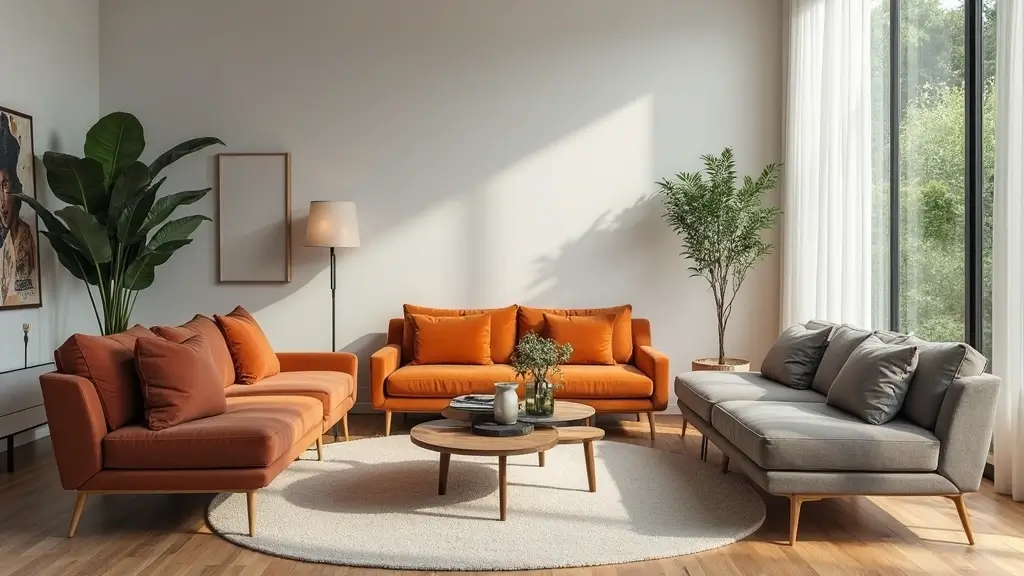
Where do you even begin with a space that swallows furniture whole? You divide and conquer. You carve your cavernous room into distinct zones that serve different purposes—perhaps a reading nook, a conversation pit, a workspace.
You anchor each zone with its own rug. You float sofas away from walls, letting them create natural boundaries. You position a console table behind a floating sofa to define the transition between seating areas. You employ bookshelves as room dividers that maintain openness while establishing separation.
You ensure each zone possesses adequate lighting; overhead fixtures alone won’t suffice. You layer floor lamps, table lamps, task lighting. You repeat colors and materials across zones so the room feels cohesive, not fragmented. You’ve transformed one overwhelming expanse into several intimate, purposeful spaces.
Recommended Products

360° COUCH CUSHION COVERS: 360 Full protection for your sofa, Whether it's spills, stains, pet hair, or general wear and tear, Our sofa cover has got you covered. The sofa cover is vacuum-packed; it is recommended to wash it before use

360° COUCH CUSHION COVERS: 360 Full protection for your sofa, Whether it's spills, stains, pet hair, or general wear and tear, Our sofa cover has got you covered. The sofa cover is vacuum-packed; it is recommended to wash it before use
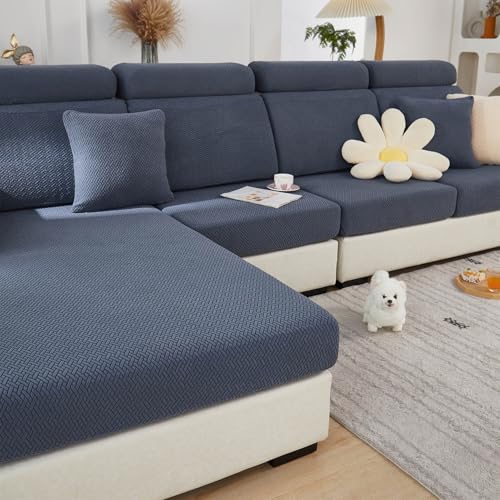
360° COUCH CUSHION COVERS: 360 Full protection for your sofa, Whether it's spills, stains, pet hair, or general wear and tear, Our sofa cover has got you covered. The sofa cover is vacuum-packed; it is recommended to wash it before use
Measure for Scale: How to Size Furniture for Oversized Rooms
Scale is your silent partner in a large living room, and ignoring it turns even expensive pieces into dollhouse furniture lost in the void. You need to measure twice and buy once, because standard-sized sofas and dainty side tables disappear in expansive spaces.
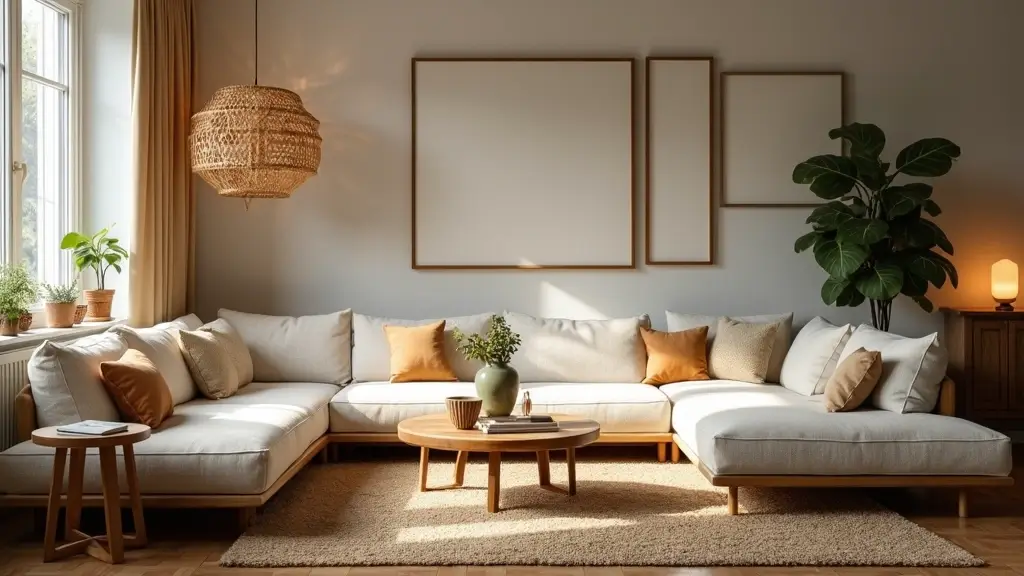
Start by checking ceiling height—tall rooms demand taller furniture with vertical presence. You should seek deeper seat depths, wider armrests, and chunkier legs that hold their own. A sectional spanning twelve feet anchors better than a seven-foot sofa floating alone.
Don’t cluster small pieces; instead, you’ll invest in substantial statement items. Oversized ottomans, hefty coffee tables, and bold floor lamps create visual weight. You must hold fabric swatches and wood samples against the room’s proportions before committing. Trust your tape measure—it reveals what your eyes can’t estimate accurately.
Recommended Products

[6-Tier Geometric Bookshelf]: Unique s-shaped design with 6 tiers of staggered cubes, adding a modern touch to your space. Our SILKYDRY s shaped bookshelf can be used as a room divider, display shelf, storage shelving, and decorative accent for a chic look.
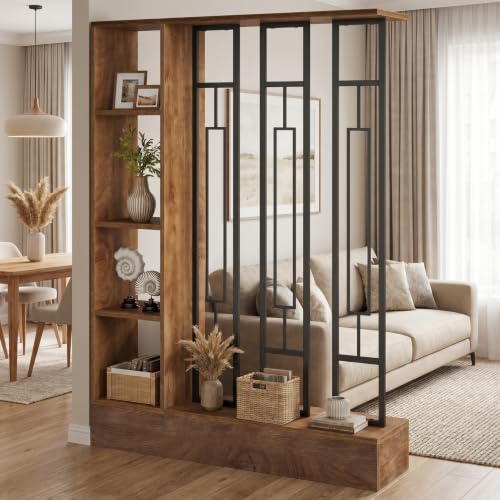
Ample Storage: Measuring 47.2" W x 11.8" D x 70.9" H, this room divider wall features open shelves for books, plants, framed pictures, or daily essentials. This ideal blend of storage and display functionality keeps your home tidy and stylish

[Unique Geometric Bookshelf]: S-shaped design makes this book shelf a work of art. Tall black bookcase provide large storage space, satisfies various daily storage needs. Each of the 6 shelves is divided into 2 compartments, perfect for organizing books, collectibles, plants, albums, and other items in a neat and orderly manner
Arrange Furniture in Multiple Conversation Areas
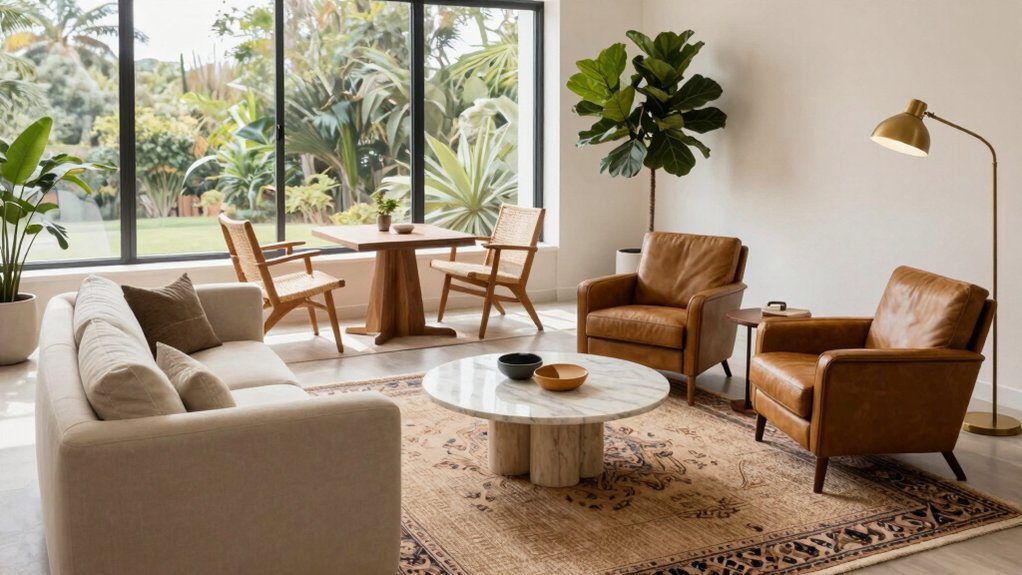
Once you’ve anchored the room with properly scaled pieces, you’re ready to solve the real challenge of a sprawling space: intimacy.
You’ll divide the room into distinct zones that invite actual conversation.
Start by floating your furniture away from walls. You’re creating natural pathways between groupings, not obstacles. Position a sofa and two chairs around a coffee table—close enough that seated guests can pass drinks without stretching. You’re aiming for four feet between seats, maximum.
Add a second zone with a loveseat and accent chairs near a window or fireplace. You’re repeating this principle: tight clusters, clear purpose. Use area rugs to define each territory visually.
You’re bridging zones with console tables behind sofas or strategic lighting. Walk the room yourself. If you can’t reach every seat in six steps, you’re clustering too far apart.
Recommended Products

Adjustable Width Plant Stand: This Indoor Plant Stand adjustable from 8 to 12 inches in width, which allowing you to place plant pots of different sizes; The adjustable plant stand has 2 height displays, you can switch heights by flipping the stand over

【6FT Simulated Olive Tree】: Our artificial olive tree is carefully crafted to give the tree a realistic appearance, with a single trunk divided into several stems, matched with lifelike leaves and fruits, it is perfect as a large artificial plant for home and office, bringing a touch of nature indoors

[Space-Saving Design]: Our 2-pack corner plant stand is perfect for small spaces, featuring 47 "tall 6 tiered plant shelves and 4 hanging hooks to maximize vertical space. This plant stand indoor can help you arrange multiple plants neatly, turning a cluttered plant arrangement into a beautiful organized display.
Choose One Bold Focal Point to Ground the Room
Every sprawling space risks feeling like a furniture warehouse without a commanding center. You need one bold element that arrests the eye and organizes everything around it.
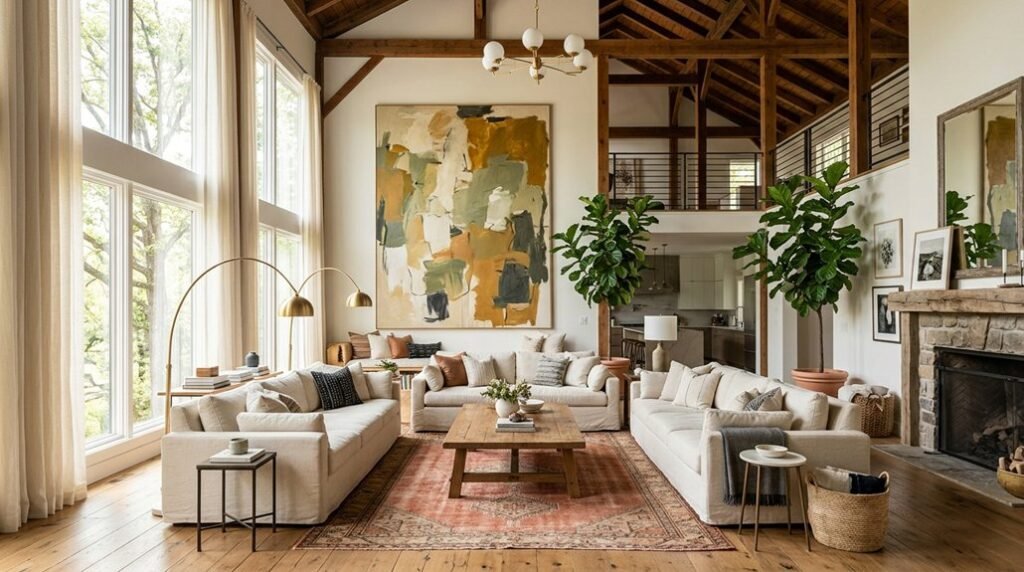
Pick your anchor. A monumental fireplace, an oversized artwork, or a sculptural light fixture works beautifully. You’ll position all seating to face or frame this centerpiece, creating instant cohesion across the expanse.
Scale matters enormously here. Don’t wimp out with modest choices that disappear in the volume. You want something that holds its own from every vantage point. A single dramatic element beats scattered competing interests every time.
Once you’ve established this grounding force, you’ll notice the room finally breathes as one unified space rather than disconnected zones. Your furniture arrangement gains purpose, and visitors instinctively understand where to look and gather.
Recommended Products

Lamp & Table Combo: Elevate your space with this versatile piece that combines a sleek floor lamp with a multi-tiered table. Crafted from sturdy wood and metal poles, this compact unit (15.8’’x11.8’x59.25’’) is both solid and stable, effortlessly supporting up to 50 lb on each shelf. Its minimalist design seamlessly bridges rustic farmhouse charm and modern elegance.

Bohe Floor Lamp with Table-This boho floor lamp features a handwoven rattan shade that brings natural warmth and texture into your home. The upgraded design includes one round wood-finish tray table, offering a convenient spot for books, small décor, or a cup of coffee. Paired with the sleek gold metal pole and base, it blends rustic charm with modern elegance—perfect for living rooms, bedrooms, reading corners, and offices.

Lampshades Dimension: Top diameter: 12.6 inch, bottom diameter: 12.6 inch, height: 7.68 inch, screw thread diameter: 1.65inch(UNO construction). Our rattan lamp shades are designed to fit seamlessly on most lamps with E26 socket, such as table lamps, floor lamps, hanging pendant light, chandelier lamp and so on. Please check the shade size carefully to make sure they are suitable for your light fixtures before purchasing.
Use Multiple Light Sources to Shrink the Room’s Feel
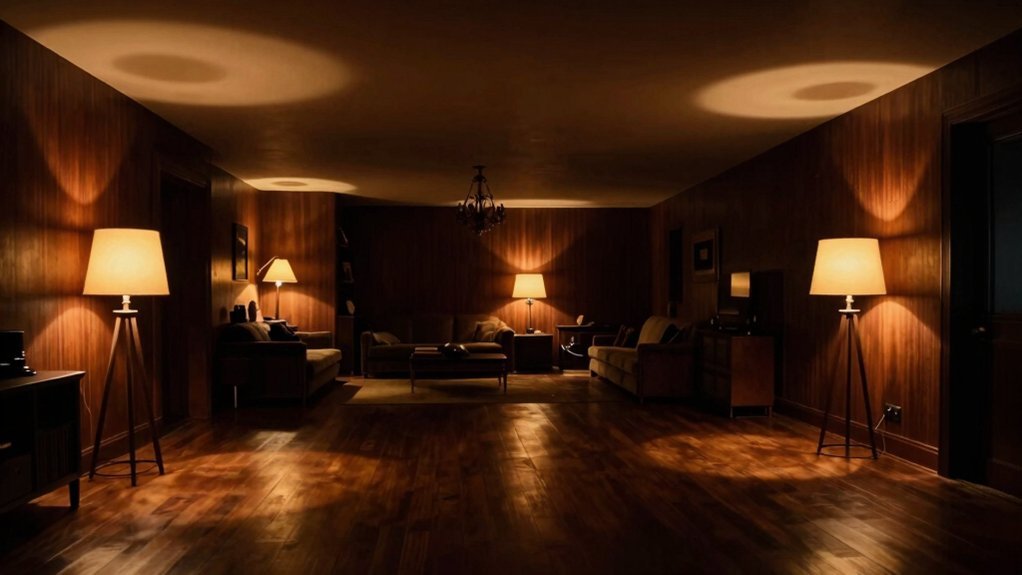
How do you make a vast living room feel intimate rather than cavernous? You’ll shrink the space by layering multiple light sources throughout instead of relying on one harsh overhead fixture.
Start by placing floor lamps in dark corners where shadows pool. Add table lamps on side tables to create warm, contained pools of light. Install wall sconces to wash vertical surfaces with soft illumination. You’ll draw the eye to specific areas, breaking the room into cozier zones.
Dimmer switches let you control brightness and mood. Lower lights automatically compress perceived space. You’ll avoid uniform brightness that emphasizes square footage.
Cluster lights around seating areas where people actually gather. Leave distant spaces darker. Your room feels smaller, safer, and more inviting when light doesn’t reach every corner equally.
Recommended Products
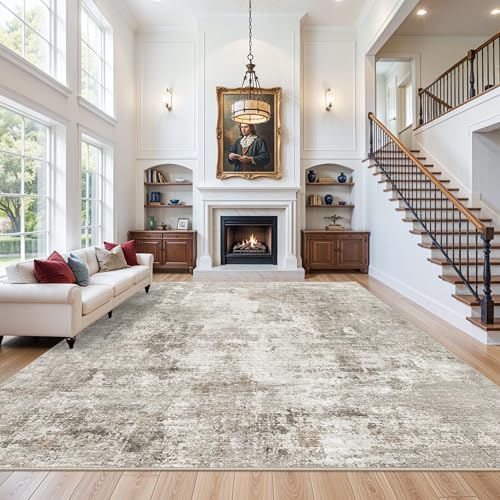
Machine Washable & Easy to Maintain: This 12x18 area rug is fully machine washable, making it effortless to clean for busy homes with pets and kids. Use a large-capacity washer on a gentle cycle with cold water for the best results. If a home washer is too small, spot clean or use a professional service. Air dry or tumble dry on low to maintain its quality, suitable for open floor plans and high-traffic areas

Ultra-Soft Low Pile Rug: Gent drizz living room rugs 8x10 made of Upgraded durable low pile faux wool fibers, 0.25'' thick, featuring a soft fuzzy density surface, soft and pliable to the touch, providing great comfort for your bare feet. The low pile makes it easy for your Large area rug to clean and is perfect for homes with kids and pets

Soft Fluffy Rugs for Bedroom: With its plush high-low piles, this 5x7 area rugs delivers an incredibly comfortable and soft sensation, making it suitable for going barefoot. Lay the carpet over your hardwood floor, and it not only infuses warmth but also turns any room into a snuggle-worthy retreat
Soften Floors With Oversized Layered Rugs
Where should you start when hard flooring stretches endlessly beneath your feet? You anchor the space with oversized layered rugs. You select a large natural fiber base rug—jute or sisal works beautifully—to cover maximum square footage. You top it with a softer, patterned layer that defines your seating area. You ensure all furniture legs rest on the rug, not just the front ones. You create warmth underfoot and absorb echo that bounces off bare floors. You mix textures—perhaps a flatweave beneath a plush vintage find—to add depth without clutter. You choose colors that complement your palette while breaking up the room’s vastness. You’ll notice how these layers instantly cozy the space, drawing people together and making your large living room feel intentionally designed rather than cavernous.
Recommended Products

360° COUCH CUSHION COVERS: 360 Full protection for your sofa, Whether it's spills, stains, pet hair, or general wear and tear, Our sofa cover has got you covered. The sofa cover is vacuum-packed; it is recommended to wash it before use

No Assembly, Move-in Ready: This boneless sectional couch arrives vacuum-packed in a compact box that fits through apartment doors and stairwells. Just unbox and let each piece expand to full cloud-like form within 48-72 hours. Moving soon? Re-flatten, pack, and go—perfect for renters and first apartments

Modular Flexibility: This modern modular sofa features a flexible design that can be freely rearranged into various configurations to fit your space. Whether you're furnishing a large open area or a compact apartment, our Boneless Sectional Couch effortlessly adapts to your changing needs and personal style
Fill Large Living Room Walls With Oversized Art and Mirrors
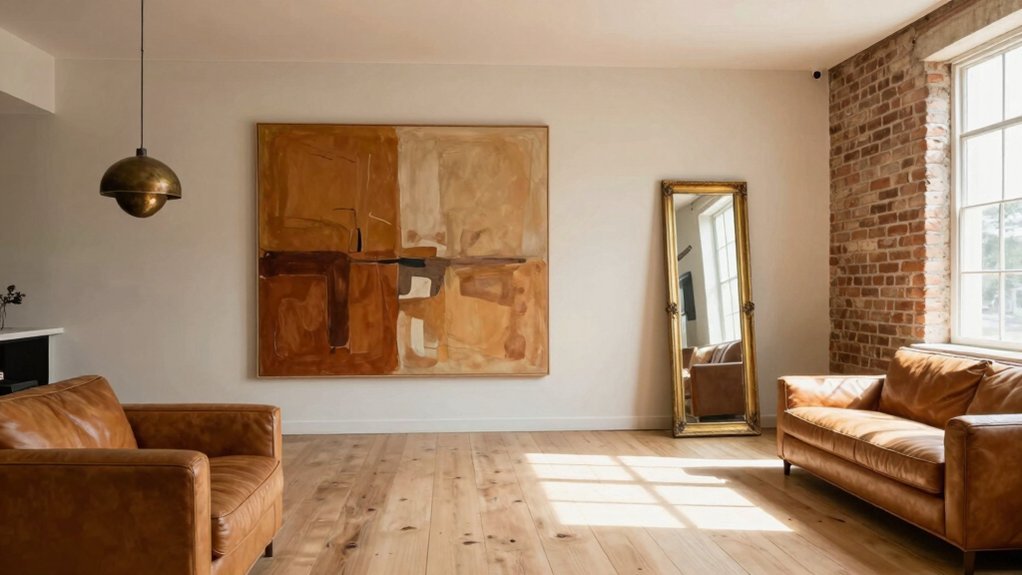
Why let vast walls loom empty when they could anchor your room with dramatic purpose? You’ll transform cavernous surfaces into compelling focal points by scaling up your artwork. Choose one oversized canvas or a substantial mirror that commands attention rather than cluttering the space with tiny frames that get lost.
You can position a large mirror opposite windows to amplify natural light and create visual depth. This trick makes expansive rooms feel connected and intentional rather than sparse. When you hang substantial pieces, maintain eye-level placement even above furniture—don’t let sofas float beneath disconnected art.
Mix textures by combining a sleek metal-framed mirror with a textured painting. You’ll ground the room’s proportions while expressing personality. Remember, bold choices fill voids; timid selections emphasize them.
Recommended Products

【Flexible Room Planning】: This Room Separation Deviders Post Column features display shelves, making it perfect for showcasing decorative items, trophies, or greenery, adding vitality and life to the space. You can display your favorite collectibles on the shelves, highlighting your personality and taste, making the entire environment more unique and cozy. Whether in homes, offices, or other settings, this Wooden Slats Separation Entrance Decor provides an ideal display location.

[Unique S-Shaped Design]: S-shaped design makes this black small bookshelf a work of art, while provides large storage space, satisfies various daily needs. Each of the 6 shelves is divided into 2 compartments, perfect for organizing books, magazines, plants and other items in a neat and orderly manner

Modern Open Design: Featuring clean lines and vertical metal bars, this room divider maintains an open, breathable feel while adding modern elegance to your interior. It visually defines areas without blocking natural light or airflow
Lower High Ceilings Visually With Paint or Beams
When ceilings soar too high for comfort, you’ll want to bring them down to human scale. Paint your ceiling a shade darker than your walls. You’ll instantly feel the room tighten around you. Navy, charcoal, or deep olive work wonders here.
Install faux beams or exposed wood joists across the ceiling. You’re creating horizontal lines that stop the eye from drifting upward. Coffered designs also break up that vast expanse overhead.
Try a two-tone treatment. Paint the outer perimeter dark and keep the center light. You’re fooling the eye into seeing a lower, more intimate surface.
Hang pendant lights or a chandelier on a short chain. You’re drawing the ceiling closer through focal points.
Use tall bookshelves or drapes that stop below the ceiling line. You’re establishing a new visual boundary.
Recommended Products
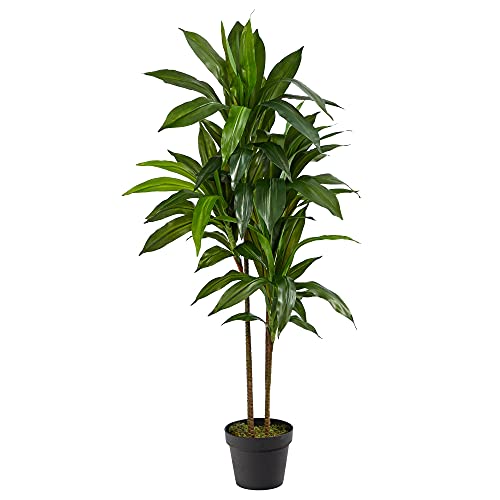
HOME DECOR ACCENT: A beautiful lifelike plant perfect to accent any room or space for year-round greenery. Towering in at 4 feet high, this lovely Dracaena silk plant is a treasure to behold. Slender fresh green leaves bow forward in every direction. Authentic style stems covered with rich foliage create a look that can’t be imitated. This plant not only looks natural but feels real to the touch too. Perfect for home or office this plant is so natural will have you reaching for the watering can.

Why OAKRED? - Artificial fiddle leaf fig tree with white planter, the 3 trunks of the ficus tree are made of natural wood poles, these designs give faux tree a lifelike appearance with realistic texture and look.

Full-Spectrum Grow Light System: This plant stand features adjustable full-spectrum LEDs (3000K-6500K) that mimic natural sunlight for optimal growth at all stages - from seedlings to flowering plants. The 8-level dimming meets each plant's needs.
Layer Soft Textures That Absorb Sound and Add Warmth
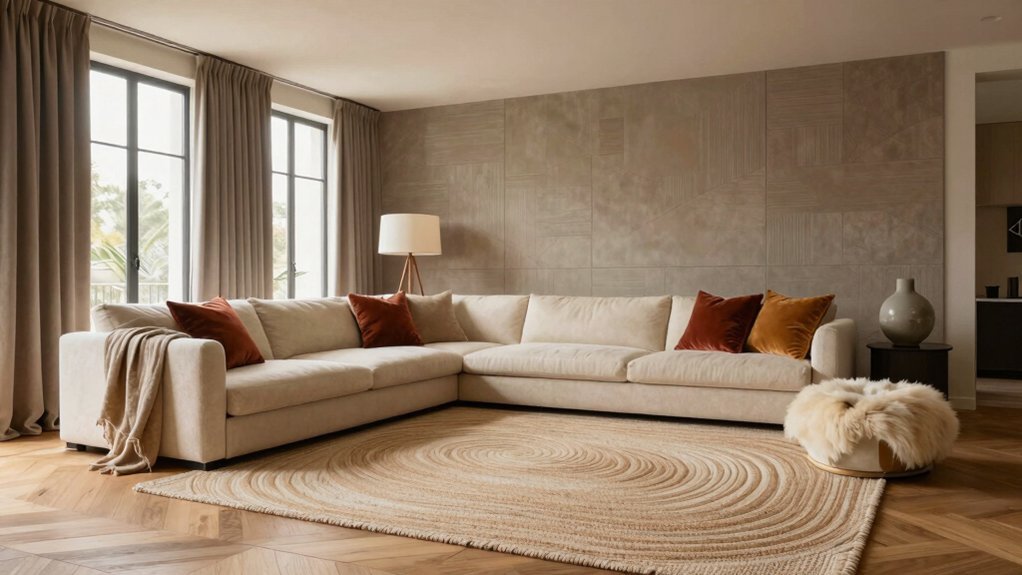
Once you’ve reined in that vertical space, you’ll notice another challenge: all that hard surface area creates echo and feels cold. You’ll fix this by layering soft textures throughout the room.
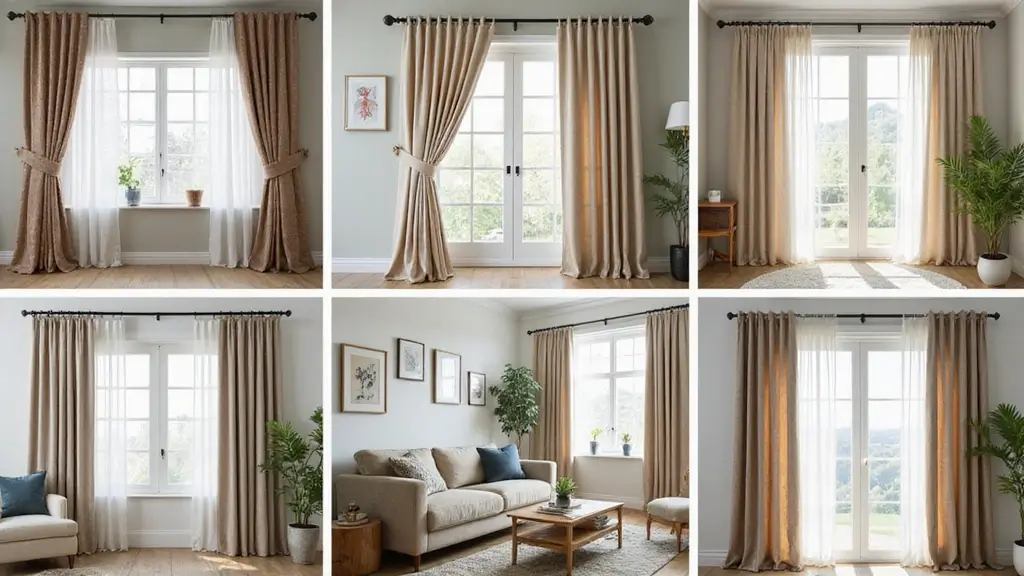
Start with a thick, plush area rug that anchors your seating group and muffles footfalls. You’ll add velvet or linen curtains that pool slightly at the floor, absorbing sound while softening window expanses.
Toss chunky knit throws and faux fur pillows onto sofas and chairs. You’ll upholster furniture in woven fabrics like bouclé or chenille rather than slick leather.
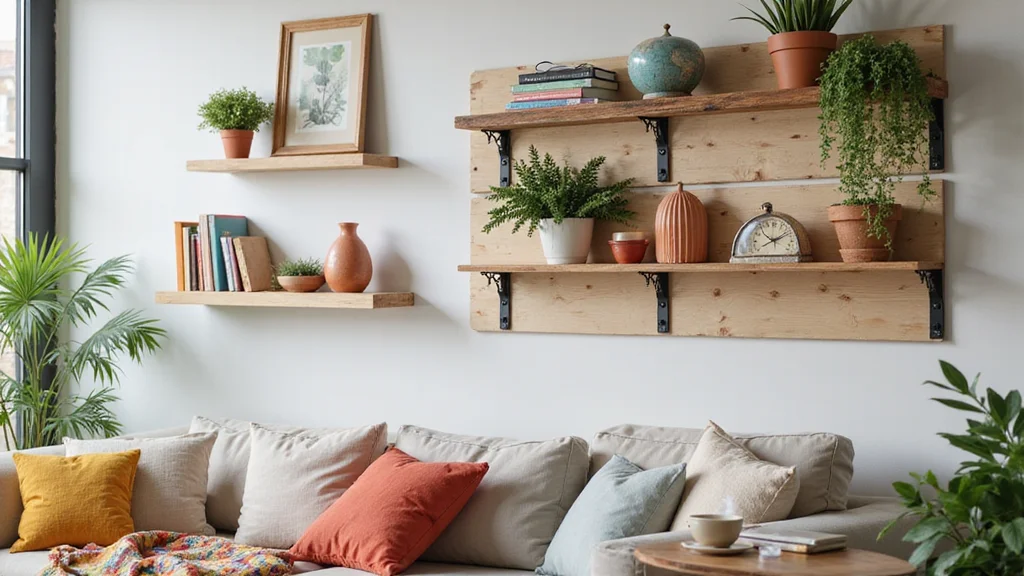
Hang fabric wall panels or a large tapestry on one wall. You’ll place woven baskets, stacked wool blankets, and even a upholstered ottoman to break up reflective surfaces.
These layers transform your cavernous room into an intimate, acoustically balanced haven.
Recommended Products

Floor Lamp Side Table in One: This floor lamp with table features an integrated 11-inch round end table that holds a coffee cup, phone, glasses, and remote at the same time. With a 6.6 lb weight capacity, it keeps everyday items within easy reach while reading, relaxing, or watching TV in the bedroom. The tabletop rotates 360°, so you can adjust it toward your sofa, bed, or reading chair, giving you extra storage without taking up extra floor space

💡【Floor Lamp with Side Table】2-in-1 design integrating floor lighting and wooden side table. The built-in tabletop offers handy space for cups, books, remote controls and small plants, maximizing space utilization for living rooms, bedrooms and study areas.

Floor Lamp Side Table in One: This floor lamp with table features an integrated 11-inch round end table that holds a coffee cup, phone, glasses, and remote at the same time. With a 6.6 lb weight capacity, it keeps everyday items within easy reach while reading, relaxing, or watching TV in the bedroom. The tabletop rotates 360°, so you can adjust it toward your sofa, bed, or reading chair, giving you extra storage without taking up extra floor space
Fill Empty Corners With Tall Plants and Vertical Gardens
Where do you turn when furniture alone leaves your corners feeling deserted and disconnected? You reach upward and fill that vertical void with living, breathing greenery.
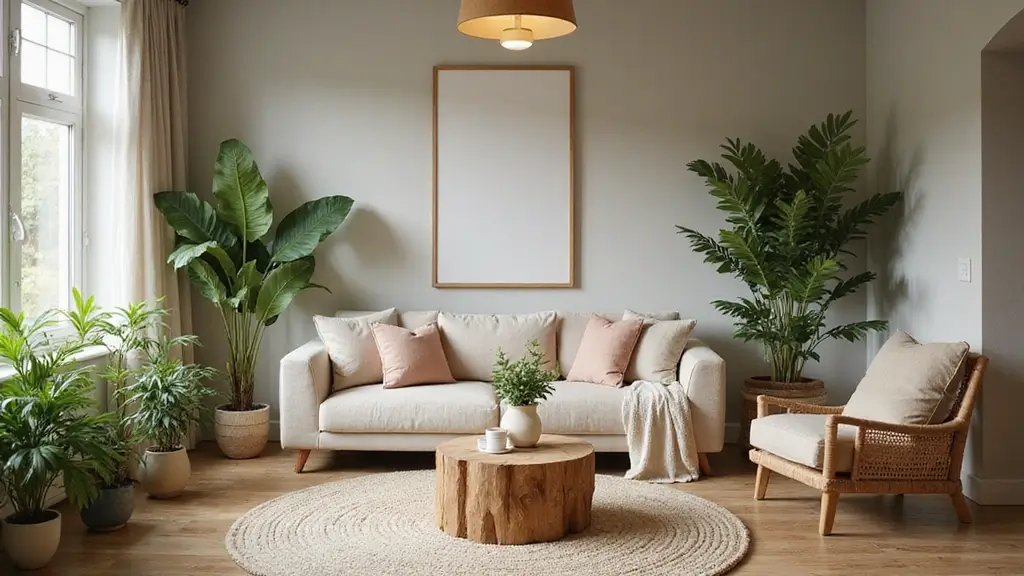
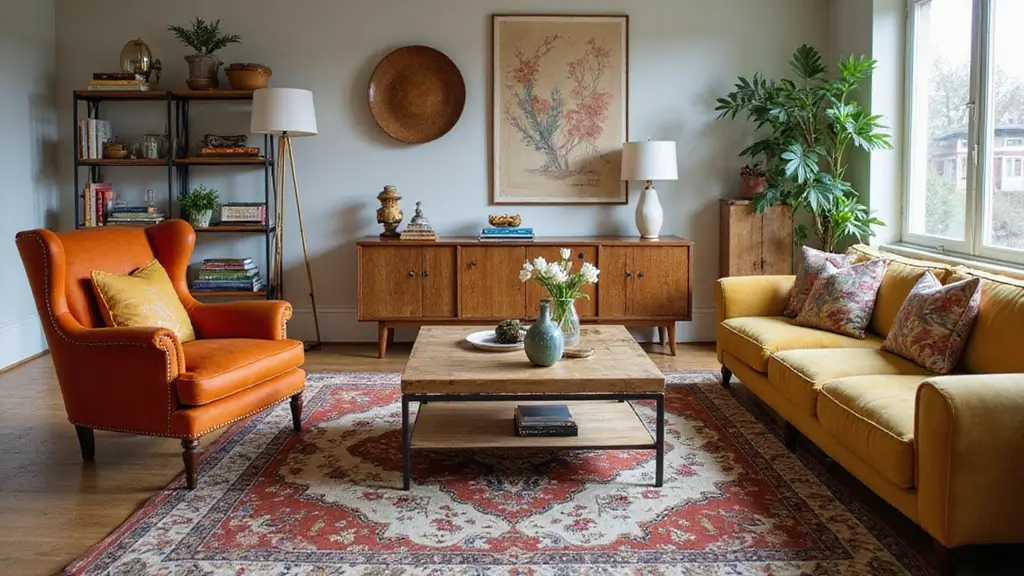
Position a tall fiddle-leaf fig or yucca in a ceramic planter to anchor the space and draw eyes skyward. You’ll soften hard angles while adding organic texture that furniture can’t replicate.
Stack trailing pothos on a tiered stand, or mount a vertical garden panel to create living art that consumes awkward angles.
You don’t need a green thumb to succeed. Choose low-maintenance snake plants or ZZ varieties that thrive on neglect.
Cluster three heights together for depth, or let a single towering palm command attention. You’re transforming dead zones into focal points that purify air and inject life into your expansive room.
Conclusion
You’ve got everything you need to transform that oversized space into something extraordinary. Anchor areas with rugs, float your furniture, and layer lighting until the room feels intimate. Pick one bold focal point, then balance scale with substantial pieces, textured fabrics, and towering greenery. Embrace the room’s size rather than fighting it—you’ll create a living area that’s striking, functional, and undeniably yours. Now go make that cavernous room feel like home.