
You’ve just unwrapped a crisp new set of sheets, but they feel more like sandpaper than silk. Before you reach for that bottle of fabric softener, you’ll want to know why that common fix actually backfires—and what surprisingly simple swap creates lasting softness instead.
Wash With Baking Soda and Vinegar to Soften New Sheets
Why settle for stiff, scratchy bedding when you can transform your new sheets with pantry staples?
You can soften standard bed sheets using just baking soda and white vinegar. You’ll add one cup of baking soda directly into the wash drum, then pour half a cup of white vinegar into the dispenser—skip the detergent entirely. Start your wash cycle with hot water to loosen fibers, then let it switch to cold water during the rinse phase; this temperature shift helps fibers relax naturally without chemical interference.
This method works because you’re avoiding harsh softeners that coat fibers and block hydration. You’re relying on mild chemical reactions instead. Once the cycle completes, dry your sheets as recommended, skipping tumble dryer additives entirely. You’ll maintain that softened texture without buildup compromising your bedding’s breathability over time.
Recommended Products

For Baking, Cleaning, and Deodorizing

One 16 ounce carton of Baking Soda

America's #1 trusted Baking Soda brand
No Baking Soda? Soak Stiff Sheets Overnight Instead
What happens when your pantry’s bare and stiff sheets still need taming? You soak them overnight instead. Fill your bathtub with cold water and dissolve 50 grams of Epsom salts. Submerge your sheets completely, then stir them with a wooden spoon to distribute the salt evenly throughout the soak. This softening method works without baking soda. Let the sheets rest overnight while the salts break down the stiff fibers. In the morning, you’ll rinse away any residue. Air dry your sheets outside to let gradual softness develop naturally. You’ve bypassed the missing ingredient and still achieved results. This alternative approach proves that effective softening doesn’t require a fully stocked pantry—just patience, water, and the right technique for your sheets.
Recommended Products
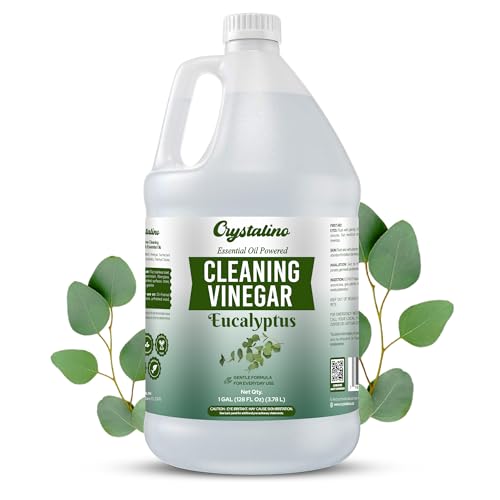
Crystalino Essential Oil Infused Vinegar Gallon Bottle For Bulk Cleaning Application; Use Distilled Vinegar For Cleaning Purposes & Enjoy The Powerful Yet Soothing Cleaning Power Of Essential Oils

Aunt Fannie's Extra Strength All Purpose Cleaning Vinegar: Contains distilled white vinegar specifically formulated for cleaning with 6% acidity; No added scents, dyes, or other additives

LA’s CLEANING FAMILY NOW INCLUDES SOLUTIONS FOR EVERY TASK — our trusted all-purpose cleaning solutions, Ajax Laundry Detergent, Fab Dish Soap & Soilove Laundry Stain Remover.
Dry Them Right: Low Heat, Wool Balls, or Fresh Air
Once you’ve washed your stiff sheets, it’s time to dry them without undoing your progress.
Start by setting your dryer to low heat to gradually relax the fibers. High temperatures damage cotton and linen, so you’ll protect the fabric while still encouraging softness. Toss in three to six wool dryer balls to create air pockets between the sheets. These balls reduce friction and help the fabric tumble freely, improving loft and texture without chemicals. Skip dryer sheets entirely—they coat fibers and block moisture absorption.
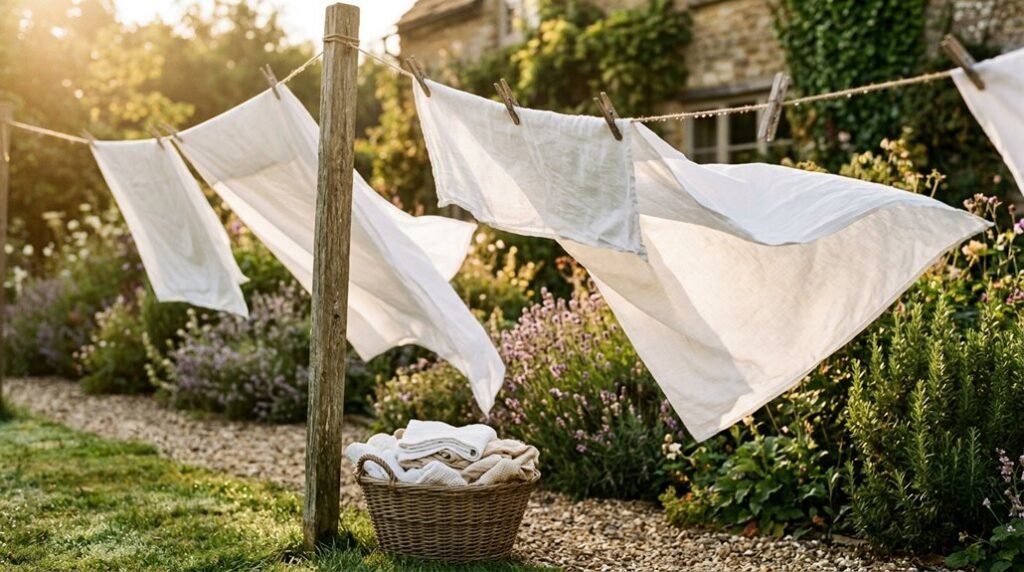
If weather permits, try air drying outside on a line. Fresh air naturally relaxes stiff fibers and reduces that new-sheet crunch. When the weather doesn’t cooperate, you can still air dry indoors, then finish with a brief low heat cycle to finalize the softening process.
Recommended Products

SHIPMENT CONTAINS: One 3-pound resealable bag of fragrance free epsom salt for relaxing baths and soaks

POWERED BY MAGNESIUM: Dr Teal's Pure Epsom Salt (Magnesium Sulfate) helps ease aches & pains, relaxes the body & helps reduce stress

POWERED BY MAGNESIUM: Magnesium Sulfate helps ease aches & soreness from muscle pains
How Long Until Your Sheets Actually Feel Soft?
Patience pays when you’re waiting for that hotel-level softness. High-quality cotton needs repeated washing before you’ll feel true fiber relaxation, so don’t expect instant results after one cycle.
If you’ve chosen percale, you’ll notice it feels crisp and stiff when new—that’s normal. The one-over-one weave structure keeps fibers tight until moisture and motion gradually loosen them. You’ll likely experience several washes of crispness before hydration and swelling kick in.
After three to five washes, you should start detecting real change. Air-drying or using low heat with dryer balls accelerates this process without chemical shortcuts. Sun exposure and natural aging also help. Within a week or two of regular use, your sheets will transform from stiff and new to invitingly soft.
Recommended Products

🌿 NATURAL & CHEMICAL-FREE — Made from 100% premium New Zealand wool with no fillers, no synthetics, and no chemical additives required. The perfect natural alternative to dryer sheets and liquid fabric softeners — gentle enough for every member in your family, the elderly and anyone need natural products for laundry.
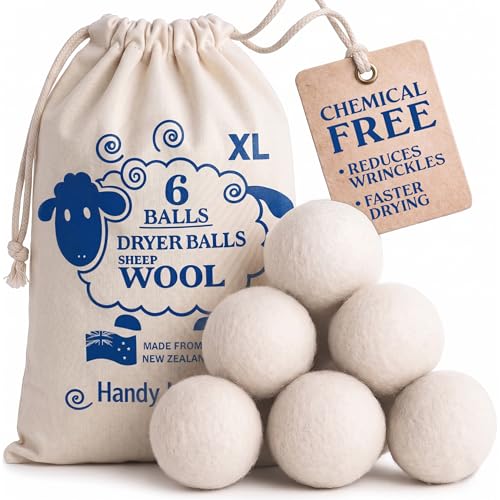
SUPERIOR QUALITY WOOL: 100% New Zealand premium wool with no synthetic fillers, rolled into tight, extra-large balls and felted for a natural, long lasting product

SUPERIOR QUALITY WOOL – 100% New Zealand premium wool with no synthetic fillers, rolled into tight, extra-large balls and felted for a natural, long lasting product.
Skip Fabric Softeners: They’ll Stiffen Sheets Over Time
Although fabric softeners promise silky results, they’ll actually work against your goal of naturally soft sheets. These products coat fibers and hinder hydration, trapping your new sheets in a stiff, unnatural state. You want your cotton to breathe and absorb water fully so fibers relax with each wash.
Skip the fabric softeners entirely. Instead, you’ll reach for baking soda or vinegar, which cleanse and soften without leaving residue. Your sheets start stiff because of their tight weave and unhydrated fibers, but repeated washing without softeners lets fibers swell and loosen naturally. Over time, you’ll notice genuine pliability developing—something chemical coatings actually prevent. Multiple sources confirm that avoiding fabric softeners prevents the buildup that creates long-term stiffness. Trust the process: your patience rewards you with lasting softness.
Recommended Products

One box of 120 Dryer Sheets to fight deep, pesky odors

PET HAIR REPELLING DRYER SHEETS: Bounce dryer sheets have 3x more pet hair repelling power vs. Bounce dryer sheets

Dryer sheets fight static in the dryer while adding the amazing GAIN scent
Conclusion
You’ll get softer sheets by washing them with baking soda and vinegar, then drying on low heat with wool balls. Skip the fabric softener—it’ll backfire. If you’re out of baking soda, an overnight Epsom salt soak works too. Don’t expect instant results; your sheets need one to two weeks of repeated gentle washes to reach peak softness. Stick with these natural methods and you’ll feel the difference soon enough.
Recommended Products

Effective Odor Elimination: Absorbs and destroys big odors in small spaces, keeping your home smelling fresh and clean.

POWERFUL CLEAN. SAFE INGREDIENTS: Replace bulky liquid laundry detergent with compact laundry detergent sheets, tackling tough stains and odors on clothes, towels, and delicates. Designed to leave no harsh chemical residue compared to liquid detergents with optical brighteners, they deliver up to 60 loads of effective, fresh cleaning in hot or cold wash cycles.

16 ounce package