
You’ll stand in that room and notice how the wallpaper’s edges have started curling, betraying the clean lines you once loved. The vinyl thickness, the wall’s original sheen, the humidity trapped behind—every material choice now determines how your afternoon unfolds. Score carefully behind the baseboards; your drywall’s integrity hangs on patience you may not feel. But here’s what wall damage actually costs you.
How to Remove Peel-and-Stick Wallpaper (Start to Finish)
Three things determine how smoothly your peel-and-stick wallpaper comes down: the wall beneath it, the adhesive age, and your patience. Peel and stick removal unfolds differently across every surface you encounter. You’re working with walls that breathe, paints that cure at varying rates, and adhesives that harden or soften with time.
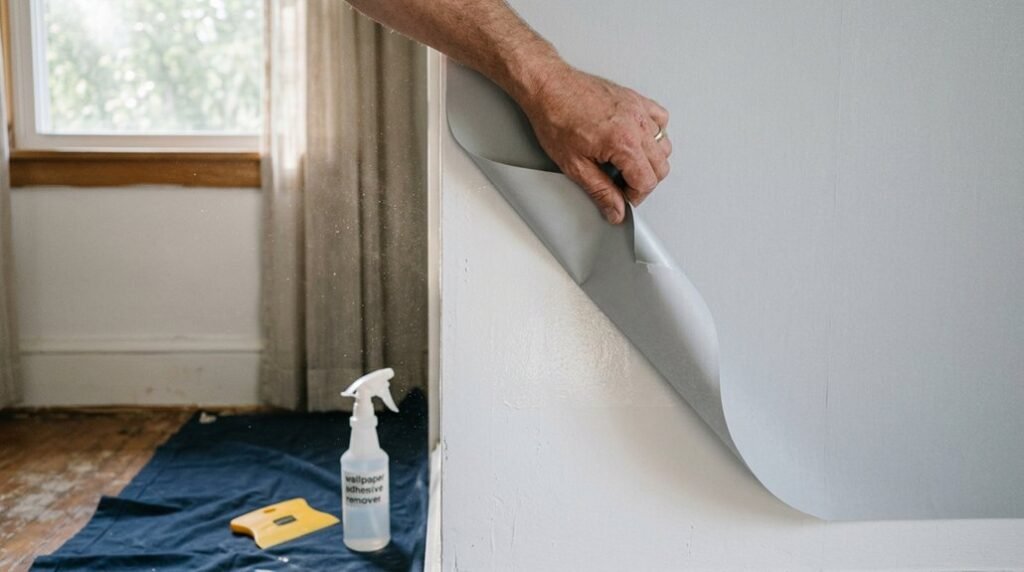
Start your removal techniques where walls meet trim, scoring gently with a sharp blade to release tension. You’ll pull gradually, never rushing the material’s release. In compact powder rooms, you might lift entire panels intact; expansive walls demand slower, more deliberate peeling. Wall damage risk escalates when underlying surfaces bear scars or young paint still releases its grip.
Wear your patience visibly. Residue ghosting often follows, requiring fresh paint rather than scrubbing. Some experienced hands you’re learning from prefer pre-pasted alternatives precisely for cleaner separations.
Recommended Products
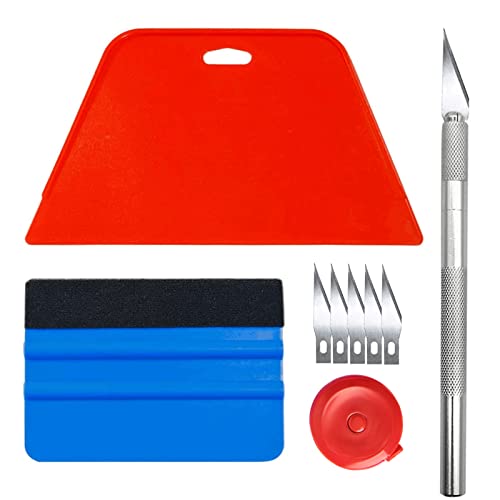
Complete Tool Kit: Includes a large smoothing tool, blue squeegee, utility knife, replacement blades, and measuring tape for installation tasks.

Make wallpaper installation a breeze with our wallpaper tool kit! This comprehensive kit includes must-have tools you need for a smooth and easy wallpapering experience.

A basic but versatile tool wallpaper peel and stick tool kit help you on wallpaper application,trimming ceiling,woodwork or baseboard projects,vinyl wrap,window tint or glass film
Check Your Walls First: The 30-Second Surface Test
Before you lift a single corner, stand back and look at what you’re working with. Your wall’s condition dictates whether peel and stick wallpaper proves easy to remove or becomes a costly mistake. Run your palm across the surface—note every imperfection. Textured walls snag adhesive backing, creating resistance that risks paint pulling away with the panel. Test an inconspicuous edge: does the vinyl release cleanly, or does it grip with stubborn desperation? Fresh paint spells danger; solid, cured surfaces surrender gracefully. If your test strip reveals crumbling plaster or peeling layers, pause. Some brands bond aggressively, especially after repositioning. Fragile walls demand honesty—either select another material entirely, or budget for touch-ups. Your space deserves intention, not shortcuts.
Recommended Products

EASY ADJUSTMENT - E-Z Hang provides ‘slip’ allowing you to float your wallpaper into position without having to peel and re-stick, simplifying pattern matching.
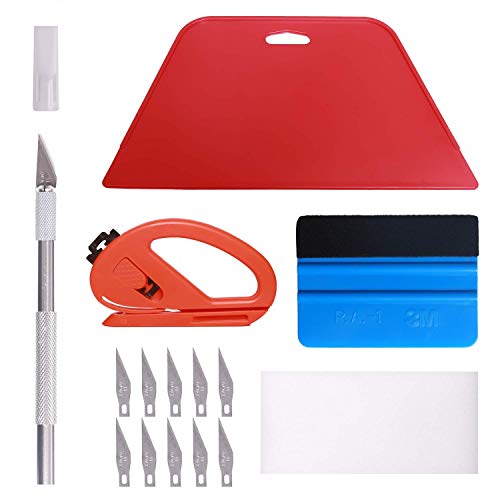
【Versatile Wallpaper Smoothing Tool Kit】This multi-function tool kit is including craft art knife with 10 replaceable blades, red and blue squeegee, vinyl cutter and sponge, which is perfect for wallpaper application, wallpaper trimming ceiling, self adhesive wallpaper, contact paper, countertop paint, ship-lap wallpaper, etc.

【MULTIFUCTION WALLPAPER SMOOTHING TOOL KIT】This wallpaper tools is widely used in auto window tinting, vinyl film, wall decals, poster, wallpaper installation, all types of paint protection film, decals, solar film, wrap film.
Score First, Peel Slow: My Complete Method
Where exactly should your blade meet the wall? Glide your razor behind trim in powder rooms, scoring top and bottom edges first. This spatial precision loosens panels without disturbing the drywall’s integrity beneath.
You’re working with materials that demand respect. Advance slowly—your craft knife initiates each lift, your hands follow. Entire panels descend intact when you honor this rhythm, leaving minimal residue from those air-bubble rubbings you couldn’t prevent.
Watch your paint. Watch your caulk. If surfaces lift alongside the paper, score again. Smaller increments prevent tearing, preserve your wall’s prepared finish. You’ll touch up pencil lines later, repaint where needed. The aesthetic reveals itself in these careful removals—each slow peel a restoration of blank possibility, your room breathing again.
Recommended Products

Thick Spray Gel for adhesives: Goo Gone Adhesive Remover Spray Gel, which won a 2026 Good Housekeeping Cleaning Award, clings to surfaces to dissolve tough sticky messes like glue, stickers, labels, tape residue, gum, grease, wax and decals. The gel formula & glue remover works quickly to loosen adhesives for easy wipe-away cleanup.

REMOVE STUBBORN ADHESIVE FAST: This 2-in-1 combo features a powerful glue remover and an easy-to-use scraper, working together to eliminate sticky residue quickly and effortlessly
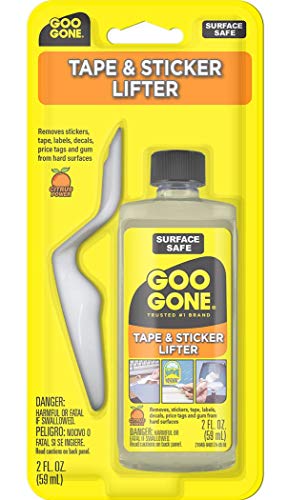
Sticker Remover - effortlessly remove stubborn stickers with Goo Gone Stickler Lifter
Speed Kills Drywall: Why Rushing Ruins Walls
That slow rhythm you’ve established—blade to edge, hand following—can evaporate when deadlines loom or rooms multiply. You feel the temptation: grab, yank, move on. Don’t. Your drywall pays for that haste.
You’ve seen it—rapid pulls scar the surface, lift paint, leave walls marred. Thin films fracture; poor-quality adhesives grip tighter, tearing substrate with them. In your powder room, perhaps, the panel releases whole, clean. But that corner hallway? It fights back. Each space holds different tension; you must test, read the wall, adapt your pace.
Experienced hands know: score gently, peel deliberately, entire sheets descend intact. Speed promises efficiency but delivers renovation. You’re preserving planes here—surface continuity, material integrity, spatial wholeness. Patience isn’t mere virtue; it’s structural. Breathe. Room by room, you let the wall speak first.
Recommended Products

High-quality Material: Our joint knife set is made of 3CR13 stainless steel with high hardness, which provides durability and resistance to corrosion. The mirror polishing provides a smooth surface that is easy to clean, can be used for longer life

INNOVATIVE DESIGN – Features a honed, steel blade specially set not to gouge or damage walls while stripping wallpaper. The attached stabilizing roller helps maintain smooth motion during wallpaper removal.

OUTSTANDING PERFORMANCE:Our plastic razor blade scraper is the perfect tool for effectively removing unwanted materials without causing any damage. It is designed to be safe and won't scratch surfaces like metal blades. Its sharp edges can remove stubborn residue effortlessly, without posing any risk of injury. With this innovative and reliable cleaning tool, you can make cleaning a breeze.
Thicker Peel-and-Stick Peels Cleaner: Here’s Why
Although you’ve likely assumed heft means struggle, thicker peel-and-stick often rewards you with cleaner release—its substantial body resists the spiderweb tearing that frays thinner films, letting you lift deliberate sheets rather than chase scattered fragments. You feel this difference immediately: the weight behaves, yielding intact panels that preserve the wall’s visual field beneath.
Yet this material consciousness demands spatial awareness. You’re negotiating between substance and surface—thicker vinyl clings more aggressively, threatening drywall if you pull impatiently. On pristine, cured walls, you’ll discover the sweet spot: slow, perpendicular tension that releases the adhesive bond without excavation. Score edges, slip behind moldings, and you’ll witness one-piece departure.
Your patience becomes architectural preservation. Where thinner papers crumble into persistent residue, thicker options surrender wholly—provided you’ve honored the wall’s condition and your own unhurried hand.
Recommended Products

Designed for Peel and Stick Wallpaper Application: This wallpaper smoothing tool is built specifically for applying peel and stick wallpaper, helping press material evenly and reduce bubbles or wrinkles during installation

Carefully Curated wall paper kit :this wallpaper tools comprises all the necessary professional tools for wallpaper peel and stick installation.each tool is crucial for expert installation. This wallpaper tool kit can meet your various needs for cutting,smoothing,cleaning,applying.
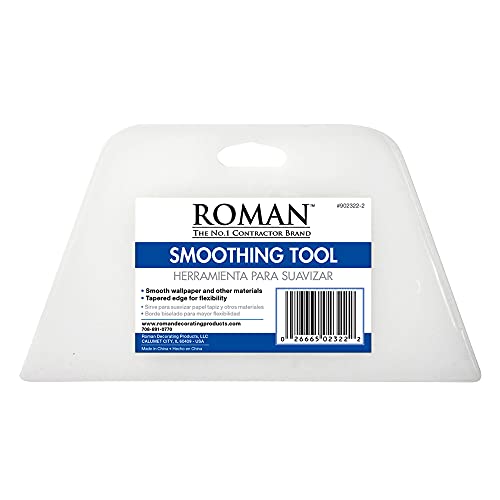
PROFESSIONAL SMOOTH FINISH: The tool's flexible tapered edges will create a professional smooth finish, eliminating stubborn bubbles on the wall and in hard-to-reach corners
Bathroom vs. Closet: Where Removal Gets Harder
Why does the same vinyl behave so differently across rooms? You’re discovering that spatial constraints and surface conditions rewrite the removal script entirely.
In your closet, you ripped strips quickly, yet the drywall crumbled beneath—speed fooled you, and the narrow vertical planes offered no forgiveness for hasty hands. The vinyl’s thickness couldn’t shield poor preparation.
Your powder room demanded patience, but rewarded it. You scored seams with a fresh blade, used trim to lift corners, and peeled each panel intact. The compact footprint let you work systematically, controlling tension across delicate gypsum.
Bathrooms challenge you with moisture-compromised adhesive and tighter architectural choreography. Yet closets punish assumptions of easy access. You’re learning that product choice—pre-pasted over peel-and-stick—shapes this calculus too. Wall integrity hinges on your reading of space, not just strip.
Recommended Products

VESATILE WALLPAPER APPLICATION TOOL KIT: A basic tool kit help you on all types of wallpaper application, trimming ceiling, woodwork or baseboard projects, vinyl wrap, window tint or glass film installation, makes the installation process much easier for you.
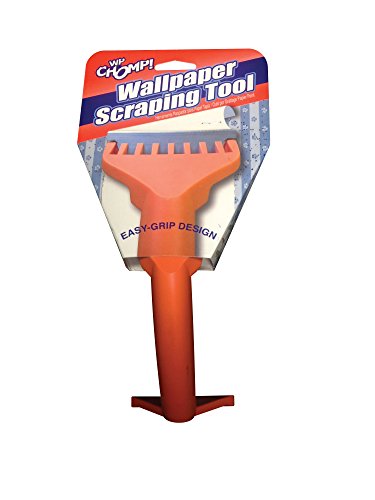
PREMIUM BLADE: Our scrapers come complete with a sharpened, dual edge blade. Sharpening the blade on both sides is an extra manufacturing step but makes removal so much quicker. Dual edge sharpened blades dramatically outperform stamped/forged blades.

Wallcovering Smoothing Tool: Large wallpaper smoother squeegee with ergonomic design for comfortable use and maximum control,with rounded corners and wrap with PTFE tape won’t damage or tear wallpaper.
That Sticky Film: Why Your Walls Look Dirty After
You’ve wrestled vinyl from tight corners and compromised adhesives, yet the real betrayal surfaces now: a ghostly film marring what should be bare, clean drywall. That hazy residue isn’t leftover tackiness; it’s the memory of your own hands pressing, smoothing, chasing bubbles toward edges. You rubbed aggressively across vinyl’s surface, and microscopic oils transferred onto paint beneath, invisible until the sheet lifted.
The film reads as shadow, not stain—no color bleeds through, but light catches unevenly across the plane. Your walls demand spatial honesty; anything less fractures the room’s visual calm. You assess corner to corner, tracing where pressure concentrated. Spot-repainting restores material integrity, though you’ll likely feather into adjacent stretches where ghosting overlaps clean zones. The surface wants wholeness.
Recommended Products

Effortless DIY Installation: Peel and Stick Wallpaper, No Fuss, No Mess! Skip the paste, extra tools, or pro help. This antique bookshelf wallpaper installs in minutes! Waterproof, self-adhesive, and removable, this vintage wallpaper is perfect for quick home makeovers, dorm upgrades, or rental refreshes.

Black Wallpaper--Embossing Process- It can effectively reduce the generation of bubbles. The solid color gives the room a more advanced texture, and enhance the ambiance of any room with the stylish and understated matt luxury black finish. This dark textured walls sticker papers complements both modern and traditional decor styles elevates any room instantly
Repaint After Removal: When Touch-Ups Aren’t Enough
Where exactly does compromise end and restoration begin? You’ll find the line drawn across your walls, where faint residue lingers invisible until angled light strikes. That rub-worn patina from smoothing air bubbles, the ghosted pencil marks guiding your placement—these demand more than spot treatment. You’re confronting material memory: the wall’s surface holds traces of pressure, not color, and only fresh paint restores its integrity.
Corners and trim surrender especially to this truth. You’ve likely painted them to match the wallpaper once; now they require reclaiming. The spatial canvas resets only when you commit fully. Touch-ups fail because peel-and-stick never promises clean departure. Regardless of how easily strips release, you’re completing the restoration with paint. You’re honoring the architecture beneath.
Recommended Products
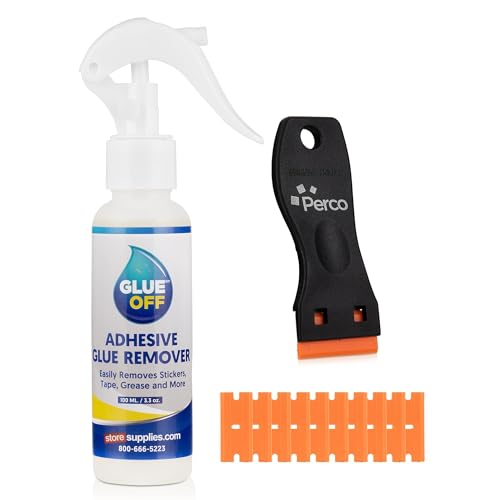
EFFECTIVE ON TOUGH MESSES – Removes silicone caulk, adhesives, sealants, tree sap, wet paint, glue, asphalt, ink, marker, soot, tar, wax, and grease/oil with ease.

TRUSTED #1 BRAND FOR REMOVING STICKY MESSES: Try it on gum, crayon, tape residue, glue, pen and much, much more. Removes price tags and product stickers with ease!!

ADHESIVE GUNK REMOVER: Remove stickers, labels, tape residue, car decals and adhesive gunk with Goof Off Adhesive Gunk Remover - Goof Off works the first time!
Why I’m Switching to Pre-Pasted for My Next Room
How do you forgive a wall you’ve scarred? You trace the raw patches where adhesive fought back, where drywall surrendered in jagged flakes. You’ve learned peel-and-stick punishes imperfect surfaces, binding too fiercely to compromised plaster, mocking your careful fingers with paint that peels away in sheets.
You slowed your pace, scored edges, coaxed panels loose methodically. Still, residue ghosts beneath new color, pencil marks linger like regret. Cleanup demands repainting entire planes, not mere touch-ups. The room shrinks under labor’s weight; your timeline distends.
Pre-pasted paper changes the equation. You activate paste, smooth panels, breathe easier knowing removal yields cleanly. Walls survive intact. For your next room, you’re choosing material that respects the architecture it adorns, that releases without ransom, that lets you curate space without sacrificing the surface beneath.
Recommended Products

【Material】-PP plastic material, the handle and knives are integrally formed, which is flexible and protects the painted surface from scratches. The front of the knives has an oblique design for easy wall scraping.

OUTSTANDING PERFORMANCE:Our plastic razor blade scraper is the perfect tool for effectively removing unwanted materials without causing any damage. It is designed to be safe and won't scratch surfaces like metal blades. Its sharp edges can remove stubborn residue effortlessly, without posing any risk of injury. With this innovative and reliable cleaning tool, you can make cleaning a breeze.
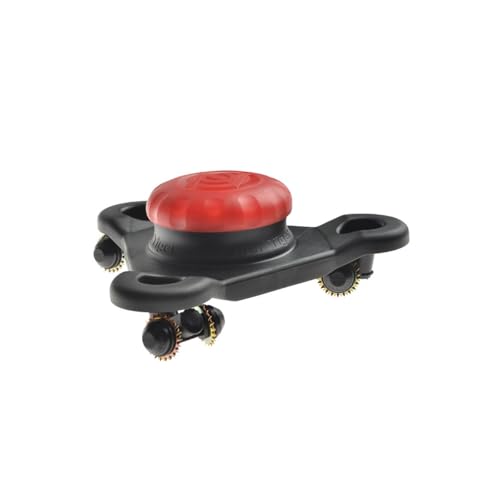
Perforates wallpaper so stripper can penetrate and dissolve adhesive
Your Questions Answered (Or Ask Me Anything)
What surfaces have you tested this on, and which brands held their ground? You’ve likely wondered if your powder room’s plaster or that bedroom’s fresh eggshell can survive the peel. Users report smooth, cured walls in dry spaces yield clean releases—whole panels descending like silk. Thicker vinyls from premium lines resist tearing; thinner, bargain materials shred and cling.
You’ve heard the frustration: rigid sheets that won’t reposition during install become stubborn during removal. Some of you haven’t stripped yours yet, so outcomes remain unwritten. When you do, work slowly. Score behind trim with care. Expect touch-ups—residue ghosts and minor scars demand fresh paint. Patience preserves your substrate. Your wall’s history matters as much as the wallpaper’s composition.
Recommended Products

Our felt edge squeegee great for car vinyl wrapping, effectively remove bubbles and minimize scratches with soft felt edge. You will get the most satisfying work during vinyl wrap, window tint, window film installation, even wallpaper installation.

Wallcovering Smoothing Tool: Our wallpaper peel and stick tool kit includes wallpaper smoothing brush, felt squeegee, black edge trimming tool, and precision craft knife with extra blades, which are the basic wallpaper installation tools you need to apply, smooth, and trim wallpaper or vinyl wrap effortlessly

【Complete Wallpaper Smoothing Tool Kit】Includes a craft knife with 4 replaceable blades, a red squeegee, a blue squeegee with soft felt, and a measuring tape—everything you need for flawless wallpaper installation.
Conclusion
You’re restoring your space now, not just stripping a surface. Work with your wall’s temperament—patience preserves the plaster beneath. That ghosting? It’s memory, not flaw; embrace the repaint as renewal. Thicker vinyls yield cleaner, but every material leaves its whisper. Pre-pasted waits for your next chapter, gentler on future you. Peel slow, score true, and trust the rhythm of repair. Your room breathes easier already.