
You’re standing in the bedding aisle, and the choice feels unnecessarily complicated. A duvet promises adaptability; a comforter offers simplicity. You’ve probably slept under both without knowing which suited you better. The real difference isn’t warmth—it’s how you live. Your laundry habits, your climate, your tolerance for wrestling covers back into place. Before you decide, you’ll want to weigh what actually matters for your sleep.
Duvet vs. Comforter: The One Difference That Matters
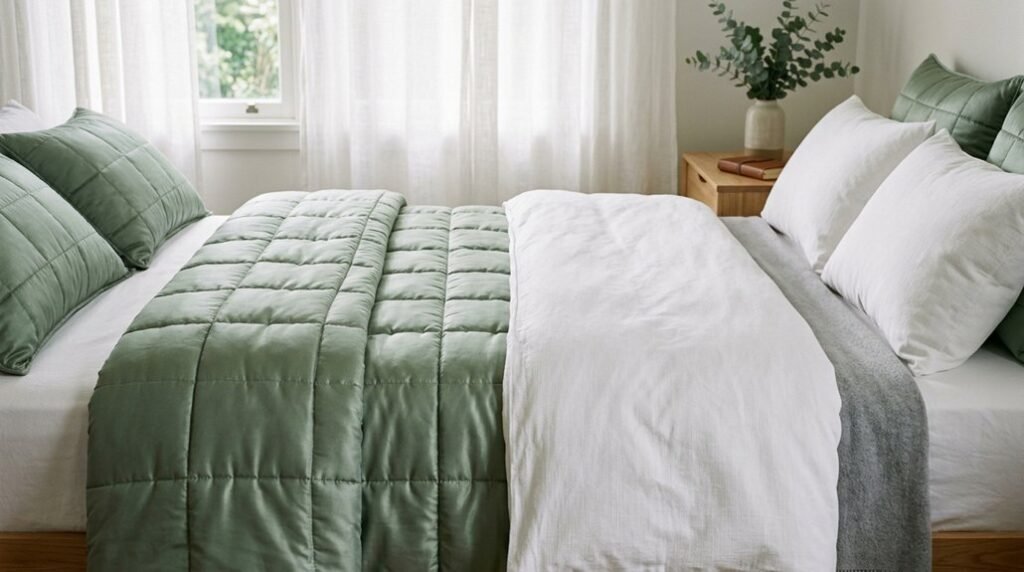
How do you choose between two bedding options that look nearly identical on the surface? You dig into the structural core. A duvet represents a two-part bedding approach: you purchase duvet inserts and encase them in a removable cover. You’re managing a bed linen system with distinct layers. A comforter gives you a single, quilted unit—you’re using it immediately without additional components.
You experience washability differently with each. You toss the duvet cover into your machine routinely while the insert stays protected. You’re struggling with bulky comforter cleaning when the whole piece needs freshening. You gain warmth adjustability through duvet inserts you swap for seasonal warmth. You’re confined into consistent insulation with one comforter.
You unleash styling customization through duvet covers you change endlessly. You’re replacing the entire comforter when your aesthetic shifts. You decide which system matches your priorities.
Recommended Products

Cloud-Soft Feel: Made of prewashed, cotton-like fabric, this bed set wraps you in ultra-soft comfort. Smooth, breathable, and no crinkly noise. Certified by OEKO-TEX STANDARD 100 (24.HCN.19195) for your peace of mind. Enjoy cozy, restful sleep every night

Premium Washed Cotton Fabric: Crafted from 100% washed cotton for a relaxed, linen-like texture that grows softer with every wash. The fabric is breathable, durable, and designed for comfort in every season—perfect for a retro-chic yet cozy bedroom experience.

Extra Soft: Featuring premium polyester microfiber material, this prewashed duvet cover set offers exceptional softness so you can enjoy a deep night's sleep. Smooth and breathable, its texture provides coziness without any crinkly noise.
Duvet and Comforter Sizes Explained
Why does size matter more than you think when you’re selecting bedding? You navigate duvet sizes and comforter sizes against your mattress size, and mismatches ruin your sleep experience.
Duvet dimensions stretch from roughly 64″ x 89″ (twin/twin XL) to 108″ x 94″ (king/cal king). You pair your duvet insert with a duvet cover, mixing components for customized bedding fit. Meanwhile, comforter dimensions span 66″ x 86″ up to 110″ x 98″ as single, all-in-one pieces sized to standard bed dimensions.
You notice comforters simplify shopping—you match one item to your bed. But you gain flexibility with duvet systems; you swap covers without replacing inserts. Mattress thickness complicates both choices, though. You measure carefully since deep or extra-wide mattresses demand adjusted sizing, preventing awkward overhang or gaps that disrupt your night’s rest.
Recommended Products

COMFORTABLE DOG BED COVER: Pamper your pets with the luxurious care they deserve with the Molly Mutt Dog Bed Duvet Cover. Made with breathable, GOTS-certified 100% cotton canvas, the cover is ideal for dogs, cats, and puppies alike.

100% Cotton Comfort: Woven from 100% premium cotton and featuring a crisp percale weave, this cotton duvet cover set feels luxuriously soft and breathable against the skin. Lightweight yet cozy, it provides an unburdened, soothing sleep experience that feels pure and natural

Soft & Comfortable – Made from 100% cotton, this duvet cover feels gentle on the skin and stays breathable throughout the night, helping you enjoy a cozy and restful sleep.
Comforter Pros and Cons: When One Piece Works Best
What draws you toward a comforter is the simplicity of grabbing one ready-made piece and laying it on your bed—no fumbling with insert alignment or cover corners at midnight. In the duvet vs comforter debate, single-piece bedding wins for speed and convenience. You appreciate how comforter pros and cons balance out: coordinated designs deliver instant bed aesthetics, yet you sacrifice the replaceable duvet cover’s adaptability.
You’ll notice breathable materials like cotton enhance comfort, though they wrinkle easily, while polyester blends trap heat retention that leaves you sweating. Washing and maintenance frustrate you—laundering the entire unit beats simply stripping a cover. Temperature control suffers without interchangeable layers. Longevity and durability run shorter here; you can’t refresh worn surfaces. You choose this when efficiency trumps customization.
Recommended Products

Luxury Softness and Fluffiness: With high-grade down alternative filling and microfiber fabric, this floral twin size comforter set offers a luxury soft and fluffy touch, ensuring a comfortable and cozy sleep every night.
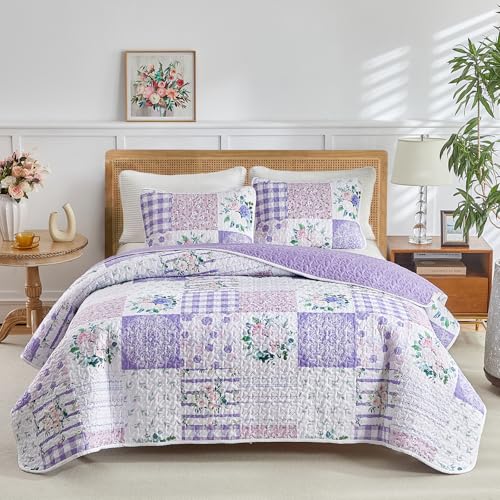
TWIN Size is a 2-Piece Set and contains One Quilt (68"x86") and One Sham (20"x26"). If you want a quilt that drapes to the floor, you may choose a larger size.

Certified Safe Material: Rest easy with our OEKO-TEX Standard 100 certified(24.HCN.57362) — verified free from harmful substances and made with your family's well‑being in mind. Crafted from premium microfiber with a 240GSM down alternative fill, this bedding delivers a balanced feel of weight and warmth. You'll enjoy a cozy, breathable sleep environment that never feels too heavy or too hot — just right for every season.
Duvet Pros and Cons: Why Two Pieces Win for Easy Care
Where exactly does your bedding fight the hardest against dust, oils, and nightly wear? You encounter this battleground every morning on your duvet cover, not your inner warmth layer. The two-piece system separates function: you toss the washable cover into your machine while the insert stays protected. Compare this to a single-piece comforter, where you expose the entire fill to agitation and compression each wash.
You gain easy care through this division. Swap covers to refresh your aesthetic or adjust warmth seasonally without replacing everything. You pair breathable linen or protective cotton shells with various inserts, customizing layering for climate. This modularity boosts hygiene and durability—your insert often lasts 10+ years, shielded from direct wear.
Recommended Products

【Luxury Feather Fiber & Down Fiber Comforter】This duvet features a filling composed of white goose feather fiber and white goose down fiber. special FreshLoft technical processing, the down and feathers are made hypoallergenic. The premium filling has passed OEKO-TEX Certification, ensuring it is fluffy and odorless. Additionally, the duvet comforter is crafted from 100% cotton fabric, which is soft, natural, plush, and breathable, providing a noiseless and super cozy night's sleep.

All Season Comforter/Duvet Insert-The L Lovsoul down alternative comforter queen size is 90x90Inches,which is stuffed with 300 GSM whole-piece polyester. It provides cooling in summer and warmth in winter. Get an all-season comforter for cozy and comfortable night's sleep all year round

【Luxury Feather Duvet Insert Twin】The duvet is filled with white goose feather fiber and white goose down fiber. Through innovative FreshLoft technology, the filling is hypoallergenic, meeting OEKO-TEX Certification standards for purity and freshness. Wrapped in 100% cotton fabric, indulgent sleep experience, thanks to its soft, breathable, and plush construction.
Which Is Easier to Clean and Maintain?
How much simpler does your laundry routine become when you strip off a cover rather than wrestling an entire blanket into the machine? You immediately see why duvet covers make cleaning almost effortless. You toss the machine washable shell into your washer, while the duvet insert stays shielded inside its protective cover. You preserve the inner fill and extend its lifespan dramatically.
You face a steeper challenge with comforters. You’re laundering the entire unit each time, battling bulk, trapped heat, and extended drying cycles. Your maintenance demands escalate quickly.
You gain ongoing hygiene through this bedding system. You perform quick spot cleaning on covers instead of waiting to wash everything. You find duvets easier to clean at every stage. You choose smarter maintenance when you choose smarter design.
Recommended Products
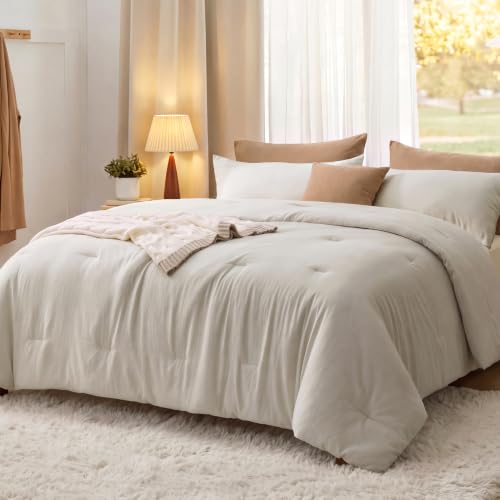
Extra Soft: This prewashed comforter is delightfully soft and gentle on the skin. Its cotton-like texture delivers a supremely cozy slumber.

Year-Round Comfort: Designed for all seasons, this quilt set offers the perfect balance of weight and warmth. The premium polyester microfiber filling and 85 GSM brushed shell provide a cozy feel—light enough for summer nights yet warm enough for mild winter, making it a thoughtful gift for any occasion

Jacquard Design: Featuring a jacquard checker design with a faux pilling effect, this comforter set adds a touch of exquisiteness and sophistication to your sleeping space.
How to Choose Based on Your Sleep Preferences
Why wrestle with restless nights when your bedding choice could resolve them? Analyze your body first. If you’re sleeping hot, a duvet system with a breathable insert and washable cover delivers superior temperature regulation through moisture control. You swap layers seasonally without losing core comfort. Night sweats demand airflow—linen or TENCEL covers maintain loft where comforters trap humidity.
Compare this to comforter warmth: you get immediate coziness, but limited adaptability. Built-in fills resist breathability, and bulk complicates ease of cleaning.
Experientially, you feel the difference when swapping duvet covers transforms your bedroom aesthetic while the insert stays constant—seasonal versatility meets practical maintenance. You prioritize either streamlined simplicity or customizable climate control. Your sleep preference dictates which tradeoff you accept.
Recommended Products
Cloud-Soft Feel: Made of prewashed, cotton-like fabric, this bed set wraps you in ultra-soft comfort. Smooth, breathable, and no crinkly noise. Certified by OEKO-TEX STANDARD 100 (24.HCN.19195) for your peace of mind. Enjoy cozy, restful sleep every night
Extra Soft: Featuring premium polyester microfiber material, this prewashed duvet cover set offers exceptional softness so you can enjoy a deep night's sleep. Smooth and breathable, its texture provides coziness without any crinkly noise.
Extra Soft: Featuring premium polyester microfiber material, this prewashed duvet cover set offers exceptional softness so you can enjoy a deep night's sleep. Smooth and breathable, its texture provides coziness without any crinkly noise.
Conclusion
Your choice between a duvet and a comforter ultimately hinges on how you weigh flexibility against simplicity. If you’ve experienced the frustration of laundering a bulky comforter or swapping seasonal weights, you’ll appreciate a duvet’s modular design. If you’ve craved instant, no-fuss coziness, a comforter’s unified construction wins. Test both systems briefly if you can—you’ll quickly discover whether you value customizable layers or streamlined convenience more. Your sleep environment should adapt to you, not complicate your routine.
Recommended Products

Soft & Comfortable – Made from 100% cotton, this duvet cover feels gentle on the skin and stays breathable throughout the night, helping you enjoy a cozy and restful sleep.

Striped Patterns: Featuring a classic vertical ticking stripe, offering a simple farmhouse look ideal for any space seeking a neutral vibe

Airy Comfort for Every Season: Crafted from 100% cotton with a textured waffle weave, this duvet cover allows better airflow to help reduce that stuffy, overheated feeling, In spring & summer, use alone as a breathable cool blanket in AC rooms. In cooler weather, layer with a duvet insert for extra warmth and a refined bed look.