
You stand in front of your window with a tape measure, unsure where to begin. The wrong curtain length can make your ceiling feel lower or your room feel unfinished. But get it right, and everything changes. You need to know which rules matter and which ones you can bend.
Key Takeaways
- Standard curtain lengths include 63″, 84″, 96″, 108″, and 120″ for different ceiling heights.
- Mount rods 6–12 inches above window frames to maximize vertical space and proportion.
- Floor-length suits living rooms and bedrooms; sill-length works for kitchens and bathrooms.
- Lightweight fabrics need extra length; heavy fabrics require precise measurements for clean lines.
- Choose break, puddle, or skim styles based on traffic, maintenance tolerance, and desired formality.
Recommended Products

Pair Sold: Each package includes 2 panels of blackout curtains. Each panel measures 40"W x 84"L, with a pair measuring 80"W x 84"L. Each panel has 6 anti-rust silver grommets(1.6 inch inner diameter) which would fit most standard curtain rods

Pair Sold: Each package includes 2 panels of blackout curtains for bedroom. Each panel measures 40"W x 84"L, with a pair measuring 80"W x 84"L. The curtains blackout have 2 hanging options (Rod pocket & Clip Style) with a 3-inch rod pocket to fit standard or decorative curtain rods. Don't worry if this blackout curtain is a few inches shorter than your window. Hang with rings & hooks for easy 3-4" height adjustment.
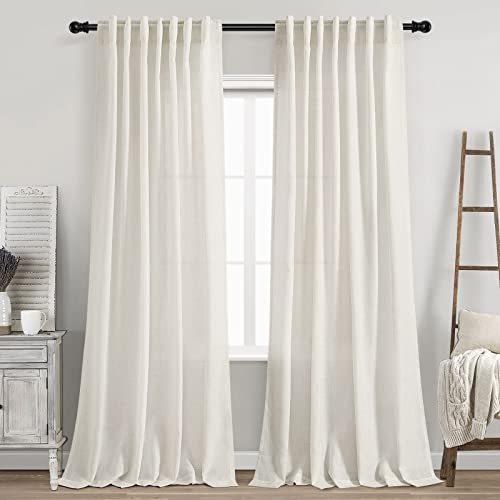
READY MADE: 2 Linen Curtain Panels per package.Each panel measures 52 inches wide by 84 inches long. Top design of Back tab & loop pocket provide 3 hanging options. <1> hanging from the back patch to create an elegant pleated look, <2> from the 3 inch rod pocket for a classic look <3> Hanging with clip rings for easy, slide open and closed (clip rings are not included)
The 5 Standard Curtain Lengths Explained
Where do you even begin when every window seems to demand something different? You’ll start with the basics: five standard lengths that manufacturers actually produce.
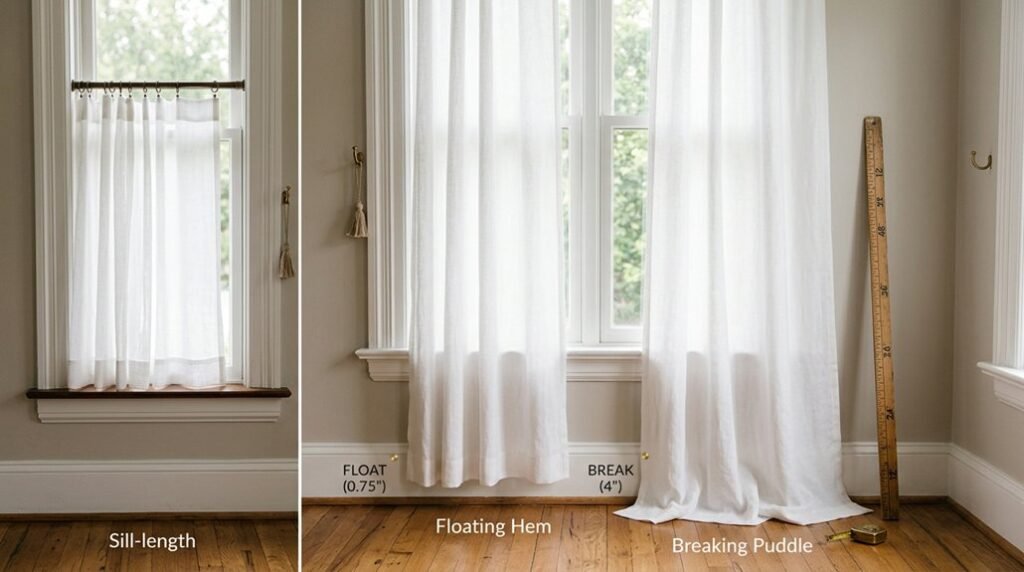
You’ll encounter 63-inch panels first. These’ll graze your windowsill and suit kitchens or bathrooms where you’re avoiding radiator interference or moisture exposure.
You’ll find 84-inch options next. These’ll hang just below your average window frame. You’ll use these when you’re skipping floor contact entirely.
You’ll discover 96-inch lengths. These’ll reach your floor in rooms with eight-foot ceilings. You’ll appreciate this as your most versatile choice.
You’ll notice 108-inch panels. These’ll work when you’re covering taller windows or mounting hardware higher than standard.
You’ll see 120-inch curtains last. These’ll accommodate nine or ten-foot ceilings. You’ll select these for dramatic, elongated appearances.
You’ll measure twice before purchasing.
Recommended Products
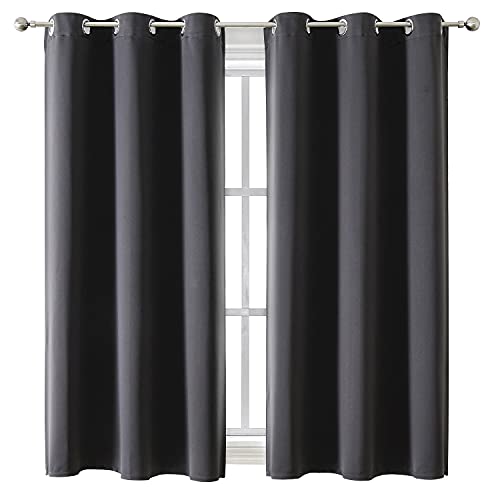
SET DETAILS: 2 charcoal gray curtains per package. Each panel measures 42 inch wide by 63 inch long with 6 silver metal grommets (1.6 inch inner diameter) on top, easy to install and slide.

HIGH END LUXURY LINEN: Open woven of linen blended fabric.20% raw flax linen plus 80% polyester.Unlike 100% linen curtains too stiff and skin unfriendly,these linen/polyester not only keeps natural primitive aesthetic of linens but also brings soft drape effect,wrinkle free and shrinkage resistant

Soft Light Filtering & Semi Sheer Curtains: Our fantastic linen blend sheer curtains are made from linen and premium polyester fabric,they are definitely a heavier and durable fabric than other sheer curtains(this is why it blocks more light out than other sheer curtains). It offers the perfect balance, allowing natural light to pour in while providing a comfortable level of privacy during the day
Floor-Length, Break, or Puddle: Choose Your Style
How do you want your curtains to meet the floor? You’ve got three distinct options that dramatically shift your room’s feel.
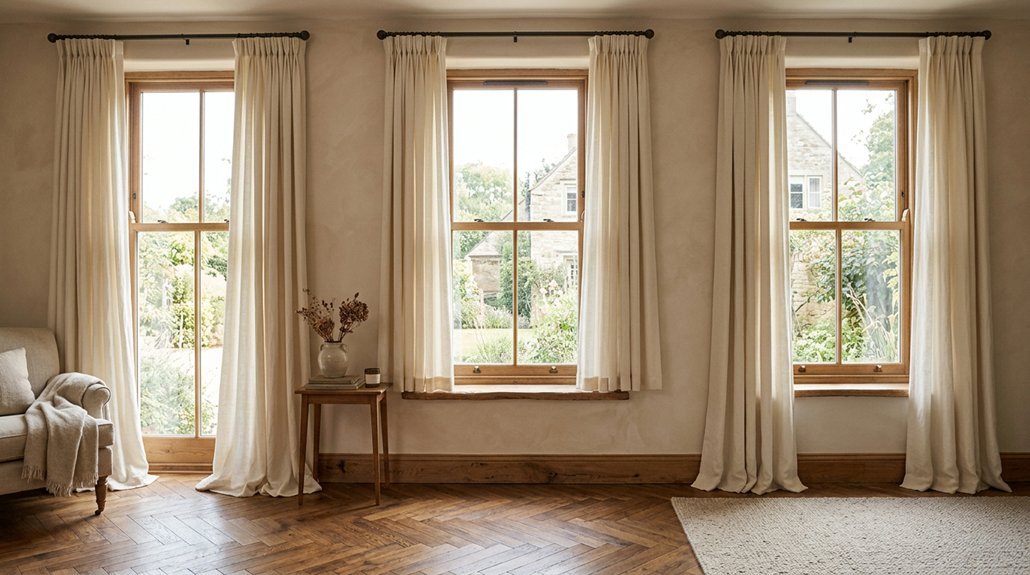
Choose floor-length for a clean, tailored look. You’ll hang these so they barely skim the surface—no gaps, no dragging. This style suits high-traffic areas where you want elegance without fuss.
Opt for a break if you prefer relaxed sophistication. You’ll add an extra inch or two, letting the fabric fold gently where it hits the floor. This creates a soft, intentional pause that works beautifully in living spaces.
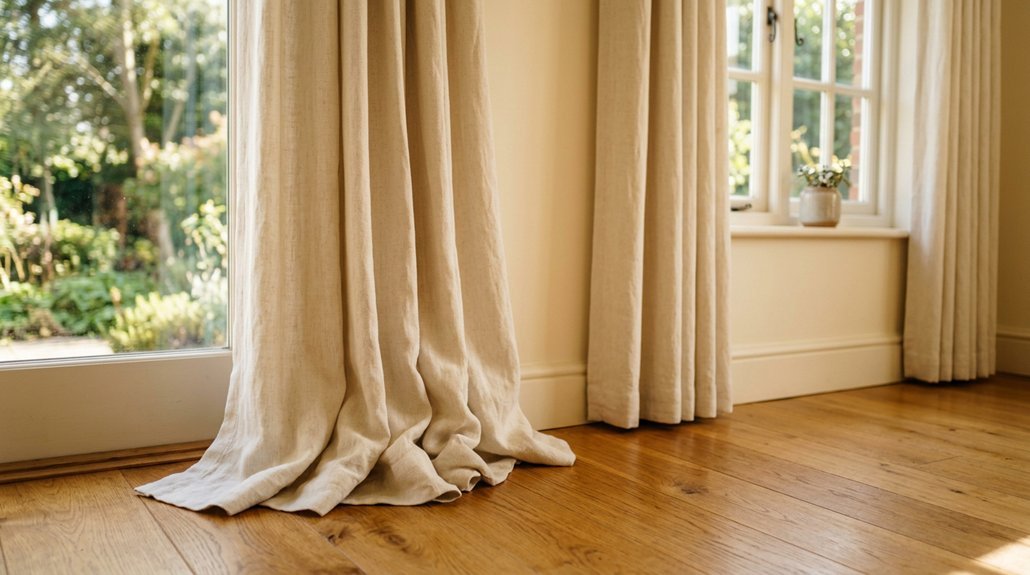
Select puddle for romantic drama. You’ll extend your panels several inches past the floor, allowing luxe pooling. This demands commitment—you’ll fluff and rearrange regularly, and you’ll avoid high-traffic zones where fabric snags or collects dust.
Recommended Products

READY MADE: 2 Linen Curtain Panels per package.Each panel measures 52 inches wide by 96 inches long. Top design of Back tab & loop pocket provide 3 hanging options. <1> hanging from the back patch to create an elegant pleated look, <2> from the 3 inch rod pocket for a classic look <3> Hanging with clip rings for easy, slide open and closed (clip rings are not included)
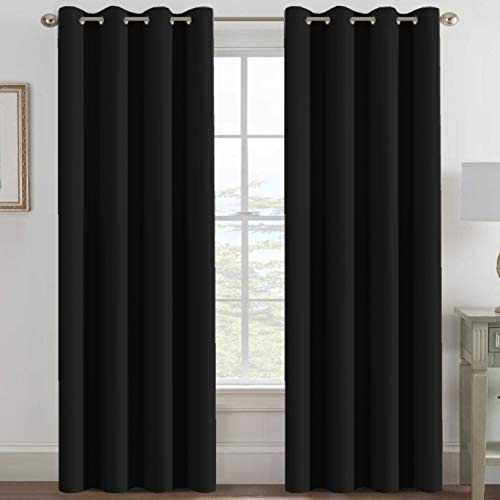
Standard Size: Sold per single panel with measured size: 52 inch width by 96 inch length. Each panel has 8 elegant metal grommets, inner diameter of grommet is 1.6 inch, fit well with standard or decorative curtain rods

Basic Information: Each panel measures 42 inch wide by 96 inch long (1.5" header not include). Total of two (2) panels - 84" inch Wide x 96" inch long with top dual rod pockets design, makes the white sheer curtains appears more beautiful and vivid. It can be used alone or as an added layering piece for added privacy or a more lush look.
Why Fabric Weight Changes Your Curtain Length Choice
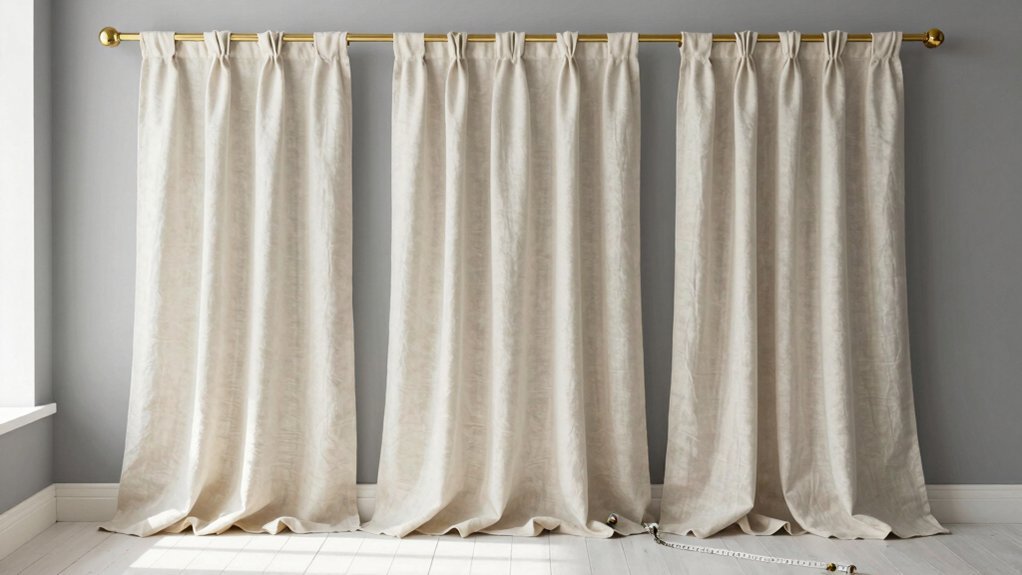
Why does the same curtain length look entirely different in linen versus velvet? Fabric weight fundamentally alters how your curtains drape, fall, and ultimately appear in your space. You need to account for this when measuring and selecting lengths.
Lightweight fabrics like linen, cotton, or sheer materials float and flutter. They tend to billow outward and resist clinging to the floor. You’ll want to cut them slightly longer than your target length because they spring upward. They also create softer, less defined breaks.
Heavy fabrics like velvet, brocade, or blackout materials drop straight down. They pull gravity’s direction without resistance. You should measure precisely because they won’t bounce back. They create cleaner lines but show every measurement error.
When you choose puddle styles, remember lightweight fabrics create gentle, scattered pools while heavy fabrics form dense, structured heaps that demand more generous length to achieve equivalent visual effect.
Recommended Products

Practical & Decorative: This stylish and classic curtain rod hanging bracket not only supports your curtains well, but also goes well with other window treatments; It not only blends well with most types of home décor, but also adds contemporary feeling to your home.
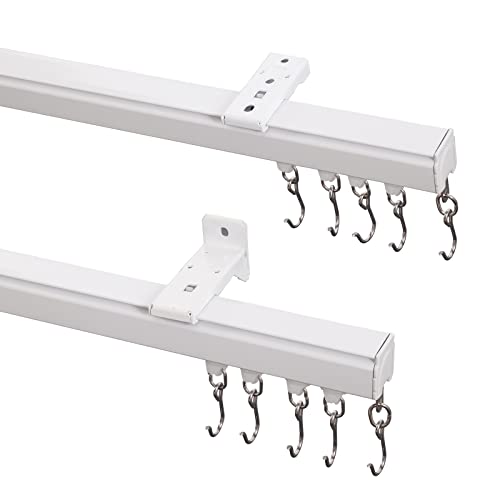
STURDY AND STABLE: Our curtain track is made of premium aluminum alloy, wear and corrosion resistant, and have a wall thickness of up to 1mm(vs typical 0.6mm), making it more robust and durable. It comes with thickened mounting brackets and sturdy screws to provide greater support and stability to the track. Stainless steel stamped connectors enable tool-free rail-to-rail connections without additional fasteners, ensuring efficient installation and secure performance.

[Simple & Classic Style to Match Window Treatment Decor]: Simple & classic style ceiling mount curtain rod brackets not only supports curtain and curtain rod well, but also matches perfectly with your other room set. Add the finishing touch to your window treatments while creating an element of elegance to your home.
What Length Works With Your Ceiling Height
Your fabric weight determines how your curtains behave, but your ceiling height dictates where they stop. You must measure from floor to ceiling before selecting any panel length.
With standard eight-foot ceilings, you hang curtains about half a foot above the window frame. You gain visual height without wasting fabric. Nine-foot ceilings give you more flexibility—you mount rods higher, often a foot or more above trim, and choose longer panels that puddle or break just at the floor.
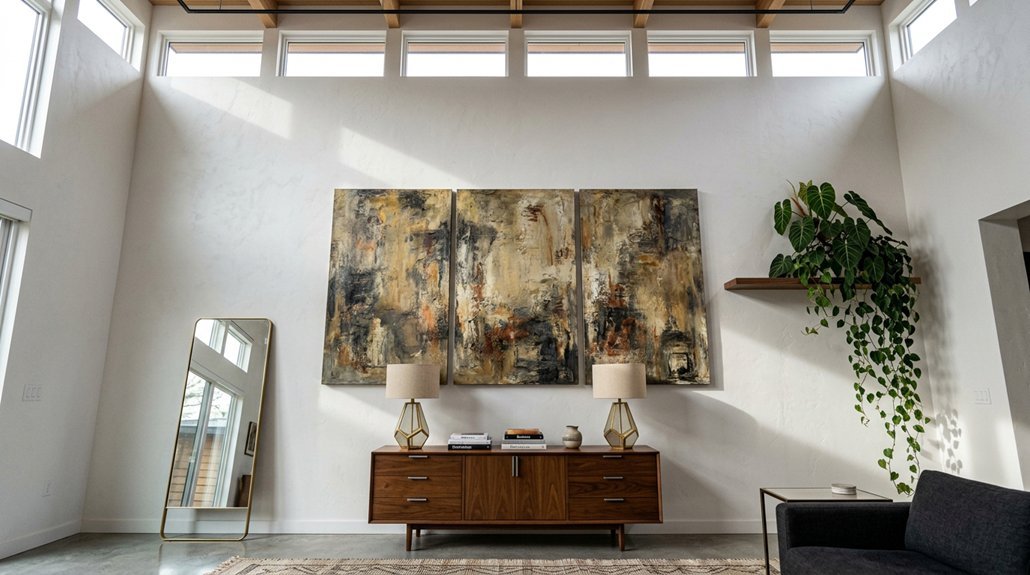
Ten-foot or vaulted ceilings demand extra-long curtains, typically 108 inches or custom lengths. You install rods closer to crown molding to anchor the room’s vertical scale. Low ceilings below eight feet require careful positioning; you extend rods wide and keep hems floor-skimming to avoid chopping the wall visually.
Recommended Products

MULTI HANGING & VERSATILE STYLE: Choose from 3 versatile hanging options—back tab, rod pocket (fits rods up to 3"), or clip rings (not included)—for a clean, tailored look. Rendered in a rich, warm red, these curtains infuse traditional or maximalist spaces with an inviting, festive atmosphere. Perfect for holiday gatherings and everyday elegance, they create a cozy, celebratory backdrop that makes every moment feel special.
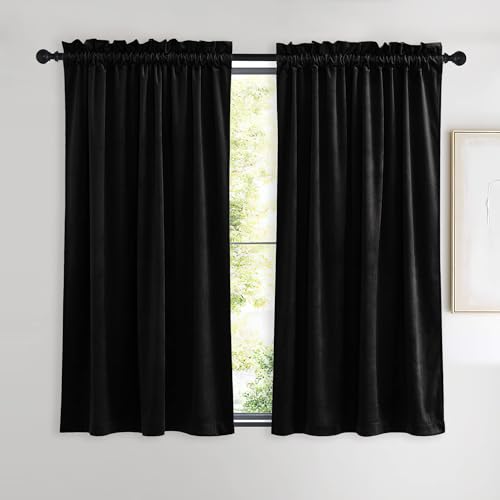
READY MADE: Package includes a pair of panels of W42"x L54"(106cm x 137cm) each | W84"x L54"(212cm x 137cm) in total. Constructed with dual rod pockets top design, these velvet curtains offer a sophisticated looking.

ELegant Design: Package includes 2 panels set of W 52” x L 84” each, and W 104” x L 84” in total. Craft from super soft and heavy weight velvet which gives a plush and vertical sense. They can easily match with different decor themes, and style up your room with vintage and luxury.
When to Choose Sill-Length or Apron-Length Curtains
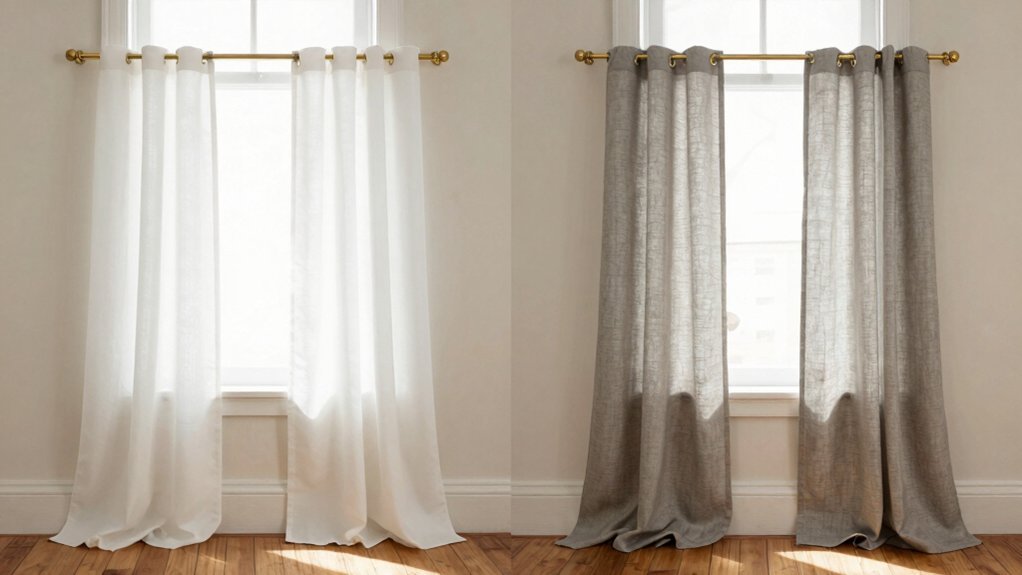
Where exactly should your curtains fall?
You’ll choose sill-length curtains when you need practical coverage that won’t interfere with daily activities. These work perfectly in kitchens, baths, and kids’ rooms where long drapes create tripping hazards or catch moisture. They also suit windows above radiators or furniture you can’t move. Your sill-length panels stop right at the window ledge, giving you clean lines without bulk.
You’ll pick apron-length curtains when you want slightly more coverage without committing to floor-length styles. These fall four to six inches below the sill, visually elongating your window while staying clear of the floor. They’re ideal for casual spaces, high-traffic areas, or rooms with pets and small children. You’ll appreciate how they frame views without pooling dust or requiring constant adjustment.
Recommended Products

100% Blackout Curtains: A full blackout white coating is attached to the back of our linen curtains, blocking 100% of sunlight and UV rays. Provide you a complete private and personal space for a sweet sleep or rest. Good choice for bedrooms, nursery, living rooms, offices, patio door. Also perfect for babies, night shift workers and people sensitive to light
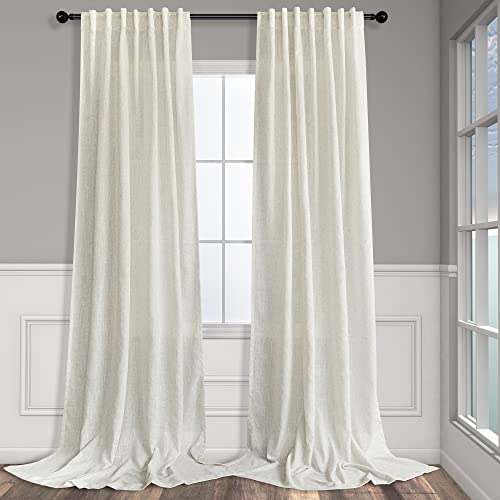
Basic Information: 2 LINEN PANELS in 1 package. Each panel measures width 52 x 84 length. 3-Way Hanging Options: Hang these curtain panels (1) using the back loops to create an elegant pleated effect, (2) from the 3 inch rod pocket for a classic look, or (3) using clip rings for easy, slide open and closed (clip rings are not included)

WELL MADE - Package includes 2 panels. Each curtain measures 52 inches wide, total width is 104 inches. 1.6 inches height rod pocket top (unlike the grommet ones, light might leak through the eyelets) can fits most of the rods and makes the curtains easy to install and slide.
How to Measure Curtain Length Correctly
How precisely you measure determines whether your curtains skim, puddle, or miss the mark entirely.
Grab a steel measuring tape and decide your finish. For sill-length, measure from the rod’s top to ½ inch above the sill. Apron-length drops 4–6 inches below. Floor-length hits ½ inch above the floor. For puddling, add 2–8 inches beyond floor contact.
You’ll measure in three places—left, center, right—to account for uneven floors and ceilings. Record the longest measurement; cutting corners here creates lopsided hangs.
Round up to the nearest standard panel size when you’re between options. You can always hem, but you can’t stretch fabric. Double-check each number before ordering. Precision now saves you from returns, alterations, or living with curtains that never quite fit your space.
Recommended Products
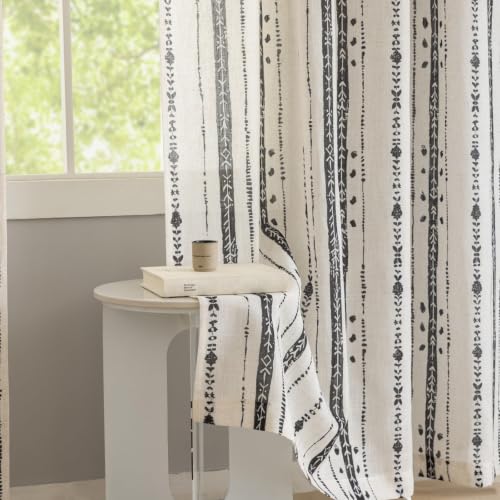
Soft Light Filtering & Semi Sheer Curtains: Our fantastic linen blend sheer curtains are made from linen and premium polyester fabric,they are definitely a heavier and durable fabric than other sheer curtains(this is why it blocks more light out than other sheer curtains). It offers the perfect balance, allowing natural light to pour in while providing a comfortable level of privacy during the day

Size & Quantity: Each pack contains 2 window curtains. Each 42 inches in width and 63 inches in length. The total width is 42 inches, and the total length is 64.5 inches (including a 1.5-inch top header). The rod pocket at the top is compatible with standard 1-inch curtain rods, designed for easy installation and smooth sliding. Recommend measuring window dimensions before purchase for the perfect fit

Basic Information: Includes 2 curtain panels, each measuring 52 inches wide for a total of 104 inches. Each panel has anti rust grommets,has 8 metal grommets, inner diameter of grommet is 1.6 inch, which easy to slide across the curtain rod to open and close them.
How Rod Height Changes Your Curtain Length Measurement
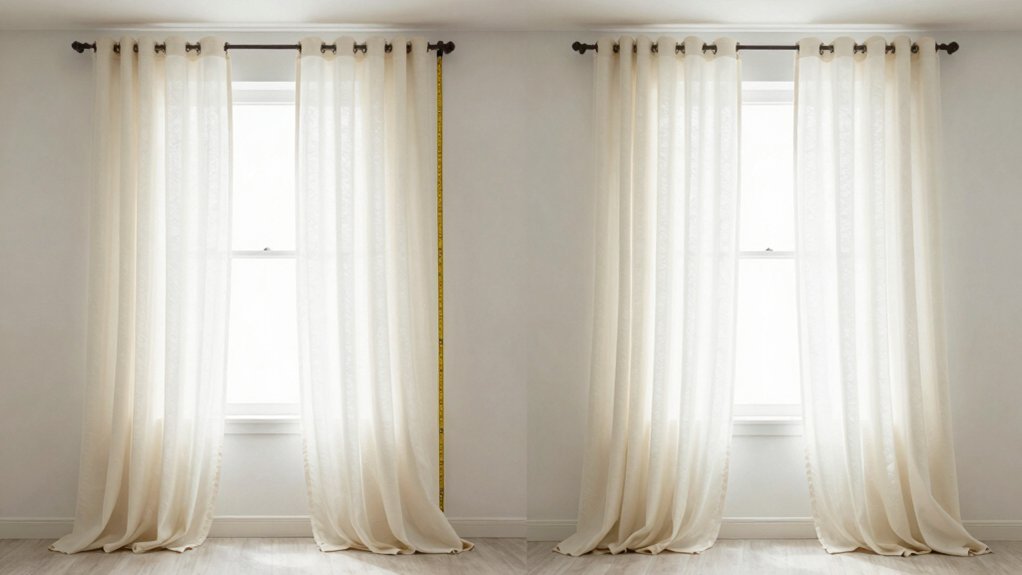
Measuring panel height is only half the equation; you still need to settle on where the rod sits. You control the final look entirely through this placement choice.
Mount the rod higher, and you’ll elongate your wall visually. You’ll need longer panels to reach from that elevated point to your floor. Drop it lower, and your measurements shrink accordingly. You’ll sacrifice that dramatic, ceiling-to-floor sweep for something more contained.
Check your hardware type before finalizing numbers. You’ll hang rings, grommets, and tab tops directly from the rod. You’ll need extra inches for pocket rods or clip rings that suspend fabric below.
Mark your intended height with painter’s tape first. You’ll step back and assess proportions before drilling. You’ll measure from that mark straight down to your endpoint—floor, sill, or apron. You’ll record this number carefully; it becomes your true finished length.
Recommended Products
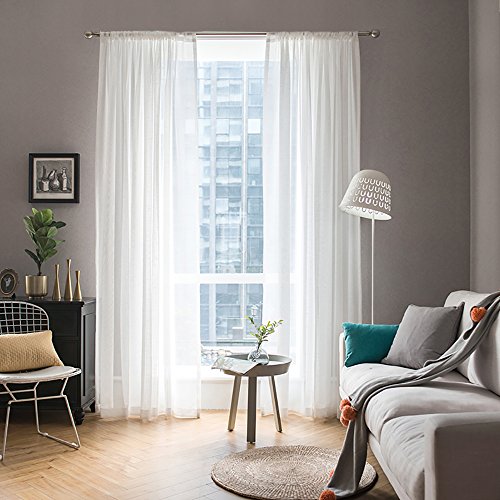
Size&Material: Set includes 2 sheer panels of 54" wide x 96" length.Sheer curtain is made of Polyester. Soft to touch.

100% Blackout Curtains: Our Blackout Curtains ensure a completely dark room, isolate noise and protect privacy. These room darkening curtains can block 100% sunlight.Heavy duty curtains keep heat indoors in winter and discharge heat in summer, thereby reducing cooling and heating costs , While protecting your furniture, floors and artwork from the sun damage

READY MADE: 2 panels sheer curtains per package. Each panel is 54" wide and 96" long when hanging as a flat. One of the grommets' inner diameter is 1.6". Purchase curtain whose width is 1.5-2 times wider than your window will form a nice look.
Curtain Lengths for Living Rooms, Bedrooms, and Kitchens
Why settle on one length for every room when each space demands its own treatment? You’ll want floor-length curtains in your living room, creating elegance and frame for entertaining spaces. Run them to the floor or let them break slightly for a relaxed feel.
In your bedroom, prioritize function alongside style. Floor-length panels block morning light and muffle street noise. You’ll sleep better with curtains that extend past the window frame, eliminating gaps where light sneaks through.
Your kitchen needs practical solutions. You’ll avoid floor-length fabrics near cooking areas and moisture. Instead, choose café curtains, tiered panels, or valances covering just the window’s lower or upper portion. These styles keep your workspace bright while maintaining privacy from neighbors.
Measure each room separately, treating window placement, furniture, and daily use as your guides.
Recommended Products
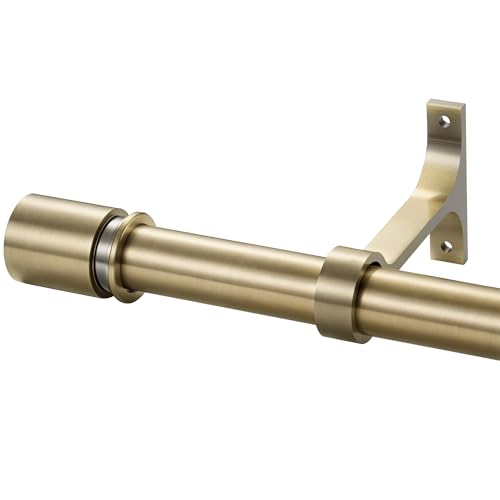
Aluminum Finials and Bracket - Whether it is the decorative window curtain rods finial that is the main eye-catching point of the curtain rod or the bracket that is in direct contact with the wall, they are all made of 100% solid aluminum. which will not rust, compared with iron finials and brackets,after being oxidized over time, it will leave rust stains on the snow-white walls

Heavy-Duty Rust-Resistant Material: 2 pack ceiling mount bracket crafted from premium 304 stainless steel, this closet rod support offers superior rust and corrosion prevention, ensuring long-lasting durability even in humid environments. With a 66LB load capacity, it effectively prevents rod bending and sagging under heavy loads
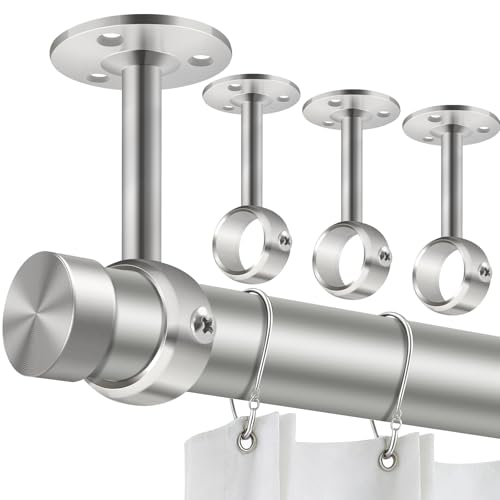
!!!PLEASE CHECK THE SIZE FIRST!!! --- Ceiling curtain rod bracket is 3.54in/90mm height, 1.85in/47mm diameter of base. Fit for 1 1/10in-1 1/4in drapery rod.
Curtain Length Mistakes That Ruin Your Room
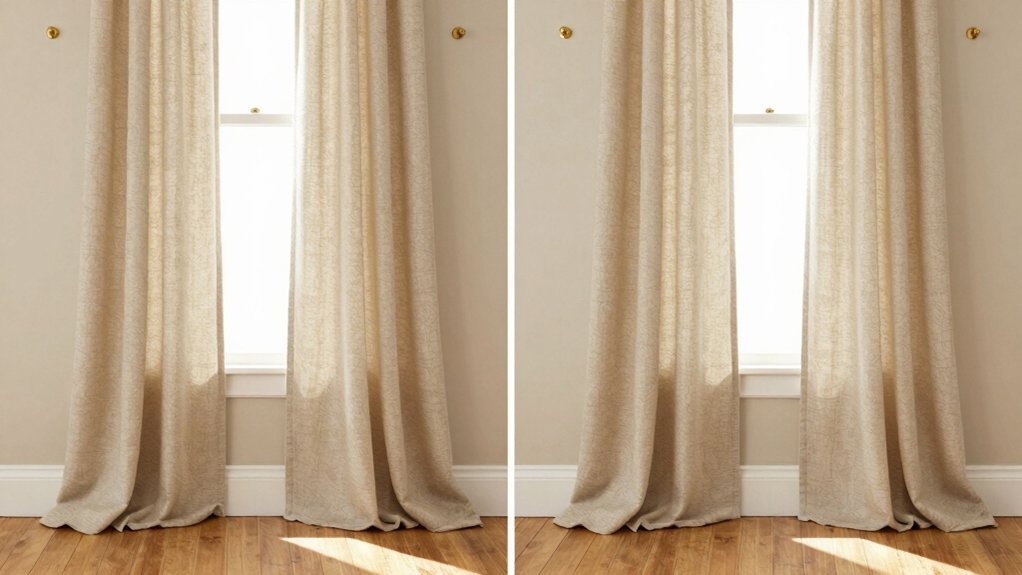
Where exactly should your curtains fall? You hang them too high, and you’ve created a visual gap that stunts your ceiling. You position them too low, and they drag like a neglected hemline. You stop at window sill length in formal living spaces, and you’ve cheapened the entire room. You choose floor-length panels that hover an inch above your baseboards, and you’ve created a high-water disaster that draws every eye downward. You pool excess fabric on carpeted floors, and you’re collecting dust while tripping guests. You skimp on width, and your curtains pinch closed, looking like stretched skin over bone. You ignore the curtain rod placement, mounting it flush against the frame instead of six to twelve inches higher, and you’ve wasted your walls’ vertical potential. Measure twice. Hang once.
Recommended Products

READY TO HANG: Our package includes two 40 x 84 inch panels of MIULEE curtains. Designed with a convenient rod pocket, allowing for a quick and easy setup.

WELL MADE: Sold as 2 panels, each panel is W52" x L84", and W104" x L84" in total. Can be hung separately, or hung together with sheer curtains in MIULEE.

Package Includes: Set of 2 terracotta soft velvet curtains; each panel measures 52 Inch wide by 84 Inch long, with 5 back tabs and 3” rod pocket fits most standard rods and makes the maximize coverage of windows.
How to Shorten or Lengthen Curtains After Purchase
Perhaps you discovered your “floor-length” curtains barely graze your window frame, or you’re drowning in twelve extra inches of fabric that puddles beneath your radiator. Don’t panic—you can fix this.
To shorten curtains, grab your iron, pins, and needle. Measure the desired drop, pin the hem, press the fold, and stitch by hand or machine. Use iron-on hem tape for a no-sew option. Remove the original bottom hem first if you need significant length removed.
Lengthening proves trickier. You’ll add matching fabric as a bottom border, sew on a decorative trim, or attach clip-on rings higher up the panel. For a quick fix, hang the rod closer to the ceiling. Always pre-wash fabric before hemming to prevent future shrinkage surprises.
Conclusion
You’ve now got everything you need to choose curtains that elevate your space rather than drag it down. Measure twice, account for your rod height and fabric behavior, and don’t be afraid to customize what you buy. The right length transforms a room—so trust your eye, prioritize function for each space, and hang with confidence.