
You wake up with irritated skin and wonder if your sheets are the culprit. The truth is, your bedding choices matter more than you’d expect. Dermatologists point to hidden triggers lurking in fabric fibers, chemical finishes, and dye processes. But not all “gentle” sheets deliver on their promises, and marketing claims often obscure what actually touches your skin each night. The real test lies in understanding what separates genuinely soothing fabrics from impostors.
The Hidden Irritants in Your Bed Sheets
Why settle for restless nights when your bedding might be sabotaging your skin? You slumber on sheets teeming with hidden threats: toxic dyes, chlorine bleaches, and heavy metal ions seep against your body, triggering inflammation and irritation. Your skin absorbs these chemical residues hour after hour.
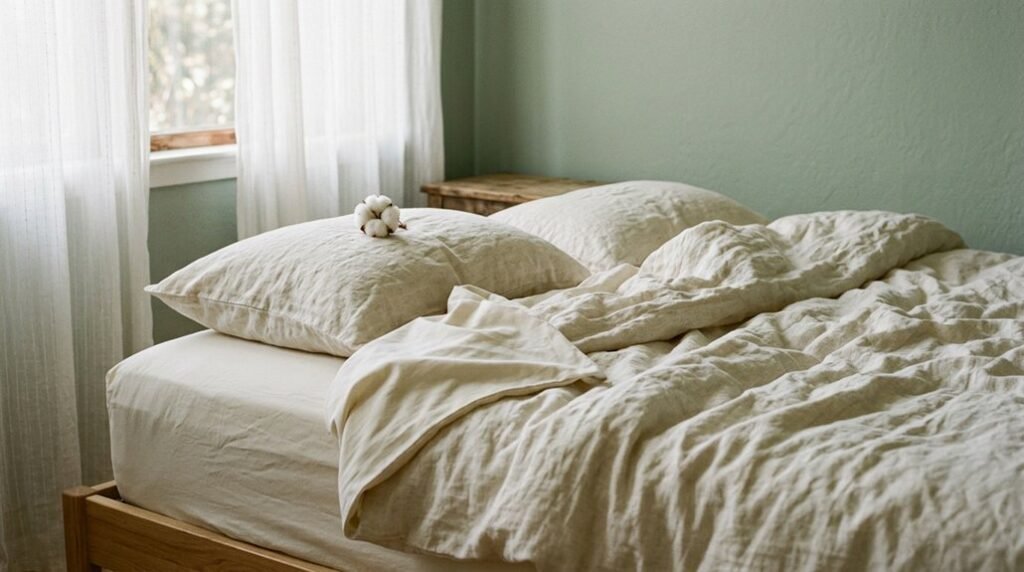
You deserve better. Choose organic cotton, which sidesteps harmful pesticides and synthetic dyes throughout growing and weaving. Though merely 1% of global cotton grows organically, you’ll find it worth seeking. Tight weaves in quality organic cotton also block dust mites from colonizing your bedding, cutting exposure to this pervasive allergen.
Sleep on white or ivory hues; manufacturers use minimal dye for these shades, slashing your chemical contact. Ditch synthetics—those petroleum-based fibers undergo aggressive processing. You’re embracing natural fibers instead: organic cotton, wool, silk. Your skin will thank you.
Recommended Products

100% Organic Cotton: Keep your newborn perfectly comfortable all night. 100% GOTS certified fabric acts as a soothing layer against delicate skin. These breathable baby bed sheets help prevent overnight discomfort and sweat.

"Feel The Cool Comfort Of 100% Organic Cotton Sheets: Say goodbye to microfiber sheets that trap heat and aren’t good for the environment. Instead, look into our 100% organic cotton sheets queen size set made from organic cotton and percale weave that is cool, breathable, and lightweight—and is the best choice for the summer "

100% GOTS Certified Organic Cotton Sheet for Sensitive Skin:From organic fields to your bed—this queen size organic cotton sheet set is made with 100% certified organic Turkish cotton, naturally pure and free from GMOs, formaldehyde, and harmful chemicals. Certified by GOTS (Scope Certificate No. GOTS-BVUS0552) and OEKO-TEX Standard 100 (18.HPK.48415), it is breathable and gentle on sensitive skin. So safe and gentle, feel good letting your kids and family sleep soundly all night too
What Dermatologists Recommend for Sensitive Skin
How do you know which sheets won’t provoke your skin? Dermatologists recommend starting with natural fibers, specifically organic cotton, wool, or silk, while avoiding synthetics that trap heat and irritants. You’ll want breathable, tightly woven fabrics that manage inflammation and block dust mites from disturbing your rest.
Organic cotton stands out because it skips the pesticides and harsh chemicals found in conventional farming. Pair this with dye-free white sheets to minimize your exposure to potential allergens—those crisp white or ivory tones aren’t just classic, they’re gentler on reactive skin.
Don’t skip the labels. Look for certifications like GOTS for organic cotton and OEKO-TEX class I, which guarantee your bedding meets strict safety standards. These marks confirm you’re wrapping yourself in materials tested for harmful substances, giving your sensitive skin the protection it deserves.
Recommended Products

SOFT AND COZY: Experience ultra-soft comfort with our 120 GSM brushed microfiber sheet set

GOTS Certified Organic Cotton Queen Sheets for Better Rest – Each cotton sheet is made with 100% certified organic Cotton. This means it’s cultivated without harmful additives or GMOs. Without harsh chemicals or dyes, our organic sheets are better for you and your skin.

OUR SHEET SET HAS EARNED THE GOOD HOUSEKEEPING SEAL - Lightweight, Silky Soft Egyptian Cotton Sateen: DNA-tested and then certified with the Gold seal from the Egyptian Cotton Association. This cotton is grown in Egypt and known for its extra-long staple fibers that provide softness, strength, and a natural sheen. The Egyptian cotton sheets queen size set received the Good Housekeeping award in 2024. Complete your bedding ensemble with these queen bed sheets.
Cotton, Bamboo, or Silk: Best Materials Compared
When you’re comparing fabrics for sensitive skin, three natural contenders rise to the top: organic cotton, bamboo, and silk. You’ll find organic cotton minimizes your exposure to pesticides and chemicals, with only about 1% of world cotton grown organically. Certified organic options offer you the safest choice.
Bamboo provides you with another hypoallergenic option, though you’ll want to verify it’s processed without harsh chemicals. Silk feels luxurious against your skin but requires more delicate care.
You’ll benefit most from organic cotton’s tightly woven structure, which reduces dust mite intrusion and lowers irritation during sleep. Choose white or ivory sheets to minimize your dye exposure. For reducing skin irritation and dryness, you’ll find 100% organic cotton outperforms synthetic alternatives every time.
Recommended Products

3 PIECE BED SHEET SET: 1 pillow case and flat sheet and fitted sheet. Flat Sheet (96”x 66”) Fitted Sheet (75”x 38”) 1 Pillow Case (20”x 30”)

Package includes 7 EasyWeed colors: 2 black sheets, 2 white sheets, 2 navy blue sheets, 2 royal blue sheets, 2 bright red sheets, 1 green sheet, 1 yellow bow. Perfect for those who want to

The pack contains 8 EasyWeed colours: 2 sheets of pink, 2 sheets of light pink, 2 leaves in radiant orchid, 1 leaf in mint, 1 sheet in aqua navy, 1 sheet in light blue, 1 leaf in hibiscus, 1 sheet
Is Organic Cotton Worth It for Sensitive Skin?
What exactly are you paying for when you choose organic cotton? You’re investing in pesticides-free farming practices that protect your sensitive skin from residual irritants. Conventional cotton relies heavily on chemical treatments, but organic cotton eliminates this exposure during both growth and weaving.
You’re reducing your risk of dryness, itchiness, and irritation with every night’s sleep.
Since only about 1% of world cotton grows organically, certified options remain rare but purpose-built for your needs. Certification ensures quality and safety standards that dermatologists recommend—you’re avoiding toxic dyes and heavy metals entirely. Tight weaves in organic cotton also block dust mites, boosting your comfort further. For your sensitive skin, the premium pays for measurable protection, not just a label.
Recommended Products
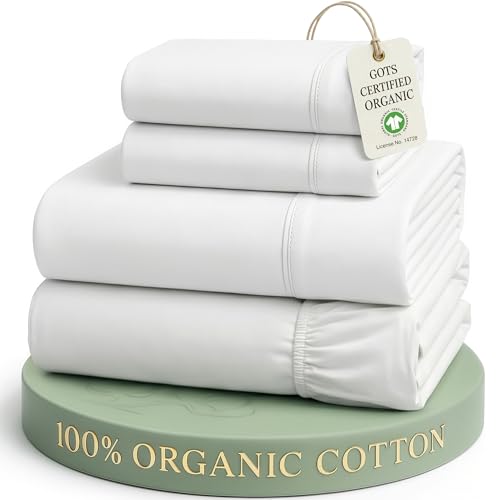
Naturally Cooling Organic Comfort : Stay cool and comfortable with Lane Linen 100% Organic Cotton Percale Queen Sheets, made from GOTS Certified organic cotton. The crisp percale weave and finer yarns create a lightweight, breathable feel that promotes airflow and balanced temperature for year-round comfort. Gets softer and smoother with every wash. Great as deep pocket Queen sheets, a cooling Queen sheet set, and breathable Queen bed sheets.

Pure Organic Comfort: Experience the luxurious comfort of our Lane Linen white sheets twin size, meticulously crafted from OEKO-TEX certified 100% Organic Cotton. The crisp percale weave provides a hotel-quality feel—soft, yet durable—offering breathability and supreme comfort.
Naturally Cooling Organic Comfort : Stay cool and comfortable with Lane Linen 100% Organic Cotton Percale King Sheets, made from GOTS Certified organic cotton. The crisp percale weave and finer yarns create a lightweight, breathable feel that promotes airflow and balanced temperature for year-round comfort. Gets softer and smoother with every wash. Great as deep pocket King sheets, a cooling King sheet set, and breathable King size bed sheets.
Why White Sheets Outperform Dyed Options
Organic cotton protects you from pesticides and toxic dyes, but your color choice matters just as much. When you select white or ivory sheets, you minimize your exposure to synthetic colorants that often trigger skin reactions. These lighter shades typically require fewer dyes during manufacturing, which directly reduces your contact with chemical irritants.
You’ll find that white bedding aligns with dermatological recommendations for sensitive skin care. Heavy pigments and metal-based dyes in darker fabrics frequently cause irritation and contact dermatitis. By choosing white or ivory options, you eliminate a significant source of potential allergens from your sleep environment.
Start your sensitive-skin bedding journey with white sheets. You’ll reduce chemical exposure while creating a cleaner, hypoallergenic foundation for restful sleep without unnecessary dye-related risks.
Recommended Products

【Skin Care & Wrinkle Reduction】LYSHIN silk pillowcases are made from 19 momme natural mulberry silk, rich in 18 amino acids similar to those in human skin. This helps maintain the skin’s lipid balance and nourish it. The hypoallergenic fabric is gentle on sensitive and acne-prone skin. With a low 7.4% friction coefficient—lower than satin pillowcases or cotton pillowcases—LYSHIN pillowcases reduce sleep lines and creases by minimizing skin friction during the night.

TRAVEL-FRIENDLY CONVENIENCE: Our ultra-convenient laundry detergent sheets, are your ideal travel companion. These revolutionary sheets are meticulously designed to cater to your wanderlust, dissolving rapidly and efficiently, all while being exceptionally space-efficient. Regardless of your destination, experience the luxury of well-cleaned clothes without the bulk of traditional detergents.

【Skin Care & Wrinkle Reduction】LYSHIN silk pillowcases are made from 19 momme natural mulberry silk, rich in 18 amino acids similar to those in human skin. This helps maintain the skin’s lipid balance and nourish it. The hypoallergenic fabric is gentle on sensitive and acne-prone skin. With a low 7.4% friction coefficient—lower than satin pillowcases or cotton pillowcases—LYSHIN pillowcases reduce sleep lines and creases by minimizing skin friction during the night.
Percale or Sateen: Better Weave for Sensitive Skin?
How do you choose between percale and sateen when your skin demands extra care? You start by weighing breathability against softness.
Percale offers you a crisp, lightweight feel with a matte finish that keeps you cool, while sateen drapes closely and sleeps warmer with its silky surface.
Your weave choice directly impacts skin comfort. Percale’s airy structure enhances airflow and resists dust mites when tightly woven, making it ideal if you’re eczema-prone or chemically sensitive. You’ll find the best protection in 100% organic cotton percale, especially in white or ivory shades that minimize dye exposure.
Sateen comforts some sensitive-skin sleepers, but you’ll likely sleep hotter. Since individual sensitivity varies, test organic cotton percale first before exploring other finishes.
Recommended Products
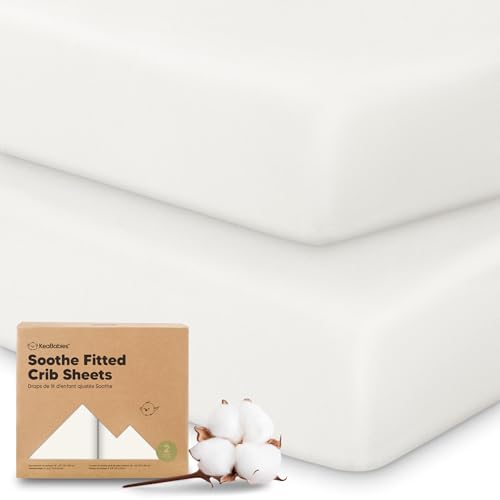
2-Pack Baby Crib Sheets - KeaBabies Soothe Fitted Crib Sheets for boys and girls; fit standard crib mattresses (52"x28" with height 3" to 8") perfectly, offering your baby a safe and restful sleep.
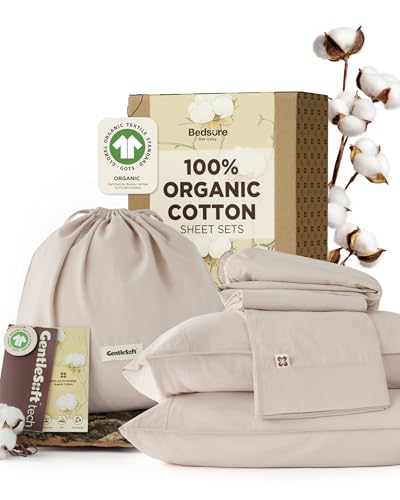
100% GOTS Certified Organic Cotton Sheet for Sensitive Skin:From organic fields to your bed—this queen size organic cotton sheet set is made with 100% certified organic Turkish cotton, naturally pure and free from GMOs, formaldehyde, and harmful chemicals. Certified by GOTS (Scope Certificate No. GOTS-BVUS0552) and OEKO-TEX Standard 100 (18.HPK.48415), it is breathable and gentle on sensitive skin. So safe and gentle, feel good letting your kids and family sleep soundly all night too
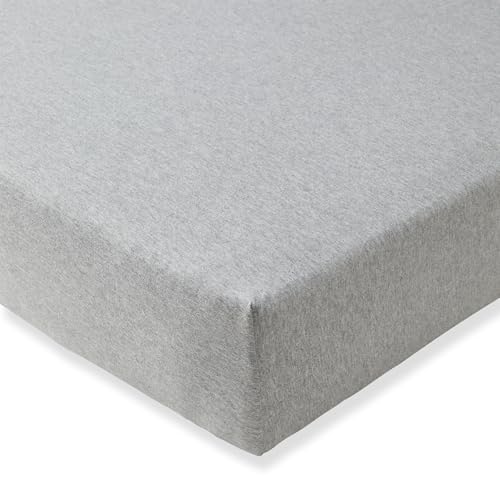
100% Organic Cotton: Keep your newborn perfectly comfortable all night. 100% GOTS certified fabric acts as a soothing layer against delicate skin. These breathable baby bed sheets help prevent overnight discomfort and sweat.
Best Sheets for Sensitive Skin by Sleep Style
Now that you’ve sorted out the weave that suits your skin, it’s time to match your sheets to how you actually sleep. If you overheat at night, you’ll want breathable organic cotton percale in white or ivory; the crisp, airy weave wicks moisture and won’t trap heat against sensitive skin.
Cold sleepers should reach for organic cotton sateen—its drapey softness holds warmth without synthetic fibers that trigger skin irritation. Both choices need certified certifications like GOTS or OEKO-TEX to guarantee low chemical residues.
Recommended Products

CHOOSE THIS IF YOU LOVE CRISP, COOL FEEL 100% ORGANIC COTTON DEEP POCKET KING SIZE SHEETS: Percale is a classic woven cotton weave with a distinctly crisp, cool feel and matte finish — like a freshly pressed dress shirt, and NOT a silky or smooth sateen weave. It continues to stay crisp and gets softer with every regular wash. Not for sleepers expecting smooth, or silky cotton sheets with sheen— made for those who love the cool, airy feel of true cotton percale.

GOTS Certified Organic Cotton Twin Fitted Sheet - With natural moisture-wicking and temperature-regulating properties, these 100% cotton sheets allow proper airflow. The fitted sheet cotton draws moisture away from the skin and prevents overheating. Every member of your household can enjoy a restful night's sleep, free from the discomfort of excessive heat or dampness

OUR SHEET SETS HAVE EARNED THE GOOD HOUSEKEEPING SEAL (Pack of 2 Organic Queen Sheets Sets): Includes 2 flat top sheets (90" W × 102" L), 2 deep pocket fitted sheets (60" W × 80" L), and 4 standard / queen size pillowcases (21" W × 30" L) with an envelope closure. The fitted sheet’s gripper elastic fits mattresses up to 15" deep and helps reduce slipping. Top/Bottom tags simplify bed making. Complete your bedding ensemble with this bedding set.
Washing Routines That Protect Skin
Strip your new sheets of hidden irritants before they ever touch your skin—manufacturing residues linger on factory-fresh fabric and can trigger reactions in sensitive sleepers. You’ll want to wash them immediately with fragrance-free detergents and hot water to dissolve oils and bacteria.
Choose dye-free fabrics in white or light colors to minimize chemical exposure throughout your washing routines. These gentler options reduce the dye-related triggers that can inflame sensitive skin during sleep.
Stick to regular weekly washes to strip away accumulated dust mites, dead skin cells, and body oils that compromise hypoallergenic performance. Adjust your approach based on fabric type—cotton softens beautifully with repeated cycles, while silk demands delicate handling to preserve its skin-friendly texture.
Recommended Products
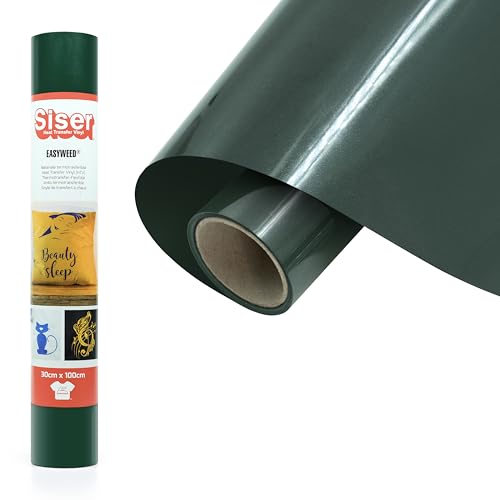
PERSONALIZE AND CREATE WITHOUT LIMITS: With EasyWeed Dark Green Siser Thermo Vinyl, you can let your imagination run wild. You can combine products from the EasyWeed line or use them as a first layer for subsequent overlay with glitter, holography and much more.

PERSONALIZE AND CREATE WITHOUT LIMITS: With the EasyWeed Bright Red Siser thermal film, you can let your imagination run wild. You can combine products from the EasyWeed line or use them as a first layer for subsequent overlay with glitter, holography and much more.

Personalise and create without limits: With the EasyWeed Sunny Yellow Siser thermal film, you can let your imagination run wild. You can combine products from the EasyWeed line or use them as a first layer for subsequent overlay with glitter, holography and much more.
5 Signs Your Sheets Need Replacing
Why keep sleeping on sheets that silently sabotage your skin?
You notice persistent itching, redness, or 피부 irritation after sleep. Unsafe dyes, chlorine bleaches, or heavy metals may lurk in your fabric.
You spot increased skin flares within nights of switching sheets. Environmental irritants in new fabrics trigger reactions you can’t ignore.
Your dust mite exposure worsens despite cleaning. Tightly woven natural fibers block intrusion better than worn, loose weaves.
You feel dryness and friction against rough textures. Coarse percale chafes where smooth sateen once soothed.
You lose breathability and softness. Excessive pilling creates irritating surfaces that compromise comfort.
Replace damaged bedding with organic cotton sheets. They minimize irritants, block allergens, and restore gentle contact your sensitive skin demands.
Recommended Products

100% GOTS Certified Organic Cotton: From organic fields to your home—this soft blanket is made with 100% certified organic cotton, naturally pure, free from GMOs, formaldehyde, and harmful chemicals. Certified by GOTS (Scope Certificate No. GOTS-BVUS0552) and OEKO-TEX Standard 100 (11-76004), it's breathable and gentle enough for kids, adults, and women

Fit 6-18 Months. The baby infant sleeping bag is made of organic cotton, camel wool, and polyester. This product composition ensures the sleeping bag is durable, soft, wash-resistant, sun-resistant, and maintains its loftiness over time. It can be cold machine washed (<40 centigrade) in a gentle cycle. Low tumble dry. Iron at low temperature if necessary.

100% GOTS Organic Cotton for Sensitive Skin: From field to bed, this taupe duvet cover queen is crafted from 100% certified organic Turkish cotton—pure, GMO-free, and chemical-free. GOTS (GOTS-BVUS0552) and OEKO-TEX certified, this duvet cover queen size cotton set is breathable and ideal for sensitive skin—safe enough to sleep bare-skinned
Conclusion
You’ve learned how to transform your bed into a skin-safe sanctuary. Prioritize organic, undyed natural fibers in tight weaves, wash them weekly with fragrance-free detergent, and replace them when they show wear. Your sensitive skin deserves bedding that works with you, not against you—so invest wisely and sleep peacefully.
Recommended Products

[Package and Size] Two crib sheets included. Measures 52''L x 28''W x 8''H. Perfectly fit most standard crib mattresses
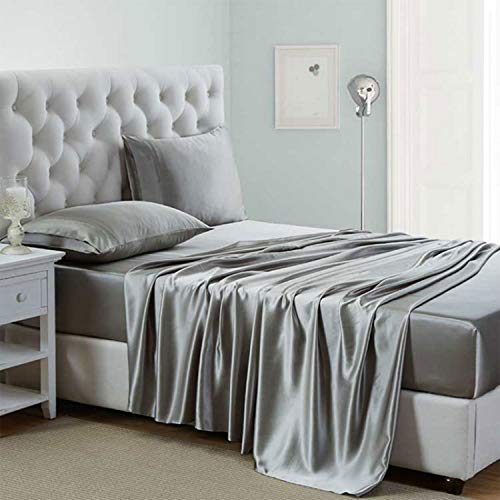
SILKY SOFT & COOLING COMFORT: Crafted from high-density polyester satin, these satin bed sheets provide an ultra-smooth, cool-to-touch feel that helps regulate sleep temperature through hot summer nights. Enjoy the luxury of 5-star hotel bedding with breathable, lightweight satin sheets for a refreshing sleep year-round

【Skin Care & Wrinkle Reduction】LYSHIN silk pillowcases are made from 19 momme natural mulberry silk, rich in 18 amino acids similar to those in human skin. This helps maintain the skin’s lipid balance and nourish it. The hypoallergenic fabric is gentle on sensitive and acne-prone skin. With a low 7.4% friction coefficient—lower than satin pillowcases or cotton pillowcases—LYSHIN pillowcases reduce sleep lines and creases by minimizing skin friction during the night.