
You’ve probably stared at a beige wall and wondered why it feels both calming and completely unfinished. That’s the thing about beige—it’s a chameleon that can anchor a room or vanish into boredom, depending on what you pair it with. Get the balance right, and you’ve got something timeless. Miss it, and you’re stuck in a sea of sameness. The decisions you make next will shape everything.
Key Takeaways
- Emerald, cobalt, and teal energize beige without overwhelming.
- Terracotta, olive, and chocolate brown add earthy depth and warmth.
- Caramel, cognac, and cognac leather create rich, sophisticated contrast.
- Navy, charcoal, and forest green anchor beige with bold grounding.
- Cream and ivory harmonize with beige where stark white clashes.
Recommended Products

Contains: Brand New 2 PCs Rectangular Covers/Shells 20" X 12"(50 X 30cm), No Insert or Filler, Solid Colored

BOHO CHIC DESIGN: Elevate your home decor with this beautifully crafted KOOLIFE Brand boho throw pillow cover. Features a farmhouse striped design in different color combinations, which adds a stylish yet cozy touch to any living space.
Why Beige Goes With Practically Everything
Why does beige blend so effortlessly with nearly any color you throw at it? You’ll find the answer in beige’s unique position on the color spectrum. It sits squarely in that sweet spot between warm and cool tones, giving you unmatched flexibility when you’re designing a space.
Think about what you’re actually seeing when you look at beige. You’re seeing brown stripped of its intensity, softened by white undertones. This neutralization means beige recedes rather than competes. It creates breathing room, letting other colors shine while maintaining visual cohesion.
You’ll notice beige carries subtle undertones—pink, yellow, or gray—that shift depending on lighting. These whispered hints let you steer pairings without dominating them. You don’t fight beige; you collaborate with it. It functions as visual white noise, settling busy palettes and grounding bold choices without demanding attention itself.
Recommended Products

Green Abstract Wall Art Set —— This abstract wall painting, with sage green and beige as its main colors, presents mountain and lake landscapes. The neutral picture adopts watercolor texture effects, featuring elements of mountains and lakes, and is designed with a natural theme as a whole.

【Easy to Use】Simply open the lid and stir thoroughly before applying Lambskin Wall Paint; no complicated methods needed to refresh your home.

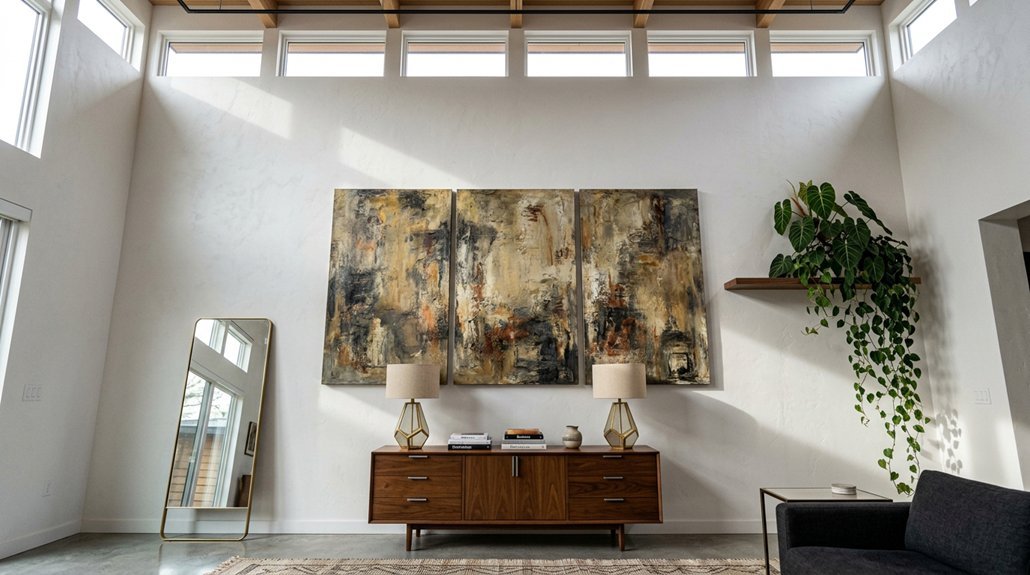
Neutral Abstract Wall Art Set —— This neutral toned abstract modern style framed wall art set features beige, black and white color palette. Simple geometric shapes, smooth lines and soft color transitions create a minimalist yet elegant artistic atmosphere.
Bold Colors That Wake Up Beige
Where’s all the energy gone in your beige room? You’ve played it safe, and now the space feels flat. But you can fix this. Throw in emerald green and watch your walls come alive. You could drape a cobalt throw across your sofa and instantly shift the mood. Try mustard yellow pillows against beige headboards—they’ll create sparks without overwhelming you. You might hang a single fuchsia artwork and transform an entire corner. These saturated hues don’t fight beige; they punctuate it. You control the dosage—one bold piece or several. Deep teal cabinets in your beige kitchen will make you actually want to cook there. You’ve got permission to stop whispering. Let these colors shout against your neutral backdrop and finally feel something when you walk through the door.
Recommended Products

QUEEN SIZE, MEASURED FOR YOU: The comforter is 88" x 88" for a 60" x 80" queen mattress - on a 10"-14" mattress that gives you about 14" of drape down each side, covering the top and the sides. If you want the comforter to hang lower toward the floor, choose Oversized Queen (98" x 98"). The fitted sheet fits mattresses up to 14" deep, including a mattress with a topper.

Vibrant Boho Tassel: Andency tassel comforter set features a boho tassel design with solid colors, and create simply stylish yet elegant vibes, giving you a charming and cute attraction to your room's décor. The double tassel design on the two pillowcases add unique and fashionable taste to your bedroom. Each tassel is carefully crafted by hand to ensure a beautiful appearance and exceptional quality

【Ultra Soft Material】Masaca french country farmhouse bedding comforter queen size is with latest stone washed process craft,ultra softer touch feeling than other similar items.Comfy and fluffy for all seasons.
Earth Tones That Add Depth to Beige
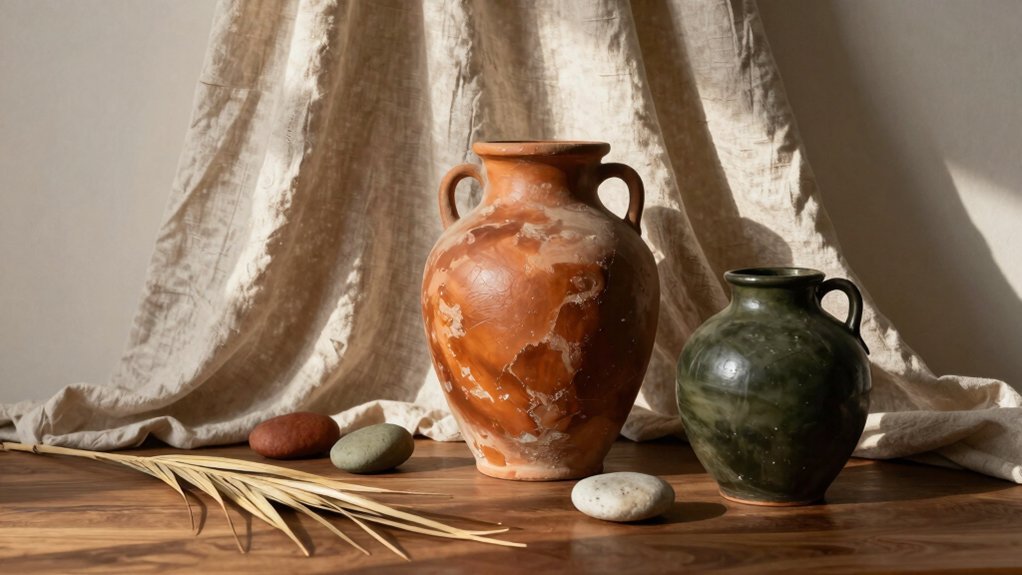
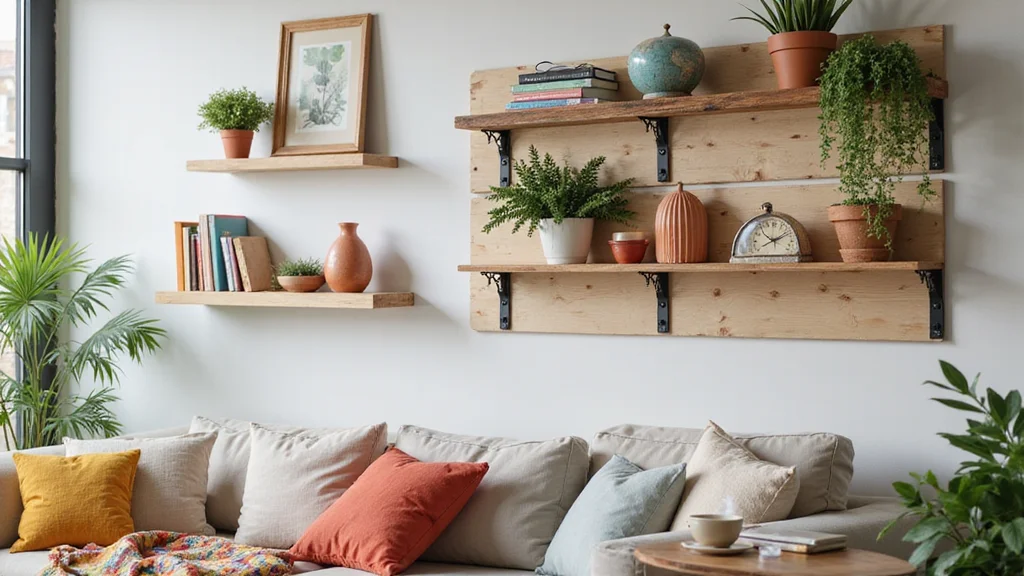
How do you keep beige from feeling one-dimensional? You layer in earth tones that create visual tension and warmth. You reach for terracotta, rust, and burnt sienna to inject energy without overwhelming the space. You add olive green or sage to ground the palette with organic sophistication. You introduce deep chocolate brown through leather accents or wooden furniture to build contrast and anchor the room.
You don’t stop at one earth tone. You combine clay, sand, and stone shades to craft a cohesive, dimensional environment. You use texture strategically—woven jute, raw linen, weathered wood—to amplify the natural feel. You place a rust-colored throw against a beige sofa. You hang olive-toned artwork. You create spaces that feel collected, not decorated, where every tone serves the whole.
Recommended Products
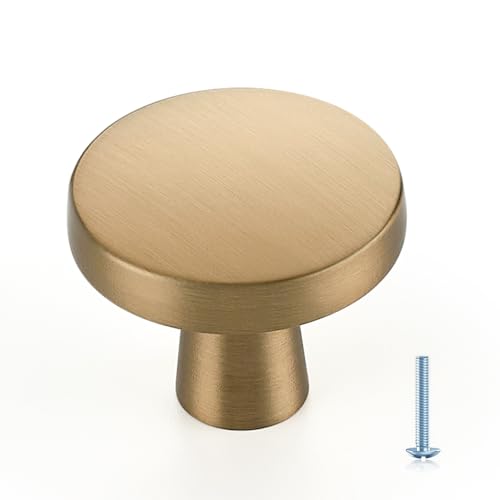
365-DAY TRIAL PERIOD: We're confident you'll love these cabinet handles, so we're offering a 365-day trial. If they don't meet your satisfaction, return them for a replacement.

Asidrama brand assurance: We take your user experience very seriously and we are so confident in the quality of our products that we will replace them if there is any quality problem.

Dimensions of Knobs: The cabinet knobs are about 1.18 inches (30 mm) in diameter and 7/8 inches (22 mm) in height. Each knob comes with two screw sizes: a shorter one at M4*0.78 inches (20 mm) and a longer one at M4*1.75 inches (45 mm)(longer screws are packed in the bottom of the box)
Common Beige Pairing Mistakes (and What Works Instead)
When does beige drift from serene to stale? You’ll spot trouble when beige meets beige—you’ve layered too many similar tones without contrast. Your space flattens into monotony. Fix this by injecting charcoal, rust, or forest green to create visual tension.
You’re also pairing beige with harsh, cool whites. The clash fights your warm undertones. Swap in cream or ivory instead; they’ll harmony with beige’s warmth.
You’ve chosen beige furniture against beige walls with beige carpet. Nothing anchors your eye. Add texture through woven baskets, leather, or linen to break the sameness.
You’re ignoring beige’s undertones. That pink-beige sofa clashes with your yellow-beige paint. Test samples in your actual light before committing.
Finally, you’re using beige as a crutch, fearing stronger choices. Trust yourself—beige supports bold accents beautifully when you let it.
Recommended Products

HIGH-QUALITY VELVET MATERIAL: Made from 300 GSM high-density velvet fabric, these curtains offer luxurious softness and durable quality. The plush texture and heavy weight enhance the elegance of your home, while fade-resistant and dirt-repellent properties ensure long-lasting beauty

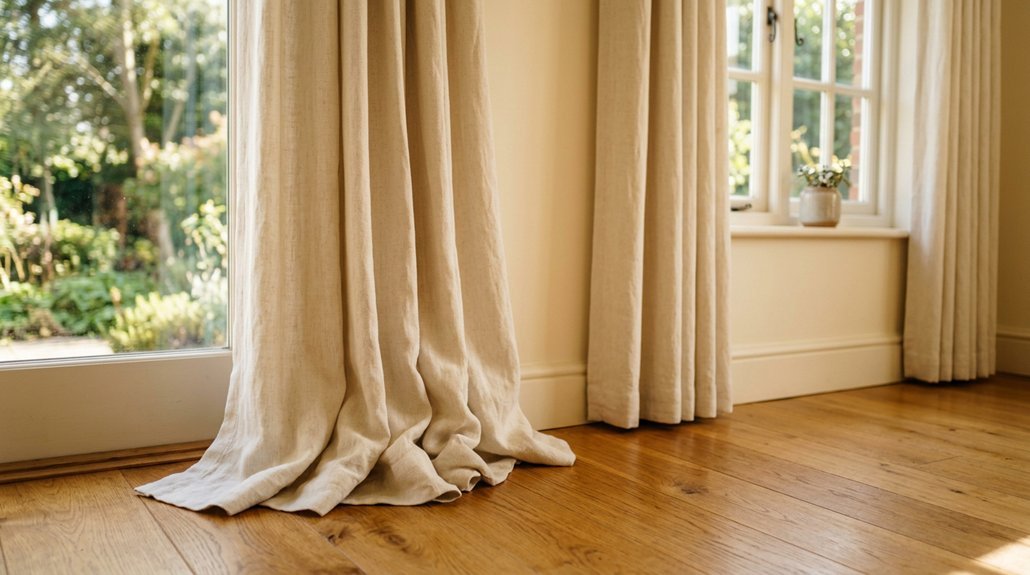
READY MADE: 2 Linen Curtain Panels per package.Each panel measures 52 inches wide by 84 inches long. Top design of Back tab & loop pocket provide 3 hanging options. <1> hanging from the back patch to create an elegant pleated look, <2> from the 3 inch rod pocket for a classic look <3> Hanging with clip rings for easy, slide open and closed (clip rings are not included)
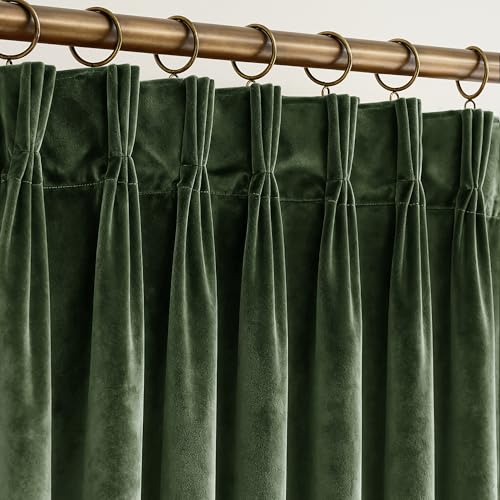
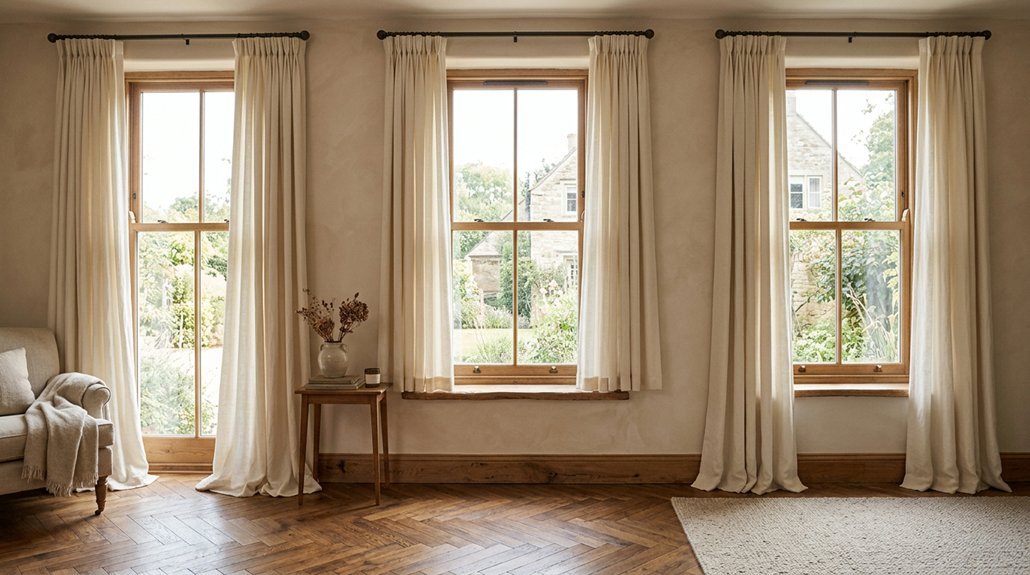
Triple Pinch Pleat Hanging Method: Sold as a set of 2 panels (each 40"W x 84"L) and includes 14 metal rings and 14 hooks.Each panel features 6 true pinch pleats and 7 back tabs.The classic triple pinch pleat header is compatible with standard curtain rods or ceiling tracks when used with hooks, allowing each curtain panel to fall in clean, vertical lines that enhance window height and provide a polished drapery panels appearance.
Beige Color Schemes for Every Room
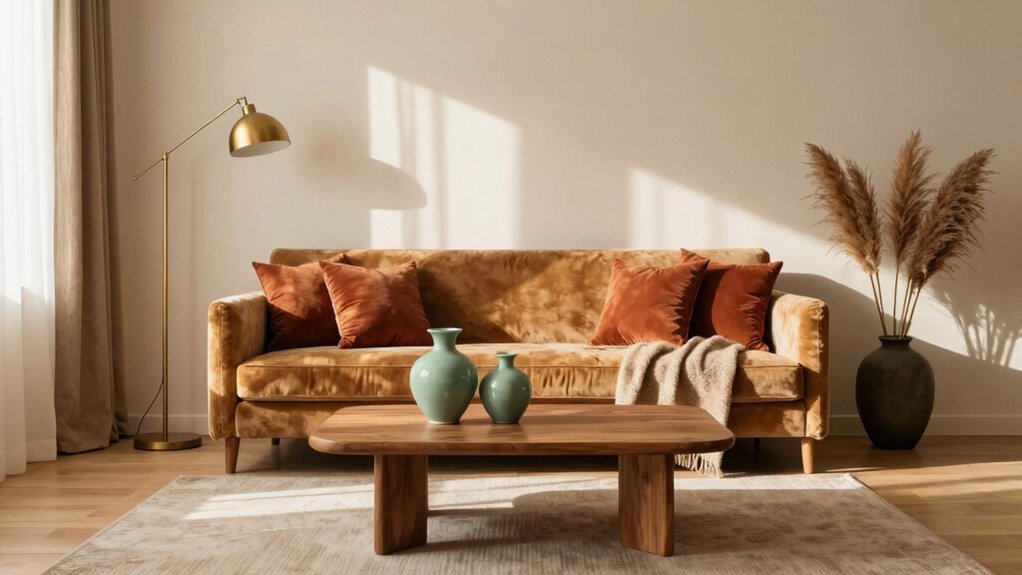
Now that you’ve sidestepped those common beige blunders, you’re ready to put this neutral to work throughout your home.
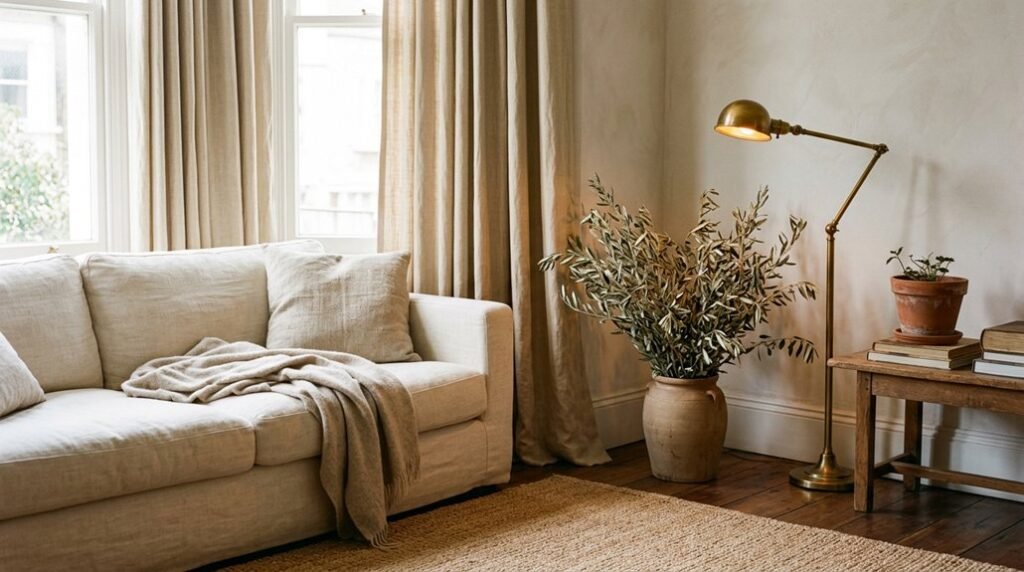
In your living room, layer beige with terracotta and olive green for warmth that invites lingering conversations.
You’ll find your bedroom transforms when you pair beige walls with navy textiles and brass accents—calm yet sophisticated.
Don’t overlook your kitchen; beige cabinets pop against charcoal countertops and matte black hardware.
In bathrooms, combine beige with soft sage and white marble for spa-like serenity.
Your home office gains focus with beige, cognac leather, and deep teal.
Even entryways shine when you anchor beige with black-and-white patterns and natural wood.
You’re crafting cohesive flow room by room, letting beige adapt rather than dominate.
Trust your instincts—you’ve got this.
Recommended Products

【Pillow Covers Only】You will receive the pillow covers 18x18 Inches only, the insert is not included.

Material: Made of High quality durable linen blend, comfortable to touch and lay on. Quality fabric, hide your old pillow patterns perfectly. This material does not pilling or shedding, and holding up well after long time of use

Premium Chenille: Crafted from substantial, high-grade chenille, these decorative pillow covers offer a luxuriously soft, velvety touch and a beautiful drape. Features impeccable stitching with zero loose threads, delivering a premium, heavyweight feel that elevates any space.
Conclusion
You have got endless options with beige, so do not play it safe. Throw in emerald, cobalt, or fuchsia when you want energy, or layer terracotta and olive for something grounded. Mix your textures, test under real light, and skip the harsh whites. Trust your samples, trust your gut, and let beige do what it does best—make everything else shine.
Recommended Products

Includes 30 featured and newest released color card. Sprayed on color to see our colors in your homes lighting for more accurate color choices.

Prestige Paints has created a comparable Color based on Color specifications of the original Color using industry leading technology