
Expert Home Style – For the Price of a Coffee ($3.90)
Master high-end design secrets (Tuscan, Modern) without the expensive consultants.
🛒 Buy NowRugs on carpet can be a game-changer for your home decor. If you’re looking to add warmth, creativity, and a touch of personal style to your living space, you’re in the right place. Layering rugs can transform a simple room into a cozy haven, making it feel inviting and unique. This post was created to help you discover innovative ways to style your home using rugs over carpet, especially if you’ve ever felt stuck in the vast world of home decor.
If you love to create spaces that reflect your personality, this guide is for you. Whether you’re a seasoned decorator or just starting out, you’ll find practical tips and tricks that can elevate your interior design game. From protecting your carpet to defining spaces with layered textures, each idea is designed to inspire you and assist you in making your home truly yours. Get ready to explore 14 smart rug-on-carpet ideas that actually work, ensuring your living spaces are not only stylish but also functional.
Get excited about how layering rugs can add dimension and character to your home! With these ideas, you’ll learn how to mix patterns, create cozy nooks, and even protect your carpet. By the end of this post, you’ll have a wealth of stylish options to choose from, making your decorating process not just easier but also a lot more fun.
Key Takeaways
– Create Contrast with Color: Mixing vibrant colors with your carpet’s neutral base can bring life to your space, making it visually striking and engaging.
– Layering for Protection: Using area rugs on top of carpet not only adds style but also protects your carpet from wear and tear, extending its lifespan.
– Define Spaces: Rugs can help delineate areas in open floor plans, making it easier to create cozy zones for different activities, like reading or dining.
– Texture Matters: Combining rugs of different materials, like natural fibers and plush fabrics, adds depth and warmth, creating an inviting atmosphere.
– Seasonal Styling: Change your rug layers with the seasons to refresh your decor effortlessly, ensuring your home always feels current and inviting.
1. Create Contrast with Color
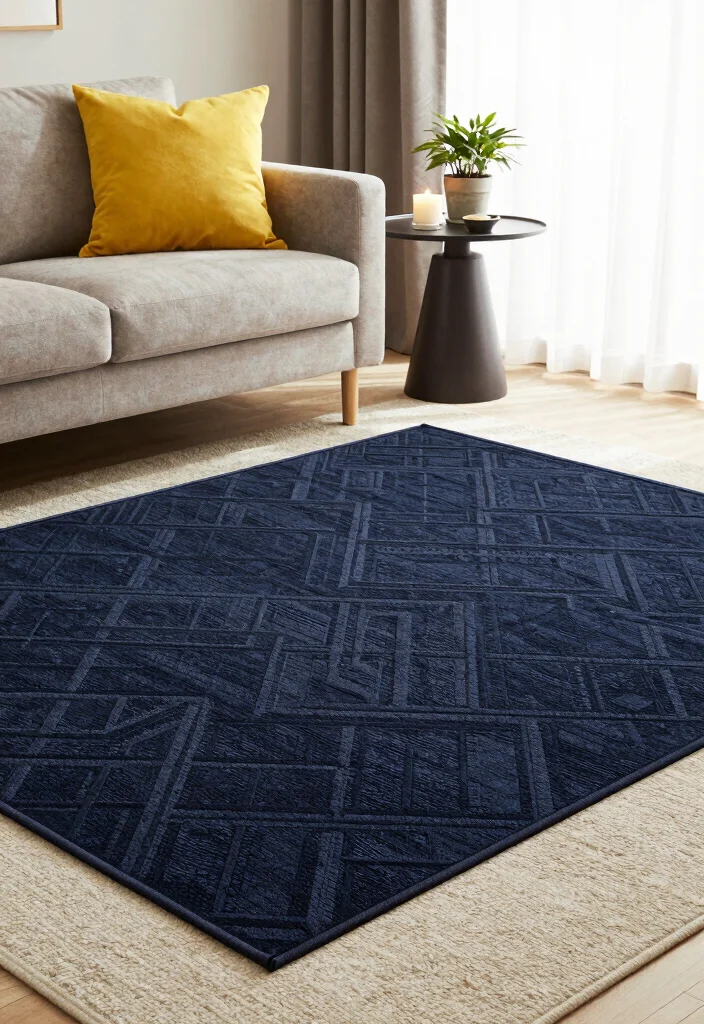
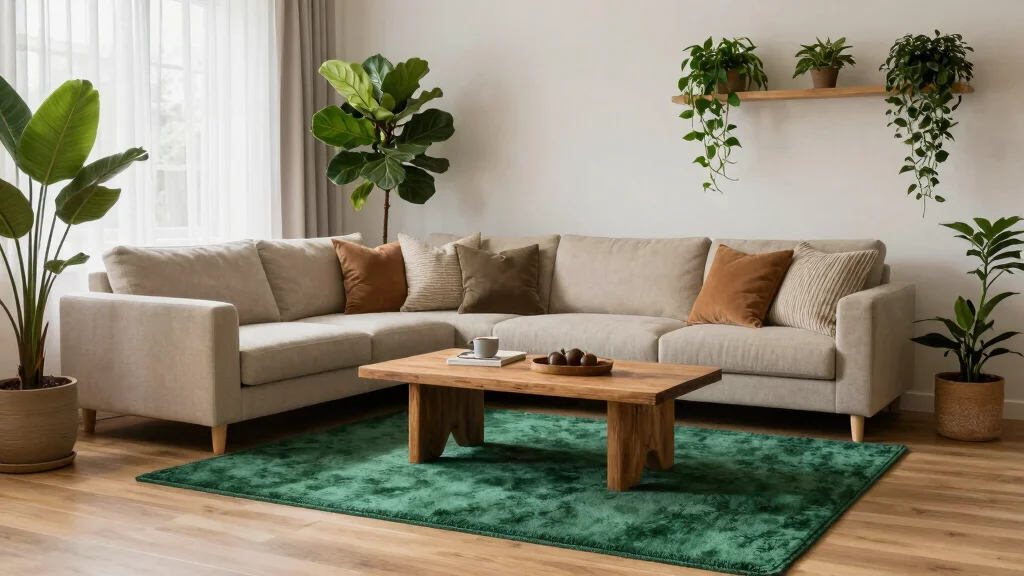
Combining rugs of contrasting colors can bring an exciting dynamism to your space. For instance, a striking dark navy or rich emerald area rug paired with a soft beige or cream carpet creates a visual tension that draws the eye. This method not only delineates areas but also highlights your favorite decor pieces in the room, establishing a unique focal point.
When choosing colors, consider the atmosphere you want to cultivate. Deep hues often foster warmth and intimacy, while lighter tones can evoke a sense of openness. Incorporate accessories that reflect your color choices, such as vibrant throw pillows or artwork, to further unify the design.
– Pair dark navy rugs with light beige carpets for contrast.
– Install emerald green rugs to highlight neutral decor.
– Use a neutral carpet as a backdrop for vibrant area rugs.
This contrast technique is perfect for larger spaces, creating distinct areas for activities like reading or socializing while maintaining a cohesive look.
Fun fact: rugs on carpet with contrasting colors create instant zones, and the eye perceives space up to 20% larger. Pair a deep navy or emerald rug with a soft beige carpet to anchor furniture and boost cozy vibes!
2. Play with Patterns
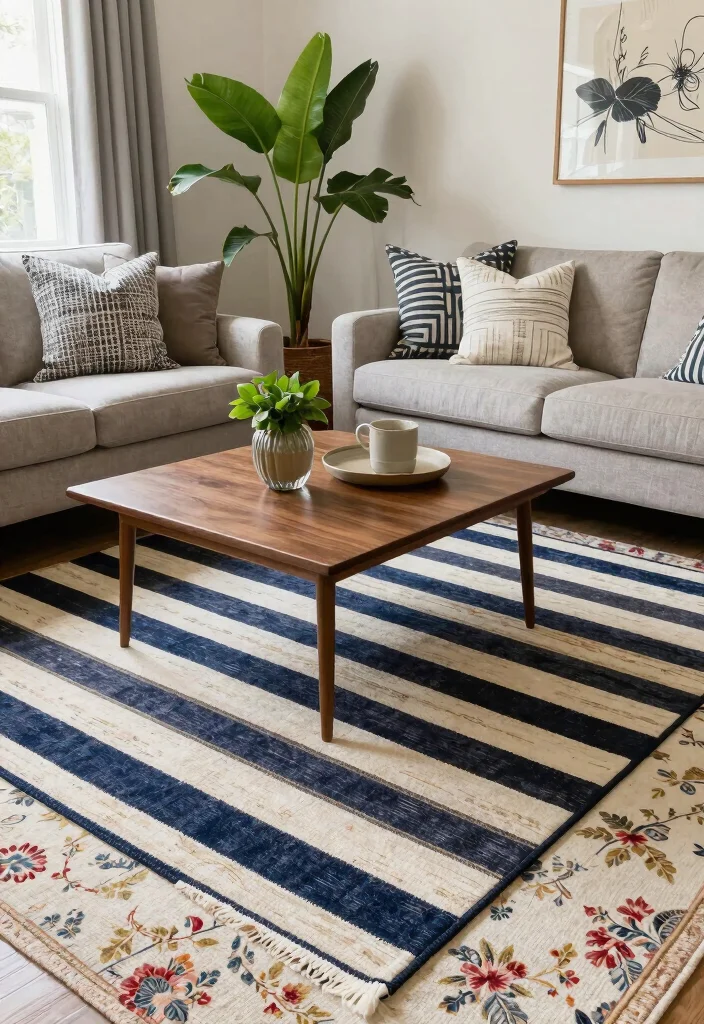
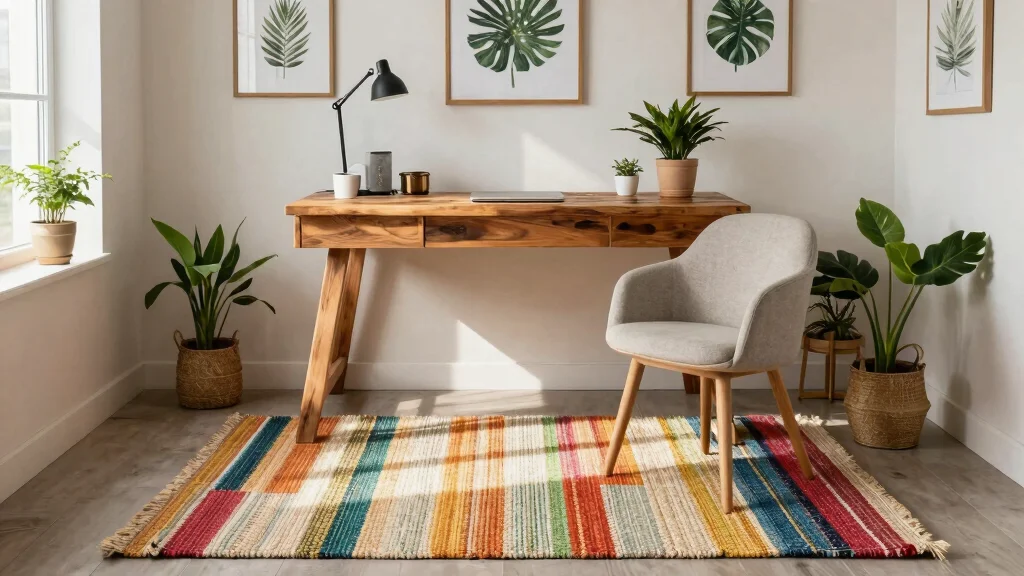
Incorporating rugs with varied patterns can infuse your room with character and depth. For example, layering a bold striped area rug over a delicate floral carpet can create a captivating visual dynamic. The secret lies in balancing complementary colors and similar styles to ensure harmony in your decor.
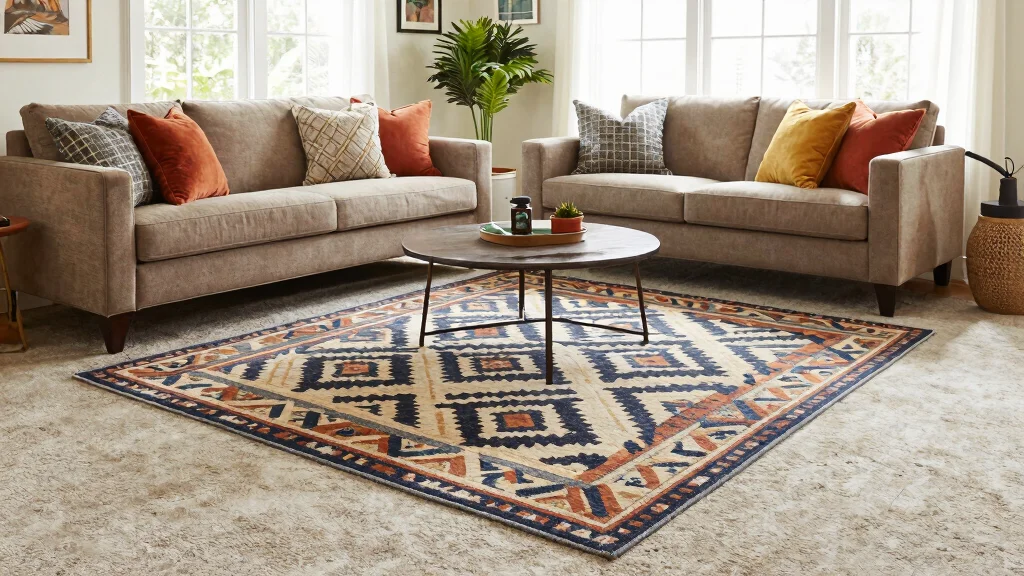
Mixing patterns allows for personal expression in your home. Consider positioning a striking geometric rug atop a subtle paisley carpet to achieve a lively yet cohesive aesthetic. This blend not only showcases your personality but also adds an engaging focal point to your space.
– Choose rugs with a shared color to unify the look.
– Mix large prints with smaller ones for effective contrast.
– Layering can soften bold patterns, enhancing sophistication.
This playful pattern blending is ideal for living rooms or creative spaces where comfort and inspiration thrive.
Did you know that layering two patterns can boost visual depth by about 20%? When you pair bold stripes with delicate florals and balance colors, your rugs on carpet stay cohesive, yet striking.
3. Define Spaces
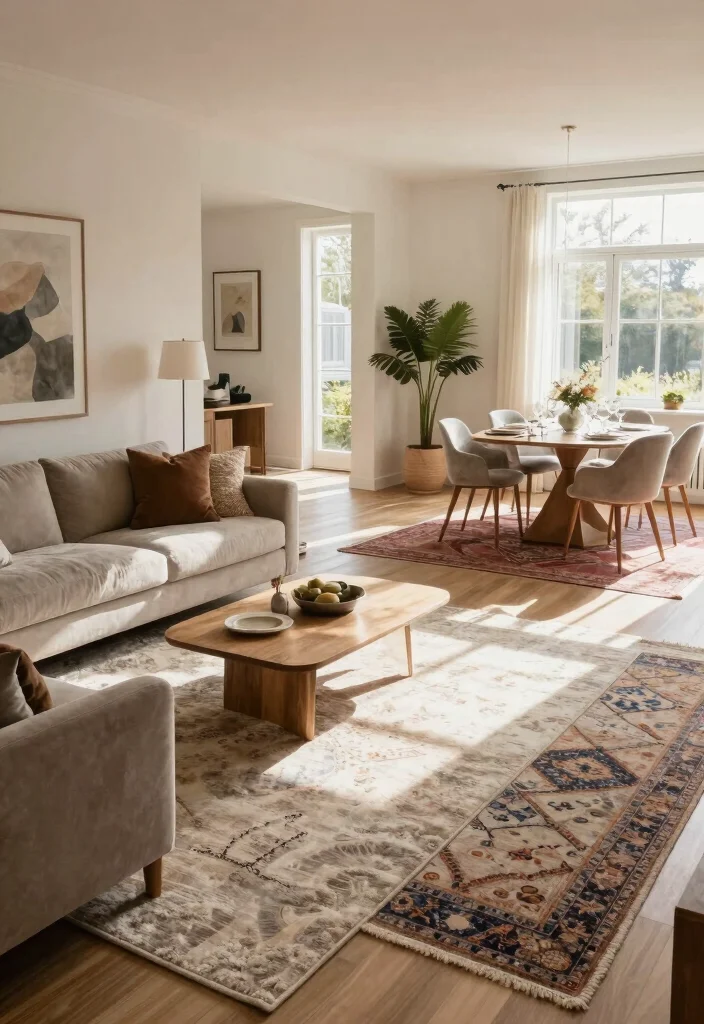
Layering rugs on carpet can effectively delineate various areas in open-concept spaces. A generously sized area rug can establish a cozy lounge area, while a smaller patterned rug can define a dining nook within a vast carpeted region. This technique not only adds visual interest but also helps organize the flow of your home.
Using rugs cleverly can guide guests through your space, providing designated zones for different activities. By selecting contrasting rug sizes, you can emphasize the function of each area, all while enhancing the overall aesthetic.
– Use larger rugs to define lounging areas.
– Ensure each rug’s color scheme complements its surroundings.
– Ground furniture pieces with area rugs for a cohesive arrangement.
This approach is fantastic for larger homes, allowing every area to feel inviting and intentional.
4. Add Texture with Natural Fibers
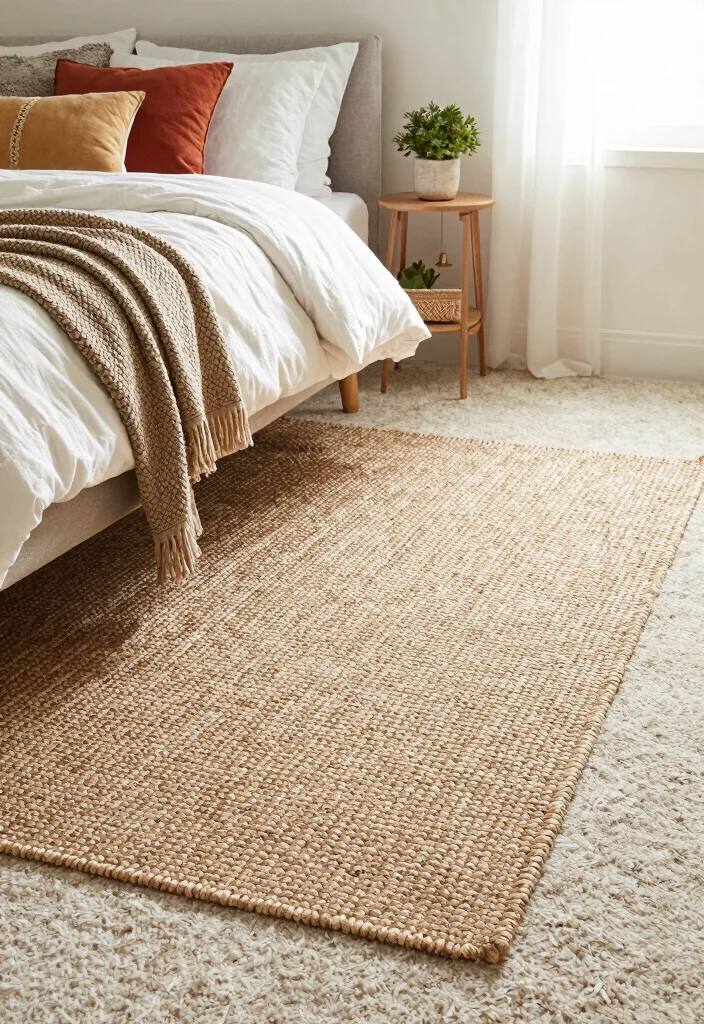
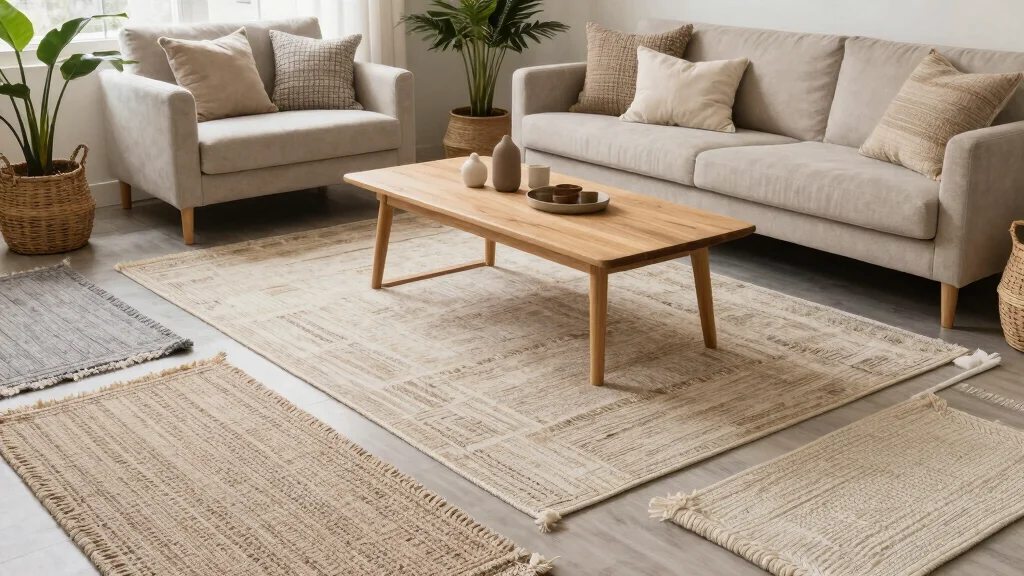
Layering rugs made from natural fibers, like jute or sisal, over plush carpets can bring a cozy, earthy touch to your home. This combination not only enhances tactile comfort but also introduces a connection to nature, enriching the warmth of your space.
Natural fiber rugs are durable and eco-friendly, complementing softer carpets beautifully. They help to soften the overall look of a room while providing an organic feel that balances modern decor.
– Look for jute rugs with subtle textures to enhance interest.
– Ensure the textures feel comfortable underfoot for a warm ambiance.
– Pair natural fibers with wooden furniture for a grounded aesthetic.
This approach is particularly effective in relaxed settings, like bedrooms and living rooms, where comfort is paramount.
Fun fact: Rugs on carpet made from natural fibers like jute or sisal instantly add earthy warmth and texture, boosting cozy vibes by about 15–20% in minutes. Pro tip: pair a neutral jute rug with plush carpet to balance durability and softness.
🏡 Transform Your Space Like a Pro
Unlock stunning home decor secrets with our DIY guide for layering textures and creating cozy living spaces.
5. Protect Your Carpet
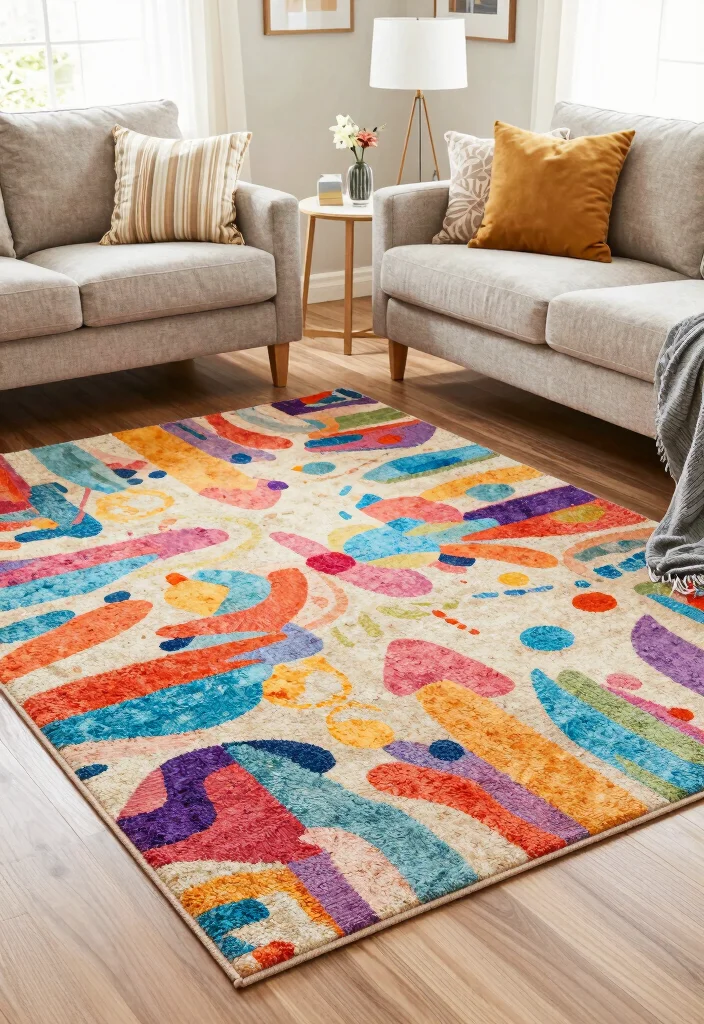
Layering an area rug on top of your carpet serves as an excellent protective measure. This technique not only shields your carpet from wear and tear but also protects it from spills and stains, simplifying maintenance efforts.
This method is especially useful in high-traffic areas like living rooms or hallways, where carpets may be more prone to damage. A vibrant area rug can infuse life into your space while acting as a barrier for the underlying carpet.
– Select durable rugs that withstand everyday wear.
– Choose materials that are easy to clean and maintain.
– Consider rug weight; heavier options provide better protection while ensuring stability.
This practical solution combines longevity with style, allowing you to enjoy layered decor while safeguarding your investment.
6. Embrace the Vintage Look
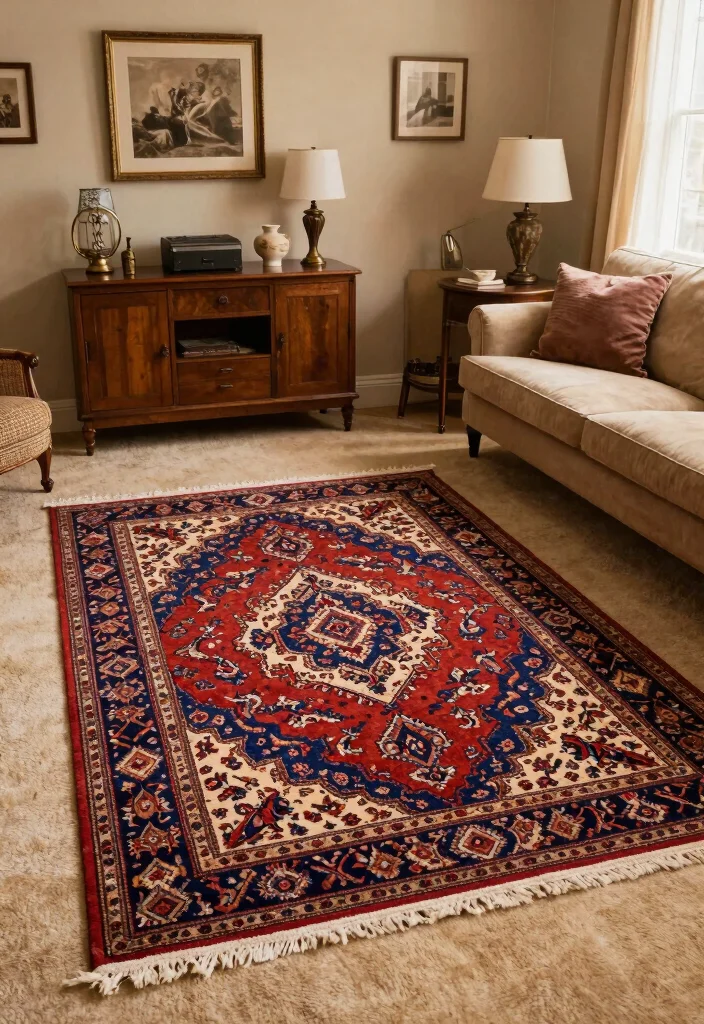
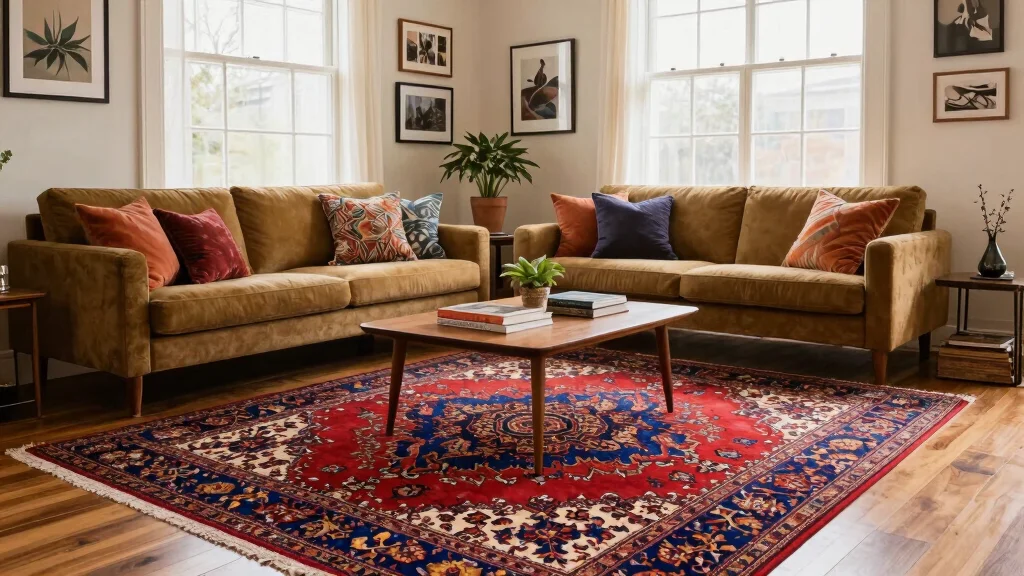
Vintage rugs can introduce timeless elegance to your home, especially when layered on carpets. The eclectic blend of colors and patterns provides a unique character that contemporary designs often lack. Imagine rich Persian or Turkish rugs layering over neutral carpets to create striking visual contrasts.
This approach adds depth and tells a story, reflecting your appreciation for history and craftsmanship. Incorporating vintage pieces into your decor showcases individuality and charm while enhancing the overall aesthetic of your space.
– Seek vintage rugs that match your carpet size for a cohesive look.
– Be open to mixing various patterns and textures, ensuring color harmony.
– Use vintage rugs as conversation starters in your home.
Utilizing vintage rugs adds personality and warmth, making your space feel inviting and distinctive.
7. Create a Cozy Reading Nook
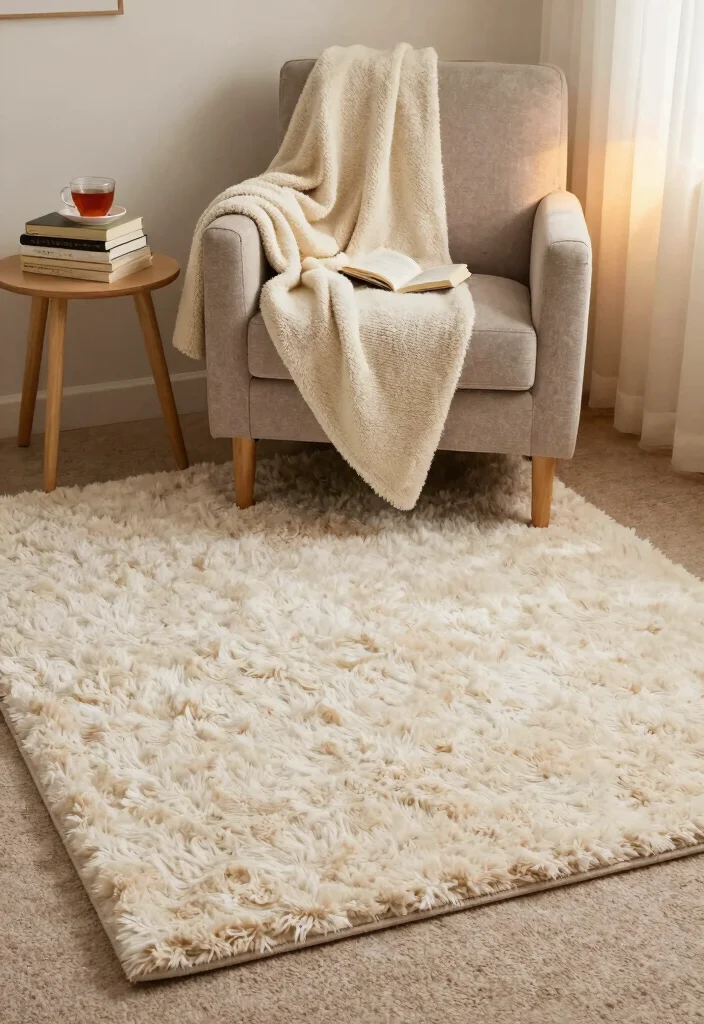
For book lovers, a cozy reading nook is essential! Layer a soft, plush rug over carpet to create an inviting space perfect for curling up with your favorite book. Enhance comfort by adding a small armchair or floor cushions, making it a perfect retreat.
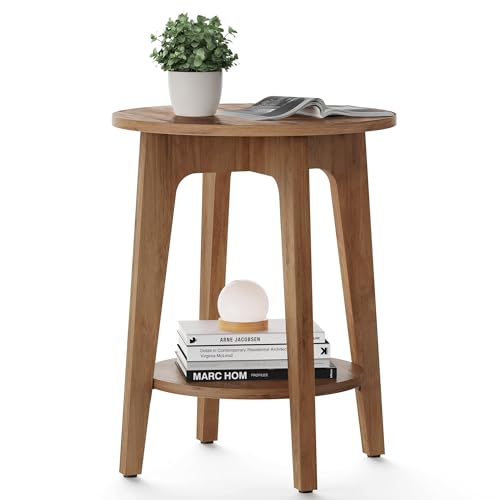
This nook can be your personal escape from daily life, providing a serene environment. Complement it with a side table for drinks and books within reach, and consider adding soft lighting to set the perfect reading ambiance.
– Select rugs that are soft and inviting underfoot.
– Incorporate varied textures to enhance comfort.
– Keep the color palette warm for a relaxing atmosphere.
This setup prioritizes comfort and relaxation, making your home feel even more complete.




Dimensions & Size Guide
Standard Sizes & Measurements:
When it comes to layering rugs on carpet, understanding sizes is key. Common rug sizes include 5×8 feet, 6×9 feet, and 8×10 feet. These dimensions work well in various spaces, such as living rooms and bedrooms. For a supportive fit, ensure your area rug extends at least 12-18 inches beyond your furniture. This creates a cohesive look and protects your carpet underneath.
Minimum Requirements:
For proper function, consider a minimum area of 8×10 feet for living spaces. This allows enough room for furniture legs to sit on the rug. In smaller rooms, like home offices or reading nooks, a 3×5 or 4×6-foot rug can create visual interest without overwhelming the area.
Quick Reference Table:
Size/Dimension – Best for: [use case], Minimum space needed: [measurement]
5×8 feet – Best for: Small living rooms, Minimum space needed: 8×10 feet
6×9 feet – Best for: Medium-sized bedrooms, Minimum space needed: 9×12 feet
8×10 feet – Best for: Large living areas, Minimum space needed: 10×14 feet
3×5 feet – Best for: Entryways or small corners, Minimum space needed: 4×6 feet
Space Planning Tips:
1. Measure Before You Buy: Always measure the area where you want to place your rug. This step prevents buying a rug that’s too large or too small for your space. 🧭
2. Create a Layout: Use painter’s tape to outline where the rug will sit. This helps visualize how it interacts with your furniture and carpet. 📏
3. Consider Traffic Flow: Make sure there’s space for walking around. The rug should not obstruct pathways. Leave at least 18 inches of clearance for easy movement. 🚶♀️
4. Avoid Common Mistakes: Many people forget to account for furniture placement. Always include furniture when measuring the rug’s size. This way, the rug will properly anchor the space. 🪑
5. Think About Layering: If you’re layering rugs, ensure the top rug is smaller than the bottom one. This creates depth and allows the bottom texture to peek through. 💡
Pro Tip:
The most critical measurement to keep in mind is the space around your rug. Aim for 12-18 inches of exposed carpet around the edges of your rug. This offers a balanced look and enhances the design of your room. Remember, a well-planned rug layout can transform your space into a cozy and inviting area!
8. Utilize Rugs in Kids’ Areas
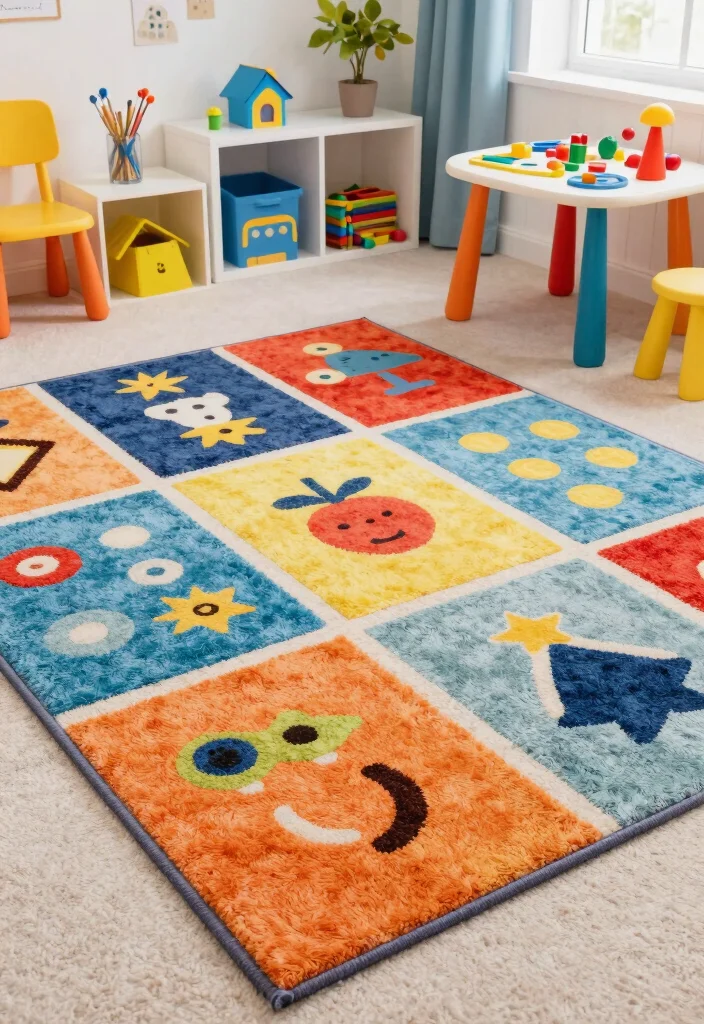
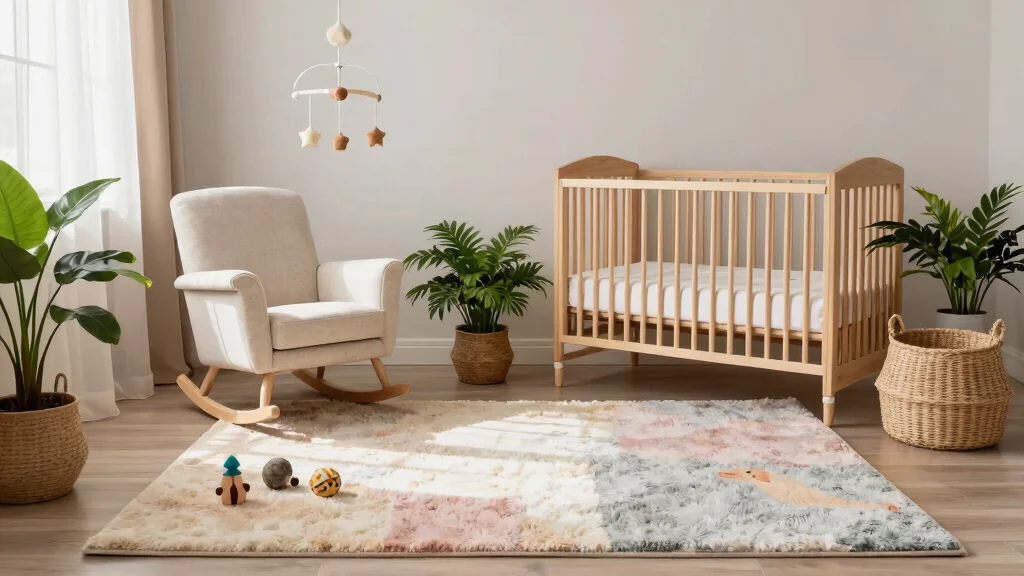
Layering rugs on carpets is especially beneficial in children’s play areas. Bright, colorful area rugs can define play zones while making the space cozy and safe for kids to explore. A soft carpet beneath adds cushioning, enhancing comfort as they play.
Choose rugs that are durable and easy to clean, as these qualities are essential in withstanding playtime spills and messes. Look for playful patterns that spark creativity and imagination in your children’s space.
– Select non-toxic, washable materials for safety.
– Opt for designs featuring educational themes or beloved characters.
– Ensure rugs are securely placed to prevent slipping accidents.
Creating a fun and safe play area encourages creativity while ensuring your home remains stylish.
9. Layer with a Runner
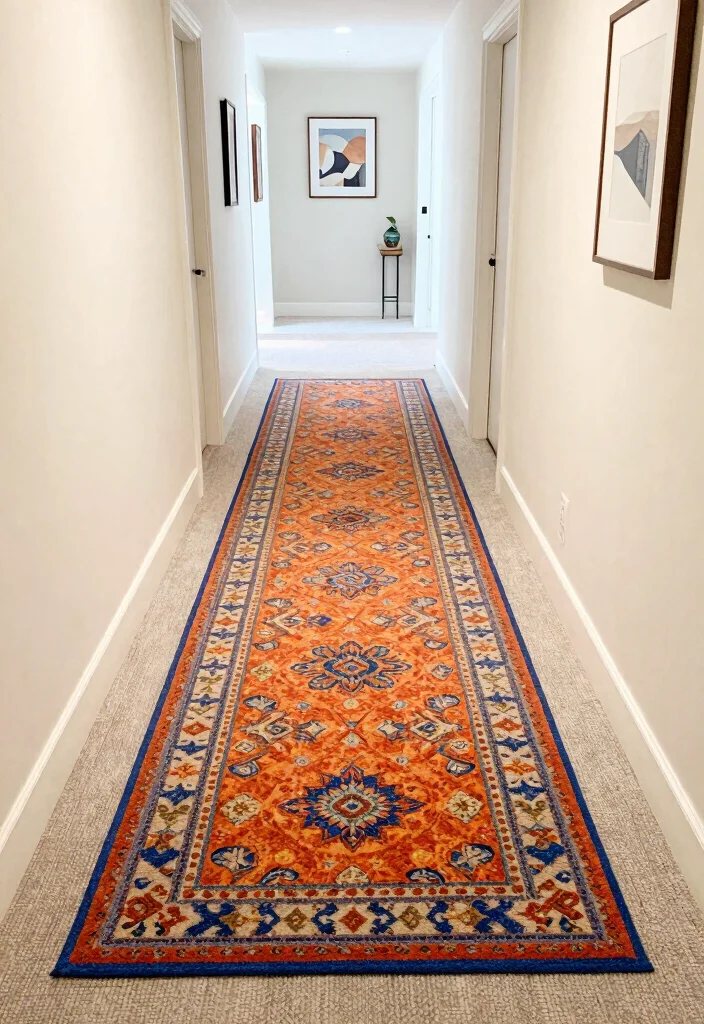
In long hallways or narrow spaces, a runner can be a fantastic way to layer rugs on carpet. Select a stylish runner that stands out against your carpet, adding both functionality and flair to your home. Runners not only create a visual pathway but also introduce color and pattern.
To maximize their effect, use runners in areas where guests frequently walk, such as hallways or entryways. This approach ensures a blend of practicality and style, enhancing the overall flow of your home.
– Confirm the runner’s length fits the hallway without overwhelming the space.
– Choose designs that complement your carpet style.
– Invest in a non-slip underlay to secure the runner and ensure safety.
Incorporating a runner enhances the visual appeal, contributing to a cohesive aesthetic throughout your home.
10. Curate a Playful Aesthetic
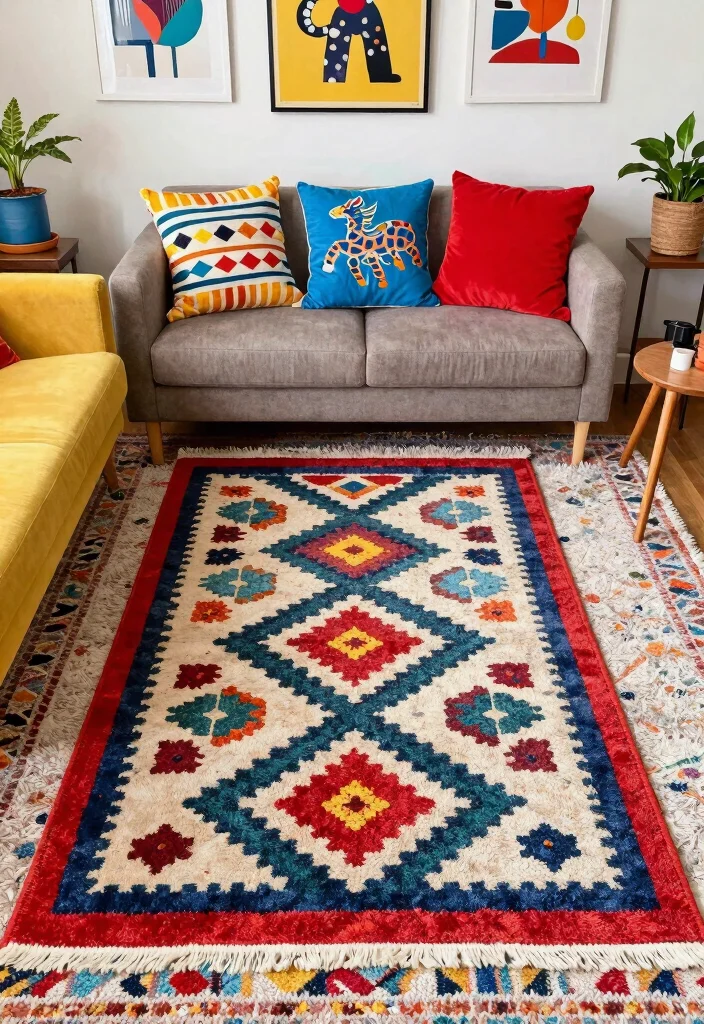
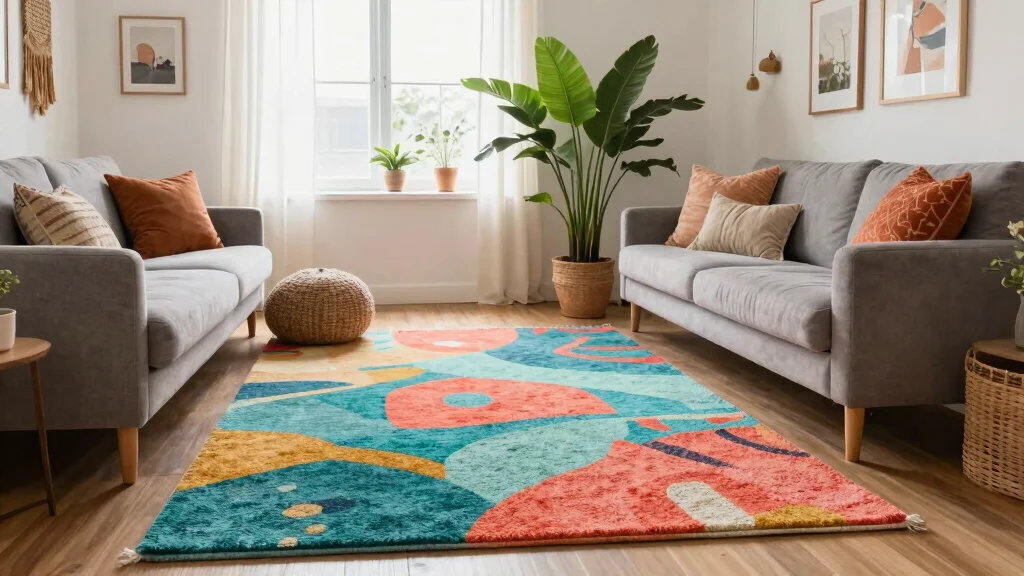
Mixing and matching different styles of rugs can create a playful aesthetic that showcases your creativity! Layering can become an art form, and using various rugs yields delightful combinations that reflect your personality.
Think about layering a contemporary geometric rug over a retro shag carpet to explore fun contrasts while maintaining a curated appearance. Choose designs that resonate with you, whether through color, pattern, or texture, to create a joyful atmosphere in your home.
– Combine contemporary and vintage styles for freshness.
– Maintain a cohesive color palette to avoid overwhelming the space.
– Experiment with layering shapes, such as round rugs atop rectangular ones.
Creating a playful aesthetic invites joy and whimsy into your home, making it uniquely yours.
11. Layering for Seasonal Change
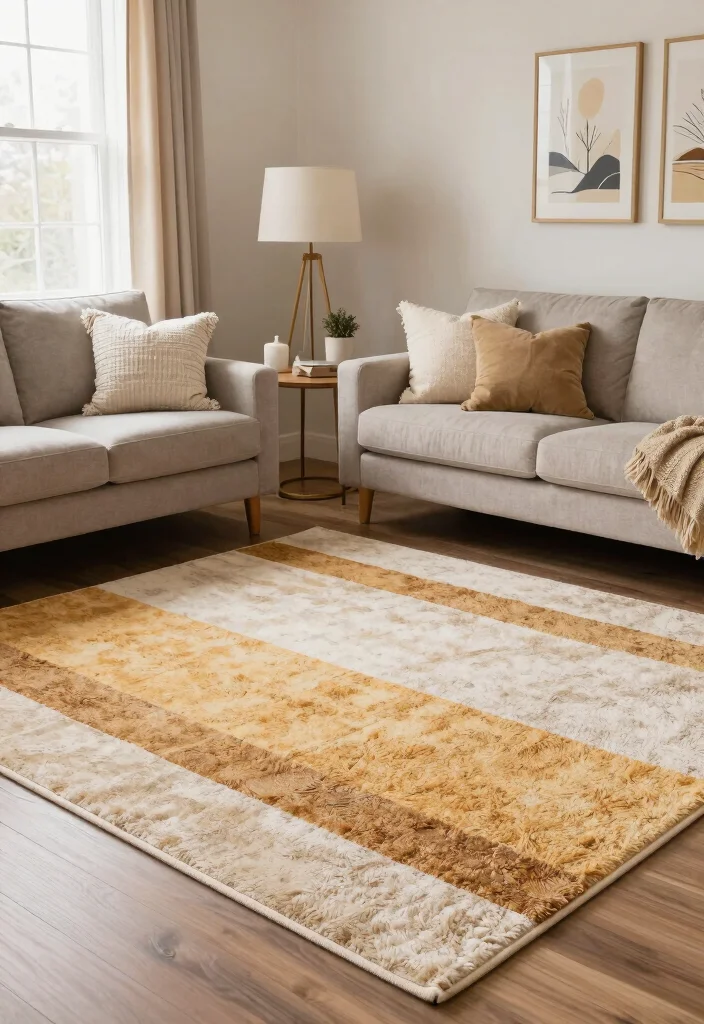
Changing your rugs seasonally can refresh your decor! Layering different rugs dramatically alters the mood of a space as the weather changes. In colder months, opt for softer, warmer rugs to add cozy vibes, while in warmer seasons, choose lighter, breathable options to keep your space feeling fresh.
This adaptable approach allows you to reflect the seasons in your home decor. For instance, swap out heavier rugs for lighter designs as spring arrives, inviting a sense of renewal. Plus, this gives you a chance to experiment with new patterns or colors without a full commitment.
– Store rugs properly during off-seasons to maintain their quality.
– Use lightweight options in summer for a cool feel.
– Embrace seasonal colors that echo the time of year for a fresh look.
By embracing change, your home can feel vibrant and new, regardless of the season.
12. Use Textures to Balance Hard Surfaces
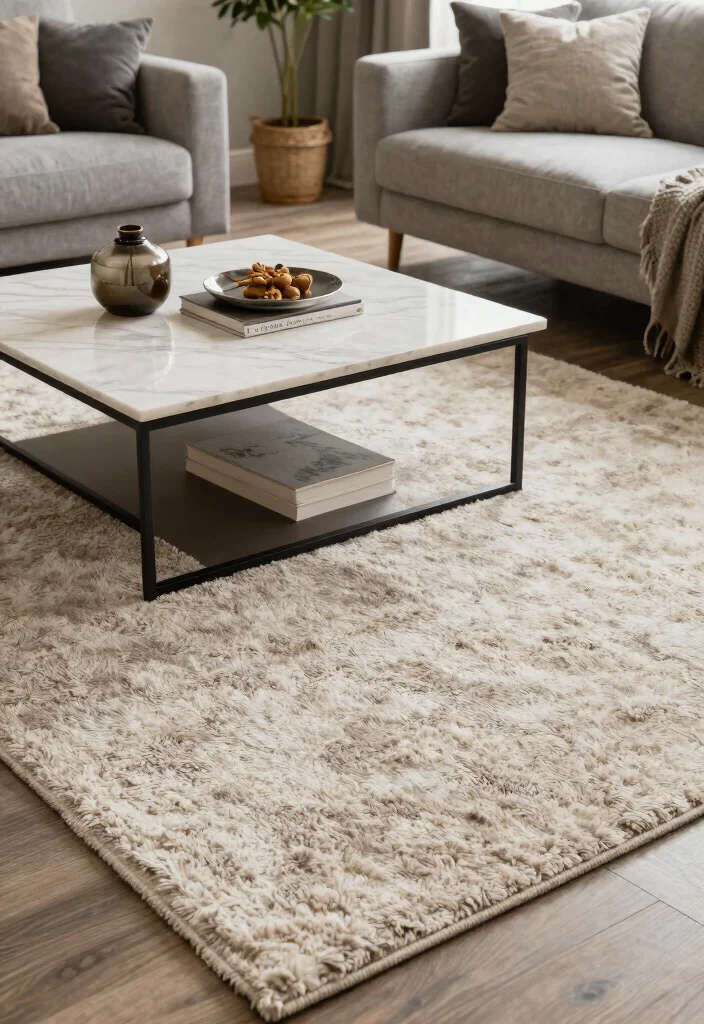
In homes with hard surfaces like tile or hardwood floors, layering an area rug on carpet can provide essential textural balance. This is especially effective in spaces dominated by hard surfaces, as it creates a softer feel underfoot.
Rugs help to visually soften hard lines and angles, making rooms feel warmer and more welcoming. Select plush rugs to enhance comfort while respecting your existing carpet’s integrity.
– Focus on rug weight; plush options provide comfort without overpowering.
– Incorporate textiles to draw people into the space, like cozy throws or pillows.
– Ensure color harmony with both hard surfaces and the carpet.
This approach creates a cohesive and inviting environment, seamlessly blending function with style.
13. Layer Rugs for Acoustic Benefits
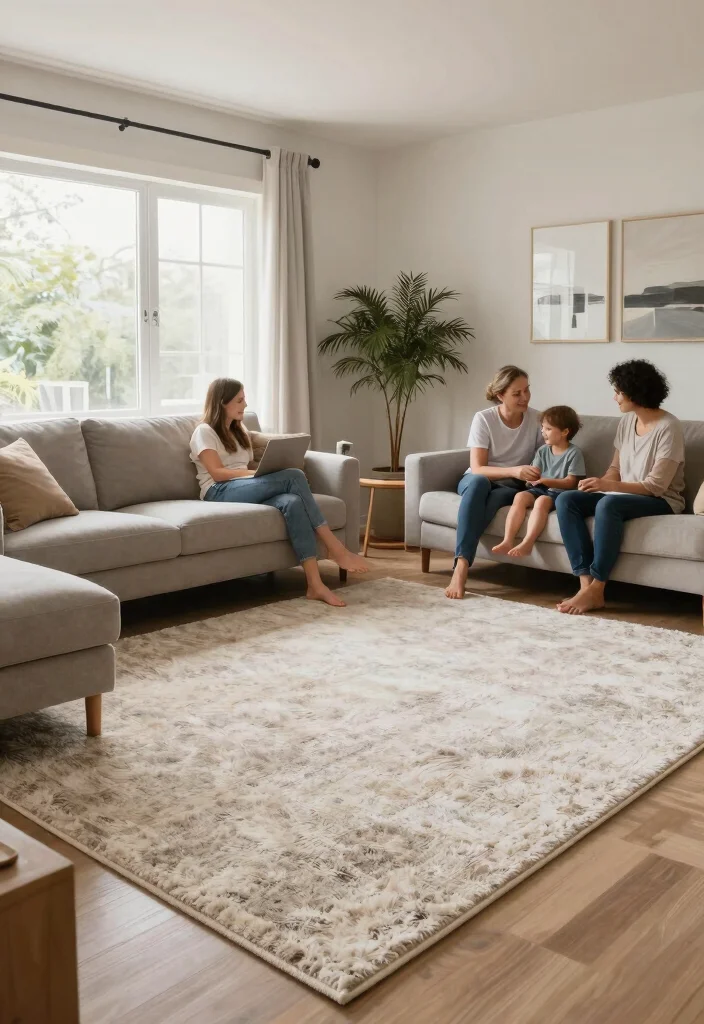
Layering rugs can significantly enhance a room’s acoustics. Hard surfaces often lead to echoes and noise, especially in larger areas. By layering rugs, you can help absorb sound, creating a more tranquil atmosphere.
This technique is particularly beneficial in homes where gatherings occur, allowing for intimate conversations without distractions. Opt for thicker, textured rugs to maximize sound absorption, while ensuring they align with your decor style.
– Choose high-pile or shag rugs for superior sound dampening.
– Layering rugs adds visual interest and creates a relaxed ambiance.
– Select colors and patterns that seamlessly integrate with your existing decor.
By addressing acoustic concerns, layering rugs enhances both style and function in your living spaces.
14. Layer for Minimalist Aesthetics
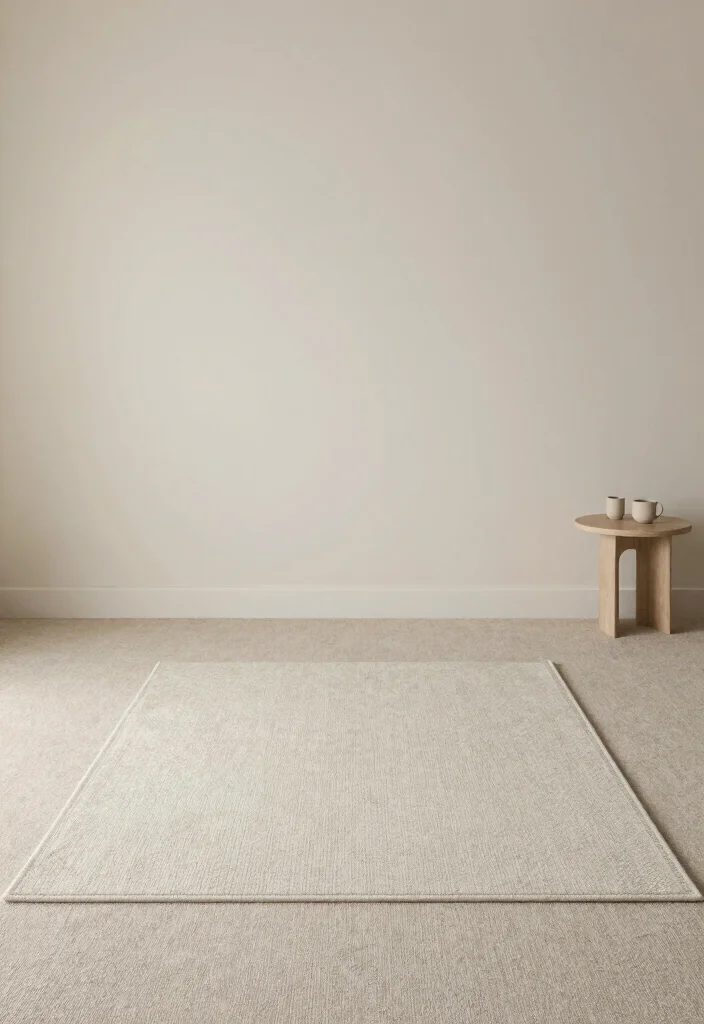
For those who embrace simplicity, layering a single area rug over a neutral carpet can create a minimalist aesthetic that feels clean and chic. An understated rug can serve as a focal point, allowing the beauty of the carpet to shine through rather than overwhelming the space.
Stick to monochromatic shades or subtle patterns to maintain that minimalist vibe. This effortless approach allows your decor to breathe, enhancing the overall aesthetic of the room.
– Aim for simplicity; choose designs that align with your minimalist vision.
– Limit accent pieces to keep focus on the layered look.
– Let textures speak for themselves in this elegant design approach.
Layering for a minimalist aesthetic celebrates simplicity while adding a touch of sophistication to your home.
Conclusion
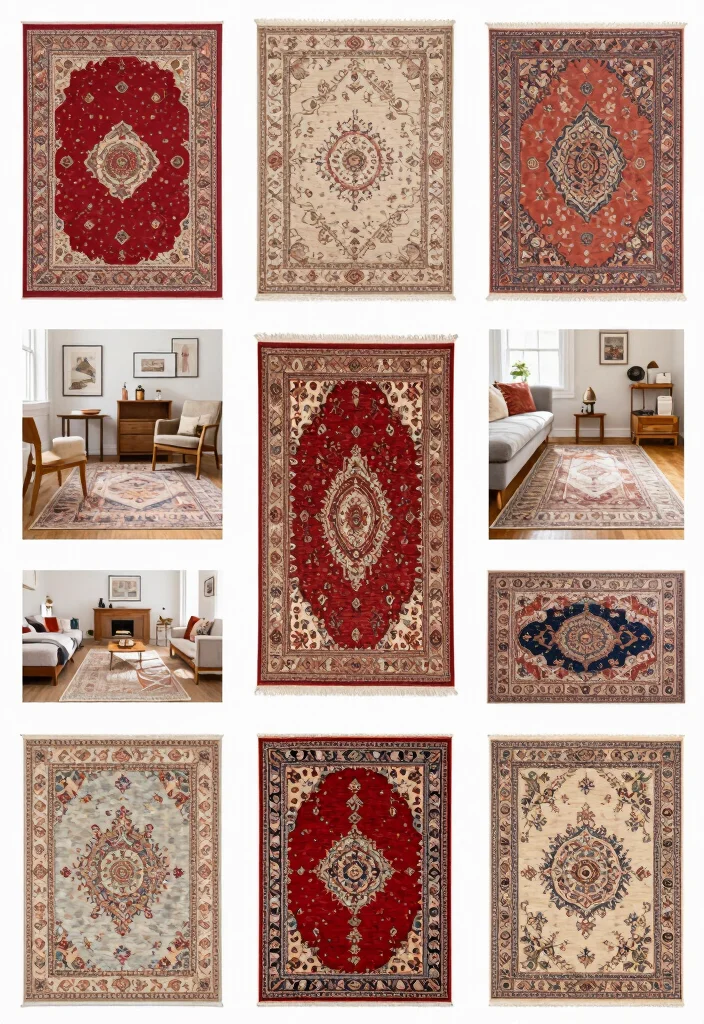
Layering rugs on carpets is an innovative way to enhance your home’s decor while ensuring comfort and protection. Each of these ideas invites you to explore new design possibilities in your spaces, combining functionality with personal style.
Whether you’re aiming for a cozy nook, a playful atmosphere, or a minimalist vibe, there’s a layered rug option for everyone. Don’t be afraid to mix textures, colors, and styles to create a home that’s uniquely you.
Frequently Asked Questions
How can I layer rugs on carpet to create a cozy, textured look?
Layering rugs on carpet is a simple way to add warmth and dimension to a space. Start with a large base rug that lies flat on the carpet, then add a smaller rug on top. You can align edges for a clean look or offset them for a more dynamic vibe. Use rug placement tips to anchor the layers under seating and avoid tripping hazards. Place a non-slip rug pad beneath each rug to prevent slipping and protect the carpet. Choose complementary textures and tones so the layers feel cohesive. This rugs on carpet approach works beautifully with layering rugs and home styling ideas for cozy living spaces.
What rug placement tips help prevent slipping and protect carpet under rugs?
To prevent slipping and protect the carpet under rugs, start with a high-quality non-slip rug pad designed for carpet. That’s your best carpet protection against bunching and wear.
Place area rugs across high-traffic zones to define spaces, then trim edges so they lay flat and avoid curling.
Use rug gripper strips or non-slip underlays at the edges for extra security, and regularly reposition if edges start to lift. Keeping edges straight and flat helps maintain a clean, safe look in your layered setup of rugs on carpet.
What sizes and shapes of area rugs work best when layering on carpet?
For layering on carpet, start with a large base rug that covers the central area and add a smaller top rug for contrast. Practical sizes are base rugs around 8×10 or 9×12 with a top rug around 5×8 or 6×9 to create a balanced layered effect.
Shapes matter: a rectangular base rug works well in most rooms, while adding a round or oval top rug introduces visual interest. Aim for the top rug to sit comfortably within the footprint of the base rug, leaving a subtle frame of the base rug visible for a home styling ideas-driven look.
How do I choose colors and textures that complement my carpet and furniture when layering rugs?
Think in terms of contrast and cohesion. If your carpet has a busy pattern, choose a area rugs with a solid color or a subtle texture to layer on top, creating depth without clashing. If the carpet is neutral, you can introduce color and pattern through the top rug for a pop of personality.
Mix textures—plush, flatweave, or natural fibers like wool, jute, or sisal—to add tactile interest. Use a cohesive palette across layers and accessories to tie rugs on carpet into the overall home styling ideas.
What are practical rug-on-carpet ideas I can use in different rooms to boost style?
Living room: layer a large base rug with a smaller, patterned top rug under the seating area to define the conversation space and add warmth. Bedroom: place a base rug under the bed with a smaller top rug peeking out at the sides for a cozy, layered feel. Entryway: use a runner over carpet with a small decorative mat layered on top to extend style and protect high-traffic areas. In every room, use rug placement tips and carpet protection practices to keep the layers looking fresh and inviting, all while exploring layering rugs and home styling ideas.
Related Topics