

You’ve invested in quality linen sheets, but you might be washing them all wrong. Harsh detergents and high heat can weaken fibers and cause premature wear. The good news? A few simple adjustments will keep your bedding soft and durable for years. You’ll want to know what those are.
Pre-Treat Stains Before Washing
If you spill something on your linen sheets, act fast. You must tackle stain treatment immediately to prevent permanent marks. Grab a stain remover and apply it directly, then toss the sheets in the wash soon after. If you lack remover, spot-clean food stains with washing up liquid instead. You’re blotting the mark with a clean cloth until it vanishes—don’t scrub, or you’ll damage the fibers.
For tougher stains, you’ll add white vinegar and baking soda to your load for extra power. You need to pre-treat makeup stains and skincare stains carefully, especially those with AHAs that cause discoloration. While you’ll save gentle detergent and enzyme-free detergent details for washing, you’re already separating colors now to prevent dye transfer.
Recommended Products

POWERFUL & FAST WORKING This lightning fast laundry stain remover spray is perfect for clothes, upholstery, and carpets.

SAFELY RESTORES ANTIQUE FABRICS - Gentle on colors and fibers yet effective against decades of yellowing and stubborn stains like wine and coffee in family heirlooms. Perfect as a retro clean vintage soak for quilts, this fabric restorer revives vintage dresses, lace doilies, delicate textiles, and more.

One 5 lb container of OxiClean stain remover and whitener powder to revive brilliant whites
Wash on Gentle Cycle With Mild Detergent
With stains treated and colors separated, you’re ready to load the washing machine. Your linen sheets are machine washable, but you’ll want to handle them with care. Select the gentle cycle to ensure fiber protection throughout the wash.
Choose lukewarm water or cold water—never hot—to prevent shrinkage and preserve the fabric’s strength. You’ll need a mild detergent, specifically enzyme-free detergents and optical-brightener-free detergents, as these formulas safeguard your sheets’ natural texture and color without harsh chemicals.
Don’t overload the drum; keep it under three-quarters full so your linen sheets move freely and clean evenly. This space allows water and mild detergent to circulate properly, lifting dirt without stressing the fibers. You’ve now set up the ideal wash conditions for lasting quality.
Recommended Products
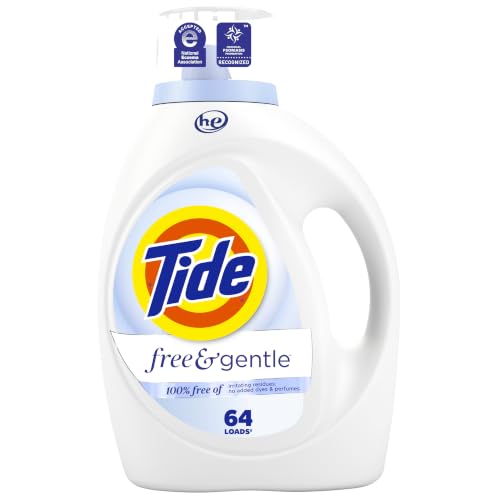
DEEP CLEAN: Designed to provide a deep clean that is gentle on skin and removes more stains than the leading Free detergent

DEEP CLEAN FOR SENSITIVE SKIN: Removes more stains than the leading Free detergent while remaining gentle on skin
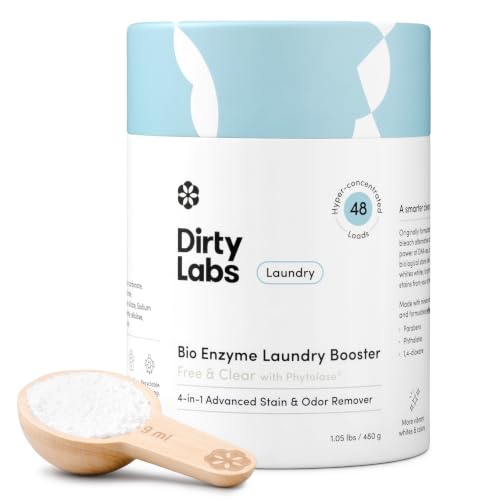
GENTLE: Our formula is consciously formulated with 100% bio and mineral-based ingredients. We left out all the harsh chemicals, fillers, toxins, and pollutants commonly found in other boosters to create a hyperefficient, nontoxic, biodegradable formula. We only use the good stuff so your body and the environment are left as clean as your detergent.
Dry on Low Heat or Air-Dry to Prevent Shrinkage
Why risk undoing your careful wash with high heat? You’ve taken the time to wash linen sheets properly, so finish the job right.
Toss them in the dryer on low heat only—high temperatures damage linen fibers and cause shrinkage you can’t reverse. Keep the cycle short, then pull them out promptly; over-drying creates more wrinkles and stress on the fabric.
Better yet, air-dry your linen sheets when you can. Hang them outdoors in shade or indoors on a clothesline or airer. This method supports proper bedding care and extends their lifespan. Want a hybrid approach? Run them through the washing machine’s partner dryer for eight to fifteen minutes, then finish on the line. Add wool dryer balls during low-heat drying to cut static. Remove sheets while slightly damp—you’ll tame wrinkles naturally.
Recommended Products

all free clear is the #1 Brand Recommended by Dermatologists, allergists and Pediatricians for Sensitive Skin.

POWERFUL CLEAN. SAFE INGREDIENTS: Replace bulky liquid laundry detergent with compact laundry detergent sheets, tackling tough stains and odors on clothes, towels, and delicates. Designed to leave no harsh chemical residue compared to liquid detergents with optical brighteners, they deliver up to 60 loads of effective, fresh cleaning in hot or cold wash cycles.

all free clear is the #1 laundry detergent brand recommended by dermatologists, allergists and pediatricians for sensitive skin.100% free of perfumes and dyes, all free clear liquid laundry detergent provides an effective clean that's gentle on skin
Soften New Linen and Minimize Shedding
Because stiff new linen feels nothing like the buttery softness you’re after, you’ll want to start with the right wash routine. Machine washing your linen sheets on a gentle cycle with enzyme-free detergent preserves fibers while helping them soften naturally. Use lukewarm water—never hot—to prevent shrinkage and maintain stain-free care. Don’t overfill the washer; maximum water level lets fibers move freely.
To minimize shedding, run an extra cold rinse or toss in Wool Dryer Balls during drying. These balls fluff and relax fibers while reducing lint. You can air dry or tumble on low heat, but remove promptly to cut wrinkles. With each wash, your linen sheets grow softer without sacrificing durability.
Recommended Products
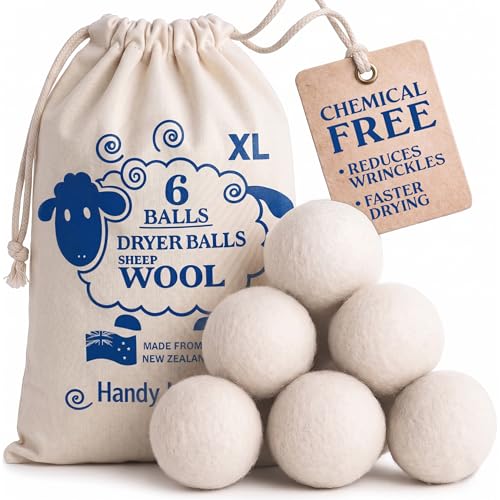
SUPERIOR QUALITY WOOL: 100% New Zealand premium wool with no synthetic fillers, rolled into tight, extra-large balls and felted for a natural, long lasting product


SUPERIOR QUALITY WOOL – 100% New Zealand premium wool with no synthetic fillers, rolled into tight, extra-large balls and felted for a natural, long lasting product.
Store in Breathable Bags and Rotate Fitted Sheets
Storing linen properly isn’t complicated, but it does require a breathable home. You’ll want to store your linen sheets in breathable bags made from cotton or linen itself. Avoid plastic containers entirely—they trap moisture and block airflow, inviting mildew. Breathable bags promote airflow and ensure mildew prevention by letting your sheets breathe.
Before you store them, dry completely. Even slight dampness causes odor and mildew.
Choose a cool, dry spot with good ventilation, far from bathrooms or laundry rooms.
Don’t forget to rotate fitted sheets. Turn them inside out before washing to reduce elastic wear on edges and seams. Keep a spare set in storage rotation so you’re never without fresh bedding. This simple habit preserves your linen’s longevity and keeps your sleep environment consistently comfortable.
Recommended Products

DEEP CLEAN FOR SENSITIVE SKIN: Tide PODS Free & Gentle laundry detergent pacs provide a deep clean that is gentle on skin and clean better than the leading Free detergent pacs

Fabric: Soft & cool fabric made from 100% premium nylon blend fabric. The cooling technology helps moisture evaporate quickly to keep you cool and your clothing dry. The UPF 40+ fabric blocks UVA and UVB rays and helps prevent skin sunburn from long hours in the sun

POWERFUL CLEAN. SAFE INGREDIENTS: Replace bulky liquid laundry detergent with compact laundry detergent sheets, tackling tough stains and odors on clothes, towels, and delicates. Designed to leave no harsh chemical residue compared to liquid detergents with optical brighteners, they deliver up to 60 loads of effective, fresh cleaning in hot or cold wash cycles.
Conclusion
You’ve learned how to keep your linen sheets fresh and lasting for years. Treat stains quickly, wash gently with mild detergent, and always dry on low heat or air-dry. Don’t forget to soften new linens and store them properly in breathable bags. With these simple habits, you’ll enjoy crisp, comfortable sleep night after night.
Recommended Products

【Package Conetent】The laundry soap sheets detergent tablets box contains 300 small loads=150 large loads=150sheets. They are precut and pre-measured to avoid overused. Measuring cups are no longer needed. (Tip: If your clothes are very dirty, please soak the clothes with sheets for 15-30 minutes before washing them. )

Remove Blood Stain Effectively: Our blood stain remover for clothes works quickly to break down and dissolve blood stains effectively. Say goodbye to frustrating unwashable blood stains with this blood stain remover.

Effective Cleaner: Lifts away stains, odors, and wrinkles leaving clothes clean, refreshed, and ready to wear. It takes about 20 minutes to complete in your dryer and costs a fraction of professional dry cleaners.