
You’d think vacuuming a wool rug is straightforward, but you’d be wrong. The wrong attachment tears fibers; the wrong direction frays the pile. Your technique determines whether you preserve the rug’s structure or accelerate its deterioration. The specifics matter more than you’d expect, and getting them right starts with understanding your rug’s construction.
Vacuum Woven Wool Rugs With the Upholstery Attachment
Why risk crushing delicate wool fibers with aggressive bristles? You’re protecting woven wool when you select a canister vacuum—models like Miele excel here—and avoid beater bar mechanisms entirely. Upright vacuums impose excessive stress; you’re prioritizing fiber protection instead.
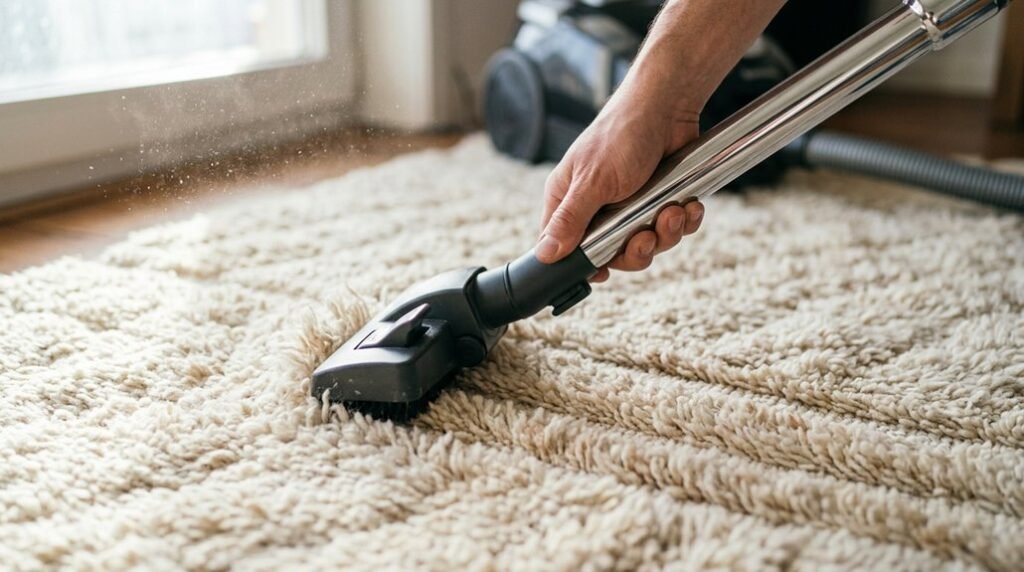
You’ll determine pile direction by running your hand across the surface—smooth indicates with-grain, rough against. Vacuum following this pile direction, never against it, to minimize fuzzing and structural stress. Attach the upholstery tool or dusting tool to your hose; you’re employing these as your primary interface with the wool rug, not the power brush.
Move side-to-side across the rug width with slow, overlapping passes. You’re maintaining consistent contact without abrasion. Test your technique on an inconspicuous section first. You’re also ensuring rug back protection by never deep-vacuuming from the reverse side, which compromises structural integrity.
Recommended Products

ADDED DEEP CLEANING VERSATILITY: Simply attach the Rug Doctor Universal Upholstery Tool Attachment to Rug Doctor Mighty Pro, X3 Commercial, or wide track carpet cleaner to clean rugs, stairs, upholstery and more.

For the best results, pair your BISSELL machine with BISSELL genuine replacement parts. Damage to or malfunction of your machine caused by non-BISSELL parts may not be covered under your warranty.
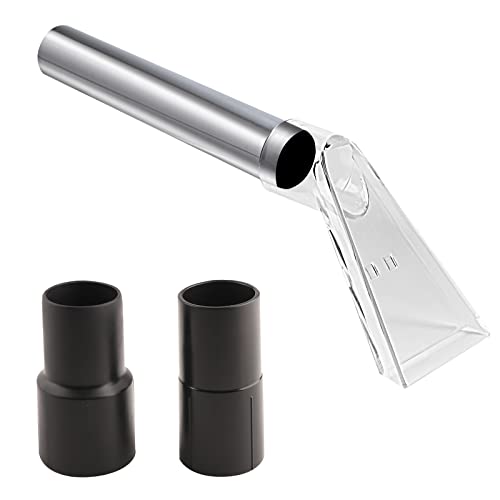
EXTRACTOR ATTACHMENT: This tool turns any wet/dry vacuum cleaner and shop vac into a powerful extractor. Has the ability to remove dirt and dirty water. Easy to install and reusable.
Adjust Technique for Tufted and Shag Wool Rugs
How should you approach tufted wool rugs differently? You must modify your vacuum technique to prevent damage. For tufted rugs, you disable the beater bar and operate on suction only. This brushless vacuum approach minimizes shedding and preserves wool fibers.
You’ll prioritize backing protection by avoiding deep extraction from the reverse side; tufted rugs contain latex backing that’s vulnerable to separation. Your rug care guidance emphasizes front-face care—address soil at the surface level without driving debris into loose pile construction.
Because tufted rugs shed more prolifically than woven counterparts, you’ll increase gentle cleaning frequency. If your machine won’t deactivate the brush, you’ll switch to a handheld attachment for reduced agitation. This measured protocol extends tufted rug longevity while maintaining fiber integrity.
Recommended Products

UPHOLSTERY CLEANING TOOL: Selgo vacuum cleaner brush to clean ! Dust furniture, blinds, books, lamps, shelves, baseboards, curtains, fragile, furniture,
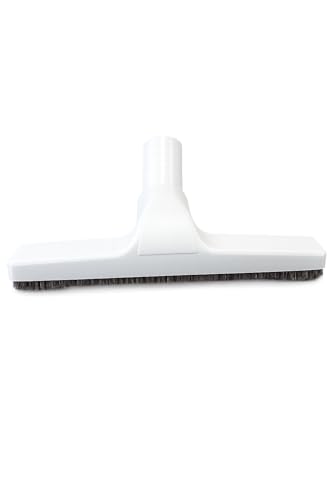
10-INCH WIDE CLEANING PATH With 45° Angle Swivel Elbow – Covers more surface area with every pass, making it ideal for fast, efficient cleaning of large rooms, floors, and rugs.

Rich Package: The chaseroad 3PCS Horse Hair Brush shop vac accessories set, which includes 2 durable and scratch-resistant brushes, 1 vacuum adapter (1 1/4″ to 1 3/8″). Our round brush attachment works on a variety of surfaces, making it easy to keep your home clean and as convenient as possible.
Always Follow the Pile Direction When Vacuuming
Beyond adjusting your equipment for tufted and shag constructions, you’ve got to read the rug’s surface geometry before you begin. Determine the pile direction by feeling which way the knotted fibers point. You’ll vacuum with the brush moving along that direction to avoid damaging soft wool.
For woven tufted constructions, you’re using slow overlapping passes with a canister vacuum. Configure the machine to minimize deep suction against the fibers. Keep the beater bar off to prevent fraying and fuzzing during fibers protection procedures.
You’ll deploy the dusting brush attachment rather than aggressive power heads. Execute one-direction vacuuming from top to bottom following the pile direction. Avoid back-and-forth scrubbing against the grain. Vacuum in one direction with each pass, then reverse direction on the next pass for comprehensive debris removal without stressing the wool rug pile structure.
Recommended Products

WASHABLE RUG: This is a fully machine washable area rug for extra convenience. machine wash this living room rug in cold water alone for a deeper clean. regular vacuuming and spot cleaning will keep the rug looking fresh while the colors stay vibrant and won't fade, perfect for busy households with kids and pets

Vintage Area Rug: This exquisite area rug features a central floral medallion and ornate border, bringing a touch of classic elegance to your home. With its contrasting blue, gray, brown and cream colour scheme, the area rugs 5x7 add a touch of warmth and luxury to any space, whether your living room, bedroom, dining area, kitchen or home office

【Pet & Kid Friendly】Equipped with a TPR non-slip backing, the neutral area rug stays firmly anchored to clean, dry floors—no sliding or bunching, even during playful runs or dashes from pets. The sleek, low-pile surface of this small area rug is scratch-resistant, non-shedding, and fray-proof, standing up to claws, spills, and high foot traffic with ease.
Set Suction to Moderate and Disable the Beater Bar
Where precisely should you calibrate your equipment before contacting the wool? Configure your vacuum’s settings for fiber protection prior to any surface contact. Set suction to moderate—sufficient for soil extraction yet gentle on delicate fibers. Disable the beater bar entirely; its aggressive rotation damages wool fiber structure and accelerates shedding. Engage rug mode if your machine offers this function, as it reduces mechanical agitation. Execute slow passes, advancing steadily in linear paths without rapid back-and-forth motion. This technique lets moderate suction penetrate pile depth while preventing fiber snagging. You’ll achieve embedded soil removal without compromising integrity. Remember: harsh settings and enabled beaters compromise delicate fibers permanently. Precision in these adjustments determines whether you maintain your wool rug’s condition or accelerate its deterioration through improper mechanical interaction.
Recommended Products

BOLD CHECKERBOARD STATEMENT: Blush pink and warm cream squares alternate in a crisp grid. The retro-modern pattern instantly anchors any room. Place it center-stage to transform a flat space into a styled one.
BOLD CHECKERBOARD STATEMENT: Blush pink and warm cream squares alternate in a crisp grid. The retro-modern pattern instantly anchors any room. Place it center-stage to transform a flat space into a styled one.
Vacuum High-Traffic Wool Rugs Twice Weekly
Why let embedded grit accelerate fiber degradation when prevention demands minimal effort? You’ll vacuum wool rug surfaces in high-traffic zones twice weekly vacuuming to prevent soil buildup and mitigate fiber wear.
High-traffic wool rugs accumulate abrasive particles rapidly; you’re combating this with a canister vacuum featuring powerful suction and no rotating brush, or an upright unit with the beater bar disabled. You select the brush-off setting or dedicated carpet mode, then execute slow, methodical movements with overlap passes following the pile direction. You’re protecting wool fibers from mechanical stress and distortion. Aggressive scrubbing compromises structural integrity; your controlled technique preserves longevity. Inspect post-vacuuming for anomalies, maintaining optimal interval discipline.
Recommended Products

✅ For Shark Upholstery Attachment – Designed for Pet Hair & Fabric Cleaning: Specially designed shark upholstery attachment lifts pet hair, dust, crumbs, and debris from sofas, couches, mattresses, curtains, and fabric surfaces without damaging upholstery.

DUAL-ACTION MOTORIZED BRUSH: The Rug Doctor Pro Motorized Upholstery Tool Attachment does the scrubbing for you. Simply spray, scrub and extract.

Durable Plastic Handle: The handle is made of plastic for a comfortable grip.
Watch for Fiber Breakage and Increased Shedding
How aggressively are you monitoring your wool rug’s response to each vacuuming session? Aggressive techniques cause fiber breakage and accelerate shedding. You’ll want to keep the beater bar off or set to zero during every pass.
When vacuuming wool rug surfaces, you’re managing a balance: regular vacuuming controls loose fibers, yet excessive force worsens shedding. You’ll notice new or vigorously cleaned rugs shed heavily—stop and reassess your technique if this occurs.
In tufted wool rug construction, back damage threatens your investment. Latex backing deteriorates under strong suction or rear-surface deep cleaning. Inspect for fragility when you spot unusually heavy shedding; you’re likely encountering looseness requiring professional intervention rather than continued aggressive in-home treatment.
Prioritize gentle vacuuming in your rug care protocol. You’re preserving structural integrity while maintaining cleanliness through measured, consistent passes.
Recommended Products
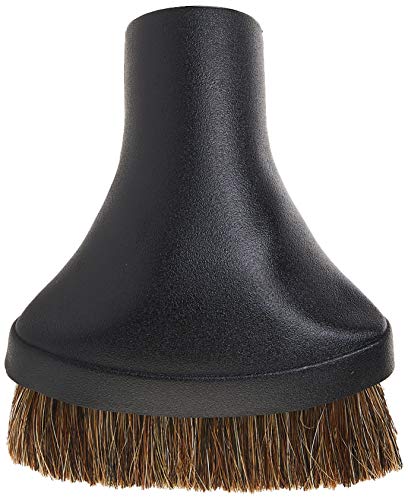
This vacuum accessory will fit all major canister vacuums, upright vacuums and central vacuum brands with 1.25 Inch connections

HORSEHAIR BRISTLE DUSTING BRUSH FOR DELICATE SURFACES: Crafted with genuine horsehair bristles, this dust cleaning brush glides gently across wood furniture, fragile decor, bookshelves, and electronics. Horsehair bristle lifts and captures fine dust rather than pushing it around, leaving every surface clean and polished without scratches or marks.
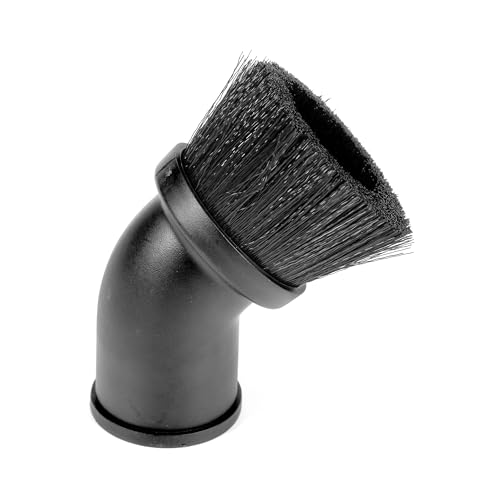
This shop vacuum brush attachment dusts the area as it cleans by lifting dust and debris into the airstream
Conclusion
You’ll preserve your wool rug’s integrity by employing suction-only extraction, pile-aligned passes, and appropriate attachments. Adjust frequency and technique based on construction type and traffic patterns. Monitor fiber retention closely; excessive shedding or breakage signals improper methodology. These protocols ensure optimal particulate removal without compromising structural durability.
Recommended Products

Soft & Stain-resistant Surface: Sink your toes into ultimate comfort! Crafted from soft and stain-resistant materials, it provides a cloud-like, cushioned feel underfoot, perfect for lounging, playing, or simply relaxing. It's not just a rug; it's a soft, inviting oasis for your home

【Machine Washable and Easy Care】 Vacuum or wipe regularly, or machine wash in cold water on the gentle cycle. Use a washer suitable for the rug’s size and avoid bleach. Lay flat or line dry.

Exclusive Design: This vintage hallway runner rug, crafted by our in-house designers, is a one-of-a-kind piece that brings timeless elegance to your home. Machine-woven with digital printing, it showcases a delicate floral pattern and a harmonious blend of Classic Red and Cream, adding sophistication and charm to your living room, bedroom, dining room, hallways, home office, entryway and kitchen