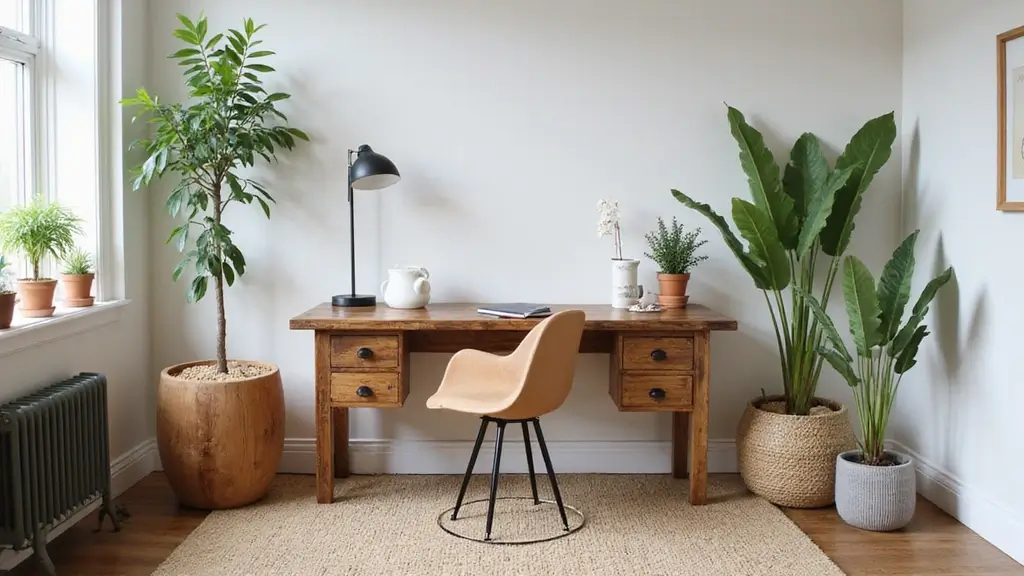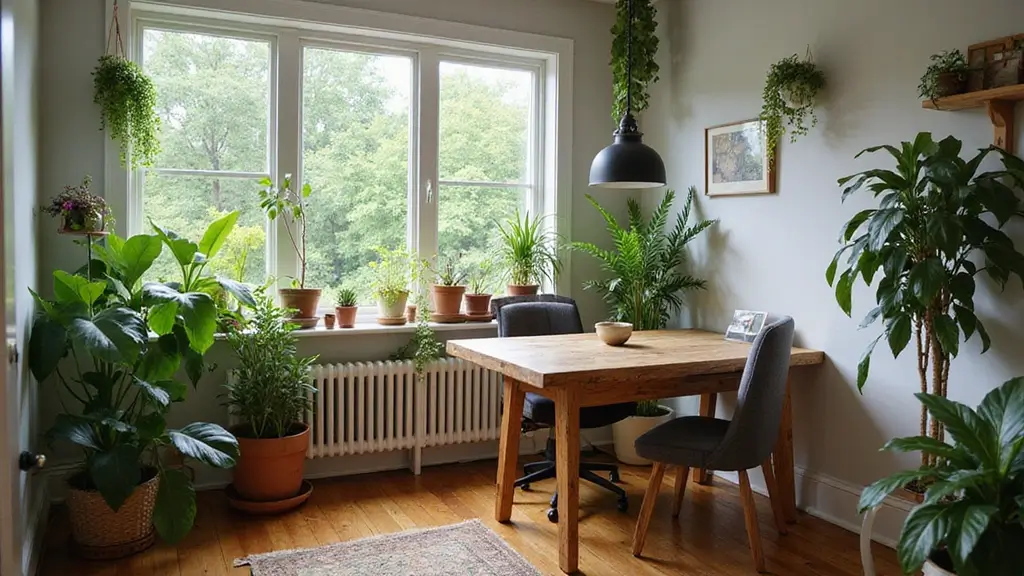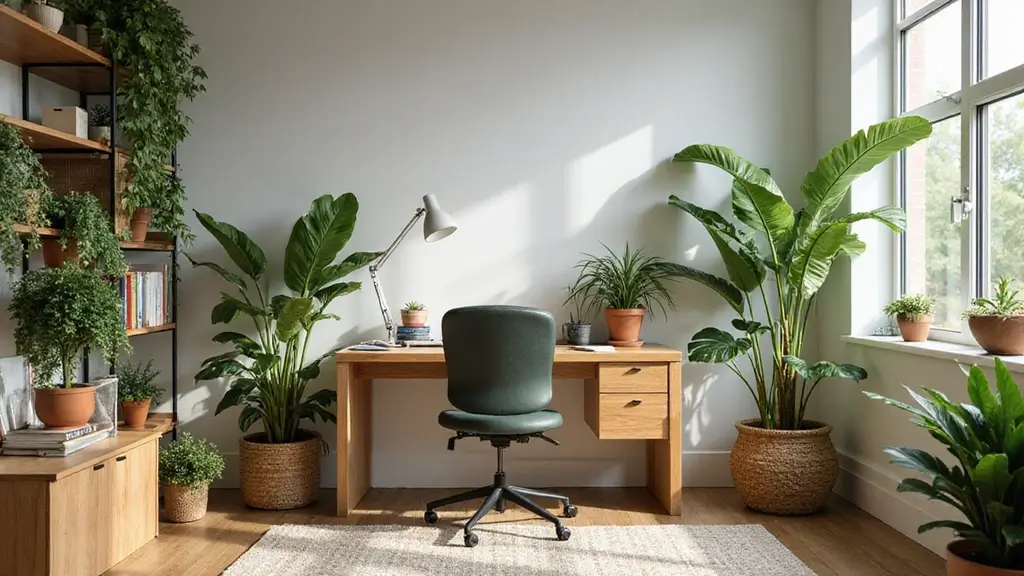

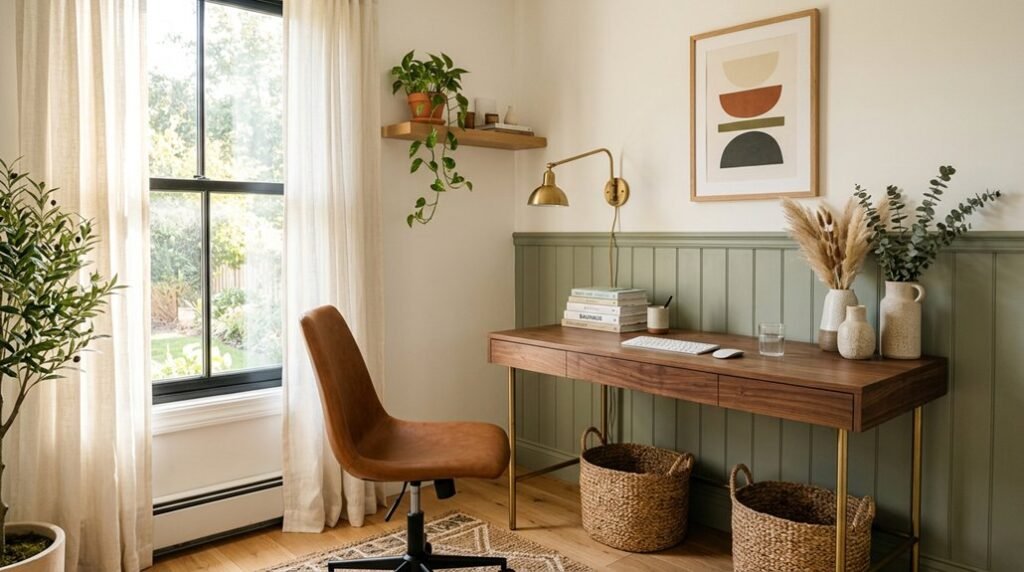
You need a home office that actually works, not just looks good on social media. The challenge isn’t finding space—it’s making every square foot pull double duty without feeling cramped. Get the layout wrong, and you’ll fight your workspace daily. But there’s a method to building something that lasts.
Key Takeaways
- Carve out compact workspaces in overlooked areas like alcoves, landings, or corners rather than requiring dedicated rooms.
- Select multi-functional furniture with built-in storage, wall-mounted drop-leafs, and floating shelves to maximize limited floor space.
- Position your desk facing a window for natural light and supplement with eye-level artificial lighting to avoid unflattering shadows on video calls.
- Choose timeless, versatile colors like navy, sage, or warm gray paired with durable solid wood and metal storage pieces.
- Declare the space finished when it supports your daily tasks comfortably, then refine details later rather than chasing perfection.
Recommended Products

【Wall-Mounted & Space-Efficient Design】 The storage cabinet can be mounted at any height you want with bolts. Fully utilizing the vertical area, this hanging storage cabinet is a fine implement optimizing your interior renovation and space arrangement with efficiency.

【Wall-Mounted & Space-Efficient Design】 The storage cabinet can be mounted at any height you want with bolts. Fully utilizing the vertical area, this hanging storage cabinet is a fine implement optimizing your interior renovation and space arrangement with efficiency.

Large floating top work surface, paired with two sleek silver track metal legs
Find Your Home Office Spot (Even If It’s Tiny)
Where exactly can you squeeze in a workspace when square footage runs scarce? You scan your home with fresh eyes. That awkward nook beneath the stairs? It’ll work. The landing at the top of your stairs? Perfect. You push aside the notion that offices demand entire rooms.
You measure your available spaces—wall widths, corner angles, alcove depths. You discover vertical real estate matters more than floor space. You mount floating shelves above a narrow console table. You reclaim the forgotten corner behind your bedroom door. You slide a slim desk against a window wall, letting natural light do the heavy lifting.
You prioritize proximity to outlets and WiFi strength over square footage. You test each potential spot by sitting there, laptop open, for ten minutes. You’ll know when you’ve found it.
Recommended Products

【Wall Mounted Shelf】 Add Extra Space to Any Room. Whether it's in your office, bedroom, or living room as a compact workstation, in your kitchen as an extra countertop for cooking and dining, in your laundry room, on your balcony, or even in your camper or RV, this shelf is designed to adapt to your needs.

【Wall Mounted Shelf】 Add Extra Space to Any Room. Whether it's in your office, bedroom, or living room as a compact workstation, in your kitchen as an extra countertop for cooking and dining, in your laundry room, on your balcony, or even in your camper or RV, this shelf is designed to adapt to your needs.

Elegant Floating Desk for Modern Spaces: This 30x20 inch floating desk is crafted from solid wood with a warm walnut finish. Its drop-leaf wall mounted desk design is perfect for creating a clutter-free workspace in any room
Pick Home Office Furniture That Earns Its Keep
Your furniture works harder than you do, so choose pieces that pull double—or triple—duty. Grab a desk with built-in storage or a wall-mounted drop-leaf that folds away when you’re off the clock. You’ll save precious square footage and keep clutter invisible.
Pick an ergonomic chair that adjusts to your body—your back will thank you during marathon Zoom sessions. Add a storage ottoman that stashes files and serves as extra seating for clients. Mount floating shelves above your workspace; they’ll lift supplies off your desk without eating floor space.
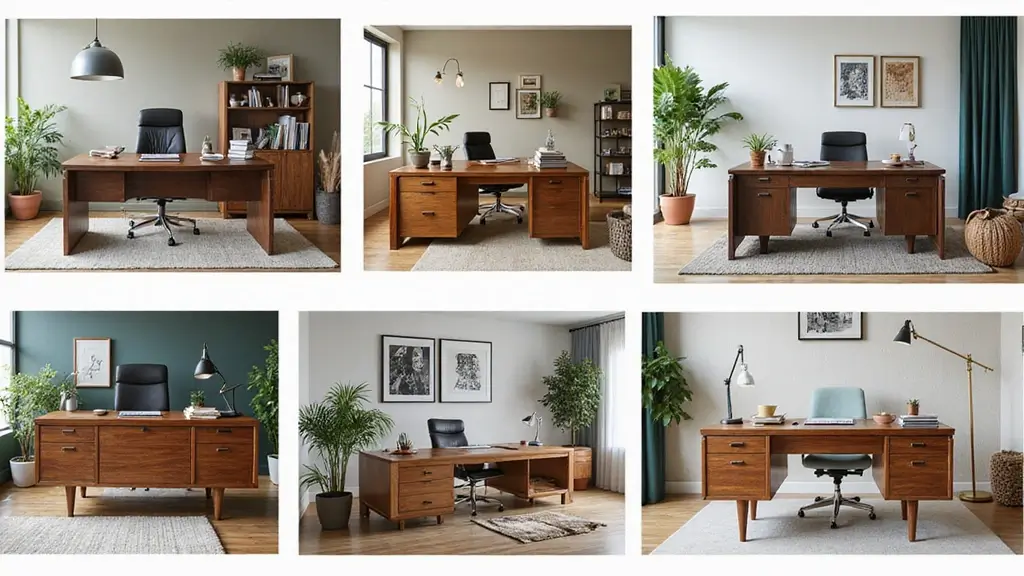
Measure your nook before you buy. A too-big desk kills flow, while undersized pieces waste potential. Prioritize quality where it counts: invest in the chair and desk you’ll touch daily. Skip the matching set if mix-and-match pieces fit your workflow better.
Recommended Products

Fully Adjustable Office Chair: Customized chairs, featuring with an adjustable 2D headrest, backrest with 90° to 120° recline, and 3D adjustable armrests for multiple work postures at will and discover unparalleled comfort throughout the workday.
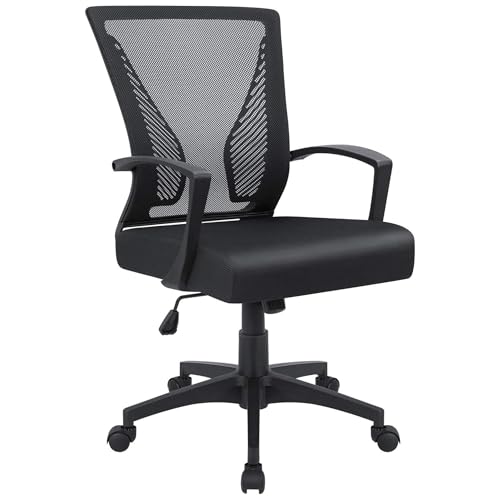
Ergonomic Design: The overall design of this office chair is ergonomic, two lumbar supports on the backside of the chair back are not only for beautiful looking, when you lean in the chair, it feels comfortable like two hands are supporting your waist, with a slightly concave design on the cushion, this chair can effectively relieve the back pain that caused by long hours of sitting, this will be a very wonderful experience for your use

BREATHABLE MESH BACK: 100% ventilated mesh back promotes airflow to keep you cool and comfortable during long hours of sitting, ideal for home offices and workspaces, and daily use.
Light Your Office So You Look Professional on Camera
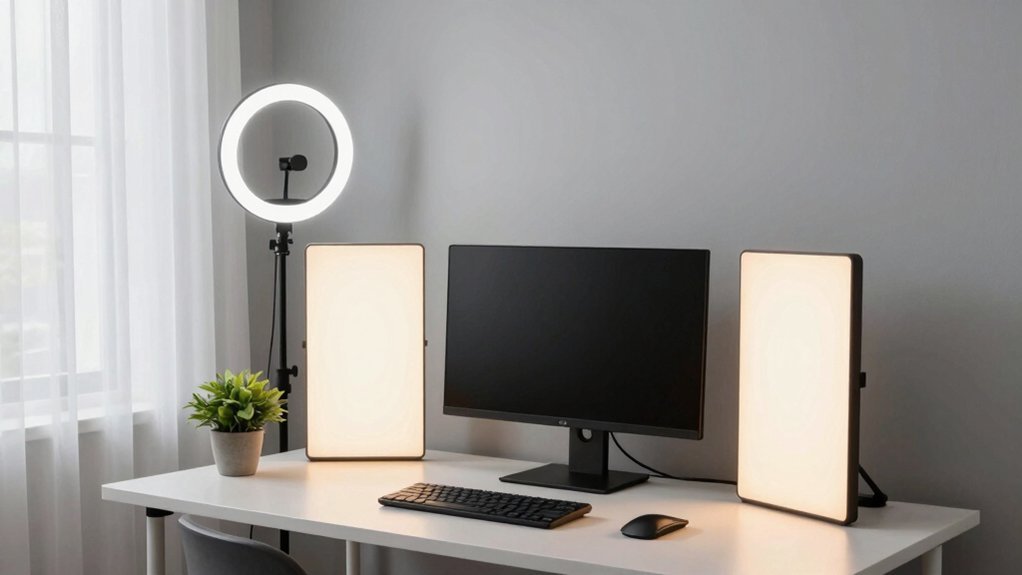
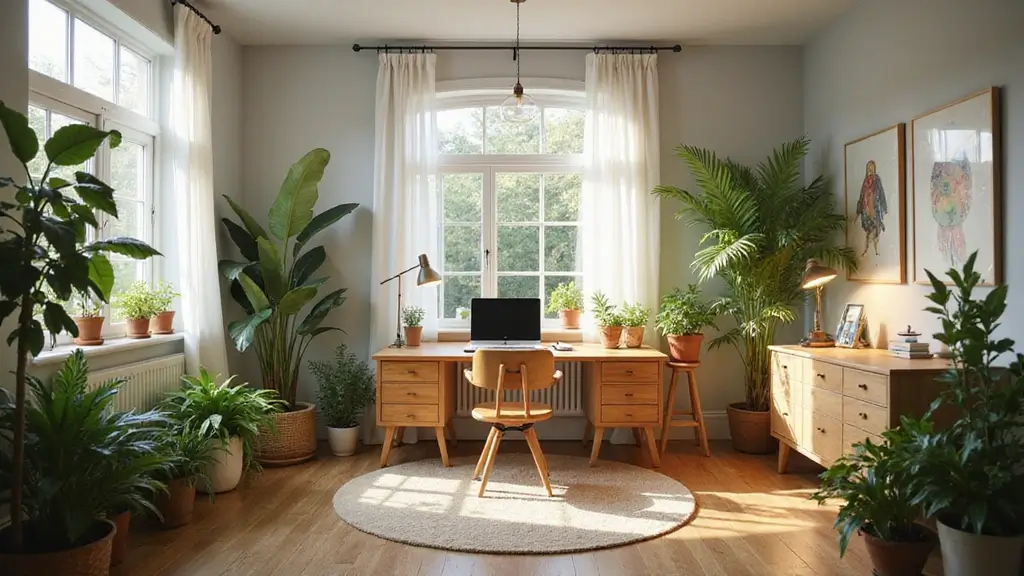
Why let bad lighting sabotage your credibility before you’ve even spoken? Position yourself facing a window, never with your back to one. Natural light flatters your features and keeps shadows from masking your expressions. When sunlight fades, supplement it. Place a ring light or LED panel directly behind your camera at eye level. This eliminates harsh shadows under your chin and eyes. Avoid overhead fixtures alone—they cast unflattering shadows upward.
Add a small desk lamp bouncing off a white wall to soften contrast. Test your setup before important calls. Adjust brightness until you look alert, not washed out. Check that your background isn’t brighter than your face. Remember: you’ve invested in remote work. Don’t let poor lighting undermine your professionalism.
Recommended Products

Safety Multifunctional Power Strip: The computer desk includes a built-in power strip with 3 power outlets & 2 USB charging ports for your computer, monitor, gaming gear, pad, phone and other electronic devices. The desk is USPTO Patent Approved(Patent Number: 29931626)

Powerful Motor - This walking pad adopts an advanced motor which can reach speed of 0.6-3.8 mph and can withstand 220 pounds of weight. You can enjoy a quiet and comfortable workout experience with our under desk treadmill for home and office.
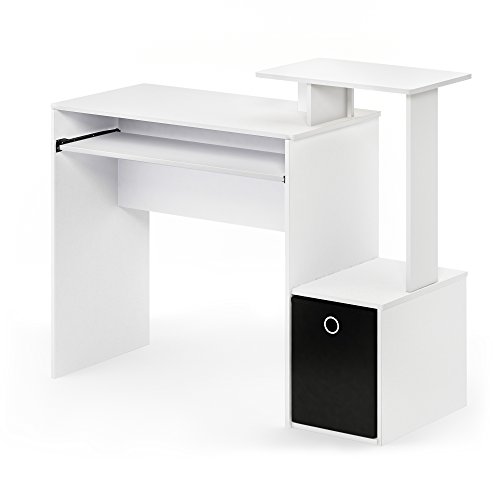
Compact stylish design Compact size computer desk with side shelves suitable for small rooms
Choose Colors and Storage That Outlast Trends
Good lighting sets the stage, but lasting design choices keep your workspace functional and sharp for years. You’ll want to pick colors and storage that won’t feel dated in six months.
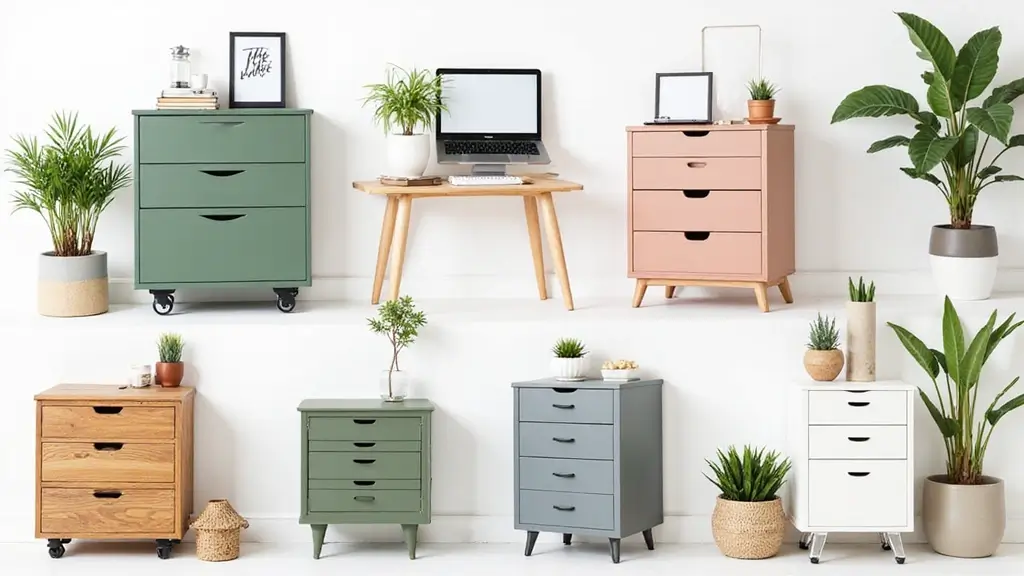
Skip the trendy neon or millennial pink. Instead, choose navy, sage, warm gray, or crisp white. These shades adapt as your style evolves and they photograph well without stealing focus.
For storage, you need solutions that grow with you. Invest in solid wood shelves, metal filing cabinets, or modular systems you can reconfigure. Avoid flimsy trendy pieces that sag or clash when you refresh your space.
You’re building a foundation here. Make choices that serve you through job changes, promotions, and evolving technology. Timeless beats viral every time.
Recommended Products

[Multiple Lighting Choices] - This LED desktop lamp offers 5 lighting modes, each of which can be paired with one of 5 brightness levels, making it suitable for various needs, from bright white light for home office work to soft warm light for bedside reading.

RG0 Certified Eye-Caring Desk Lamps: LEPOWER LED desk light is designed with RG0 lamp beads and professional optical lenses, which 100% prevent hazardous blue light. Our desk lighting has reached the RG0 level in IEC 62778, effectively protecting your eyes from fatigue and preventing vision loss

5 Rotatable Joints: Crafted to enhance your productivity, this rotatable led desk lamp features 5 rotatable joints, granting you complete control over the direction and height of your lighting. You can rotate the bilateral light bars vertically to change the illumination angle. Turn them up to expand the lighting coverage to illuminates your entire desk or turn them down to create a super bright lighting area for sewing crafting. The office light extends up to an impressive 28 inches in height.
Know When Your Home Office Is Actually Finished
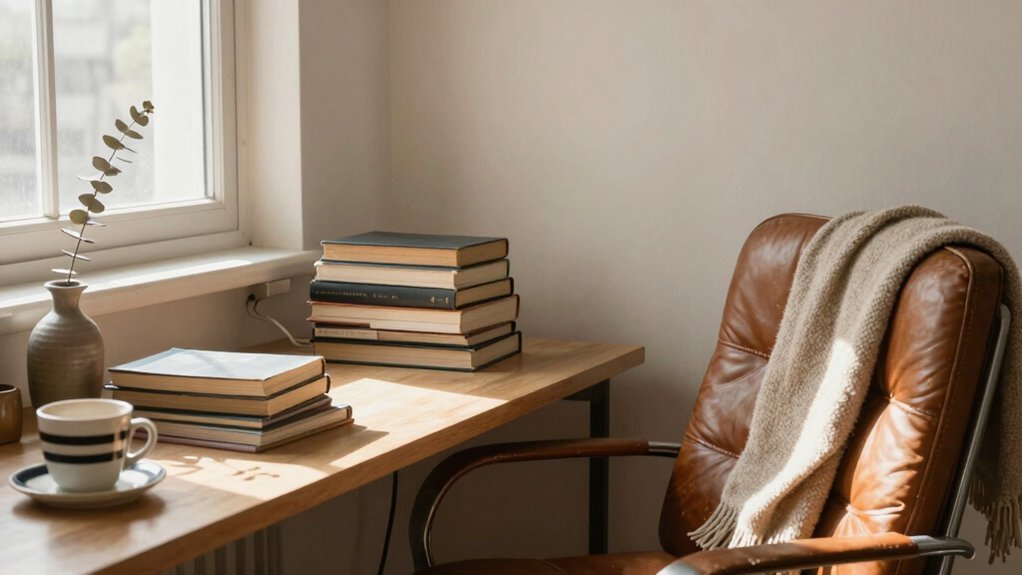
How do you know when to stop tweaking and start working? You’ll feel it when your space supports your tasks without demanding constant attention. Your desk holds what you need within reach. Your chair doesn’t nag at you. The light falls where it should.
You haven’t finished when everything looks magazine-perfect; you’ve finished when you stop noticing the room and start noticing your work. You catch yourself deep in flow, not rearranging pens.
Set a deadline. Make your choices. Then step back. You’ll refine over time—that’s living, not failing. But the decorating phase ends when functionality wins. Trust your productivity. If you’re working well, you’re done. The office serves you now, not the reverse.
Recommended Products

MAXIMIZE YOUR WORKSPACE: Our computer desk with storage offers a combination of function and design. Our home office desks with drawers keep your home office organized and clutter-free with its two storage drawers and cabinet

TRAY THAT ALL CAN FIT IN : Compartment designed made of 100% beech wood tray provide excellent experience for your EDC placing.
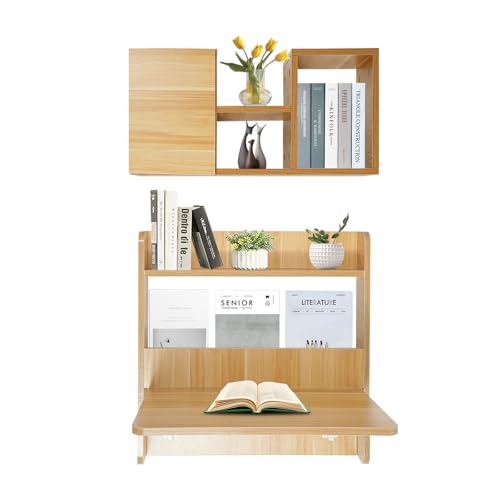
Build to Last: This floating desk for wall is mainly made of solid wood with a paintless surface, which is odorless, impact-resistant, wear-resistant, and has a long service life
Conclusion
You’ve transformed even the tiniest corner into a workspace that works as hard as you do. With smart furniture, layered lighting, and timeless choices, your office won’t need a refresh next year. Test your camera setup, adjust until you’re happy, then stop tweaking. A finished home office isn’t perfect—it’s simply ready for you to start creating. Now get to work.
Recommended Products

[Special Double Folding Design:]Compared with other folding desks with just 1 fold point, this drop-leaf table with 2 ways of easy folding will bring you much more convenience. The floating desk can be completely folded on the wall when not in use and you can also fold half of the countertop when you do not have many items to put on it.
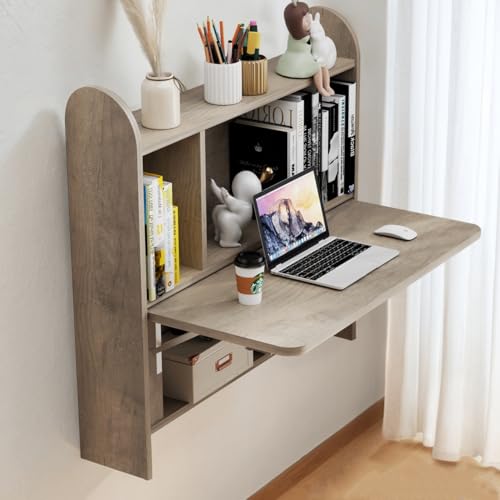
❥【Premium Material for Durability】The wall mounted drop-leaf Table was mainly made of premium plywood, which is environmental-friendly, durable material with max weight capacity up to 40kg. The odorless paint contains no harsh chemicals.

Space-Saving, Easy Folding: Our wall mounted folding table revolutionizes space utilization with its quick folding mechanism. Instantly transform your wall into a productive workspace or study zone, effortlessly adapting to any spatial constraint