
You must first identify your rug’s fiber content and construction before attempting any cleaning. Test for colorfastness in an inconspicuous corner—you’ll avoid costly mistakes if dyes bleed or fibers distort. Gather pH-neutral cleaners, soft brushes, and extraction tools suited to your specific material. The method you’ll choose depends entirely on whether you’re spot-treating a fresh spill or executing a full immersion clean, and one wrong move can permanently damage what sits beneath your feet.
Identify Your Area Rug Type and Test for Colorfastness
You’ll conduct a stain test for colorfastness by rubbing a damp cloth over an inconspicuous section. If you observe dye transfer onto the cloth, you’ll avoid water-based cleaning entirely on that area. You’ll note that weave type and pile construction inform your approach—high-pile rugs demand suction-only methods before wet treatment. Silk and delicate wool blends necessitate professional cleaning due to irreversible fiber damage risks.
Recommended Products

Maintains polish without stripping protective coating
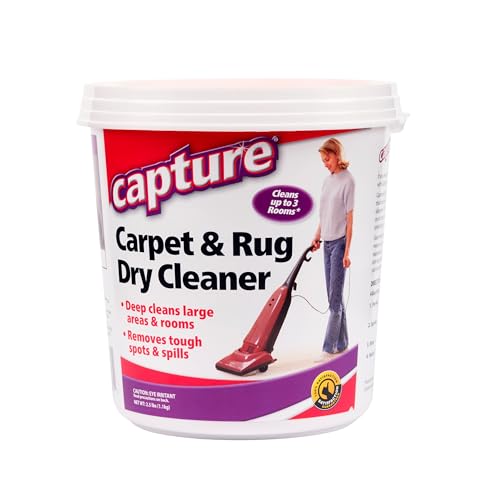
ABSORBENT DEEP DRY CLEANING: Wet cleaners cause wicking by leaving moisture in carpets, rugs, upholstery, furniture, sofa, and couch. With Capture Powder Cleaner, the spots do not reappear, it acts like heavy-duty sponges to absorb dirt and spills.

Neutral pH Formula: Specially formulated shampoo designed specifically for cleaning delicate wool rugs, carpets, and specialty textiles without damaging sensitive dyes or fibers, ensuring safe and effective cleaning for your valuable oriental rugs
Gather Supplies and Prep for Cleaning
Once you’ve confirmed your rug’s compatibility with water-based methods, assemble your cleaning arsenal. You must consult the rug care instructions first, as not all rugs tolerate home washing. Gather your cleaning supplies: a vacuum to extract embedded debris before introducing moisture, white towels to eliminate color transfer during blotting, and a soft-bristled brush or old toothbrush to agitate fibers. Mix mild dish soap—dye-free—and dilute with water to create your cleaning solution. You must test small area for adverse reactions before full application. You’ll prevent over-wetting by applying the solution sparingly, particularly on wool. Position buckets, a garden hose, or a wet-dry vac nearby for controlled rinsing and extraction. This systematic preparation streamlines execution.
Recommended Products

2X formula is concentrated to provide same great cleaning to remove soil and stains

One 64 fl oz refill of OxiClean Large Carpet Cleaner is a carpet cleaner liquid that can be used in any carpet cleaning machine

Makes 25 gallons
Spot-Clean Fresh Stains Before They Set
Why let a spill become a permanent mark? You’ll minimize stain-setting damage by acting on fresh stains immediately. First, remove any solids with a spoon or dull edge to prevent spreading the stain. Then blot vigorously with a clean white cloth or paper towel, never rub; rubbing drives liquid deeper into fibers.
You’re ready for your gentle cleaning solution after this initial blotting. Mix warm water with a single drop of dish soap. Before application, you’ll test area colorfastness by dabbing an inconspicuous corner with your dampened cloth. Once confirmed safe, you’ll blot the stain with your solution, then rinse by blotting with plain warm water until no residue remains. As the rug dries, you’ll blot again to gradually lift remaining discoloration. Speed matters—stain-setting accelerates with time and heat exposure.
Recommended Products

【Widely Compatible】The small handheld tool is designed to work seamlessly with a diverse array of shampooer water vacuum cleaners, catering specifically to professional-grade deep carpet cleaning.
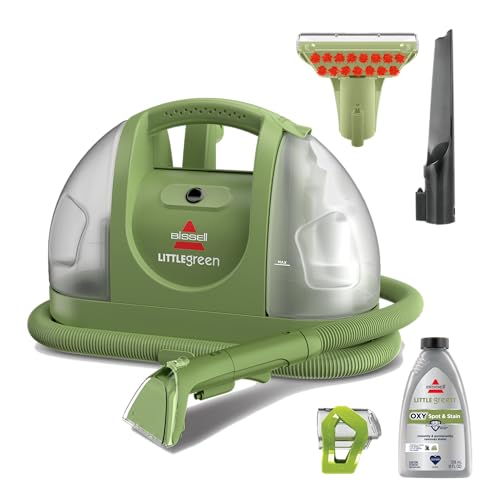
AMERICA'S #1 BRAND IN PORTABLE DEEP CLEANING: Trusted by over 7 million households.

EVERY PURCHASE SAVES PETS. Every purchase makes it possible for BISSELL to continue our support of BISSELL Pet Foundation and its mission of saving pets in need.
Decide When to Deep-Clean vs. Spot-Treat
Although spot-cleaning can resolve isolated spills in under an hour, deep-cleaning demands a full day of work and drying time—so you’ll need to evaluate whether the stain warrants that investment. Conduct a colorfastness test before any spot-treatment; if staining persists after fiber-appropriate cleaning, you’ll escalate to deep-cleaning rather than risk damaging rug fibers through repeated surface work.
You’ll assess stain severity against dye bleeding risks, particularly with wool rugs and delicate fiber types where moisture triggers color transfer. Key indicators demanding full intervention include graying, widespread soiling, or recurring minor stains despite spot-treatment. For large, high-pile, antique, or silk pieces, you’ll bypass home deep-cleaning entirely and contact a professional cleaner, as these conditions amplify fiber damage beyond acceptable thresholds.
Recommended Products

Unique1 Rug Renovator brush head & 1 removable telescoping handle

Long Handle Shoes Brush: The shoe brush with long handle comfortable for cleaning shoes boots and clothes

Ultra-Soft and Comfort Experience: This rug is made from premium microfiber and memory foam, offering a soft and comfortable touch that makes you feel like you're walking on clouds, whether you're standing, sitting, or lying down. Whether in the living room, bedroom, or children's play area, it creates a warm and comfortable atmosphere for your home. Like strolling on soft, fluffy clouds, it adds a touch of comfort to any space.
Deep-Clean Small and Medium Area Rugs
Because small and medium rugs lack the structural mass that complicates wet-cleaning larger pieces, you can deep-clean them at home without specialized equipment; you’ll need roughly two hours of active work plus a substantial drying window before returning the rug to service. Test colorfastness in an inconspicuous corner before proceeding. Apply a fiber-safe mild cleaner to stains, using blotting for stain removal rather than rubbing. Work section by section on delicate pile. Saturate the area rug with minimal solution, then rinse thoroughly with a hose or buckets. Extract excess moisture with towels, a squeegee, or wet-dry vac. For small rugs and medium rugs, drying flat prevents deformation; flip after several hours. Verify complete dryness before use.
Recommended Products
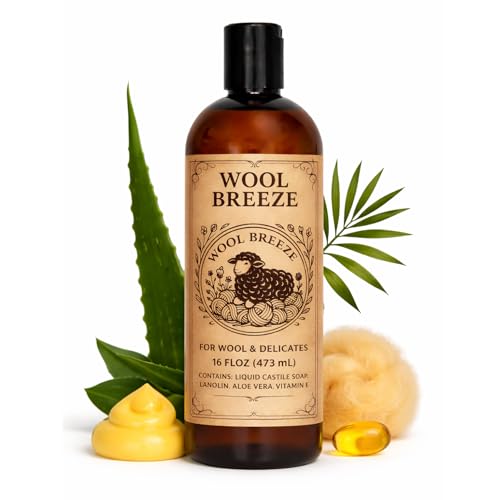
🧺 Gentle Care for Wool & Delicates – Designed for wool, cashmere, merino, alpaca, silk, sheepskin, lingerie, and baby clothes. The gentle formula helps protect delicate fibers while remaining mild on hands during hand washing.

Cleaning Power: Our No Rinse Neutral pH Floor Cleaner is formulated with a naturally derived surfactant system that effectively cleans all hard floors and other surfaces without the use of potentially harmful chemicals.
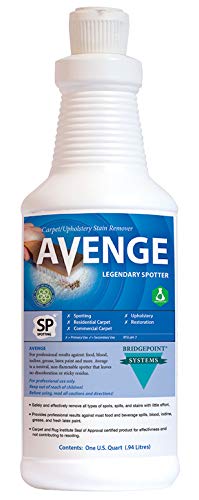
Dilution Ratios: RTU
Clean Large Area Rugs in Place
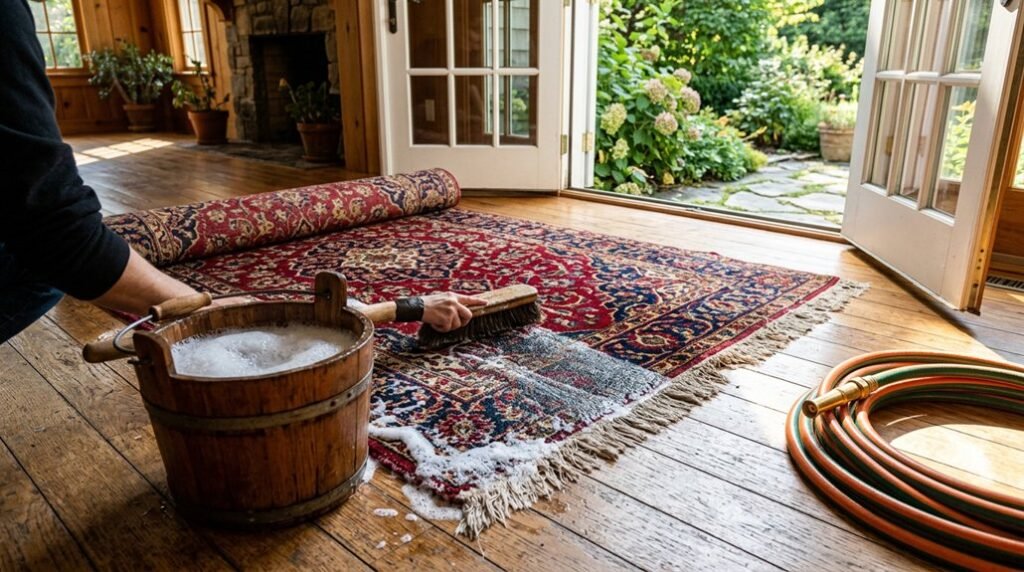
Large area rugs present a different challenge—you can’t simply move them outdoors for a full wet-cleaning like smaller pieces. Instead, you’ll work in sections or partially outdoor rinse while keeping most of the rug stationary.
First, take the rug outside to shake off loose debris, then vacuum both sides thoroughly.
Apply a mild cleaning solution to manageable sections, scrub gently, then use a garden hose to rinse.
Blot stains and excess water with clean towels or a squeegee.
Roll the rug in large cotton towels to press out moisture.
Dry flat on a clean surface to air-dry completely.
Turn rug periodically so you wash both sides through exposure to circulating air.
Run fans to accelerate drying, but avoid direct heat or sunlight that damages fibers.
Recommended Products

【Timeless Scalloped Edge Design】This washable and foldable rug features a beautiful contrast color with a distinctive scalloped edge, adding a touch of elegance and modern charm to any room.

Vintage Floral Rug: This beautifully designed 8x10 area rug features a central floral medallion, framed by intricate borders. With neutral shades of brown, gray, blue, and cream, it adds a touch of elegance and luxury to any space, whether in your living room, bedroom, dining area, or home office

PET CARPET CLEANING SOLUTION: Featuring a powerful enzymatic formula, Hoover Pet Carpet Cleaner Solution eliminates tough pet stains and odors so you can enjoy a beautifully clean home.
Rinse, Extract Water, and Dry Thoroughly
Once you’ve rinsed away the cleaning solution, how quickly you extract water determines how fast your rug dries and whether mold or mildew sets in.
For large rugs, you’ll rinse thoroughly using a garden hose with a spray nozzle or buckets of clean water. Blot to remove water immediately with clean, dry towels or a squeegee to minimize soaking. You’ll extract water efficiently using a wet-dry vac to absorb remaining moisture and accelerate drying time.
Blot excess moisture repeatedly until towels emerge barely damp. Lay the rug flat and air-dry completely in a ventilated space. You’ll turn rug over during drying after several hours to ensure both sides dry evenly. Position fans strategically to circulate air and deter dye bleeding. Avoid heat sources entirely—no direct sunlight, hair dryers, or heaters—as excessive temperature damages fibers and backing. Dry completely before returning furniture or walking on the surface.
Recommended Products

EASY-TO-USE DESIGN: The Dirt Devil Full-Size Carpet Cleaning Machine comes with all the features necessary for simple and effective carpet cleaning, making it easier than ever to give your carpets a fresh start.

✅【High‑Performance 1800W Motor & 32KPa Powerful Suction】 Equipped with upgraded 1800W high‑power motor and 32KPa strong suction, this steam cleaner delivers efficient water recovery and accelerated fiber drying. It pulls out embedded dirt, coffee spills and daily messes from carpets, sofas, car seats and fabric surfaces for thorough cleaning results.
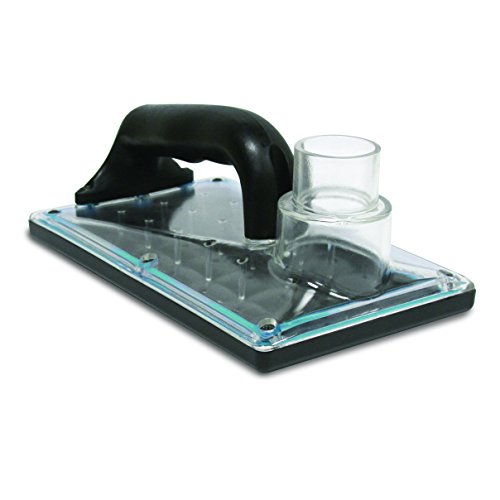
Short of removing carpet, sub surface extraction is the best method for flushing out the true cause of odors and reappearing spots.
Maintain Your Area Rug Between Cleanings
How often should you vacuum your area rug? Vacuuming once weekly prevents dirt buildup. Adjust settings for pile height; use suction-only or brushless attachments on shag or wool rugs. Rotate and flip flatwoven rugs every few months to distribute wear.
For stain removal, blot—never rub—spills immediately. Test colorfastness in hidden areas before applying any solution. Mix mild detergent with water and vinegar for spot-cleaning, or use approved cleaners. Avoid excess water; saturation damages fibers and backing. Dry properly by elevating the rug and ensuring air circulation prevents mold.
Install a rug pad underneath to reduce dirt penetration, prevent slipping, and protect backing between cleanings. In high-traffic areas or homes with pets, you’ll perform more frequent spot-cleaning. Schedule professional cleaning every 2–5 years based on use.
Recommended Products

Beautiful Design Abstract Rug:The 5x7 rug design is unique and trendy, the colors blend with nature, the abstract design complements the modern tones, it blends perfectly with your home decor, adding more warmth and comfort to your home. Suitable for living room, bedroom, dining room, study, home office, etc

✅ LONG PRONGS - 1/2 inch long brush bristles with a slight kink, to get deeper into the fur, untangle, unmat and restore fluffiness to fur

Complete Cleaning Brush Set - This carpet cleaning kit includes 1 handle-free scrub brush, 1 handle brush, 2 crevice cleaning brushes, and 1 microfiber towel, covering all your daily cleaning needs for different surfaces and spaces
Conclusion
Your area rug’s longevity depends on systematic adherence to these protocols. You’ll preserve fiber integrity through consistent vacuuming, immediate blotting, and scheduled deep-cleaning calibrated to size and soiling. You’ve now established a replicable maintenance framework—execute it methodically, document outcomes, and adjust frequency based on traffic patterns. Proper drying isn’t optional; it’s non-negotiable for mold prevention. Implement these procedures, and you’ll maximize your rug’s functional lifespan.
Recommended Products
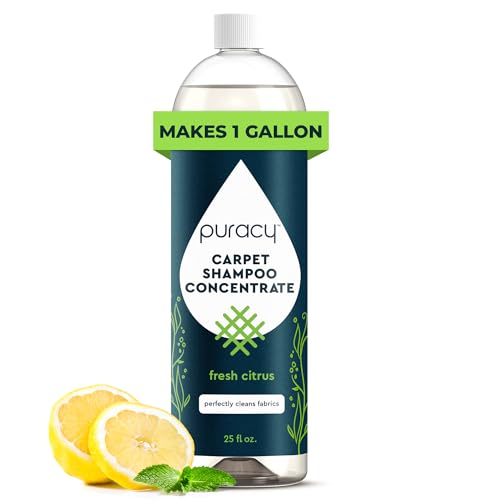
Plant-Based, Low-Foam Formula – This carpet cleaner solution uses plant-based, mineral-derived, and safe synthetic ingredients. Low-foaming and fast-acting, it also works as a carpet shampoo, stain remover, rug cleaner, and more.

TRIPLE-ACTION FORMULA: Spot & Upholstery cleaner deep cleans, deodorizes, and protects upholstery and soft surfaces, keeping them looking bright, refreshed and clean.