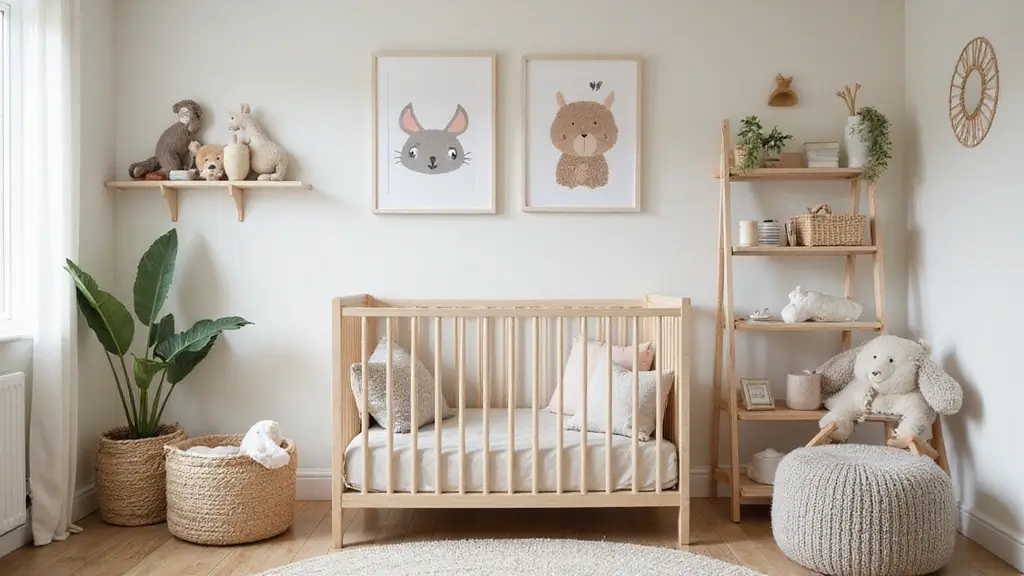

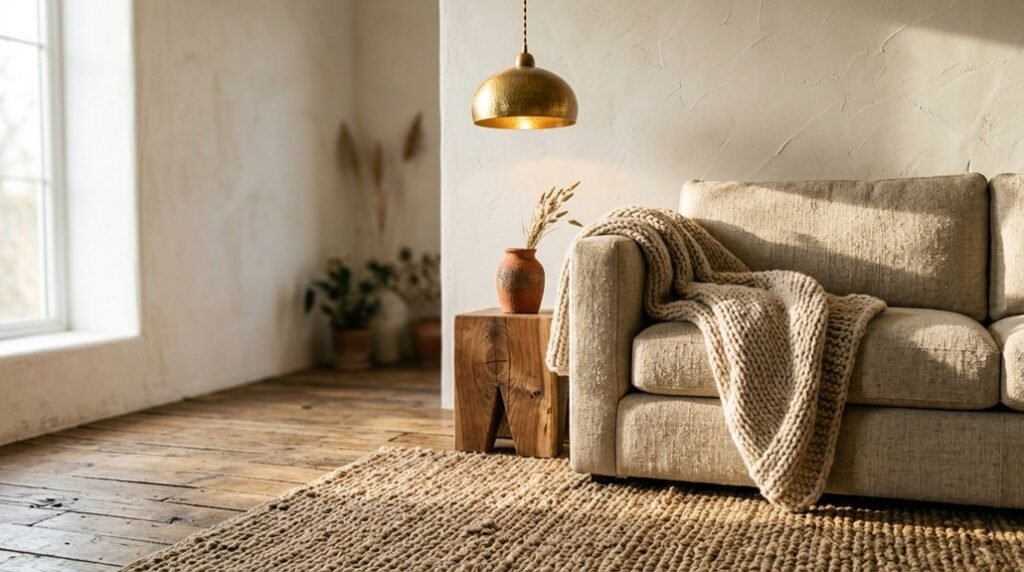
You walk into a room that feels flat, and you know something’s missing. Texture isn’t just about touch—it’s what separates a showroom from a home. You’ll need more than a throw pillow to fix this. The real solutions start with your walls.
Start With Architectural Texture: Shiplap, Board and Batten, and Moldings
Before you reach for throw pillows or area rugs, consider the bones of the room itself. You’ll find that architectural texture transforms walls into dimensional surfaces that anchor your entire design. Install shiplap horizontally and paint it white—you’ll visually expand the space while adding subtle shadow lines that catch light.
Try board and batten for vertical rhythm; you can DIY this using affordable lattice strips battened across your walls for instant depth. Don’t overlook moldings—crown molding and substantial window casings create refined transitions between surfaces. Each of these treatments contributes visual texture that works harder than flat drywall ever could. Layer them with existing elements like exposed brick or stone, and you’ll build a cohesive foundation where furniture and fabrics naturally settle into place.
Recommended Products

All-in-One Kit: Includes 12 pre-finished trim pieces + 4 decorative edge strips. No need to purchase additional accessories—effortlessly create a complete decorative wall.

All-in-One Design - Package of 20 premade molding trim slat + 4 decorative edge strip create instant board & batten walls

Paulownia Wood Material: the wall paneling kit molding kit is made of paulownia wood, which is durable, waterproof, and easy to clean; wall wainscoting kits surface is smooth, not easily deformed, is moisture-resistant and breathable
Add Woven Textures: Roman Shades, Baskets, and Natural Fiber Rugs
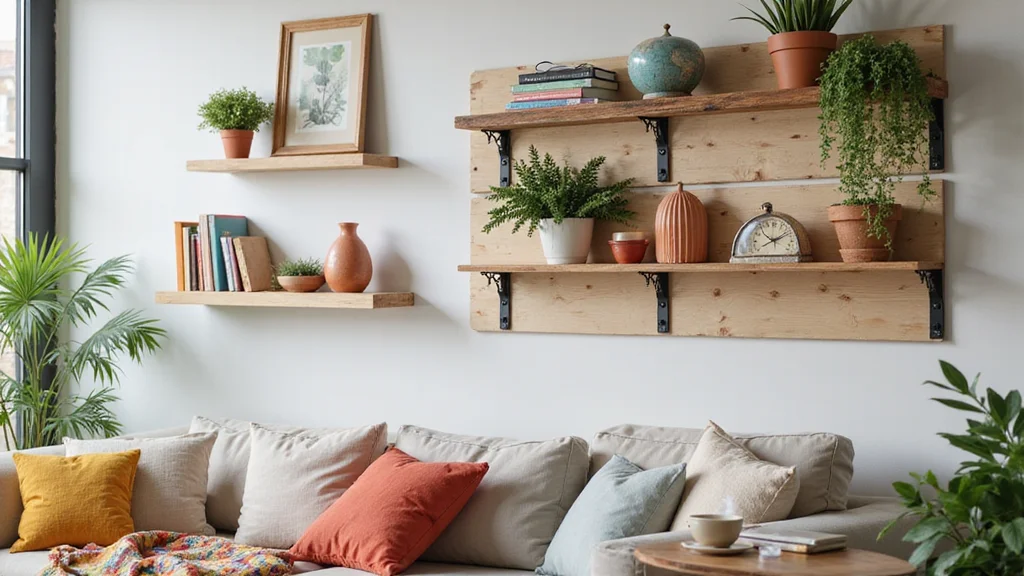
Three woven elements—Roman shades, baskets, and natural fiber rugs—can transform your space faster than a full furniture overhaul. You’ll add immediate Texture when you install woven roman shades in your bedroom, living room, or dining area; bamboo and woven options filter light beautifully. Grab affordable baskets from Target, Ikea, or HomeGoods to stash clutter, cradle plants, or simply sit pretty on shelves. Layer a natural fiber rug—perhaps a braided sea grass find from Ikea—underfoot for warmth that shifts the room feel entirely. Test swatches before you commit, so the woven Texture reads right in your light. You might also hang a knotted mirror or woven pendant to bounce light around. These tactile pieces build depth fast.
Recommended Products

2 Rosettes fit most 2-1/4" interior door and window frames - Rosette size 2-3/4" x 2-3/4"

Seamless Application - Peel and stick design ensures hassle-free installation, no tools required

Layer Fabric Textures: Linen, Velvet, and Seasonal Textile Swaps
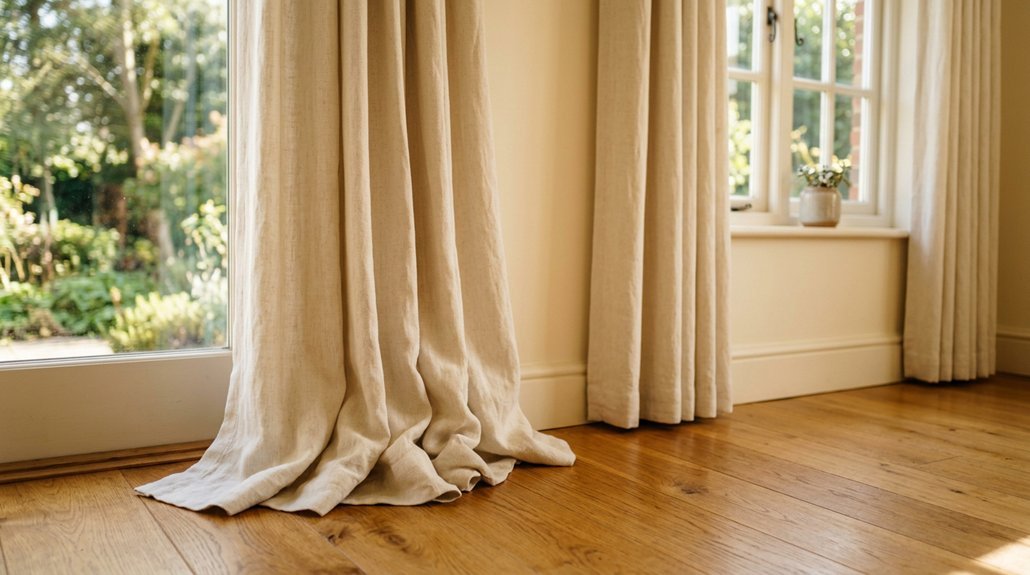
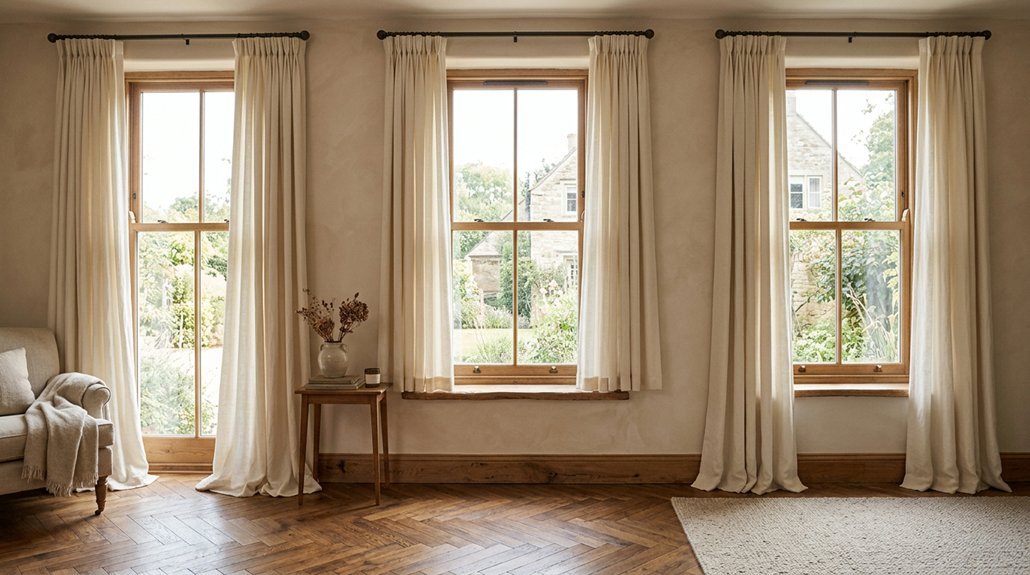
Why settle for flat when you can build a room that invites touch? Start layering fabric textures across your seating, windows, and beds to create dimensional depth that catches both light and attention. Drape linen curtains beside velvet cushions to establish immediate tactile contrast. You’ll want to mix cotton or silk throws in summer, then swap for plush velvet or faux fur when temperatures drop—seasonal textiles keep your space feeling fresh and functionally appropriate year-round.
Position these fabric textures at varying heights: structured boucle on chairs, smooth satin across your lap. Pair matte linen with subtly shimmering velvet to amplify richness without disrupting your palette. By weaving together different weights and weaves, you’re building texture that rewards every glance and touch.
Recommended Products

REAL WOVEN BAMBOO CONSTRUCTION: Authentic natural bamboo fibers create a warm, textured roman shade with genuine tonal variation in every panel. Adds organic texture to modern organic, boho, coastal, farmhouse, and rustic rooms at an everyday price.
REAL WOVEN BAMBOO CONSTRUCTION: Authentic natural bamboo fibers create a warm, textured roman shade with genuine tonal variation in every panel. Adds organic texture to modern organic, boho, coastal, farmhouse, and rustic rooms at an everyday price.
REAL WOVEN BAMBOO CONSTRUCTION: Authentic natural bamboo fibers create a warm, textured roman shade with genuine tonal variation in every panel. Adds organic texture to modern organic, boho, coastal, farmhouse, and rustic rooms at an everyday price.
Choose Tactile Furniture: Rattan, Bamboo, and Live-Edge Pieces
Where will your eyes land first: the woven grain of rattan catching afternoon light, or the raw, undulating edge of a live-edge slab? You’ll choose tactile furniture—rattan, bamboo, and live-edge pieces—to inject organic texture and warmth into your seating areas and focal points.
Position rattan or bamboo in sunlit zones where shadows dance across their woven surfaces. Pair these materials with neutral textiles so their intricate patterns emerge as texture, not color. You’ll anchor the room with a live-edge table or bench, letting its irregular edge contrast sharply against smooth surfaces nearby.
Balance these harder elements with soft textiles—draped throws, plush cushions—to prevent harshness. You’re building cohesive layering, after all. Each piece contributes distinct texture while maintaining harmony. You’ll find natural materials transform sterile spaces into inviting, dimensional environments.
Recommended Products

Perfect Laying Rug: Jute rugs are a go-to for layering to add depth and character to your living room or dining room. Try pairing your jute rug underneath a bold boho rug or pair two jute area rugs for an extra-textured look. The options are endless
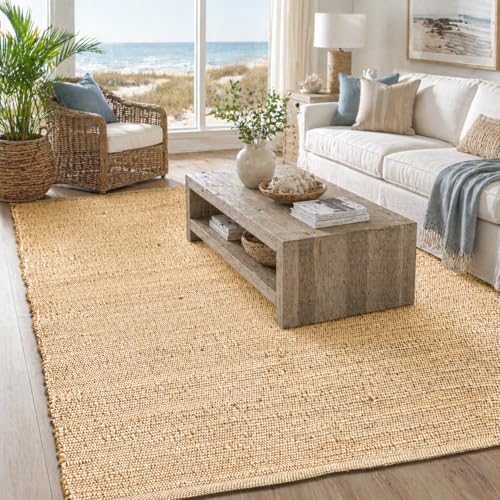
SUSTAINABLE NATURAL FIBER RUG: This 9 x 12 area rug for living room is handcrafted from jute and recycled cotton, offering an eco-conscious foundation for your home. The braided rug texture and natural fiber weave bring rustic farmhouse appeal to your space
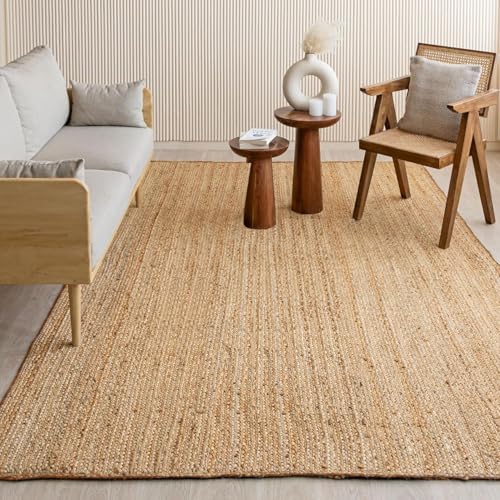
100% Natural Jute: Crafted from premium jute fibers sourced from sustainable plants, our rugs are fully handmade and biodegradable. Each rug undergoes rigorous quality inspections to ensure durability and beauty, making it an eco-friendly addition to your home decor.
Style With Dried Florals, Woven Mirrors, and Textured Accessories
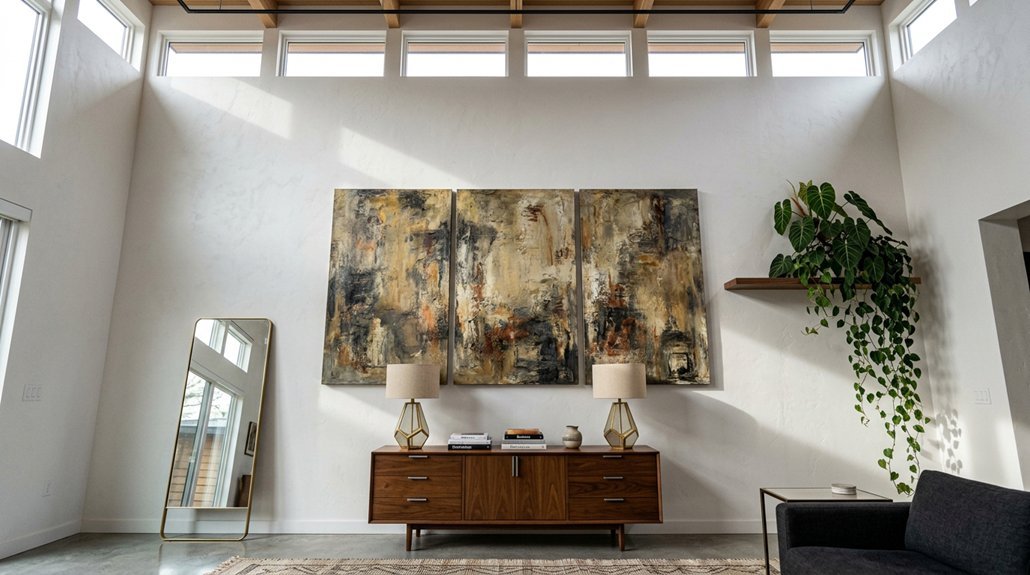
What anchors a room when color stays quiet? You anchor it with texture. Start with dried florals and grasses—they give you neutral texture that lasts year-to-year while keeping living and dining spaces calm. Drop them in vases whose shapes echo other textures you’ve already placed.
Hang woven mirrors above oversized dressers or fireplaces. Their knotted finishes add tactile pattern and shift how light moves through your space. Pair dried florals with woven mirrors to build layered texture without clutter, letting mirror frames repeat forms found elsewhere.
Scatter textured accessories around both arrangements to amplify variety while preserving cohesive color schemes. Source dried florals from listed favorites and woven mirrors from retailers beyond HomeGoods. You’ll create depth that speaks softly but holds the eye.
Recommended Products

HIGH-QUALITY VELVET MATERIAL: Made from 300 GSM high-density velvet fabric, these curtains offer luxurious softness and durable quality. The plush texture and heavy weight enhance the elegance of your home, while fade-resistant and dirt-repellent properties ensure long-lasting beauty

High-Quality Chenille: Made from premium chenille fabric, our pillow covers not only provide a soft touch but also enhanced durability, able to withstand daily use and friction. The plush texture of our chenille pillow covers showcases a rich, three-dimensional appearance, adding more fullness to your sofa. 22 x 22 inches. Includes 2 pillow covers without inserts.

【High Quality MATERIAL】Sewn of 100% Velvet.18x18 inch/ 45x45cm.
Finish With Woven Pendants and Layered Lighting Effects
Layer your textures upward and light them well. You’ll add instant tactile interest when you hang woven pendants—they’re not just light sources, they’re graphic sculptures that transform your lighting design. Choose oblong shapes for striking silhouettes in sunrooms, kitchens, or outdoor spaces where visual texture matters most.
Don’t stop at one fixture. You’ll amplify texture perception by installing layered lighting throughout the space. Mix ambient, task, and accent lights so shadows dance across woven surfaces, creating depth your room decor craves.
Since specific styles become unavailable, you’ll find similar woven pendants at Target and other retailers. Reinforce that visual texture by coordinating with baskets, wood, or jutes below. This cohesive approach ensures your vertical elements connect seamlessly with grounded materials, completing your textural vision from floor to ceiling.
Recommended Products

Paulownia Wood Material: the wall paneling kit molding kit is made of paulownia wood, which is durable, waterproof, and easy to clean; wall wainscoting kits surface is smooth, not easily deformed, is moisture-resistant and breathable

【Quantity & Size】[8 wall panels & 2 moldings per box] Total height: 40.1" and the Total Coverage area: 21.6 sq ft.You can cut this wainscoting panel kit to size to fit your wall width and accommodate different room dimensions

Premade Board and Batten Paintable Wainscoting Kit: Package includes 20 premade molding trim slats, 4 decorative edge strips, and two pairs of gloves for convenient installation
Conclusion
You’ve transformed your space through every layer—architectural details, woven materials, tactile fabrics, and natural furniture. Now you’ll enjoy a room that invites touch and catches light beautifully. Remember, texture evolves: swap textiles seasonally and rotate accessories to keep your space feeling fresh. Your thoughtfully layered room won’t just look complete; it’ll feel warm, dimensional, and unmistakably yours.
Recommended Products


Pro-Contractor DA Pack Finish Nails: You'll get 2 Boxes x 2000pcs 15 gauge 34 degree finish nails in 1-1/4" leg. Bulk quantity keeps carpenters, cabinet shops and trim crews from running empty mid-job while covering entire homes of baseboard, crown, casing and stair tread without reordering 15 gauge finish nails

【Premium Polystyrene Material】Constructed from high-impact polystyrene, our ceiling molding trim is more rigid for precise alignment and features a surface that can be painted. It resists moisture, reducing the risk of warping and cracking compared to flexible PVC, making it a durable and long-lasting option for your ceiling decor.