
You probably don’t think much about your sheets until they start to smell or feel grimy, but by then you’re already sleeping with more than you bargained for. Dead skin cells, dust mites, and bacteria accumulate faster than you’d expect, and your laundry habits might be leaving you exposed. The real question isn’t whether you’re washing them often enough—it’s whether you’re washing them the right way for your specific situation.
Why Weekly Sheet Washing Protects Your Health
When did you last toss your sheets in the wash? If you’re delaying, you’re risking your well-being. When you wash weekly, you strip away sweat, body oils, dead skin cells, and bacteria that accumulate while you sleep. This habit forms your first line of health protection.
Your bedding harbors allergens like dust mites and pollen, which trigger skin/breathing issues. You’ll breathe easier and sleep more soundly with fresh linens. Hot sleepers and allergy sufferers should launder even more frequently.
Since you spend one-third of life in bed, this matters. Regular washing prevents residue buildup that degrades fabric and irritates sensitive skin. Don’t let bacteria multiply where you rest. Protect your health—keep your sheets clean.
Recommended Products

Muslin Cotton: Our pack n play sheet is made of muslin cotton, with a smooth surface and comfortable touch, features a light drapability and rigidity, suitable for your baby's delicate skin, and let your little one have a better sleep.

FABRIC: Crafted from 100% organic cotton. The soft jersey fabric is breathable and great for all seasons from fall/winter to spring/summer.

Truly The Softest & Coziest 100% Egyptian Cotton Printed Queen Sheet Set: “Honestly, it’s better than the luxury sheets in the five-star hotel bedroom,” as per one of our customers. Made from soft, extra long-staple 100% pure cotton and sateen weave, our Egyptian queen sheets deep pocket cotton is silky, ultra smooth, thick, and heavy. These 600 Series Hydrangeas Collection Egyptian cotton sheets are great for hot sleepers—and keep you cool, cozy, and breathable in all seasons
How Often to Wash Sheets by Fabric Type
Your sheets’ fabric determines how you should care for them. If you own cotton sheets, you’ll wash weekly for general upkeep, though you’ll increase frequency during hot months or when allergies flare up. You’ll also wash weekly if you’ve got linen sheets, as this maintains their softness and prevents oil accumulation. For silk sheets, you can stretch cleaning to every two weeks, but you’ll use cold water on a delicate cycle to protect the fibers. You’ll wash flannel sheets weekly in warm water to preserve their fibers and warmth. With satin sheets, you’ll clean every two weeks using cold water on a delicate cycle, then line dry or use low heat. You’ll always check care labels before washing.
Recommended Products

Value Pack: It comes with 200 washing instruction cards, providing excellent value for small businesses and online shop owners. With this generous quantity, you can include a professional care guide with every clothing order, enhancing customer satisfaction and reducing the chance of product damage due to incorrect washing.

100% COTTON FOR EVERYDAY SLEEP: Royale Linens twin xl size fitted sheet cotton fabric is made with premium quality 100% double brushed cotton for a light breathable feel. Our hotel quality fitted sheet twin xl design are fade-resistant, wrinkle-resistant and gives aesthetic appearance.

100% NATURAL LINEN: EVERLY pure linen sheets set is made of premium French grown flax, help you fall asleep faster and sleep sounder.
When to Wash Sheets More Frequently
How much more often should you toss your sheets in the wash? If you’re dealing with allergies, asthma, or sensitive skin, you’ll want to tighten your washing schedule to every 3–4 days. This elevated wash frequency helps remove irritants that trigger symptoms. When pets in bed join you at night, you’re also increasing your wash frequency to cut down fur and dander buildup. Heat and summer months demand more attention too—you’ll sweat more, so boost your routine beyond the standard weekly wash. Prioritize sweat and mildew prevention during these high-perspiration periods, as damp environments breed problems fast. While experts suggest a baseline weekly washing schedule, you’ll need to adapt when circumstances shift. Listen to your body, your environment, and your sleeping conditions to adjust accordingly.
Recommended Products

HOT SLEEPER SHEETS SETS: The bedding brand specifically designed for those who struggle with overheating at night. Whether you're experiencing hot flashes due to menopause or simply a naturally hot sleeper, our unique range of cooling sheets will help you sleep at a comfortable temperature all year round.

SILKY & SOFT BED SHEETS - Vonty satin bed sheets use only high quality satin with a beautiful glossy luster and incredible softness. You will surprise at its silky, smooth and soft texture, sleeping on it is like laying on a cloud. Satin fabric (100% Polyester) can protect hair from breakage/knotting, help to reduce facial or neck wrinkle. No need to worry about messy hair or dry skin every morning!

HOT SLEEPER SHEETS SETS: The bedding brand specifically designed for those who struggle with overheating at night. Whether you're experiencing hot flashes due to menopause or simply a naturally hot sleeper, our unique range of cooling sheets will help you sleep at a comfortable temperature all year round.
How to Wash Sheets Without Damaging Them
What’s the best way to keep your sheets fresh without wearing them out? You protect your investment by following proper fabric care techniques. Start by checking the care label, then select a gentle cycle with warm water for most loads—reserve hot water only for white or light-colored sheets needing deeper cleaning. You wash sheets separately or with lightweight, similar fabrics to prevent tangling and pilling. Choose a mild detergent and avoid bleach unless your care label specifically requires it, as harsh chemicals break down fibers over time. When drying low heat, you preserve elasticity and prevent shrinkage. Ensure sheets dry completely before storing to stop mold growth. Skip fabric softeners and dryer sheets, since they reduce absorbency and leave irritating residues on sensitive skin.
Recommended Products

✅ COMPLETE QUEEN SHEET SET, 4 PIECES 🛏️ – Includes 1 flat sheet, 1 fitted sheet, and 2 pillowcases in Beige.

【Mid-Length Mens Hooded Robe】FashGudim mens flannel robe is made of 100% polyester It is medium thickness,feels warm and cozy. The length of this men's hooded robes range between 47.5 and 51 inches,which has large hood and can insulate your neck and ears from the winter chill, while wrapping you in incredible softness,it is perfect for snuggling before bedtime or lounging around the house.

Comfortably Cozy: Drift into warmth and comfort with the True North by Sleep Philosophy Sheet Set, crafted from breathable and ultra-soft 100% cotton flannel. These warm and fuzzy sheets feature classic prints, creating a cozy and inviting atmosphere in your home
How to Keep Sheets Fresh Between Washes
Daily habits make all the difference when you’re stretching time between full washes. You can keep sheets fresh with minimal effort using targeted strategies between full laundering cycles.
Start your morning routine by pulling back the covers to air out sheets for several minutes. This simple step prevents moisture retention and helps prevent odor buildup naturally. When you remove bedding entirely, hang sheets in direct sunlight briefly before reusing or storing.
Apply a light weekly spray using pH-neutral, fragrance-free formulas to maintain freshness without residue. Address small marks immediately when you spot-clean stains using gentle solutions, then launder the full set promptly.
Implement pillowcase rotation every four days to limit oil and sweat transfer from skin contact. Finally, maintain a clean mattress protector on a regular schedule to minimize what transfers upward to your bedding.
Recommended Products

360° Coverage Protection - Fits 60 inches by 80 inches queen size mattress up to 15 inches deep, fully encasing all sides. The stretchy fabric slips on easily and stays securely in place without shifting. Refer to the installation video below for step-by-step guidance.

Zippered mattress cover stretches to fit any Queen (60” x 80”) standard mattress depth from 12" to 18"

360° Coverage Protection - Fits 78 inches by 80 inches king size mattress up to 15 inches deep, fully encasing all sides. The stretchy fabric fits on easily and stays securely in place without shifting. Refer to the installation video below for step-by-step guidance.
5 Stain Removal Methods That Skip the Bleach
Even with the freshest habits between washes, stains still find their way onto your sheets. You can tackle stain removal effectively using bleach alternatives you already own.
Mix baking soda and vinegar into a paste, spread it on the stain, wait thirty minutes, then wash. For extra power, add vinegar during the rinse cycle. You’ll watch it fizz away grime.
Apply lemon juice to yellowed areas, then air-dry your sheets in direct sunlight before rinsing and washing. The combination naturally brightens fabric.
For darker spots, blend hydrogen peroxide with baking soda into a paste. Test a hidden area first, then treat the stain and wash.
Dissolve salt in cold water for fresh spills, soaking and rubbing before waiting thirty minutes.
For ink, cover with cornstarch and milk paste, let dry completely, brush off, then wash cold.
Recommended Products
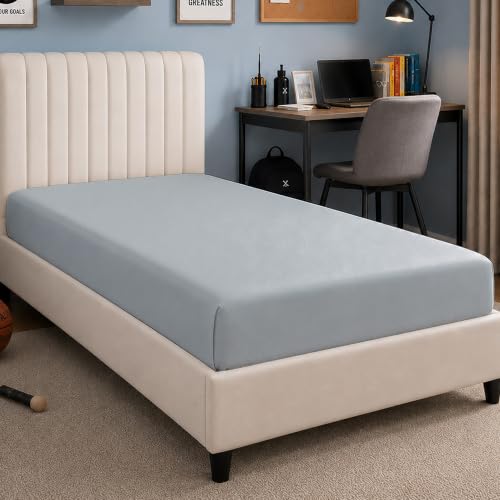
100% COTTON SHEETS : Crafted from premium cotton fibers, our cotton twin bed sheet feature a classic percale weave that delivers a cool, crisp & lightweight texture. Designed for airflow and comfort, these deep pocket twin sheets maintain a smooth surface that gradually softens with washing while preserving structure and breathability.
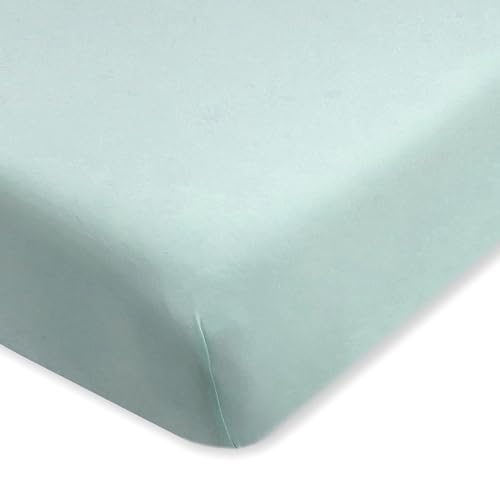
FABRIC: Crafted from 100% organic cotton. The soft jersey fabric is breathable and great for all seasons from fall/winter to spring/summer.

FABRIC: Crafted from 100% organic cotton. The soft jersey fabric is breathable and great for all seasons from fall/winter to spring/summer.
How to Tell When Sheets Need Replacing
Though you might try to extend their life, your sheets eventually reach a point where no amount of washing restores them.
You’ll notice wear that compromises fabric integrity: thinning areas, visible holes, or fraying edges that signal structural breakdown.
Pilling creates uncomfortable texture against your skin, and loss of elasticity in fitted corners means constant slipping.
Persistent stains that reappear after laundering indicate embedded residue you can’t eliminate.
Lingering odor—musty or otherwise unpleasant—proves bacteria and body oils have penetrated fibers permanently.
When your sheets no longer feel soft or stay wrinkle-free post-wash, they’ve degraded beyond recovery.
If you suffer from allergies, replace sheets sooner when dust mite buildup triggers symptoms despite regular cleaning.
Health-related staining also demands earlier replacement to maintain hygiene standards.
Recommended Products

Fabric Contents: 100% Brushed Cotton Shell, 100% Polyester Down Alternative Fill
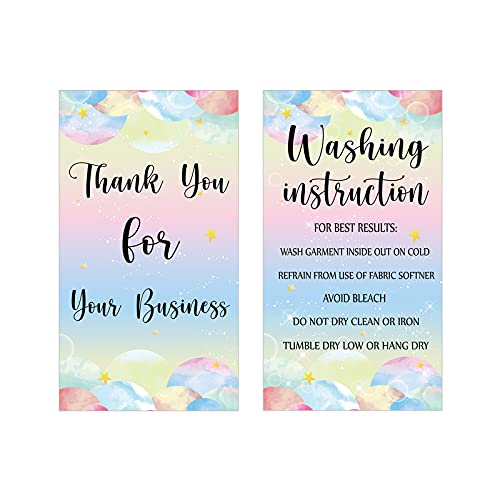
Sufficient quantity: you will get 200 pieces of T-shirt care instructional cards, sufficient quantity to meet your basic requirement; This amount of packaging customer direction cards can provide customers with clear directions on how to wash T-shirts properly

Do You Really Need to Wash New Sheets First?
Why take chances with something you’ll spend eight hours against? You should always wash new sheets before first use. Manufacturers often treat new sheets with resin finishes or starches to keep them looking crisp on store shelves, but these chemicals can irritate your skin and trigger dermatitis. Even when new sheets feel clean, they carry residues from production and handling.
You can remove these manufacturing treatments with a simple first wash. Grab a mild detergent without fragrances, as scents can further irritate sensitive skin. Add ¼ cup white vinegar to the rinse cycle; this breaks down stubborn finishes and softens fabric naturally. This single step protects your skin, improves comfort, and ensures you’re not sleeping against industrial chemicals. Don’t skip it.
Recommended Products
HOT SLEEPER SHEETS SETS: The bedding brand specifically designed for those who struggle with overheating at night. Whether you're experiencing hot flashes due to menopause or simply a naturally hot sleeper, our unique range of cooling sheets will help you sleep at a comfortable temperature all year round.

STAYS ON YOUR MATTRESS - NO MORE SLIDING OFF: We know satin can be slippery - that's why the fitted sheet has a fully elasticized edge all the way around that wrap under your mattress so it grips deep-pocket beds up to 14" and won't pop off the corners at night. Tip: for the smoothest, most secure fit, tuck the flat sheet and pull corners taut when making the bed.

This reusable Diamond Holes mesh laundry bag is specially designed to wash delicate clothes without wearing, tearing, and fur in washing machines and dryers.
How Sheet Care Differs From Comforter and Pillowcase Care
Once you’ve settled into a routine with your sheets, you’ll notice your other bedding doesn’t follow the same rules. Your wash frequency for pillowcases often exceeds your sheet schedule—you’ll change pillowcases every 4 days in some plans, while comforters demand far less attention, roughly every six weeks.
You’ll choose gentler detergent options for these items, skipping harsh bleach that damages delicate fabrics. Separate your pillowcases and comforters from sheets to prevent tangling and preserve fabric integrity. Always check care labels, as temperature settings and cycle specifications differ significantly between standard sheets and these pieces. Your comforters need cooler washes, while pillowcases might tolerate adjustments based on material. Mastering these fabric care variations ensures your entire bedding collection stays fresh without premature wear.
Recommended Products

Ultra-Soft Comfort: Experience superior coziness with our 100% Cotton Printed Flannel Sheet Set, brushed three times for enhanced softness, perfect for warm sleepers and chilly nights.

Ultimate Comfort: Immerse in snug warmth of our flannel Sheet Set, crafted from breathable, ultra-soft 100% cotton flannel. Featuring charming prints, these inviting sheets will turn your home into a charming, cozy retreat reminiscent of a cottage living

Winter Warmth - Soft and fluffy flannel sheets naturally trap heat. Warm and comfortable without overheating.
Avoid These Common Sheet Washing Mistakes
How often do you sabotage your own laundry routine without realizing it? You throw your sheets in with heavy towels or jeans, creating friction that damages fibers and tangles everything together. You mix heavily soiled bedspreads with regular sheets, transferring dirt and extending wash cycles unnecessarily. You grab chlorine bleach for colored sets, causing fading and yellowing that ruins your fabric care efforts. You crank temperature settings to maximum heat, degrading fibers and shortening lifespan unless you’re disinfecting after illness. You toss in dryer sheets and fabric softeners, leaving residues that block moisture-wicking and breathability—trapping humidity that affects wash frequency and helps prevent mold. To avoid mistakes, wash sheets separately, skip harsh chemicals, use moderate heat, and let fabrics breathe naturally.
Recommended Products

360° Coverage Protection - Fits 54 inches by 75 inches full size mattress up to 13 inches deep, fully encasing all sides. The stretchy fabric slips on easily and stays securely in place without shifting. Refer to the installation video below for step-by-step guidance.

WHY IT WORKS| Dust mites are one of the most common allergy and asthma triggers. These invisible bugs can quickly create an unpleasant environment for anyone sensitive to their allergens. DustmiteX kills the dust mite and is the answer for safe and effective removal.

360° Coverage Protection - Fits 39 inches by 80 inches twin xl size mattress up to 13 inches deep, fully encasing all sides. The stretchy fabric slips on easily and stays securely in place without shifting. Refer to the installation video below for step-by-step guidance.
Conclusion
You’ve got all the details you need to keep your bedding fresh and healthy. Stick to weekly washes for cotton and linen, adjust for your specific needs and fabrics, and always follow care labels. Your sleep quality, skin health, and overall comfort’ll thank you for making clean sheets a priority.