

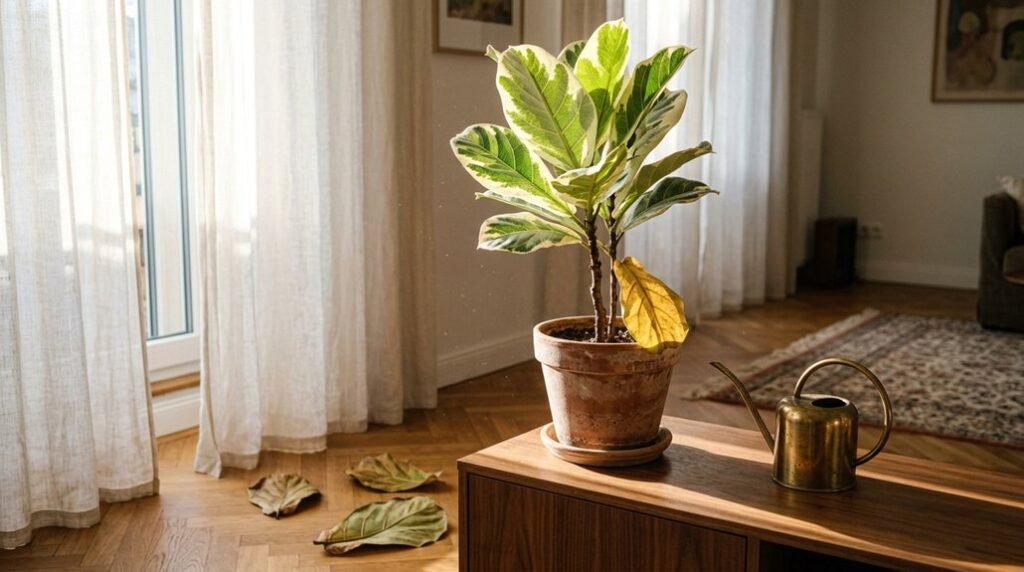
Your fiddle leaf fig’s leaves are hitting the floor, and you’re wondering what went wrong. It could be your watering habits, a drafty window, or something hiding on the undersides of those remaining leaves. The good news? Most causes are fixable once you know what to look for. Let’s figure out what’s stressing your plant and get it back on track.
Match Your Symptoms: 5 Visual Clues to Identify Leaf Drop Causes
Why guess what’s wrong when you can read your plant’s signals?
Transplant shock causes leaf drop after repotting or relocating, as water and nutrient uptake slows temporarily; you’ll spot new growth when recovery begins. Check for pests—spider mites, scale, and mealybugs leave webs, sticky residue, or holes behind.
Root rot reveals itself through yellowing leaves from the bottom up, mushy foul-smelling roots, soggy soil, and a musty scent.
Severe underwatering shows crispy edges, curling, dry pulling soil, and brown patches.
Inadequate light triggers yellowing lower leaves and leggy stretching stems.
You’ve got five distinct patterns to diagnose your fiddle leaf fig’s distress—match the symptoms, skip the guesswork, and fix the right problem fast.
Recommended Products

All Purpose Mix; Nutrient Enrichment & Drainage Control for Fiddle Leaf Fig Trees & All Other Indoor Houseplants

OPTIMIZE FIDDLE LEAF FIG CARE. Harness the power of the Houseplant Resource Center's soil moisture meter for plants. Get precise readings for your fiddle leaf fig, ensuring it gets the right nutrition and attention, optimizing growth and health.

100% Natural: Custom blend for Fiddle Leaf Fig Tree (Lyre Leaf Fig Tree); no artificial ingredients
Why Overwatering Causes Root Rot and Leaf Drop (and How to Save It)
How exactly does a little extra water turn your fiddle leaf fig into a leaf-dropping mess? When you’re overwatering, you suffocate the roots. They turn brown, black, or slimy instead of staying white and firm. This root rot cripples their ability to absorb water and nutrients, so your plant starves and drops leaves.
Catch the warning signs early: yellowing leaves starting from the bottom, soggy soil, or a foul smell. Poor drainage accelerates the damage.
Fix root rot by unpotting your plant, trimming every damaged root, and repotting in fresh, well-draining soil with a pot that has drainage holes. Water sparingly afterward. Let the top 1–2 inches of soil dry before watering again, and stick to a consistent routine. You’re checking dampness, not adding more water.
Recommended Products

🌿 FAST-ACTING FORMULA FOR STRUGGLING FIDDLE LEAF FIGS. Our Rescue Drops go to work immediately to revive drooping, browning, or damaged leaves. Designed to help your plant bounce back quickly, this immunity-boosting formula helps your plant heal from root stress, overwatering, transplant shock, and other common issues.

ARE YOU STARVING YOUR FIDDLE LEAF FIG? Fiddle leaf fig plants require precise nutrients to thrive, promoting their growth, vitality, and robust root systems. Our exclusive Fiddle Leaf Fig Plant Food offers a tailored plant food solution, ensuring optimal nourishment for your beloved plant. Say goodbye to alternatives and provide your fiddle leaf fig with the care it truly deserves.

Fuel for Fiddle Leaf Fabulousness: Our Fiddle Leaf Fig Plant Food is crafted with a balanced 3-1-2 NPK formula, giving your plant exactly what it needs for vibrant, lush growth! Packed with the right mix of nitrogen, phosphorus, and potassium (and zero urea), it’s designed to nurture your fiddle leaf fig without harsh ingredients. Just add it to your routine for year-round, stunning foliage your plant will love!
Why Underwatering Makes Leaves Drop (and How to Fix It Fast)
Going too light on the water? Underwatering dries out your fiddle leaf fig’s roots, and you’ll notice leaves curling and browning at the edges before they fall. Your plant drops foliage to conserve energy when it’s parched. Check the soil—if it’s pulled away from the pot sides, you’ve got completely dried-out conditions that need immediate attention.
Water thoroughly until excess drains from the bottom. If the soil moisture is bone-dry throughout, soak the entire pot.
Don’t let this happen again. Establish a consistent watering routine and check soil moisture before every drink. Lift your pot weekly or probe the soil to gauge dryness. These simple habits prevent sudden leaf drop and keep your plant thriving.
Recommended Products

Made for Fiddle Leaf Fig Plants – Specially formulated fiddle leaf fig fertilizer designed for ficus trees and indoor plant care.

🕗 SLOW-RELEASE PELLETS — Releases essential nutrients over 6 month period. Apply and forget

An Organic Neem Oil Spray for Plants with a Powerful Essential Oil Blend (cedarwood, lemon, clove, cinnamon, eucalyptus, and rosemary) for healthier plants every time you spray. Big Leaf Energy is a multi-purpose spray for healthier, more resilient leaves and soils—and it smells amazing.
Why Dim Light Triggers Lower Leaf Drop (and Where to Move Your Plant)
Where’s your fiddle leaf fig sitting? If it’s languishing in dim light, you’ve found your culprit. Low illumination slows photosynthesis, robbing your plant of the energy it needs. Your fiddle leaf fig drops lower leaves first—it simply can’t sustain that older foliage. Ignore the problem and you’ll watch stems grow leggy as the plant stretches desperately toward any light source, accelerating lower leaf drop even further.
Fix your light placement immediately. Move your plant closer to a bright, south or west-facing window with strong filtered light. Still too dark? You’re not off the hook—add a grow light to bridge the gap. One warning: don’t blast recovering leaves with harsh direct afternoon sun. That sudden intensity scorches new growth, undoing your progress.
Recommended Products

High-fired Ceramic for Indoor Greenery: The true 12-inch cylinder provides roots room to grow, while the white finish delivers a clean, modern look that blends seamlessly with minimalist and farmhouse décor, and photographs well for styling or gift-ready setups.

🌿【9-12 Days Efficient Self-Watering System for Busy Plant Parents】The 12 inch self watering pot (a go-to self watering planter) has a cotton wick + removable reservoir, auto-watering plants for 9-12 days. Ideal for busy professionals, travelers, and indoor plant lovers, this 12 inch plant pot eliminates daily watering stress

Distinctive Design: Featuring a stylish truncated cone shape, this durable planters measures 9.8 inches at the opening and 12 inches at its widest point. Its design provides stability and space for roots, while the appealing silhouette enhances any décor
Temperature Swings That Shock Your Fiddle Leaf Fig (and How to Stabilize Conditions)
Maybe you’ve noticed your fiddle leaf fig shedding after a cold snap or heat wave caught it off guard. Your plant craves stability, and sudden temperature shifts trigger stress that forces leaf drop.
Fiddle leaf figs thrive between 65–85°F. Even brief drafts from windows, doors, or vents shock their system, causing edges to brown or blacken before leaves fall. You must scout your space: relocate plants away from AC vents, radiators, and heaters. Find a spot with consistent warmth and minimal air movement.
Small daily fluctuations won’t harm your fig, but abrupt changes will. When moving your plant, acclimate it gradually to prevent shock. Grouping plants or using humidity-boosting methods also buffers temperature stress by slowing moisture loss. Prioritize stability, and you’ll stop temperature-driven drop.
Recommended Products

72 LED Full Spectrum, 380nm-800nm – Built with 72 super bright LEDs covering the full 380nm-800nm spectrum: 36 white 5000K, 28 warm white 3000K, 6 red and 2 blue. This grow light for indoor plants delivers the wavelengths your plants need year-round, supporting every stage from seedling to bloom — even in rooms with little natural sunlight.

72 LED Full Spectrum, 380nm-800nm – Built with 72 super bright LEDs covering the full 380nm-800nm spectrum: 36 white 5000K, 28 warm white 3000K, 6 red and 2 blue. This grow light for indoor plants delivers the wavelengths your plants need year-round, supporting every stage from seedling to bloom — even in rooms with little natural sunlight.

SIGNATURE SUNRISE & SUNSET SIMULATION – Give indoor plants a more natural daily light rhythm instead of constant, unchanging illumination. The 12-hour cycle starts with soft morning light, gradually reaches peak brightness around midday, then gently dims toward sunset—bringing an outdoor-like sunlight experience indoors.
Is Your Humidity Too Low? Why Dry Air Causes Crispy, Falling Leaves
Why do your fiddle leaf fig’s edges turn crispy before the whole leaf curls and drops? Dry air strips moisture from the foliage, especially in winter when indoor heating creates arid conditions. Your tropical plant craves higher humidity than most homes provide, and without it, you’ll see stress manifest as brown, brittle edges progressing to leaf drop.
You can reverse this by raising ambient humidity strategically. Group your fiddle leaf fig with other plants to create a microclimate, or run a humidifier nearby for consistent moisture. Skip misting alone—it evaporates too quickly. Instead, nestle the pot atop a pebble tray filled with water. Keep the plant away from heat vents and drafts that accelerate drying. Sustained humidity support prevents further leaf drop and restores plump, healthy foliage.
Recommended Products
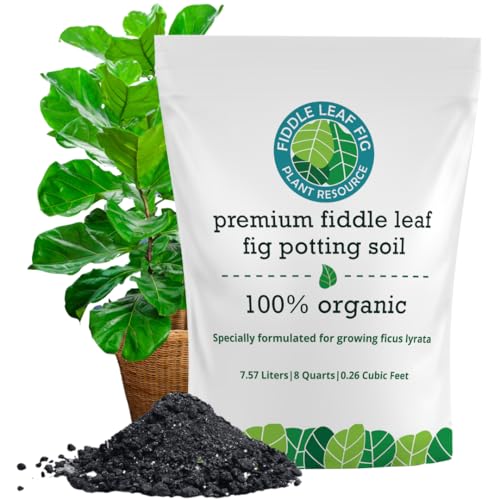
🌱 100% ORGANIC, NUTRIENT-RICH BLEND FOR FASTER GROWTH Specially formulated for fiddle leaf figs and other indoor trees, this premium chunky, airy mix uses aged bark, green compost, and biochar to nourish plants naturally without chemical buildup—helping prevent common issues like brown spots, yellow leaves, and leaf drop.

Pre-Mixed & Ready To Use: Our fiddle leaf fig potting soil mix is meticulously crafted for convenience. It includes a 5-in-1 blend of coco coir, coconut fiber, perlite, pumice and pine bark, so there is no need to purchase, measure or mix separate ingredients. The ready-to-use blend helps make repotting large indoor plants quicker and less messy.
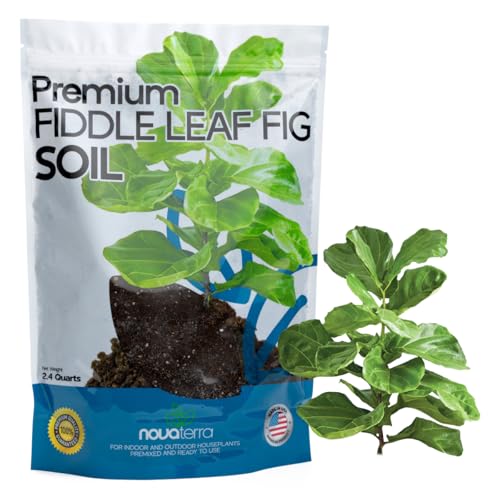
FIDDLE LEAF FIG SOIL: Premixed, ready-to-use blend formulated for Ficus lyrata. Supports healthy roots with balanced moisture retention and excellent drainage.
Spider Mites, Scale, and Mealybugs: Fiddle Leaf Fig Pest Fixes
How suddenly did those yellowing leaves appear? You’ve likely got sap-sucking pests draining your fiddle leaf fig’s vitality. Spider mites leave fine webs and stippled damage, while mealybugs form cottony clusters beneath leaves and along stems—both causing yellowing, brown spots, and leaf drop if you ignore them.
Isolate your plant immediately and inspect undersides weekly. For pest control, match your approach to the invader: wipe mealybugs with alcohol-dipped swabs, rinse spider mites off with water, or apply houseplant-safe insecticidal soap for stubborn infestations. Scale demands scraping followed by targeted treatment.
Sticky residue or visible tiny bugs signal you’re already behind. Catch infestations early through regular stem and leaf checks, and you’ll stop the damage before widespread defoliation strikes. Act fast—your fig’s counting on you.
Recommended Products

🌳 SUPPORT YOUR FIDDLE LEAF FIG'S GROWTH - Give your fiddle leaf fig plants (Ficus lyrata) the ideal growing environment with this professional soil mix designed for strong root development and healthy leaf growth. This premium ready-to-use potting soil enhances nutrient absorption, supports fertilizer efficiency, and promotes plant stability. Perfect for indoor houseplants and container gardening, helping your fiddle leaf fig thrive with lush foliage.
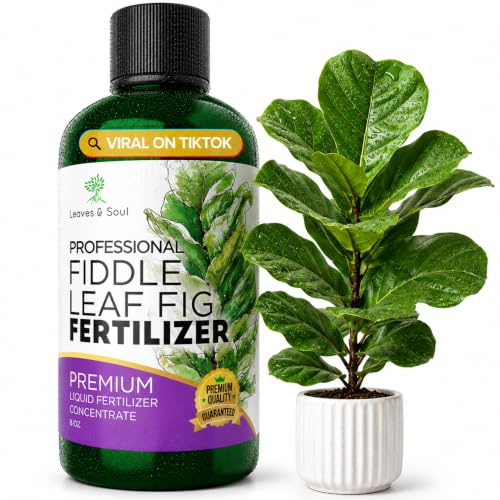
🌿 PERFECT BLEND OF NUTRIENTS: Give your fiddle leaf fig plants everything they need to grow strong and healthy with this professional fiddle leaf fig fertilizer featuring a balanced 3-1-2 formula. This premium fiddle leaf fig fertilizer liquid supports stronger roots, vibrant green foliage, sturdy stems, and healthier long-term plant growth. Ideal plant food for fiddle leaf fig indoor houseplants and mature plants alike.

Made for Fiddle Leaf Fig Plants - This root supplement is formulated to support healthy root development in fiddle leaf figs.
Why Repotting Causes Shock and Leaf Drop (and How to Help It Recover)
When you’ve just repotted your fiddle leaf fig, those first few weeks can feel unnerving as leaves start yellowing and dropping—but this is often transplant shock, not a death sentence.
Repotting shock occurs because disturbed roots struggle to absorb water and nutrients, triggering temporary leaf drop while the plant adjusts to its new container and soil.
Recovery after repotting demands patience and proper care. You should water thoroughly but gently, keeping soil consistently moist without fertilizing immediately. Shock worsens when you repot in winter or during sudden temperature and light shifts, so you’ll want to transplant during active growth periods instead.
Choose well-draining mix, ensure drainage holes, and move to a slightly larger pot. Watch for new growth and diminishing leaf drop—these signal your fiddle leaf fig’s roots are reestablishing and repotting recovery is underway.
Recommended Products
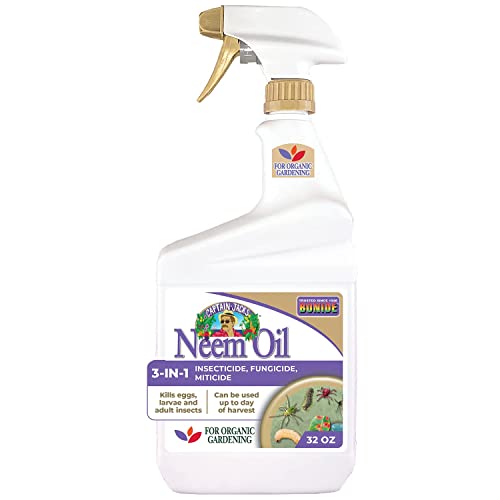
Protect your oasis with 3 garden products in 1 from Captain Jack’s; Bonide Captain Jack’s Ready-to-Use Neem Oil spray for plants is a multi-purpose fungicide, insecticide and miticide for your lawn & garden
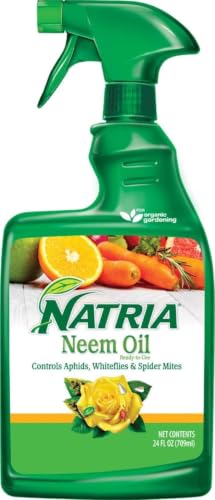
PLANT DISEASE CONTROL: Natria Neem Oil acts as an insecticide and fungicide in one convenient spray; Ready-to-use trigger sprayer requires no mixing

ESSENTIAL NUTRIENTS - A balanced mix to feed your ficus that promotes strong root structure, growth and overall better health. Provides the proper nutrients to grow your small fiddleleaf or audrey ficus into a giant!
Why Nutrient Shortages Cause Yellowing and Drop (and Fertilizer Timing That Works)
If your fiddle leaf fig’s leaves are turning pale or yellowing between the veins before dropping, you’re likely dealing with a nutrient shortage rather than a watering issue. Nitrogen deficiency drains your plant’s vigor, producing pale-yellow overall color, stunted new growth, and eventual leaf drop as resources divert upward.
Iron chlorosis strikes younger leaves first, creating bright yellow patches between green veins while older foliage remains unaffected.
Magnesium and potassium gaps brown edges and scorch margins, weakening stems until leaves tumble.
You’d fix this with strategic fertilizer timing: feed monthly during spring and summer with half-strength balanced formula, never in dormant months. You’ll flush salts quarterly to prevent root burn. Watch new growth emerge greener and stronger within weeks.
Recommended Products

Sturdy Ceramic 10 Inch Planter: Crafted from high-fired ceramic, the ceramic plant pots offer durability. These ceramic pots for plants is resistant to fading, warping, and cracking, ensuring a beautiful and long-lasting home for your plants (PLANT NOT INCLUDED)

【Perfect for Large Leafy Greens】13.2" top opening, 11.5" base width, 13.2" height (only 3.71 lbs)! These flower pots for indoor plants double as sturdy large outdoor planters—spacious enough for roots to spread freely.

【Multi Size Self Watering Planters for Indoor Plants】 Includes 12 inch, 10 inch, and 8 inch plant pots, perfect as large indoor planters for monstera, fiddle leaf fig, ZZ plant, and other houseplants.
Your Complete Care Checklist: Daily, Weekly, Monthly Tasks
You’ve tackled nutrient gaps—now lock in habits that keep your fiddle leaf fig steady. Check soil moisture daily; let the top 1–2 inches dry before watering, then soak thoroughly until water drains—never leave standing water.
Weekly, monitor light and temperature closely. Position your plant in bright indirect light and maintain 65–85°F. Keep it away from drafts, vents, and sudden temperature shifts that stress the leaves. Inspect for spider mites and mealybugs; isolate and treat infestations immediately.
Every two weeks to monthly, wipe leaves clean to boost photosynthesis and prune dead growth for better air circulation. Fertilize monthly with half-strength balanced houseplant food during active growth, flushing soil occasionally to prevent salt buildup. These routines stop problems before they start.
Recommended Products

2-in-1 Base & Stake Design: Whether you prefer the stability of a solid base or the convenience of staking the light directly into the soil, this plant grow light offers both options. It's perfect for a variety of setups, allowing you to easily place it on desks, countertops, or floors to suit different spaces and plant needs.Warm Tip: When using the base, please place the plant pot on the base to keep the light stable and securely positioned.

Large 8" Panel Designed for Tall & Large Plants: Featuring an upgraded 8-inch large-diameter light panel, this floor grow light delivers wider and more even coverage—perfect for tall and large indoor plants like monstera, fiddle leaf fig, banana trees, and olive trees. The heavy-duty metal base with non-slip pads ensures excellent stability, while the flexible gooseneck and telescopic pole adjust easily from 20 to 68 inches to fit plants at any height.
Conclusion
You’ve got the tools to stop the drop. Match your plant’s symptoms to the cause, then adjust your watering, light, or humidity. Check for pests, avoid temperature swings, and repot carefully when needed. Stick to a consistent care routine and your fiddle leaf fig will bounce back with fresh, healthy growth. Stay observant, act quickly, and you’ll keep those iconic leaves right where they belong—on the plant.