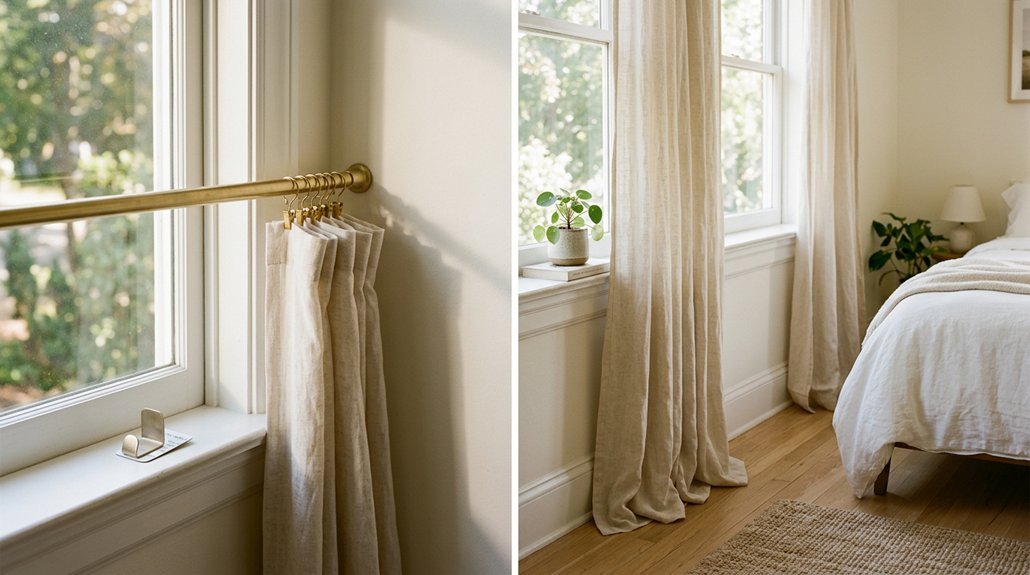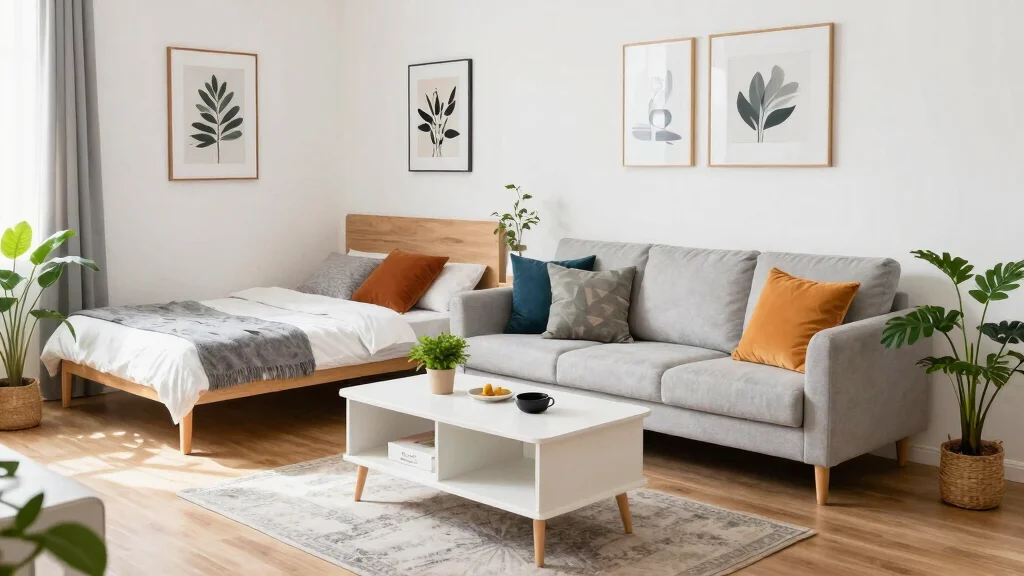

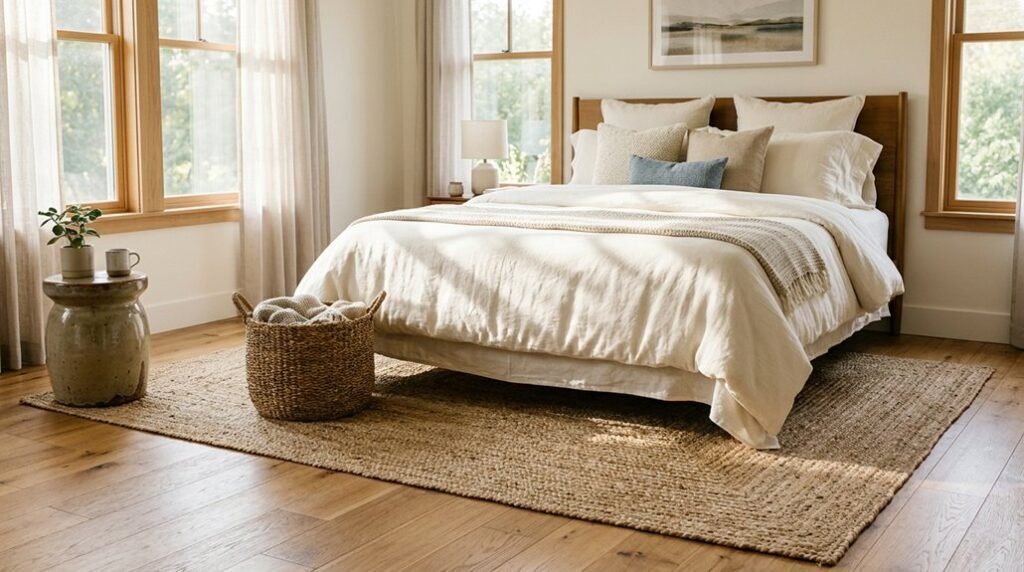
You stand in your bedroom, tape measure in hand, and realize the rug you’ve been eyeing might swallow the room whole. Bed size alone won’t save you from a proportion misstep; it’s the eighteen to twenty-four inches beyond the frame that separates intention from execution. Smaller spaces demand restraint, not grandeur. The real question isn’t just which dimensions fit—it’s how you’ll balance coverage with breathing room, and whether a single piece serves you or a layered approach wins out.
Start by Measuring Your Bed
Where do you begin when sizing a bedroom rug? You start with your bed size. Measure your bed’s width and length precisely, as this determines your baseline for rug extension. You’ll need sufficient rug extending beyond the bed’s perimeter—typically 18 to 24 inches on three sides—to achieve visual balance and functional coverage.
For technical reference, standard rug sizes align with bed dimensions: you’ll find 5×8 feet for twin beds, 6×9 for full, 8×10 for queen, and 9×12 for king configurations. These aren’t arbitrary; they’re calculated to ensure your rug sits properly under the footboard while maintaining proportional clearance on each side.
Measure twice. Account for frame overhang. Verify your chosen rug sizes leave adequate floor space visible around the perimeter—roughly 12 to 18 inches between rug edge and wall—to prevent a cramped, squished appearance.
Recommended Products

【Abstract Neutral Area Rug】--Our beige camel area rugs 5x8 have modern abstract style, understated &luxurious color scheme, includes tan, gray and white tones. This style is an out-of -the-box. Easily match/brighten up your modern/rustic decor. Add high class feeling& personalized vision for home living space.

Super Soft Feeling - This rug is built with the soft high fluff and a memory-foam, leave this rug feeling soft and luxurious, make your family more comfy and warm when they play on the floor. The fuzzy and warm area rug is a great choice for family party on the floor, it does what you really want.
Find the Right Bedroom Rug Size for Your Bed
You’ve measured your bed. Now you match bed dimensions to rug size with precision. For balanced proportion, aim your rug extension at roughly two feet beyond three sides—left, right, and foot. Reference these pairings: twin beds suit 5’×8′ rugs; full, 6’×9′; queen, 8’×10′; king, 9’×12′. Check that your footboard legs land solidly on the rug surface, preventing a cramped, truncated look. Never let rug width mirror bed width too closely; you’ll disrupt visual equilibrium and sacrifice that calm, centered aesthetic. When square footage tightens, deploy two 2’×3′ runners flanking the frame, or select a rug extending just one-quarter past a queen’s foot end. You control spatial harmony through measured, deliberate choices.
Recommended Products

Vintage Design: This 5x7 ft beige area rug features artfully distressed floral patterns that create a timeless classic aesthetic. Versatile for living rooms, bedrooms, dining rooms and other indoor spaces.

【Super Soft Area Rug】Our 6x9 area rugs are crafted from soft and high-density material that create a velvety texture, gently cushioning every step—like walking on a cloud. Featuring a modern abstract design with bold artistic print patterns, the area rug adds a contemporary touch to any space. Ideal beige rugs for living room, bedroom, dining room under tables, nurserys, or office.

[NON-SHEDDING]: Expertly machine-woven from enhanced soft synthetic durable fibers that have a virtually non-shedding pile for ultimate convenience
Skip the Oversized Rug in Small Bedrooms
How do you maintain proportion when square footage refuses to cooperate? In small bedrooms, you’ll resist oversized rugs and apply disciplined rug extension guidelines instead.
Standard bedroom rug size charts suggest Twin 5×8, Full 6×9, Queen 8×10, and King 9×12—but constrained spaces demand restraint, not full coverage.
You’ll extend the rug roughly a quarter past the bed’s bottom, ensuring footboard legs anchor onto the surface. This prevents visual cramping while maintaining grounded proportion.
When 24 inches on three sides proves impossible, you’ll adapt.
Position two compact rugs flanking the bed, or place a runner at the foot. You’re prioritizing balance over blanket coverage, letting the room breathe without sacrificing technical coherence or aesthetic intention.
Recommended Products
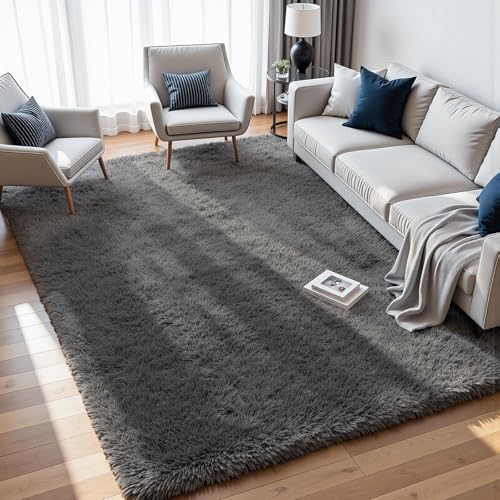
[Ultra Soft Fluffy Area Rugs for Living Room] 8x10 living room rug treat your feet to cloud-like comfort with our ultra-soft, high-density 1.7-inch plush microfiber pile—designed to stay fluffier longer without shedding. Whether walking, sitting, or lying down, each step feels luxuriously soft. Eco-friendly fibers resist matting, keeping the plush texture season after season. Ideal for bedroom, living room, or nursery.

CLASSIC VINTAGE AESTHETIC BEIGE RUG: The area rug 8x10 features a harmonious blend of beige tones that evoke a timeless vintage charm, making it an ideal addition for any room in your home—from retro bohemian and rustic farmhouse to modern minimalism. Perfect rugs for living room, bedrooms, dining room rugs for under table, entryways, playrooms, or home offices, this 8x10 rug serves as the finishing touch to your interior flooring decor

Timeless Botanical Artistry Area Rug: Inspired by 19th-century textile traditions, this rug features intricate floral are delicate, symmetrical, and full of vitality style. Perfect for living rooms, bedrooms, dining areas, or home offices. The nature is the purest source of aesthetics design blends vintage charm with versatility, complementing bohemian, farmhouse, and modern decor. "Art originate from nature and serve life."
Leave the Right Floor Space Around Your Bedroom Rug
Why let a rug suffocate your floor plan? You need intentional floor space to anchor your bedroom layout with visual breathing room. Position your rug size to extend roughly 24 inches on three sides of the bed—this creates proportionate scale without overwhelming the room. You’d avoid matching rug width exactly to bed width; that symmetry flattens dimension and feels cramped.
Instead, select dimensions that diverge: Twin beds suit 5×8 rugs, Full beds need 6×9, Queens demand 8×10, and Kings require 9×12. In tighter footprints, you’ll scale back—extend the rug only a quarter of the bed length past the foot, preserving that essential perimeter of exposed hardwood or carpet. You’re curating negative space as deliberately as the textile itself.
Recommended Products

Modern textured design – High-low pile creates a natural play of light and shadow across the solid cream beige surface. Subtle, but full of character.

WASHABLE RUG: This is a fully machine washable area rug for extra convenience. machine wash this living room rug in cold water alone for a deeper clean. regular vacuuming and spot cleaning will keep the rug looking fresh while the colors stay vibrant and won't fade, perfect for busy households with kids and pets

MACHINE WASHABLE: Our rug can be washed directly in washing machine in cold water and dried without heat. Daily maintenance is simple and convenient
Layer Bedroom Rugs or Use Runners for Custom Layouts
Where does one rug end and another begin? You decide when you build rug layers that serve your space. You place a queen bed with a rug extending a quarter past its foot, then anchor two 2’x3′ pieces on each side. You gain texture without sacrificing flow.
You aren’t bound to standard bedroom rug size charts—though you’ll reference them. Twin pairs with 5’x8′, full with 6’x9′, queen with 8’x10′, king with 9’x12′. You break from convention by laying runners where rigid dimensions fail. You guarantee 24 inches of coverage on three sides, then weave in smaller mats to define zones. You control proportion, proportion controls perception. Custom layouts reward your precision. You craft balance through deliberate overlap, never accident.
Recommended Products

Soft material: The camel plush rug runner made of soft high fluff which give you a soft and comfortable touch, Without smells and shedding, you can have a rest even sleep on it, Also the soft fluffy material is friendly for your kids or little pets

[Supreme Comfort and Softness] Treat yourself to the luxurious comfort of the OLANLY Machine Washable Area Rug. Its plush, high-density pile provides an incredibly soft, plush feel underfoot. Enjoy the warmth and coziness, all while the rug remains fiber-shed-free, making it ideal for your bedroom, living room, or nursery.

Ultra Softness: With over 1.67-inch fluffy and its natural gloss, the area rug is super soft and cozy to step on, the faux fur will enveloping your feet when you step on it, making it feeling like a hugged
Conclusion
You’ll measure your bed precisely, then extend your rug 18–24 inches beyond three sides—roughly two feet of visible floor frames the room. In tight spaces, avoid oversized pieces; layer textures or deploy runners instead. Your proportions stay deliberate, your layout balanced. Whether you anchor a Queen with 8×10 or customize with layered dimensions, you’re choosing scale that serves both function and visual calm.
Recommended Products

[Supreme Comfort and Softness] Treat yourself to the luxurious comfort of the OLANLY Machine Washable Area Rug. Its plush, high-density pile provides an incredibly soft, plush feel underfoot. Enjoy the warmth and coziness, all while the rug remains fiber-shed-free, making it ideal for your bedroom, living room, or nursery.
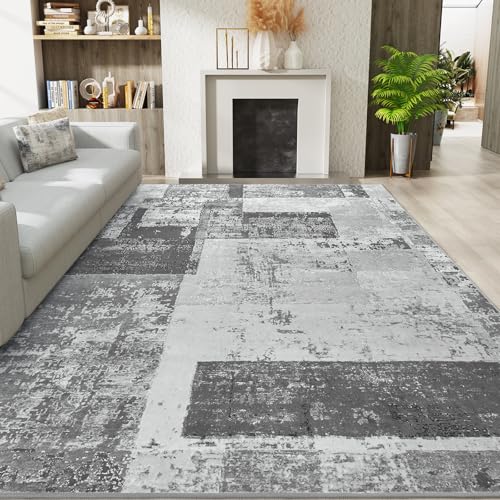
Abstract & Geometric: A blend of retro style, geometric patterns and abstract elements, 5x8 area rug comes with a sense of a movie filter! This instantly turns your room into a mid-century modern gallery. A great fit for any room: living room, bedroom, dining room, hallway, home office, dorm or kitchen

Machine Washable: Keep your rug fresh with ease! Simply vacuum regularly, or for a deeper clean, toss it in the machine. Ideal as living room rugs, office rug 5x8, large entryway rugs and mat for bedroom girls. Durable for everyday use.