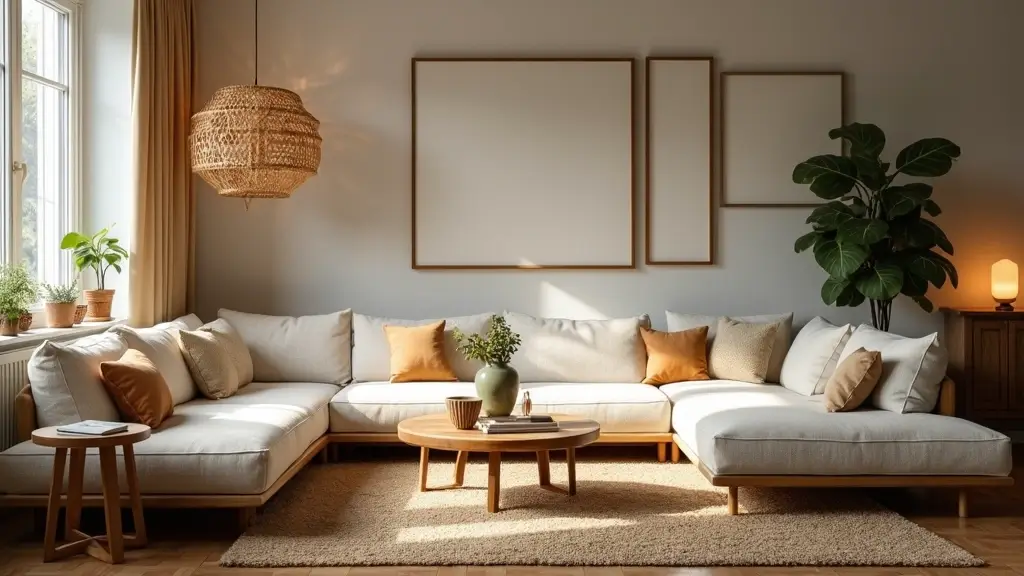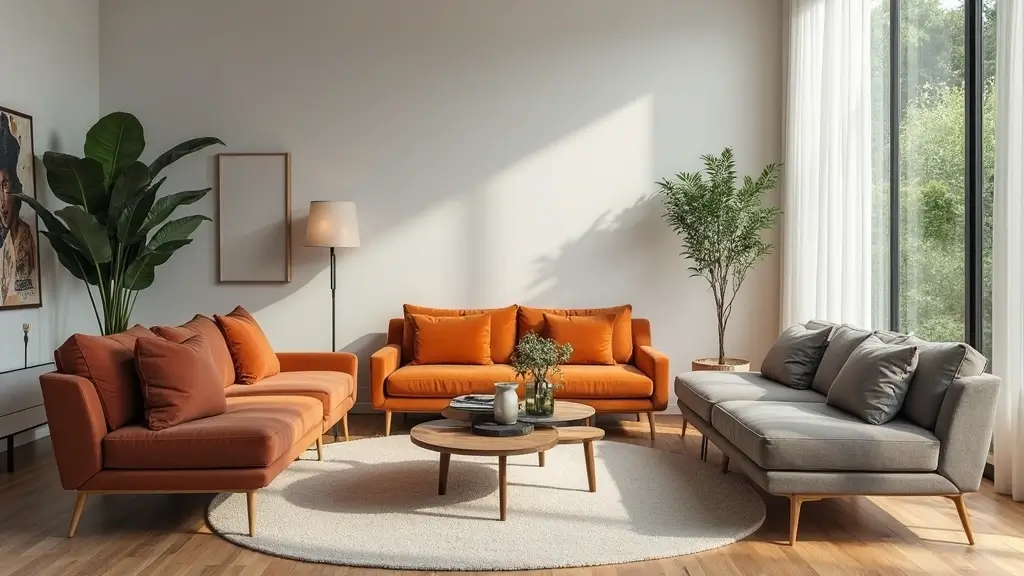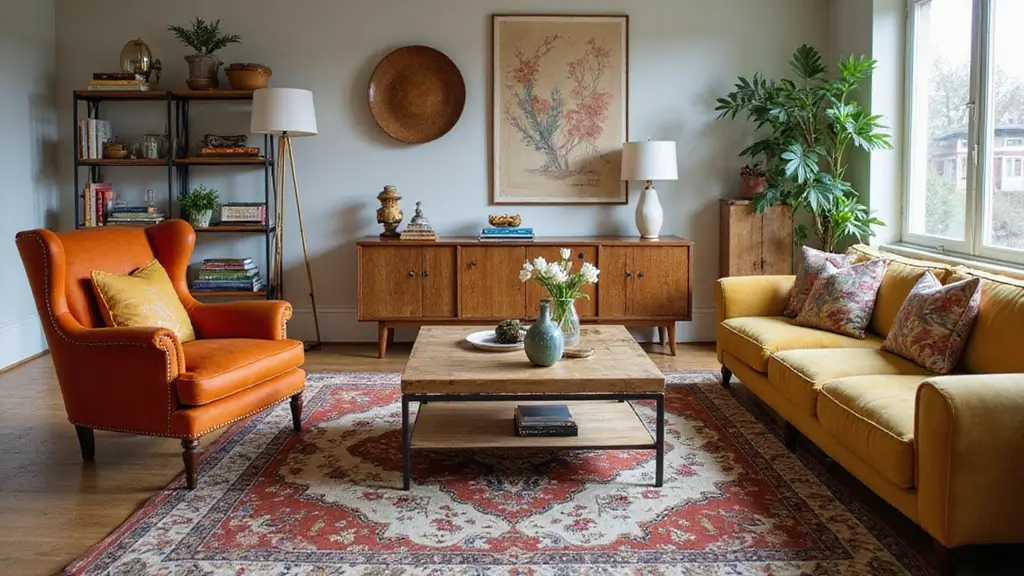

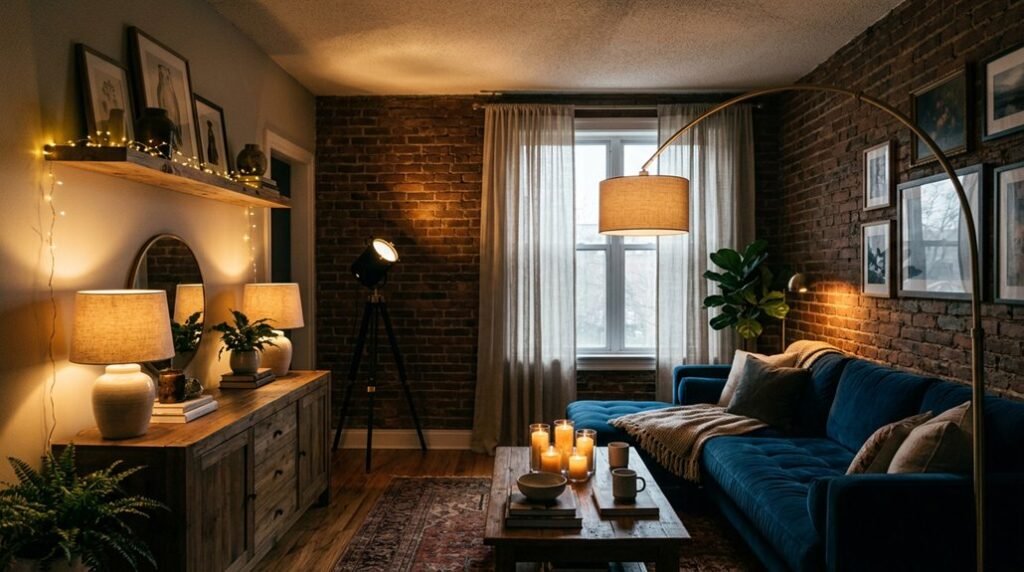
You’re standing in a room with no ceiling fixture, and the walls feel like they’re closing in. Two floor lamps, glass shades diffusing warm LEDs, will open the space back up—but that’s only where the layering begins. The real transformation happens when you start thinking in three dimensions, letting light graze surfaces from unexpected angles. Your next move determines whether the room feels merely functional or truly inhabited.
Light Rooms With No Overhead Lighting Using Floor Lamps
Where do you turn when the ceiling offers nothing? You floor it.
Floor lamps become your architecture. You position two substantial pieces with diffused shades and warm LED bulbs—2700K to 3000K—near seating areas or corners, letting them wash walls and ceilings with soft ambient lighting. You’re not seeking spotlights; you’re crafting atmosphere. The diffused light bounces, expands, fills.
You choose lamps that send illumination upward, never glaring down. They read as furniture, defining conversation zones and flow through scale and placement. You gauge ceiling height, room proportions, sight lines.
This is your foundation—layered lighting begins here. You haven’t built task or accent zones yet, but you’ve established the ambient wash that makes space inhabitable, glowing, dimensional.
Recommended Products

{Upgraded! Floor Lamp Included LED Bulb} Modern floor lamps include a 9W LED bulb with 3 adjustable color temperatures: 3000K/4000K/5000K. You can easily adjust to your favorite light tone to create ideal atmosphere, suitable for reading, working, relaxing, dining and various daily scenes. Featuring linen lampshade and black lamp pole, it matches contemporary, retro, mid century and industrial styles perfectly.

Premium Material: The Wood floor lamp is integrated with premium Nature Rubber wood tripod, which is enduring, firm and aesthetic. It’s sturdy design makes it no shaking and safe to have around children and pets
Build Ambient, Task, and Accent Layers
You’ve established your ambient foundation with floor lamps; now you’ll complete the room by building in task and accent layers. Position two diffused floor lamps to bounce light outward, establishing an even baseline without harsh downward glare. Layer in task lighting through targeted table and reading lamps—place them where you’ll actually work, read, or gather. Add wall sconces, whether plug-in or battery-operated, to introduce vertical illumination without hardwiring; they’re essential for rentals and add sophisticated spatial depth. Finally, weave in accent lighting to punctuate your composition—picture lights grazing artwork, LED strips grazing shelf backs—drawing the eye toward texture and form. Together, these three layers transform flat shadow into dimensional, intentional space.
Recommended Products

RELIABLE & STYLISH FLOOR CAN LIGHT - All components are UL certified, including GU10 bulb, lamp holder, cable and switch, safe and durable. Black metal construction, 8" high × 3.5" wide beveled cylindrical shape give the uplights fashion and art, perfect for indoor accent lighting.

✅【Stylish & Reliable Floor Can Light】Aluminum housing, cylindrical construction, white finished, bring the uplights indoor a full fashion and art, perfect for indoor accent lighting. All components are UL listed, including lamp holder, bulb, cable and switch, safe and durable.

RELIABLE & STYLISH FLOOR CAN LIGHT - All components are UL certified, including light bulb, lamp holder, cable and switch, safe and durable. White metal construction, 8" high × 3.5" wide beveled cylindrical shape give the uplights fashion and art, perfect for indoor accent lighting.
Vary Lamp Heights to Kill Flat, Shadowy Light
Why settle for a single plane of illumination when your room deserves depth? You create dimensional, shadow-free warmth by orchestrating two floor lamps at staggered heights—one commanding an open expanse, another tucked beside your reading chair—then threading in mid-height table lamps and compact accents near consoles.
This varying heights strategy sculpts layered lighting across multiple planes, letting light graze walls, pool across textures, and illuminate art from distinct angles. You soften each source with a diffuse shade, ensuring beams merge rather than clash. Pair every fixture with warm LEDs at 2700K–3000K to maintain tonal cohesion.
You align scale to spatial constraints: tall lamps anchor airy zones; petite forms layer into tighter quarters without crowding. Iterate placement until coverage evens across focal surfaces, never concentrating brightness in one isolated spot.
Recommended Products

Integration with Modernity: Our wireless battery operated wall sconce set of 2 feature a beautiful gold-colored body paired with an elegant green tulip glass lampshade. Its simple yet elegant lines, exquisite metalwork and warm colors can easily be integrated into a variety of modern decorative styles

Integration with Modernity: Our wireless battery operated wall sconce set of 2 feature a beautiful gold-colored body paired with an elegant pink tulip glass lampshade. Its simple yet elegant lines, exquisite metalwork and warm colors can easily be integrated into a variety of modern decorative styles

【2-Pack Wireless Battery-Powered Sconces】Freedom to place anywhere: set of two sconces, each running on a rechargeable battery bulb—no hardwiring, no plug-in required. Simply mount them on the wall (drilling required; hardware included) and enjoy light anywhere, from hallways without outlets to cozy reading nooks. Includes two remote controls for easy on/off and mode switching.
Install Plug-In Sconces Without Hardwiring
Several plug-in sconces can transform your walls into illuminated architecture without a single wire stripped. You’ll embrace no hardwiring as a design advantage, not a limitation.
For your plug-in lighting plan, flank your sofa symmetrically or position pairs above artwork to frame focal points with balanced vertical illumination. You’re creating layers that draw the eye upward, expanding perceived ceiling height and spatial depth. This approach defines rental lighting at its most sophisticated—temporary yet transformative.
Select diffused, warm-toned units to cast an ambient glow that softens shadows and flatters surfaces. You’ll discover rechargeable options and remote-controlled brightness where outlets prove elusive, maintaining clean sightlines.
Mount with anchors, plug into standard outlets, and you’ve achieved permanent-looking results without ever calling an electrician.
Recommended Products
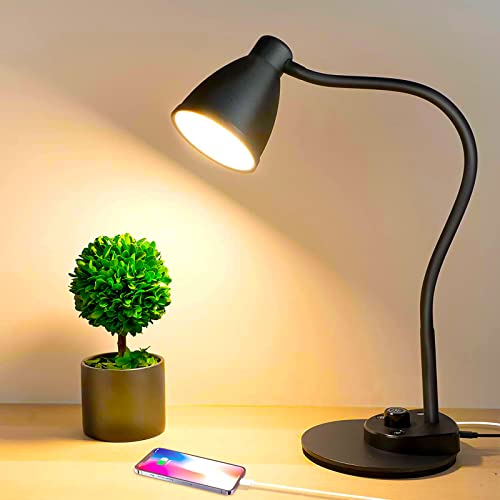
Eye-Caring Desk Lamp: With 56 top SMD2835 LED beads for emitting a 3000K-5500K soft, stable and non-flickering light, which is friendly to your eyes, ideal for reading, work, or rest. Adopting the most advanced LED technology, can save up to 90% energy compared to traditional ones. 10-watt LED lights provide a maximum of 900 lumens.

Important Note – Use only the included AC adapter. Connect the power cable securely and press the Power Button to turn on the lamp. The USB ports are output-only (not support fast charging) and cannot power the lamp.
![iZELL Desk Lamp, [3 Color Modes & 10 Brightness] LED Reading Light with Clamp, Silicone Flexible Arm Book Light for Kids Reading Book in Bed at Night Clip on Table, Headboard, Dorm - 15.8‘’ Black](https://m.media-amazon.com/images/I/41kabBTJ2SL._SL500_.jpg)
【ENERGY SAVING EYE CARE LAMP】- This led book light consumes 80% less energy compared to incandescent lamps. Consists of a long strip shape, stable light source and soft panel housing for a softer light and a wider coverage, which allows you to stay focused and productive while using it. It can be widely used for reading in bed at night, college dorm room, zoom meeting, painting, sewing, nail art, tattoo, makeup, crafts, etc.
Hide Cords Without Damaging Walls
Where does that trailing cord belong when your walls must remain pristine? You route it thoughtfully, respecting the architecture of your space.
Begin with strategic cord management: thread cables along baseboards, tuck them beneath furnishings, or run adhesive channeling that peels away cleanly. For your plug-in lighting, you’ll find elegance in cord covers rated for temporary use—slim profiles that merge with trim rather than disrupt it. Swag pendants and electrical cord kits let you drape with intention, drawing the eye upward without a single drill hole.
Mount wall-mounted fixtures where outlets already live, eliminating visible runs entirely. Or pivot entirely to battery-operated lights—rechargeable sconces and picture lights with built-in bases that free you from cords altogether. You keep walls intact while preserving the quiet geometry of your room.
Recommended Products

Manual Control Design – No Motion Sensor: This RGB under cabinet light is designed for remote and button control only. It does not include a motion sensing feature. Simply turn it on/off and adjust colors and brightness using the remote or manual switch for precise lighting control without unexpected activation

Warm White and Daylight White : Dimmable Under Cabinet Lights Plug-in LED Strip Lights for kitchen, 6 PCS pre-cut LED lights strip. White cabinet light Suitable for DIY your kitchen, cabinet, closet, counter, shelf, TV back, showcase and anywhere you want

【SUPER BRIGHT】: 1050 lumen super bright strip lights, can easily illuminate the dark areas under the cabinet. 16.4ft tape light with 300 PCS SMD 2835 warm white LEDs, as auxiliary lighting or decorative lighting, is a perfect choice.
Add Accent Lights to Dark Corners and Artwork
How might you transform shadowed recesses and blank walls into curated moments of illumination? You’ll deploy accent lighting with intention, turning voids into visual anchors.
Mount picture lights or directional spotlights above cherished pieces—artwork lighting creates gallery-grade focal points without a single overhead fixture. Tuck LED strips behind shelving or media consoles; they’ll cast an ambient glow that lifts peripheries without intrusive beams. For shadow filling, nestle a petite lamp into the darkest corner, balancing your existing floor and table arrangements across the spatial plane.
Select warm white LEDs between 2700K and 3000K in diffused housings—this temperature reads inviting, never clinical. Flank artwork with wall sconces, then layer nearby portable lamps to extend vertical reach. You’re sculpting atmosphere, not merely brightening surfaces.
Recommended Products

Smart & Convenient Control:Easily control your LED floor lamp with the small, magnetic remote or the built-in foot switch. Compact and easy to store, the remote feels solid in your hand, making this standing lamp perfect for any room.

[Bright, Even Light]: This 27W LED floor lamp delivers up to 2700 lumens through an edge-lit light guide panel. Light spreads across the full surface instead of shining from exposed LED points, creating soft, uniform illumination with fewer harsh hotspots, reduced direct glare and no visible flicker for reading, office work, sewing and crafts.

60 Watt Equivalent: At only 6 watts per E26 base LED bulb, Comzler's E26 base LED bulbs are a smart solution for replacing your existing 60-watt incandescent bulbs, saving you electricity, and providing more durability and brightness than regular incandescent bulbs.
Place Lamps by Activity, Not Symmetry
Since a room without overhead fixtures demands intention, abandon the impulse to mirror lamps across mantels or matching end tables—symmetry flattens space, but function breathes life into it. Map your activity zones first: position task lighting beside reading chairs, sofas, and desks where you actually dwell. Anchor each zone with floor lamps and table lamps in deliberate clusters, building layered lighting that sculpts depth rather than pooling flatly. Vary heights to catch sightlines, surfaces, and movement paths without casting harsh shadows across walking routes. Tuck warm bulbs into each fixture, ensuring concentrated glow follows natural traffic flow. You’ll find darkness dissolves when light serves living, not merely balancing a mantelpiece.
Recommended Products

Modern and Stylish, Sturdy Floor Spotlight: The housing of these indoor accent lighting is crafted from premium solid matte aluminum and flame-retardant PBT material, ensuring excellent heat dissipation and complete rust and corrosion resistance. The LED Art Light is extremely convenient to use, featuring plug-and-play functionality. Its 6.56-foot cable length enhances portability, making it particularly ideal for illuminating artwork and indoor plants

RELIABLE & STYLISH FLOOR CAN LIGHT - All components are UL certified, including GU10 bulb, lamp holder, cable and switch, safe and durable. White metal construction, 8" high × 3.5" wide beveled cylindrical shape give the uplights fashion and art, perfect for indoor accent lighting.

Modern and Stylish, Sturdy Floor Spotlight: The housing of these indoor accent lighting is crafted from premium solid matte aluminum and flame-retardant PBT material, ensuring excellent heat dissipation and complete rust and corrosion resistance. The LED Art Light is extremely convenient to use, featuring plug-and-play functionality. Its 6.56-foot cable length enhances portability, making it particularly ideal for illuminating artwork and indoor plants
Select Bulbs and Shades That Spread Light
Once you’ve anchored your activity zones with deliberate placement, the quality of what you’re lighting matters as much as the position. You’ll want to select warm white bulbs—specifically 2700K to 3000K for north-facing spaces—to cast inviting tones that banish clinical chill. Pair these with diffused shades in fabric or frosted glass, ensuring they’re translucent rather than opaque so light escapes freely instead of pooling trapped behind the fixture. This scattering transforms harsh beams into gentle ambient lighting that washes walls and ceilings.
Build layered illumination by mixing task, accent, and ambient sources at varied heights, matching warm tones across every fixture so your room reads cohesive, not fragmented. The result feels intentionally designed—spatially balanced, visually warm, complete.
Recommended Products

Integration with Modernity: Our wireless battery operated wall sconce set of 2 feature a beautiful gold-colored body paired with an elegant pink tulip glass lampshade. Its simple yet elegant lines, exquisite metalwork and warm colors can easily be integrated into a variety of modern decorative styles

【Easy to Install, No Wires】There are detailed installation instructions to guide the installation. 2 Pack Battery wall decor set with for easy installation on any smooth surface. No need for electrical boxes, wiring. (Note: Not suitable for rough surfaces).Tips:The brightness of the battery-powered light source will be darker than the wiring light.

Hassle Installation, No Wiring Needed: Detailed installation instructions included for effortless mounting on any smooth surface. No need for electrical boxes or wiring. The 2-pack battery wall decor set ensures quick and easy installation. Reminder: Battery-powered lights are less bright than wired options
Use LED Strips Behind Furniture for Extra Glow
Where shadows pool along your floorboards, LED strips tucked beneath sofas, credenzas, and media consoles cast an upward wash that seems to float the furniture itself. This technique transforms how you experience rooms with no overhead lighting, creating depth through reflected luminosity.
Hide flexible, self-adhesive tape behind furniture to eliminate visible fixtures while amplifying spatial perception. The light bounces softly off walls and ceilings, expanding your room visually without a single hard shadow.
Select warm white 2700K–3000K temperatures to sustain an ambient glow that harmonizes with table lamps and candles. Install dimmers to modulate intensity as evening progresses. You’ll discover that indirect illumination doesn’t merely fill darkness—it sculpts it, lending your space architectural presence through subtle, layered radiance.
Recommended Products

3 Light Modes and 10 Dimmable Brightness: Clip on lamp offers cool light, warm light, nature light and 10 brightness levels (10%-100%) for each lighting mode; Clip led lamp provides non flickering, no glare, no ultraviolet ray, no frequency radiation eye-friendly light to protects our eye from hurt; Ideal for home office, kids studying, hobby painting, lighting computer screen, sewing machine and work space so on
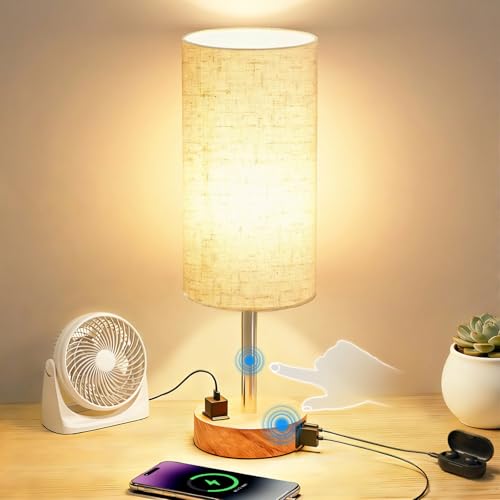
【All-in-One Charging Table Lamp】This desk lamp features a built-in AC outlet, USB-A, and USB-C ports, allowing you to charge multiple devices like phones, tablets, and laptops simultaneously—whether the light is on or off. It's your all-in-one power solution that declutters your nightstand and frees up outlets.

Professional Eye Comfort Technology: Featuring 56 high-quality LED beads, this lamp delivers flicker-free, glare-reduced illumination with blue light filtering. Protects eyes during late-night study sessions or extended office hours.
Warm Up Your Lighting for Dark Winter Days
How do you chase the winter gloom from a room that’s forgotten the sun? You swap harsh bulbs for warm light, choosing soft white around 2700K–3000K to cast a honeyed glow across shadowed corners.
You build layered lighting that mimics daylight’s depth—ambient washes, task pools, and accent sparks working together. Cluster table lamps with fabric or frosted shades throughout seating areas; they’ll soften edges and banish flatness.
You position light at multiple heights—floor lamps anchoring corners, sconces grazing walls—to lift the ceiling visually and sculpt dimensional warmth. You place mirrors and pale finishes strategically, letting reflective surfaces catch and multiply that amber glow.
The room breathes again. Winter stays outside.
Recommended Products

Smart App and Music Sync: This rgb shelf lighting works with Surplife app and features a music sync mode that changes colors in rhythm with your favorite songs. These rgb display lights for shelves offer 40+ built-in lighting modes, along with customizable DIY options to create your own unique effects. They are perfect for bookcases, curio cabinets, bookshelves, display cases, kitchens, under cabinet, game room, bars,TV and floating shelves.

🔴Multicolor changing: the RGB LED strip lights kit has not only RGB(Red, Green, Blue), 16 multicolored options, but also DIY selection, which makes more vibrant for Christmas decorations.
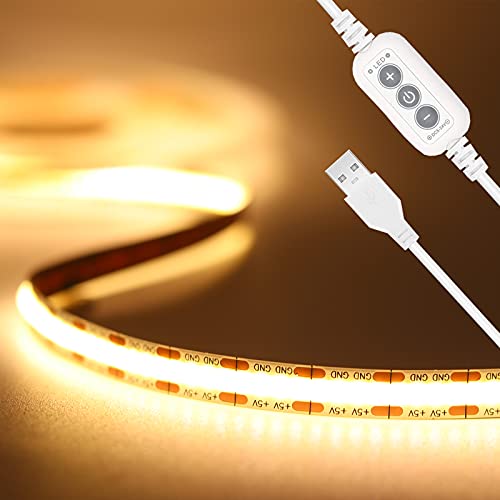
【Brighter TV Backlight】With 640LEDs in total(320LEDs/m),PAUTIX warm white COB USB LED strip lights creates brighter and super even lighting performance,which is ideal for reducing eyestrain(watching TV in the dark causes the eyes to constantly adjust between a bright screen and dark surrounding area)
Conclusion
You’ve crafted a space that glows from within—layered, intimate, and entirely yours. Warm pools of light trace your movements, shadows soften into depth, and every corner invites lingering. Without a single overhead fixture, you’ve built atmosphere through intention: height, hue, and hidden glow. Your room doesn’t need the ceiling to hold its light; you’ve taught it to breathe warmth from below.