
You stand in the doorway, tape measure in hand, realizing your sofa will never fit where you imagined. The room demands precision: every inch governs movement, every sightline shapes perception. Scale becomes your primary material, light your secondary. What separates cramped from considered isn’t budget—it’s restraint. The question isn’t what to add.
Key Takeaways
- Measure your space and sketch layouts digitally before buying furniture to ensure proper circulation.
- Choose a compact sofa or modular system that preserves walkways and adapts to awkward angles.
- Define separate zones with area rugs, floor lamps, and texture shifts without building walls.
- Integrate storage into seating, walls, and dead zones to maximize function without clutter.
- Anchor furniture on the longer wall, place TV near circulation paths, and layer neutral textures.
Recommended Products


【Upgrade Comfortable Thickness】Made of non-slip silicone material, this rug is 0.38" thick with a high-resilience middle layer. It offers a soft and cushioned foot feel while reducing noise, making it ideal as living room rugs to create a cozy and peaceful atmosphere.

Measure First, Then Choose Your Layout
Where do you begin when every square foot demands intention? You measure first. In a narrow living room, inaccurate dimensions destroy layout planning before it starts. You record wall-to-wall distances, door swings, and window heights. You’ll use tools like magicplan to test configurations digitally, ensuring your sofa size fits without crushing circulation.
In small space design, you prioritize three-foot walkways behind seating—non-negotiable clearances that preserve traffic flow. You map sightlines from entry points to focal walls; where you’ll mount your TV and position low-profile storage. You’ll align the sofa to maximize open-plan flow while keeping pathways unobstructed. Every decision compounds: a misplaced piece constricts movement, while precise placement expands perceived volume. You’re establishing spatial logic before committing to objects.
Recommended Products

[3-Seater Sofa & 1 Ottoman] This modular sofa comes in Two package.Carefully designed packaging ensures complete delivery of the package.

Modular Sectional, Flexible Layout: This modular sectional sofa is designed for small space living. Use it as a 2 seater sofa, modular couch, or compact sectional. Ideal living room furniture for apartments, bedrooms, studios, and cozy space setups with flexible arrangement options

💡 Stylish and Spacious Sectional Sofa - A blend of modern elegance and comfort, this green sofa is ideal for contemporary interiors. Customize seating and shape by adding or removing modules to fit your needs. It's perfect for your living room, family room, bedroom, or office. Overall size: 70.6" W × 68.5" D × 36" H, seat width: 32", seat depth: 24.5".
Find a Sofa That Fits (and Adapts)
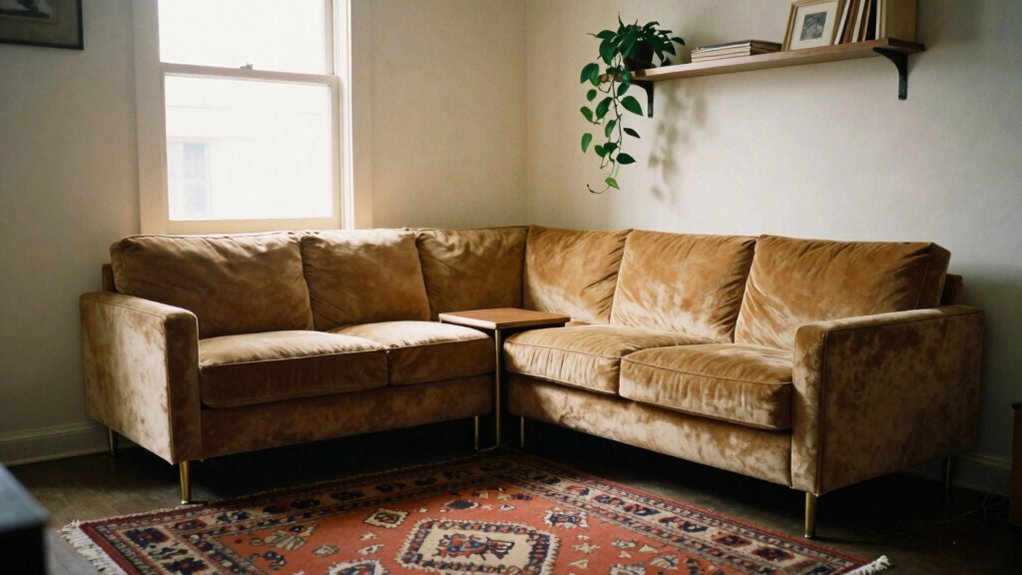
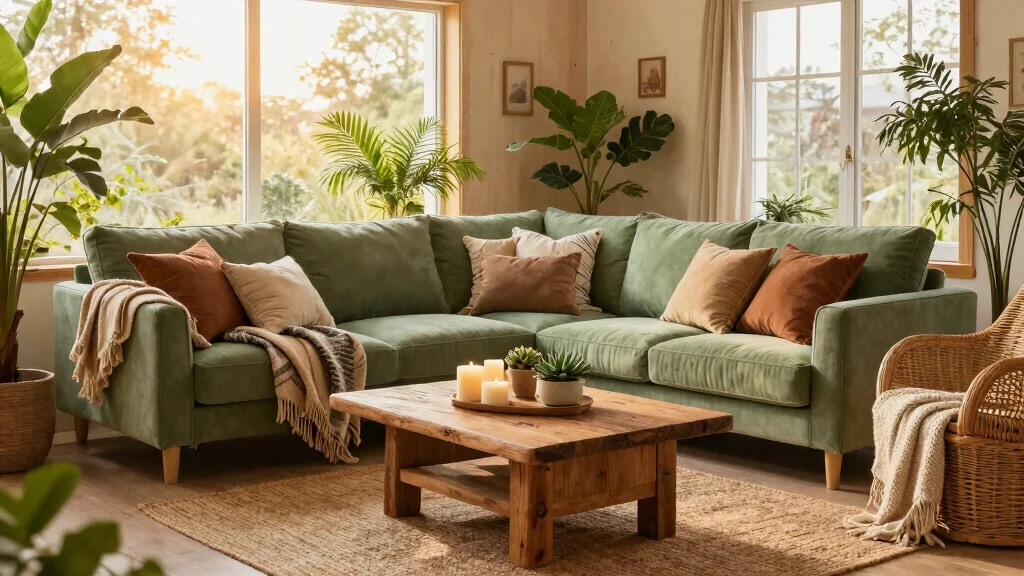
Once your layout’s anchored in precise dimensions, you’re ready to seat it. Select a small sofa with a compact footprint to preserve circulation; pair it with an ottoman for expanded layout options and adaptable guest accommodation. Prioritize modular systems or a corner sofa to exploit awkward angles and reconfigure against exact wall proportions.
Integrate storage directly into the seating—built-in compartments with removable tops stow blankets, media, and accessories, eliminating peripheral clutter. Position the unit to safeguard three feet of walkway clearance behind the backrest, ensuring uninterrupted passage through the spatial field. A two-tiered console adjacent to a wall-mounted display extends shelving without encroaching on the seating zone. You’re engineering efficiency: every planar surface performs, every cubic inch earns its place.
Recommended Products

Modern Aesthetic: With a stylish racetrack‑style shape and refined velvet finish, this foldable storage ottoman from the MAZIE Collection adds a touch of minimalist elegance to your space
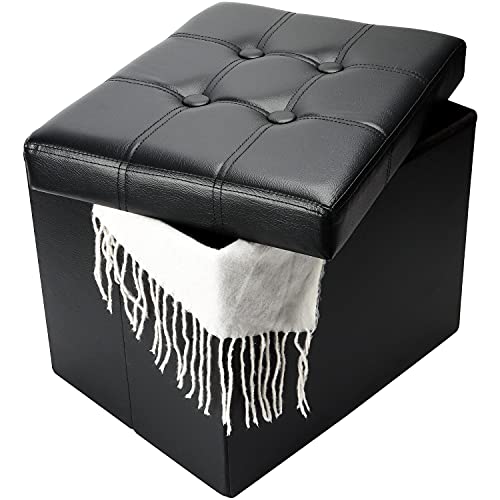
PERFECT FOOT REST STOOL: L17 x W13 x H13in, Specially designed size and high-quality thicker soft foam, bring more comfort for your foot rest. Spacious hidden storage room for sundries including clothes, blankets, children's toys or many other stuffs inside; organize your living room, bedroom and hallway.an

【QUICK ASSEMBLY, EASY FOLDAWAY】This storage ottoman from the SONGMICS MAZIE Collection has a foldable design that allows quick setup in seconds by simply inserting the bottom panel. Easily fold and store it under the bed or in a closet when not in use
Create ‘Rooms’ Without Building Walls
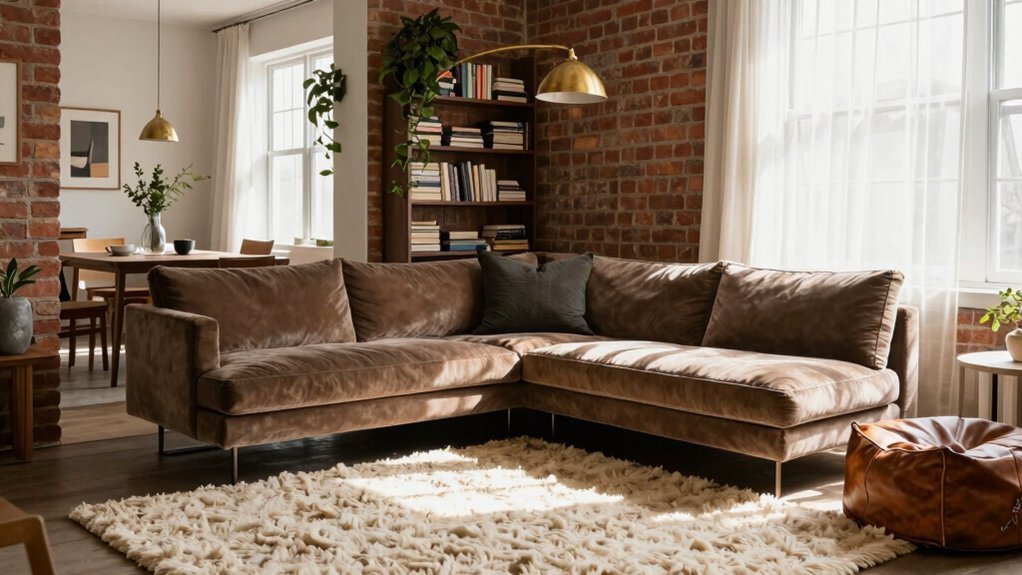
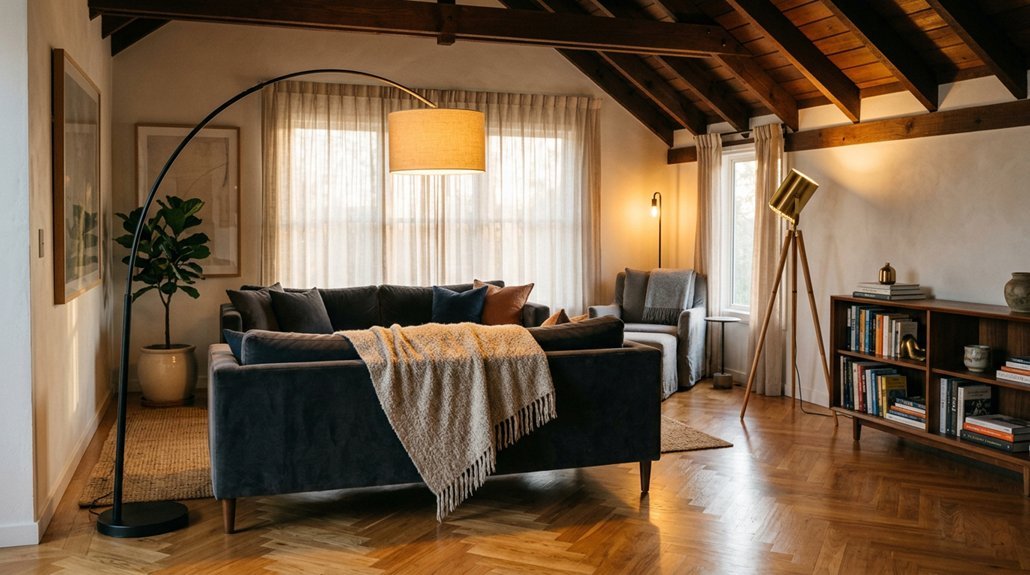
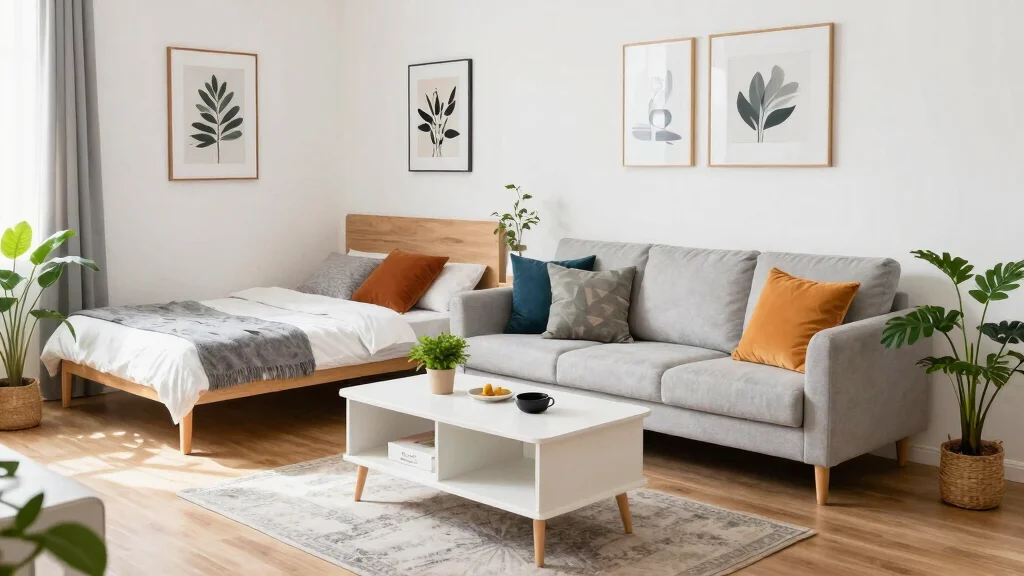
How, then, do you carve distinct territories within a single, bounded volume? You deploy spatial strategies that delineate without dividing. In a small living room, you define space through deliberate material interventions: an area rug anchors the lounge zone, its texture and scale signaling programmatic shift from adjacent functions. You arrange modular seating to choreograph circulation, preserving three feet of clearance behind primary axes to maintain open flow. Your open-plan layout demands precision—position the sofa and screen to balance intimacy with permeability. You layer lighting to sculpt atmosphere, deploying floor lamps as luminous partitions that darken when unneeded. Multi-use furniture compounds efficiency; storage-integrated ottomans and reconfigurable units adapt to mutable demands. You create rooms through subtraction, not addition—suggesting enclosure through material, illumination, and calibrated presence.
Recommended Products

Perfect Home Gifts:This solar system-themed rug features adorable and whimsical planet designs, making it the perfect home gift for children, friends, or new homes. Galaxy rug - whether as a housewarming present or a decorative piece for a child's room, it conveys warm sentiments and creative blessings

Material: A layer of fluffy material and a sponge middle layer.Point plastic backing,no shedding & fade.

Effortless Maintenance & Machine Washable: This durable 10x12 area rug is designed for high-traffic spaces like living room, dining room table, bedroom, playroom and lounge. Easily refresh with regular vacuuming or machine wash for deep cleaning—stays vibrant through everyday use
Solve Storage for Real Life
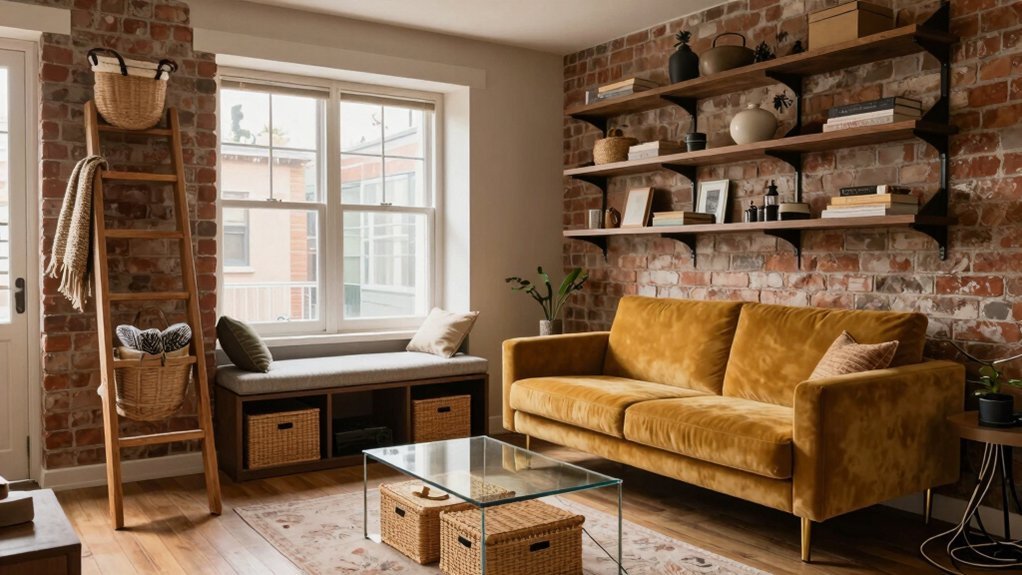
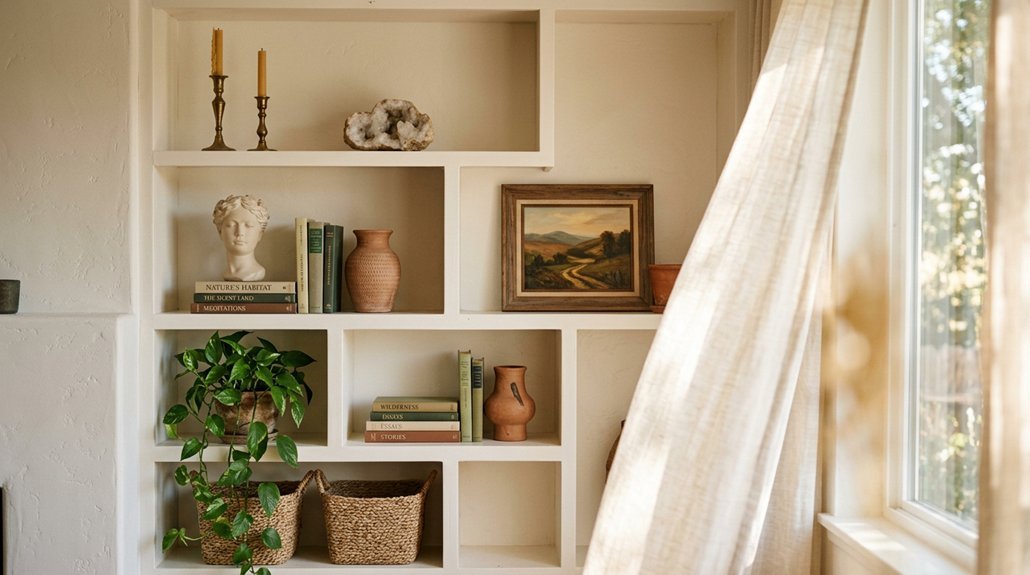
Why surrender floor area to bulky cabinets when your walls and furniture can carry the load? You deploy wall-mounted shelves at strategic heights, creating vertical storage networks that preserve circulation paths. You integrate multifunctional furniture—a storage ottoman housing blankets, a fold-out coffee table concealing games—to collapse multiple functions into singular, space-saving forms. You specify built-in seating with under-bench storage, maximizing capacity while maintaining visual lightness. You position pegged wall systems and hidden baskets to elevate small items off horizontal planes, reducing spatial chaos. These storage solutions operate as architectural interventions: they reconstruct dead zones into active repositories. You select each element for its dimensional efficiency, ensuring your compact footprint accommodates real accumulation without aesthetic compromise.
Recommended Products

[DIMMABLE FLOOR LAMP FOR BRIGHTNESS & COLOR] This tall lamp can use the remote control to adjust the brightness by stepless from 10% to 100% and color temperature from 3000K to 6000K, for warm white, natural white, and cool white light. You can adjust the brightness from super soft and cozy to bright and energizing, and switch between warm, natural, and cool light depending on your mood.

Compact Size: The modern floor lamp measures only 7.9"L x 7.9"W x 64.6"H, fitting into tight and narrow corners without taking up extra space. It is perfect for use next to sofas, couches, recliners and side tables, providing warm and cozy lighting to brighten up your corner space

UPGRADED FLOOR LAMP 90% BRIGHTER THAN OTHERS: Our strong R&D team has upgraded the brightness and performance based on the same product on the market. Compared with other old model lamp 12W/1000lm, our new lamp 18W/1800lm is the first one to adopt LED technology with a light guide plate, which increases its brightness to 90% brighter than others. A best bright Lamp for living room bedroom, Also for LED lash light, nail light, tattoo lamp,sewing light, craft lamp and puzzle light.
Design for Your Actual Routine
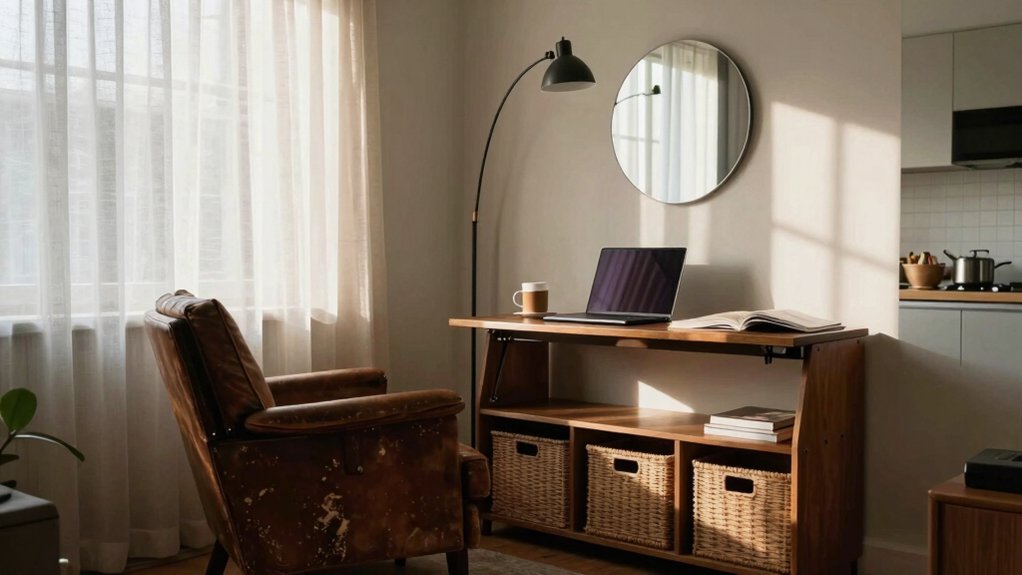
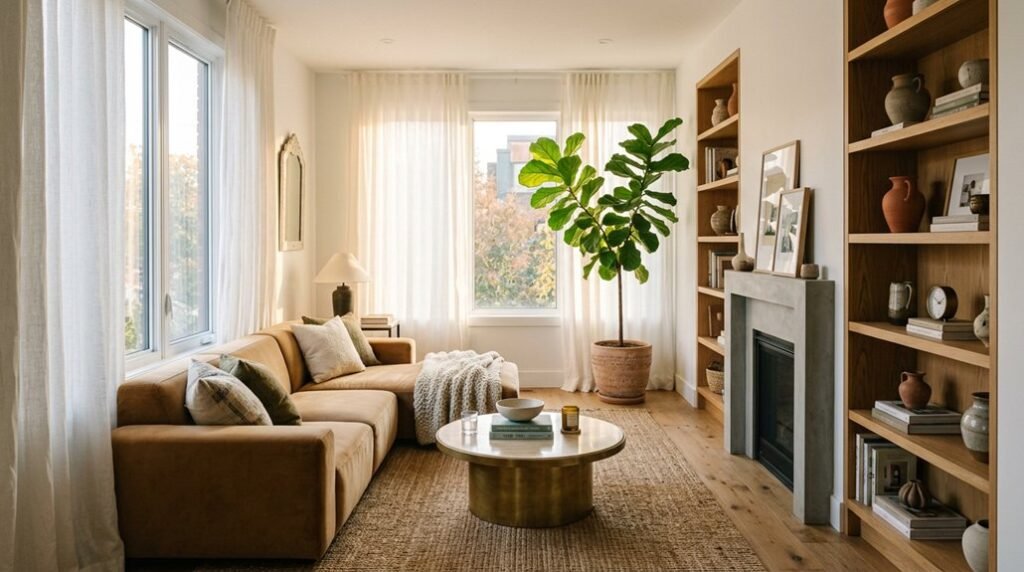
Where does your body actually move when you navigate the room? Trace your actual routine through the small living room—morning coffee, evening lounging, midnight pacing with a sleeping baby—and tailor the spatial layout accordingly. Define zones using area rugs, floor lamps, or subtle color shifts; anchor the sofa on the longer wall with a smaller-scale design and an ottoman to enable flexible seating configurations that preserve three-foot walkways. Position the TV on a short wall near circulation paths or mount it hallway-adjacent to isolate bedroom quiet. Integrate multifunctional furniture—modular sofas, two-tier storage consoles—to achieve storage optimization without visual mass. Maintain a neutral palette with two to three key colors, layering texture and strategic lighting to sustain spatial coherence. Your compact environment must perform, not merely display.
Recommended Products

Used to plan interior design for living room, dining room and family room

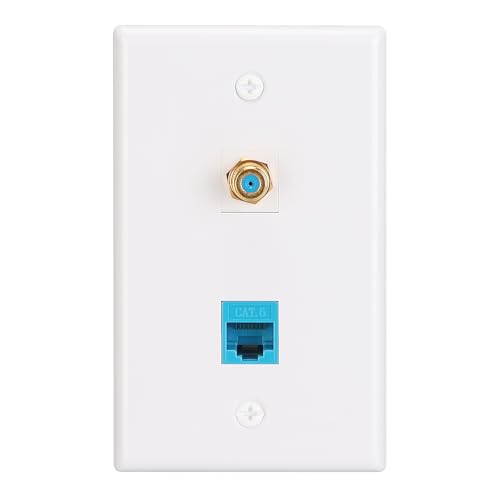
Composite Design:Provides both Ethernet (CAT6) and coaxial (F-Type) ports to link your TV box, router, satellite receiver, and compatible devices to your network infrastructure.
Conclusion
You’ve mapped your dimensions, selected adaptive seating, zoned with intention, and engineered storage into every vertical plane. Now execute: maintain your three-foot circulation corridors, calibrate your lighting layers, and let your neutral palette—those two, maybe three colors—pull focus toward your architectural anchor. Scale isn’t limitation; it’s specification. Treat your square footage as a material variable, solve for function, and the aesthetic resolves itself.
Recommended Products
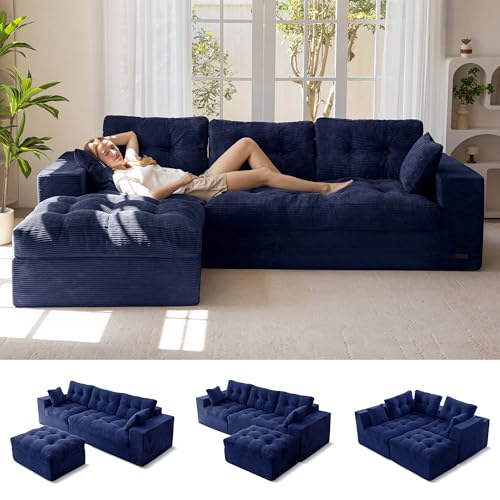
No Assembly: No assembly required! Simply unbox, place the sofa in a well-ventilated area, and allow 72 hours for it to fully expand to its original shape

L SHAPED SECTIONAL SOFA: Compact 3-seat design with a movable ottoman creates a spacious L-shaped configuration; perfect for small living rooms, apartments, studios, and home offices while maximizing seating space.

【Modular Design & Unlimited Creativity】12pcs Modular Kids Play Couch lets little ones build forts, castles, cars, and more—sparking boundless imagination through hands-on play! This convertible play couch doubles as a cozy spot for napping, reading, or studying, creating a joyful play zone for family time. Perfectly blending fun and functionality, this kids play couch grows with your child’s creativity.