

You want a bedroom that feels like a retreat, not an afterthought. Start with the bed itself—it’s the anchor, the statement, the reason you pause when you enter. But the frame alone won’t carry the room. You’ll need to consider how light falls, how textures layer, and how color shifts from day to evening. The real challenge isn’t choosing pieces; it’s orchestrating them into something cohesive. Get the foundation wrong, and even the finest details collapse.
Key Takeaways
- Anchor the room with a dramatic canopy bed or oversized headboard to establish visual hierarchy and focal depth.
- Layer dark, moody walls with ivory linens, velvet cushions, and raw wood textures to balance saturation.
- Install dimmable sconces at seated eye level (60–66 inches) for adjustable warmth and reading comfort.
- Mount blackout curtains beyond window frames with sheer under-layers for privacy, light control, and energy efficiency.
- Curate intimate details—scented candles, framed photos, trailing greenery—in odd clusters to reinforce ritual and romance.
Recommended Products

Tired of a dull guest room or master bedroom? This 74.8" tall four-poster canopy bed adds instant sophistication and vertical depth, bringing refined elegant style to any cozy space.
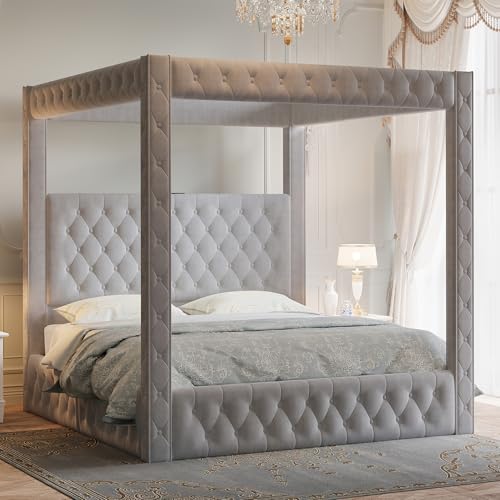
Tired of a dull guest room or master bedroom? This 74.8" tall four-poster canopy bed adds instant sophistication and vertical depth, bringing refined elegant style to any cozy space.

PREMIUM MOSQUITO BED NET: This XL Mosquito Net is BIGGER than most other nets (Length: 86.6 inches, Width: 78.7 Inches, Height 98.4 Inches) to fits all beds from Single, Double to King.Beautifully Designed bed canopy will enhance your bedroom and homes décor by providing a draped canopy over your bed. You can turn your home and bedroom into the palace you’ve always dreamed
Pick a Dark, Moody Color Palette That Invites Intimacy
How do you transform a bedroom into a sanctuary that feels both enveloping and refined? You’ll select a dark palette anchored by deep neutrals or jewel tones—think Paean Black, Railings, or Plummett—to establish that cocoon-like intimacy without oppression. You’ll balance these saturated wall surfaces with lighter textiles like ivory linens and cream fabrics, creating essential contrast that maintains visual breathing room. You’ll layer strategic mood lighting through dimmable sconces and soft bedside lamps, modulating warmth while preserving color depth perfectly. You’ll introduce natural textures—velvet, woven fibers, raw wood—and metallic accents to inject tactile dimension against the somber backdrop. Finally, you’ll incorporate curated art featuring lighter silhouettes or reflective surfaces, ensuring your dark bedroom remains truly inviting, sophisticated, and luxurious rather than appearing visually heavy.
Recommended Products

⭐【Battery powered Wall Sconces】This battery operated wall lights can be installed in minutes with screws—No wiring required no electrician needed. It can be mounted in any indoor space, from the bathroom to the living room or hallway, stairway, providing flexible placement options.

【𝐅𝐮𝐥𝐥𝐲 𝐃𝐢𝐦𝐦𝐚𝐛𝐥𝐞 𝐖𝐚𝐥𝐥 𝐒𝐜𝐨𝐧𝐜𝐞𝐬】Wall sconces with dimmer rotary switch, simply rotate the switch to adjust the brightness from 1%-100%, meet all your brightness needs. From now on, you can adjust the brightness freely, widely applicable to all occasions, such as working, reading, sleeping, playing and so on.

Two Installation Options: No need for hard wiring, saving the expensive cost of hiring an electrician. 1. No-Drill Hook Installation – Ideal for renters or anyone who wants to avoid wall damage. 2. Drill Installation – For a more permanent setup, ensuring a secure mount.
Choose a Canopy Bed or Dramatic Headboard as Your Anchor
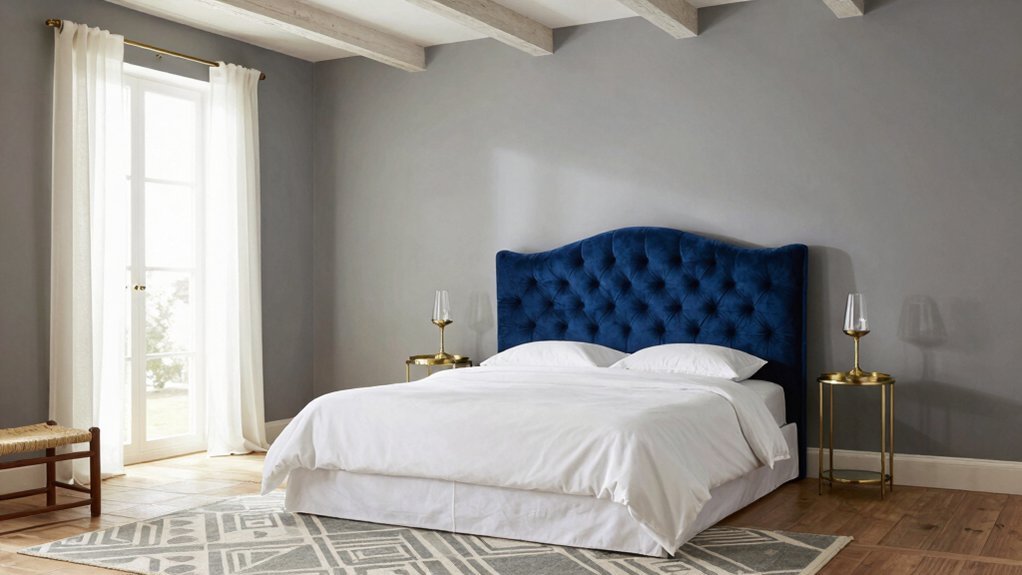
The canopy bed or dramatic headboard you select will command the room’s visual hierarchy, establishing an architectural focal point that grounds the entire space. You’ll choose an anchor piece possessing sufficient scale to balance your wall dimensions and nightstand proportions, ensuring cohesive symmetry throughout entire layout.
A canopy bed introduces vertical drama through drapery or fabric panels that frame your bedding while controlling light and adding textural depth that complements your palette.
Alternatively, you’ll find that a dramatic headboard, whether tufted, curved, or oversized upholstered, functions as a bold, built-in statement requiring no additional furniture to anchor sleeping area.
You should pair this central element with layered lighting, such as sconces or table lamps, to accentuate its silhouette and maintain functional comfort for reading.
Recommended Products

Room Darkening Solution: The double curtain rod features a wrap around design, which creates a tight seal between the wall and curtains, effectively blocking light and reducing outside noise to help you create a comfortable and cozy indoor environment.

" All over burnout bird on branches window curtain panel Silver grommet top that fits up to 1.25 inches in diameter rod Lightweight sheer and see through fabric Great for layering curtain as the second panel "

Basic Information: Each panel measures 42 inch wide by 84 inch long (1.5" header not include). Total of two (2) panels - 84" inch Wide x 84" inch long with top dual rod pockets design, makes the black sheer curtains appears more beautiful and vivid. It can be used alone or as an added layering piece for added privacy or a more lush look.
Layer Black Furniture With Soft Textures for Contrast
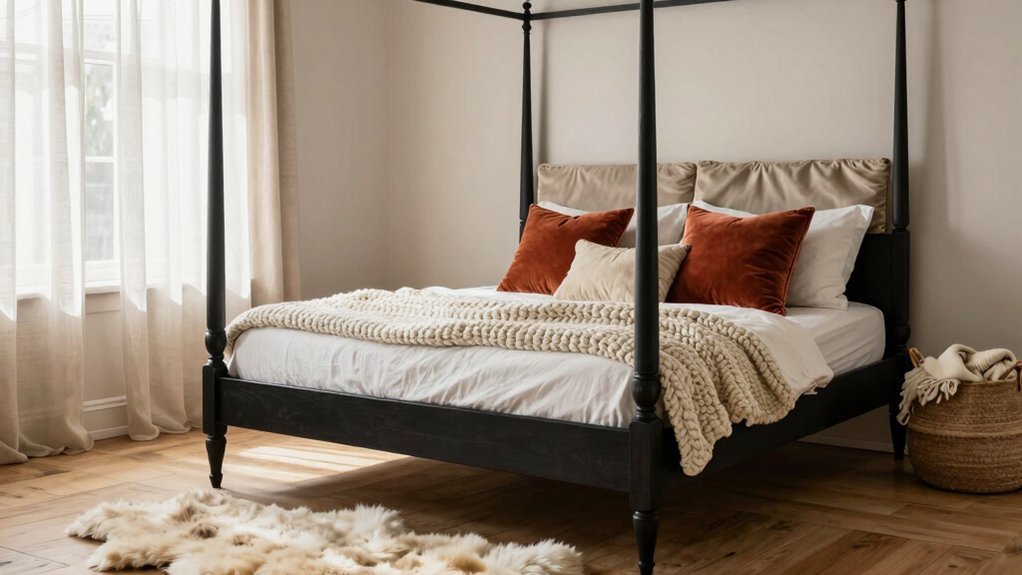
Why does black furniture so often dominate a space rather than elevate it? You’ve likely placed a bold bed frame without anchoring it properly. Layer black furniture with soft textiles to achieve sophisticated contrast. You’ll soften the visual weight by draping plush rugs, velvet cushions, and warm neutral drapery around your bed frame.
Balance the heaviness by surrounding dark pieces with pale walls or light wood accents. You prevent flatness when you mix matte black metal with tactile bouclé or chenille. Create focal equilibrium by positioning your black bed frame opposite lighter architectural features—perhaps a white built-in or pale artwork. This deliberate contrast transforms stark dominance into dimensional harmony. You’re not hiding the black; you’re contextualizing it through calculated texture and tonal variation.
Recommended Products

Moody Romantic Couple Wall Art:This framed vintage-style painting captures a romantic, moody ballroom scene: a couple dances in silhouette beneath a glowing crystal chandelier, surrounded by dim candlelight and shadowed walls available in 9x11" and 12x16" sizes.

Framed Dark Moody Wall Art:We available in 8x10 inches and 12x16 inches to meet different spatial needs.We provide hook and loop tape for easy installation.

【Moody Floral Decor】: The moody, vintage-inspired landscape art print are ideal for rustic home decor, farmhouse wall art decor, vintage wall decor or for gallery wall. Each vintage art prints are carefully selected that bring you home a touch of timeless elegance, making it the perfect addition to any room. Immerse your space in the tranquil embrace of a vast expanse of delicate white flowers vintage poster, evoking whispers of distant realms and wistful reveries.
Install Dimmable Lighting and Bedside Sconces at the Right Height
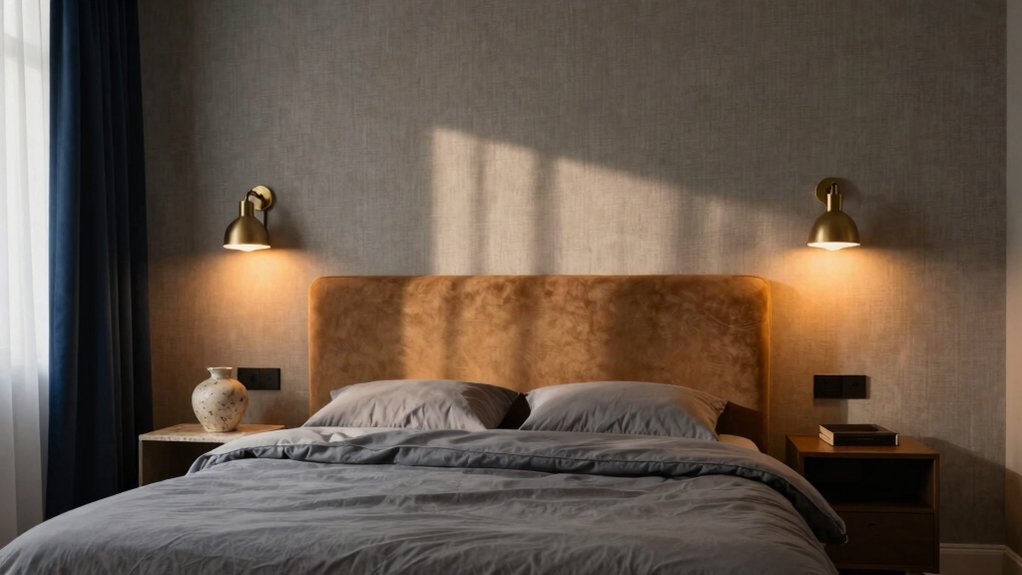
Positioning bedside sconces demands precision rather than guesswork if you’re after functional elegance. Mount these fixtures at eye-level height when you’re seated upright in bed, typically at 60 to 66 inches from the floor to the fixture’s vertical center, to eliminate glare and provide balanced illumination for optimal reading.
You’ll want dimmable lighting throughout the space, including these sconces and any supplementary fixtures, allowing you to calibrate intensity for tasks or relaxation.
Select swing-arm or adjustable-head models that let you direct beams precisely without repositioning furniture.
Ensure controls sit within easy reach or integrate seamlessly with your smart home system for instantaneous adjustments.
Finally, coordinate the sconces’ finish with your headboard and your nightstands to maintain cohesive aesthetics and elevate the room’s technical sophistication.
Recommended Products

[Luxury Dual Texture] These throw pillow covers feature unique double-sided design, which uses two different skin-friendly materials on each side: The front is made of thick and plush faux rabbit fur, with soft and comfort texture; the back is made of smooth and breathable velvet fabric for a cool touch, suitable for year-round use.

QUANTITY : Sold by set of 2 pcs throw Pillow Covers ( Inserts not include )
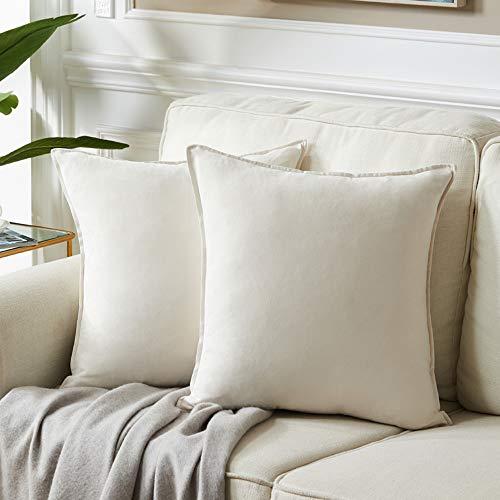
Material&Package: 2 pcs pillow covers made of premium velvet with vibrant color. Pls allow 1-2cm measurement deviation. NO INSERT
Add Romantic Details: Candles, Photos, and Greenery
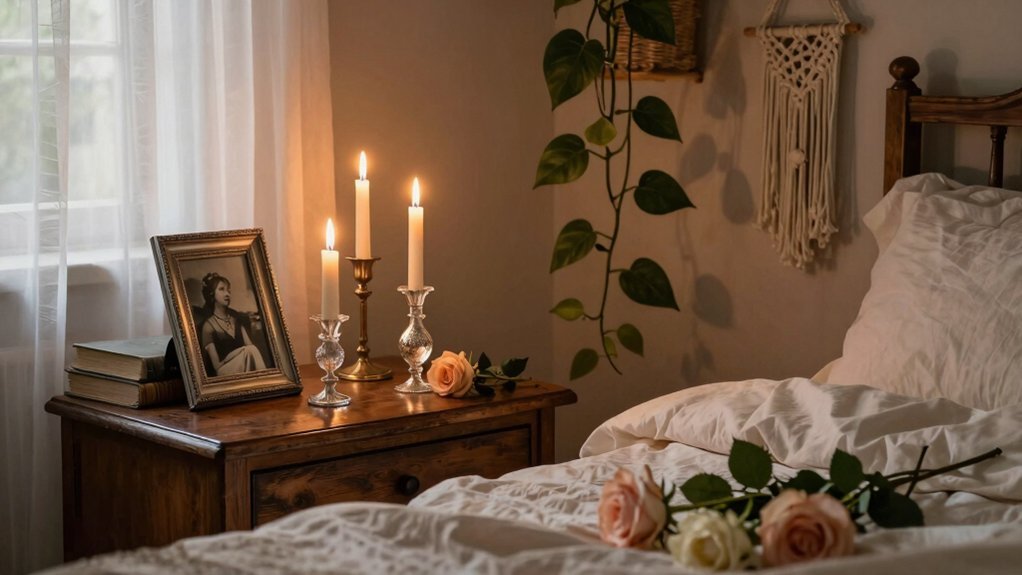
Once you’ve established your lighting foundation, you’ll layer in romantic elements that transform the bedroom from functional to intimate. Place scented candles on a tray or dresser to introduce subtle fragrance and soft ambient glow. Display intimate photos in slim black or white frames on a gallery wall behind the bed or atop a dresser, creating personal warmth through curated memories. Incorporate greenery with low-maintenance pothos or a small fern to inject organic life and natural scent without visual clutter. Group candles and photos in odd-numbered clusters—three or five items—to achieve compositional balance. Select plants and candles in complementary hues: greens, blushes, or ivory. This tonal harmony enhances the romantic mood while maintaining palette cohesion throughout your sanctuary.
Recommended Products

Tired of a dull guest room or master bedroom? This 74.8" tall four-poster canopy bed adds instant sophistication and vertical depth, bringing refined elegant style to any cozy space.

Canopy Package Includes:Bed curtain*1+ Plastic wall anchors*4+ Screw hooks *4+ Ribbon*12 (Lights & Poles in the picture are Not included)

Package Include:1 x Bed Canopy + 1 x Sticky hook+Lights,Size-98" H; hoop measures 25" in diameter; 393" around the base, Suitable for Various Bed,including Single bed/Twin bed/full bed/queen bed/daybed/bunk bed
Use Blackout Curtains and Privacy Layers for Escape
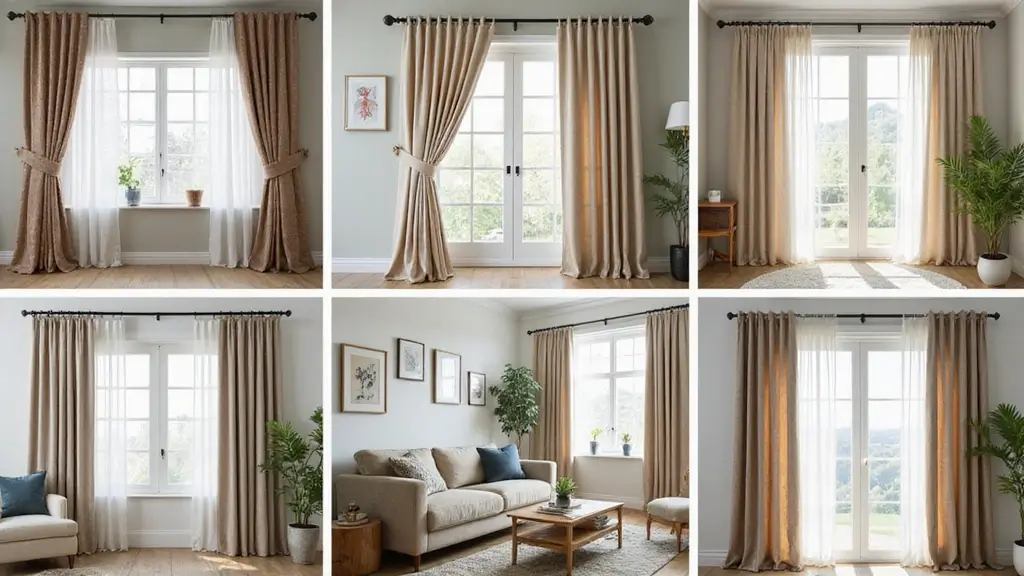
Three layers of window treatment transform your bedroom into a true retreat, starting with blackout curtains that eliminate up to 99% of intrusive light. You’ll layer these panels with sheer or woven shades, creating privacy layers that maintain excellent natural light control during daylight while ensuring complete darkness after sunset. Mount rods beyond the window frame so you’ll achieve full coverage and allow proper curtain stack without obstructing daylight ingress when they’re drawn open.
Select neutral-toned solar fabrics or liners to minimize visual weight and coordinate with your wall colors, significantly reducing morning glare for improved sleep quality. Choose triple-weave or tightly woven blackout textiles with interlining; you’ll enhance energy efficiency and dampen noise while maintaining strict light control throughout the deep nighttime hours.
Recommended Products

The elegant wall mounted light will bring sophistication to your walls thanks to its brass metal arm and matte black round bell shade paired with a circular wall plate.
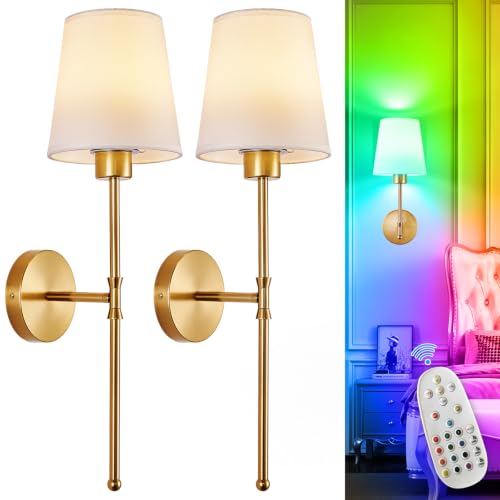
Wireless & Easy to Install: Depuley wall sconces set of two battery operated with two E26 USB charging led bulb, say goodbye to outlet and wired limitations, only takes 20 min to install. Our sconces wall decor set of 2 will elevate your room with a sleek and modern design.

Material: The modern wall sconces are made of high quality Brushed Aluminum + Acrylic, modern and elegant beautiful lighting. The color of lamp body is Silver. Hardwired Installation(Not Battery Operated)
Keep the Mood Alive With Simple Evening Rituals
How do you signal to your body that rest is approaching? You establish deliberate bedroom routines that transition you from activity to repose. Begin by reducing ambient lighting to 20–40% brightness sixty minutes before sleep; this dimming triggers melatonin production and prepares your nervous system for rest. You’ll enhance this atmosphere with warm, soft illumination paired with a subtle scent from a candle or diffuser.
Next, you prepare your space methodically: make your bed, store visible clutter, and layer calming textiles—plush throws, weighted duvets, natural fiber sheets—to create tactile sanctuary.
Finally, you anchor these actions to a consistent bedtime, coupling them with wind-down activities like reading or gentle stretching. This rhythmic predictability reinforces circadian alignment, transforming your bedroom into a technically precise, aesthetically serene environment optimized for restorative sleep.
Conclusion
You transform your bedroom into a refined sanctuary by anchoring the space with architectural drama, balancing darkness with tactile warmth, and orchestrating light through dimmable layers. Maintain symmetry in your arrangement, curate cohesive material finishes, and establish intentional evening rituals. The result merges technical precision with aesthetic depth—a controlled environment that responds to your circadian needs while delivering visual and emotional resonance.