


You’ve got that fresh sectional, but the pillow pile looks more chaotic than curated. Start by mapping its natural sections—corners, arms, the crook where pieces meet. Size matters more than you’d think; a 24-inch anchor swallowed by overstuffed cushions won’t do the work. But here’s what most guides miss: your lifestyle shapes the layout more than any formula ever could.
Create a 3-5 Color Palette That Unifies Your Room
Start with a unified palette of 3–5 colors pulled from your rug, curtains, or artwork to guide every pillow choice and keep your sectional from visual chaos. You’ll anchor your pillows palette by selecting navy accents that echo your rug, then balancing them with complementary neutrals like gray and beige. This establishes color cohesion across your seating area.
Mix textures—linen, velvet, woven—within your chosen family to add depth without straying from your scheme. You won’t need extra colors when you vary materials instead.
For sectional styling, deploy one large-scale pattern pillow, one smaller-scale pattern, and one or two solids per arrangement. Repeat your palette through throws and cushions, ensuring transitional hues flow from sectional ends to chaise or adjacent pieces.
Recommended Products

Designed for Standard Square Covers: Sized at 18 x 18 inches, these square pillow inserts are made to fit standard decorative throw pillow covers neatly and evenly.

Tool-Free Setup & Hassle-Free Expansion: Skip complicated furniture assembly—this modular sectional sofa requires no tools, screws, or professional help. Simply unbox, unwrap, and allow each compressed piece to naturally expand into its full shape. The high-resilience foam restores its plush comfort within 24–72 hours, making it easy to enjoy your new couch right away. (Note: Packages may arrive separately.)
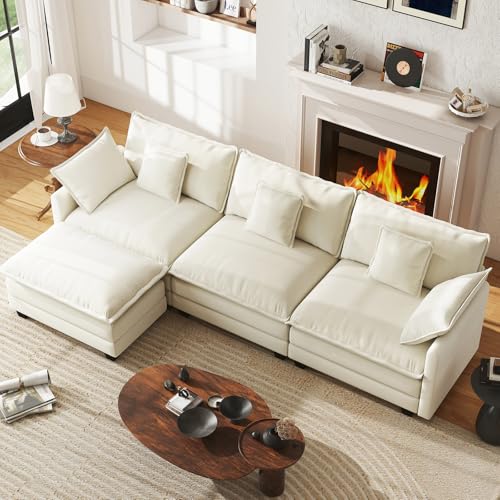
Superior Materials - Sturdy solid wood frame, skin-friendly chenille fabric, double layer 13 inch fluffy filled seat cushions and high-elastic sponge, making this modular sectional sofa durable and comfortable. Your ideal furniture for living room, bedroom, office, etc.
Identify Your Sectional’s Natural Sections First
Where should your pillows actually sit? Start by visually dividing your sofa into three sectional sections: the two ends at the armrests and the middle. This grid guides your pillow placement and creates balance across the entire piece.
You’ll want to identify any chaise or asymmetrical ends first. When you spot these features, offset your pillows accordingly so your arrangement follows the sectional’s natural lines rather than fighting them.
Place your largest pillows—those 24–26 inch anchors—against the outer arms first. These ends ground your entire layout. Then add another pillow in the “crook of the elbow” area for a stepped, layered look that mirrors your sectional’s curvature.
Finally, ensure your patterns and colors repeat across each section. This repetition maintains alignment with your furniture’s form and guarantees cohesive flow throughout your arrangement.
Recommended Products

High-Rebound Filling: These pillows bounce back into shape every time after use. They are filled with 100% virgin fiber. It makes them lightweight, comfortable, and supportive. Solving the long-standing problem of the pillows going flat or saggy

High-Rebound Filling: These pillows bounce back into shape every time after use. They are filled with 100% virgin fiber. It makes them lightweight, comfortable, and supportive. Solving the long-standing problem of the pillows going flat or saggy

24 x 24 Pillow Inserts (Set of 4) – Standard fit for 24 x 24 pillow covers and protectors. Each insert features 850g / 1.9 lb of filling (15% more than standard inserts) for a fuller, fluffier appearance. For added fullness, use with covers one size smaller. Perfect for living room, bedroom, or patio décor.
Choose Pillow Sizes That Match Your Sectional’s Scale
How do you keep a sprawling sectional from swallowing your pillows whole? You’ll match your pillow sizes to your sectional scale for a balanced pillow arrangement that commands attention without overwhelming the space.
Start with 24–26 inch end pillows to anchor the outer arms, then layer 20-inch middle pillows along the center for depth. For deeper sectionals, pair larger bases with additional 20–26 inch pillows to fill the back row proportionally. Got a shallow piece? Limit yourself to 2–3 larger pillows per section and supplement with 12–18 inch accents to prevent crowding. Use 18 inch or smaller pillows sparingly near elbow crooks for comfort. Consider euro shams for dramatic impact on larger ends, keeping your total count aligned with the sofa’s scale for cohesion.
Recommended Products

Ultra-Soft & Durable Chenille Fabric ⚠️PILLOW COVERS ONLY. NO INSTERS. ✔️The 2pcs 18x18 navy blue throw pillow covers are made of plush chenille material, with anti-pilling, fade-resistant, and anti-static properties for long-lasting quality. All-season comfort – Breathable yet cozy, perfect for winter snuggling or summer lounging (sofa, bed, office, patio). Low-maintenance – Resists wrinkles and odors, maintaining a fresh look even with daily use.

PACKAGE INCLUDES: Set of 2 pillow covers, No Insert or Filler.Two side print the pattern.Made of high quality thick Polyester with waterproof coating. The waterproof coating can block the water bead effectively.

SOFT DECORATIVE CHENILLE THROW PILLOW COVERS: Made from thick, high-quality polyester chenille with the same soft, richly textured fabric and solid color on both sides. These chenille throw pillow covers add a comfortable decorative accent to couches, sofas, beds and chairs and are designed for everyday use.
Mix Pillow Patterns: One Large, One Small, Plus Solids
Once you’ve sized your pillows to suit your sectional’s scale, it’s time to think about what goes on them. You’ll create a dynamic sectional arrangement by pairing pillow patterns strategically: choose one large-scale pattern and one smaller-scale pattern, then bridge them with two or three solid pillows. This large small solids formula prevents visual chaos while keeping things interesting.
Place 24-26 inch patterned pillows at your sectional’s outer ends, then tuck a smaller patterned pillow into the elbow crook to anchor the space. Coordinate colors across all three elements, repeating that palette throughout your sofa’s grid sections. If you add fringe or trim to one pillow, keep the rest plain—you’ll avoid pattern overload. Limit yourself to just those two patterns; the solids do the essential work of connecting colors and textures.
Recommended Products

Every cushion comes with a colour-matching zipper opening to allow you to remove the cover and wash it. The covers are machine washable on a low temperature.

Luxurious Velvet Fabric:Crafted from premium velvet,both sides feature a soft, plush texture that feels cloud-like to the touch;this versatile aesthetic adds an elegant look to home decor,complementing both modern minimalist and classic luxury styles

QUALITY MATERIAL: Made of 100% high quality shiny velvet microfiber, which will exhibit different color as it catches light in different angle, not only thick and durable but also breathable and cozy.
Stack Pillows Back-to-Front: The Classic Layering Method
Why does your sectional still look flat despite great patterns? You’ve mastered mixing prints, but you haven’t built depth. Master pillow layering with the back-to-front method to transform your sectional decor.
Start by placing large 24–26 inch pillows—or euro shams—against each arm. These establish your base. Next, stack a 20-inch pillow in front, then add 18-inch or smaller pieces to fill gaps. This stepped arrangement creates instant dimension.
Alternate textures and keep your pattern balance: one large-scale, one smaller, plus solids. Finally, anchor everything with a coordinating lumbar pillow at the front. This finishing touch polishes the look and unifies each segment across your sectional.
Recommended Products

Elevated Tribal & Farmhouse Aesthetic: Features a bold geometric printed pattern on natural cotton canvas paired with a rich vintage brown accent. Designed to bridge bohemian, tribal, and modern farmhouse decor styles for an artistic room refresh.

Oversized for Bed Styling: Measuring 26x26 inches, these large euro sham pillow covers are specially designed for bed decoration. Perfect for layering with other pillows, they add fullness and dimension to your headboard area, creating a luxurious hotel-style bedroom look.

Luxurious Waffle Design: Indulge in the allure of luxury with PHF pillow shams featuring a magnificent 3D waffle design. The 3D waffle weaving as the highlight, transforms each fluffy dot waffle into a work of art. This unique design brings an air of sophistication and refinement to your bedroom. For those who desire a lavish aesthetic, this pillowcase is an outstanding choice. It offers the same luxurious feel while being a more budget - friendly alternative.
Adjust the Classic Method for Chaise and U-Shaped Sectionals
Where does the classic back-to-front method fall short? It doesn’t account for the unique angles and transitional spaces in chaise and U-shaped sectionals, leaving your arrangement feeling disjointed.
Start your sectional layout by placing two 24–26 inch end pillows against each outer arm to anchor the wings. Position a 20-inch pillow in the crook near the chaise to bridge sections naturally. Add 18–20 inch pillows leaning against those anchors to create flow across the U-shape. Layer a lumbar pillow in front to unify the arrangement and draw focus to the chaise juncture. Use one large-pattern or fringe-trim pillow to tie colors across the chaise and adjacent seating, keeping your palette tight at 3–5 colors for a cohesive, intentional look that respects your sectional’s architecture.
Recommended Products

【Spacious Furniture】:Sturdy solid wood frame, high-end breathable chenille fabric, filled with high-quality sponge, making this modular sectional sofa beautiful and comfortable, it can be a perfect match for your living room, bedroom, home office, etc.

Cloud-Like Comfort: This cloud couch features 13 inch, double-layer thick cushions that deliver a cloud-like seating experience. The top layer blends plush cotton with high-resilience foam, while the bottom layer combines pocket springs and high-density foam for superior support. The cozy fabric, thick cushions, and included pillows make it ideal for relaxing

Cloud-Like Comfort: This cloud couch features 13 inch, double-layer thick cushions that deliver a cloud-like seating experience. The top layer blends plush cotton with high-resilience foam, while the bottom layer combines pocket springs and high-density foam for superior support. The cozy fabric, thick cushions, and included pillows make it ideal for relaxing
Start Each Corner With Large 24-26 Euro Pillows
Every corner of your sectional deserves a strong visual anchor, and that’s where 24–26 inch euro pillows earn their place. You’ll position these substantial squares at each end to establish your pillow arrangement’s foundation and define the sectional’s footprint.
In sectional styling, these euros function as your “end pillows” in the classic three-grid approach. They create symmetry across the layout and coordinate with the largest pieces you’ll use. You’ll find they make layering smaller pillows effortless, giving you a structured base to build upon.
Select euro pillows with durable inserts that resist flattening. Since you’ll adjust and fluff them regularly, quality construction maintains their shape through daily use. This strategic starting point transforms chaotic seating into polished, intentional design without overwhelming your space.
Recommended Products

SOFT DECORATIVE CHENILLE THROW PILLOW COVERS: Made from thick, high-quality polyester chenille with the same soft, richly textured fabric and solid color on both sides. These chenille throw pillow covers add a comfortable decorative accent to couches, sofas, beds and chairs and are designed for everyday use.

Long-lasting Durability: 100% Virgin Filling and 110 GSM Brushed Fabric combining aesthetics and practicality for long-lasting use. 24x24 pillow insert is filled with 800g/1.8lb filling (20% more than other).

PILLOW INSERT 24x24:Including 1 piece of 24 x 24 inch pillow insert with a textured woven fabric cover, durable and breathable. Soft yet supportive, it keeps a beautifully plump shape and is built for styling, making it easy to achieve the classic karate chop look with a full appearance.
Add a Lumbar Pillow Last: Your “Magic Sauce”
Place this final piece after positioning your larger end pillows and elbow crook cushion. This sequencing creates intentional layering that reads as polished rather than accidental. Sit the lumbar pillow slightly off-center within your front row, letting it bridge colors and textures from surrounding cushions to establish a cohesive focal point.
Choose a coordinating color or subtle texture that repeats your existing palette. Resist introducing new patterns at this final stage. Opt for a lighter fill or firmer insert so your lumbar pillow maintains its shape and doesn’t sink behind other cushions. This deliberate placement pulls the entire arrangement together visually, delivering that unmistakable sense of completion.
Recommended Products
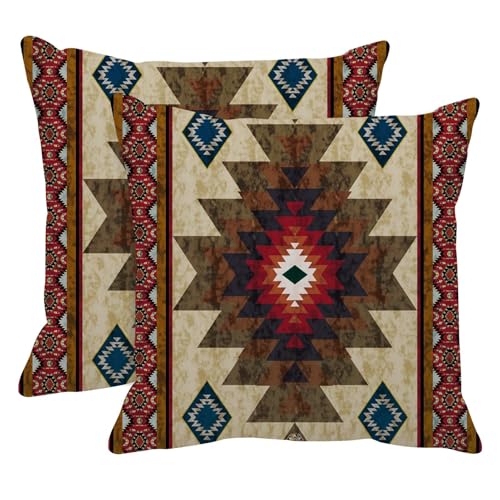
Standard Size: 18 x 18 inches. Each set includes 2 pillow covers. Not including insert.

Chic Design: Designed with modern elements and corduroy inspired fabrics, these Cozoomy decorative pillow covers will add a touch of comfy to your home. Enjoy a cozy home with Cozoomy throw pillow covers!

【18x18 inch Pillow Covers】Our navy blue throw pillow covers is square size,18x18 inch/45x45cm,no insert included.
Keep Sectional Pillows in Place on Smooth Upholstery
That final lumbar pillow might complete your arrangement visually, but it won’t stay put for long if you’re working with leather or another slick surface. You’ll need to prioritize stability from the ground up. Start by sliding non-slip grip pads or rug grippers beneath your base pillows; they grip both the upholstery and the pillow fabric to stop unwanted sliding. For strategic placement, position larger, heavier pillows at the ends and in the crook of elbows where they’ll anchor the entire arrangement. Choose down inserts with firm, slightly overfilled shapes that resist sinking and maintain their loft. Layer a coordinating lumbar pillow in front to create a fixed focal point that holds everything together. Finally, drape a lightweight throw over the back or arm to visually secure your pillows and discourage shifting during daily activity.
Recommended Products

Luxurious Velvet Texture - These crushed textured pillowcases are made from high-quality non-elastic solid velvet that provides a soft and smooth touch that adds a luxurious atmosphere to any space.

Cozy Modern Farmhouse Style – Bring warmth and charm to your space with Meekio solid pillow covers. Soft neutral tones and linen texture create a cozy farmhouse look for your living room or bedroom.
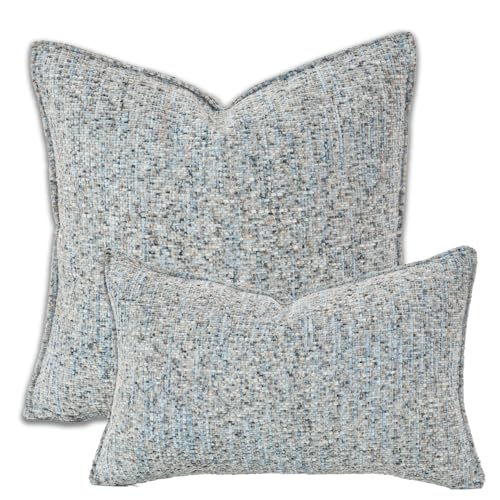
BREATHABLE MATERIAL: Chenille. Thanks to the microfiber process, these pillow covers are much softer and more breathable than normal material on the market. They are perfect for daily use
Design for Daily Use: Lightweight, Easy-to-Move Layers
How often do you actually rearrange your sectional pillows? If you’re like most people, you skip it because heavy, bulky pillows frustrate you. Switch to lightweight inserts—foam or down-alternative—and you’ll transform daily use. These easy-to-move layers let you rebuild pillow arrangements in seconds, not minutes.
Choose 18–20 inch middle pillows and 24–26 inch end pillows with removable covers for quick washing. Add a few 2–3 inch-thick lumbar or bolster pillows you can simply slide or tuck without straining. Avoid overstuffing; pick slightly overfilled pillows that hold shape but feel light in your hands. Keep your layout flexible so you can shift into lounging, hosting, or cleaning setups in three steps. You’ll actually maintain the look you want.
Recommended Products

100% Natural Cotton & OEKO-TEX: Made from 100% natural cotton and OEKO-TEX certified, PHF pillow shams bring a natural touch to your bedding. The 290 GSM fabric has a...
Conclusion
You’ll transform your sectional into a cohesive, inviting centerpiece by following these simple steps. Anchor each corner with large Euro pillows, layer in medium and small accents with mixed textures and patterns, and finish with a lumbar for versatility. Stick to your unified color palette, keep covers removable for easy cleaning, and arrange pieces so they align with your sofa’s natural sections. Now grab those pillows and start styling—you’ve got this!