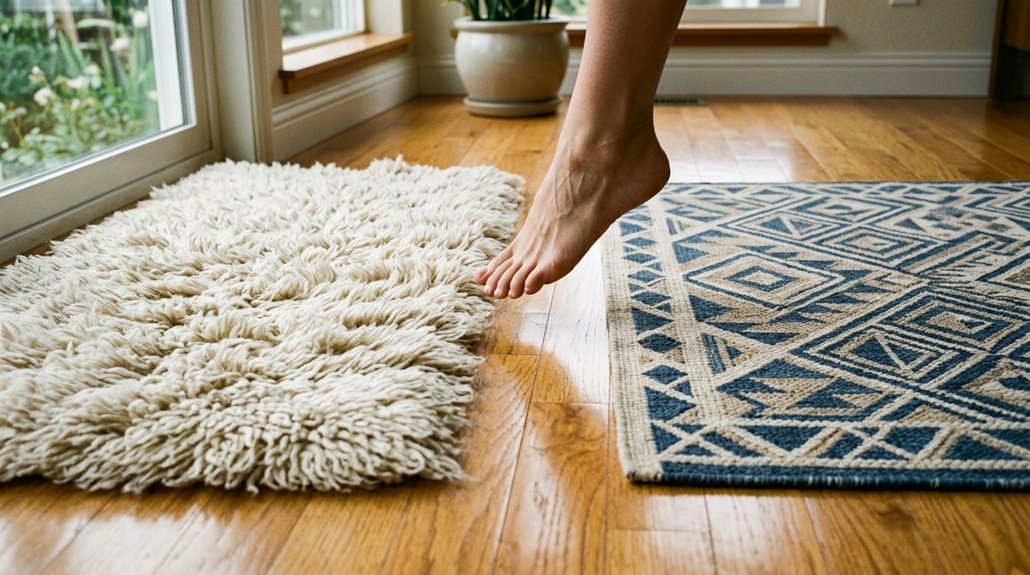

You’re choosing between cushioning and practicality, and the difference isn’t merely aesthetic. High-pile rugs absorb sound and cushion impacts but demand gentler maintenance; low-pile surfaces withstand relentless foot traffic with minimal intervention. The wrong selection in a high-traffic zone will degrade fibers prematurely, while an overly utilitarian choice in a living space sacrifices tactile comfort. Your specific room conditions—moisture exposure, furniture weight, cleaning frequency—determine which structural trade-off serves you best.
What Pile Height Actually Is (And Why It Matters)
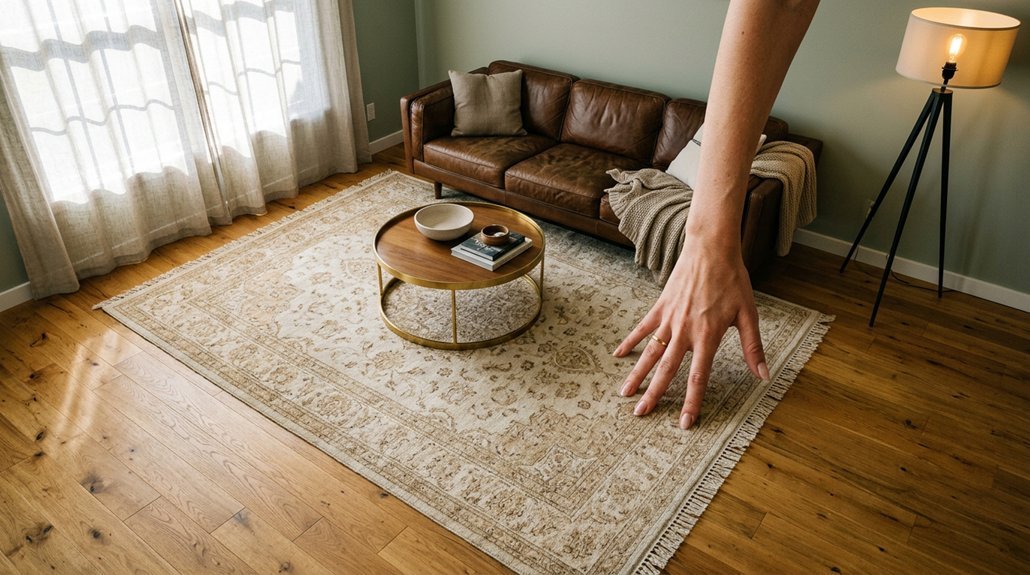
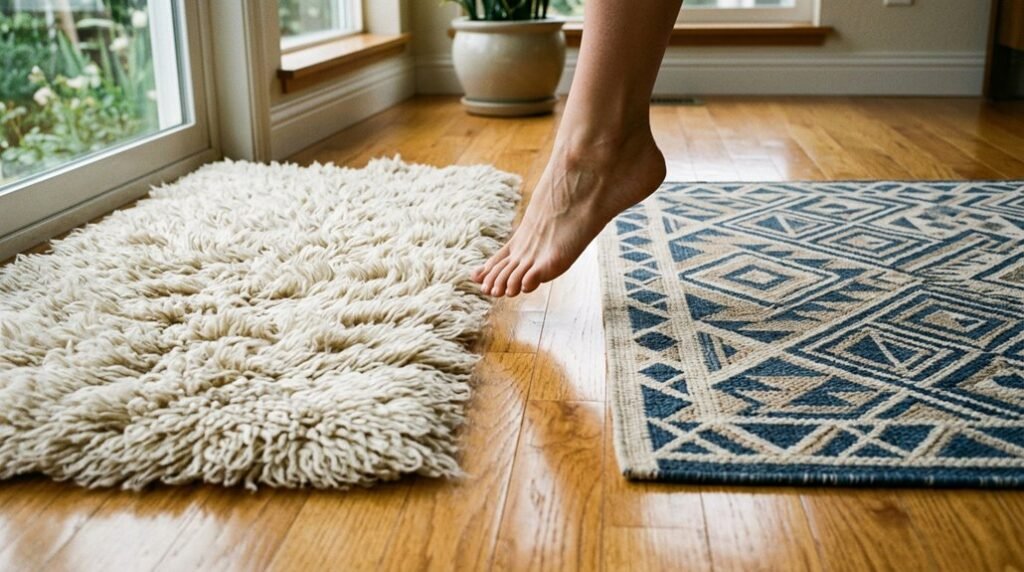
How do you know whether a rug will feel plush underfoot or stay flat against your floor? You measure its pile height—the precise distance from the backing to the fiber tips. This single metric determines whether you’re walking on dense, low-pile surfaces under ¼ inch or sinking into high-pile depths reaching ¾ inch.
You’ll notice immediate trade-offs. Greater pile height delivers superior softness but demands increased cleaning frequency; debris burrows deep, and vacuuming requires more effort. Conversely, shorter piles sacrifice some cushioning for enhanced durability and simpler maintenance. Your choice between ¼–½ inch medium piles versus extremes on either end directly shapes daily practicality. You can’t maximize softness and minimize upkeep simultaneously—you’re selecting where your priority lies.
Recommended Products

Machine Washable: Keep hallway runner rug fresh with ease! Simply vacuum regularly; Entryway runner is crafted from premium stain resistant materials that are completely machine washable; Ideal as a kitchen rug, laundry rug, or a washable bedroom rug, Say goodbye to worries about spills or stains, and enjoy a fresh, clean rug runners effortlessly

Great Value & Chic Style: This 2x8 hallway runner rug adds a vibrant touch to your living room with its beautiful colors and subtle pattern that complements your furniture and decor. It's soft to the touch and looks as elegant as more expensive entryway rugs, offering excellent value for its quality.
Low Pile Height: Durability for Busy Spaces
A low-pile rug—typically measuring under ¼ inch from backing to fiber tip—positions you for performance over plushness. You’ll find low-pile durability exceeds that of taller constructions because minimal fiber exposure reduces abrasion from foot traffic and chair movement.
In high-traffic zones—entryways, hallways, living areas—you’re gaining structural resilience that taller piles can’t match. The dense, flat surface resists crushing and tuft loss, preserving weave integrity longer.
Your maintenance yields superior vacuuming effectiveness since suction penetrates fully without snagging or matting strands. Dirt, crumbs, and pet hair rest atop fibers rather than embedding deeply, so you’re removing debris completely with regular passes.
For busy households with children or pets, you’re choosing a construction that sustains appearance and hygiene under sustained demand, outperforming plusher alternatives where activity concentrates.
Recommended Products

[PLUSH SHAG RUG]: The SAFAVIEH Hudson Shag collection brings plush, cozy, modern comfort and style; perfect for hallway and living room

Ultra Softness & Luxurious Comfort: Indulge in unparalleled softness with our shaggy fuzzy rug, crafted from premium velvet fibers for a silky-smooth, plush feel. Featuring a thick 1.65-inch high-pile surface and a 0.75-inch cushioned memory foam layer, this luxurious, thickened area rug is twice as plush as standard options, delivering cloud-like comfort with every barefoot step. Perfect for bedrooms, living rooms, nurseries, kids’ play areas, and cozy reading nooks, this ultra-soft, sound-absorbing carpet adds warmth, reduces noise, and creates a soothing, inviting atmosphere in any space.

[COLOR & DESIGN]: SAFAVIEH's Hudson Shag area rug blends ivory and green in soft, cloud-like striations across a plush pile; color balance can look different in person than in photos, and shade may vary depending on lighting and screen settings
High Pile Height: Comfort Worth the Extra Care
Where durability ends, indulgence begins: high-pile rugs measure ¼ to ¾ inch from backing to fiber tip, positioning you for comfort over resilience. You sacrifice hard-wearing performance for superior plushness underfoot and enhanced acoustic absorption versus low-pile alternatives.
However, your maintenance demands intensify proportionally with fiber length. You’re combating accelerated dust accumulation and heightened staining susceptibility that shorter piles resist more effectively. Your vacuuming protocol requires adjustment—disable beater bars, reduce suction intensity, and vacuum more frequently to preserve fiber integrity without crushing pile structure.
This technical compromise demands spatial discipline: you’re optimizing high pile for bedrooms and reading nooks where tactile luxury outweighs traffic tolerance, accepting that your comfort investment necessitates vigilant, specialized care routines absent in lower-maintenance options.
Recommended Products

Modern Abstract Style: Fluid, non‑representational shapes like splashes or curves. Emphasizes contrast and movement. Uses muted or striking colors. Fluid pattern in balanced tones. Artistic look serves as a contemporary accent. Polyester low‑pile.

Minimalist Classic Plaid: Even surfaces, subtle tone‑on‑tone textures, or sparse linear details. No ornament. Restrained palette. Clean, uncluttered pattern in muted tones. Classic, contemporary look provides a refined accent. Made from polyester fibers.

Nature‑Inspired Dalmatian Floral: Draws from rustic organic forms like flower, leaves and animal spots. Lifelike abstracted lines suggest movement. Uses earthy tones. Captures animals in relaxed poses—resting or foraging—bringing a feel of the wild into your room. Made from polyester.
Foot Traffic: Where Each Pile Height Wins
Your spatial planning hinges on matching pile height to pedestrian load: low-pile rugs dominate high-traffic zones through structural density, their tight fiber packing resisting compression and mechanical wear where footsteps concentrate. You’ll observe low-pile options excel in hallways, living rooms, and entryways where continuous pedestrian movement demands durability against fiber crushing.
Conversely, you reserve high-pile constructions for low-traffic sanctuaries—bedrooms, reading nooks—where foot impact remains minimal and delicate tufts avoid mechanical stress. You recognize that high-pile fibers mat and degrade under sustained compression, compromising structural integrity in active circulation paths.
For households with children or pets, you prioritize low-pile durability in foot-traffic heavy areas, accepting that maintenance demands intensify with plush alternatives. You vacuum low-pile surfaces efficiently, extracting particulates from accessible fiber bases, whereas high-pile traps debris requiring specialized extraction to prevent permanent compaction.
Recommended Products

Stand to Rake, Say Goodbye to Kneeling: Tired of kneeling to clean dog or cat hair from carpets with sticky rollers or short-handled tools? Try our long-handled metal carpet rake! It's an efficient, cost-effective alternative to expensive pet vacuums. Designed for dense low & short-pile carpets, it penetrates deeply to grab embedded pet hair without damaging your rugs.

[COLOR & PATTERN]: SAFAVIEH's Monaco area rug features a pink-toned field with an ornate medallion, framed by a multicolor-toned floral border; actual color may appear darker or lighter than shown, depending on lighting and screen settings

Machine Washable Rug: Our 8x10 area rugs is easy to clean using multiple methods - simply vacuum regularly, spot clean with a broom or rag. Machine wash this bedroom rug separately in cold water for deeper clean
Low Pile Rooms: Where Efficiency Comes First
How do you prioritize function over indulgence in your most demanding spaces? You choose low-pile construction where efficiency dominates.
In high-traffic zones—hallways, entryways, kitchens, and home offices—you’ll find low-pile rugs outperform plush alternatives through superior durability and streamlined cleaning protocols.
Short, densely packed fibers resist crushing and tuft loss under constant use. You’ll vacuum more effectively as debris sits atop the surface rather than embedding deeply. Dust accumulation drops measurably compared to longer pile heights. Chair casters glide without resistance; spills wipe clean without seepage into fiber bases.
Furniture distributes weight evenly across low-pile surfaces, preventing the sinking and denting footprints that mar softer constructions. You gain a sleeker, more contemporary profile while maintaining resilience where wear patterns develop fastest. For spaces demanding maximum utility with minimal maintenance, low-pile solutions deliver quantifiable operational advantages.
Recommended Products

Machine Washable: The short pile design of this washable rug is easy to maintain using a robot vacuum or a low-powered vacuum cleaner. The area rug is also machine-washable for fast and hassle-free cleaning. After washing, a low-temperature iron can help to keep the living room carpet's surface flat and smooth

PET FRIENDLY & NON-SLIP BACKING-5x7 area rugs featuring simple of colors while promising a luxurious feel underfoot. The blend of a hexagon pattern and a stylish design. Non-slip TPR backing makes the covering for bringing your space together. Make the most of your time at home with our pet-friendly and easy-to-clean area rugs. Elevate the floors of your home with this show-stopping and detailed rug

The Malibu Collection is an indoor/outdoor area rug featuring geometric patterns in airy, neutral palettes, with playfully fringed edges; from renowned interior designer Amber Lewis in collaboration with Loloi
High Pile Rooms: Where Comfort Takes Priority
Why sacrifice sensory indulgence in spaces designed for restoration? You select high-pile rugs when softness outweighs durability demands. These longer fibers deliver superior comfort underfoot, transforming bedrooms and reading nooks into tactile sanctuaries. You experience pronounced warmth retention compared to low-pile alternatives, though you accept reduced resilience.
You limit high-pile deployment to low foot traffic zones. In these conditions, you preserve fiber integrity and minimize compaction. You maintain fluff through regular vacuuming without beater bars, preventing matting that degrades performance. You also enhance visual depth by pairing high-pile textures with Persian or tribal patterns, creating dimensional contrast impossible with flat weaves.
You sacrifice longevity for immediate sensory payoff. Where restoration matters more than utility, you prioritize this trade-off deliberately.
Recommended Products

Effortless Maintenance: Keep your space looking fresh effortlessly with our machine washable rug. No need for professional cleaning - simply toss it in the washing machine for a quick and easy clean.

One set, Three mats: 20"x32", 20"x48", 20"x59". Perfect for sink, stove, laundry, hallway, or front door. Coordinated farmhouse style covers all your busy spots. No more buying separate rugs for each room. One purchase, five places covered—practical, budget-smart, clutter-free.

Retro Area Rug: This WondRg rug features a floral pattern that adds warmth and charm to your home. The retro floral design blends easily with modern, farmhouse, or classic décor, making it a versatile accent for living rooms, bedrooms, hallways, kitchens, or offices.
Kids, Pets, and Allergies: Which Pile Height Survives?
Where durability meets domestic chaos, low-pile construction outperforms its plush counterpart. Your household demands maintenance efficiency, and low-pile rugs deliver through fiber architecture that resists mechanical wear from pets and children. The compressed yarn structure prevents entrapment of dander, dust, andhair, rendering these surfaces allergy-friendly alternatives to high-pile textiles which harbor irritants deep within tufted depths.
You’ll observe accelerated drying times and simplified spot-cleaning protocols when spills occur, as liquid penetration remains superficial. Vacuum extraction proves more effective on low-pile surfaces, removing embedded debris that high-pile variations retain. Reduced snagging and edge fraying minimize tripping hazards for mobile toddlers. Ultimately, you’re selecting durability through construction density, balancing hygiene requirements against aesthetic softness in high-traffic domestic environments.
Recommended Products

[PLUSH SHAG RUG]: The SAFAVIEH Hudson Shag collection brings plush, cozy, modern comfort and style; perfect for living room and bedroom

[PLUSH SHAG RUG]: The SAFAVIEH Hudson Shag collection brings plush, cozy, modern comfort and style; perfect for living room and bedroom

[PLUSH SHAG RUG]: The SAFAVIEH Hudson Shag collection brings plush, cozy, modern comfort and style; perfect for hallway and living room
Layering Pile Heights: Design Strategies That Work
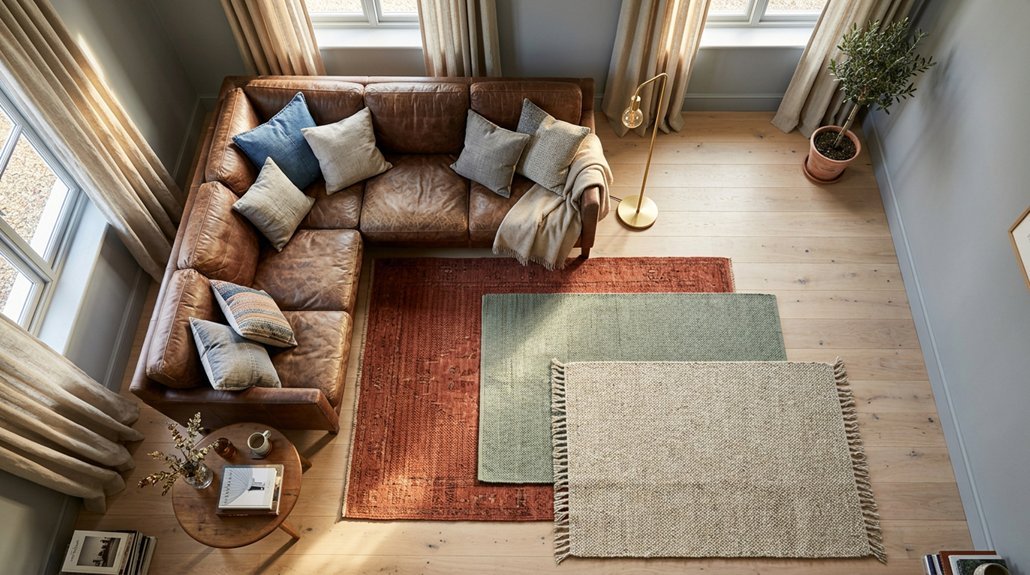
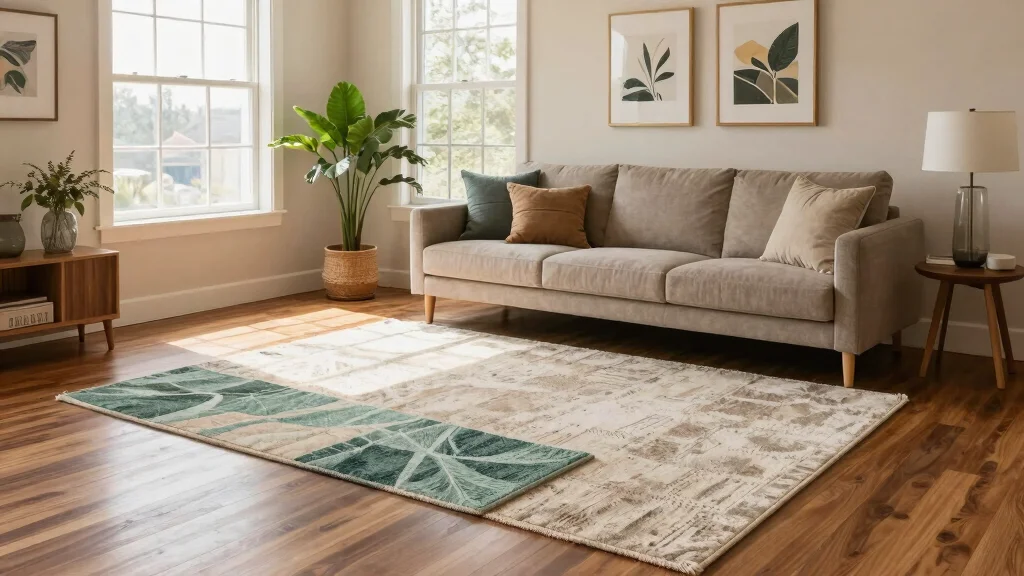
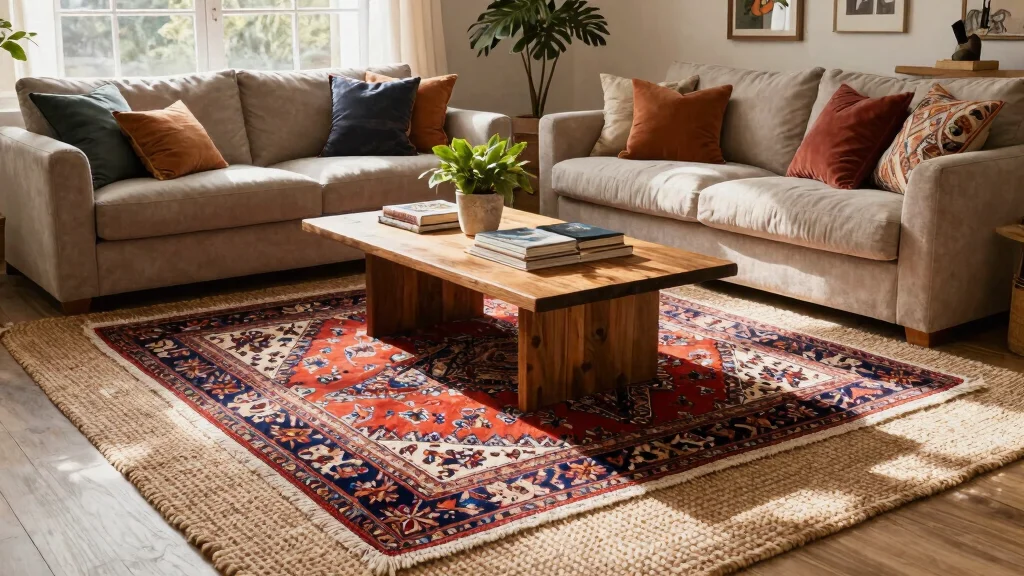
Your selection between high and low pile need not resolve into a single compromise when spatial strategy permits architectural layering. You achieve optimal performance by deploying Low-pile as your foundational substrate, establishing stability through tight weave density, then introducing High-pile as a targeted overlay. This configuration delivers durability underfoot where traffic concentrates while reserving plush texture for focal seating zones.
Layering exploits contrasting pile heights to generate visual depth and acoustic modulation without sacrificing practical maintenance. You define functional territories spatially: Low-pile governs circulation paths; High-pile marks rest and conversation areas. The base rug’s structural stability prevents displacement, anchoring the lighter top layer. This stratified approach balances density, pattern integration, and tactile variation—you extract maximum utility from both pile categories rather than accepting either’s limitations in isolation.
Recommended Products

Tender Touch: Experience the ultimate in with our low-pile polyester modern area rug, providing a cozy cushioned surface that eliminates the need for extra padding. This soft abstract rug insulates your floors, creating a warm and inviting in your living room, bedroom, dining room

Nature‑Inspired Insect Floral: Draws from rustic organic forms like flower, leaves and animal spots. Lifelike abstracted lines suggest movement. Uses earthy tones. Captures animals in relaxed poses—resting or foraging—bringing a feel of the wild into your room. Made from polyester.

Ultra Soft & Comfortable: Our Ruhazlgoin Vintage Boho Rug is crafted from faux wool, offering a soft, plush texture that provides ultimate comfort. Perfect for creating a cozy atmosphere in living rooms, bedrooms, or any space in need of warmth.
Cleaning Reality Check: What Each Pile Demands
How significantly does pile height alter your maintenance obligations? You’ll find high-pile rugs demand significantly more intensive care than their low-pile counterparts.
High-pile fibers trap substantial debris within their depths, compelling you to vacuum more frequently using suction-only settings—never engage the beater bar, which damages tufts. You’ll need regular fluffing to counter matting and crushing that accelerated wear produces. Maintenance protocols require precise spill response; moisture lingering in dense fibers degrades structural integrity rapidly.
Conversely, low-pile rugs streamline your routine. Standard vacuuming suffices, fiber retention is superior, and crushing resistance markedly reduces deterioration in high-traffic conditions. You’ll expend less effort preserving appearance, though prompt spill treatment remains essential for both constructions.
Your selection fundamentally determines ongoing labor investment. High-pile rewards tactile luxury with demanding upkeep; low-pile offers operational efficiency through simplified maintenance and superior wear resistance.
Recommended Products

DUAL-SIDED CLEANING FOR MORE SURFACES – This carpet rake for pet hair removal helps tackle everyday shedding across more areas with one tool. Use the metal + short silicone side to lift embedded pet hair from carpets, rugs, and mats, then flip to the extended silicone side for a gentler sweep on shag rugs and hard floors like wood, tile, and marble.
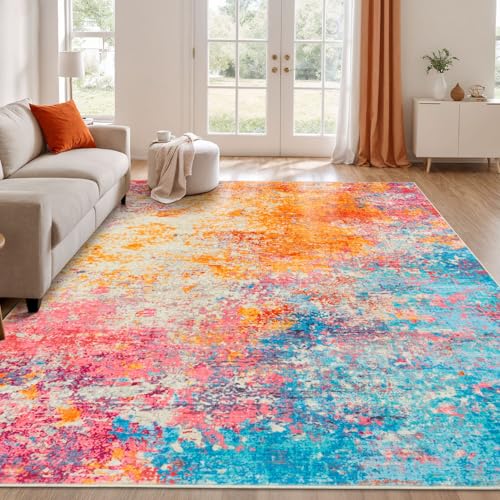
Modern Abstract Rug: Evokes the essence of rainbow, blending neutral colors of blue, pink and orange with abstract artistry. Offers a lived-in charm while effectively hiding messes, great for living room, bedroom, dining room, nursery room, playroom, classroom or dorm
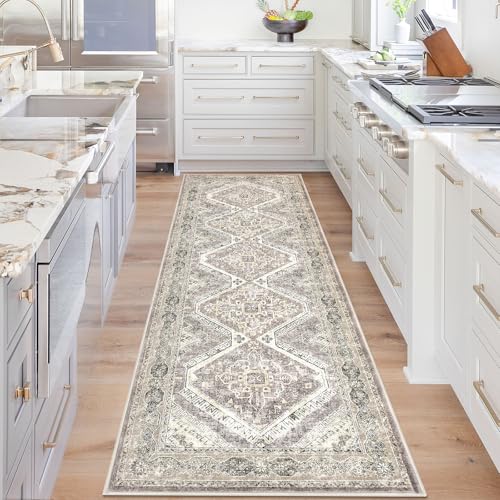
Key Features: Size: 2.6x8 Feet (31.2x96 Inches), Thickness: 0.24 in., Color: Ivory Grey. Note: Colors may vary slightly under different lighting or display devices, it may appear with a grayish or yellowish tone
Choosing Your Pile Height: A Room-by-Room Framework
When mapping pile height to specific rooms, you’re fundamentally distributing tactile luxury against functional durability across your floor plan.
In your room-by-room assessment, you’ll deploy low-pile rugs—fibers under ¼ inch—in high-traffic zones: living rooms, dining rooms, hallways, kitchens, and home offices. Here, you’re prioritizing structural integrity and cleaning efficiency.
Conversely, you’ll reserve high-pile construction—fibers ranging ¼ to ¾ inch—for bedrooms and reading nooks where foot traffic diminishes and underfoot softness dominates your priorities. The technical threshold matters: crossing from ¼ inch upward shifts your maintenance burden significantly.
You can also hybridize your approach, layering low-pile foundations beneath high-pile overlays. This configuration lets you’re balancing wear resistance with indulgent texture within a single space without sacrificing either performance metric.
Recommended Products

Soft Faux Cashmere for Everyday Comfort: Made with a 280GSM faux cashmere velvet surface, this 5'x7' area rug feels smooth and cozy under bare feet for daily routines, quiet lounging, family time, or pets resting nearby

Non-Slip & Safe:Our area rugs feature an advanced non-slip backing that keeps it securely in place, even in high-traffic areas. The anti-slip design ensures safety for both kids and pets, preventing accidental slips and falls. Whether placed in the entryway, laundry room, or bathroom, this rug stays firmly put, offering you peace of mind and a secure footing for your family.
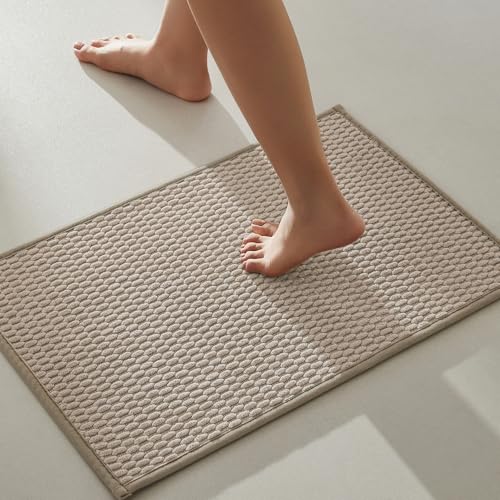
Indulge Yourself in Pure Luxury: Our bathroom rugs feature a low-pile woven design for a perfect blend of style and comfort. Step onto our soft bath rug after your shower and experience unmatched coziness. With this elegant woven bath rug, you can transform your space into a spa-like oasis
Conclusion
Your pile height selection demands trade-off analysis: low-pile delivers abrasion resistance and simplified maintenance where footfall concentrates, while high-pile prioritizes acoustic absorption and thermal comfort in low-traffic zones. Hybrid configurations—low-pile foundations beneath high-pile overlays—optimize both durability and tactility. Match substrate specifications to room-by-room mechanical loads, cleaning capacity, and occupancy profiles for performance-maximizing outcomes.