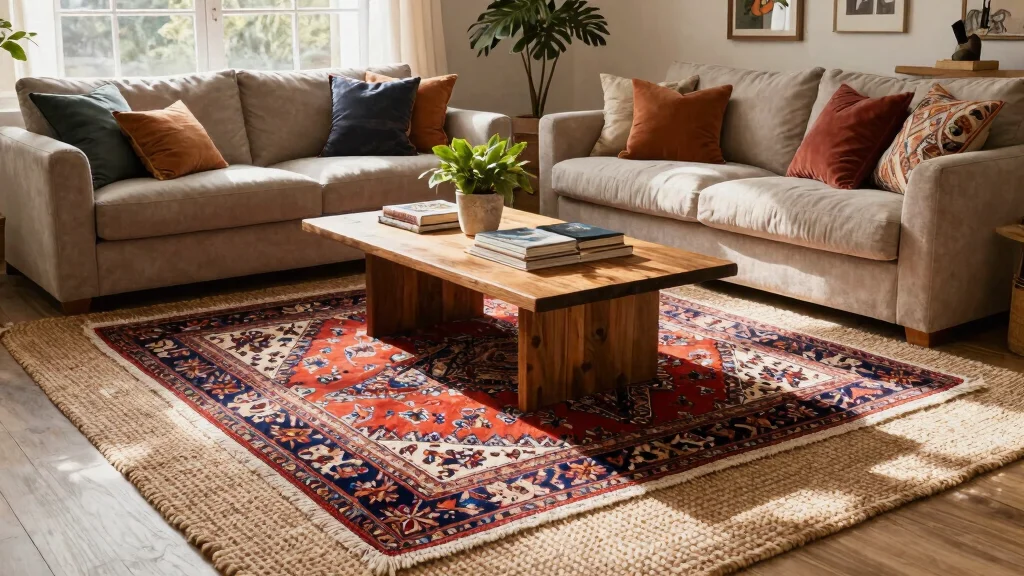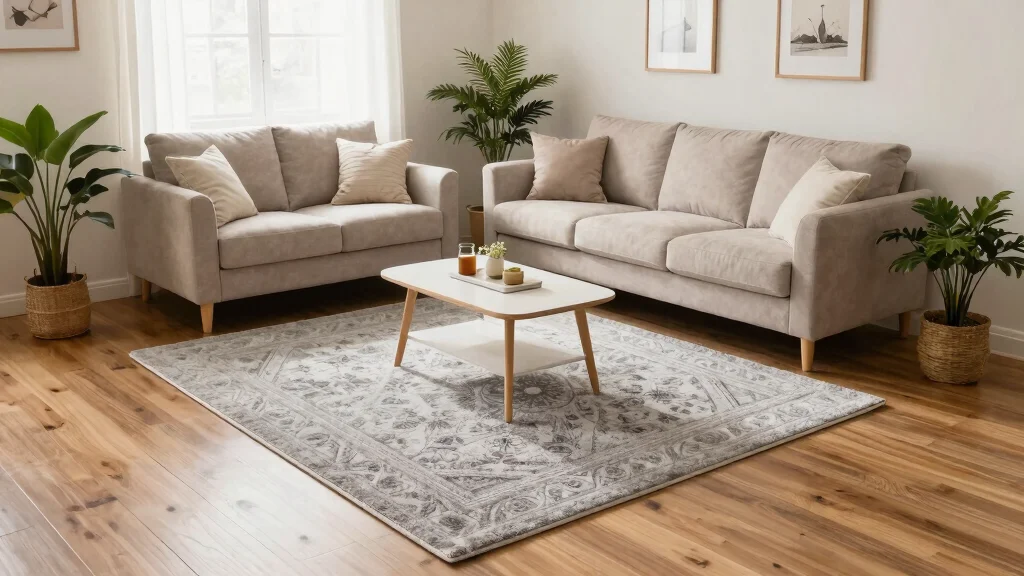

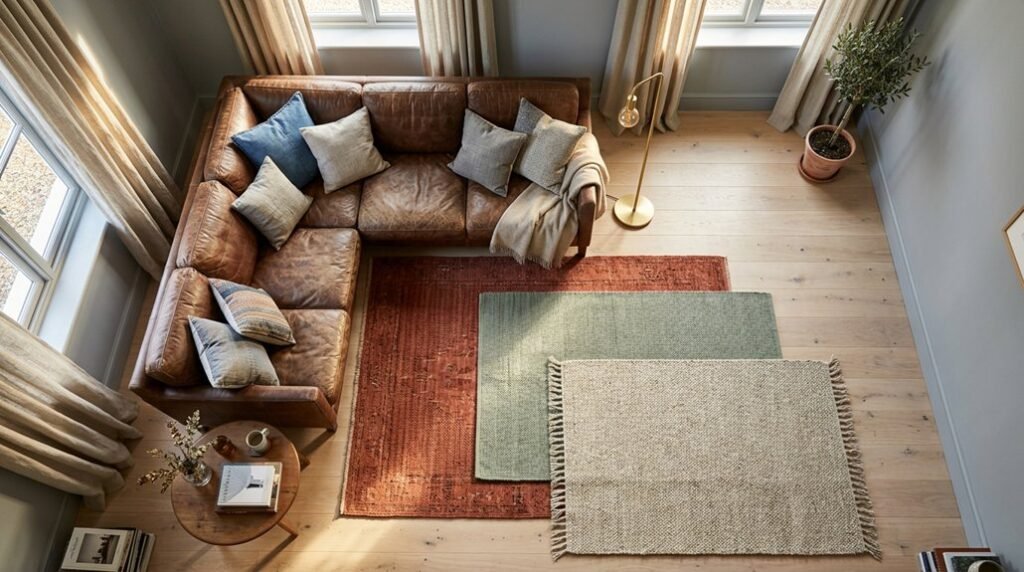
You stand in your space, surrounded by swatches and indecision, knowing the rug will either ground everything or unravel it. The right color isn’t about matching—it’s about intention. Whether you need warmth, quiet, or a moment of boldness, your choice shapes what the room becomes. And the method is simpler than you’ve been told.
What Your Room Actually Needs: Anchor, Blend, or Contrast
Where do you begin when every swatch seems equally compelling? You start by diagnosing your room needs with clear intention.
Anchoring demands grounding neutrals that unify architectural features and décor without overwhelming the eye. You achieve this through tone-on-tone backdrops that establish calm, cohesive palettes throughout your space.
Blending calls for harmonious colors in similar or complementary hues, allowing furniture and architectural details to command attention while the rug recedes gracefully.
Contrast requires bolder, deeper tones that carve visual separation and establish a commanding focal point, particularly effective in expansive rooms with warm floors and abundant light.
You build each approach methodically: begin with a base neutral, then introduce one or two accent colors to sharpen your intent. The result transcends mere decoration—you craft environments that breathe with purpose and precision.
Recommended Products

【Vintage Floral Throw Rug】LOKHOM runner rug is imitation cashmere fabric materials. This hallway runner rug is not easy to shed lints and very soft and comfortable. Boho floral patterns give a sense of elegance and add a touch of distinctive atmosphere to your room, suitable for bedroom kitchen entryway and any home decor
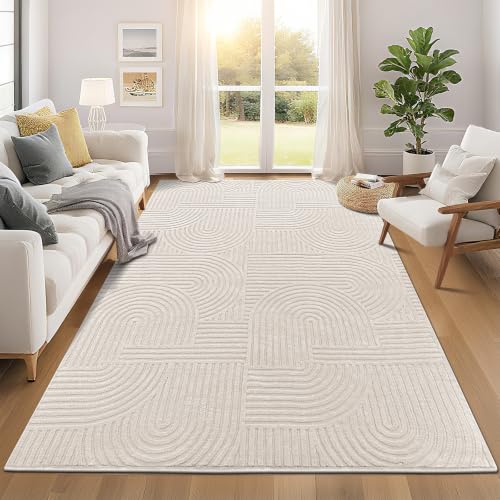
Soft Fluffy Rugs for Bedroom: With its plush high-low piles, this 6x9 area rugs delivers an incredibly comfortable and soft sensation, making it suitable for going barefoot. Lay the carpet over your hardwood floor, and it not only infuses warmth but also turns any room into a snuggle-worthy retreat

Soft Fluffy Rugs for Bedroom: With its plush high-low piles, this 8x10 area rugs delivers an incredibly comfortable and soft sensation, making it suitable for going barefoot. Lay the carpet over your hardwood floor, and it not only infuses warmth but also turns any room into a snuggle-worthy retreat
Room-by-Room Rug Color Rules (Living, Bedroom, Dining)
How do you translate a room’s purpose into color without losing coherence? You begin by defining the rug’s role in each space.
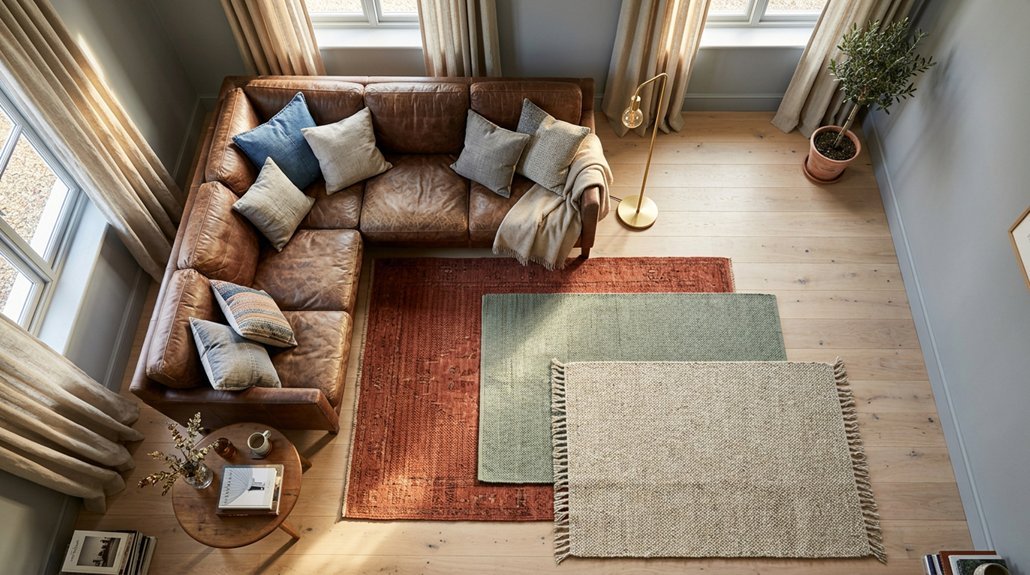
In the living room, you anchor furniture using warm grays for modern minimalism or navy and forest green for traditional settings. You balance two main palette colors, letting architectural features breathe while the rug unifies.
For the bedroom, you choose a neutral rug—white or subtle tones—for serenity, or warm, deep hues for enveloping comfort. You remember that white demands restraint in high-traffic areas, whereas darker tones conceal wear gracefully.
In the dining room, you select understated hues that frame dark wood without competing. Round rugs complement tables beautifully here.
You always test color under natural light and evening illumination, ensuring your choice defines rather than overwhelms each distinct space.
Recommended Products

The Malibu Collection is an indoor/outdoor area rug featuring geometric patterns in airy, neutral palettes, with playfully fringed edges; from renowned interior designer Amber Lewis in collaboration with Loloi

Fluffy Rug with Rubber Backing: The biggest feature of this material is its amazingly soft touch, especially when you walk on it. This softness comes from thousands of 1.5 inches plush fibers. In addition, this soft fabric rug is crafted with high-density sponge layer and anti-slip backing to keep it in place and prevent sliding. The non-slip backing also protects floors from scratches
Fluffy Rug with Rubber Backing: The biggest feature of this material is its amazingly soft touch, especially when you walk on it. This softness comes from thousands of 1.5 inches plush fibers. In addition, this soft fabric rug is crafted with high-density sponge layer and anti-slip backing to keep it in place and prevent sliding. The non-slip backing also protects floors from scratches
One Neutral Base Plus One or Two Accent Colors
Why settle for flat, monotonous floors when a single neutral foundation can carry so much more? Start with a neutral base—warm beige, sophisticated gray, or luminous ivory—to establish versatility across your space. Then introduce one or two accent colors through your rug color selection, creating contrast and depth without overwhelming the room.
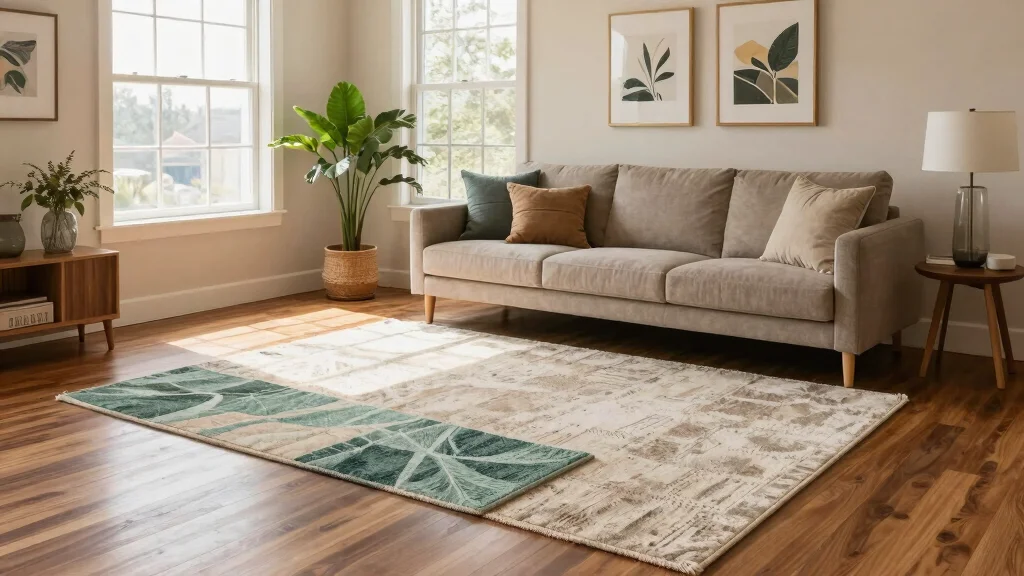
You’ll find balance by threading these accent colors through controlled doses: perhaps a patterned rug picking up tones from your upholstery, or a solid tone echoing artwork across the space. Harmony emerges when you let the rug color anchor rather than mirror every element. Maintain equilibrium through intentional contrast—lighter ivories against dark furnishings, deeper accents defining zones atop pale floors. Patterns offer another pathway, weaving complexity while preserving cohesion.
Recommended Products

Elegant Floral Rug: This Vintage floral rug repeat flower heads with acanthus leaves for heritage charm. The deep forest green base anchors the room, while delicate cream blossoms and burgundy accents add warmth without overwhelming your existing furniture (think: leather sofas, wooden tables, or boho throw pillows)

Effortless Maintenance & Machine Washable: This durable 6x9 area rug is designed for high-traffic spaces like living room, dining room under table, bedroom. Easily refresh with regular vacuuming or machine wash for deep cleaning—stays vibrant through everyday use

Timeless Area Rug for Living Room and More: The Humphrey Collection area rugs prove that plaid never goes out of style for warm and inviting home decor. Made with an easy-to-clean construction and designed by Chris Loves Julia x Loloi.
Floor Contrast: Match Without Mimicking
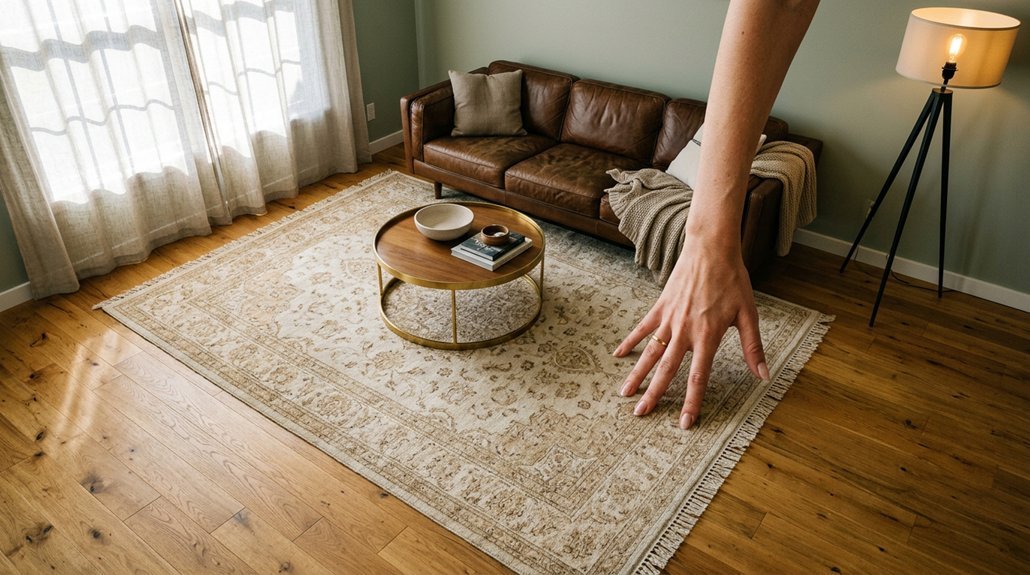
Your rug shouldn’t disappear into the floor beneath it. Establishing deliberate rug color contrast creates essential visual separation, transforming your floor from backdrop to intentional design layer. When considering rug vs floor dynamics, you’ll want to avoid mimicking floor tones too precisely—instead, embrace a contrasting rug that commands attention.
If you’re working with warm floors, cool rug selections with complementary color undertones generate sophisticated tension. This warm floors cool rug approach prevents muddled, indistinct boundaries. Even when palette similarity feels unavoidable, deploy texture and pattern to maintain distinct floor contrast—a nubby weave or geometric motif rescues tonal proximity from visual collapse.
In compact rooms, amplify small space contrast; sharper distinctions between surfaces expand perceived dimensions and anchor furnishings with authority. Let your rug float deliberately above its foundation.
Recommended Products

【Modern Area Rug】This 6ft earth-tone rug boasts a soft light base accented with warm brown mottling, emitting a cozy, tranquil vibe. Ideal for living room, bedroom, dining room and playroom.

Vintage Area Rug Aesthetic: The stylish pieces from the Lonie Collection blend traditional and modern design mixes retro styles with modern art,set on a warm neutral canvas, delicate simple patterns and fresh and warm color palette and tastefully distressed that exudes elegance.

Pattern: Printed Boho Vintage; Size: 3' ( 36"); Thickness: 0.31"; Color: Brick Red/Orange/Green. This rug combines brick red and green for a warm and versatile touch. Note: color may vary in brightness or tone under different lighting
When Bold, Dark Rug Colors Work Best
Think of your dark rug as an anchoring color palette element. You’ll achieve sophistication by pairing it with warm neutrals and earthy tones, creating harmony rather than harshness.
Maintain light balance by ensuring floor contrast works in your favor—avoid matching dark floors or oversized dark furniture alongside your statement piece. Instead, you’ll layer lighter complementary elements throughout, letting that single dramatic dark anchor command attention without overwhelming your carefully curated space.
Recommended Products

The Darby Collection is a sophisticated area rug with a dimensional, ribbed texture that mimics the look and feel of a hand-knotted rug
The Darby Collection is a sophisticated area rug with a dimensional, ribbed texture that mimics the look and feel of a hand-knotted rug

Spill-Resistant Surface – Easy to Clean, Everyday Ready: Accidents happen — whether it’s a morning coffee by the sofa or juice at the dining table, the rug’s spill-resistant surface helps contain messes and makes cleanup quick and easy. Perfect for busy households with kids, pets, or daily foot traffic.
How Texture Saves Neutral Rugs From Flatness
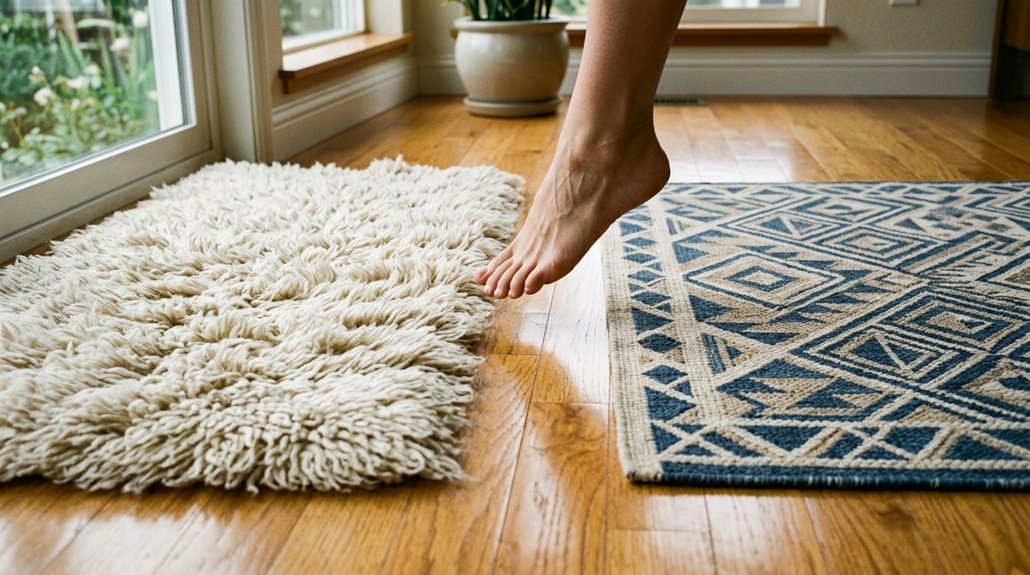
Where does depth hide when color steps back? You’ll find it in texture. Neutral rugs risk flatness when they lack dimensional interest, but pile variation transforms quiet tones into layered experiences.
Choose hand-tufted or sculpted rug textures and you’ll invite shadow play across your floor, each loop and cut pile catching light differently throughout the day. This tactile depth doesn’t merely decorate—it shifts color warmth, making creams read richer and grays more atmospheric.
You avoid the washed-out look by rejecting flat, machine-made surfaces. Instead, you embrace how textured rug construction creates visual architecture. Your neutral palette stays restrained, yet the space feels complete. Texture doesn’t compete with your furniture; it elevates the entire room’s sophistication through subtle, sophisticated dimension.
Recommended Products

Designer Aesthetic: The stylish pieces from the Loren collection blend traditional, vintage, and modern design that exudes elegance.The collection infuses distressed boho textures with modern materials and colors for a Moroccan inspired style.

Soft Fluffy Rugs for Bedroom: With its plush high-low piles, this 5x7 area rugs delivers an incredibly comfortable and soft sensation, making it suitable for going barefoot. Lay the carpet over your hardwood floor, and it not only infuses warmth but also turns any room into a snuggle-worthy retreat

Neutral Vintage Design: This WondRg area rug has a trendy retro style and unique floral pattern, unique tones blend perfectly with your home great way to show your personal style and enhance the beauty of any room in your home
Bedroom Calm vs. Living Room Cohesion
Texture gives a rug its quiet power, but the room itself tells you how to wield it. In the bedroom, you’ll select calm colors that whisper rather than announce. Anchor your space with a base neutral—soft ivory, warm sand, or misty gray—then layer one or two accent colors for gentle depth. You’ll notice how warm tones cocoon you while light contrast keeps the air breathable. Avoid visual noise; subtle patterns preserve that essential serene feel against white linens.
Living room cohesion demands something else entirely. There, your rug color bridges sofas, art, and architecture, creating conversation between elements. Where the bedroom retreats, the living room gathers. You’ll choose differently knowing this: sleep requires sanctuary, but gathering spaces require connection.
Recommended Products

Designer Decorative Rug: The stylish pieces from the Teagan collection blend traditional and modern design that exudes elegance. The Teagan collection mixes Moroccan and Persian styles with fresh modern materials and neutral color pallet.

Ultra-thin & Safe Kitchen Rugs: Our entryway rug is a super cozy crystal pile that is not only super soft, but also fade resistant.The 0.166-inch thick, low-pile runners for hallways is easy to place in entryways and under furniture, and won't block doorways

The Malibu Collection is an indoor/outdoor area rug featuring geometric patterns in airy, neutral palettes, with playfully fringed edges; from renowned interior designer Amber Lewis in collaboration with Loloi
Conclusion
You’ve mapped the room’s needs, weighed anchor against airiness, and chosen your thread—neutral ground, one brave accent, texture for depth. Trust that contrast: let the floor breathe beneath furniture, let the bedroom soften, let the living room hold. A rug isn’t merely backdrop; it’s the quiet architecture that ties your vision together. Step back. The harmony you’ve built speaks.
Recommended Products
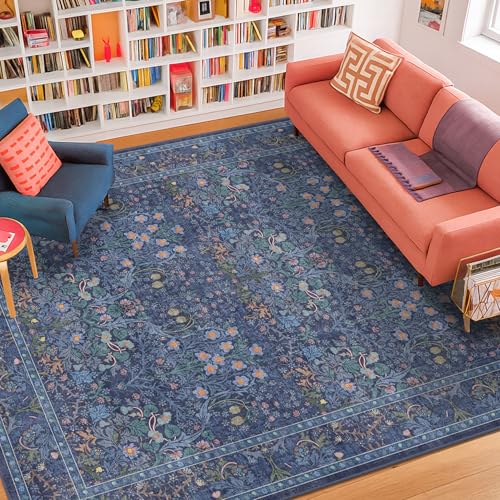
Vintage Botanical Elegance: Echoing the refined artistry of 19th-century textile traditions, this elegant area rug features a deep navy background with dusky blue accents, adorned with intricate floral and oriental motifs. Muted gold, sage green, and faded blush details weave through the design, creating a balanced contrast that feels both rich and refined. Its symmetrical botanical layout brings timeless charm and layered sophistication to any traditional, cottagecore, or eclectic interiors

Super Soft Fluffy Rug: The surface of Lairep's 4x6 shaggy rug is made of high-density, premium velvet material, making the fuzzy rug ultra soft and skin-friendly, warm and luxurious. Meanwhile, the plush area rug is lasting and will not shed, fade or odor. The center layer is a thickened shock-absorbing sponge that provides cushioning support and increases the thickness of the navy blue carpet, creating a comfortable area for your family

【New Color Design】DweIke rugs color design was done after customer preference survey. According to the results of most people's choice, the carpets in the new color feels warmer and more comfortable