
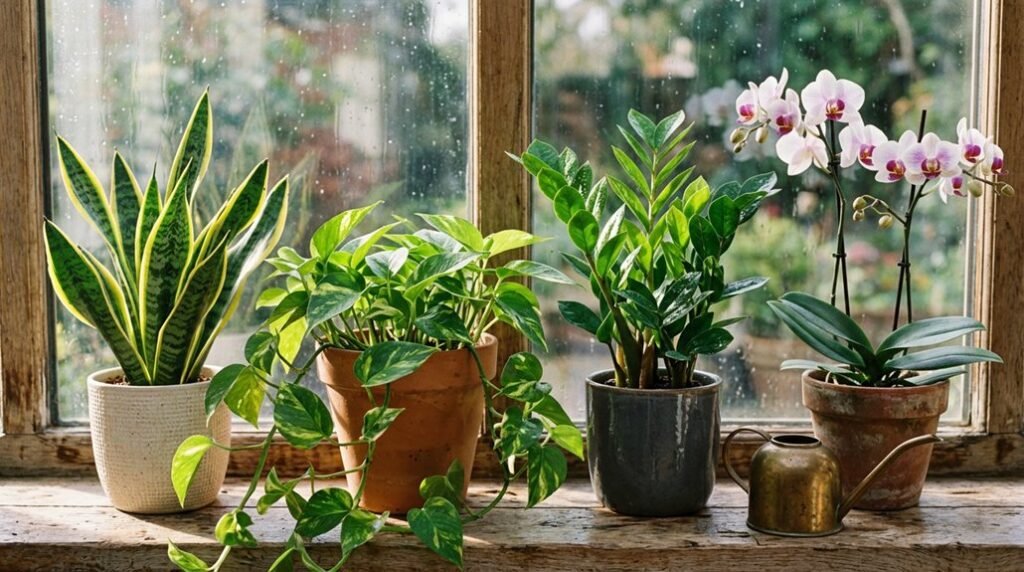
You’ve killed a plant before—probably more than one—and you’re wondering if anything green can survive your schedule. The good news is that some houseplants actually prefer you to forget them now and then. The trick isn’t just picking the right species; it’s understanding why the “easy” ones still die in your care.
What “Low-Maintenance” Actually Means (And Why Most Plants Fail)
Why do so many “easy” houseplants end up in the trash? You likely didn’t grasp the difference between tolerance vs thriving. A plant tolerating low light isn’t flourishing—it’s merely surviving, and you’ll watch it slowly decline.
True low-maintenance means near-indestructible species that withstand your inconsistent care. You must avoid overwatering; it kills more “easy” plants than underwatering ever did. Snake Plants and Pothos need well-draining soil and low water schedules, not your daily attention.
You’ll succeed by choosing neglect-proof varieties like ZZ Plants or Cast Iron Plants, then placing them near indirect light without forcing unsuitable conditions. Match the plant to your actual habits, not your aspirations. The plant isn’t failing—you’re selecting wrong and smothering it.
Recommended Products

SANSEVIERIA ZEYLANICA: Mother in Laws Tongue House Plant is a stemless evergreen that grows elongated, sword-shaped leaves from its underground rootstock. The Snake Plant is an upright species with firm structure and hardiness characteristics. Being that it is a perennial, the Sansevieria will live for years when properly cared for.
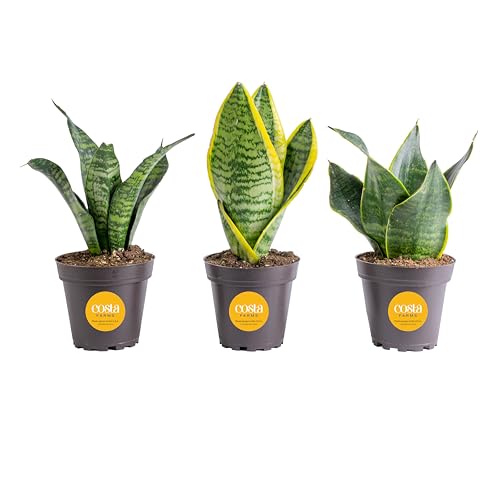
INSTANT HOME STYLING TRIO: Multi pack of three live snake plants takes the guesswork out of interior design by creating an effortless cohesive look across your living room shelves, bedroom nightstands, or home office desks

HARDY INDOOR PLANT: Sansevieria Laurentii is a drought tolerant, durable, and adaptable houseplant for beginners
5 Low-Maintenance Indoor Plants That Thrive in Low Light
Where exactly should you look when your space lacks sun but you still crave greenery? These five low-maintenance indoor plants transform dim corners into lush home decor without demanding your constant attention.
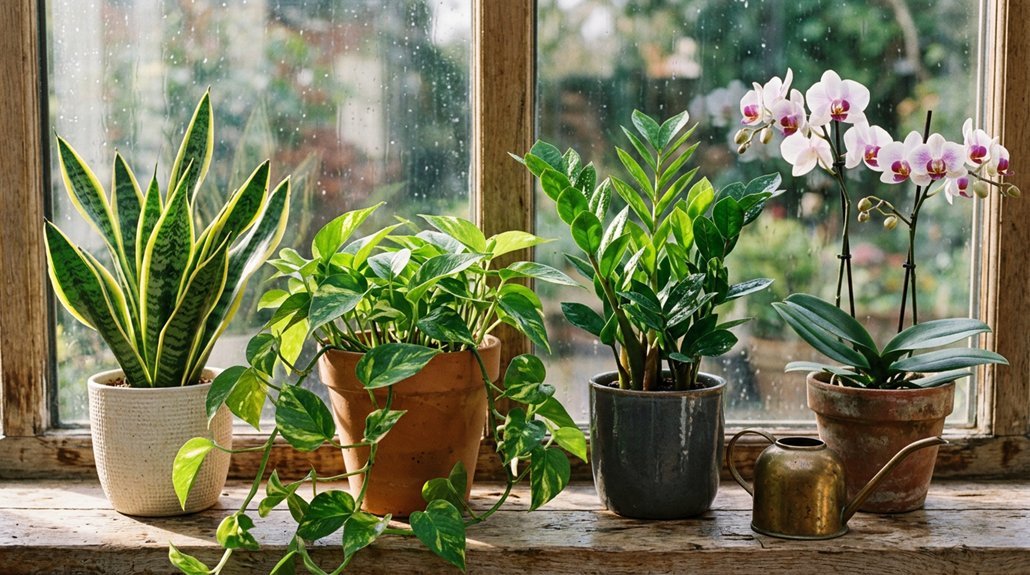
Pothos tolerates low light beautifully and rewards easy care with trailing vines you root through propagation.
ZZ Plant thrives in darkness and dry conditions, offering drought-tolerant leaves you propagate by division.
Snake Plant stores water in sturdy foliage, surviving neglect while asking only occasional drinks.
Spider Plant adapts to lower light and sprouts countless babies for effortless propagation.
Peace Lily softens shadows with elegant blooms, needing just consistent moisture and quick pruning.
You’ll find propagation simple across this collection.
Each proves that low light, easy care, and striking home decor coexist naturally.
Recommended Products

SLEEK, STYLISH ROOM DÉCOR: The architectural upright leaves of a real ZZ Plant provide a modern, sleek look that defines minimalist home decor. An excellent, stylish live plant choice for an office desk, plant shelf, or tabletop

Eye-Catching Black Leaves – Glossy dark foliage brings modern flair to any room. Comes in Nursery Pot – Arrives ready to display with minimal setup required. Low Maintenance Beauty – Thrives in low light and dry conditions, great for busy lifestyles. Natural Air Purifier – Helps improve indoor air quality while looking stylish. Ideal for Contemporary Decor – Makes a bold, sculptural statement in homes and offices.

STRIKING LIVE HOUSEPLANT: The Everlasting ZZ features bold, upright architectural foliage that transitions in color as it matures, making it a dynamic, eye-catching addition to any modern home or office decor
Snake Plant vs ZZ Plant: Best Low-Light, Low-Maintenance Choice
How do you choose between two nearly unkillable houseplants when both thrive in darkness and neglect? You compare their strengths. The Snake Plant tolerates low to bright indirect light, while the ZZ Plant excels in very low light. Both demand low maintenance and survive watering sparingly. You’ll find each drought-tolerant and forgiving of irregular care.
You face overwatering risk with either, so you use well-draining soil and let dirt dry completely between waterings. Snake Plant propagates through division or leaf cuttings; ZZ Plant multiplies similarly via leaves or division. Both offer near-indestructible performance, but you pick ZZ Plant for deeper shade or Snake Plant when you want vertical structure. You win either way—these champions ask almost nothing and give back resilient greenery.
Recommended Products

RARE VARIETY: Cebu Blue Pothos features distinctive silver-blue leaves with a metallic sheen, making it a unique and striking addition to any indoor space

TOP DECOR CHOICE: Elevate your home decor or office desk with heart-shaped variegated leaves. This vining plant is a versatile aesthetic greenery piece that looks stunning trailing from a windowsill, bookshelf, mantle, or hanging basket

LIVE HOUSEPLANT: Scindapsus Pictus Exotica - a Silver Satin Pothos trailing vine in an 8-inch hanging basket.
Where to Place Low-Maintenance Plants in Dim Rooms
You know light transforms a dim corner from plant graveyard to thriving nook, so you snake your snake plant between sheer curtains and a north-facing wall—never behind heavy furniture, never in that dead zone where light forgets to land. For your space-placement of low-maintenance indoor-plants in dim-rooms, you position them where indirect-sun filters through: three to five feet from east or west windows works beautifully.
You select true low-light champions like ZZ plants, pothos, spider plants, and peace lilies. You skip windowless rooms entirely, or you add grow lights.
You embrace slower growth and adjust your care—letting soil reach water-drying-dormancy before hydrating again. You’re working with reduced light, not against it. You place smartly, and your low-light survivors reward you with persistent, quiet green.
Recommended Products
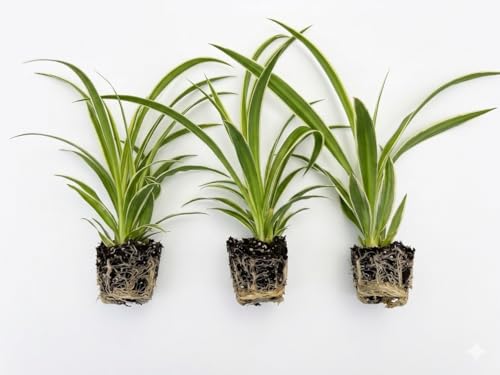
🌿 Three Healthy, Well-Rooted Plants: You get three fully established Airplane Spider Plants with thick, healthy roots, not bare cuttings. Buyers consistently tell us they arrive bigger and stronger than expected.

Plant Propagation Station: Grow and display your favorite plant cuttings with this tabletop hydroponic planter. Five large glass jars provide enough space for rooting plants while letting you observe root growth clearly and enjoy the propagation process

Plant Propagation Station: The cutest little propagation Stations. Combination of Retro wooden frame and thickened glass test tube for room, kitchen, office, corridor and window sill decoration. Who likes plants and enjoy life will love it at a glance
How Overwatering Kills Low-Maintenance Plants (And How to Stop)
Why do the hardiest houseplants die on your watch? You’re likely overwatering. Low-maintenance species like Snake Plants and ZZ Plants crave soil drying between drinks, not constant moisture. When you water too frequently, especially in indirect sunlight where growth slows, roots suffocate and rot.
You’ll spot trouble when yellowing leaves appear and stems turn mushy. These drought-tolerant survivors store water internally and can’t handle soggy conditions.
Protect them with containers featuring proper drainage and well-draining potting mix. Check the top inch of soil before adding water—dry means it’s time. Skip this step and you’ll invite root rot that’s nearly impossible to reverse.
Remember: under-watering beats overwatering every time. Your low-maintenance companions forgive neglect, but they won’t survive your excessive attention.
Recommended Products

About the Plant: Peace Lily, scientific name: Spathiphyllum, is a low-maintenance and popular houseplant. It displays vibrant green leaves and bright white blooms that give off a sweet scent. Peace Lilies make perfect home decor and look beautiful sitting on a windowsill, end table, or bookshelf.

Performs best in medium to bright indirect light and tolerates lower-light spaces
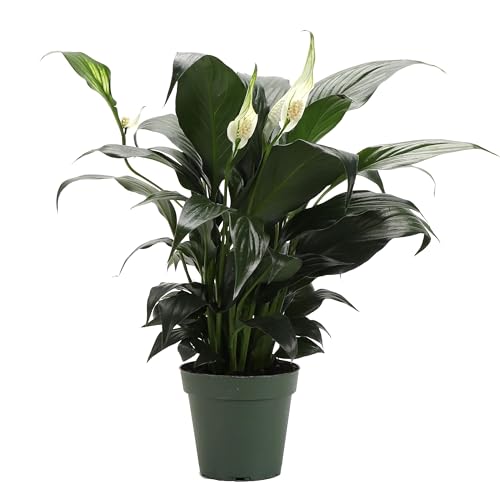
About the Plant: Peace Lily, scientific name: Spathiphyllum, is a low-maintenance and popular houseplant. It displays vibrant green leaves and bright white blooms that give off a sweet scent. Peace Lilies make perfect home decor and look beautiful sitting on a windowsill, end table, or bookshelf. Blooms may not be present or open at time of shipping.
When to Splurge: Rare Low-Maintenance Plants Worth the Price
Where exactly should you invest when building a standout plant collection? You’ll find exceptional value in rare low-maintenance specimens that deliver visual impact without demanding constant attention.
Start with the ZZ Plant, a drought-tolerant champion that tolerates low light and thrives on neglect. You’ll appreciate its waxy, architectural foliage even in dim corners. For trailing elegance, seek out variegated pothos varieties—these offer rare beauty while forgiving occasional forgetfulness.
You’ll discover the Monstera Adansonii Mint commands premium prices yet rewards you with striking perforated leaves and minimal care requirements. Consider collector-grade options like the Watercolor Orchid Party Pack for heart-shaped blooms that last, or Dracaena varieties that bring tree-like presence to shaded spaces. These indoor houseplants justify their cost through durability and distinctive character.
Recommended Products
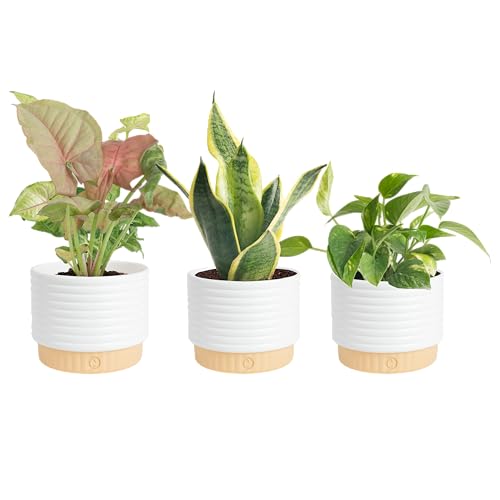
DECOR-READY LIVE INDOOR PLANTS: This 3-pack of houseplants offers incredible value to gift or instantly upgrade any space. Perfect for shelf, tabletop, or office desk. Varieties will vary — examples include Peace Lily, Snake Plant, Fern, and Pothos


LIVE ZEYLANICA PLANT: Includes one established live snake plant with upright sword-shaped leaves and naturally mottled light and dark green banding.
Bonus: Multiply Your Pothos and Spider Plant for Free
How quickly can a single plant transform into a thriving collection? You’ll discover that pothos propagation and spider plant propagation make expanding your easy-care plants remarkably simple.
You start pothos propagation by snipping stem sections with aerial roots, then placing those root cuttings in water or moist soil. Within weeks, you’ll watch new roots emerge. For spider plant propagation, you detach the plantlets dangling from arching stems and nestle them into fresh potting mix while they remain attached to the mother plant or immediately after removal.
Both low-maintenance indoor plants reward your minimal effort. Their indirect light tolerance means you propagate them almost anywhere in your home. You’ll water when the top inch dries for pothos and keep spider plant soil consistently moist. Trim dead leaves, use well-draining mix, and enjoy your free, growing collection.
Recommended Products

Live ZZ Plant 'Zanzibar Gem' – Stylish and resilient houseplant with glossy, dark green leaves and upright growth that brings sleek elegance to any room

Effortless Indoor Greenery: ZZ Plant thrives with minimal care; perfect for beginners or busy households; grows well in low to bright, indirect light with little maintenance required year-round

Zamioculcas zamiifolia
Conclusion
You’ve got everything you need to build an indestructible indoor jungle. Start with a Snake Plant or ZZ Plant, place them away from dark corners, and resist the urge to overwater. Propagate your Pothos and Spider Plants to expand your collection for free. Even rare low-maintenance varieties can thrive under your care when you respect their simple needs. Your perfect plant match is waiting—go grab it.
Recommended Products
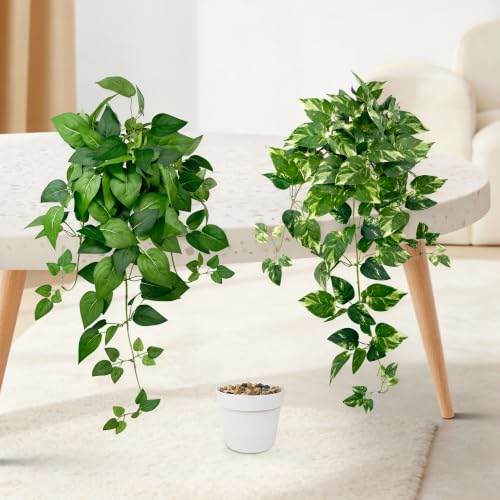
2 Pack Artificial Pothos Plants : This set includes 2 artificial hanging plants featuring one fake hanging ivy with lush green leaves and one with variegated yellow‑green foliage. Each hanging plant measures 23.6 inches (60cm) long, offering full, cascading vines.

🌿 【Perfect Size & Lush Foliage】This small fake pothos plant features 39.37inch (100CM) long hanging vines and approximately 180 lifelike green leaves, creating a full, compact, and naturally trailing appearance. As a classic artificial hanging plant indoor, it adds vibrant, eye-catching greenery to your space without occupying valuable tabletop space, making it ideal for small-area decor needs and compact rooms.

LUSH TRAILING FOLIAGE SET: This 2-pack of trailing live Pothos plants offers a simple way to add lush greenery to hanging planters or high shelves. A top-rated choice for purifying your indoor air and adding a tropical feel