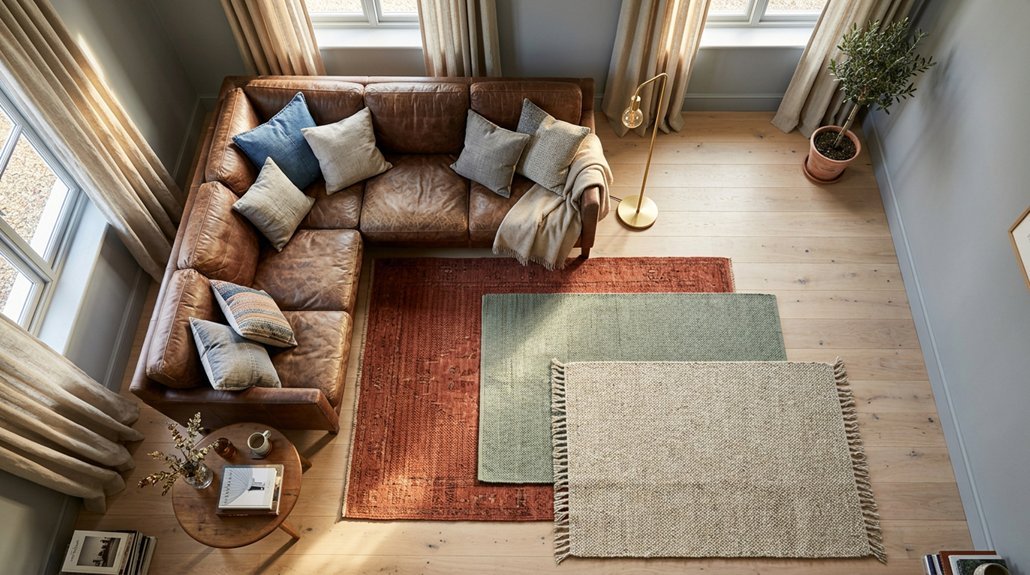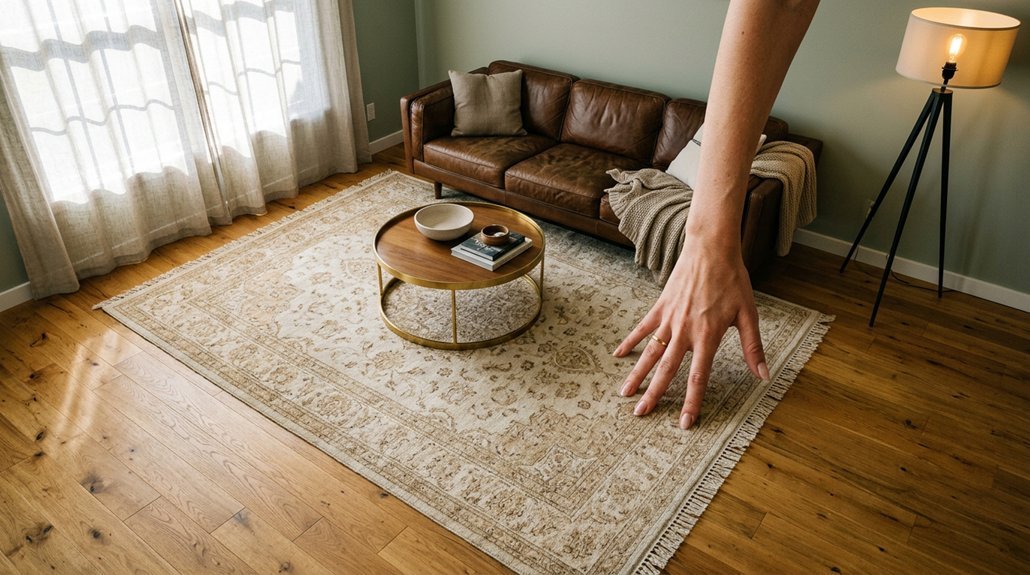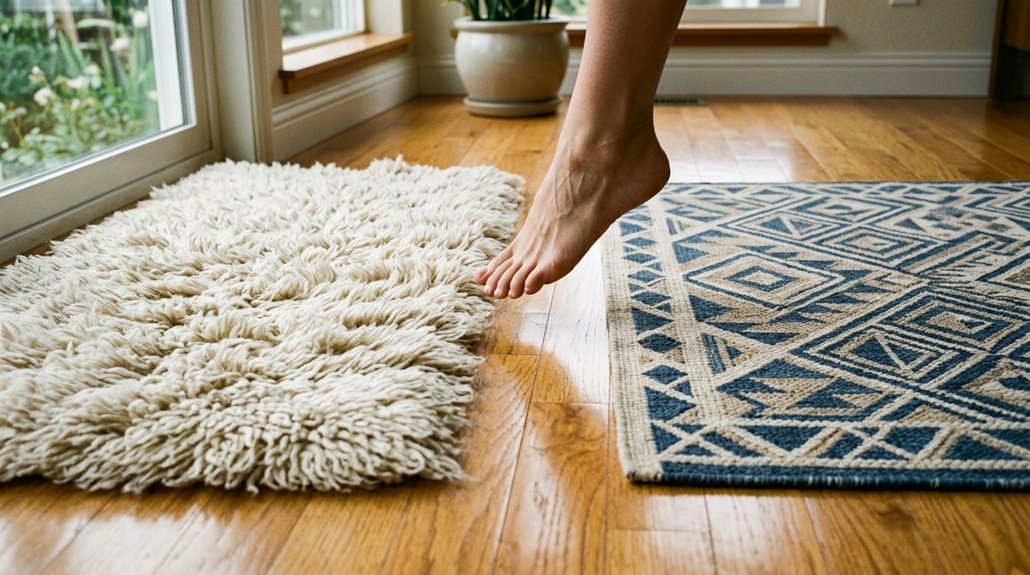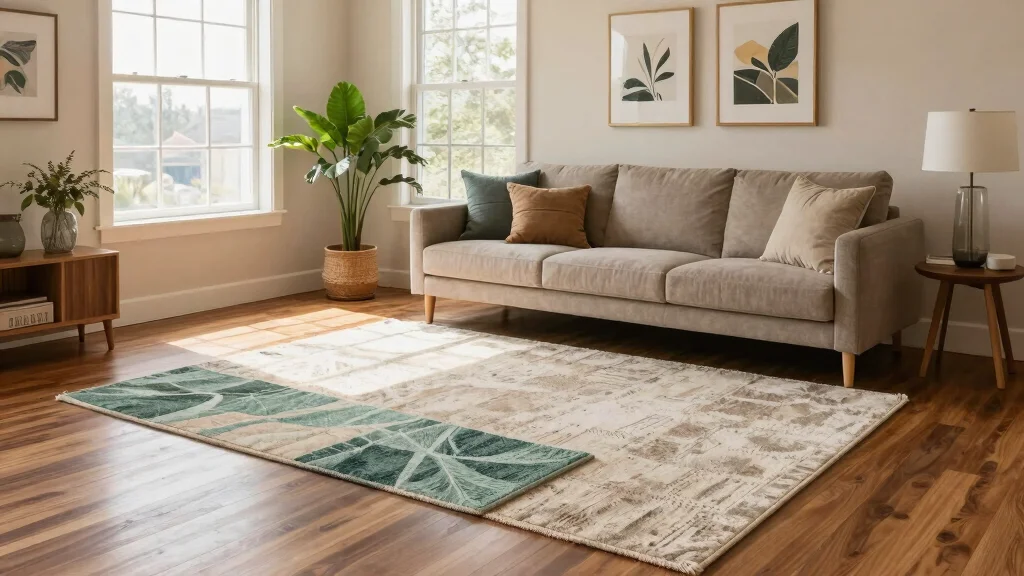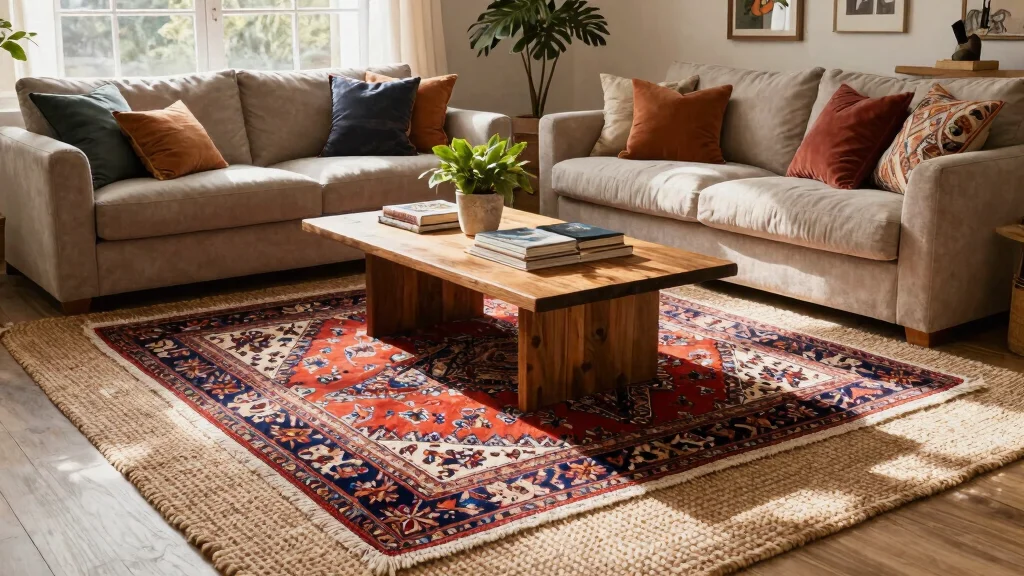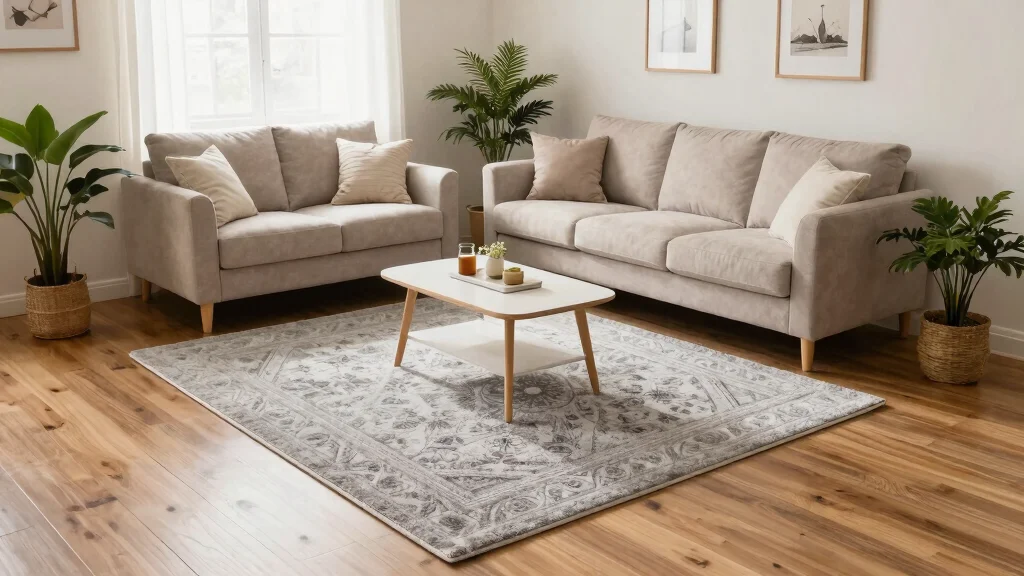

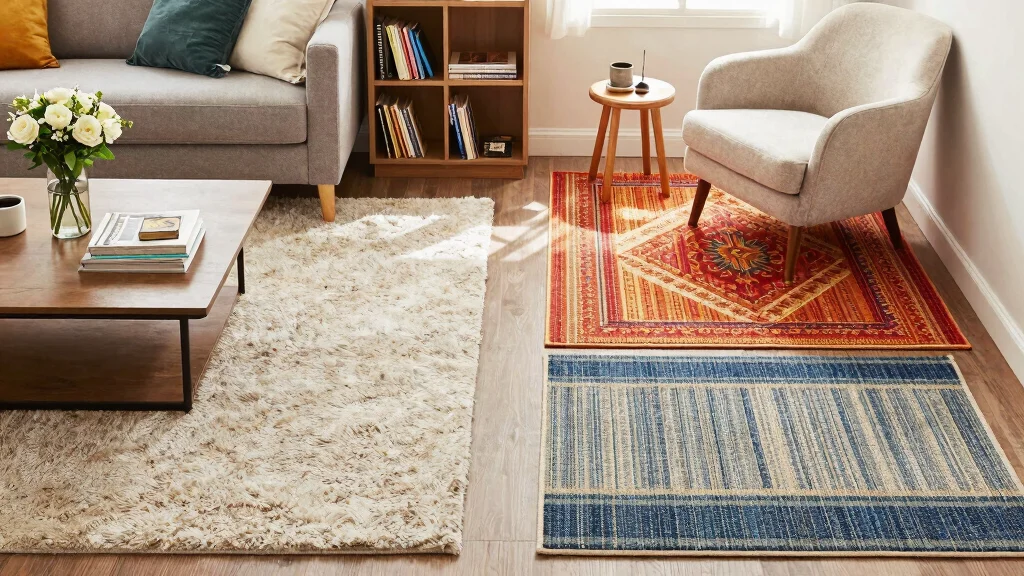
Nestled within the heart of home decor, the placement of rugs can transform any living space. You might be looking to define areas in an open floor plan, add warmth to a chilly room, or even create a cozy retreat in your bedroom. Whatever the reason, understanding the art of rugs placement is key to elevating your home’s aesthetic. This post is crafted to help you navigate the sometimes tricky world of rug styling, focusing on practical tips that suit every room in your house.
If you are a homeowner, apartment dweller, or just someone who loves interior design, this guide is for you. You care about how your space feels and looks, and you want it to reflect your personality. With the right rug placement, you can create harmony, balance, and comfort in your home. Whether you’re working with small spaces or larger rooms, I’ve gathered 12 essential tips that are insightful, actionable, and perfect for bringing your dream space to life.
By the end of this article, you will have a clearer understanding of how to style rugs effectively in your home. You’ll learn how to maximize space with smart layout choices, how to layer for added texture, and even how certain rugs can enhance acoustics in a room. Get ready to transform your living spaces with simple yet effective rug placement tricks!
Key Takeaways
– Define Spaces: Use rugs to create distinct areas in open layouts, like separating the living room from the dining area. This helps in making each space feel more intentional and organized.
– Cozy Retreats: In bedrooms, place rugs under beds to provide warmth and a sense of security. Choose rugs that complement your bedding and decor for a unified look.
– Functional Kitchens: Add rugs in kitchens to bring comfort underfoot while cooking. Opt for washable options that are easy to maintain and fit your kitchen’s style.
– Layering Techniques: Don’t be afraid to layer rugs for added depth. Placing a smaller, decorative rug atop a larger, neutral one can add visual interest and texture to your space.
– Personal Touch: Rugs can reflect your personality and taste. Choose colors, patterns, and materials that resonate with you, turning your home into a true expression of who you are.
Recommended Products
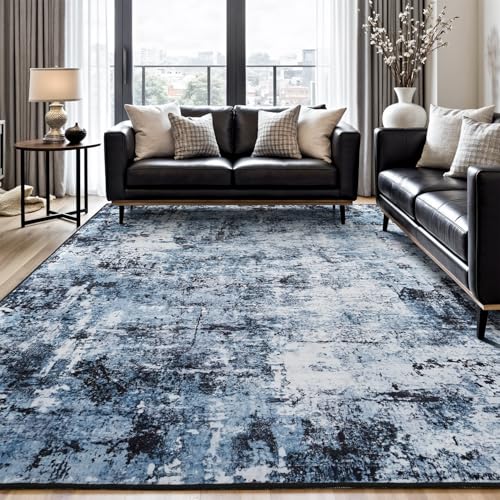
Modern Abstract Rug: Evokes the essence of ocean and sea foam, blending neutral tones of navy blue and black with abstract artistry. Offers a lived-in charm while effectively hiding messes, great for living room, bedroom, dining room, nursery room, playroom, classroom or dorm

The Malibu Collection is an indoor/outdoor area rug featuring geometric patterns in airy, neutral palettes, with playfully fringed edges; from renowned interior designer Amber Lewis in collaboration with Loloi
1. Define the Living Room Area
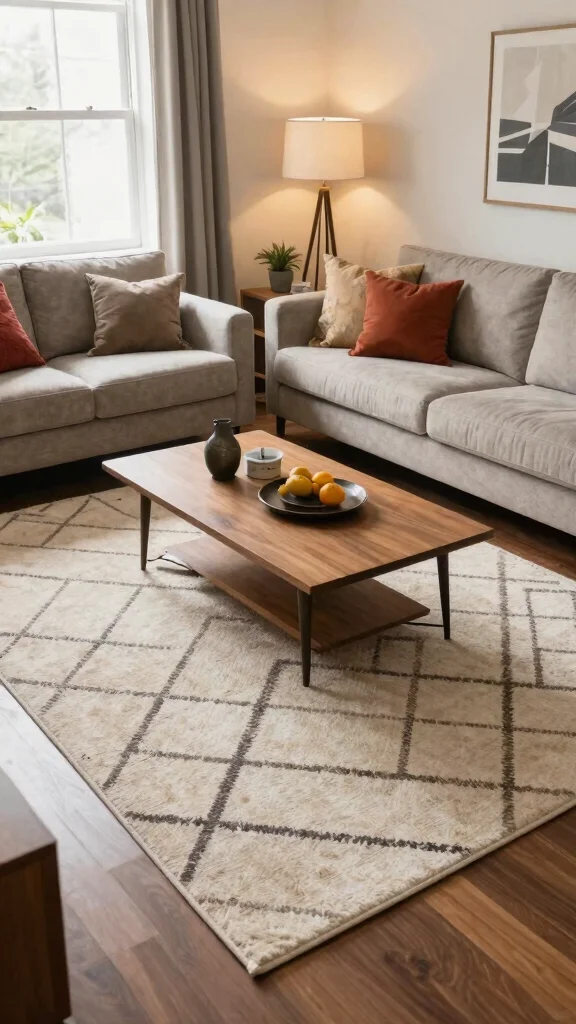
In a cozy living room, the right rug placement can create a warm and inviting atmosphere. A large area rug not only anchors your seating but ties your furniture together, enhancing the overall flow of the space. By placing the front legs of your sofa and chairs on the rug, you cultivate a sense of unity. Avoid the common mistake of choosing a rug that’s too small, as it can disrupt the room’s harmony. Instead, select a rug that extends beneath your furniture to unify your layout, and consider adding smaller accent rugs to delineate different zones within the room.
Here are some ways to maximize your rug’s impact:
– Pair a large area rug with coordinating cushions for a cohesive look.
– Install a rug that complements your color palette for visual harmony.
– Use smaller rugs to create distinct areas for activities.
With these tips, your living room can transform from cramped to cozy, enhancing its charm and comfort.
Recommended Products

WASHABLE FOR EASY CARE: This machine washable area rug makes everyday cleaning simple. Machine wash when needed, spot clean spills, or use a robot vacuum for easy daily maintenance.

Machine Washable: The short pile design of this washable rug is easy to maintain using a robot vacuum or a low-powered vacuum cleaner. The area rug is also machine-washable for fast and hassle-free cleaning. After washing, a low-temperature iron can help to keep the living room carpet’s surface flat and smooth

Soft material: The grey plush rug runner made of soft high fluff which give you a soft and comfortable touch, Without smells and shedding, you can have a rest even sleep on it, Also the soft fluffy material is friendly for your kids or little pets
Define the Living Room Area
Editor’s Choice

VEVOR 10 x 14 ft Area Rug Large Washable Rug Non-Slip and Tear-Resistant…


zesthome 10×14 Area Rugs,Stain Resistant Washable Rug,Ultra-Thin Rugs fo…
Washable Modern Area Rug: 10×14 Large Geometric Area Rugs for Living Roo…

10×14 Washable Vintage Area Rug – Large Rugs for Living Room Soft Stain …

AMADA HOMEFURNISHING 9×12 Area Rugs for Living Room, Modern Large Area R…
📹 Related Video: How to pick the perfect area rug size every time (Living room guide)
2. Create a Cozy Bedroom Retreat
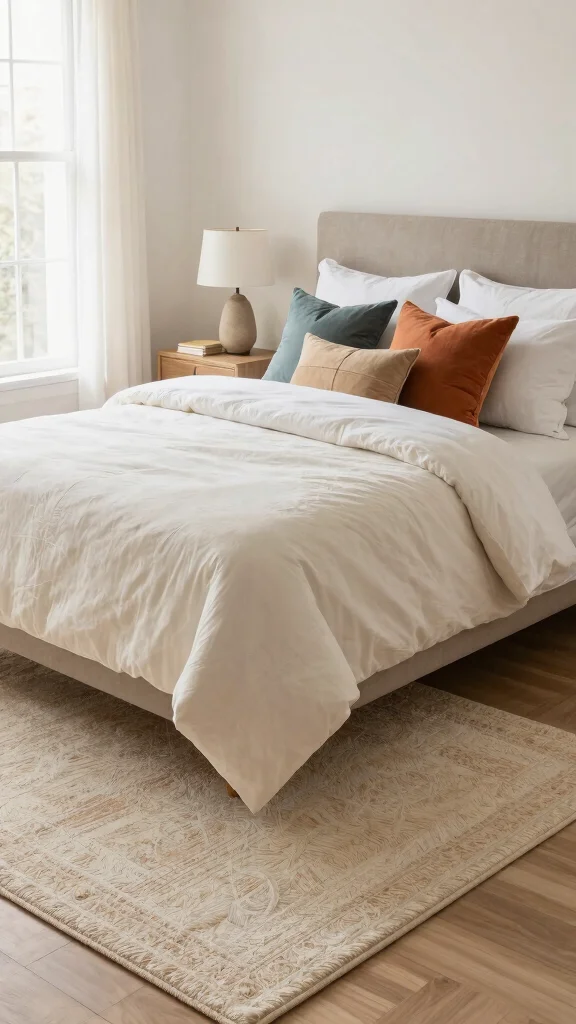
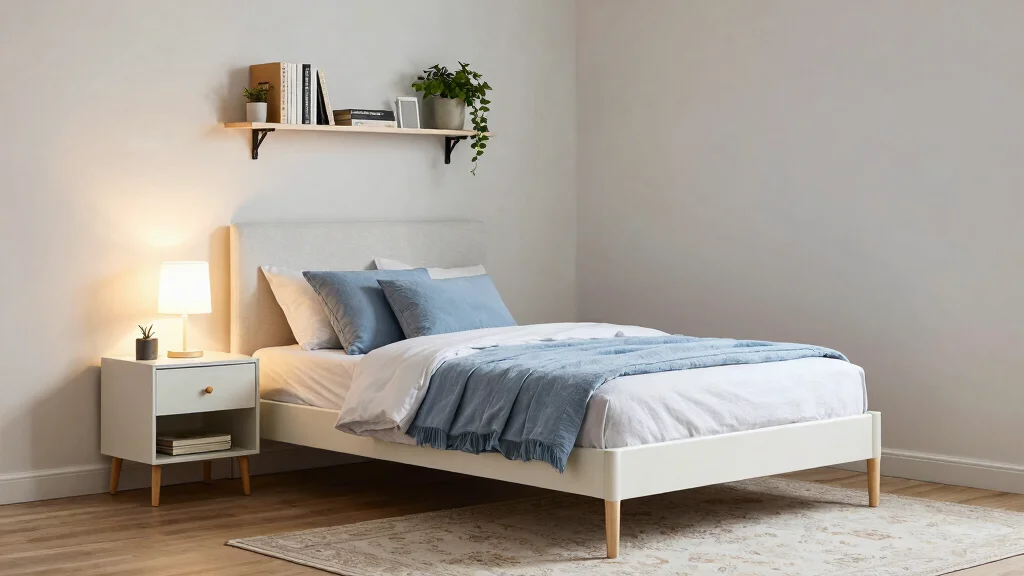
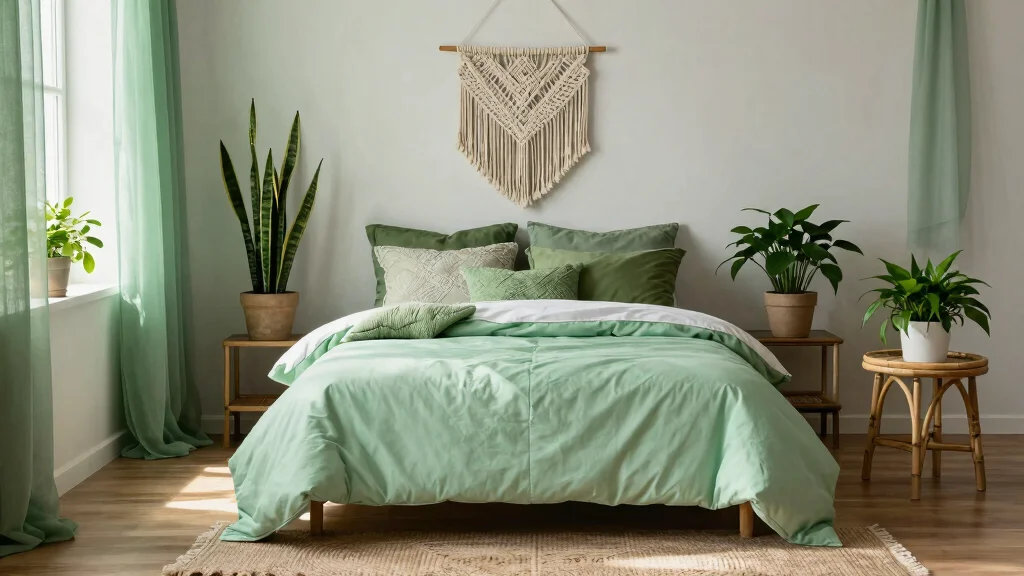
Your bedroom should feel like a sanctuary, and a thoughtfully placed rug can elevate that comfort. Positioning a soft, plush rug on either side of the bed creates a warm landing spot for your feet each morning. If space allows, a large rug under the bed can visually expand the room and create a cohesive look. Don’t hesitate to mix patterns if you prefer an eclectic style; just ensure the colors stay balanced for a harmonious feel.
Enhance your bedroom’s ambiance with these tips:
– Use rugs with soft textures for added comfort underfoot.
– Match the rug’s hues with your bedding for a unified design.
– Layer contrasting rugs for an eye-catching effect.
A welcoming rug adds a touch of luxury, turning your bedroom into a personal retreat.
Fun fact: strategic rugs placement can boost bedroom coziness by up to 30%—placing a plush rug on each side of the bed creates a warm landing, and a large rug under the bed visually expands the space.
Recommended Products

Anti Slip Backing Rug: Our indoor entryway rug is designed with non skid backing,, which can firmly grip the ground. It is suitable for placing in high-traffic areas without worrying about slipping. Also protects your floors from stains and scratches. Low pile design is ideal for any area in your home and will not obstruct doorways. Perfect for busy home with kids and pets.

Non-Slip 2x6 Runner Rug Blush Beige – Durable rubber backing keeps it secure on hardwood, tile, or laminate floors. Perfect for hallways, kitchens, or entryways.

Ultra-thin & Safe Kitchen Rugs: Our entryway rug is a super cozy crystal pile that is not only super soft, but also fade resistant.The 0.166-inch thick, low-pile runners for hallways is easy to place in entryways and under furniture, and won't block doorways
Dimensions & Size Guide
Standard Sizes & Measurements:
When it comes to rugs, size matters. Choosing the right size can transform your room’s look and feel. Here are some common rug sizes you might consider:
– 2′ x 3′: Best for small entryways, kitchen sinks, or bathroom spaces. These rugs fit nicely in tight spots, making them a great option if you have limited space.
– 3′ x 5′: Ideal for small dining areas or under coffee tables. This size can define smaller seating areas without overwhelming them.
– 5′ x 8′: A popular choice for living rooms, this size comfortably fits under a small sofa or coffee table. If you want to create a cozy conversation area, this is a solid pick.
– 8′ x 10′: Perfect for larger living rooms or dining spaces. This size allows all your furniture legs to sit on the rug, creating a unified look.
– 9′ x 12′: Great for spacious rooms. It provides ample coverage, allowing for a luxurious feel, especially in open layouts.
When measuring for your rug, consider leaving at least 12-18 inches of bare floor around the edges to frame the room properly. This gives a balanced look and avoids making the room feel cramped.
Quick Reference Table:
Here’s a handy table for quick reference on rug sizes and their best uses:
Size/Dimension – Best for: [use case], Minimum space needed: [measurement]
– 2′ x 3′ – Best for: Small spaces like entryways, Minimum space needed: 2.5′ x 3.5′
– 3′ x 5′ – Best for: Small dining areas or coffee tables, Minimum space needed: 4′ x 6′
– 5′ x 8′ – Best for: Living rooms with small sofas, Minimum space needed: 8′ x 10′
– 8′ x 10′ – Best for: Larger living and dining rooms, Minimum space needed: 10′ x 12′
– 9′ x 12′ – Best for: Spacious rooms, Minimum space needed: 11′ x 14′
Space Planning Tips:
To ensure your rug fits perfectly in your space, consider these practical tips:
1. Measure Twice: Before you buy a rug, measure your space carefully. Use a tape measure to get accurate dimensions. Don’t forget to account for any furniture that will sit on the rug or around it.
2. Tape it Out: If you’re unsure about the size, use painter’s tape to outline the rug’s dimensions on your floor. This visual will help you see how much space it will occupy.
3. Consider the Furniture: Think about how your furniture will sit on the rug. Ideally, the front legs of your seating should sit on the rug to create a cohesive look. Avoid having all furniture off the rug; this can make the space feel disconnected.
4. Avoid Too Small: A common mistake is choosing a rug that’s too small. A small rug can make a space look smaller and disconnected. Always opt for the biggest size that fits your layout.
5. Scale Matters: Large rooms can handle larger rugs. In contrast, small spaces benefit from smaller rugs. Ensure the rug reflects the scale of your room for a balanced aesthetic.
Pro Tip: The most important measurement is the distance between your furniture and the walls. Leaving space for foot traffic is essential. Aim for 12-18 inches of bare floor around the rug to avoid a cramped feeling. This creates a more inviting atmosphere for your home! 🌟
Recommended Products

Modern Farmhouse Checkered Rug: Inspired by timeless checkerboard patterns with the natural look of jute, this washable rug complements modern farmhouse, neutral, rustic, and contemporary décor. Distressed charcoal black and natural tones add cozy texture to entryways, kitchens, and covered outdoor spaces

Set of 2 Perfect Size Rugs with Decorative Fringes: The pack contains 2 rugs measuring 22 x 34 inches with 3.5-inch fringes on both ends for added texture and visual interest in small spaces like entryways, bedrooms, dorms, bathroom, and nurseries.

ULTRA-THIN & FIT UNDER DOOR: Seeking a bath mats for bathroom that slides effortlessly under any door? Our ultra-thin bath mat features a low pile and rubber backing, at just 0.15 inches thick, that ensures seamless door clearance without catching or bunching, making it ideal for tight spaces
3. Bring Life to the Kitchen
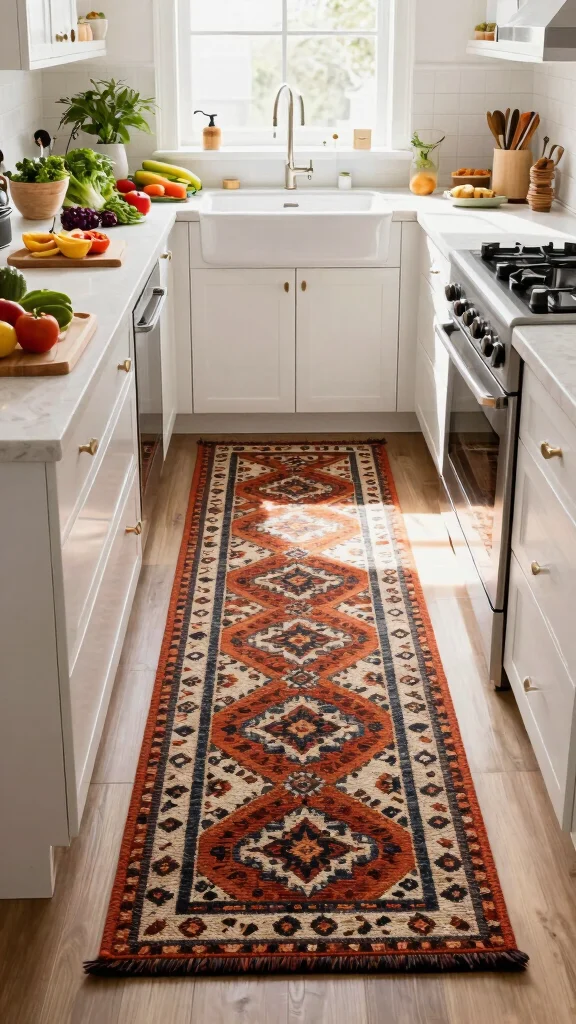
In the kitchen, rug placement serves both function and style. A runner rug can introduce color and texture, especially in galley kitchens, while placing it in front of the sink or stove provides comfort underfoot during cooking. Opt for durable, washable materials to handle spills and stains effectively. Bold patterns can inject a sense of fun, making your kitchen feel lively and cheerful.
Here are some functional tips to consider:
– Opt for non-slip backing to ensure safety.
– Choose vibrant colors that uplift the kitchen’s mood.
– Regularly clean the rug to keep it fresh and hygienic.
With the right rug, your kitchen can become a warm and inviting space perfect for culinary creativity.
Recommended Products

Soft Rugs for Living Room: Made of 100% polyester with low pile, immerse your feet in softness. You can read on the floor rug, work or take a nap, and enjoy leisure time

Modern Abstract Decor Rugs: The modern abstract rug 8x10 with modern neutral abstract design whether placed the carpet on the floor of living room, bedroom, or dining room rugs for under table, can integrated with home spaces perfectly, make your home space full of vitality

Modern Area Rug: This area rug is designed with a Bohemian and Moroccan style pattern using a combination of geometric lines and shapes, able to integrate into any interior design style easily, it can add elegance and fashion to your home space.
4. Make a Statement in the Dining Area
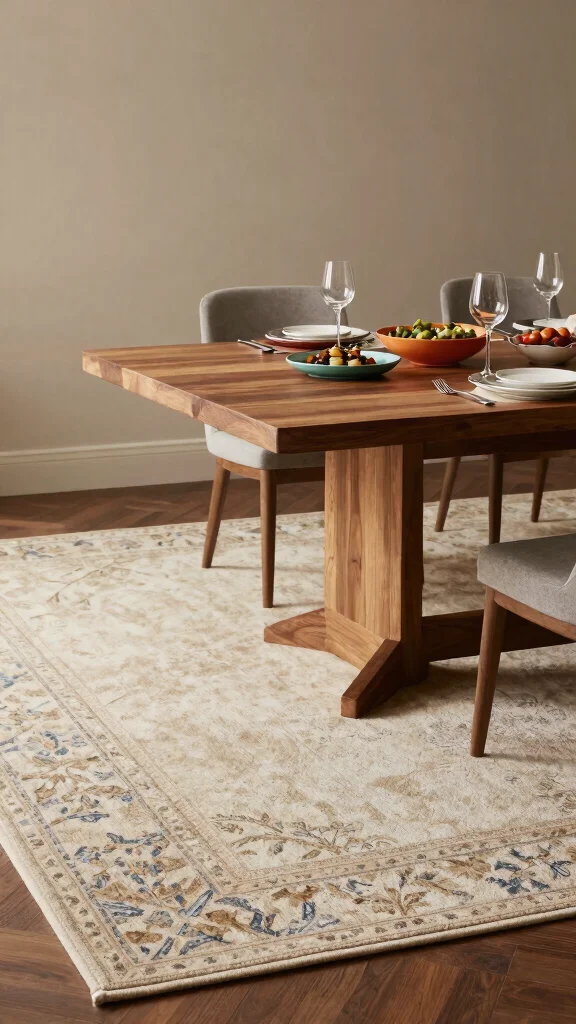
Rug placement in the dining area can elevate your mealtime experience. Selecting a large rug that extends beyond the dining table beautifully defines the area, adding comfort and protecting your flooring. In smaller spaces, consider round rugs to complement circular tables, fostering an intimate atmosphere. Ensure chairs can be pulled out easily without getting caught on the edges of the rug for practicality.
Consider these essentials for your dining area:
– Select stain-resistant materials for easy cleanup.
– Coordinate rug colors with your tableware or artwork for a cohesive look.
– Use an oversized rug to enhance the room’s visual dimensions.
The right rug can transform your dining experience, making every meal feel special.
Recommended Products

Tides Series – Effortless style that flows with your life.This modern machine-washable non-slip rug features reinforced edges and a low-pile design that resists dirt. Its water-repellent surface makes spills easy to clean - liquids bead up for quick wiping. Simply machine wash in cold water (no bleach) to refresh. The non-slip backing keeps it securely in place. A perfect blend of function and contemporary design for active homes.

Ultra Soft & Non-slip: Featuring a shaggy carpet surface, the Ophanie soft area rug is highly soft with a high-density sponge interlayer. This rug effectively reduces shedding, and the non-slip bottom with small, durable anti-slip dots enhances friction to prevent sliding.

Ultra Soft & Non-slip: Featuring a shaggy carpet surface, the Ophanie soft area rug is highly soft with a high-density sponge interlayer. This rug effectively reduces shedding, and the non-slip bottom with small, durable anti-slip dots enhances friction to prevent sliding.
Make a Statement in the Dining Area
Editor’s Choice

Vintage Washable Dark Green 10×14 Rug for Living Room – Extra Large Area…

Area Rugs for Living Room 10×14 – Extra Large Machine Washable Vintage O…
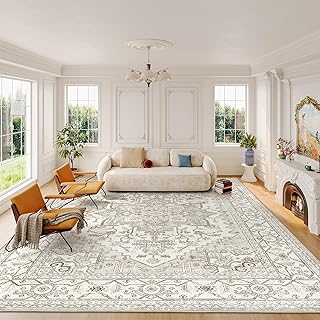
8×10 Area Rugs for Living Room, Stain Resistant Neutral Washable Rugs fo…

8×10 Area Rugs, Washable Rugs, Large Stain Resistant Area Rug for Living…

Lahome Modern Abstract Living Room Rug 8×10, Washable 8×10 Area Rugs for…
5. Add Style to Your Home Office
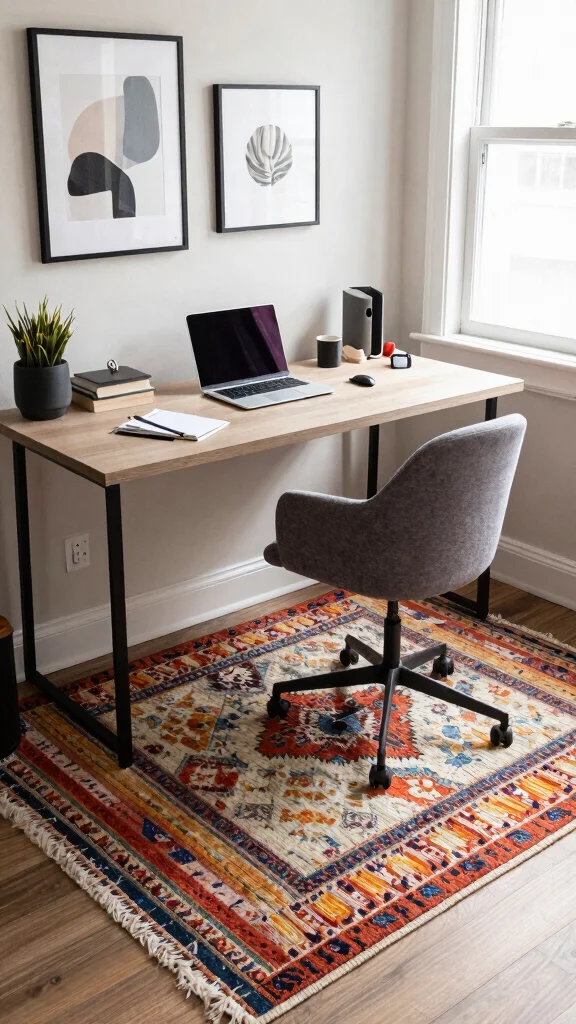
Your home office should inspire productivity, and a well-chosen rug can contribute significantly to that atmosphere. A cozy area rug helps to define your workspace, separating it from the rest of the room. Choose a rug that feels comfortable underfoot, especially since you may spend long hours at your desk. Creative patterns can stimulate your mind, while a rectangular rug under the desk ensures easy movement and comfort.
Here are some tips for your office rug:
– Choose low-pile rugs for easy chair mobility.
– Vibrant patterns can boost creativity and focus.
– Use rugs to delineate spaces in open floor plans.
A well-placed rug can make your workspace both functional and visually appealing.
Recommended Products
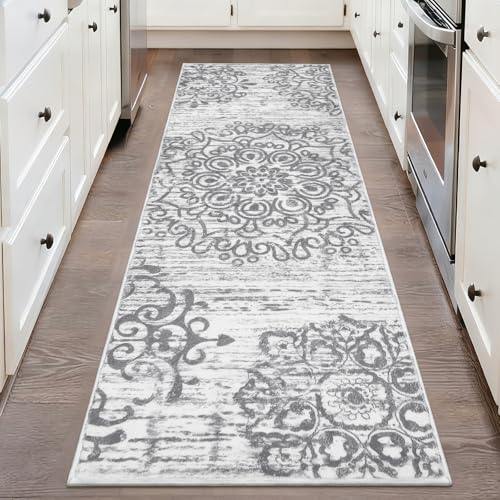
Comfort Boho Distressed Rugs Runner: The vintage runner rug is 2 X 6 feet, that enable you get enough space,the 0.39inch polyester faric, surprisingly soft for being touch plush yet stand up to high traffic, which is comfortable, warm and durable, providing great comfort for your bare feet.

Machine Washable & Easy Care: Keep your rug fresh with ease! Simply vacuum regularly, or for a deeper clean, toss it in the machine. Ideal as long kitchen runner, laundry room decor, entrance and hall way rug, or bathroom carpet.
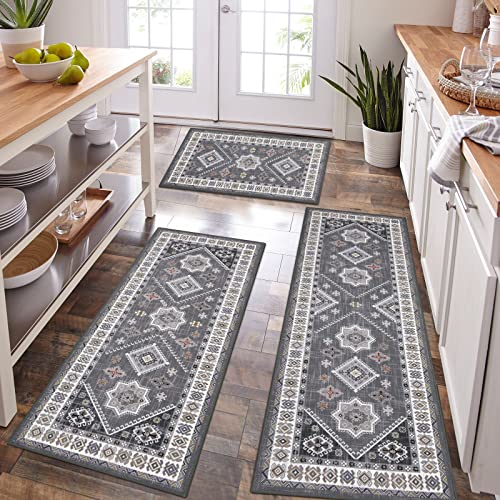
Kitchen Rugs Sets 3 Piece with Runner: This farmhouse kitchen rugs set include 3 piece kitchen floor mat which measures 20"x32"+20"x47"+20"x59". Perfect combination size, you can arrange them at will in any home, office or christmas holiday decoration
6. Maximize Space in Entryways
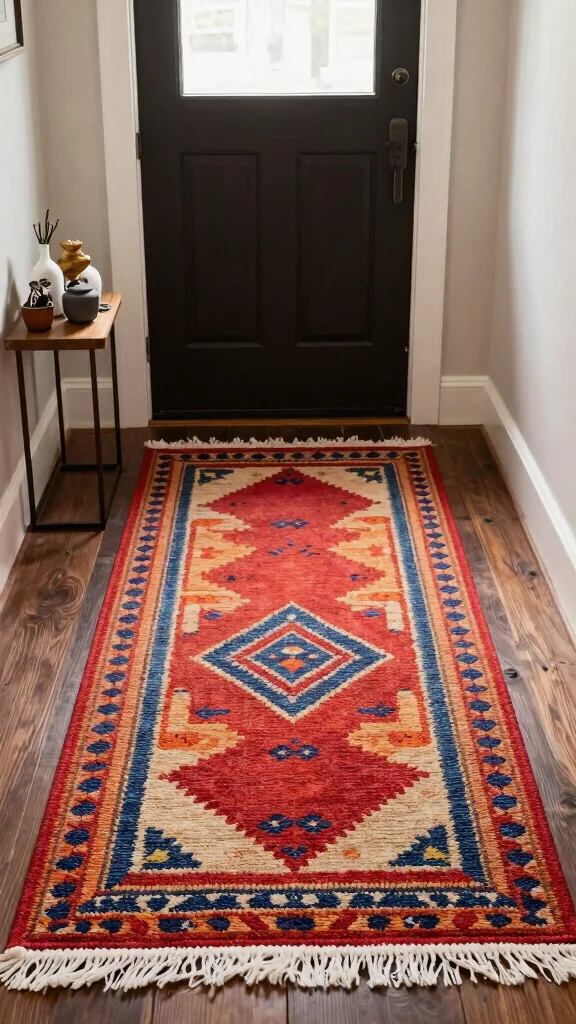
Entryways can often feel tight, but the right rug can create an inviting first impression. Implementing a runner or a small area rug helps define the space while adding warmth. Opt for durable materials that can withstand foot traffic and dirt, and a bold design can draw attention away from clutter. Make sure the rug does not obstruct doorways, allowing for smooth access in and out.
Here are some tips for your entryway:
– Choose washable rugs for easy maintenance.
– Use vibrant colors to uplift the entry area.
– Opt for non-slip rugs to enhance safety.
With thoughtful rug placement, your entryway will become a warm welcome to your home.
Recommended Products

SUPER SOFT & COMFORTABLE BATHROOM RUG: You will get 20"x 32" & 16"x24" bathroom rug sets, which are made of fluffy plush chenille microfibers, 0.6-inch high-density fiber layer, thick and plush. Step out of a warm shower onto a plush surface that cradles your feet like a gentle embrace.

【Modern Abstract Design】This 9x12 area rug features an irregular, abstract pattern that blends complementary shades in a striking way to create texture & feeling. Its unique design brings personality & flair to your space, enhancing the overall aesthetic of your home.

Fall Layered Door Decor: This 2 pcs fall layered doormat set includes a beige striped bottom rug and a coir welcome mat with pumpkin accent. The bottom doormat measures about 23.6 x 35.4 inches, and the top coir welcome mat measures about 16.9 x 28.7 inches, creating a warm autumn look for your front door, porch, entryway, patio, mudroom, or farmhouse home decor
You might also like
7. Layer Rugs for Depth and Texture
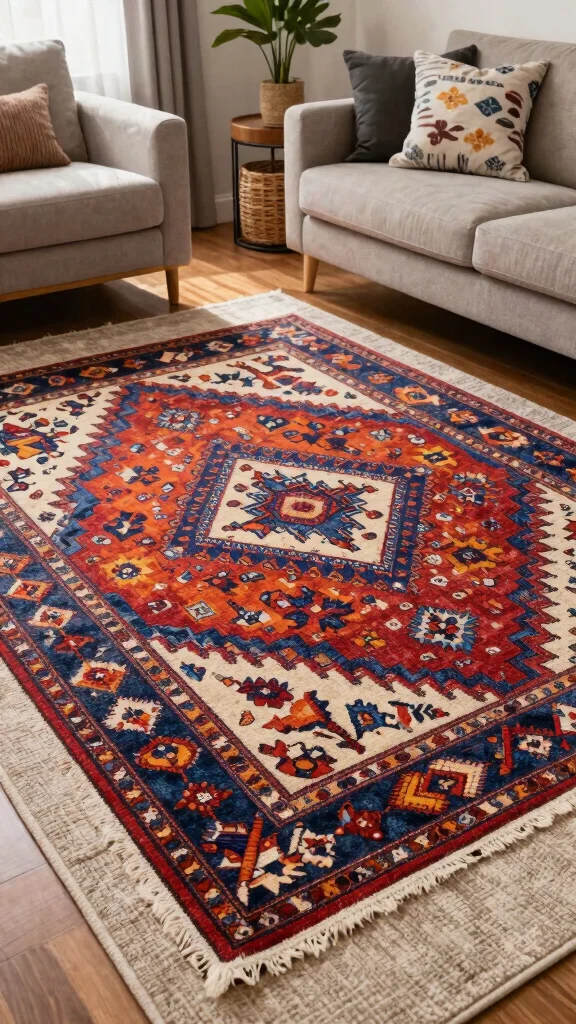
Layering rugs adds depth and personality to your decor, making it a fun trend to explore. In smaller spaces, this technique creates a unique focal point and visual interest. Start with a basic, larger rug as your foundation, then layer a smaller, patterned rug on top to add character. Ensure that the colors and textures harmonize for a cohesive look, and mixing different materials can create an inviting atmosphere.
Consider these layering tips:
– Use contrasting textures for a dynamic aesthetic.
– Choose neutral tones as a base for bold patterns.
– Ensure both rugs are secure to avoid tripping hazards.
Layered rugs can transform any small space into a stylish haven, inviting warmth and creativity.
Fun fact: Layering rugs with a larger foundation and a smaller top piece can shift a room’s focal point and boost perceived space by up to 20%. When practicing rugs placement, mix textures and patterns for depth, and keep colors cohesive for a polished, inviting look.
Recommended Products

Machine Washable Rugs: This washable rug is designed for easy cleaning. Small liquid stains can be wiped away with a damp cloth, and dust can be easily removed with a vacuum cleaner. For deeper cleaning, simply toss the rug into the washing machine to restore its fresh, clean appearance. The 8x10 washable rug is perfect for busy households

Neutral Abstract Rug: This 8'×10' rug features a distressed abstract design in subtle tones, adding a modern, artistic touch to your space. It blends effortlessly with any home style, instantly enhancing your living room, bedroom, dining area, or office

[NON-SHEDDING]: Expertly machine-woven from enhanced soft synthetic durable fibers that have a virtually non-shedding pile for ultimate convenience
8. Utilize Outdoor Rugs for Patios
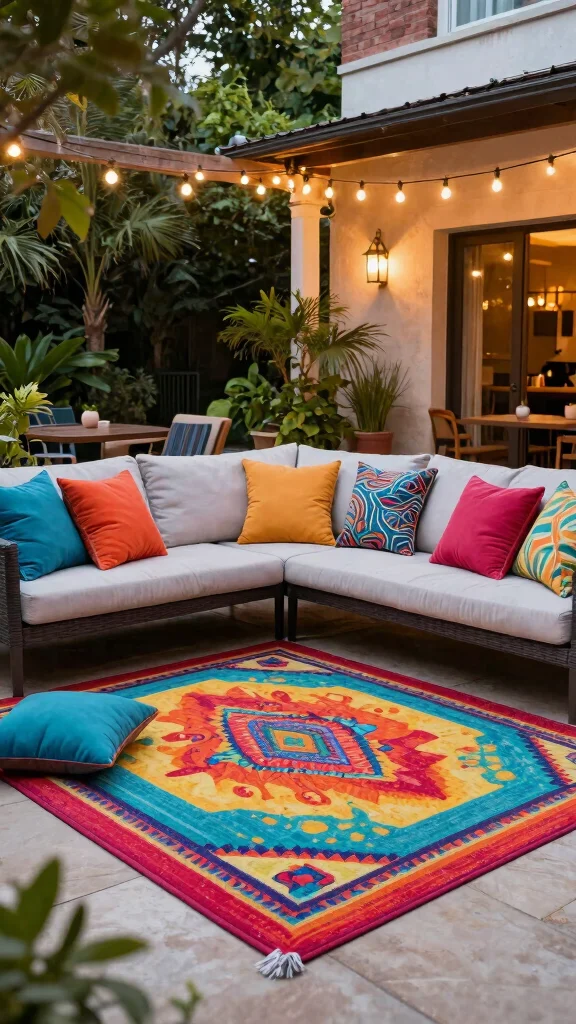
Don’t overlook outdoor spaces! A well-placed outdoor rug can seamlessly extend your home’s interior to your patio. Select water-resistant and UV-protected rugs to endure the elements. A rug can define your seating area, creating a comfortable spot for gatherings. Whether you have a cozy balcony or a spacious patio, proper rug placement adds both style and comfort. Look for lively patterns that complement your outdoor decor, and ensure the rug is secure to prevent it from blowing away.
Here are some outdoor rug tips:
– Match rugs to your outdoor furniture style for cohesion.
– Choose colors that complement your garden or landscape.
– Regularly clean the rug to maintain its appearance.
With the right outdoor rug, your patio can become the ultimate space for relaxation and entertainment.
Recommended Products

Modern Abstract Style Decor Rugs: Find your favorite decorative rugs here to make your home space full of vitality. Designers give our rugs neutral and simple color matching to better meet your different decorative needs

Ultra Soft & Non-slip: Featuring a shaggy carpet surface, the Ophanie soft area rug is highly soft with a high-density sponge interlayer. This rug effectively reduces shedding, and the non-slip bottom with small, durable anti-slip dots enhances friction to prevent sliding.

[Supreme Comfort and Softness] Treat yourself to the luxurious comfort of the OLANLY Machine Washable Area Rug. Its plush, high-density pile provides an incredibly soft, plush feel underfoot. Enjoy the warmth and coziness, all while the rug remains fiber-shed-free, making it ideal for your bedroom, living room, or nursery.
Utilize Outdoor Rugs for Patios
Editor’s Choice

SAFAVIEH Courtyard Collection 4′ x 5’7″ Natural / Black CY8475 Indoor/ O…

GENIMO Indoor Outdoor Area Rug 5’x8′, Machine Washable Rugs for Patio, W…

GENIMO Outdoor & Indoor Area Rug 5’x8′, Waterproof, Non-Shedding, Easy C…
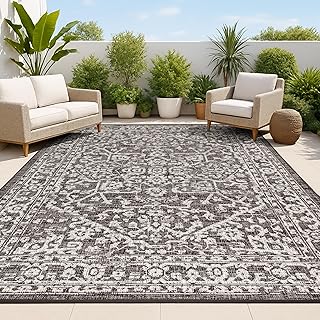
JONATHAN Y Boho Medallion Indoor Outdoor Area Rug 5X8 Black/Gray, Malta …

JONATHAN Y Moroccan Geometric Indoor Outdoor Area Rug 8X10 Natural/Black…
9. Create a Playful Space for Kids
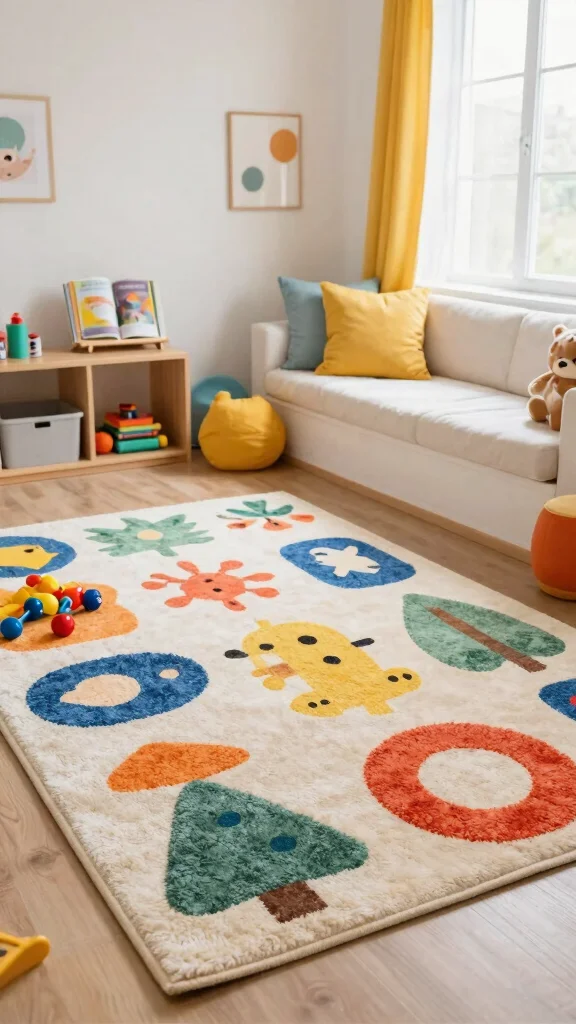
Kids’ rooms can be imaginative and playful with the right rug placement! Opt for a soft, colorful rug that stands up to spills and stains. Position it to allow plenty of space for toys and activities, ensuring safety and fun. Fun shapes or patterns can spark creativity, making the room feel inviting and lively. Choose non-slip options to prevent accidents and ensure easy maintenance for parents.
Here are some tips for designing kids’ spaces:
– Use bright colors to stimulate interest and creativity.
– Opt for washable materials for hassle-free cleaning.
– Incorporate rugs that inspire play and imagination.
The perfect rug can turn your child’s room into a functional and fun environment.
10. Balance Patterns and Colors
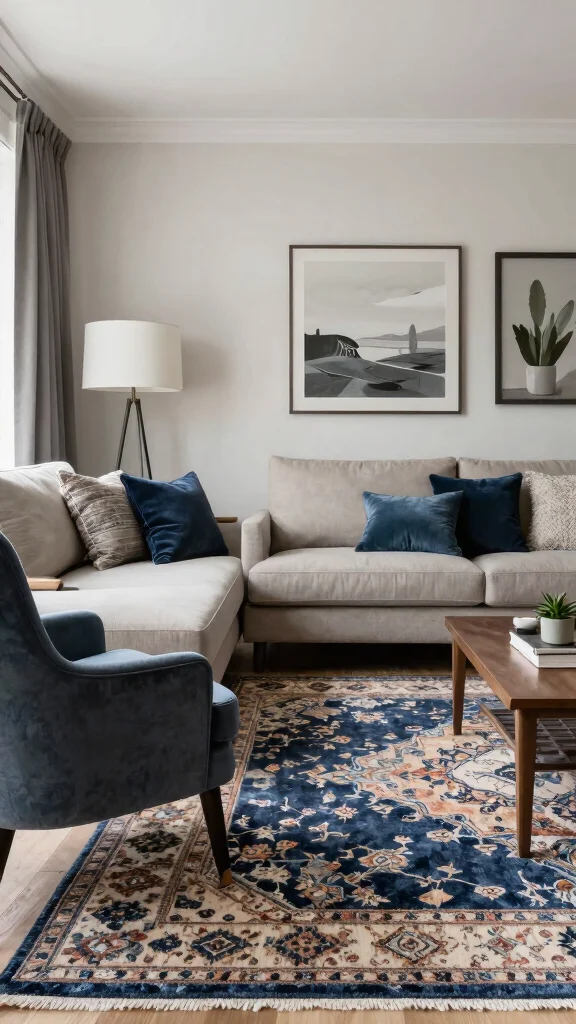
Balancing patterns and colors when selecting rugs is vital for a cohesive look. In smaller spaces, limit the number of patterns to avoid overwhelming the area. If your furniture is bold, choose a solid-colored rug, and vice versa. Mixing patterns can work beautifully, but make sure there’s a common color to tie everything together. This technique adds sophistication while keeping the design visually appealing.
Here are some decorating tips:
– Limit your palette to two or three colors for consistency.
– Choose one focal area to highlight with bold patterns.
– Consider the room’s overall aesthetic when selecting colors.
With thoughtful color coordination, your small space can feel designer-made and inviting.
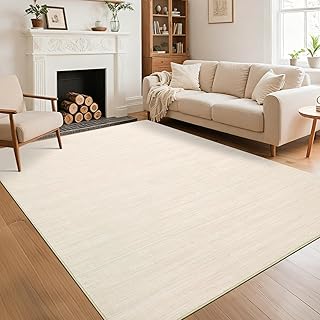
❝ With rugs placement, balance is your best friend: if your furniture is bold, choose a solid rug; if your rug pattern is bold, pick a calm solid. Tie everything together by sharing one common color. Keep it simple, chic, and instantly more cohesive.
Balance Patterns and Colors
Editor’s Choice

8×10 Extra Large Solid Color Area Rugs – Washable Living Room Rug, Durab…

Solid Washable 8×10 Area Rugs for Living Room Non-Slip Non-Shedding Mode…

COZYLOOM 8×10 Area Rug for Bedroom Washable Living Room Rug with Rubber …
Washable Area Rug 8×10 for Living Room Bedroom Non Slip Minimalist Solid…

5×7 Solid Color Area Rugs, Brown Modern Geometric Rug, Living Room Rug, …
You Might Also Like
11. Utilize Rugs for Acoustic Benefits
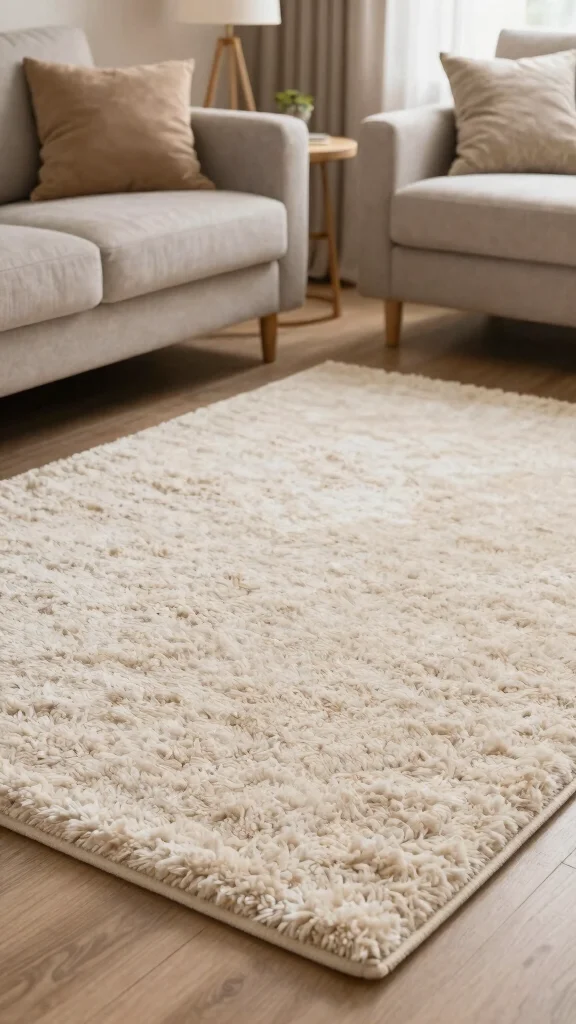
Rugs serve more than just aesthetic purposes; they also enhance sound quality in a room. In spaces with hard floors, sound can bounce off surfaces, creating an echo. A strategically placed area rug absorbs sound, making your environment quieter and cozier. This is especially beneficial in homes with hardwood or tile flooring. Choose thick, plush rugs for maximum acoustic benefits.
Here are some sound absorption tips:
– Use thicker rugs in rooms with high ceilings for better dampening.
– Layer rugs for additional sound absorption.
– Consider the room’s layout when positioning rugs for optimal effect.
By incorporating rugs into your design, you can enhance both comfort and tranquility in your home.
12. Personalize Your Space
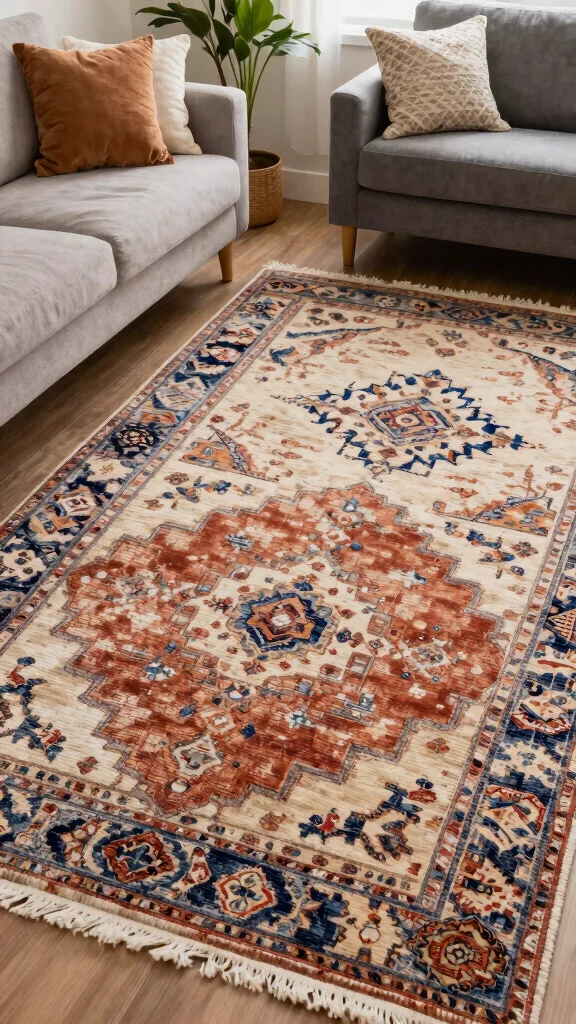
Ultimately, rugs should reflect your unique style and personality. Selecting pieces that resonate with you makes your space feel truly yours. Whether you prefer bold colors, intricate patterns, or minimalist designs, let your individuality shine through. Incorporate rugs that tell a story—perhaps a handwoven piece from your travels or a cherished family heirloom. Personalizing your rug placement helps create a space that feels inviting and comfortable.
Here are some personalization tips:
– Choose rugs that align with your lifestyle and aesthetic.
– Include unique patterns that hold personal meaning.
– Don’t hesitate to swap out rugs as your style evolves.
Your home should tell your story, and rugs are a perfect way to express that sentiment.
Personalize Your Space
Editor’s Choice

JONATHAN Y Pata Hand Woven Chunky Jute Natural Indoor Area Rug, 5×8, Boh…

FRELISH DECOR Handwoven Jute Area Rug – 6×9 Feet Natural Yarn – Rustic V…

· REDEARTH · Jute Cotton Area Rug – 8’x10′ Rectangular Rug, Sustainable …

S & L Homes Jute Cotton Hand Woven Natural Farmhouse Area Rug for Living…
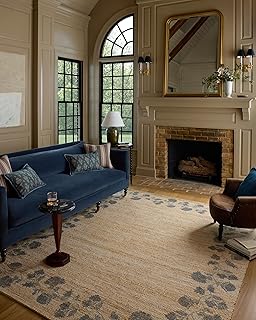
Loloi Chris Loves Julia Rue Collection RUE-05 Natural/Denim 7′-6″ x 9′-6…
Conclusion
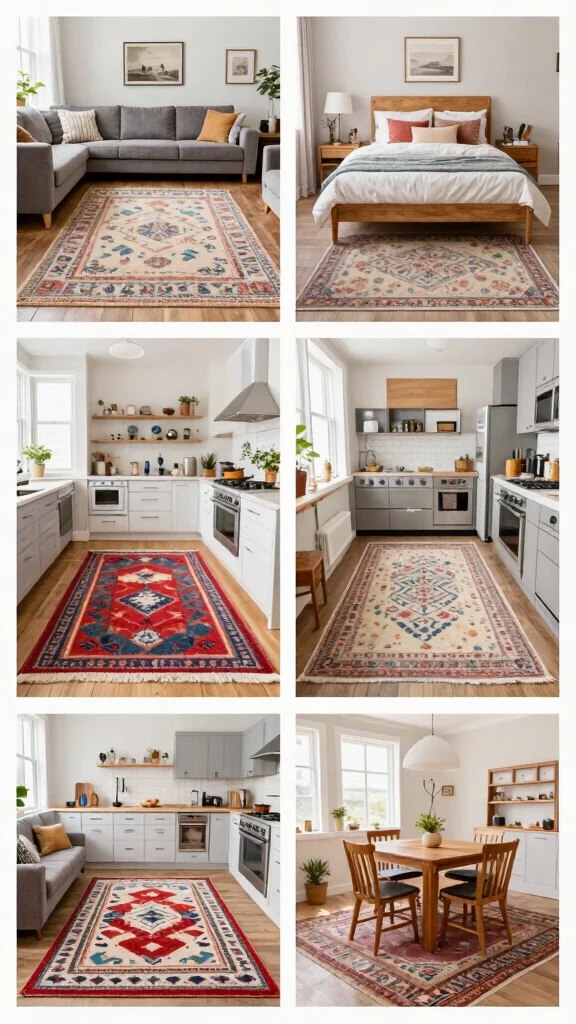
Rug placement can dramatically transform your home, especially in small spaces.
Each of these tips can help you think creatively about how to style with rugs, balancing functionality with personal taste. By choosing the right rug and placing it thoughtfully, you can create inviting, stylish areas that make your home feel complete. So grab your favorite rug and get styling—your home deserves it!
Note: We aim to provide accurate product links, but some may occasionally expire or become unavailable. If this happens, please search directly on Amazon for the product or a suitable alternative.
This post contains Amazon affiliate links, meaning we may earn a small commission if you purchase through our links, at no extra cost to you.
Frequently Asked Questions
What are the best rug placement rules for small spaces?
Start by anchoring your main furniture with a rug to define the seating area. In small spaces, let the rug extend under the front legs of sofas and chairs, or at least 18–24 inches beyond the furniture. Choose a size that leaves about 6–12 inches of exposed flooring around the edges for a clean look. In narrow rooms, consider a runner to reinforce the room layout. Layering a smaller accent rug over a larger base rug can add texture without crowding. When shopping, align your choice with your interior design, room layout, rug styling, home accessories, and flooring options to keep everything cohesive.
How can rug styling help make a small room feel bigger?
With rug styling, size, color, and pattern matter. Choose a larger rug in a light or neutral tone to visually expand the floor and anchor the furniture. Avoid tiny rugs that create too many visual breaks. Place the rug under the major seating or dining set to unify the space. Layer a smaller patterned rug over a larger solid rug for depth without clutter. Keep the overall look cohesive with your interior design, room layout, home accessories, and flooring options.
How can I create functional zones with rugs in a compact space?
Use rugs to define zones like living, work, and dining. Start with a larger main rug in the living area and add smaller accent rugs to mark a reading nook or desk space. Make sure each rug allows comfortable furniture placement and leaves at least 6–12 inches of exposed floor beyond the furniture for a clean edge. Choose shapes that fit the room flow and align edges with walls to reinforce the room layout. This rugs placement helps your space feel organized and intentional.
Which flooring options work best with rugs placement in small spaces?
In small rooms, pair rugs with durable, low-maintenance flooring like hardwood, laminate, or tile. Add a quality underlay to prevent slipping and to reduce noise. Consider low-pile or flat-weave rugs so patterns read clearly and the room feels open. Natural fibers like jute or sisal add texture without heaviness. Coordinate your rug styling and interior design with your flooring options to keep a cohesive look.
Where should rugs be placed in living rooms, bedrooms, and entryways to anchor furniture?
In a living room, place the rug under the front legs of the sofa and chairs to anchor the seating area and define traffic flow. In a bedroom, position the rug under the lower two thirds of the bed or extend rug portions on both sides for easy step exposure. In entryways, a runner or small rug defines the path and adds a welcoming touch. Always measure the space and leave about 6–12 inches of exposed flooring around the edges to maintain a balanced room layout. These choices reflect smart rug placement and rug styling that work with your home accessories and flooring options.
Related Topics