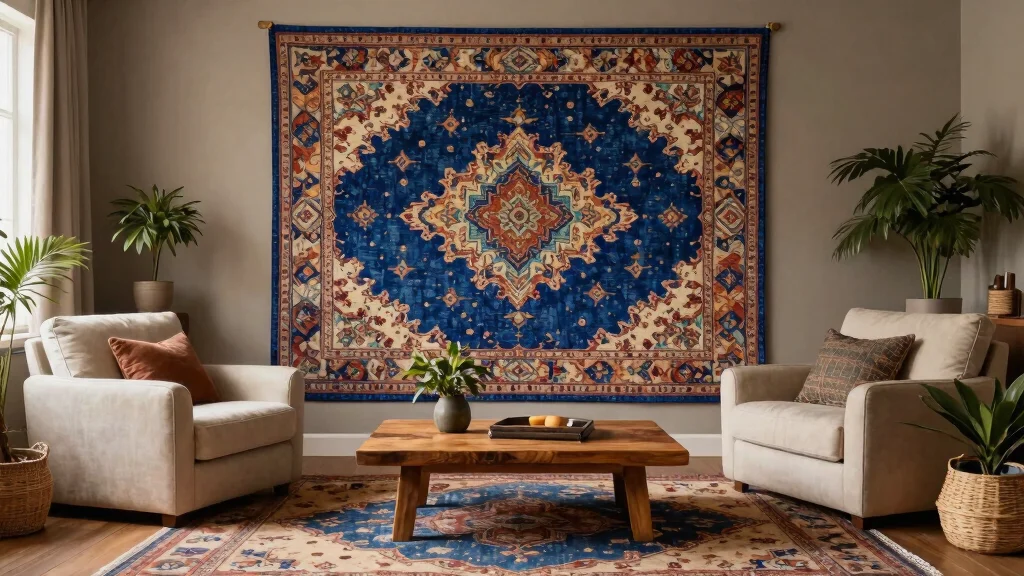

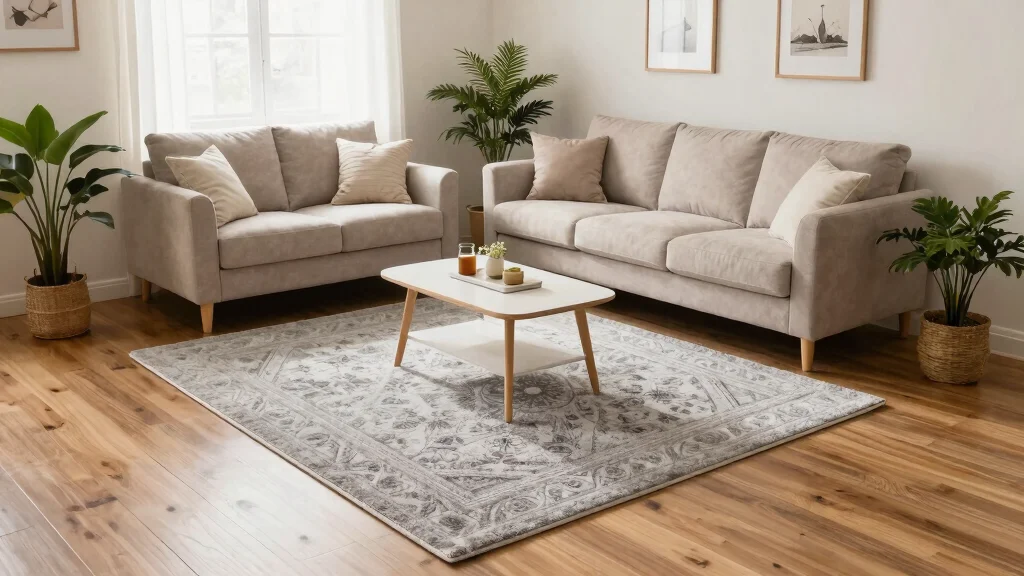
Creating a cozy home can feel overwhelming, especially when it comes to finding the right area rug for your space. If you’ve ever stood in a store, scratching your head over rug sizes, you’re not alone. That’s why I’ve put together this comprehensive guide on how to choose the perfect rug size. By breaking down the details, I aim to simplify your decision-making process and help you find a rug that not only fits your room but also complements your style.
This guide is for anyone looking to spruce up their small living spaces with the right rug. If you’re a homeowner, renter, or even a decor enthusiast, you probably care about how every piece in your home contributes to the overall vibe. A well-chosen rug can tie a room together, providing warmth and comfort while enhancing your decor. With this guide, you’ll learn everything from measuring your space to selecting the best material and colors for your unique style.
In this post, you’ll discover practical tips that will make choosing the right rug feel less daunting. We’ll cover how to measure your area, explore various rug shapes, and provide insights into maintaining your new piece. By the end, you’ll be equipped with the knowledge to confidently select a rug that fits your space perfectly.
Key Takeaways
– Measuring Your Space: Start by accurately measuring your room dimensions to determine the appropriate rug size. This will help you avoid choosing a rug that’s too small or too large for your area.
– Understanding Rug Dimensions: Familiarize yourself with common rug sizes and how they relate to your furniture arrangement. Knowing standard rug dimensions can greatly assist in visualizing how a rug will fit in your space.
– Choosing the Right Rug Shape: Different shapes serve different purposes. Learning when to choose round, square, or rectangular rugs will enhance both functionality and aesthetics in your small area.
– Rug Placement Tips: Proper placement is crucial for making your rug work with your furniture. Understanding how to position your rug can create a more inviting atmosphere and visually expand your space.
– Maintenance and Care: Rugs require care to maintain their beauty over time. Knowing how to clean and care for your rug will ensure it lasts longer while looking fresh and vibrant in your home.
1. Measure Your Space
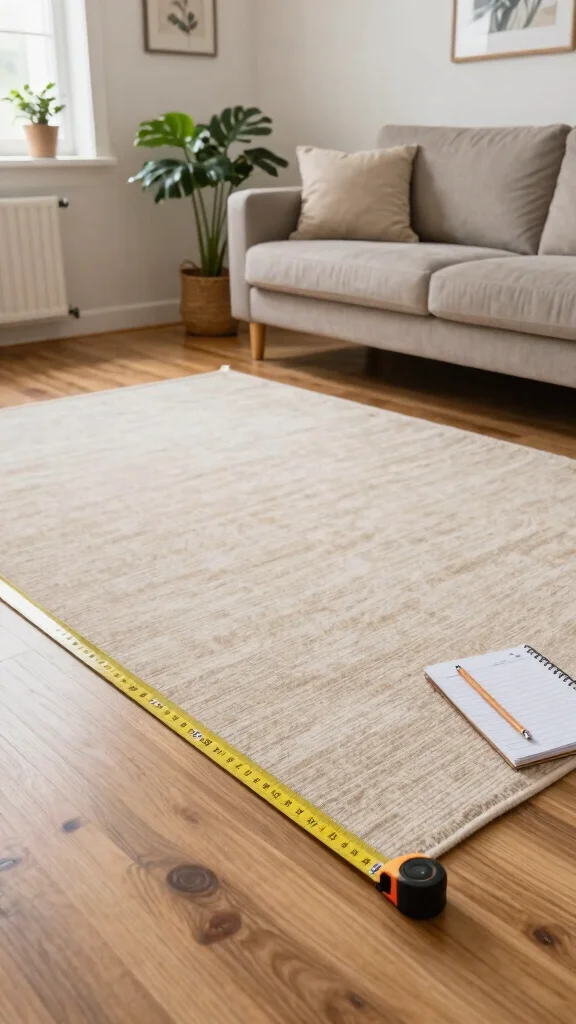
Before diving into rug sizes, start by measuring your space. Grab a tape measure and record the length and width of the area where you want to place the rug. This foundational step ensures that your rug fits harmoniously within the room’s layout. A rug that’s too small can disrupt the balance, while one that’s overly large may overwhelm the space. Aim to keep about 18-24 inches of flooring visible around the edges, particularly in living rooms and dining areas, for an inviting look.
Here’s how to measure effectively:
– Measure the length and width of your room.
– Account for fixed furniture, noting how far items like sofas extend into the space.
– Use painter’s tape to outline where the rug will go, helping you visualize its size.
– Jot down your measurements for easy reference while shopping.
These straightforward steps lay the groundwork for choosing a rug that enhances your space beautifully.
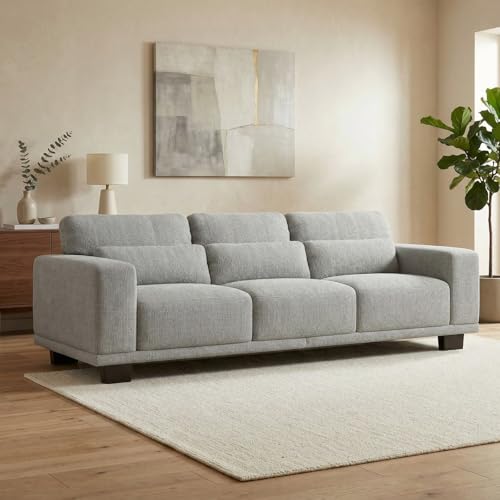



Dimensions & Size Guide
When it comes to choosing the perfect rug for your small space, understanding the dimensions and sizes is key. A well-fitted rug can transform your area by creating warmth and a cohesive look. Let’s break down the essential size guide to help you make an informed decision.
Standard Sizes & Measurements:
Rugs come in various sizes, but here are the most common dimensions you’ll encounter:
– 2′ x 3′ – Great for entryways or under side tables.
– 4′ x 6′ – Perfect for small dining areas or in front of a sofa.
– 5′ x 8′ – A popular choice for living rooms; it fits nicely under coffee tables.
– 6′ x 9′ – Good for larger living areas or under a full-size dining table.
– 8′ x 10′ – Best for spacious living rooms; it can accommodate most furniture setups.
When selecting a rug, ensure there is enough space around it. For instance, in a living room, you want at least the front legs of your furniture on the rug. This adds balance and warmth to the room.
Quick Reference Table:
| Size/Dimension | Best for: | Minimum space needed: |
|——————————-|————————-|————————————|
| 2′ x 3′ | Entryways, side tables | 2.5′ x 4′ |
| 4′ x 6′ | Small dining, living areas | 5′ x 7′ |
| 5′ x 8′ | Living rooms, under coffee tables | 7′ x 10′ |
| 6′ x 9′ | Larger dining rooms, living areas | 8′ x 11′ |
| 8′ x 10′ | Full-size dining rooms | 10′ x 12′ |
Space Planning Tips:
1. Measure before you shop: Use a tape measure to determine the exact space you want to fill. Remember to consider the layout of your room to avoid surprises.
2. Leave room for movement: Ensure there’s about 18-24 inches of space around the rug. This helps the room feel more open and inviting.
3. Visualize the setup: Use painter’s tape to outline where the rug will sit. This gives you a better idea of how the size fits with your furniture.
4. Avoid odd shapes: Round rugs can be tricky in small spaces. Aim for rectangular or square shapes that fit neatly within your area.
5. Don’t forget door clearance: Make sure that doors can open freely over your rug, especially in tight spaces. A rug that’s too big can hinder movement.
Common Mistakes: One common mistake is buying a rug that is too small for the room. A small rug can make the space feel disconnected. Another mistake is not considering the height of the rug pile; thicker rugs can make doors hard to open and add a visual clutter in small areas.
Pro Tip: The most important measurement to consider is the distance between furniture pieces. Aim to keep at least 24 inches between the rug and the furniture for a balanced look. This provides a comfortable flow and helps define the space beautifully. 🚀


2. Understand Rug Dimensions
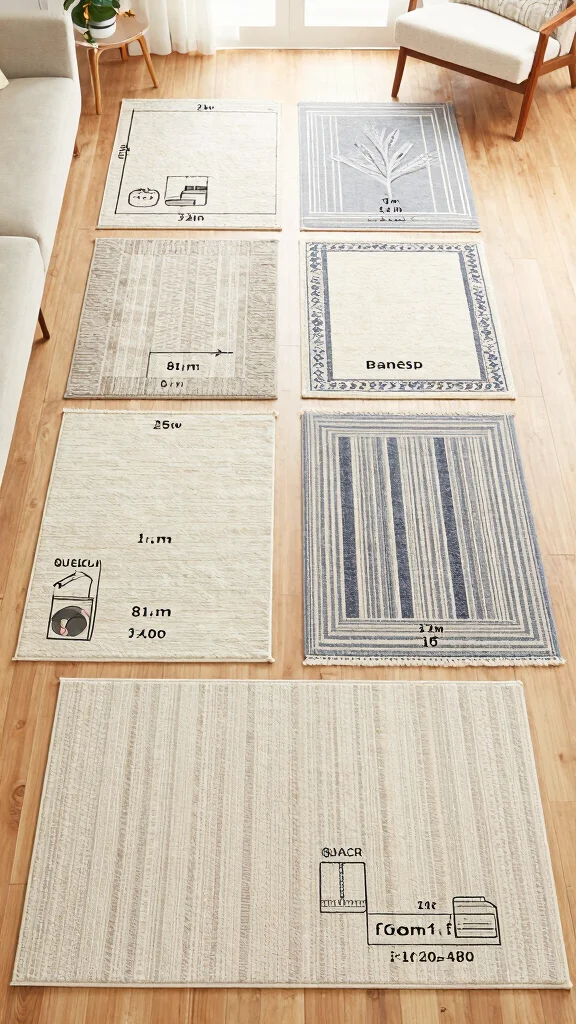
Understanding rug dimensions is crucial in your search for the perfect fit. Rugs come in a variety of sizes, from small accent pieces to large area rugs. Familiarizing yourself with common sizes can streamline your choices.
– Accent Rugs (2×3 ft or 3×5 ft): Best for entryways or under small tables.
– Medium Rugs (5×8 ft or 6×9 ft): Ideal for cozy living rooms or dining spaces.
– Large Rugs (8×10 ft or larger): Great for expansive areas where you want to unify seating.
Consider the shape as well! Round, square, and rectangular rugs serve different functions in a room. A round rug can soften sharp angles, while a rectangular one can elongate the look of a smaller space. Grasping these dimensions helps you find a rug that beautifully complements your home.
3. Choosing the Right Rug Shape
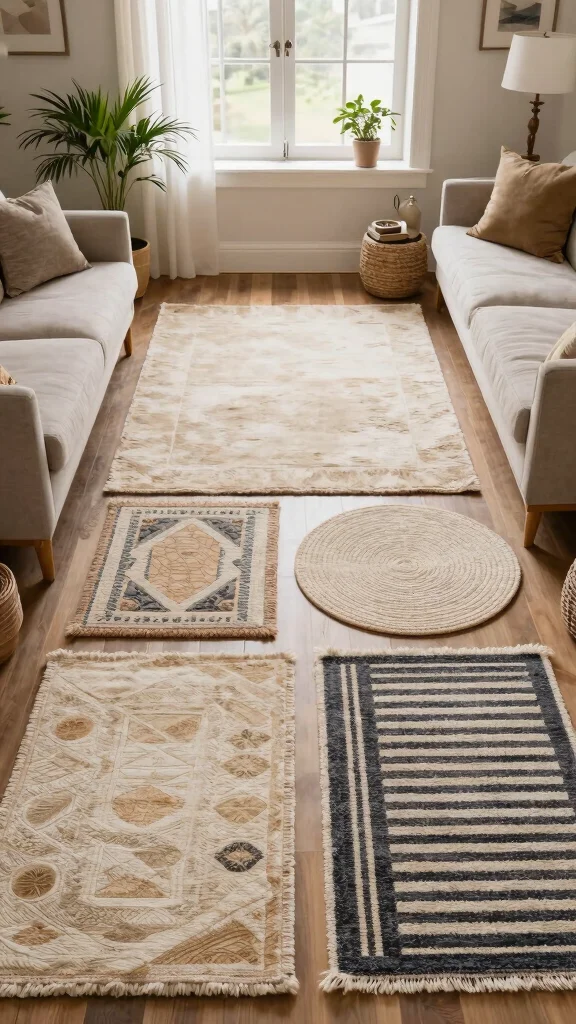
The shape of your rug can significantly influence the feel of a room. For smaller areas, consider the following shapes:
– Rectangular Rugs: Versatile and commonly used; they fit well under dining tables or extend under seating.
– Round Rugs: Ideal for coffee tables, offering a softer aesthetic in angular spaces.
– Runner Rugs: Perfect for hallways or narrow entryways, adding style and practicality.
Choosing the right shape also depends on your room’s layout. A round rug can create an intimate seating area, while a rectangular rug can visually expand a small room. Select the shape that best enhances your design and meets your needs.
Choosing the Right Rug Shape
Editor’s Choice

Loloi Amber Lewis Bexley Collection BEX-02 Taupe/Natural 7′-10″ x 10′ Ar…


Loloi Magnolia Home by Joanna Gaines Ryder Collection RYD-02 Stone/Ivory…

SAFAVIEH Florida Shag Collection Area Rug – 5′ Round, Cream & Beige, Scr…
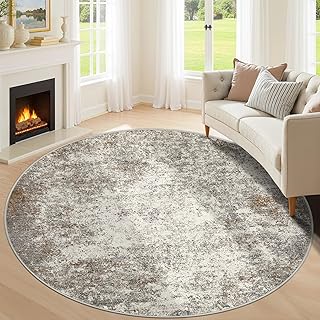
8ft Washable Round Rug – 8×8 Area Rugs Modern Abstract Rugs for Living R…

Loloi Winston Collection WIT-01 Taupe/Bone 2′-7″ x 10′-0″, .38″ Pile Hei…


4. Consider the Purpose of Your Rug
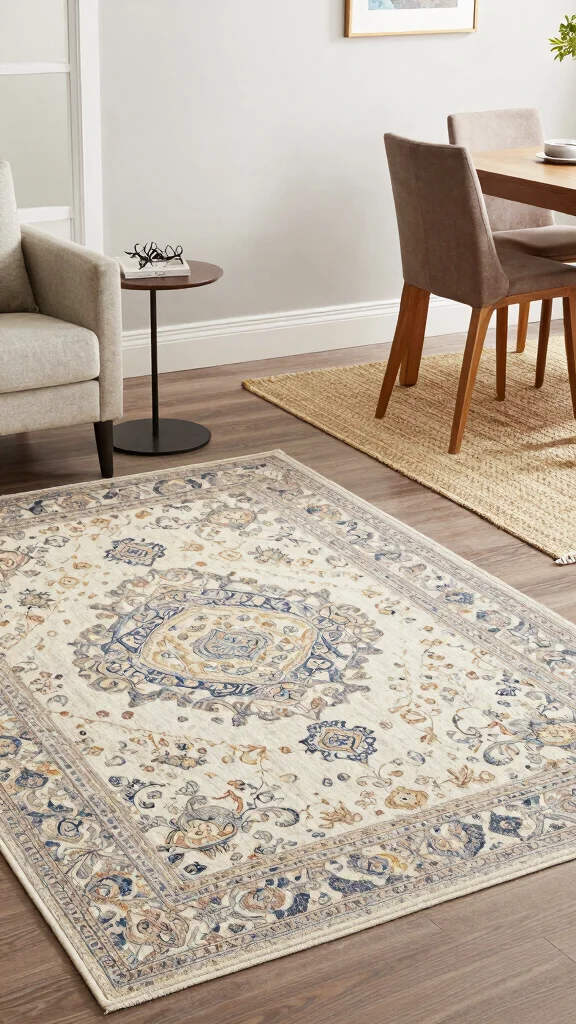
Understanding the purpose of your rug is key in determining its size. Ask yourself whether the rug is primarily decorative or will endure heavy foot traffic.
– Decorative Use: Smaller rugs can add color and texture without overwhelming.
– Functional Use: For high-traffic areas like living rooms, larger rugs are ideal for durability.
– Zone Creation: Use larger rugs to define spaces in open layouts effectively.
Consider the activities that will occur on the rug. A plush rug is perfect for cozy corners, while a flatwoven option works well in dining areas for easy cleanup. Choosing based on purpose ensures your rug serves you beautifully.
Consider the Purpose of Your Rug
Editor’s Choice

nuLOOM 6′ x 9′ Cozy Plush Area Rug, Machine Washable, Non-Slip, Soft Flu…

Washable Area Rugs 8’x10′ Non-Slip Modern Abstract Soft for Living Room …

SAFAVIEH Area Rug 8×10 – Montauk Collection – Large – Ivory & Grey, Hand…

Large Area Rugs,Modern Geometric Patchwork Floor Decor for Bedroom Aesth…

SAFAVIEH Area Rug 6×9 – Natural Fiber Collection – Natural & Beige, Seag…
📹 Related Video: How to Choose a Rug for Your Home
5. Think About Material Choices
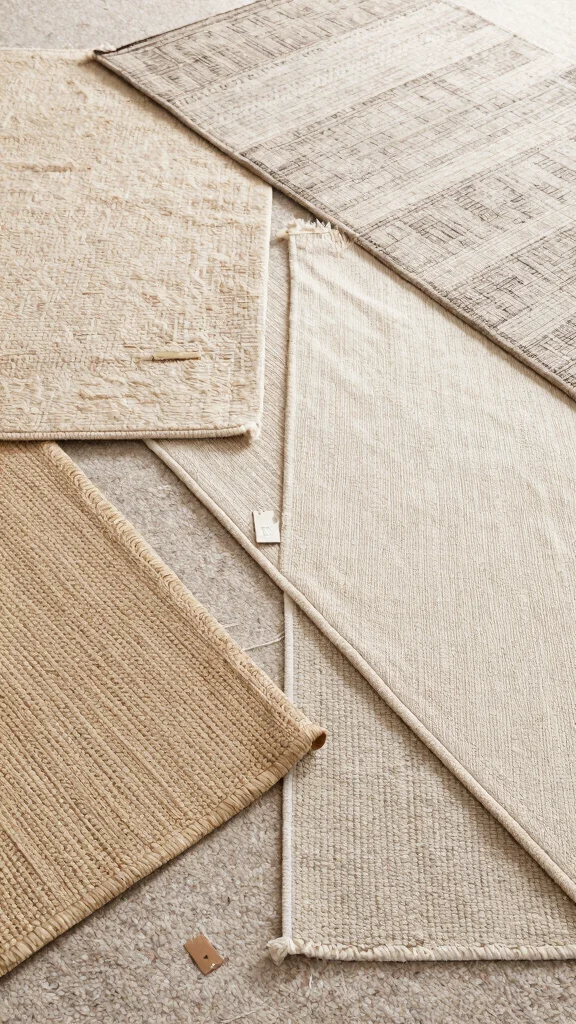
The material of your rug greatly influences its appearance and feel. Different materials cater to various needs:
– Wool: Warm and durable, ideal for cozy living spaces.
– Cotton: Lightweight and easy to clean, great for kitchens with spills.
– Synthetic Fibers: Affordable and sturdy, perfect for family rooms.
When selecting material, think about usage. If you have pets or children, a stain-resistant synthetic may be best. For a luxurious touch, consider a wool rug that adds elegance. Assessing your lifestyle helps you choose the most suitable material for your home.
Fun fact: About 70% of rug buyers in small spaces choose wool or synthetic fibers for durability. In our rugs size guide, material choice changes not just feel, but cleaning and lifespan—cotton is easy to clean, wool adds luxury.
6. Color and Pattern Considerations
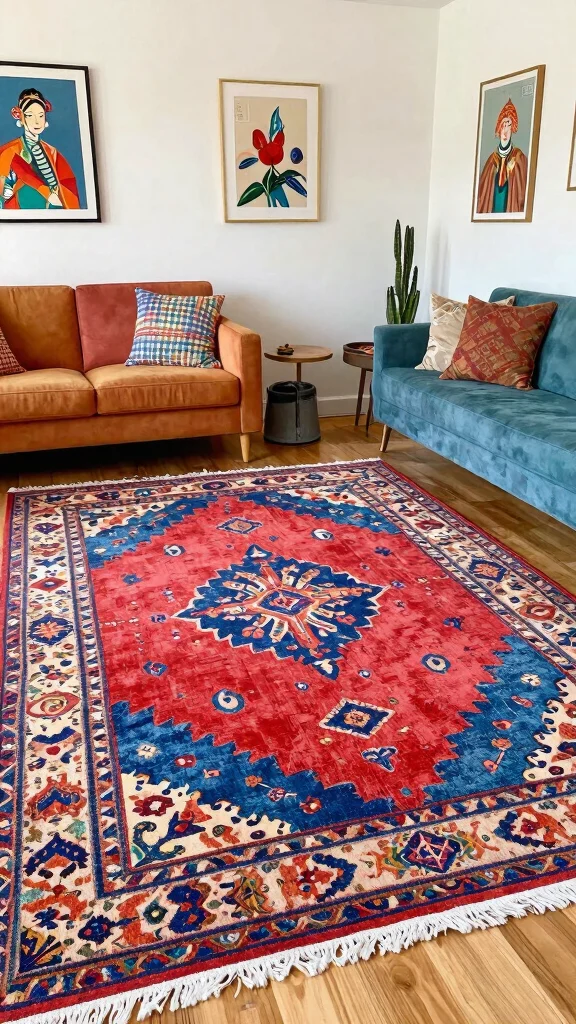
The color and pattern of your rug can dramatically alter a room’s atmosphere. When selecting a rug for small spaces, consider your existing decor.
– Light Colors: These can make a room feel larger and brighter.
– Bold Patterns: Larger patterns can add character without overwhelming the area.
– Neutral Tones: They offer subtle elegance and pair well with various styles.
Pay attention to how colors interact with your furniture. A vibrant rug can energize a neutral room, while muted tones ground colorful decor. Experimenting with colors and patterns helps you find the perfect rug that showcases your style.
You might also like
7. Layering Rugs for Style and Comfort
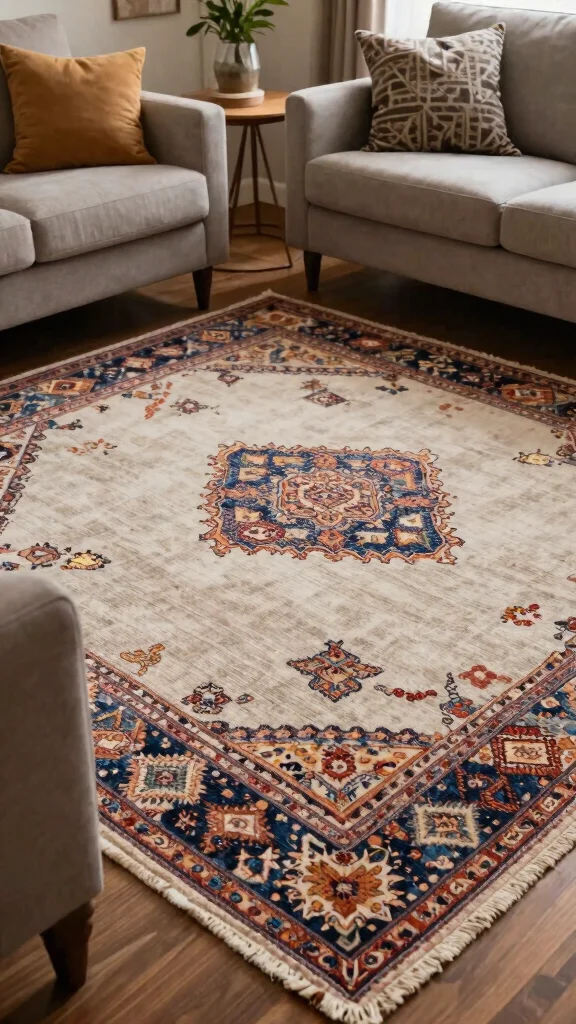
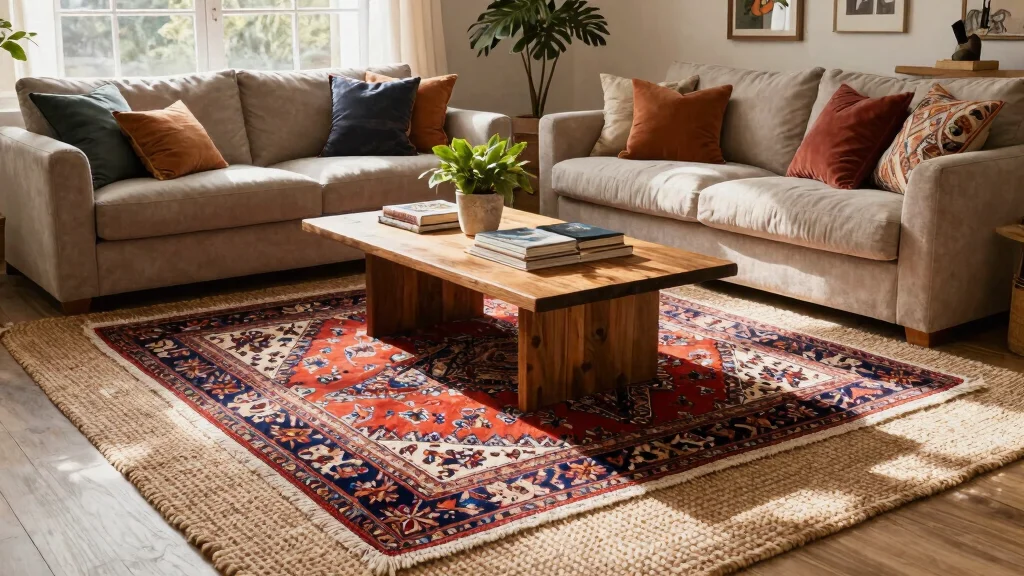
Layering rugs is an innovative way to add depth and style to your space. Using multiple rugs can create visual interest and texture.
– Start with a Base Rug: Choose a larger, neutral rug as a foundation.
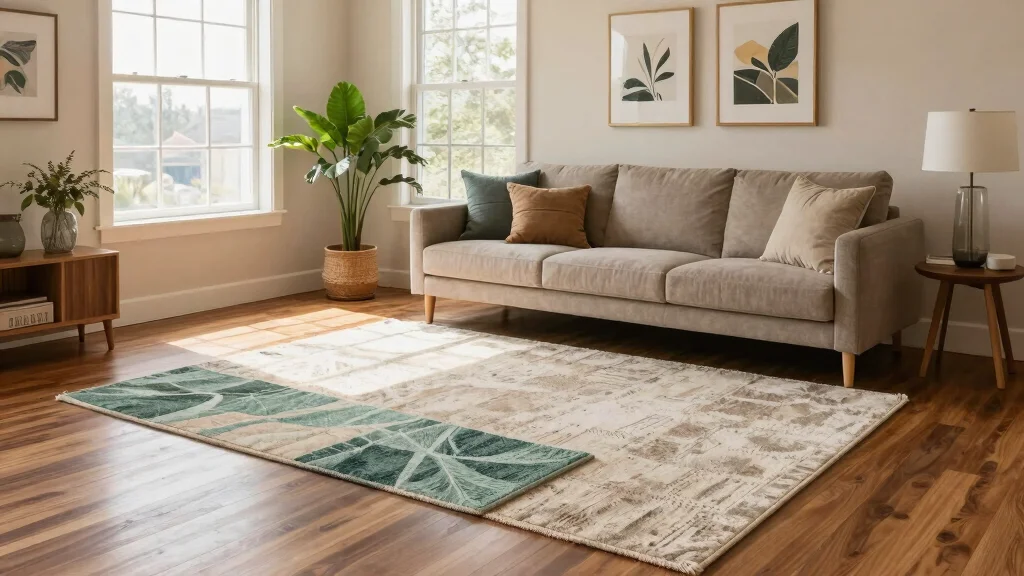
– Add a Smaller Rug: Layer a contrasting or patterned rug on top for added flair.
– Align Patterns: Ensure mixed patterns complement each other for a cohesive look.
– Consider Comfort: A plush rug on top of a flatwoven one enhances coziness.
Layering can define different areas within a room or simply elevate your decor. Don’t hesitate to experiment with various textures and styles to achieve your desired aesthetic!
💬 Layering rugs turns small spaces into cozy centers of design. Start with a large neutral base rug, then pair a smaller patterned layer, and align the patterns for cohesion — it’s the practical trick found in any rugs size guide.
8. Proper Rug Placement Tips
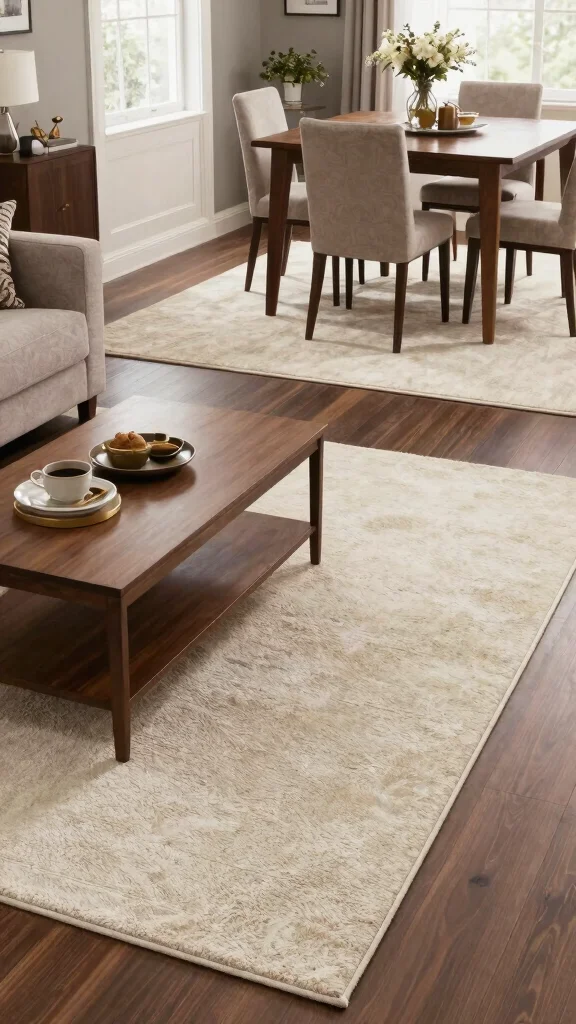
Effective rug placement is crucial for enhancing the visual appeal of your space. To maximize your rug’s impact, consider these placement strategies:
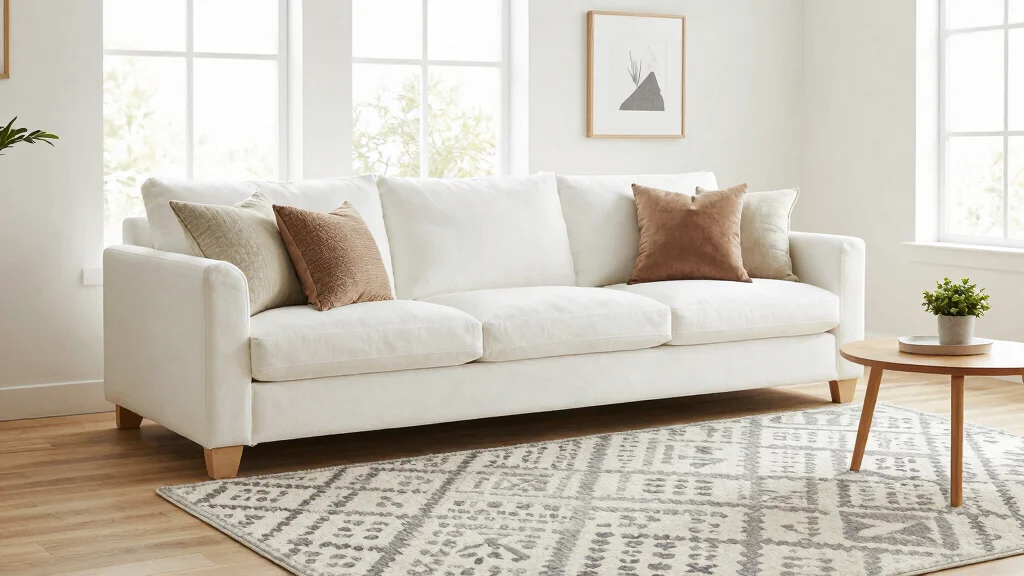
– Living Rooms: Ensure at least the front legs of seating are on the rug, unifying the area.
– Dining Areas: The rug should extend beyond chairs for ease of movement.
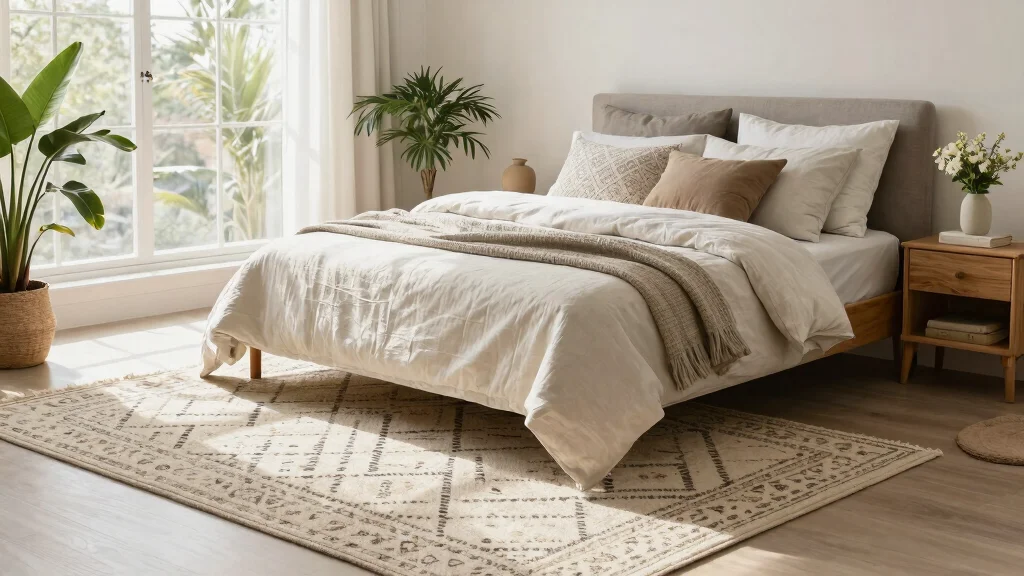
– Bedrooms: Position the rug under the bed or two-thirds across its length for balance.
– Entryways: Choose a wide enough rug to accommodate foot traffic.
These tips help create harmony in your space, ensuring comfort and style are both prioritized.
Fun fact: A well-placed rug can visually enlarge a small space. In living rooms, keep the front legs of seating on the rug to unify the area; in dining areas, let the rug extend beyond chairs for easy movement. This rugs size guide keeps every space balanced and practical.
Proper Rug Placement Tips
Editor’s Choice

Washable Rugs 8×10 Area Rugs for Living Room- Modern Abstract Rugs for B…

8×10 Area Rugs Washable Rug: Large Modern Abstract Living Room Rug Soft …

8×10 Washable Area Rugs for Living Room and Bedroom, Vintage Checkered P…

Washable Area Rugs 5’x7′ Non-Slip Modern Abstract Soft for Living Room E…

Area Rug Living Room Rugs: 5×7 Large Soft Indoor Carpet Modern Abstract …
9. Maintenance and Care for Your Rug
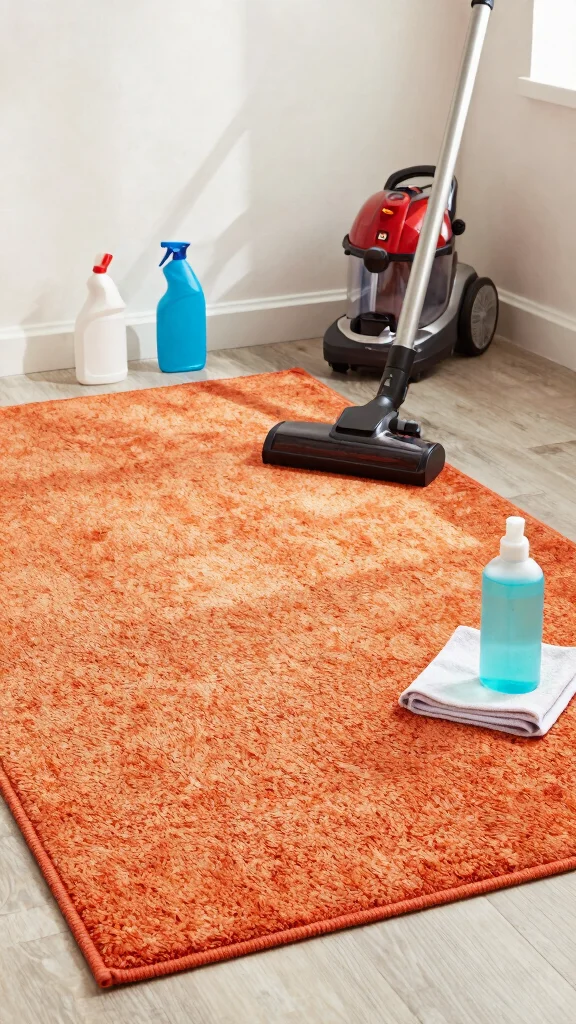
Caring for your rug is vital for ensuring its longevity and beauty. Here are essential maintenance tips:
– Regular Vacuuming: This removes dirt and prevents it from settling in.
– Spot Cleaning: Tackle stains quickly with gentle detergent and a soft cloth.
– Professional Cleaning: Invest in professional cleaning periodically, especially for high-traffic rugs.
– Rotate Your Rug: Regularly rotating can prevent uneven wear and fading.
By following these straightforward steps, you can keep your rugs looking fresh and vibrant for years to come!
Maintenance and Care for Your Rug
Editor’s Choice
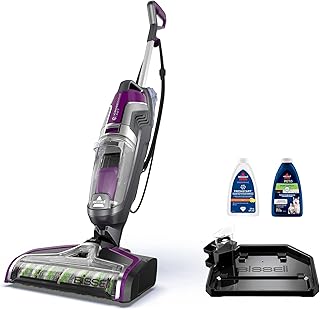
BISSELL Crosswave Pet Pro All in One Wet Dry Vacuum Cleaner and Mop for …
BISSELL TurboClean, Upright Carpet Cleaner, Pro Max Clean & Protect + Ox…

Bissell PRO MAX Clean + Refresh with Febreze Full Size Carpet Cleaner Ma…
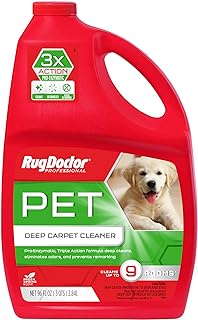
Rug Doctor Pet Carpet Cleaner, 96 oz., Pro-Enzymatic Formula with 3X Act…
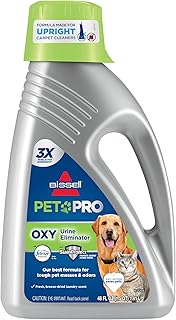
Bissell PET PRO OXY Urine Eliminator with Febreze Carpet Deep Clean Solu…
10. Budgeting for Your Rug
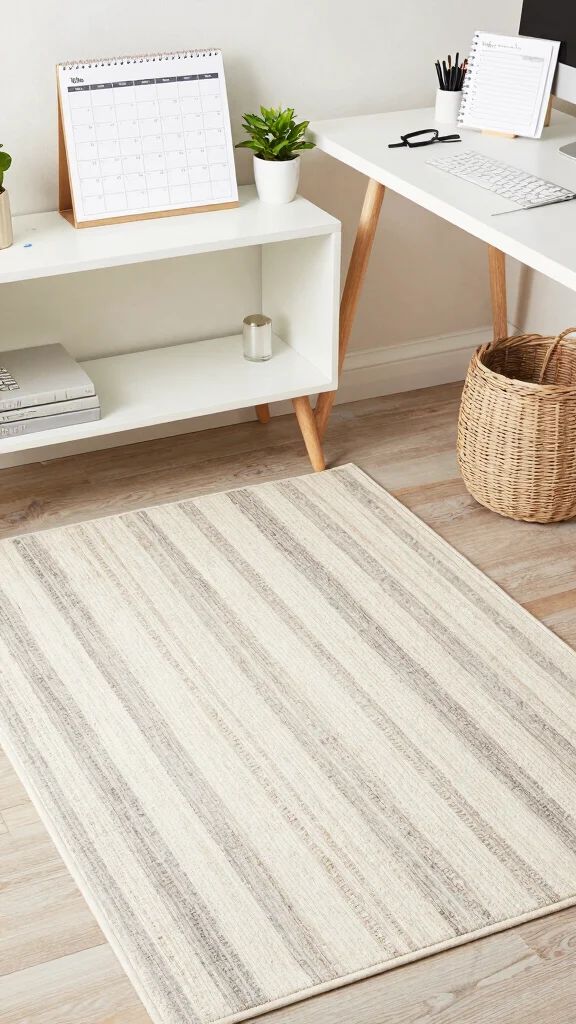
Finding the perfect rug within a budget can be a fun adventure! Prices vary widely based on size, material, and brand, so keep these tips in mind:
– Set a Budget: Determine your spending limit before you start shopping.
– Look for Sales: Seasonal discounts can help you snag a great deal.
– Quality vs. Cost: Investing in a quality rug often pays off in durability.
– Consider DIY: If you’re crafty, you might create your own rug from fabric scraps or upcycle an old one!
By budgeting wisely and shopping strategically, you can find a stunning rug that fits both your style and wallet.
You Might Also Like
11. Shopping Tips: Where to Find the Best Rugs
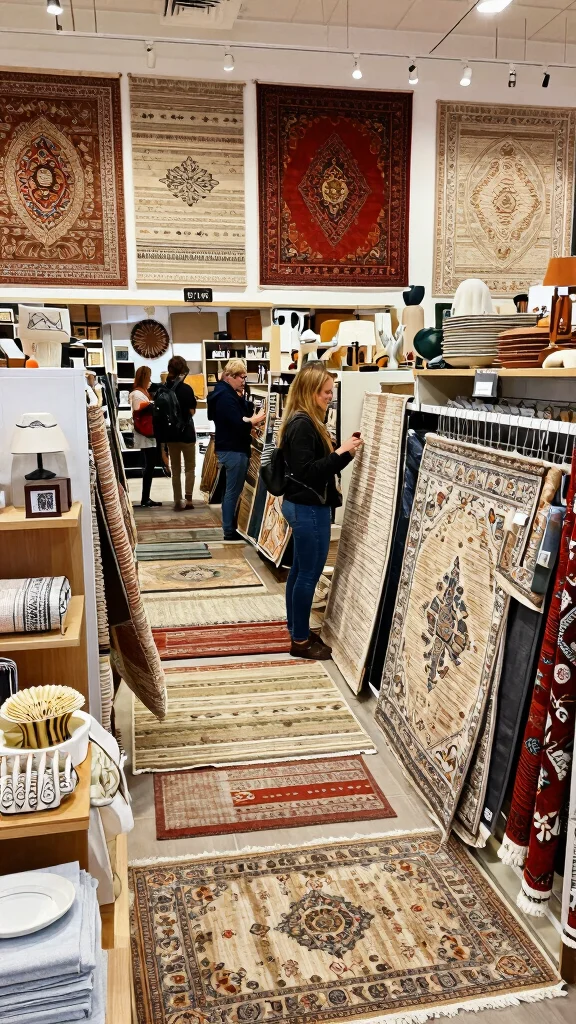
Shopping for rugs can be enjoyable when you know where to look. Here are some tips to guide you:
– Local Home Décor Stores: These often have unique selections to see in person.
– Online Retailers: Websites like Wayfair and Amazon offer a wide variety of options.
– Second-Hand Stores: Thrift shops can yield great finds at lower prices.
– Specialty Stores: Look for shops that focus on specific styles or handmade rugs.
Each option has its own benefits, so explore different avenues to discover the ideal rug that fits your home.
Shopping Tips: Where to Find the Best Rugs
Editor’s Choice
8×10 Area Rugs Washable Rug: Large Modern Abstract Living Room Rug Soft …

8×10 Area Rug Living Room Rugs – Washable Neutral Modern Abstract Soft T…

8×10 Area Rug for Living Room Moroccan Washable Rugs Non Slip Indoor Flo…
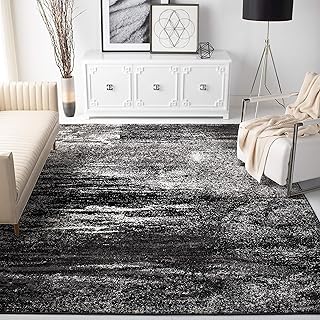
SAFAVIEH Area Rug 8×10 – Adirondack Collection – Large – Silver & Black,…

JONATHAN Y Haze Solid Low-Pile Gray Indoor Area Rug 8×10, Coastal,Bohemi…
12. Embrace Your Unique Style
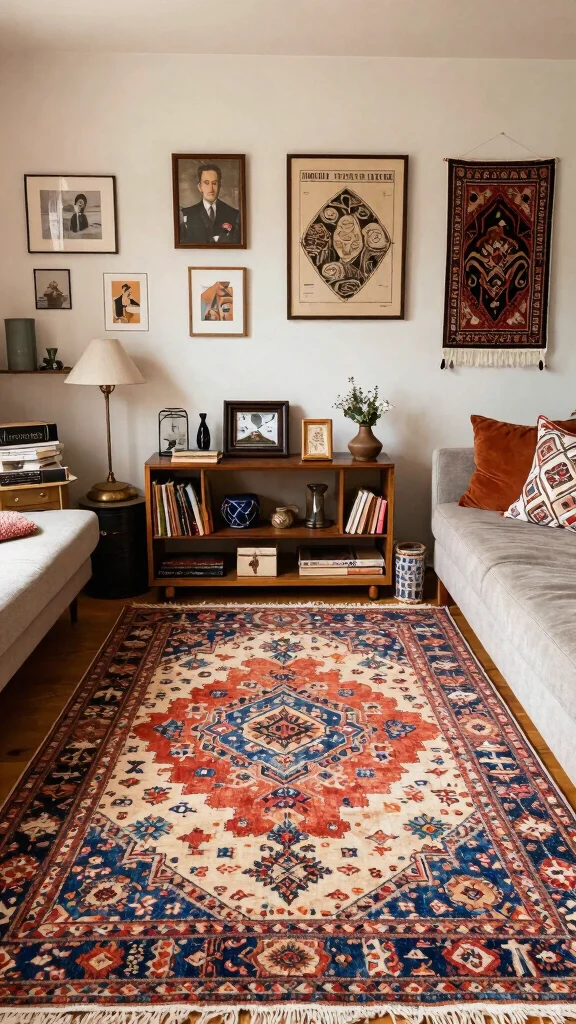
Ultimately, your rug should reflect your personal style and character! Don’t hesitate to experiment with colors, patterns, and textures that resonate with you.
– Trust Your Instincts: Choose a rug that brings you joy every time you see it.
– Mix and Match: Combine styles, like modern with bohemian, to create a unique look.
– Personal Touches: Incorporate elements that tell your story, such as a rug from your travels.
Your home is a canvas for your personality. Selecting the perfect rug is just one step toward creating a space that truly feels like yours.




Conclusion
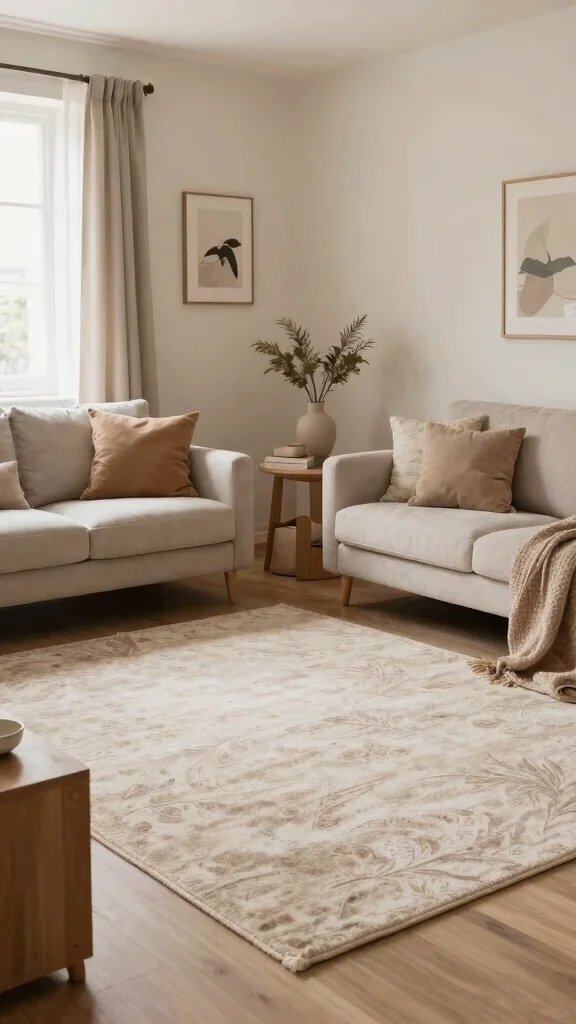
Navigating the world of rugs in small spaces can be a fun adventure! By understanding size, shape, material, and placement, you can find a rug that not only fits perfectly but also enhances your home.
Let your style guide you, and remember that the right rug can turn a small room into a beautiful haven that reflects your personality. Happy decorating!
Note: We aim to provide accurate product links, but some may occasionally expire or become unavailable. If this happens, please search directly on Amazon for the product or a suitable alternative.
This post contains Amazon affiliate links, meaning we may earn a small commission if you purchase through our links, at no extra cost to you.
Frequently Asked Questions
What rug size should I choose for a small living room to create a balanced look?
Start with your seating area. For many small living rooms, pick a rug that sits under the front legs of the sofa and chairs, typically 6×9 or 8×10. Leave about 6–12 inches of bare floor around the rug so the room feels open rather than crowded. If you have a compact setup, a 5×8 can work under a loveseat or a small sofa. This approach is part of the rug size guide and area rug sizing that keeps living room rugs in proportion.
How do I determine the right rug dimensions for a dining room in a small space?
Measure your dining table first, then add at least 24 inches of clearance on all sides for chair movement. For a small dining set, a 5×8 or 6×9 rug often fits; for larger tables, look at 8×10 options if space allows. Center the rug under the table so chairs stay on the rug when pulled out. This is essential rug dimensions and area rug sizing for dining areas and rug placement tips.
What rug size should I use in a small bedroom to keep the space feeling open and cozy?
In a small bedroom, you can use a rug that either sits under the bed to extend beyond the sides by about 18–24 inches, or place a larger rug under the bed and nightstands (typically 8×10 or 9×12 if space allows). If the bed is compact or the room is tight, a 5×8 rug can work at the foot of the bed or at each side. This supports rug placement tips and rug size guide for bedroom rugs.
Is it okay to mix rug sizes or patterns in a small space, and how should I pair them?
Yes, you can mix sizes to define zones, but keep a common color or motif to tie the look together. Start with a larger anchor rug in one zone, then add a smaller runner or square rug to another area, ensuring edges align or intentionally stagger for visual interest. Keep patterns balanced and choose complementary textures to create harmony in your rugs size guide journey, choosing the right rug, and living room rugs.
How can I prevent rugs from sliding or bunching in high-traffic areas of a small home?
Use a quality rug pad with non-slip grip and ensure the pad covers the entire rug with a little extra overhang. For doorways or entryways, consider 1–2 inch anti-slip edges or double-stick tape as needed, and choose low-pile or flat-weave styles that lie flat. Regularly reposition and trim any curled edges. This is part of practical rug placement tips and rug size guide advice.
Related Topics