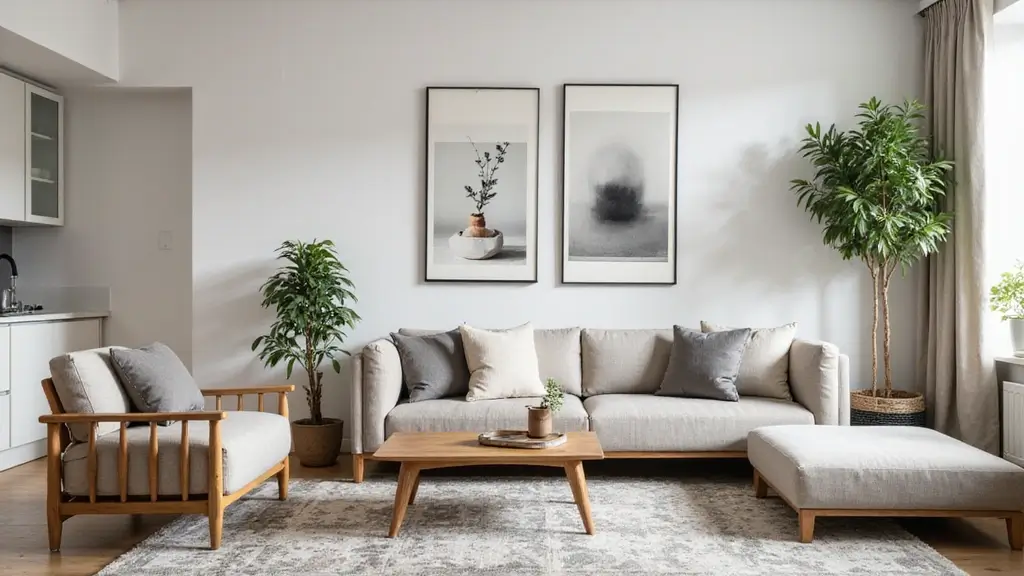

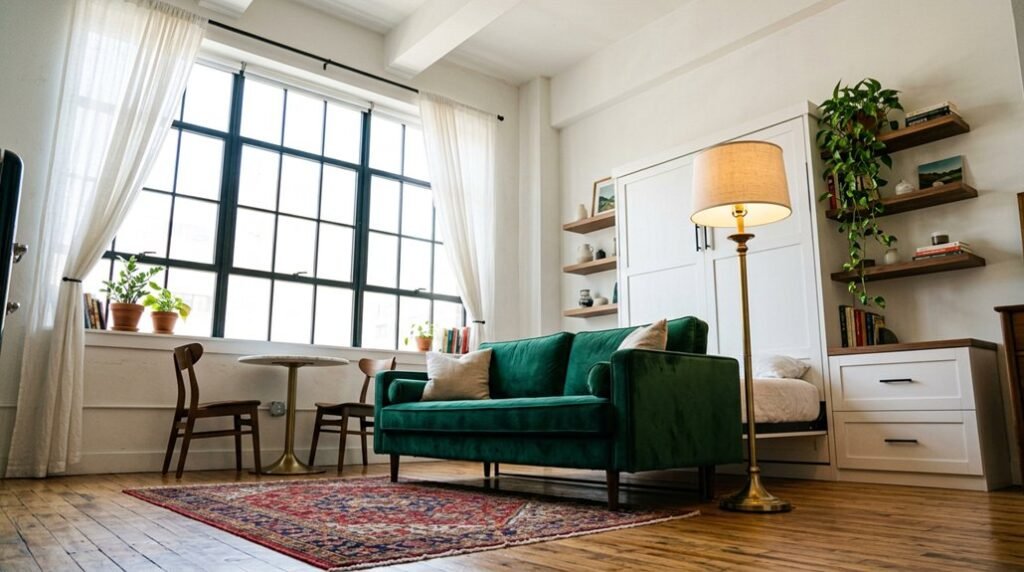
You’re staring at four walls that somehow need to become a living room, bedroom, and office all at once. The challenge feels impossible until you realize the right furniture choices can transform every square foot into something purposeful. But before you start shopping, there’s one mistake that ruins most studio layouts from day one.
Key Takeaways
- Choose multi-functional furniture like sofa beds, storage ottomans, and folding desks to maximize every square foot.
- Create distinct zones using rugs, furniture placement, and ceiling curtains to separate living, sleeping, and working areas.
- Exploit vertical space with floating shelves, tall storage units, and wall-mounted racks to free up floor area.
- Use light paint colors, layered lighting, and strategically placed mirrors to visually expand the room.
- Curate a few meaningful statement pieces rather than cluttering surfaces with excessive decorations.
Recommended Products

Ergonomic Design with Elevated Armrests: The elevated armrests extend and climb in a smooth arc, and the ergonomic backrest curve relieves the fatigue of the day

【Convertible Sofa Bed for Small Space Living】This 60" convertible sofa bed easily works as a loveseat, chaise lounge, or sleeper couch, giving apartments, studios, guest rooms, and small living rooms a practical seating and sleeping solution.

【Effortless Pull Out Couch】This sleeper sofa easily converts from a sectional to a comfortable bed in seconds. The reinforced metal pull-out frame provides sturdy, long-lasting support, while smooth-gliding wheels ensure a seamless transition. Perfect for movie nights, overnight guests, or everyday lounging.
Pick Furniture That Does Double Duty
Where do you even begin when every square foot counts? You start by demanding more from every piece you bring home. You choose a sofa bed that hosts guests overnight. You pick a coffee table with hidden storage for blankets and books. You mount a folding desk that disappears when dinner arrives.
You’ll find ottomans that open up, benches that swallow clutter, and headboards that shelve your reading stack. You rethink the single-purpose mindset completely.
You measure twice, buy once. You ask: does this earn its keep? If it doesn’t serve two functions, you keep walking.
You create breathing room without sacrificing what you need. You live bigger because you’ve chosen smarter.
Recommended Products

【Space Saving】Ideal for small apartments and limited spaces. Our drop leaf table would fully folded and stored in a small corver when not in use, maximizing your space.
Zone Your Studio Apartment (No Walls Needed)
How do you carve out a bedroom, office, and living room when you’re staring at one open rectangle? You get creative with visual boundaries.
Position your sofa with its back facing your sleeping area—you’ve instantly created two zones. Lay down a rug under your desk to anchor your workspace. Hang a curtain from the ceiling to separate your bed when privacy matters.
Use lighting strategically. Place a floor lamp near your reading chair and a pendant above your dining table. Different light temperatures signal different purposes.
Vary your paint colors. Paint one wall a bold shade behind your bed while keeping living areas neutral. This tricks the eye into seeing distinct rooms.
Arrange furniture perpendicular to walls to form natural pathways. These traffic patterns define where one zone ends and another begins.
Maximize Vertical Space and Hidden Storage
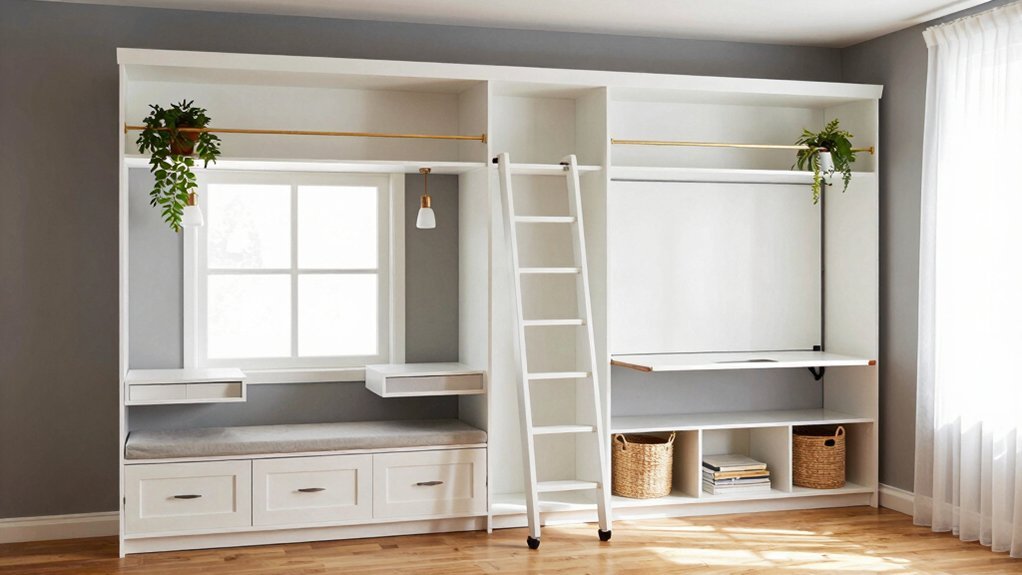
Floor space comes at a premium in studio living, so you’ll need to rethink your walls as storage opportunities and seek out furniture that works harder than it looks. Mount floating shelves above doorways and beside windows to stash books and display treasures without sacrificing square footage. Choose a bed frame with built-in drawers or hydraulic lift storage for linens and seasonal clothing. Slide slim rolling bins beneath your sofa and invest in an ottoman that opens to reveal blankets inside. Hang pots and pans on a ceiling-mounted rack to free cabinet space. Stack modular cubes vertically in corners to create instant pantry or closet overflow. You’ll reclaim your floor and breathe easier when everything tucks away neatly.
Recommended Products

Streamlined Wall-Mounted Design: This 5 tier wall shelf unit presents a clean, vertical design with a uniform color finish. The black floating shelves simple form aims to complement your wall decor, adding a structured visual element to the living room, bedroom, and more
Use Paint and Lighting to Visually Expand Your Space
Why let cramped quarters dictate your mood when a few strategic choices can completely transform how your studio feels?
Paint your walls in soft, light hues like warm whites or pale grays. These shades reflect natural light and push walls outward visually. You’ll avoid dark colors that absorb light and shrink your space.
Install dimmable fixtures and layer your lighting. Place floor lamps in corners to draw the eye upward. Hang pendant lights to free surface area and create vertical interest. You’ll use mirrors strategically opposite windows to bounce daylight deeper into the room.
Don’t rely on a single overhead bulb. You’ll mix ambient, task, and accent lighting to eliminate shadows that make rooms feel smaller. These techniques expand your square footage visually without moving a single wall.
Recommended Products

STORAGE BOOKCASE HEADBOARD - This multifunctional storage headboard gives you smart storage solutions with 3 open shelves, a discreet storage compartment, plus 2 handy side shelves on each side of your bed. Keep your bedtime essentials like books, phone, and alarm clock within easy reach while maintaining a clean, organized bedroom.

Handy Charging Station: This TIGUBFRE bed frame with headboard features 2 standard outlets, 2 USB ports and 1 Type-C port, making it easy to charge my phone, tablet, and smart devices. Never worry about charging again on the modern bed frame full size with charging station and 4 storage drawers.
Decorate With Personality: Not Clutter
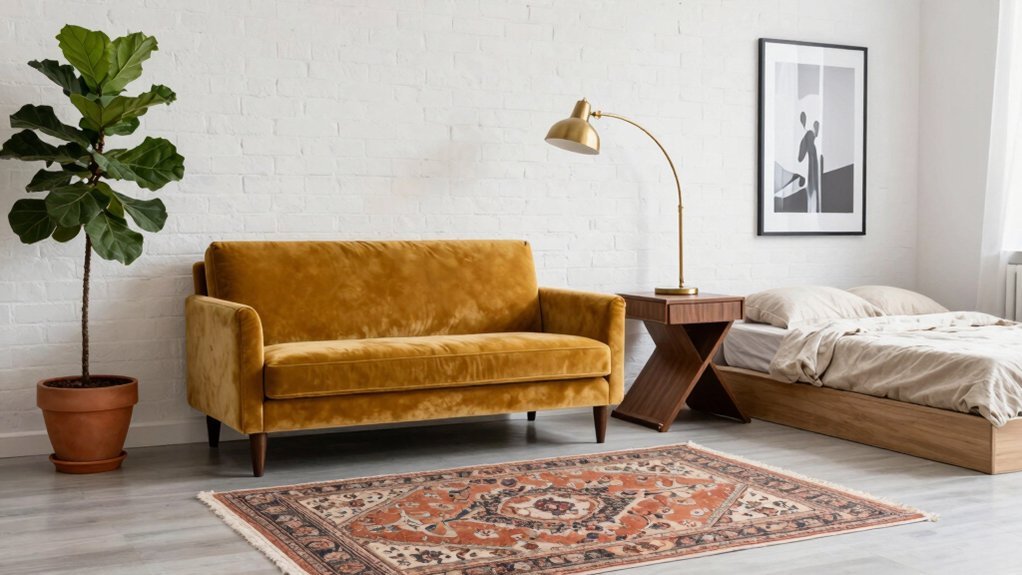
Personality doesn’t require piles of stuff to prove itself. In a studio apartment, every item competes for attention, so you’ll want to choose pieces that actually mean something. Pick one bold statement piece rather than filling shelves with knick-knacks. Display that vintage poster you scored at a flea market or the ceramic bowl your grandmother made. You’re curating, not hoarding.
Rotate your favorites seasonally instead of crowding every surface simultaneously. Use vertical space for one or two treasured objects rather than spreading clutter horizontally across your limited square footage.
You’ll find that negative space amplifies what matters. When you walk through your door, you want one or two pieces to spark joy, not dozens creating visual chaos. Your belongings should tell your story, not bury it.
Recommended Products

3-in-1 Convertible Sofa Bed: This 3 in 1 cloud sofa seamlessly transforms between a 60’’ sofa, lounge chaise and near full size bed without extra tools, serving as an ideal solution for space-limited studio apartments, rental homes and RVs. This loveseat sleeper sofa eliminates the need to purchase separate sofas, recliners, and temporary beds individually, cutting extra furniture expense and making the most of cramped floor space

【QUICK ASSEMBLY, EASY FOLDAWAY】This storage ottoman from the SONGMICS MAZIE Collection has a foldable design that allows quick setup in seconds by simply inserting the bottom panel. Easily fold and store it under the bed or in a closet when not in use

【ELEGANT DESIGN, ENDURING COMFORT】This ottoman boasts a chic linen-look surface with elegant tufting design, adding a stylish touch to your space. The double-layer fabric and high-resilience foam ensure lasting comfort for relaxation
Conclusion
You’ve got everything you need to transform your studio into a stylish, functional home. Start with multi-purpose furniture, carve out zones with rugs and lighting, and build upward with vertical storage. Keep colors light, add mirrors, and let one bold piece showcase your personality. Small spaces don’t mean small living—you’re creating a home that works smarter, not harder. Now go make every square foot count.
Recommended Products
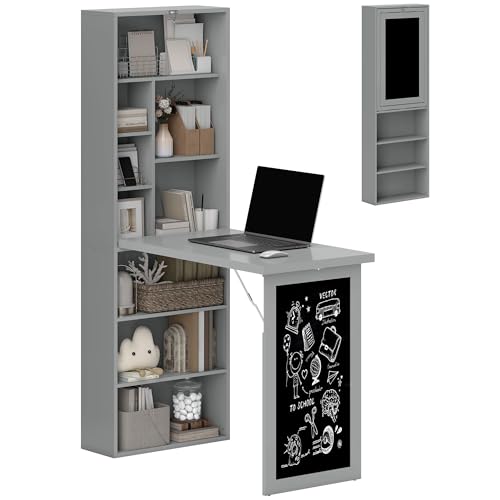
Space-Saving Sanctuary: Great for home office and small apartments, this fold out desk frees up your space when closed—only 7.7" deep. Switch effortlessly between a full workspace and a neat display cabinet, helping you reclaim your living area

Elegant Floating Desk for Modern Spaces: This 30x20 inch floating desk is crafted from solid wood with a warm walnut finish. Its drop-leaf wall mounted desk design is perfect for creating a clutter-free workspace in any room