
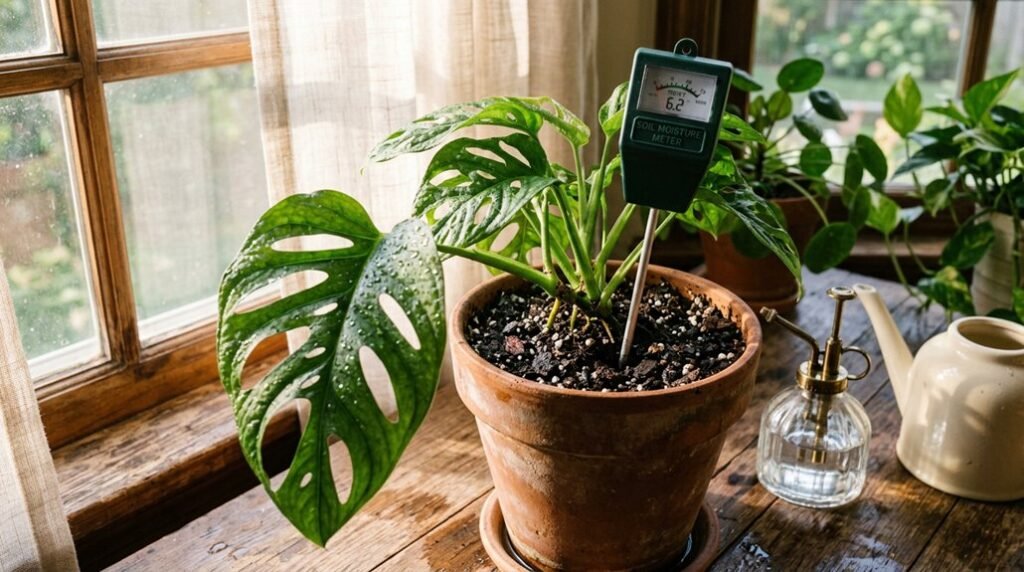
You’re standing in your living room, watering can in hand, wondering if that droopy fern needs a drink or if you’re about to drown it. Most plant owners kill their greenery with kindness, not neglect. The real question isn’t how often you should water—it’s whether you’re paying attention to what your plants are actually telling you.
How Often to Water Indoor Plants by Type
Which watering schedule matches your leafy companions? Your watering frequency depends heavily on plant type. You’ll find pothos needs water roughly every three days, but always check that the top half-inch of soil moisture feels dry first.
Your ferns demand more attention—typically every four to five days—and you’ll adjust based on indoor humidity levels.
Easy-care varieties follow similar timing, though you’ll keep their soil lightly moist without saturating it.
Your succulents and cacti prove far more forgiving; you’ll water them only every two weeks, letting soil dry completely between drinks.
Watch for signs of over/underwatering: yellow leaves or root rot mean you’re drowning them, while crispy, drooping foliage signals thirst.
You’ll learn to read your plants’ needs through careful observation and responsive care.
Recommended Products

Accurate Soil Moisture Detection: The XLUX Soil Moisture Meter can tell you if the soil deep inside your pot or garden is dry, moist or wet; whereas your eyes and fingers can only determine the moisture level of the soil surface. The probe is 5.5 inches (14 cm) longer than regular styles, allowing it to measure the soil moisture at the bottom of larger and deeper flower pots.

Accurate Soil Moisture Detection: The XLUX Soil Moisture Meter can tell you if the soil deep inside your pot or garden is dry, moist or wet; whereas your eyes and fingers can only determine the moisture level of the soil surface. The probe is 5.5 inches (14 cm) longer than regular styles, allowing it to measure the soil moisture at the bottom of larger and deeper flower pots.

【4 in 1 function】This is a 4-in-1 multifunctional soil tester.Our soil tester fastly to measure soil moisture, pH, temperature and sunlight to help you take better care of flowers and plants.You can know when you need to water your soil by measuring moisture and pH & Temperature value of the soil and sunlight level of plants with it.
How Light and Humidity Change Your Watering Schedule
How do your home’s conditions reshape your watering routine? Your environmental conditions directly dictate how quickly moisture leaves the soil.
Bright light accelerates soil drying, so you’ll water sun-soaked plants more often than those tucked in dim corners. Higher temperatures compound this effect, forcing you to adjust your watering schedule even further. Meanwhile, low humidity slows evaporation, letting you stretch intervals between drinks for many houseplants.
You’ll also notice that small pots dry out faster than large ones, since they hold less moisture overall. If you’re moving a plant from a humid, shaded spot to a sunny, dry location, expect an immediate spike in its thirst. Watch closely during this transition—your plant needs time to acclimate before you settle into a predictable rhythm.
Recommended Products
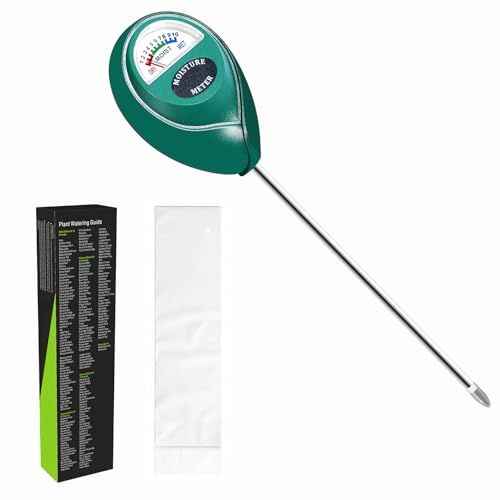
Trusted Since 2015: Become one of the many plant lovers who rely on the proven accuracy of XLUX. Established in 2015, our soil moisture meter has earned over 60,000+ verified ratings for its consistent performance. While many many newer brands come and go, we provide the long-term reliability and quality that American households have trusted for over a decade.
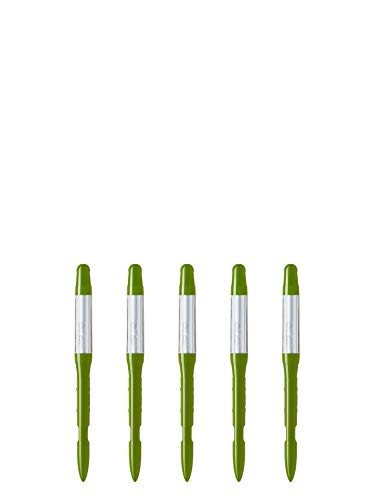
Dimensions: 0.4 x 0.3 x 4.7 inches (small) - Intended for pot sizes of 2, 2.5, and 3 - Ideal for small succulents
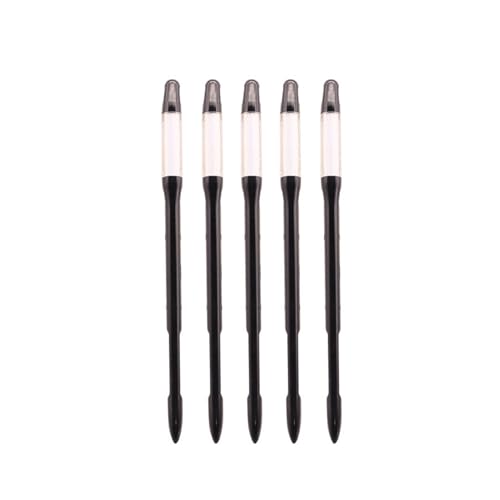
Dimensions: 7.09 x 0.39 x 0.31 inches (medium) - Intended for pot sizes of 3.5, 4, 5, and 6
How to Check If Your Plant Actually Needs Water
Once you’ve mapped out how your environment affects soil drying, you’ll need reliable ways to confirm thirst before reaching for the watering can. For ninety-five percent of indoor plants, wait until the top 0.5 inches dry before watering. You can gauge dryness by lifting the pot—lighter means drier.
Use the finger test for small containers, pushing two inches deep to feel dampness. For larger pots where your finger won’t reach, insert a moisture meter to read soil moisture accurately. Don’t rush to water at wilting signs; they’ll mislead you since overwatering and root rot cause similar drooping. Always verify what’s happening below the surface first. As seasons shift and light fluctuates, you’ll check moisture regularly and adjust your timing when conditions dry soil faster or slower.
Recommended Products

🌱 AUTOMATIC SELF-WATERING SYSTEM – Features a removable wick-based watering feeder that automatically hydrates plants for up to 2 weeks. Perfect for worry-free plant care during travel or busy schedules.

【Practical Size Combo】-These plastic planters indoor combines with 6 different sizes, 8 inch 7inch 6.5 inch 6 inch 5.5 inch 5 inch which are suitable for planting most small and medium-sized home office plants.Ideal gift,Carbonfree Certified.

Complete 4-Piece Self-Watering Set with Smart Wick System: This comprehensive 6, 8, 10, and 12-inch self-watering planters collection features an advanced cotton wick irrigation system that automatically delivers moisture to your plants' roots. The intelligent self-watering technology maintains soil conditions for 7-14 days, making these pots suitable for vacations, busy professionals, and plant enthusiasts. This complete indoor planters set accommodates everything from small herbs to large floor plants, providing a solution for all your gardening needs with minimal maintenance required
Choose Pots and Soil That Fit Your Watering Style
What container you choose shapes how often you’ll be watering just as much as where you place your plant. Porous pots like terra cotta evaporate water faster, so you’ll increase watering frequency compared to plastic pots. Always check that your pots have drainage holes to prevent waterlogging and match them with your soil’s water retention.
Heavier soil mixes hold moisture longer, reducing how often you water versus lighter, fast-draining blends. If you prefer lower-frequency watering, self-watering containers provide steady moisture from below. Match soil texture and pot size to your plant’s typical drying time—small pots with lightweight soil dry quickly, demanding more frequent attention. Align your drainage, soil weight, and container material with your schedule, and you’ll simplify your routine while keeping plants healthy.
Recommended Products

Plant Pots / Flower Pots - Invest in a beautiful garden to harvest the seeds of love, with the set of pots for indoor or outdoor plants

Garden Planting Container: 20 Pack flower pots, including 5 pieces each of 4 inch;5 inch;6 inch and 7 inch clear nursery pots. These pots accommodate different plants, from small succulents to medium-sized foliage, catering to diverse gardening needs

【With Drain Holes and Mesh Pad】:Large drain holes are good for draining, and with leak-proof mesh pads, it keeps soil from running away, suitable for orchids, succulents, cacti, other flowers and green plants, perfect for home decoration.
Why Top-Down Watering Beats Bottom Watering
Where should you pour when it’s time to hydrate your indoor plants? You’ll want to choose top watering over bottom watering for several practical reasons.
When you practice top watering, you pour directly onto the soil surface until water flows through the drainage holes. This method ensures even soil moisture throughout the pot and eliminates dry pockets that can stress roots. You’ll also flush accumulated salts and minerals from the upper soil layer, preventing harmful buildup that bottom watering tends to cause near the root zone.
Top watering gives you immediate visual feedback—you’ll see when drainage occurs and can stop, making overwatering prevention straightforward. You’re actively monitoring the process rather than guessing. While bottom watering works occasionally, it risks leaving roots in standing water and creates slower, uneven moisture distribution. Stick with top-down pouring for healthier, more responsive plant care.
Recommended Products

Kindly NOTE: This soil tester can not be applied to test pH value of any other liquid. If the soil is too dry the indicator will not move, and water it before testing.
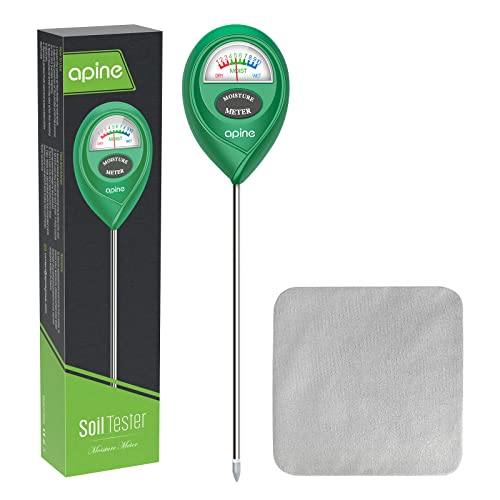
Quick Measurement:Just insert the probe of the plant water meter into the soil about two to four inches,wait a few seconds,you can get the soil moisture immediately.The color division of the dial is simple and clear,and the elderly can easily use it
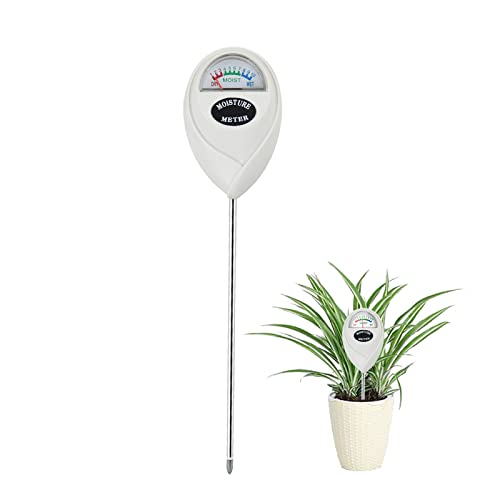
【SAVE YOUR PLANTS】: Over watering can cause problems with your plants or even kill them. This soil moisture meter helps you know the soil is dry, moist or wet.No more over watering!
How to Adjust Indoor Plant Watering by Season
How should you shift your watering routine as the year unfolds? You’ll make seasonal adjustments to keep your indoor plants thriving.
In winter, you’ll water less frequently due to lower light and dormancy. You’ll give ferns a drink every 10–14 days, while cacti and snake plants need water only every 3–4 weeks.
Come spring, you’ll increase your watering schedule as daylight grows. You’ll hydrate moisture-loving plants weekly and low-maintenance varieties biweekly.
Through summer, you’ll boost frequency further—extended sun and warmth accelerate growth and dry soil faster.
In fall, you’ll maintain spring-like attention but watch closely as growth slows. You’ll stop fertilizing after September and monitor soil moisture as activity dips.
Always check soil moisture rather than following rigid calendars when making these seasonal adjustments.
Recommended Products
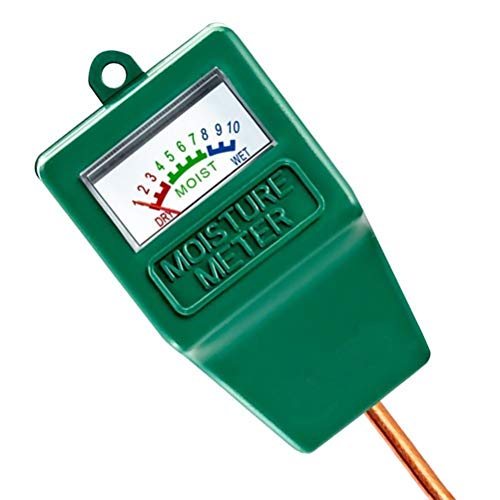
Soil Moisture Meter: This single probe soil moisture meter is specially designed for testing the moisture level in the soil, helps you decide whether the plants need water or not, helps to keep plants alive.

**Free Plants Guide Included
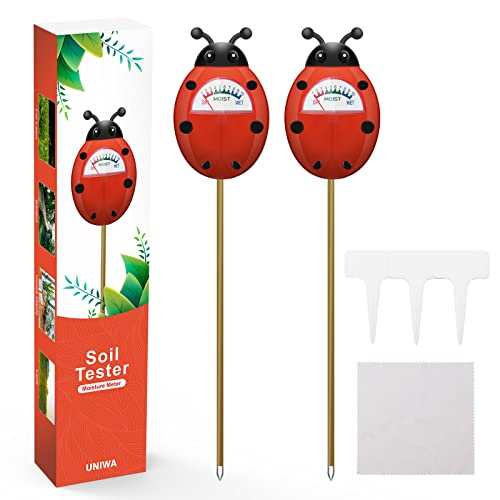
【ACCURATE & WIDELY 】APPLICABLE: the premium double-needle detection technology enhances the speed and accuracy of all readings.You can easily carry this portable soil pH tester around for indoor or outdoor use, so you know when to water your plants
Signs You’re Overwatering or Underwatering
Once you’ve adjusted your seasonal watering schedule, you’ll need to recognize when your plants are telling you something’s wrong. Check soil moisture regularly; wait until the top ½ inch of potting soil feels dry before watering most indoor plants.
You’ll spot signs of overwatering through mushy tissue, brown spots, dark leaf areas, and prolonged soggy soil that attracts fungus gnats.
Your signs of underwatering include pale or wrinkled leaves and soil pulling away from the pot’s edges.
Extreme imbalances cause serious harm. Overwatering leads to root rot, especially without adequate drainage holes, while underwatering triggers leaf curl and wilting.
You’ll distinguish wilt vs. root rot by checking surface dampness—if your plant stay visibly moist yet wilts, you’ve likely got root issues or compacted soil rather than simple thirst.
Underwatered plants typically recover faster than overwatered ones.
Recommended Products

Accurate Soil Moisture Detection: The XLUX Soil Moisture Meter detects deep soil moisture in pots or gardens (dry/moist/wet), unlike eyes or fingers that only sense surface soil.

Dimensions: 7.09 x 0.39 x 0.31 inches (medium) - Intended for pot sizes of 3.5, 4, 5, and 6
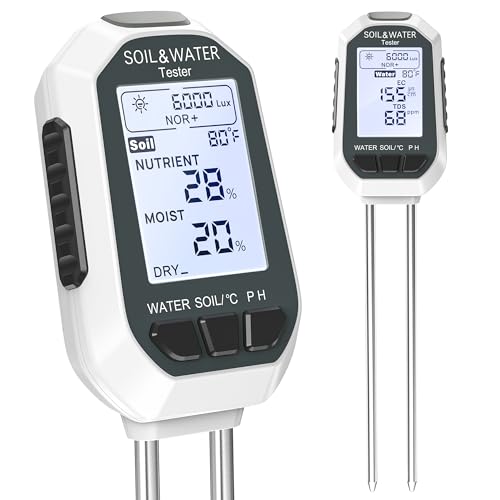
【7-in-1 Features】This is a 7-in-1 multi-function soil tester. Our soil tester quickly measures soil moisture, pH, temperature and light intensity, and its fertility function helps you take better care of your plants. With this device you can measure the soil moisture, pH, temperature and light intensity for your plants and with the EC and TDS functions you will know when it is time to water the soil.
Best Watering Tools for Every Indoor Plant Setup
Whether you’re tending to a single windowsill succulent or an entire indoor jungle, the right watering tools make all the difference in keeping your plants healthy.
You’ll want a small watering can for delicate plants and a larger can for floor specimens to control flow and prevent overwatering. For very small pots, grab a squeeze bottle for precision. Keep spray bottles handy for air plants and bromeliads that absorb moisture through leaves.
Always water from the top until you see drainage, then place pots on a saucer to catch overflow—never let them sit in standing water as this damages potting soil and roots. When tending hanging plants, use a long-spouted can and position a drip pan below.
Pay attention to water temperature too. You’ll protect root health by using room-temperature water and avoiding extremes that shock sensitive systems.
Recommended Products

SELF WATERING SYSTEM: Each indoor plant pot comes with two drainage holes and a cotton wick. Put cotton rope from planter to the water to keep the soil moist, keeping plants well-hydrated and thriving, providing an environment for the growth of herbs

【Practical Size Combo】-These plastic planters indoor combines with 6 different sizes, 8 inch 7inch 6.5 inch 6 inch 5.5 inch 5 inch which are suitable for planting most small and medium-sized home office plants.Ideal gift,Carbonfree Certified.

【Efficient Self-Watering System】Each 4/5/6inch with 6pcs pot includes a built-in wick rope that delivers water directly to the roots, reducing watering frequency—ideal for busy plant owners.
Self-Watering Options for Vacations and Busy Schedules
What happens when life pulls you away from your plants? You rely on self-watering solutions to keep them thriving during vacations and hectic weeks.
Self-watering containers and inserts deliver consistent moisture, cutting your daily checks significantly. You’ll find spikes, tubes, and globes release water gradually, maintaining even moisture without drowning roots. Place drip pans beneath hanging baskets to catch excess and enable slow bottom-watering while you’re gone.
For longer vacations, you’ll want a reservoir system—perhaps a large-capacity container connected to wick or tubing for steady supply. Always verify your pots have proper drainage holes. Check soil moisture before departing, since even automated setups need occasional refills and monitoring. These tools don’t eliminate maintenance entirely, but they’ll buy you precious time away without sacrificing your greenery.
Recommended Products

Ideal Size: 7.8" D x 5.9" H, 8 inch plant pot come with a ceramic tray, drainage hole and mesh pad, plants not included
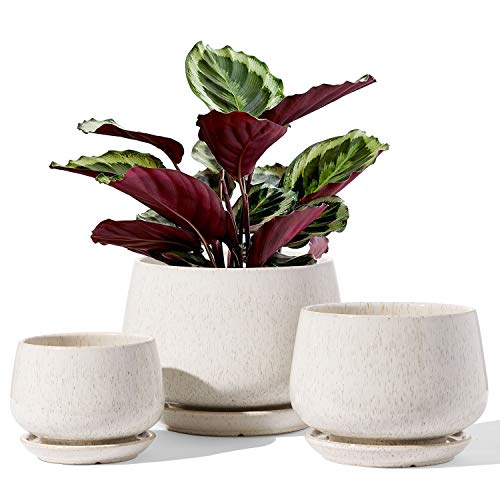
Bringing the Garden to You with Three Plant Pots: No garden? No problem! This set offers three plant pots of different sizes, ideal for your tabletop, bedroom, or even a spacious backyard or patio; Sizes: Large - 6.5" diameter, 5.8" height; Medium - 5" diameter, 4.5" height; Small (for succulents) - 4" diameter, 3.74" height

INCLUDES: Pot with saucer for almost any type of plant; ideal for indoor or outdoor decor
Conclusion
You’ll master watering by checking soil moisture, lifting pots, and reading your plants’ signals. Match your schedule to each species’ needs, adjust for light and season, and choose pots that suit your habits. Watch for drooping leaves or yellowing—your plant’s way of talking. Eventually, you’ll develop an instinct for when to water, keeping your indoor jungle thriving without guesswork.