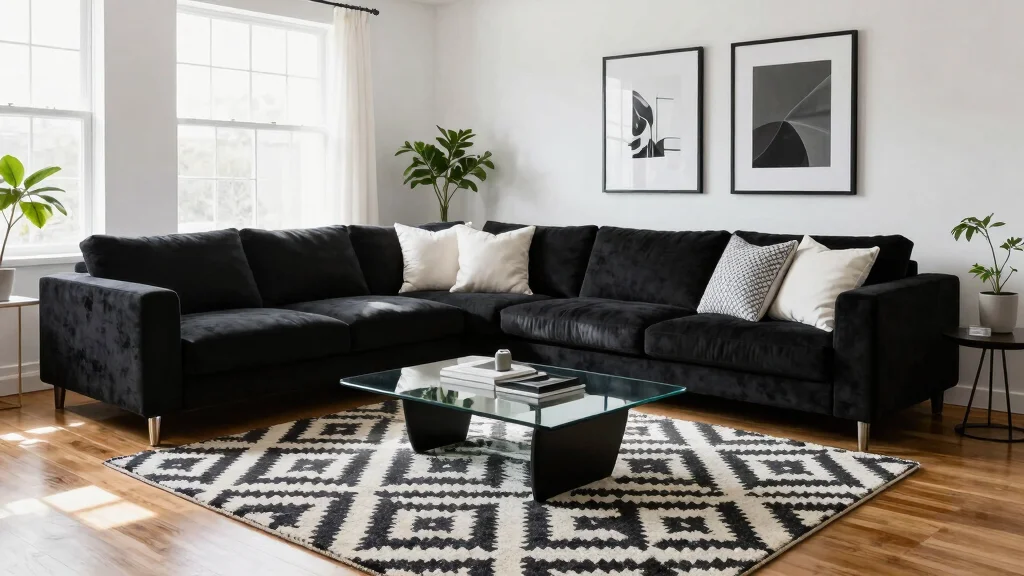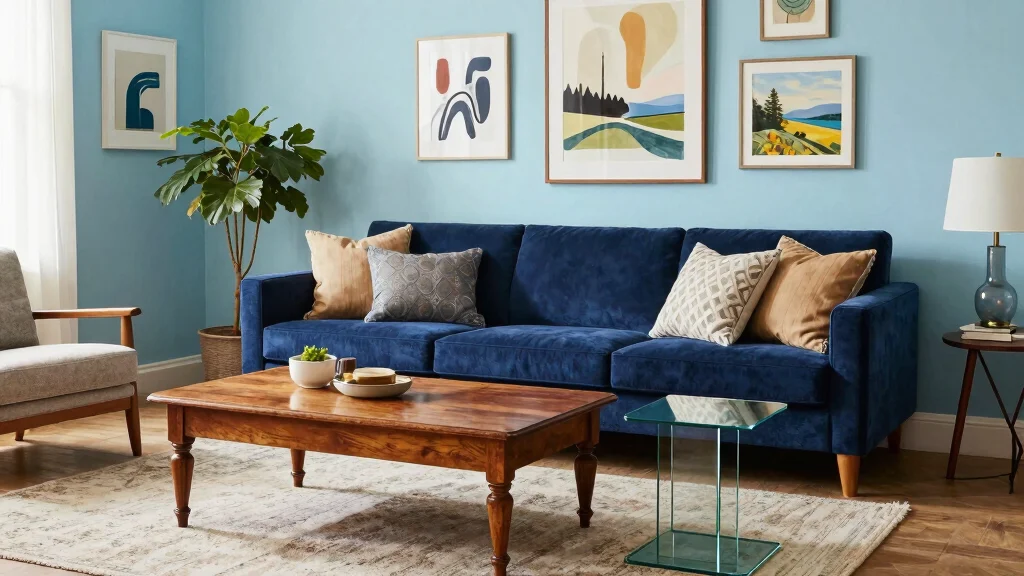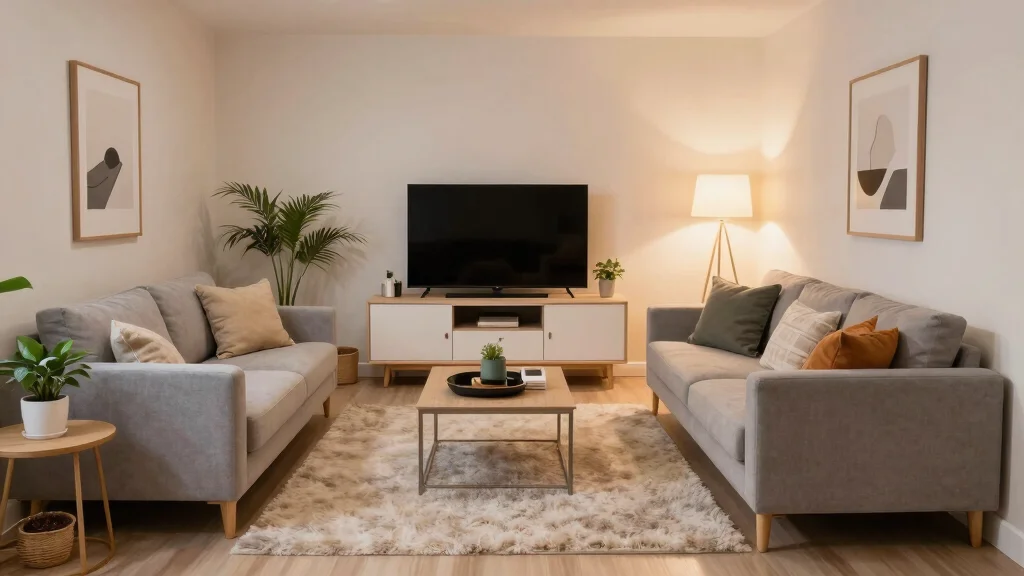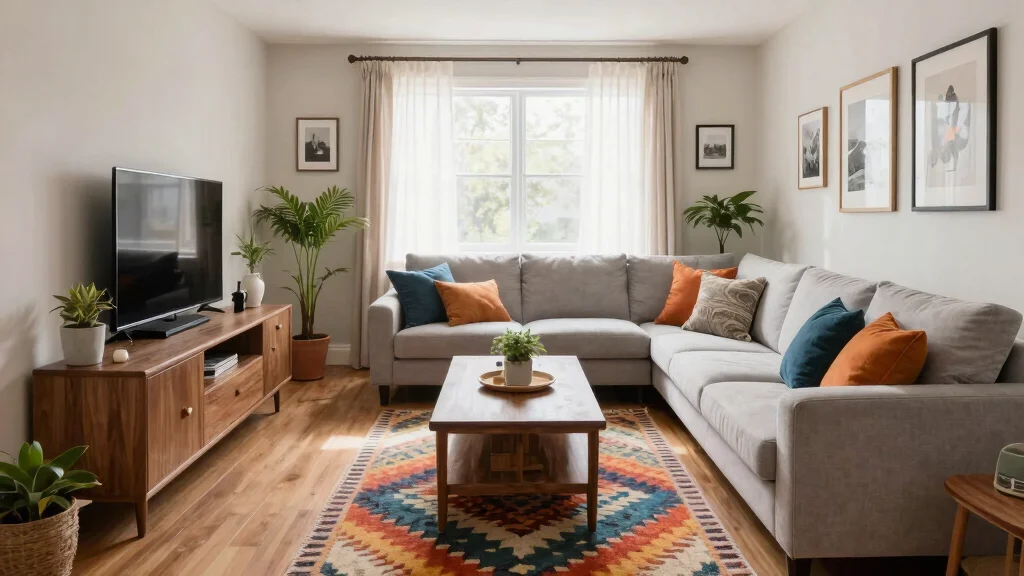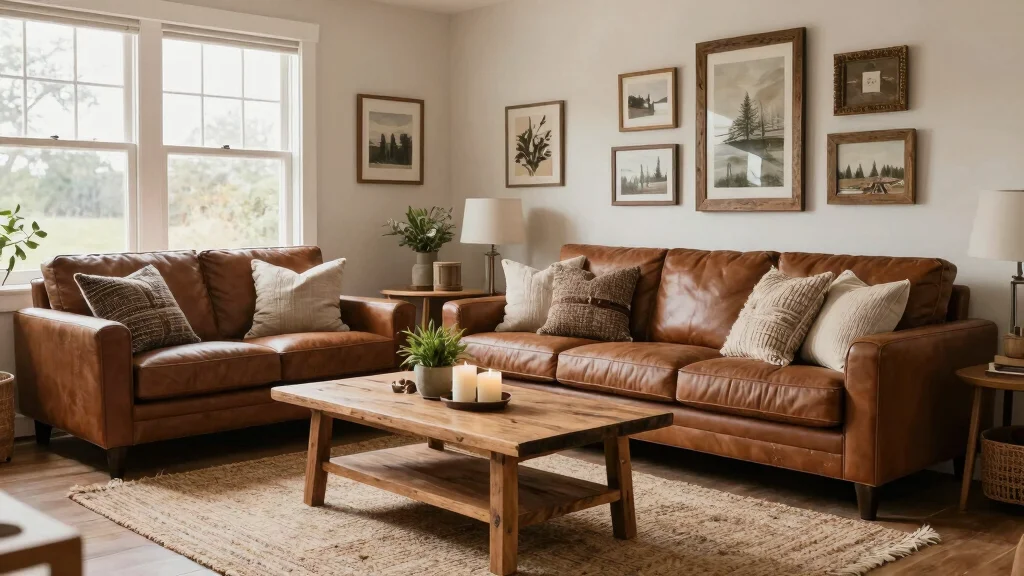

Arranging furniture in a small living room can feel like a puzzle, especially when each piece needs to serve multiple purposes. You might be craving a cozy space that feels inviting yet functional, but figuring out how to fit everything in can be challenging. That’s where this guide comes in! I created this post to help you navigate the intricacies of compact living, showing you how to make every inch count while still keeping your style intact.
If you’re someone who values practicality but also loves a well-decorated home, you’re in the right place. Whether you’re a first-time apartment dweller, a busy family looking to optimize your living area, or just someone who wants to refresh their space, this guide offers something for everyone. With 18 creative ideas to arrange furniture in a small living room, you’ll discover tips that are not only smart but also easy to implement. From multifunctional pieces to clever layout strategies, you’ll learn how to transform your cozy nook into a stylish and functional haven.
Get ready to unlock the potential of your small space! You’ll find insights that will help you create a living room that isn’t just manageable but beautiful too. Let’s dive into the world of small space design and discover how to maximize your living area with these practical and stylish tips.
Key Takeaways
– Embrace Multi-Functional Furniture: Opt for pieces like sofa beds or ottomans with storage to make the most of your space.
– Create a Focal Point: Establish a central feature, such as a stylish coffee table or artwork, to draw attention and anchor the room.
– Use Vertical Space: Install shelves or tall cabinets to keep floor space clear while adding storage and visual interest.
– Optimize Traffic Flow: Arrange seating to allow easy movement throughout the room, ensuring comfort for everyone.
– Incorporate Nature: Use plants or fresh flowers to bring life and color to your small living room while improving air quality.




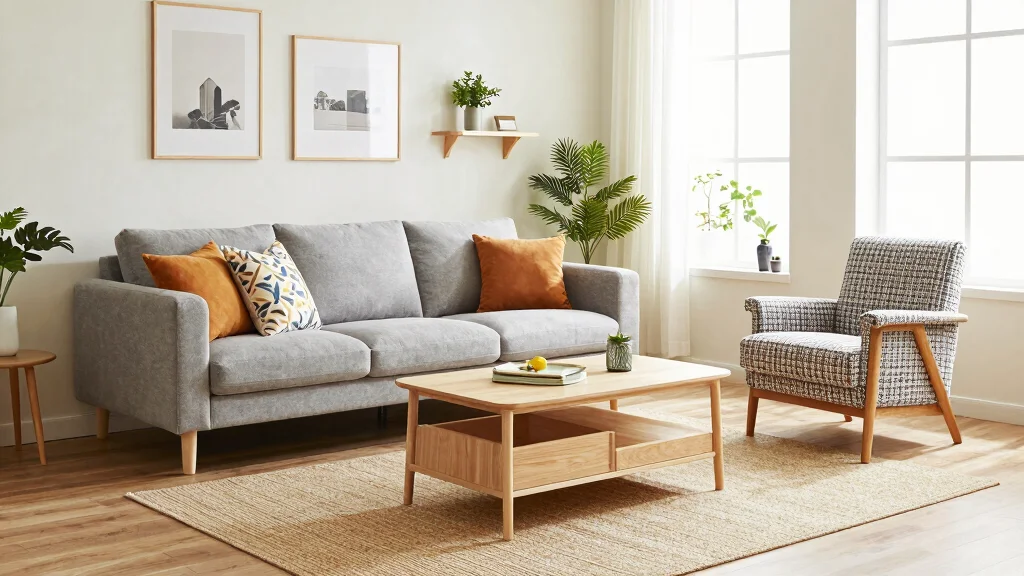
1. Embrace Multi-Functional Furniture
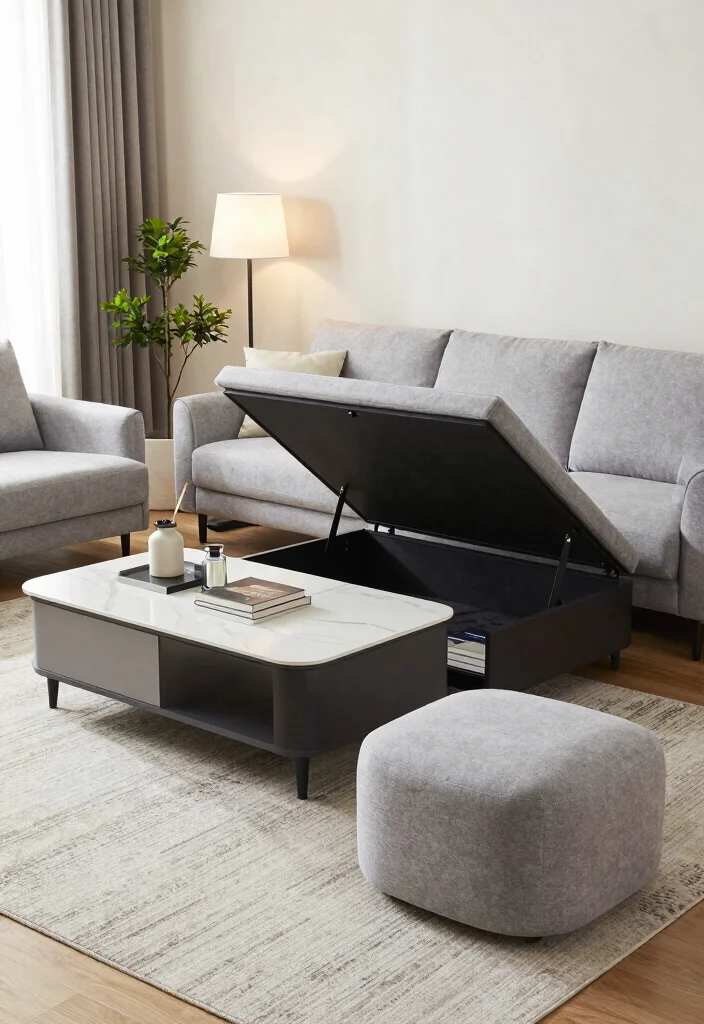
When space is at a premium in your living room, multi-functional furniture becomes your best ally. These versatile pieces not only serve their primary purpose but also provide additional capabilities, ensuring your space feels open and organized. For example, a stylish sofa with hidden storage can keep your living area neat while offering comfortable seating. Similarly, an ottoman that doubles as a coffee table adds functionality without crowding your space.
Think about how you can incorporate these elements into your design. Look for budget-friendly options at local thrift stores or online marketplaces, ensuring each piece enhances your room’s style. By choosing multi-functional items, you can tap into broader design trends that focus on simplicity and efficiency.
Consider these strategies to maximize your space:
– Pair a sofa bed with chic throw pillows for comfort.
– Install a storage ottoman that can double as a footrest.
– Use a coffee table with shelves for easy access to magazines.
This approach not only streamlines your living area but also enhances its overall aesthetic by introducing clever design solutions that keep clutter at bay.

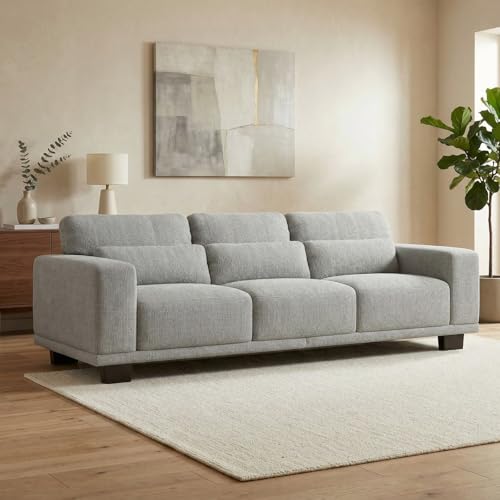


2. Create a Focal Point
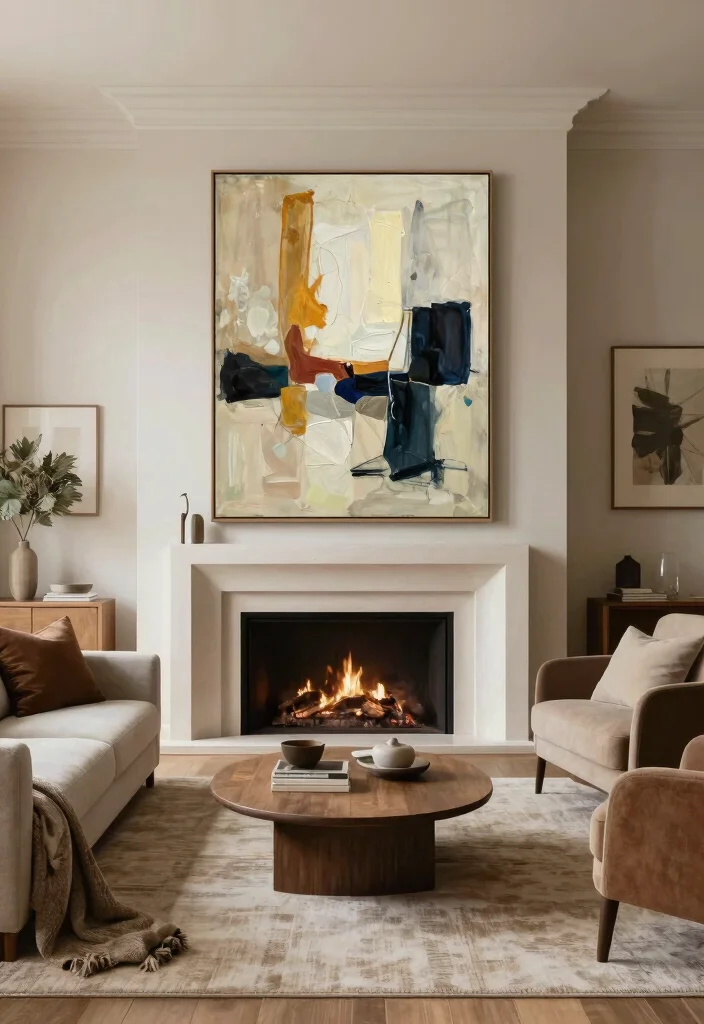
Creating a focal point in your small living room is essential for achieving a cohesive design. Whether it’s a stunning piece of artwork or a striking fireplace, a central element draws the eye and enhances the overall atmosphere. For instance, arranging your seating to face a colorful accent wall or a beautifully styled bookshelf can establish a welcoming and organized space.
To effectively highlight your focal point, consider how your furniture arrangement can enhance its visibility. Use lighting to draw attention to this centerpiece, ensuring it becomes the star of your room. This strategy not only adds visual interest but also creates a sense of flow, making your living area feel more spacious.
Here are some tips to emphasize your focal point:
– Choose a dramatic piece of art or decor for impact.
– Incorporate lighting fixtures that spotlight your feature.
– Keep surrounding decor minimal to maintain focus.
This intentional design choice will elevate your living room’s aesthetic, making it feel more curated and inviting.
3. Use Vertical Space
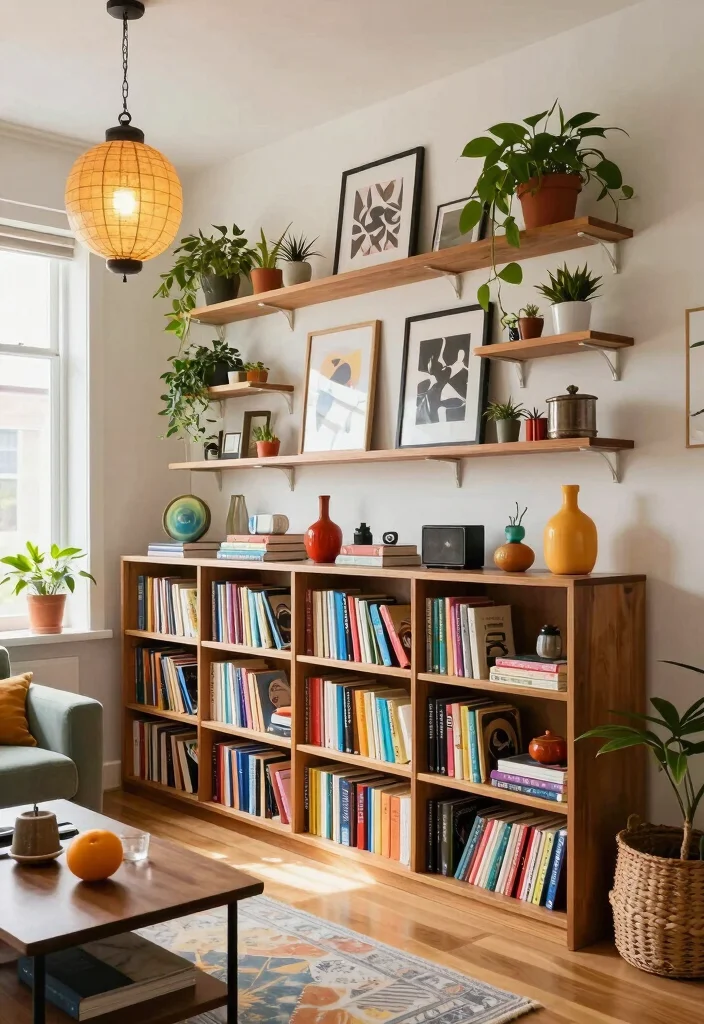
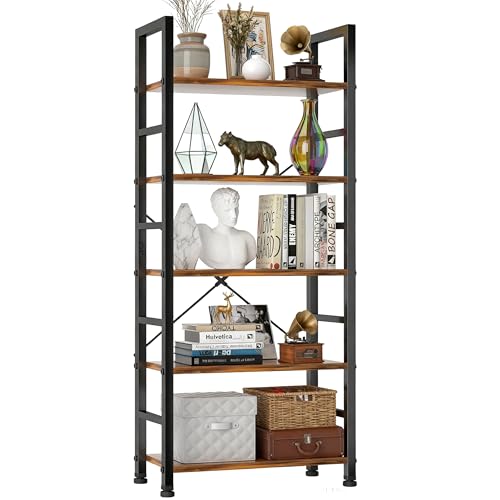
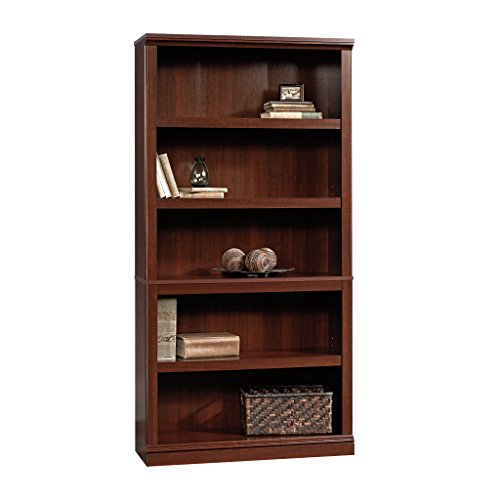
In small living rooms, maximizing vertical space can dramatically enhance your layout. Utilizing walls for storage and decor helps draw the eye upward, creating an illusion of more space. Wall-mounted shelves and tall bookcases not only keep your belongings organized but also serve as stylish displays for your favorite items.
Think creatively when incorporating vertical elements into your design. Hanging plants or artwork at varying heights adds dimension and can make your ceiling feel higher. This approach not only showcases your personal style but also contributes to a more expansive atmosphere.
Consider these ideas to utilize vertical space effectively:
– Install floating shelves to showcase books and decor.
– Use tall plants to introduce greenery and height.
– Arrange art in a gallery style for a vibrant statement.
This strategy enriches your living room’s design, enhancing both aesthetic appeal and functionality.


4. Zone Your Space
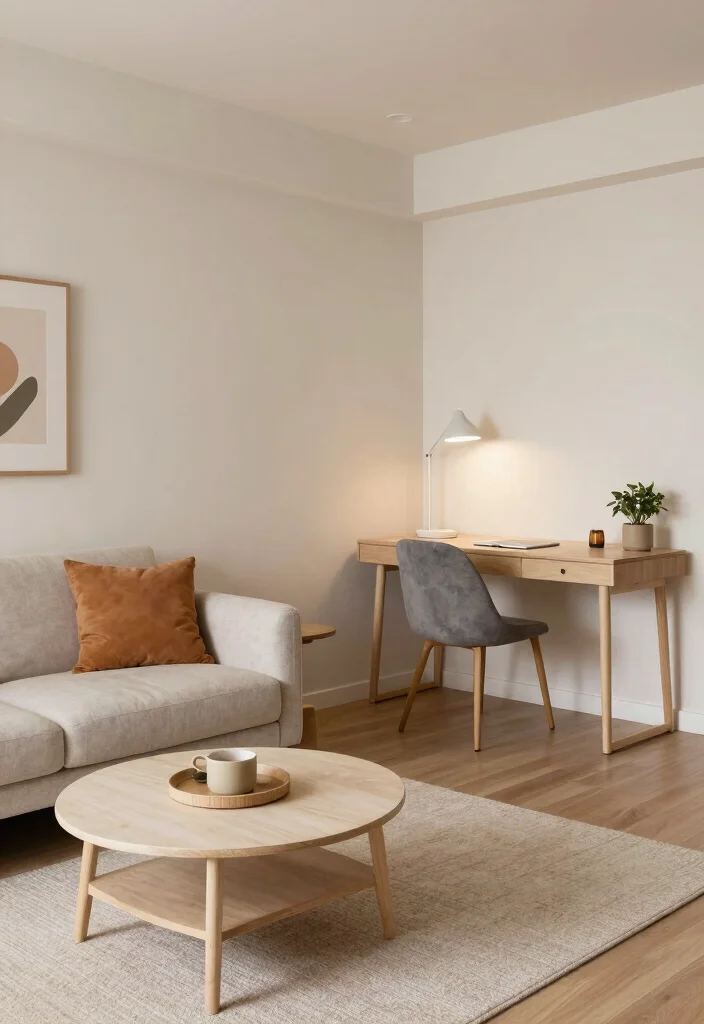
Zoning your small living room creates distinct areas for different activities, enhancing both functionality and flow. By using rugs or strategic furniture arrangements, you can carve out spaces for relaxation, work, or entertainment, making your room feel organized and purposeful. A plush area rug can signify a cozy lounging area, while a smaller rug can define a workspace.
To establish these zones effectively, maintain a consistent color palette that ties everything together. Different textures or patterns can further differentiate areas without overwhelming the space. This thoughtful approach not only encourages functionality but also adds a stylish element to your living room.
Here are some practical zoning tips:
– Use furniture placement to create natural boundaries.
– Opt for varied lighting for each zone to enhance ambiance.
– Keep transitions fluid to prevent a cramped feeling.
By zoning your space effectively, you’ll create a more inviting and organized living area that feels tailored to your lifestyle.
Fun fact: Zoning a small living room can boost perceived space by up to 30%, using rugs to define relaxing, working, and entertaining zones. When arranging furniture in small living room, keep a cohesive color palette to tie each area together and enhance flow.
5. Choose the Right Scale
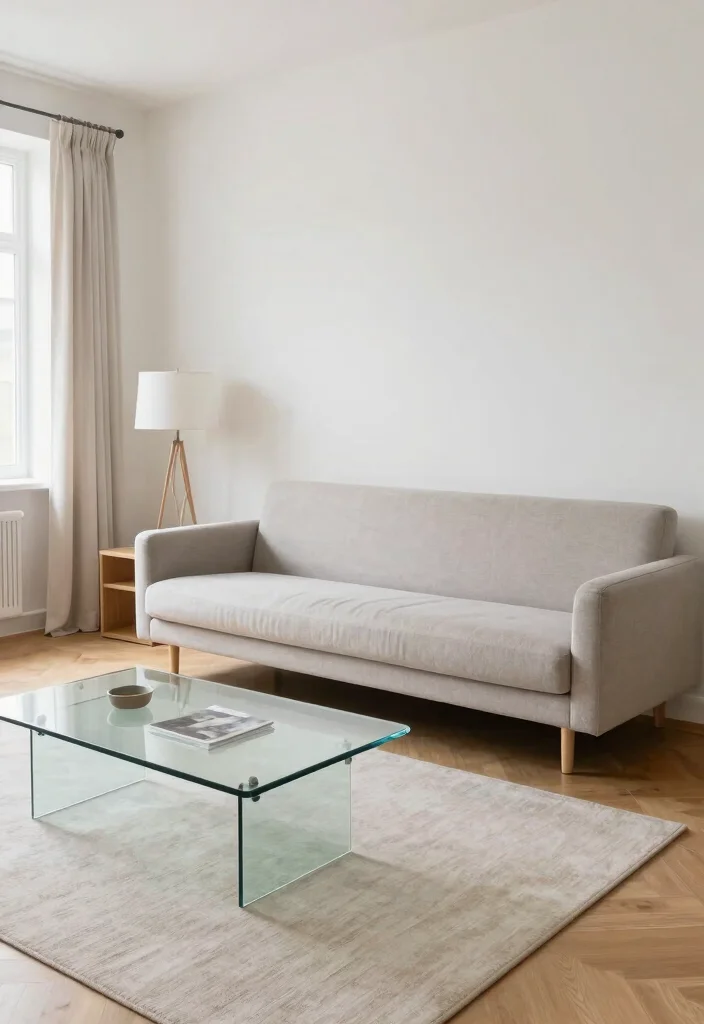
In small living rooms, selecting furniture of the right scale is crucial for maintaining an airy atmosphere. Opt for compact pieces that provide comfort without overwhelming the room. Avoid bulky sofas or heavy tables that hinder movement and create a cramped environment.
When choosing your furniture, pay close attention to proportions and styles. Low-profile designs can create an illusion of height, while transparent materials, such as glass, help minimize visual clutter. This careful consideration ensures your living area feels open and inviting.
Here are some key ideas for selecting the right scale:
– Look for sofas with slender arms and legs for an airy effect.
– Choose nesting tables that can be tucked away when not in use.
– Prioritize lightweight furniture that can be easily rearranged.
This attention to scale enhances your living room’s overall vibe, making it feel both spacious and comfortable.
6. Optimize Traffic Flow
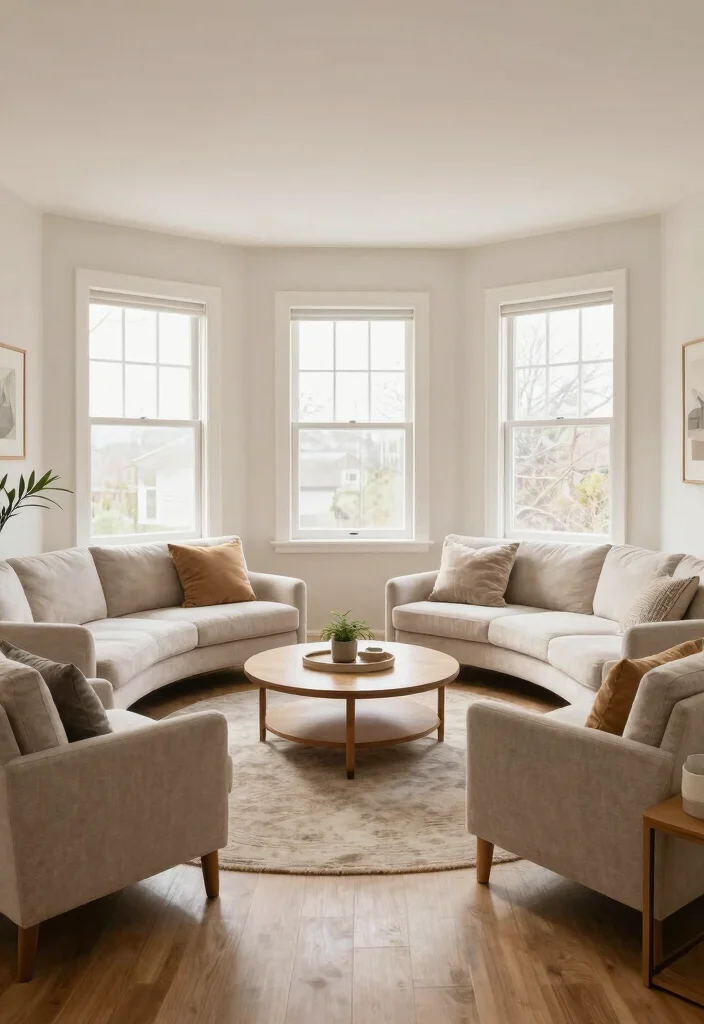
Creating an effective traffic flow is essential for comfort in small living rooms. Arrange your furniture in a way that allows for easy movement, establishing clear pathways that don’t obstruct access to doors or important areas. This arrangement should encourage conversation while maintaining a relaxed atmosphere.
To optimize flow, ensure you leave adequate space between furniture items, aiming for at least 18 inches. This will facilitate movement and keep the space feeling open and inviting. Avoid blocking windows or natural light sources, as this will enhance the overall openness of your living area.
Here are some smart traffic flow tips:
– Use a central arrangement to simplify movement.
– Consider flexible arrangements for various activities.
– Keep furniture edges clear to prevent accidental bumps.
This careful consideration of traffic flow makes your living room more functional and enjoyable, enhancing the overall experience.
How To Arrange Furniture in a Small Living Room
Arranging furniture in a small living room can be a challenge, but it’s also an opportunity to be creative. With the right strategies, you can make your space feel larger and more functional. Here are some effective ways to arrange your furniture that maximize space while maintaining style.
1. Embrace Multi-Functional Furniture
Choose furniture pieces that serve multiple purposes. For instance, look for ottomans that can double as storage or coffee tables that can transform into dining tables. This approach allows you to reduce clutter and make the most of your limited space. Measure your furniture to ensure it fits well without overcrowding the room.
2. Create a Focal Point
Select a focal point in your living room, such as a fireplace, a piece of art, or a large window. Arrange your seating to face this focal point. This not only draws the eye but also encourages conversation and creates a cozy atmosphere. Positioning your furniture in this way makes the room feel more inviting.
3. Use Vertical Space
Take advantage of vertical space by incorporating tall bookshelves or wall-mounted shelves. This approach draws the eye upward, creating an illusion of height. Use floating shelves to display decor items or books, which frees up floor space. Consider using taller furniture to help fill the space without making it feel congested.
4. Zone Your Space
Define areas within your small living room. Use rugs to separate the seating area from other spaces like a reading nook. This zoning can help you create a cohesive look while maximizing the functionality of each area. You can also use furniture arrangement to create distinct zones, such as aligning chairs in a circle for intimate gatherings.
5. Choose the Right Scale
When selecting furniture, pay attention to scale. Oversized furniture can overwhelm a small room, while too-small pieces may not provide enough comfort or utility. Aim for furniture that fits the proportions of your space. A rule of thumb is to leave about 18 inches between furniture for easy movement.
6. Optimize Traffic Flow
Ensure there’s a clear path through your living room. Arrange your furniture to allow for easy movement between areas. You should be able to walk comfortably without bumping into pieces. Ideally, maintain at least 30 inches of walking space between furniture to keep the flow open and welcoming.
7. Incorporate Mirrors
Mirrors can create the illusion of a larger space. Position mirrors opposite windows to reflect light and make the room feel brighter. This visual trickery can dramatically change how the space looks and feels. Choose decorative mirrors that complement your style to add both function and flair.
8. Use Light Colors
Light colors can make a small living room feel airy and spacious. Consider painting walls in soft shades or using lighter upholstery. You can also use light-colored decor to unify the space. Dark colors tend to absorb light and can make a room feel smaller, so lean towards whites, creams, or soft pastels.
9. Keep it Minimal
Avoid clutter by keeping your decor minimal. Select a few key pieces that you love and that add character to your space. This strategy not only makes the room feel larger but also brings focus to your favorite items. Storage solutions can help keep items out of sight while maintaining a clean look.
10. Layer Textures
Layering different textures can add depth to a small living room without overwhelming it. Use a combination of materials like wood, metal, fabric, and plants. This creates visual interest while maintaining a cohesive theme. Soft textiles like rugs and cushions can create a cozy feel without taking up much space.
11. Use Decorative Screens
If your small living room serves multiple purposes, consider using decorative screens to create separations. Screens can be moved easily and can add an artistic touch. This is especially useful if you have an open floor plan, as it gives you the flexibility to define spaces.
12. Personalize with Art
Don’t forget to infuse personality into your small living room. Hang artwork that reflects your style or interests on the walls. This not only makes your space unique but also draws attention upwards, helping to create a sense of height and openness.
13. Choose Modular Pieces
Modular furniture can adapt to your needs. Look for sectional sofas or modular shelving units that can be reconfigured. This flexibility allows you to change your setup based on different occasions or needs, making your small space work harder for you.
14. Utilize Under-Furniture Storage
Maximize space by using storage under your furniture. Choose coffee tables with drawers or benches with storage inside. This helps keep your living room organized and reduces clutter, making your small area feel more spacious and functional.
15. Add Soft Lighting
Lighting can change the atmosphere of your small living room. Use a combination of floor lamps, table lamps, and ambient lighting to create a warm and inviting space. Soft lighting can make the room feel larger by highlighting certain areas and creating a cozy vibe.
16. Incorporate Nature
Bringing in plants can add life to your small living room. Consider using wall-mounted planters or small potted plants on shelves. This not only enhances air quality but also adds a vibrant touch to your decor while keeping the space feeling fresh and open.
17. Reconsider Seating Arrangements
Experiment with different seating arrangements to find what works best for your space. You might try a sofa facing a chair, or use a bench along one wall. Adjusting seating can change the entire feel of the room and improve functionality.
18. Keep it Functional
Finally, always prioritize functionality in your arrangements. Make sure your layout supports how you use the space daily. Choose furniture that fits your lifestyle, whether it’s a place to relax, entertain, or work.
Pro Tip: Always measure your space and furniture before making arrangements. Visualize your layout with painter’s tape on the floor to help you see how everything fits before moving heavy pieces around. This can save you time and effort in the long run.


7. Incorporate Mirrors
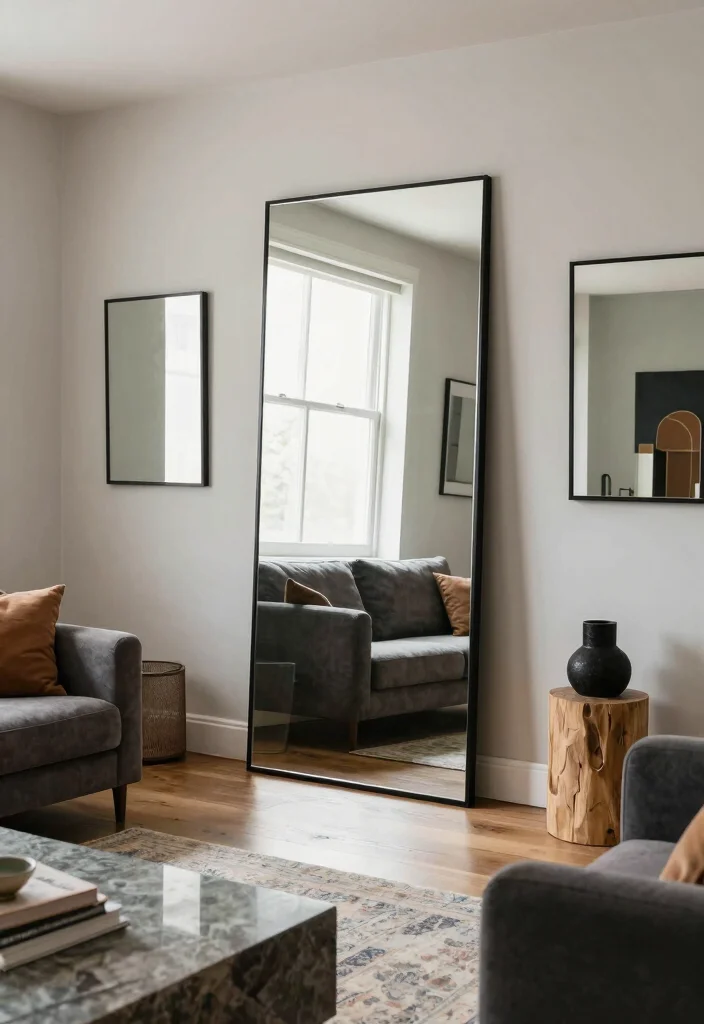
Mirrors are a fantastic option for making small spaces feel larger and more inviting. By reflecting light and creating depth, mirrors can significantly transform the ambiance of your living room. Positioning them thoughtfully can enhance both natural and artificial light, brightening the overall atmosphere.
A large mirror on a wall can act as a stunning focal piece, while mixing various shapes and sizes adds an eclectic charm. Just be careful to keep other wall decor minimal to prevent visual clutter. This design choice not only opens up the space but also adds a touch of elegance.
Here are some mirror placement ideas:
– Hang mirrors opposite windows to maximize light reflection.
– Use mirrored furniture to add glamour and light.
– Incorporate small mirrored accents to unify the decor.
This clever use of mirrors enhances your living room’s aesthetic and spatial perception, making it feel more expansive and inviting.
8. Use Light Colors
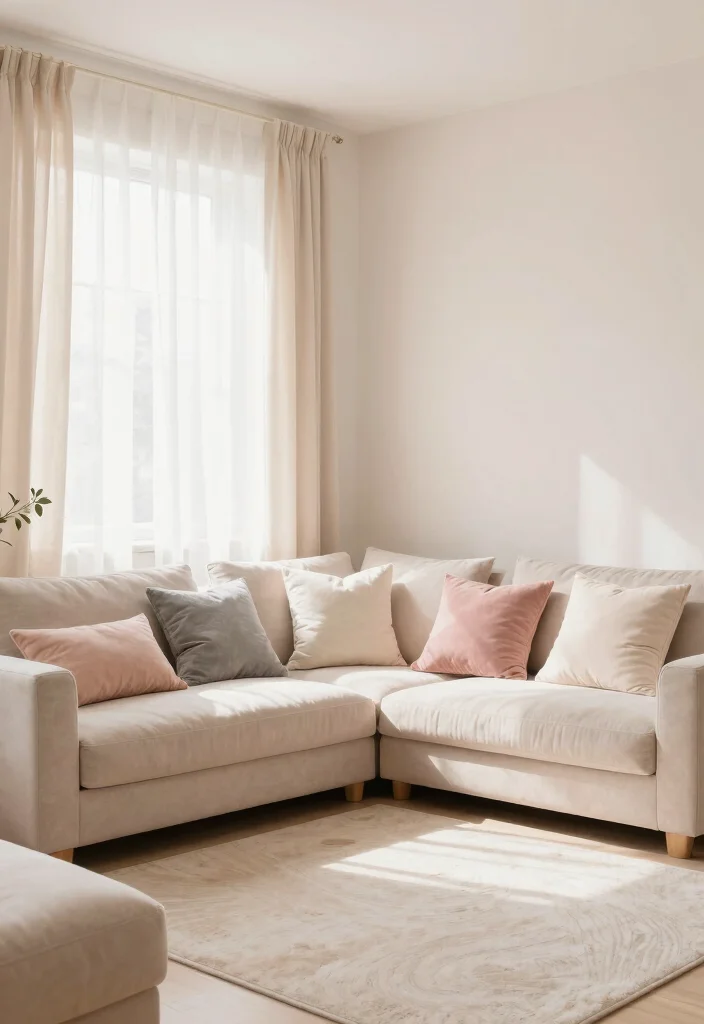
The color palette you choose has a significant impact on how spacious your living room feels. Light shades, such as whites, creams, and pastels, reflect light and create an open atmosphere. While darker colors can add coziness, they may also make a space feel closed in.
If you prefer darker hues, consider using them as accents rather than dominant colors. For example, a dark accent wall paired with lighter furniture creates a harmonious balance without overwhelming the space. This thoughtful approach allows you to achieve the desired ambiance while maintaining an airy feel.
Here are some color application tips:
– Use light-colored textiles like curtains and cushions for brightness.
– Paint ceilings in lighter shades to create height illusions.
– Incorporate colorful accents to express personality without compromising spaciousness.
This careful selection of colors enriches your living room’s design, ensuring it feels inviting and expansive.
You might also like
9. Keep it Minimal
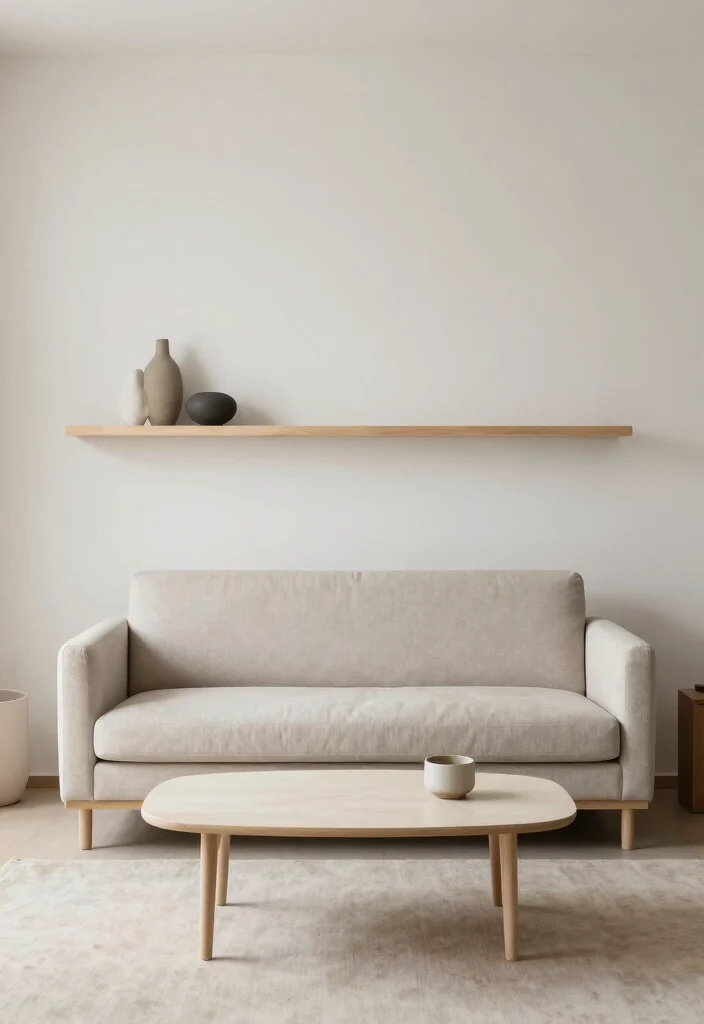
In a small living room, embracing minimalism can create a serene and open atmosphere. Focusing on essential pieces allows you to reduce clutter and maintain a clean look. Avoid over-decorating by selecting a few key items that reflect your personality while giving them room to shine.
Consider storage solutions that keep items out of sight, helping you maintain a tidy environment. Regularly curating your belongings ensures you don’t accumulate unnecessary clutter. This approach not only enhances functionality but also elevates the overall design.
Here are some minimalism tips to consider:
– Limit displayed pieces for a clean and cohesive look.
– Use matching or monochromatic colors to enhance unity.
– Invest in quality furniture and decor for lasting appeal.
This commitment to minimalism leads to a more tranquil living space, allowing you to enjoy your surroundings fully.
10. Layer Textures
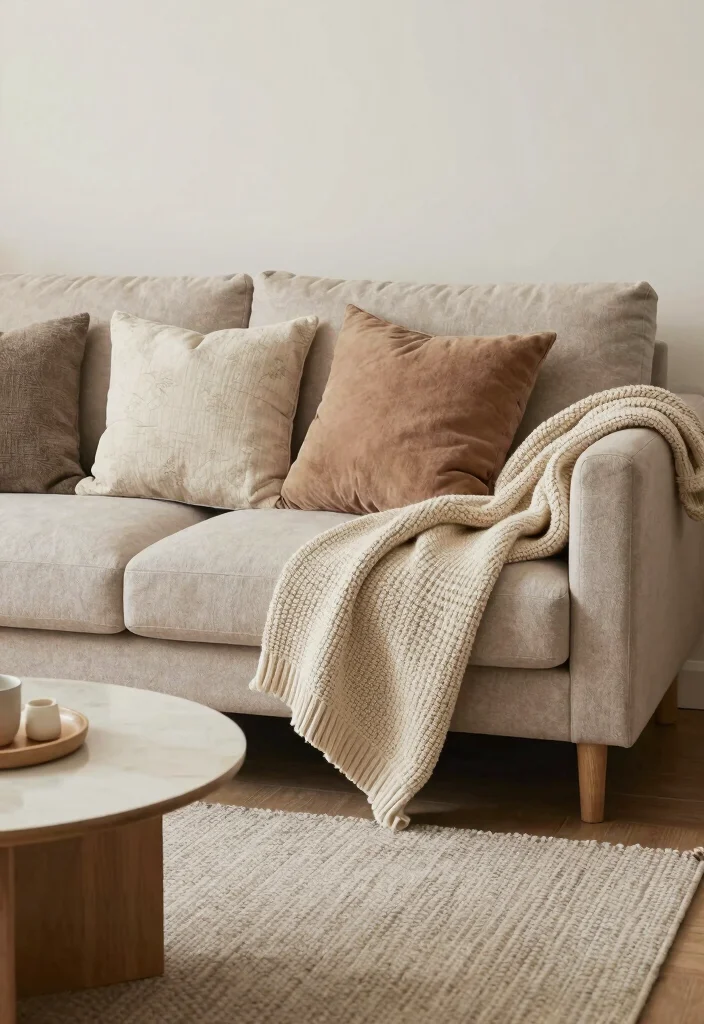
Incorporating a variety of textures can add depth and warmth to your small living room. Layering different materials creates visual interest, making the space feel more inviting and comfortable. Use soft textiles, like cushions and throws, alongside harder surfaces, like wood or metal, to strike a balance that enhances your design.
Mixing textures not only adds dimension but also invites touch, making your living area feel cozy and appealing. For instance, pairing a plush rug with a sleek coffee table creates an inviting contrast that feels both modern and welcoming.
Here are some ideas for layering textures:
– Experiment with various materials in upholstery and decor.
– Incorporate natural elements, like wood or plants, for warmth.
– Use diverse textures within a cohesive color palette for harmony.
This thoughtful layering approach enriches your living room’s design, enhancing both style and comfort.
11. Use Decorative Screens
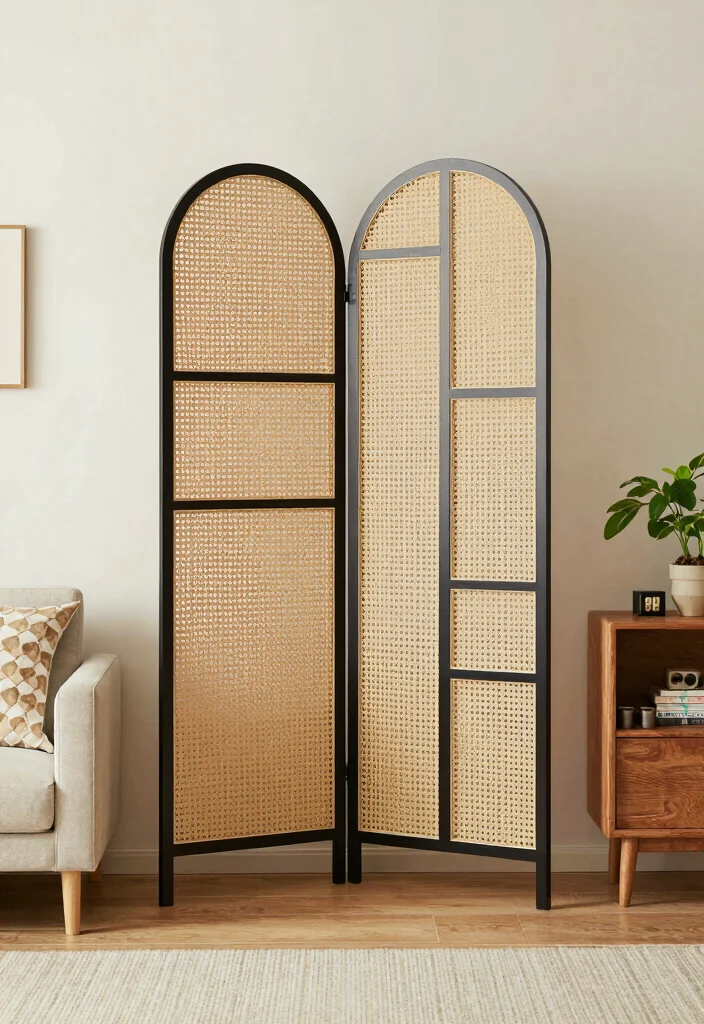
Decorative screens can serve as stylish room dividers in small living rooms, creating unique zones while adding visual interest. These versatile pieces can delineate areas without the need for permanent walls, enhancing the overall design. Many screens come in beautiful designs, making them an attractive addition to your decor.
When selecting a screen, choose one that complements your color scheme and style. Whether modern, bohemian, or vintage, screens can subtly guide the eye while maintaining an open feel. This clever use of space enhances functionality and aesthetic harmony.
Consider these tips when incorporating screens:
– Opt for lightweight materials for easy rearrangement.
– Use screens as backdrops for plants or artwork for added depth.
– Choose folding screens for versatility in different layouts.
This stylish solution enhances the functionality of your living room while adding a touch of elegance.
12. Personalize with Art
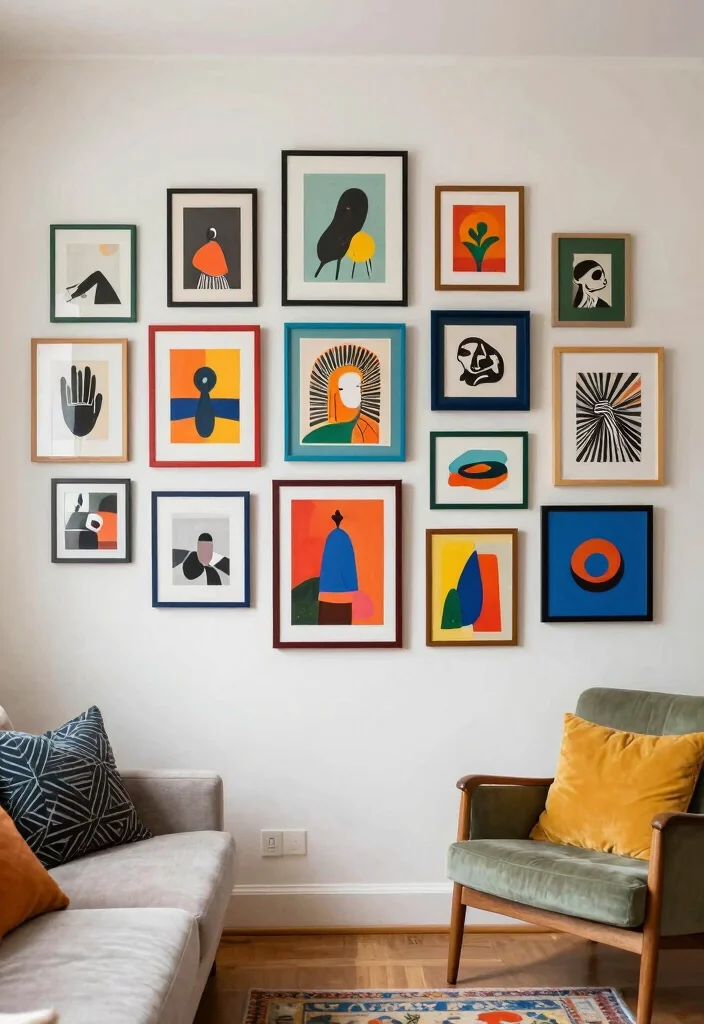
Art adds personality and vibrancy to your small living room, transforming blank walls into engaging focal points. Creating a gallery wall or showcasing standout pieces can turn your space into a reflection of your unique style. When selecting art, consider how each piece complements your existing decor and resonates with your personal taste.
Mixing different styles, sizes, and frames can create a dynamic presentation that captures attention. Ensure that your arrangement remains balanced to avoid overwhelming the viewer, while art should evoke joy and enhance the overall atmosphere.
Here are some tips for displaying art effectively:
– Choose pieces that reflect your lifestyle and interests.
– Use wall-mounted lighting to highlight specific works.
– Keep floors clear to emphasize your art displays.
This personal touch enriches your living room’s ambiance, making it feel vibrant and inviting.


13. Choose Modular Pieces
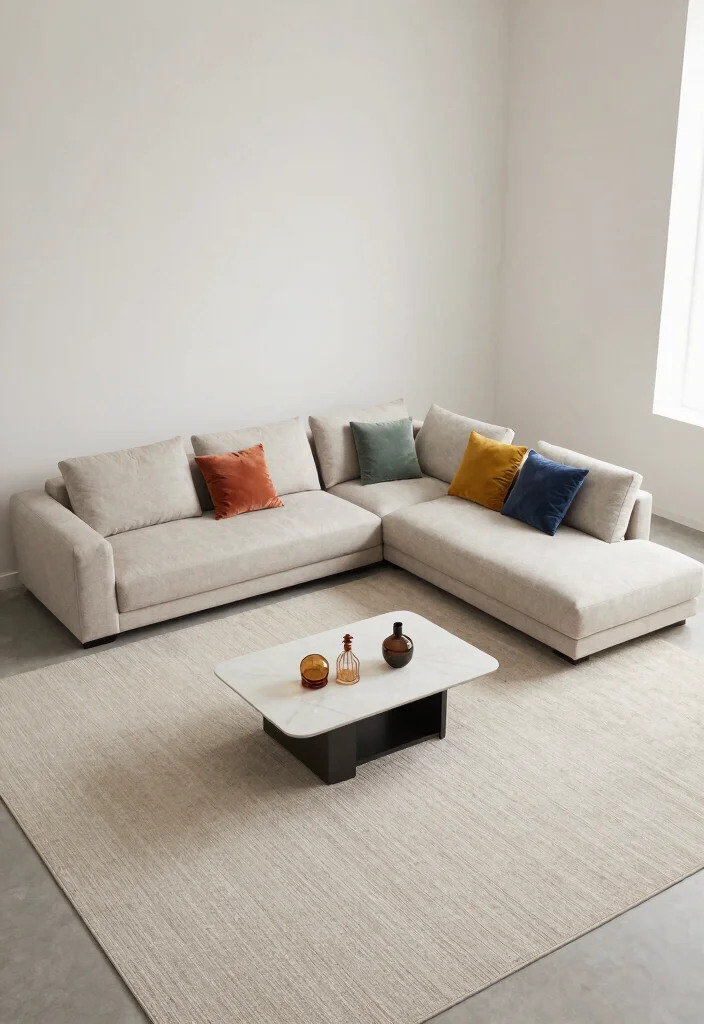
Modular furniture offers incredible flexibility, making it an ideal choice for small living rooms. These adaptable pieces can be rearranged or resized to suit your needs, allowing you to create various configurations based on your lifestyle. For example, sofas with modular components can be changed into different shapes, accommodating different seating arrangements for gatherings.
In addition to flexibility, many modular options come with built-in storage, maximizing usability while maintaining a modern aesthetic. This versatility ensures your living room can evolve alongside your needs.
Consider these benefits of modular furniture:
– Invest in pieces that adapt to your changing requirements.
– Rearrange as needed to suit different activities.
– Look for options in various colors to match your decor.
This choice enhances your living area’s functionality while keeping your design fresh and stylish.
14. Utilize Under-Furniture Storage
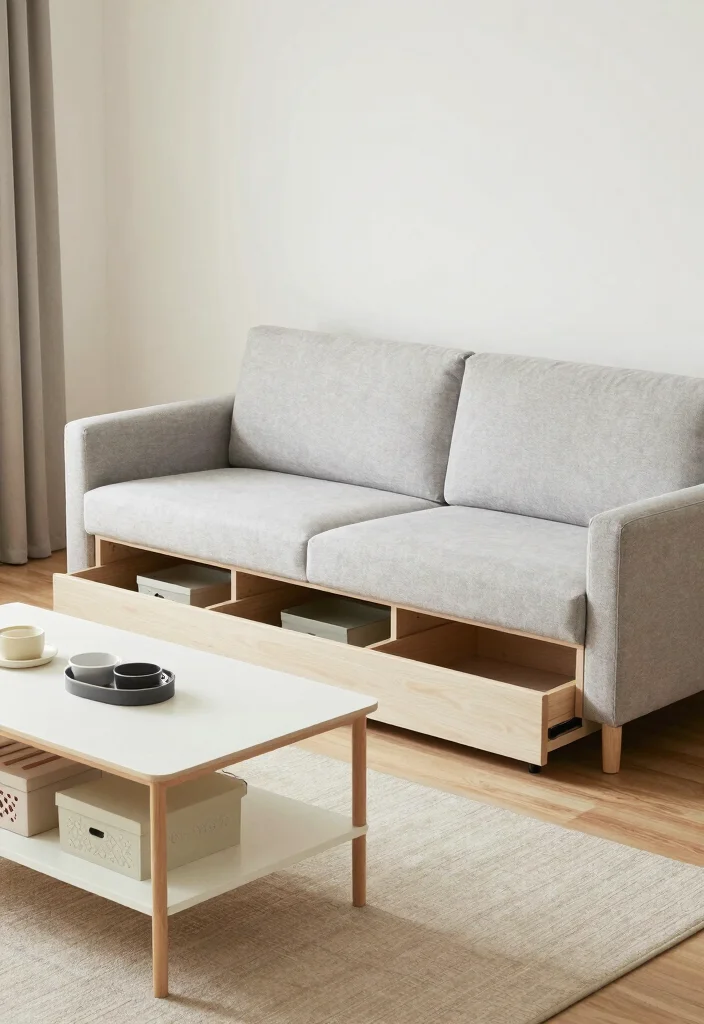
Maximizing space in a small living room often means thinking beneath your feet. Utilizing under-furniture storage cleverly keeps your items organized while maintaining a tidy appearance. Many sofas and benches come with built-in compartments, while other furniture can be adapted to accommodate storage solutions underneath.
Consider using decorative boxes or baskets that fit under your coffee table or bed, providing a stylish way to store blankets or magazines. This approach keeps your belongings accessible yet out of sight, contributing to a clean and organized aesthetic.
Here are some storage ideas to consider:
– Choose furniture with elevated legs for easier access.
– Use decorative bins that match your decor for hidden storage.
– Regularly declutter to keep only what you truly need.
This strategy enhances your living room’s functionality while ensuring it remains visually appealing.
“Arranging furniture in small living room? Under-furniture storage is your quiet hero—stow blankets, remotes, and magazines out of sight but easy to grab. Use decorative baskets under the coffee table to keep clutter at bay and space feeling open.”
You Might Also Like
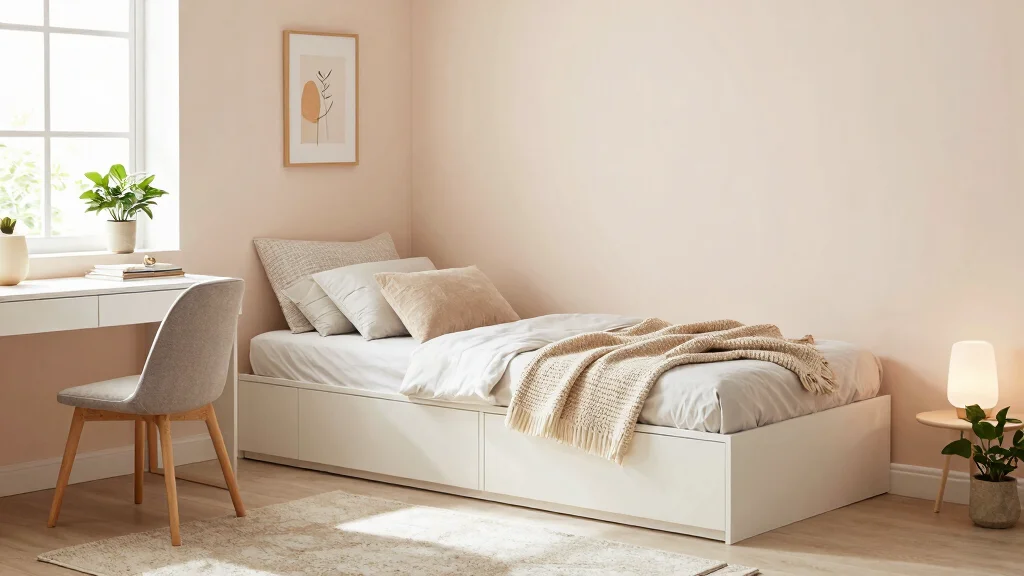
15. Add Soft Lighting
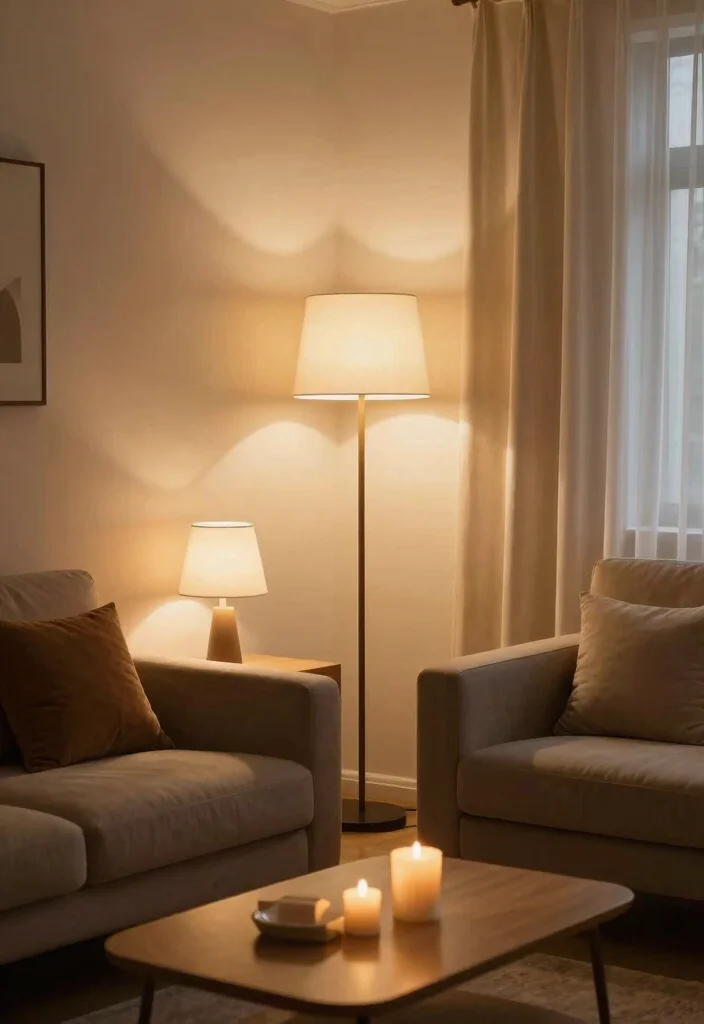
The right lighting can dramatically transform the ambiance of your living room. In small spaces, soft, warm lighting creates a cozy and welcoming atmosphere. Incorporate table lamps, floor lamps, or wall sconces to provide layered lighting solutions without cluttering the area.
Consider installing dimmer switches to adjust brightness based on your mood or time of day. Using LED bulbs not only supports energy efficiency but also ensures your fixtures complement your overall decor style.
Here are some lighting tips to enhance your space:
– Mix various light sources for a warm, inviting feel.
– Use uniquely designed lamps to add character to your decor.
– Focus lighting on key areas to avoid overwhelming brightness.
This thoughtful approach to lighting enhances your living room’s overall atmosphere and makes it feel more inviting.
16. Incorporate Nature
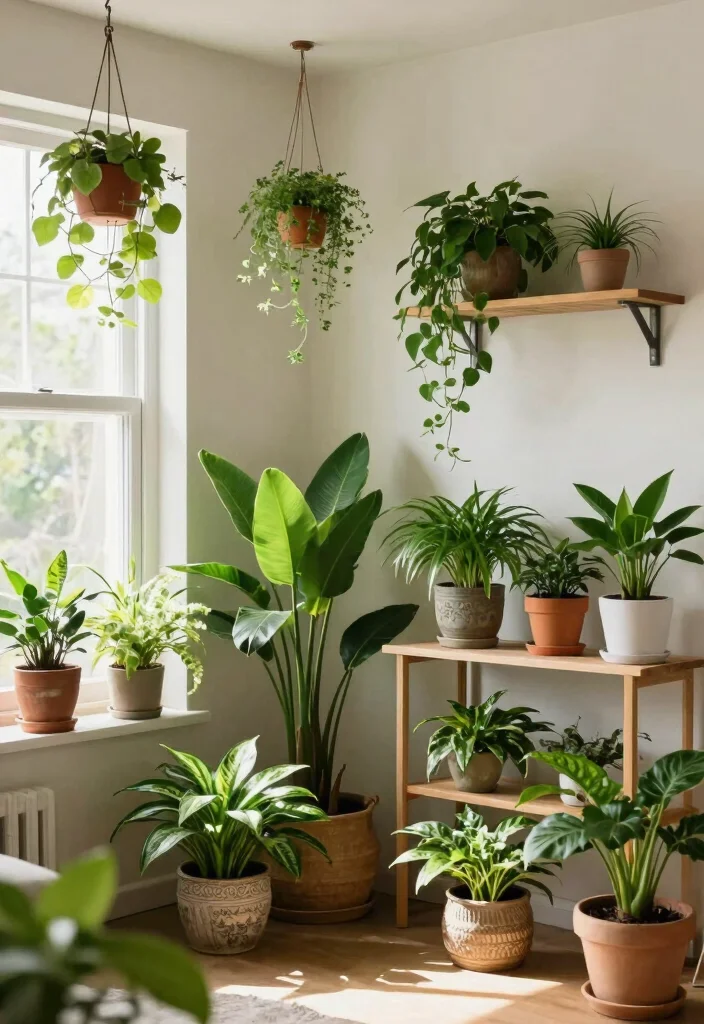
Bringing nature indoors can breathe fresh life into your small living room. Plants not only improve air quality but also add color and texture to your decor. When selecting plants, choose varieties that thrive indoors and require minimal care, such as succulents or snake plants.
Consider using different heights and types of plants to add dimension to your space. Hanging plants can save floor space while creating visual interest. When arranging plants, strategically position them as focal points without overcrowding the room.
Here are some tips for incorporating greenery:
– Use decorative planters that match your decor style.
– Position plants near light sources for healthy growth.
– Incorporate small pots on shelves or tables for an organic touch.
This infusion of nature enhances your living room’s atmosphere, making it feel vibrant and alive.
In arranging furniture in small living room, 2–4 well-placed plants can boost mood and air quality. Hanging greens save up to 20% of floor space, adding height and color without clutter.
17. Reconsider Seating Arrangements
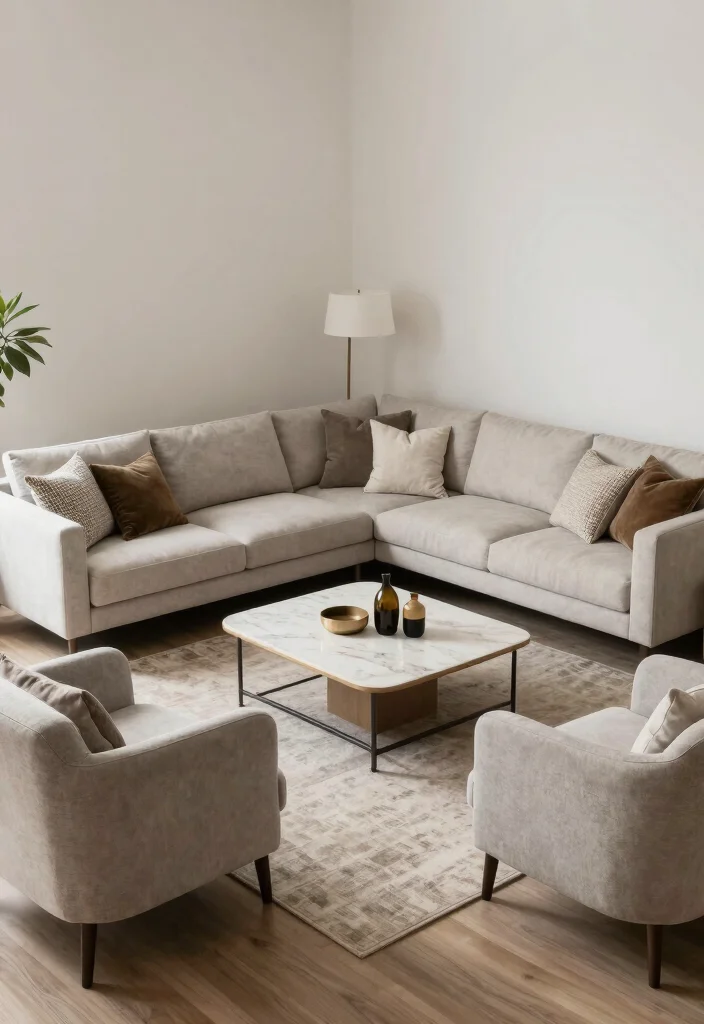
The arrangement of seating in your living room plays a crucial role in how the space feels. Instead of placing the sofa against the wall, try creating a more intimate layout with chairs facing each other or a sectional that fosters conversation. This encourages a welcoming vibe while maximizing the available space.
Experimenting with different arrangements can help you discover what works best for your activities. In smaller rooms, circular seating arrangements can feel more open and inviting. Ensuring that seating is flexible allows for easy adjustments as needed.
Consider these arrangement ideas:
– Use lightweight chairs that can be easily repositioned.
– Create small groupings for casual conversations.
– Incorporate a bench for additional seating flexibility.
This thoughtful seating arrangement contributes to a more inviting living room that encourages connection and comfort.
18. Keep it Functional
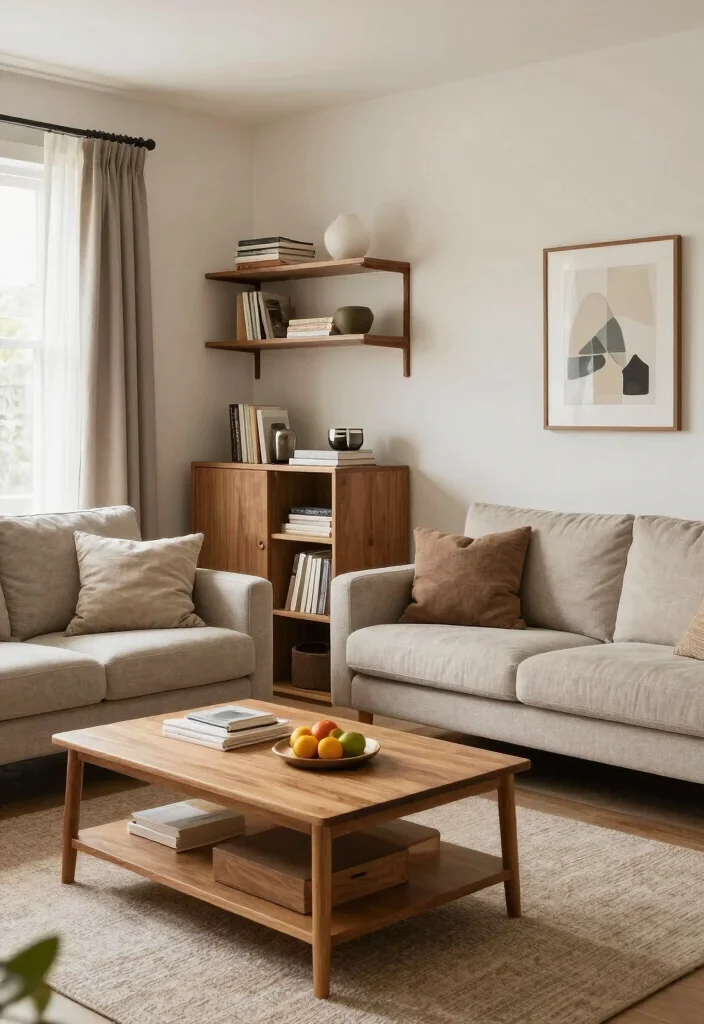
Ensuring your living room is functional is key to maximizing your space’s potential. Think about how you use your living room daily and arrange your furniture to suit those activities. Prioritize comfort and accessibility, making sure every piece serves a purpose or enhances your experience.
Evaluate your necessities and adjust your layout accordingly. Multi-use furniture helps minimize clutter while providing a comfortable environment. Remember, a well-functioning space leads to a more enjoyable living experience.
Here are some functional tips to consider:
– Regularly reassess your layout based on changing needs.
– Maintain a balance between aesthetics and practicality.
– Choose durable furniture for long-term comfort.
This focus on functionality ensures your living room is not only beautiful but also a practical haven for everyday life.
Conclusion
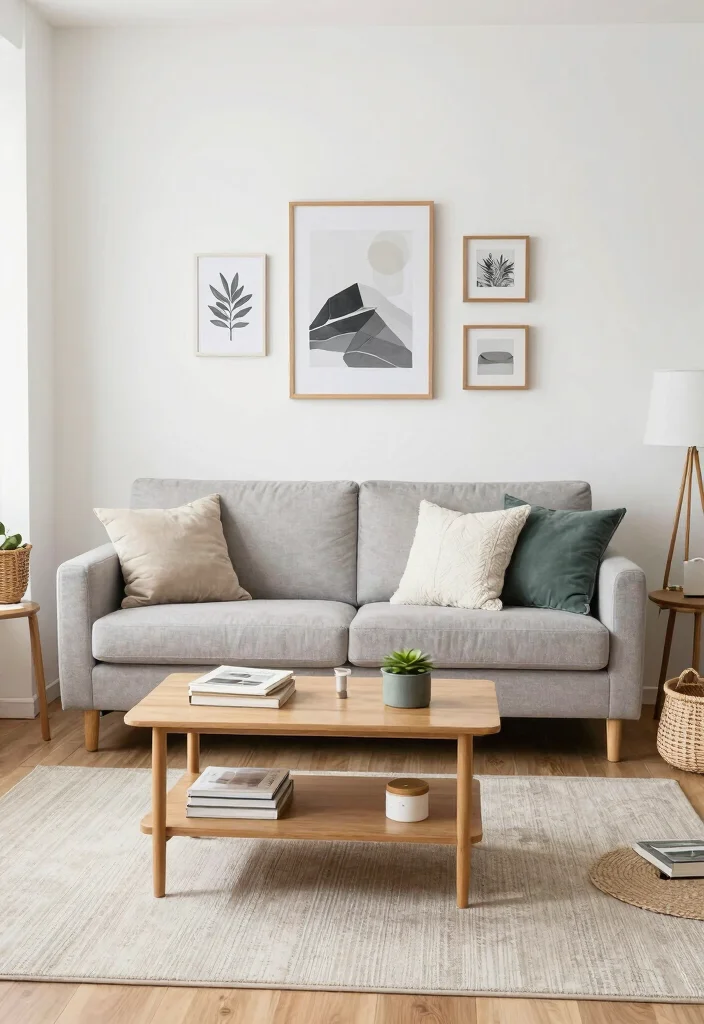
Arranging furniture in a small living room doesn’t have to be a struggle. With the right strategies, you can create a space that is both functional and stylish.
From embracing multi-functional furniture to optimizing the layout, every small decision can lead to a significant transformation.
By thoughtfully considering your space and applying these tips, your small living room can become a beautiful and inviting escape that reflects your personality.
Related Topics