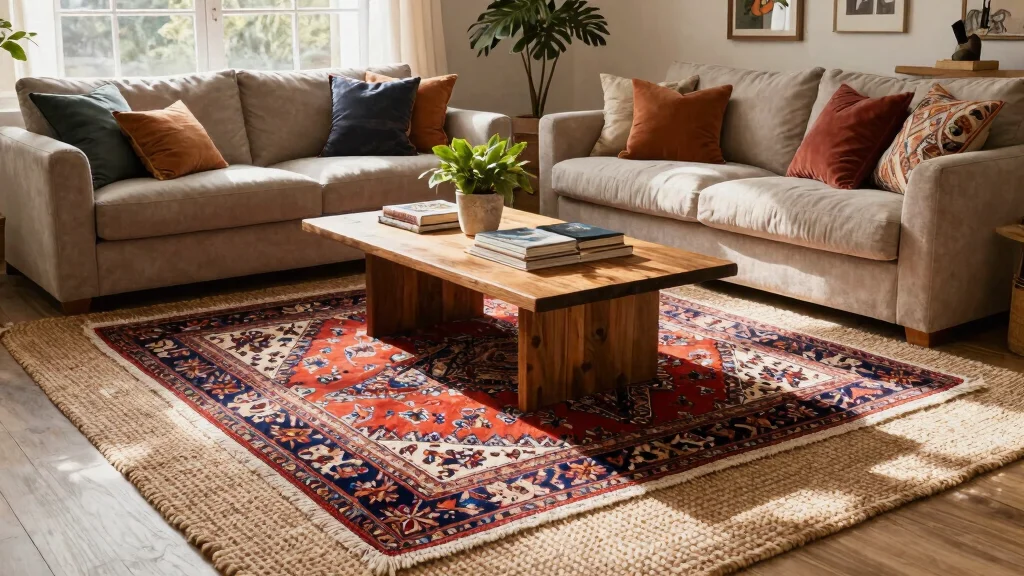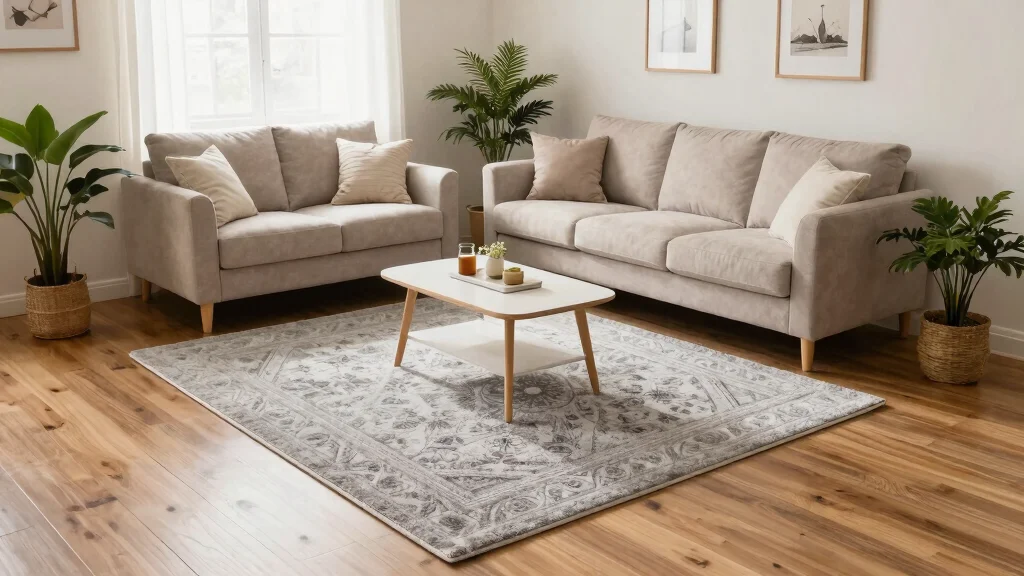

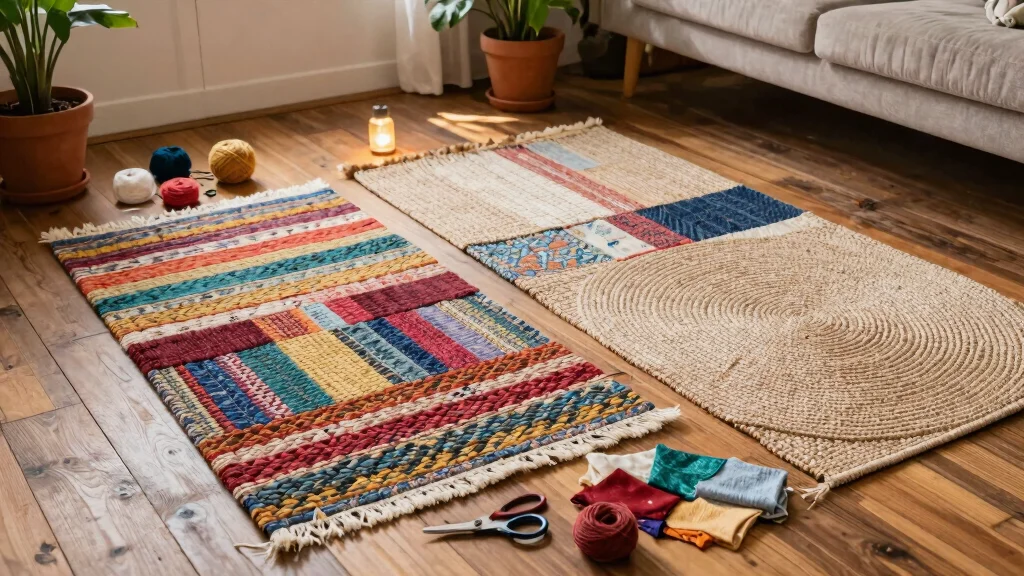
When it comes to home decor, few things can transform a space quite like a beautiful rug. This time of year always reminds me of cozy evenings spent curled up in my living room, feeling the soft texture of a handmade rug underfoot. If you’re someone who loves to add a personal touch to your home while being eco-friendly, this post is for you. I’ve gathered 15 creative DIY homemade rug ideas that not only look great but are also budget-friendly, allowing you to express your style without breaking the bank.
These projects are perfect if you want to take your home decor to the next level. From upcycled denim to colorful pom-poms, you’ll find something here that suits your taste and skill level. Each idea is designed to help you create stunning handmade area rugs that enhance your living space. So roll up your sleeves and get ready for some fun! You’ll discover practical instructions, tips, and tricks that make these DIY rug projects enjoyable for all skill levels, turning your floors into a canvas of creativity.
Key Takeaways
– Explore 15 unique DIY homemade rug ideas that are eco-friendly and budget-friendly.
– Each project uses accessible materials, making them perfect for beginners and experienced crafters alike.
– Discover how to create rugs that reflect your personal style and enhance your home’s aesthetic.
– Get practical tips and step-by-step instructions to help you successfully complete each rug project.
– Enjoy the satisfaction of crafting your own floor coverings while being kind to the environment.
Recommended Products

CONTENTS: One (1) COTTON CRAFT Birmingham Handwoven Reversible Chindi Area Rug in Multicolor, measures 2' x 3'
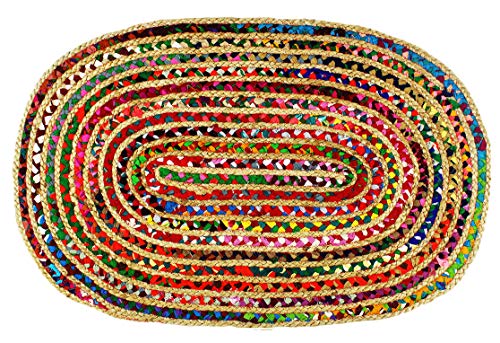
CONTENTS: One (1) COTTON CRAFT Kaia Handwoven Reversible Chindi Area Rug in Multicolor, measures 2' x 3'. The rug is approximately 0.35 inches thick.

Accent Colors - Ivory, Beige, Light Brown, Dark Brown, Gray
1. Braided Fabric Rug
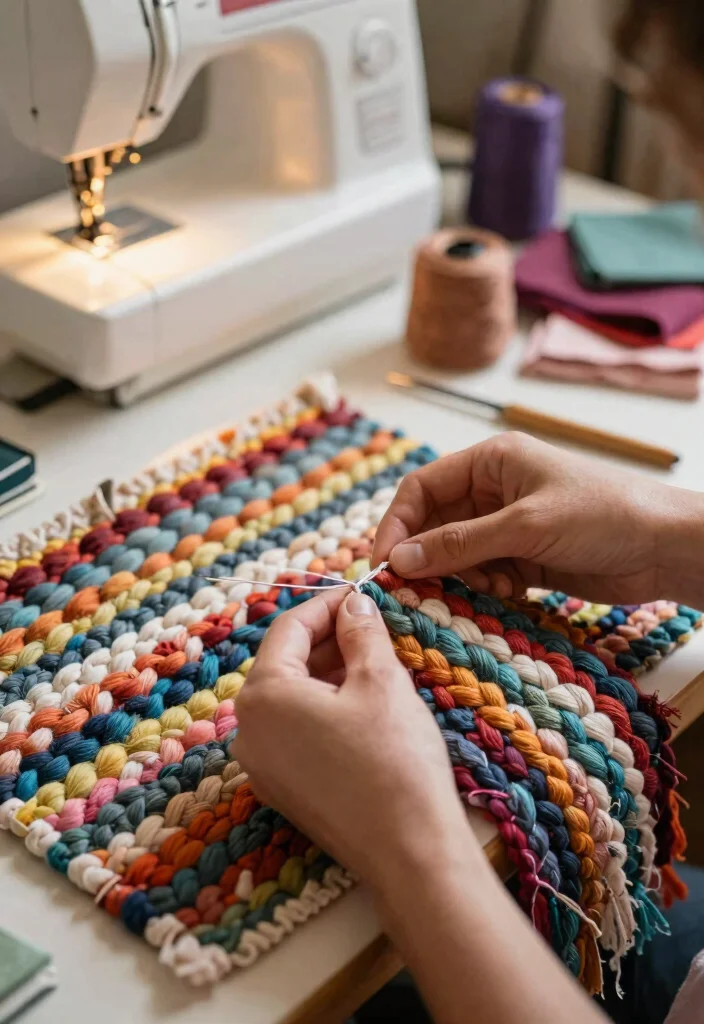
Embrace a charming and classic touch with a braided fabric rug. This design not only adds beauty but also brings a cozy, handmade feel to your home. Using old t-shirts or cotton fabric strips, you can create a vibrant and durable floor covering that speaks to sustainability and creativity. Imagine the colorful patterns you can weave together, making your space feel inviting and personal.
To get started, gather your fabric strips and enjoy the satisfying process of braiding. This project is budget-friendly, as it repurposes materials that might otherwise go to waste. The result is a rug that can withstand daily wear while also offering a pop of color to your decor.
Consider these steps to craft your own:
– Cut your fabric into strips.
– Braid three strips together for about two feet.
– Start coiling the braid into a circular shape and sew it down as you go.
– Continue adding more braids until you reach your desired size.
Creating a braided rug is not just a DIY task; it’s a way to express your unique style. The combination of textures and colors enhances the overall aesthetic, making it a beautiful addition to any room.
Recommended Products

Easy Grip Large Pom Poms: our yarn pom poms come in sizes of 3.5 inches, ideal for crafting and decor; These large pom poms are colorful fuzzy balls, adding charm to tables and gifts without worrying about losing them

NATURAL RUG : This handcrafted area rug measuring 24 by 36 inches embodies unparalleled quality and attention to detail, as skilled artisans meticulously craft each piece. Made from a natural blend of jute and cotton fibers, this rug offers an eco-friendly choice for your home decor. With its exceptional craftsmanship, eco-conscious materials, and luxurious softness, this rug is the perfect addition to elevate the aesthetic and comfort of your living space.

NATURAL RUG : This handcrafted area rug measuring 48 inches in diameter embodies unparalleled quality and attention to detail, as skilled artisans meticulously craft each piece. Made from a natural blend of jute and cotton fibers, this rug offers an eco-friendly choice for your home decor. With its exceptional craftsmanship, eco-conscious materials, and luxurious softness, this rug is the perfect addition to elevate the aesthetic and comfort of your living space.
2. Upcycled Denim Rug
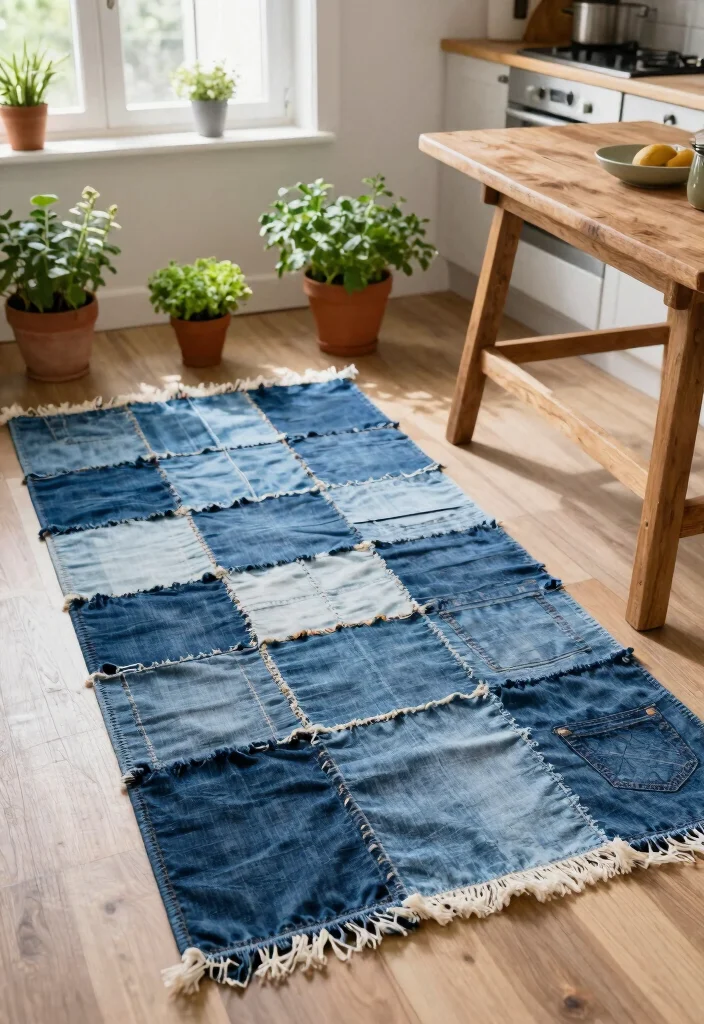
Transform your old jeans into a stylish upcycled denim rug! This DIY project merges practicality with creativity, as the durability of denim makes it a perfect choice for any room. By breathing new life into discarded clothes, you can craft a unique piece that carries personality and charm.
To create this rug, gather your denim scraps and let your imagination guide you. It’s a fantastic way to reduce waste while making a statement in your home. You can showcase your personal style by mixing different shades and patterns.
Here’s how to make your own:
– Cut the denim into squares or strips.
– Arrange them in a pattern you love, perhaps alternating shades of blue.
– Use a sewing machine or fabric glue to attach them together.
– Finish by adding a non-slip backing for safety.
This upcycled rug not only adds a rustic touch to your decor but also promotes sustainable practices. Its texture and color variations will enhance any space, making it both functional and visually appealing.
Recommended Products

UNIQUE DESIGN: Unique pattern design and style design novel, comfortable color matching, beige and dusty rose of macrame wall hanging with elegant and retro effect, which is a different Bohemian style. Bring a different feel and interest to the walls you’d like to decorate
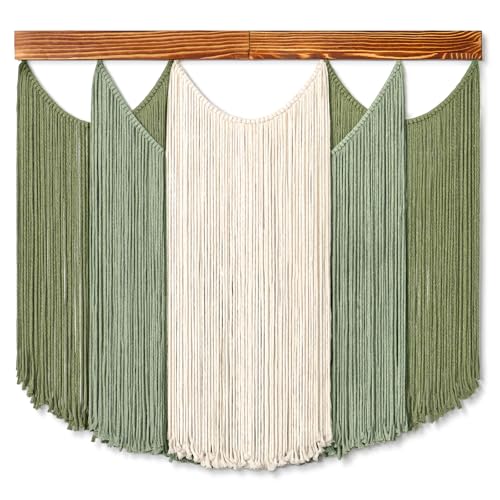
【Premium Material】This green macrame wall hanging is crafted from durable cotton thread. It also serves as a boho tapestry and large wall art. Through fine dyeing, it achieves evenly distributed, fade-resistant, and vibrant hues. Featuring a smooth and soft surface, it is easy to weave by hand. It is perfect as macrame wall decor or boho wall art for living rooms, and also as a tapestry for bedrooms.

3. T-shirt Rag Rug
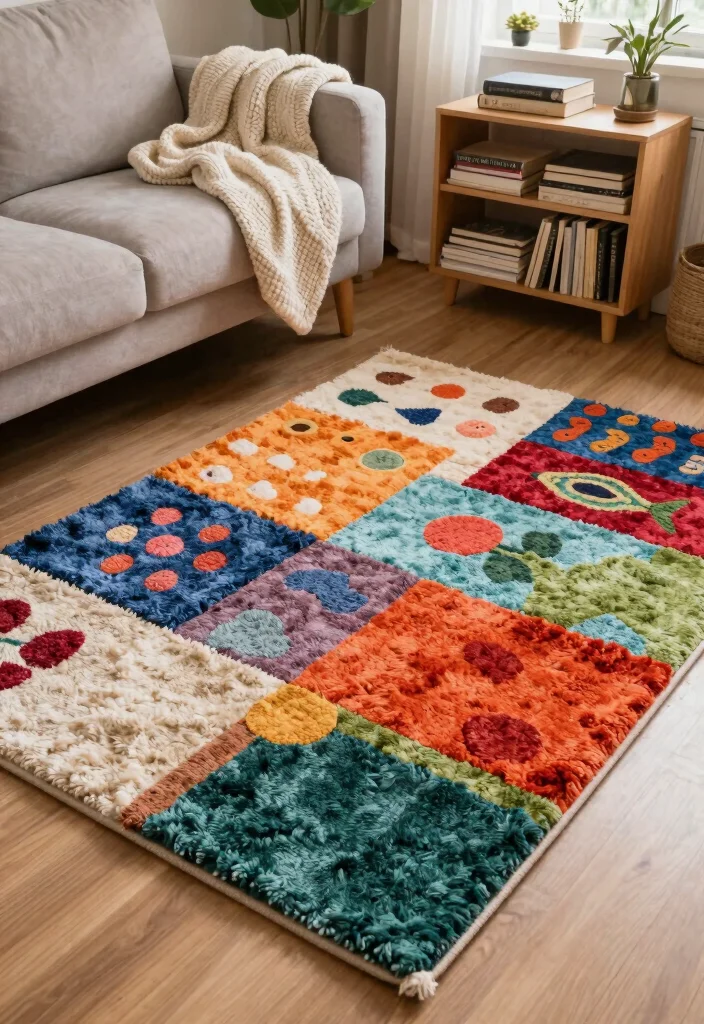
A T-shirt rag rug is an ideal project for beginners, offering a delightful way to clear out your closet while creating something beautiful. With just a few old t-shirts, scissors, and basic crochet skills, you can craft a stylish addition to your home that’s both practical and fun.
This DIY rug transforms fabric scraps into a cozy piece that enhances your space. The vibrant colors and soft texture make it perfect for any room, especially a living space or play area. Plus, it’s a great conversation starter, showcasing your creativity and resourcefulness.
Follow these simple steps to create your rag rug:
– Cut t-shirts into 1-inch strips.
– Use a crochet hook to weave the strips into a circular or oval shape.
– Keep adding strips as needed until you reach your desired size.
The tactile nature of this rug makes it a warm addition to your home. Each unique piece reflects your personal style, adding character and charm to your decor.
Recommended Products

[HANDMADE CRAFTSMANSHIP]: Expertly hand-woven by skilled artisans from braided, plant-based jute fibers for a rich, textured look and natural feel; slight variations in color and size make each flatweave area rug truly one-of-a-kind

[HANDMADE CRAFTSMANSHIP]: Expertly hand-woven by skilled artisans from braided, plant-based jute fibers for a rich, textured look and natural feel; slight variations in color and size make each flatweave area rug truly one-of-a-kind

Fade-Resistant Dyes | The Detail Customers Notice First: Our high-pressure dyeing process pushes color deep into every jute fiber. Not just the surface. Rich, saturated tones that hold up against sunlight, foot traffic, and cleaning. Spot clean a spill and the color stays true, no smudging. Colors arrive true to what you see and look even richer under natural light. Surface-level dyes smudge easily and fade early. Ours stay rich for years.
🏡 Transform Your Home Today!
Unlock the secrets to stunning home makeovers with our expert DIY guide and elevate your decor effortlessly.
4. Jute Twine Rug
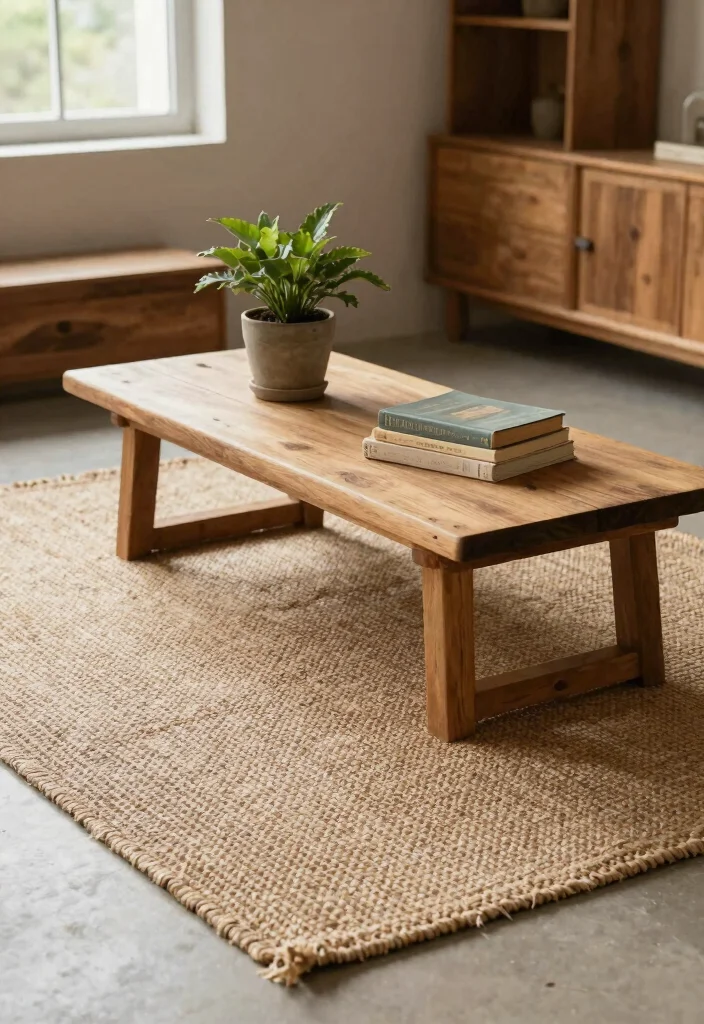
Introduce an earthy vibe into your home with a jute twine rug! This rustic piece enhances the natural aesthetic of your space while being eco-friendly. The soothing process of wrapping jute twine creates a beautiful, textured rug that you’ll be proud to showcase.
This DIY project is not only enjoyable but also budget-friendly, utilizing materials that are often readily available. The jute adds warmth and character, making it a versatile choice for various decor styles.
Here’s how to craft your own jute twine rug:
– Start with a circular or rectangular base (like a piece of cardboard).
– Gradually wrap jute twine around the base, securing it with hot glue as you go.
– Continue wrapping until the entire base is covered, adjusting the tightness as desired.
This rug can beautifully complement any room, from a cozy reading nook to a stylish living area. Its natural texture and color will enrich your decor, creating a welcoming atmosphere.
Recommended Products

[Natural Cotton Rope] Made from natural unbleached cotton fibers with a soft beige color. Odor-free, safe to use, and gentle to handle, ideal for DIY crafts.

Braided rug colors :Ivory, Light Gray, Rose Red, Rust, Blue, Tan

NATURAL RUG : This handcrafted area rug measuring 24 by 72 inches embodies unparalleled quality and attention to detail, as skilled artisans meticulously craft each piece. Made from a natural blend of jute and cotton fibers, this rug offers an eco-friendly choice for your home decor. With its exceptional craftsmanship, eco-conscious materials, and luxurious softness, this rug is the perfect addition to elevate the aesthetic and comfort of your living space.
5. Woven Fabric Scraps Rug
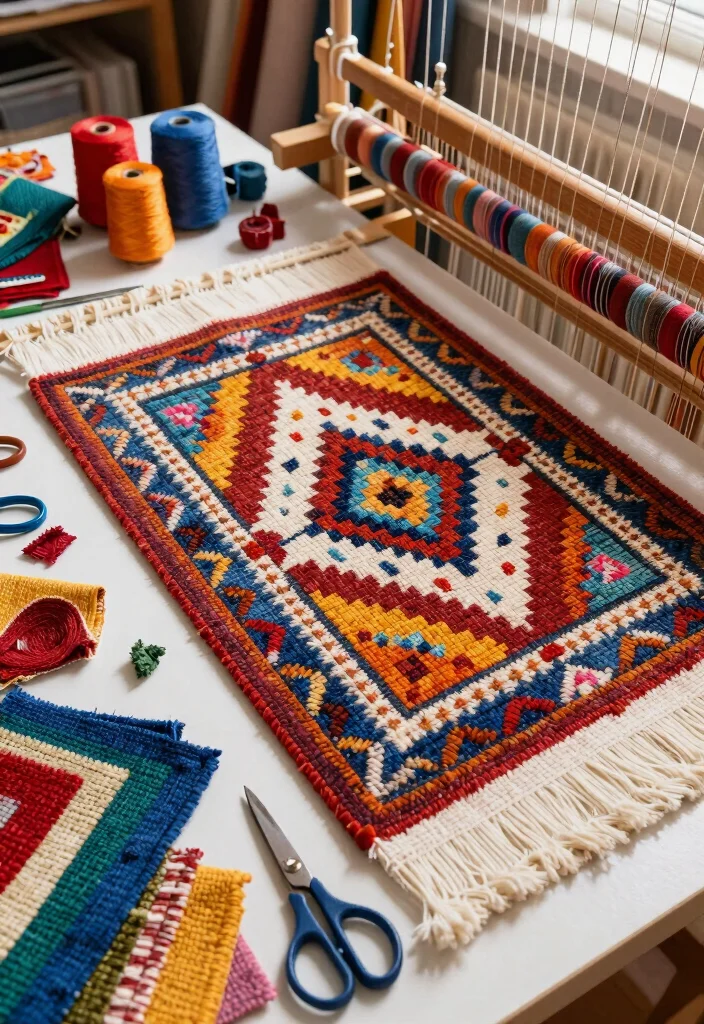
If you have a collection of fabric scraps, why not weave them into a stunning rug? This project allows you to creatively utilize leftover materials while crafting a unique piece that reflects your personal style. It’s a wonderful way to embrace a zero-waste mindset, transforming odds and ends into something beautiful.
Gather various fabric scraps and get ready to unleash your creativity. This project is not only fun but also showcases your artistic flair, making it a standout addition to any room. You can use a simple loom or even weave by hand to create your masterpiece.
To get started, follow these steps:
– Gather various fabric scraps, ensuring they are all roughly the same size.
– Weave them together using a simple loom or even by hand.
– Secure the ends and finish with a non-slip backing.
This rug celebrates the colors and textures of your materials, adding a personal touch to your space. Whether displayed as a wall hanging or used as a soft area rug, it’s sure to impress!
Fun fact: Weaving fabric scraps into homemade rugs can cut fabric waste by up to 40% in a single room. A simple swap creates a unique, zero-waste piece that reflects your personal style.
Recommended Products

[CONTENTS] 6 skeins per pack. Each skein is 50 grams; 13 yards (12 meters)

The information below is per-pack only

[CONTENTS] 6 skeins per pack. Each skein is 50 grams; 13 yards (12 meters)
6. Felt Ball Rug
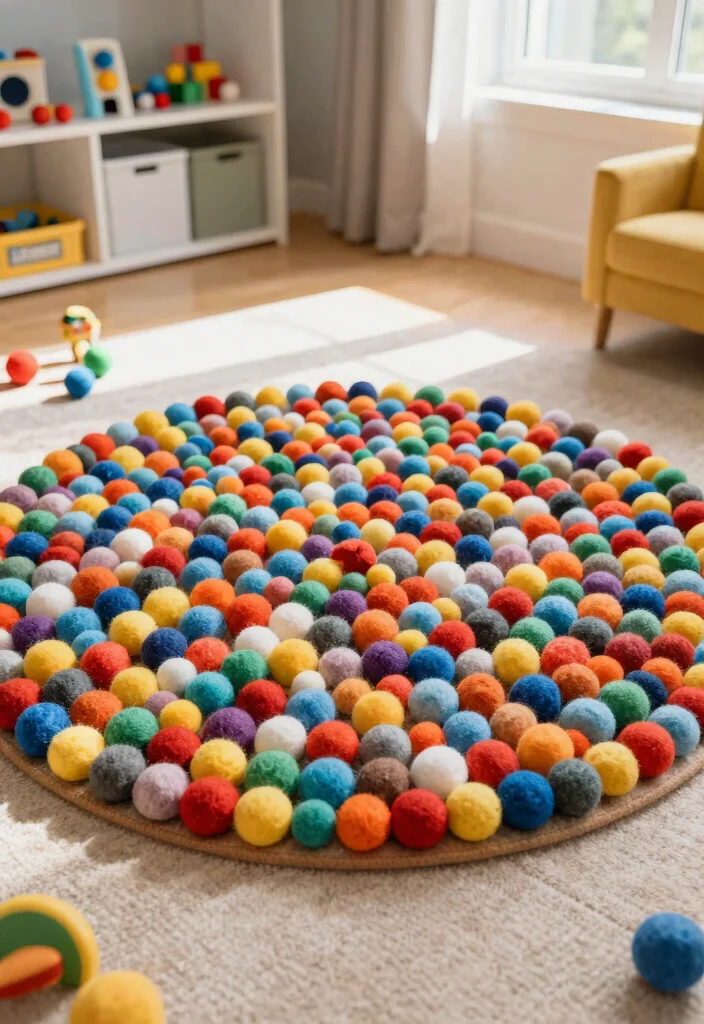
Brighten up your space with a cheerful felt ball rug! These rugs are not only soft and inviting but also add a playful touch to nurseries, playrooms, or any area where comfort and fun are key. Making one is simple, requiring felt balls that can be purchased or crafted at home.
This delightful project allows you to create a vibrant centerpiece that enhances the energy of any room. You can customize the colors to match your decor, ensuring it aligns perfectly with your style.
Follow these steps to create your own felt ball rug:
– Start by acquiring or making felt balls in various colors.
– Arrange the balls in a pattern that suits your style—try alternating colors for a playful look.
– Sew or glue the balls together, ensuring they’re tightly secured.
This rug will not only be a focal point in your decor but also provide a delightful sensory experience. Its bright colors and soft texture will bring joy to both kids and adults alike.
Recommended Products

Materials- natural cotton.

【Large Woven Tapestry】The large size 51.5"X33.5"(130.5X85cm) is a great fit for your wall, great size to place at any place of your house. The package includes 4 splicing wooden rods, which can be easily assembled into a large macrame wall hanging or also divided into multiple small wall decorations.

PREMIUM MACRAME CORD: Jumbo Braided 9mm Macramé cord (108yds/330ft) for Macramé, crochet, knitting or any other crafts. Great for making plant hangers, wall hangings, knit rugs, baskets, poufs, coasters, etc… Caution - it cannot be brushed out (see our Single Ply or 3 Ply range for this)!
7. Yarn Pom-Pom Rug
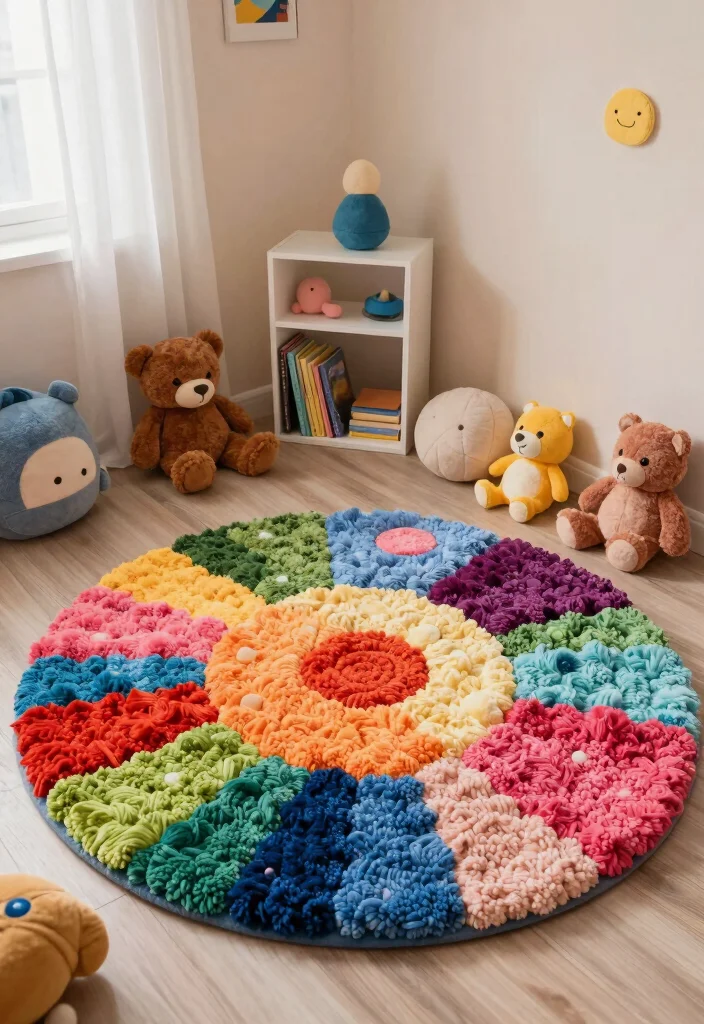
For a whimsical touch in your decor, a yarn pom-pom rug is a fantastic choice! While it may require a bit more effort, the stunning results are well worth it. You can easily customize this rug to match your color scheme, making it a personal statement piece for your home.
This playful project invites you to unleash your creativity and transform your space. The fluffy texture and vibrant hues of your pom-poms will surely brighten any room, making it an inviting spot to relax.
Here’s how to create your own yarn pom-pom rug:
– Create several yarn pom-poms using your favorite colors.
– Cut a backing fabric to your desired size.
– Sew the pom-poms onto the fabric, spacing them out as desired.
This rug adds a cheerful spirit to your home, making it perfect for a child’s room or a cozy reading nook. It’s not just a floor covering; it’s an experience that brings joy and comfort.
Recommended Products

Vibrant, Fade-Resistant Color That Still Draws Attention Years Later | Our high-pressure dyeing process pushes color deep into every jute fiber, not just the surface. Rich...
8. Knotted Macramé Rug
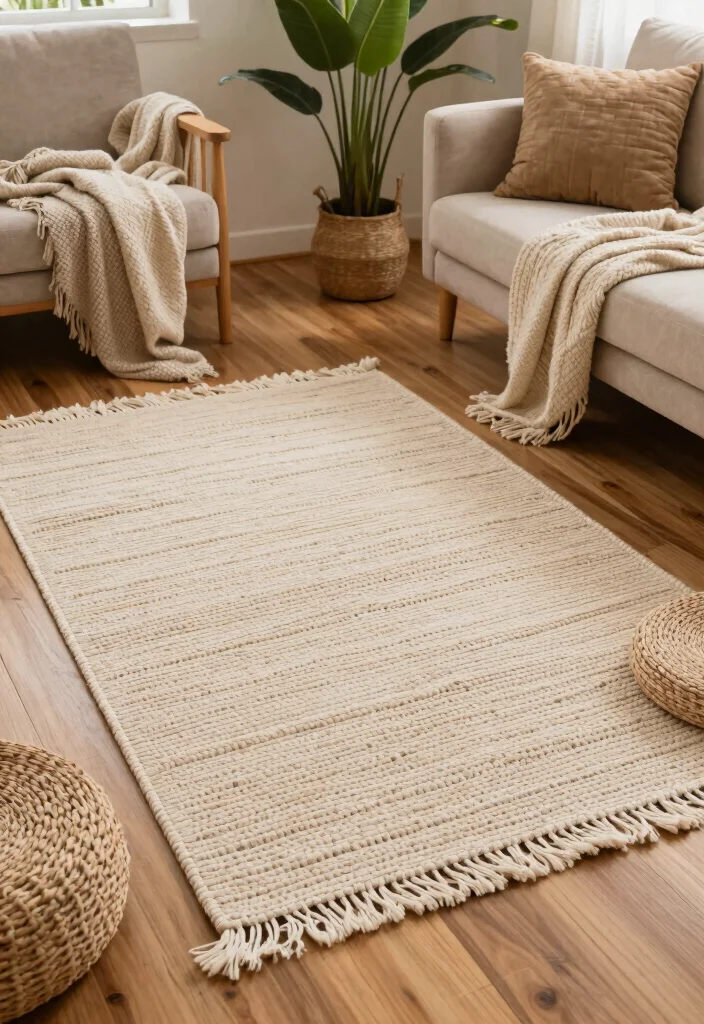
Elevate your space with a stunning knotted macramé rug! This project involves a bit of patience and skill, but the boho-chic vibe it brings to your home is undeniably rewarding. Using natural cotton or hemp rope, you can create a textured masterpiece that adds sophistication to any room.
This DIY rug is not only a stylish choice but also a fun way to engage in a hands-on project. The knots and patterns you create will add depth and interest to your decor, making it a true statement piece.
Follow these steps to make your macramé rug:
– Cut several lengths of rope (around 6-8 feet long).
– Create a base using a sturdy frame and start knotting using various macramé techniques.
– Finish by trimming the ends evenly to your desired length.
This rug works beautifully in living rooms, porches, or bedrooms, enhancing the natural aesthetic of your space. It’s more than just a rug; it’s a work of art that you’ll cherish.
Recommended Products

𝗦𝗼𝗳𝗲 & 𝗡𝗮𝘁𝘂𝗿𝗮𝗹: Made from softer and more elastic jute fibers and raffia, this durable runner rug promotes air circulation to help prevent moisture buildup underneath. Its breathable structure keeps floors fresher while adding a warm, organic feel to your space

Vibrant, Fade-Resistant Color That Still Draws Attention Years Later | Our high-pressure dyeing process pushes color deep into every jute fiber, not just the surface. Rich tones that hold up against sunlight, foot traffic, and spot cleaning. No smudging when you wipe a spill. Colors arrive true to what you see and look even richer under natural light. Surface-level dyes fade fast — ours stay rich through month six and beyond, long after the rug has settled into your home.

9. Crochet Rug
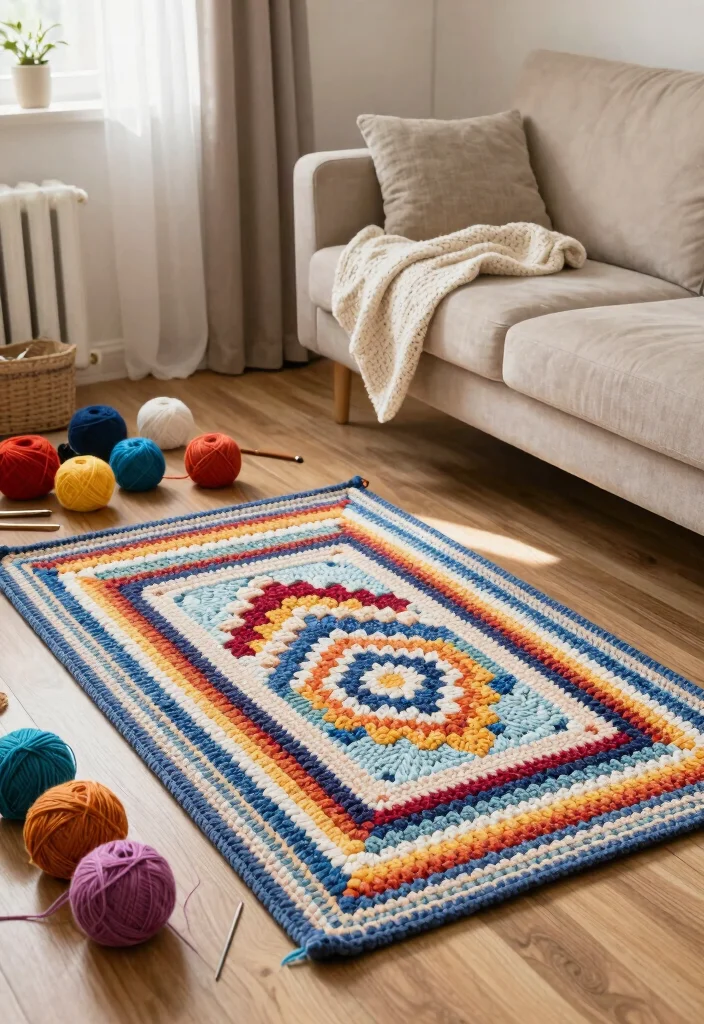
If you enjoy crocheting, a handmade crochet rug can bring both coziness and style to your home. With any type of yarn, you can create a rug in any shape that suits your space, from round to rectangular. This project is perfect for both beginners and experienced crafters alike.
The tactile feel of a crochet rug adds warmth and comfort to any room, making it a versatile addition to your decor. Plus, the ability to customize shapes and colors allows you to express your unique style.
Here’s how to create your crochet rug:
– Choose your yarn and crochet hook size.
– Start with a magic ring and crochet as per your favorite pattern.
– Continue until you achieve your desired size.
This crochet rug provides a soft and luxurious feel underfoot, enhancing the overall ambiance of your space. It’s a project that brings joy and personal touch to your home.
Crochet a rug, and suddenly your home feels handmade and warm. It’s the small, crafty details that make a space truly yours. From round to rectangular, customize colors and shapes to fit your vibe.
Recommended Products

Mater your craft!
Difficulty Rating & Requirements
Overall Difficulty Rating: Medium
Creating homemade rugs can vary in difficulty based on the chosen project. Some DIY rug projects, like a simple T-shirt rag rug, are quite accessible, while others, such as a knotted macramé rug, require a bit more skill. This makes it suitable for individuals with basic crafting skills as well as those looking to challenge themselves with more complex designs. It’s a fun way to add personal flair to your home while honing your crafting abilities!
Time Estimate:
⏱ Estimated time: 3-8 hours
The time required will depend on the complexity of the rug you choose to make. Here’s a breakdown of major phases:
– Planning & Gathering Materials: 1-2 hours
– Rug Construction: 2-5 hours
– Finishing Touches: 1 hour
Remember, projects like the braided fabric rug may take longer if you’re new to braiding techniques.
Skill Requirements:
– Required skills: Basic sewing, knotting, or weaving skills depending on the rug type
– Beginner-friendly: Yes
You can definitely start as a beginner, especially with simpler projects. Many skills, like knotting or basic sewing, can be learned during the process. More advanced techniques may require some prior experience, but tutorials and videos are widely available to help you along.
Tools & Materials Needed:
🧰 Essential items checklist:
– Fabric scraps (required): Old clothes or fabric remnants for a T-shirt rag rug
– Scissors (required): For cutting materials to the desired size
– Sewing machine (optional): Speeds up the process for certain rug types
– Hot glue gun (optional): Useful for securing fabric in some designs
– Yarn or twine (required): For braided and macramé rugs
– Measuring tape (required): To ensure your rug fit is just right
– Needle and thread (optional): Needed for sewing fabric pieces together
– Canvas or burlap (optional): Base material for some projects, like painted rugs
Step-by-Step Overview:
1. Select Your Rug Design (1 hour): Choose one of the 15 ideas like a jute twine rug or a faux fur rug. Research the necessary materials and techniques for your chosen design.
2. Gather Materials (1-2 hours): Collect all the tools and materials you will need. This can include anything from fabric scraps to yarn or a sewing machine, depending on your project.
3. Construct the Rug (2-5 hours): Follow a step-by-step tutorial, taking your time to ensure each part is secure and well-made. Patience is key, especially for intricate designs!
4. Add Finishing Touches (1 hour): Trim any excess fabric, secure edges, or add any decorative elements to give your rug the final look you desire.
Professional vs DIY: Creating a homemade rug typically costs between $20 to $100 for materials, depending on size and complexity. In contrast, purchasing a professionally made rug can easily cost several hundred dollars. If you enjoy crafting and want a personal touch in your home, DIY is an excellent option. However, if you’re pressed for time or prefer a guaranteed polished look, buying might be the way to go. Always weigh the benefits against the effort, and you’ll make the best choice for your home!
10. Upcycled Wool Sweater Rug
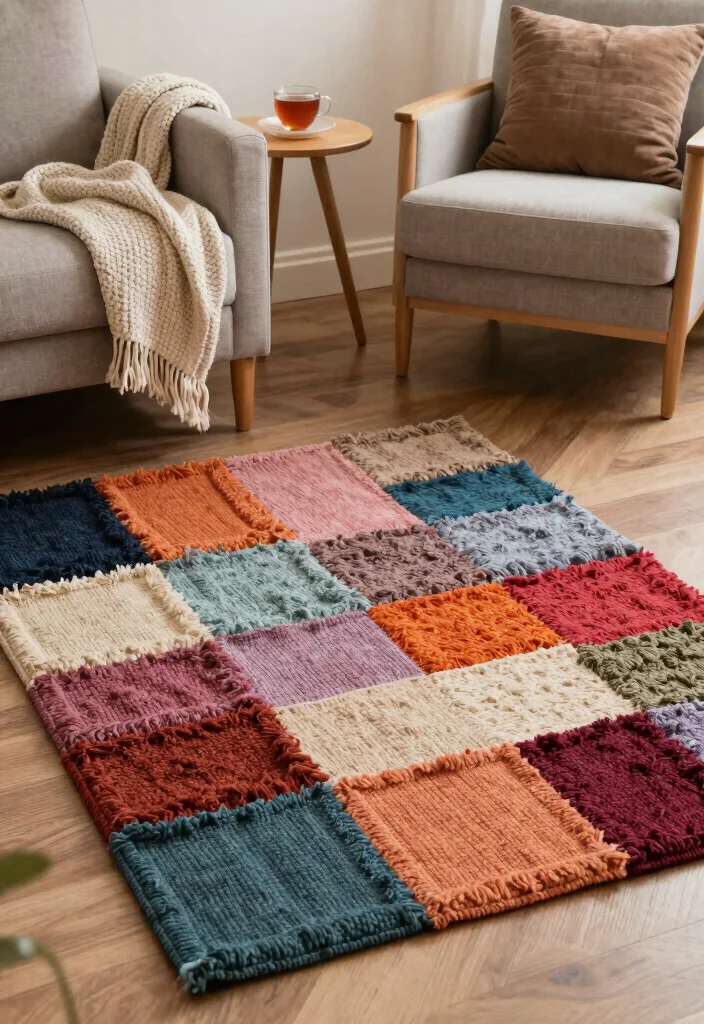
Transform your old wool sweaters into a cozy and inviting rug! This creative project not only recycles fabric but also adds warmth and texture to your space. The luxurious feel of wool underfoot creates a welcoming atmosphere, perfect for cooler months.
This DIY rug allows you to make use of items that might otherwise go unused, showcasing your commitment to sustainability. By combining various colors and patterns, you can create a unique piece that enhances your decor.
To make your upcycled wool sweater rug, follow these steps:
– Cut sweaters into squares or strips.
– Sew or glue them together in a patchwork style.
– Use a sturdy backing for added durability.
This rug is not only functional but also a charming conversation starter in any room. Its warmth and character invite a cozy ambiance, making every space feel more inviting.
11. Natural Fiber Rug
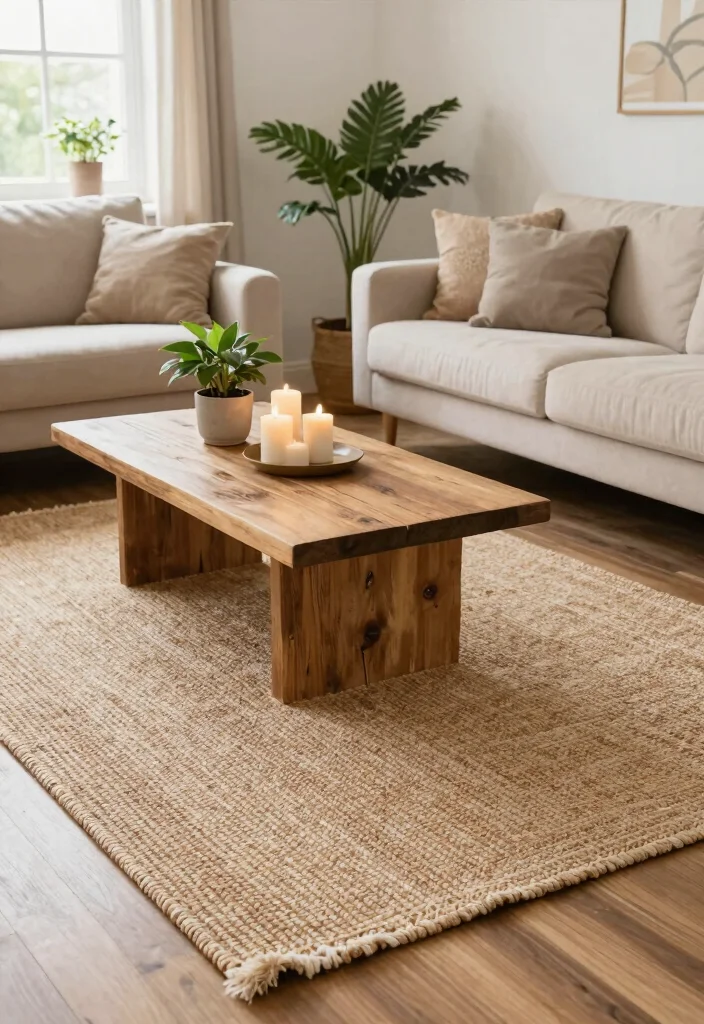
Celebrate the beauty of nature with a DIY natural fiber rug! Using materials like sisal, seagrass, or coir creates a stylish and eco-friendly option for your home. The durability of these natural fibers makes them perfect for high-traffic areas, while their unique textures add depth to your decor.
This project is an excellent way to incorporate sustainable materials into your home. The organic look of a natural fiber rug complements a variety of design styles, enhancing the overall aesthetic of your space.
Here’s how to create your natural fiber rug:
– Gather natural fibers like sisal or seagrass.
– Weave or braid them into your desired shape.
– Secure the ends with twine or hot glue for stability.
This rug serves as a perfect foundation for cozy seating areas, making it a practical and stylish choice. Its earthy tones and textures will enrich your home’s atmosphere while promoting sustainability.
12. Hand-Painted Canvas Rug
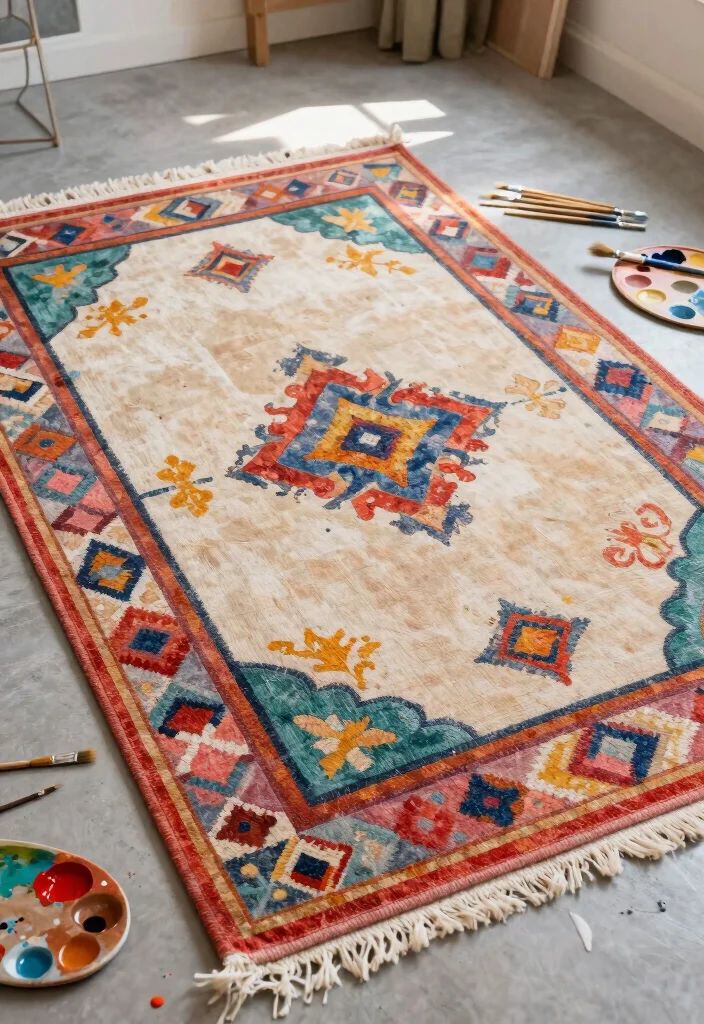
Unleash your creativity with a hand-painted canvas rug! Grab a plain canvas, some fabric paint, and let your artistic side shine. This project allows you to create a functional piece that also serves as a stunning work of art, reflecting your personality and style.
Customizing a canvas rug means you can experiment with designs, colors, and patterns that resonate with you. It’s a fun way to add a unique touch to your decor while enhancing the overall aesthetic of the room.
To create your hand-painted canvas rug, follow these steps:
– Purchase a large piece of canvas fabric.
– Sketch your design lightly with a pencil.
– Use fabric paint to bring your design to life.
This rug is a true statement piece that transforms your space, showcasing your artistic flair. It serves as a beautiful foundation for any room, inviting admiration and conversation from guests.
Your space, your canvas—hand-paint a rug and call it home. It’s a fun, affordable way to customize colors and patterns that reflect you, giving homemade rugs a personal touch that instantly elevates any room.
13. Faux Fur Rug
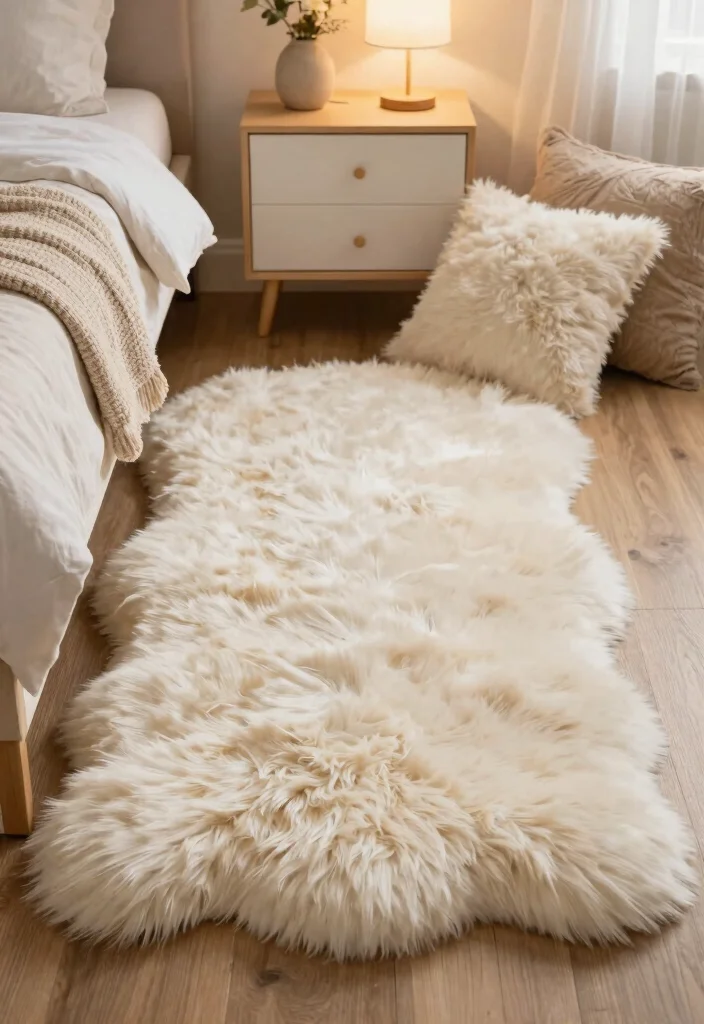
Experience luxurious comfort with a DIY faux fur rug! Using old faux fur coats or blankets, you can create a soft and inviting piece that elevates your space without the hefty price tag. This project is surprisingly easy and perfect for adding warmth to bedrooms or reading nooks.
The plush texture of faux fur instantly enhances the cozy atmosphere of any room. By repurposing old items, you also contribute to a more sustainable lifestyle while achieving a stylish look.
Here’s how to make your faux fur rug:
– Gather faux fur fabric and a non-slip backing.
– Cut the faux fur to your desired size and shape.
– Sew or glue the edges to prevent fraying.
This rug not only boosts the comfort level of your space but also adds a touch of elegance. Its soft surface makes it a favorite for lounging, creating a warm and inviting environment for all to enjoy.
14. Quilted Fabric Rug
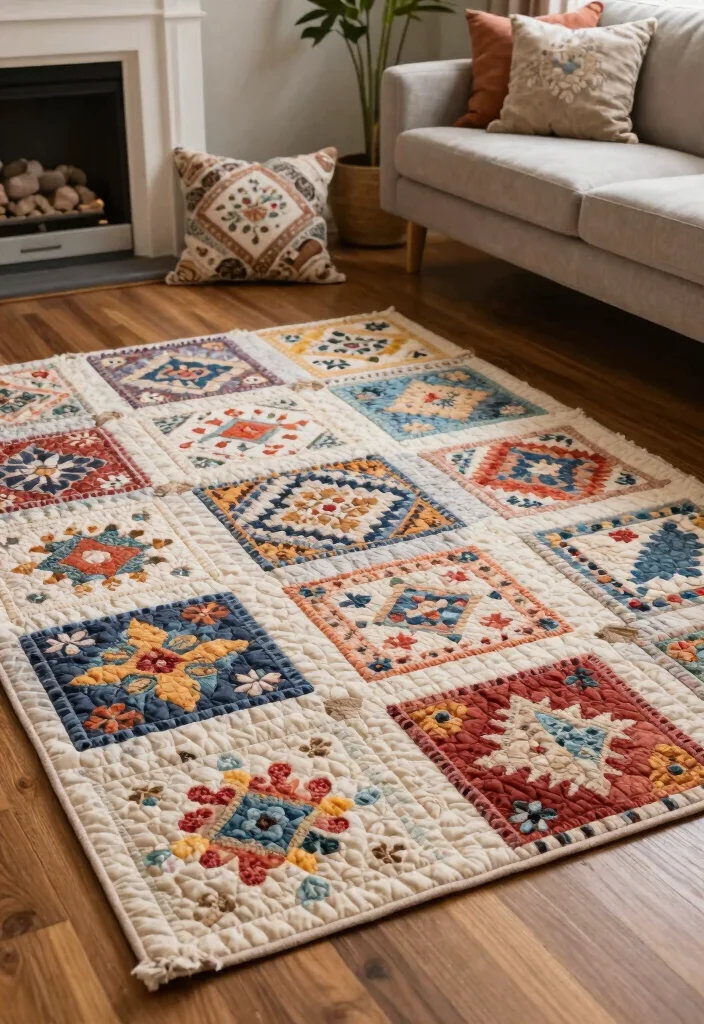
For sewing enthusiasts, a quilted fabric rug is a wonderful project that adds warmth and texture to your home. By selecting various fabric patterns that complement your decor, you can sew them together for a charming patchwork effect that’s both functional and artistic.
This project allows you to express your creativity while crafting something unique for your space. The quilted texture not only provides comfort but also serves as a stunning visual element in any room.
To create your quilted fabric rug, follow these steps:
– Cut fabric into equal squares.
– Sew them together in rows, alternating your patterns.
– Add a solid backing for extra durability.
This rug is not just a practical addition; it’s a beautiful piece of art that enhances your decor. The unique patterns and textures will add character, making it a joy to create and display!
15. Eco-Friendly Recycled Newspaper Rug
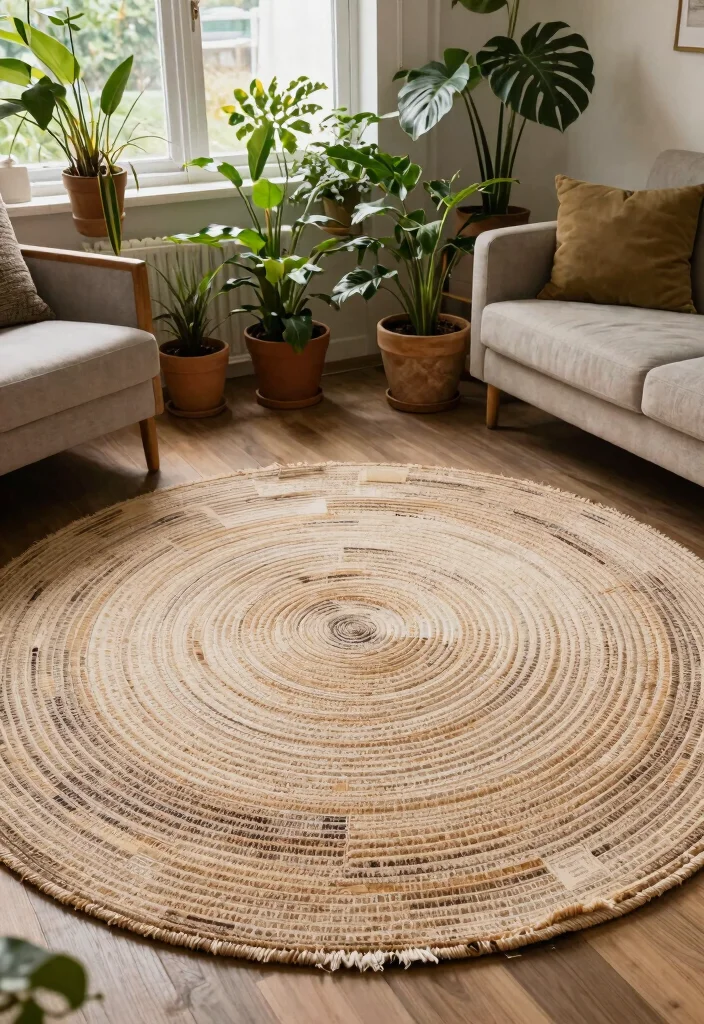
Explore sustainability with a creative recycled newspaper rug! This unique project turns everyday materials into something beautiful and functional, showcasing your commitment to eco-friendly practices. Not only is it a conversation starter, but it also adds a distinctive touch to your home decor.
This DIY rug demonstrates how you can repurpose materials creatively while making a stylish statement. It’s a fun and engaging way to embrace sustainability in your home.
Here are the steps to create your recycled newspaper rug:
– Roll strips of newspaper into tight coils.
– Use glue to secure the coils together in a circular or oval shape.
– Finish off with a non-slip backing for stability.
This rug will surely attract attention and serve as a testament to your creativity. Your guests will be impressed by this unique addition, and you’ll enjoy the satisfaction of crafting something truly special!
Conclusion
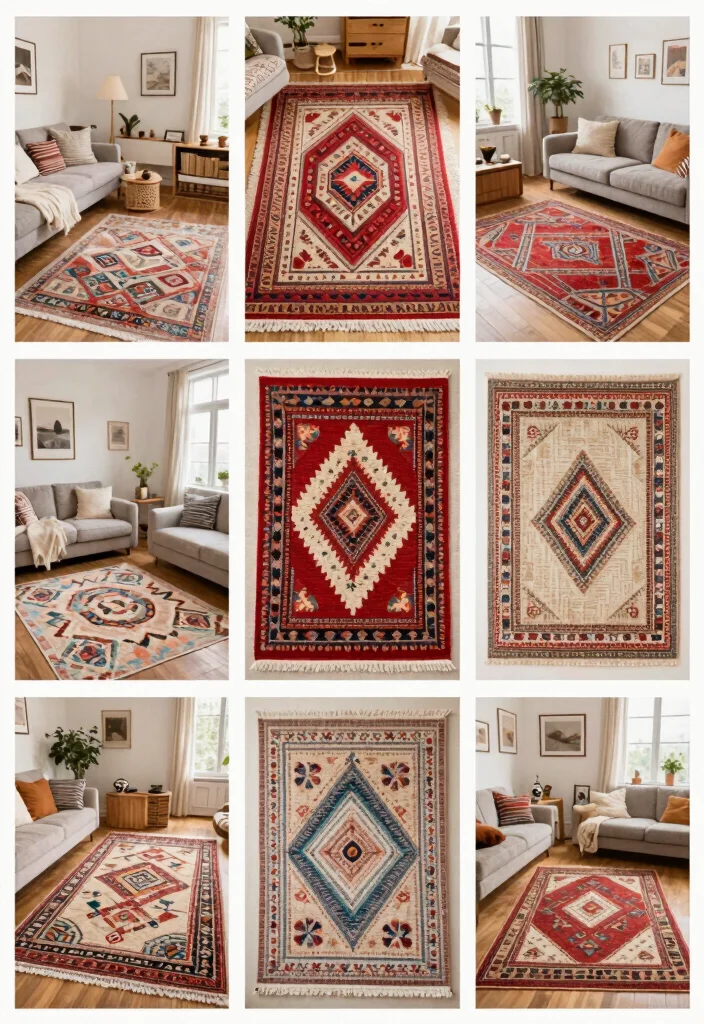
Creating homemade rugs is not just a fun project—it’s a chance to express your style while caring for the planet and your wallet! Each of these DIY ideas offers a unique way to transform your space into something special. Plus, the satisfaction of crafting these beautiful pieces by hand is unmatched.
Whether you choose to braid, weave, or sew, each rug tells a story of creativity and sustainability. So gather your materials, unleash your inner artist, and start crafting your very own homemade rug today!
Frequently Asked Questions
What are the best eco-friendly materials to use for homemade rugs?
For eco-friendly homemade rugs, start with natural fibers and upcycled materials. Great options include jute, sisal, and cotton blends. Upcycled textiles—old T-shirts, sheets, or denim—make colorful recycled fabric rugs. For a softer option, try wool felt or linen blends in handmade rug projects. Choose materials that are easy to clean and durable for your space. Add a sturdy backing like cotton duck or use a non-slip rug pad for safety. Prep your fabrics by washing and cutting into uniform strips, then plan your color order before you start. This keeps your DIY rug projects feeling cohesive and aligns with home textile crafts and eco-friendly goals.
How can I make a budget-friendly handmade rug using simple DIY rug projects?
Turn thrifted textiles into a budget-friendly handmade rug with a simple method like a braided rag rug or a no-sew fleece rug.
Start by choosing a size that fits your space and collecting thrifted fabrics (old T-shirts, sheets, or scarves).
Wash, dry, and cut fabrics into uniform strips. Then braid, twist, or knot the strips into rows, layering colors as you go to create a handmade area rug you love.
Bind the edges with a simple whip stitch or binding tape, and add a non-slip pad underneath for stability.
This approach nails budget-friendly decor and fits many DIY rug projects without expensive tools. You’ll get a durable rug you made yourself as a true homemade rug.
What are some beginner-friendly rug ideas I can try today?
Here are a few beginner-friendly rug ideas you can try today:
1) Braided rag rug using old fabric strips;
2) No-sew fleece rug with fabric circles or rectangles;
3) Quick crochet or Tunisian crochet rug using thick yarn;
4) Simple felt or tassel rug using wool felt squares or fabric tassels. Pick one idea, gather inexpensive materials, and follow a basic pattern. Start small, practice your stitches or braiding, and finish edges neatly to keep your homemade rug looking polished. This fits into DIY rug projects and home textile crafts mindset without overwhelming you.
How do I clean and care for eco-friendly homemade rugs?
Care for eco-friendly homemade rugs with simple routines:
Vacuum regularly on a gentle setting to prevent fuzzing or fraying; spot clean with a mild, non-toxic detergent; avoid soaking the rug and let it air dry completely.
Rotate the rug every few months to even out wear, and protect it from direct sun to prevent fading. If you used natural fibers, check for any shrinkage after washing and gently reshape.
Use a non-slip pad underneath for safety and longevity, which keeps your homemade rugs looking great in your space.
Are DIY rugs durable enough for high-traffic areas, and how can I maximize their longevity?
DIY rugs can be durable in high-traffic areas when you choose sturdy materials and smart construction.
Favor jute, thick cotton or wool for wear resistance, and use a tight weave or braid.
Bind edges to prevent fraying and add a quality rug pad to minimize movement and reduce wear on the fibers.
Place the rug in appropriate spots (entryways or low-to-medium traffic zones) and rotate regularly.
For extra longevity, repair loose threads promptly and, if needed, seal natural fibers with a breathable protector. Your home textile crafts can stand up to daily use as homemade rugs.
Related Topics