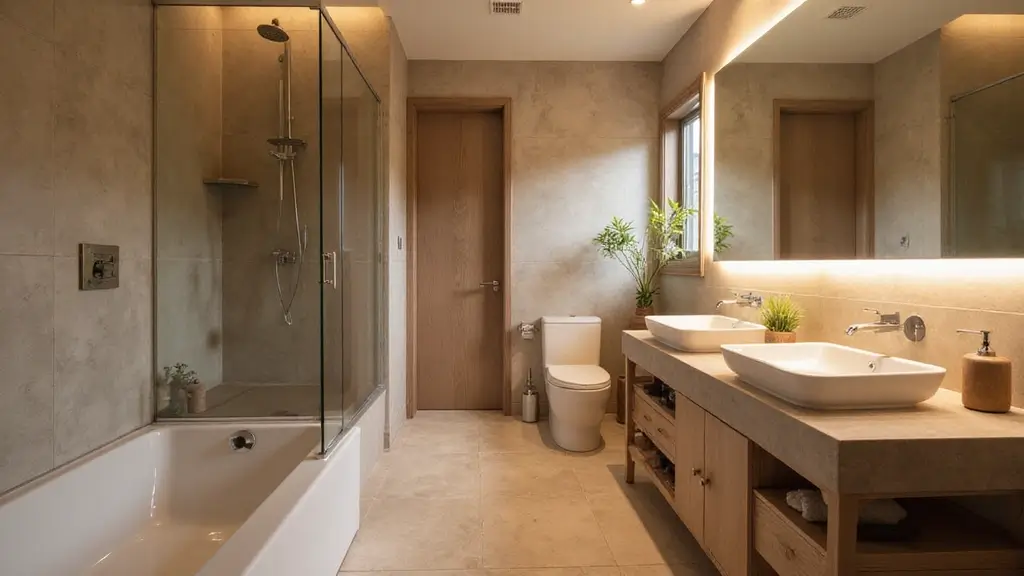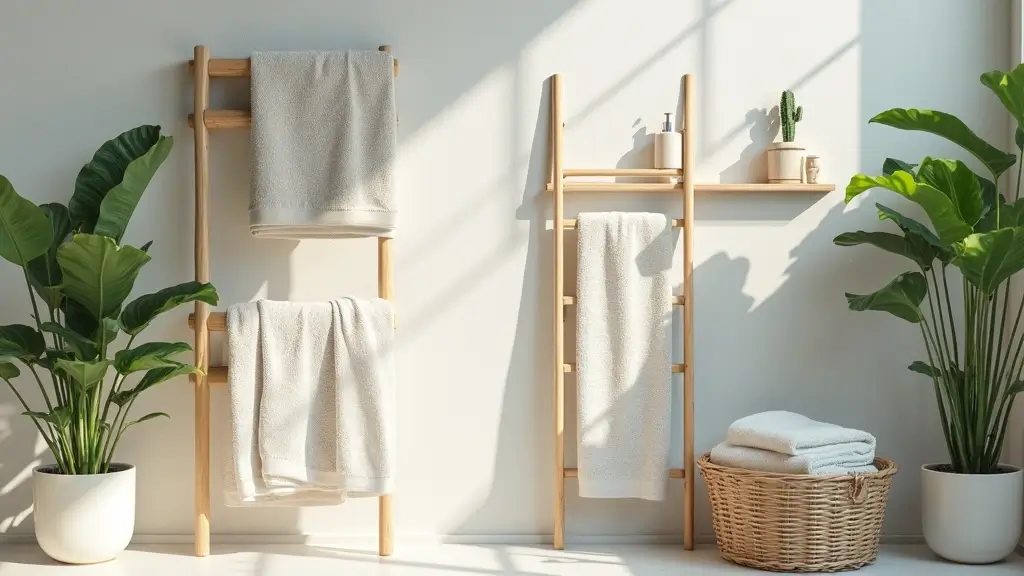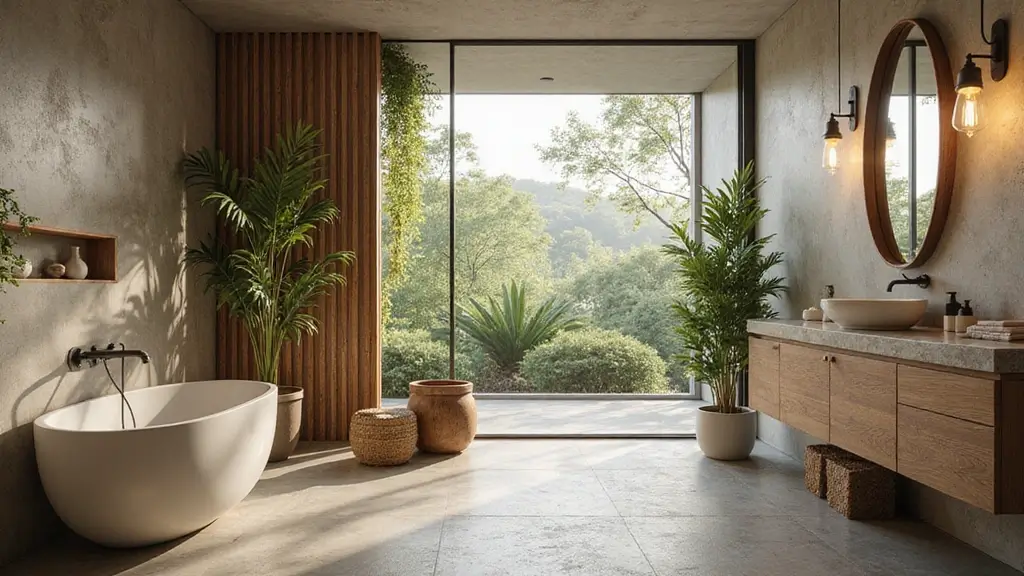

Your bathroom is more than a functional space—it’s a humid, steam-filled environment where the right plants can thrive with minimal effort. You might assume greenery needs bright sunlight, but some of the hardiest species actually prefer the low light and moisture your shower provides. The trick lies in matching the plant to your specific conditions, and that’s where most people make mistakes they’ll regret.
10 Bathroom Plants That Are Hard to Kill
You don’t need a green thumb to keep these five plants alive. You’ll find the Snake plant handles neglect like a champ, surviving up to two weeks without water while purifying your air. You’ll love how little effort it demands.
You’ll position your Peace Lily in indirect light, watching its white blooms emerge in early summer while it cleans your bathroom’s air. Just don’t overwater it.
You’ll trail pothos along shelves or mirrors, enjoying its hardy vines and air-purifying benefits with just indirect bright light.
You’ll place your Boston fern near the shower where high humidity keeps it lush and bushy; stick to moisture-only soil management.
You’ll appreciate these low maintenance choices that thrive despite your busy schedule, turning your bathroom green without stress.
Recommended Products

Highly Realistic Design - Crafted with meticulous attention to detail, this artificial Sansevieria Snake Plant mimics the natural texture and vibrant green hues of a real plant. Its lifelike appearance adds a touch of freshness to any space, making it a perfect choice for those who want the beauty of greenery without the upkeep

HARDY INDOOR PLANT: Sansevieria Laurentii is a drought tolerant, durable, and adaptable houseplant for beginners
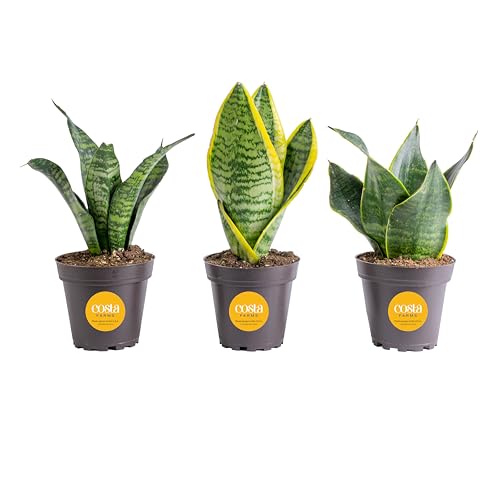
INSTANT HOME STYLING TRIO: Multi pack of three live snake plants takes the guesswork out of interior design by creating an effortless cohesive look across your living room shelves, bedroom nightstands, or home office desks
Which Plants Work in Dark, Windowless Bathrooms?
What thrives when sunlight never reaches your bathroom? For dark bathrooms, you’ll want plants that embrace low light and forgive neglect.
The snake plant stands out as your toughest ally. You’ll appreciate how it tolerates indirect light and survives infrequent watering when bathroom humidity keeps soil damp longer. Tuck it into a corner and let it work.
The spider plant also adapts well, thriving in humid, low-light conditions. You’ll maximize space by placing it on shelves or in hanging pots where it cascades without demanding attention.
Watch your watering habits closely. In windowless spaces, you’ll face higher overwatering risk since evaporation slows. Always check soil dryness first, and rely on each plant’s tolerance for indirect light to prevent leaf drop while maintaining healthy humidity levels.
Recommended Products

Meet Spathiphyllum Peace Lily! This evergreen perennial is a popular flowering houseplant native to tropical southeastern Asia. Also a known air purifier.

Meet Spathiphyllum Peace Lily! This evergreen perennial is a popular flowering houseplant native to tropical southeastern Asia. Also a known air purifier.

2 light bathroom vanity light is built in a sturdy metal lamp body, Blue glass wall Sconce elegant and modern retro design, adds a special color to your space..Accessorized with an Hand Blown Thick glass lampshade and a vintage brass base. brighten and elegant, a clever combination of modern.
Pet-Safe Bathroom Plants for Cat and Dog Owners
Anyone sharing their home with furry companions needs to think twice before adding greenery to the bathroom. You’ll want pet-safe options that won’t harm curious cats or dogs if they take a nibble.
Prioritize non-toxic varieties that actually thrive in your bathroom’s steamy conditions. A Boston Fern fits perfectly here—you’ll love how it absorbs humidity through its fronds and flourishes in indirect light. This Fern remains completely safe if your pets investigate it.
Skip popular choices like Peace Lilies, Pothos, and Monsteras; they’re toxic to animals. Instead, embrace low maintenance, genuinely pet-safe alternatives. Check ASPCA guidelines before you buy, and you’ll create a lush, worry-free bathroom oasis both you and your four-legged family members can enjoy together.
Recommended Products

Live Boston Fern (Nephrolepis exaltata) – A lush, classic fern with cascading fronds, ideal for hanging displays indoors or shaded outdoor spaces. Comes in a 10” Hanging...
Where to Put Bathroom Plants: Shower, Counter, or Floor?
Where exactly should you tuck that new fern or orchid? Your bathroom plants placement depends on light, humidity, and available room.
You can hang trailing Pothos or Peacock Plant on a shelf/ledge with indirect light, giving them shower spray protection. Floor-standing plants like Bird of Paradise or Rubber Plant fill corners and tolerate steamy air beautifully.
You will find ferns thrive near showers and counter space where moisture stays high. Orchids and Peace Lilies prefer counter space or tub edges with indirect light, adding blooms while purifying air. Small, humidity-tolerant options like Spider Plant, Baby Rubber Plant, or Calathea fit shelf/ledge areas, countertops, or compact floor spots. Match each plant’s needs to your bathroom’s conditions, and you’ll create a lush, balanced green space.
Recommended Products

🌿 Variegated Beauty: Our Hawaiian Spider Plant features striking green and white variegated leaves, adding a touch of elegance and sophistication to any indoor decor, whether at home or in the office.

🌿 Perfect for Small Potted Plants - Designed specifically for indoor greens like succulents, herbs, and foliage, these grow lights for indoor plants deliver balanced 380nm-800nm full-spectrum light to revive leggy stems and boost compact growth

【7-14 Days Watering-Free】13 inch extra large self watering hanging planters (2 Pack) allow your plants to thrive for 7–14 days without frequent watering, making plant care effortless even during short trips or busy schedules. Perfect for hanging pots for plants indoor and outdoor, these planters support all house hanging plants and flowers, including pothos, spider Plants, Baby's tears, herbs, Boston fern, string of pearls, ivy, and Baby Breath, offering convenience and healthy growth.
How Often to Water Bathroom Plants (Without Killing Them)
How often you water depends on the plant, your bathroom’s humidity, and the season. You’ll need to check soil moisture rather than following a rigid schedule. Snake plants, which are low light tolerant, typically need water weekly—but you’ll decrease this in humid conditions to prevent overwatering. Ferns require regular water, though bathroom humidity reduces extra misting needs. Monstera thrive when you let soil dry about 75% between thorough waterings. Peace lilies purify air but can’t tolerate soggy roots in steamy bathrooms. Orchids prefer good drainage despite enjoying humidity. Smart plant care means adjusting your approach as seasons change—winter demands less frequent watering for most bathroom plants. Always verify dryness before reaching for that watering can.
Recommended Products

REMOVES SOAP SCUM & GRIME: Breaks down soap scum, hard-water marks and everyday buildup on tubs, tiles, shower walls, sinks and grout. Spray, let it work, rinse or wipe clean.
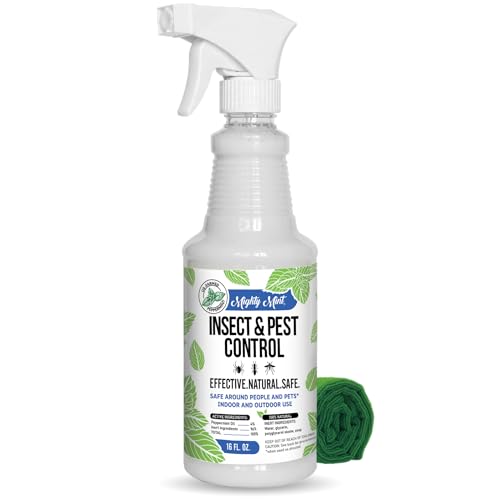
Pet-Friendly & Family-Safe Formula – Mighty Mint is a top pick for pet parents looking for a natural pest control solution. Safe to use around dogs, cats, and kids when applied as directed—no harsh fumes or dangerous chemicals, just powerful peppermint protection you can trust.

Cleaning Vinegar Wipes for Everyday Messes: Contains 35 eucalyptus scented wipes for convenient clean up of household dirt & grime from the kitchen to the bathroom for a clean, fresh smelling home
Signs Your Bathroom Is Too Humid for Plants
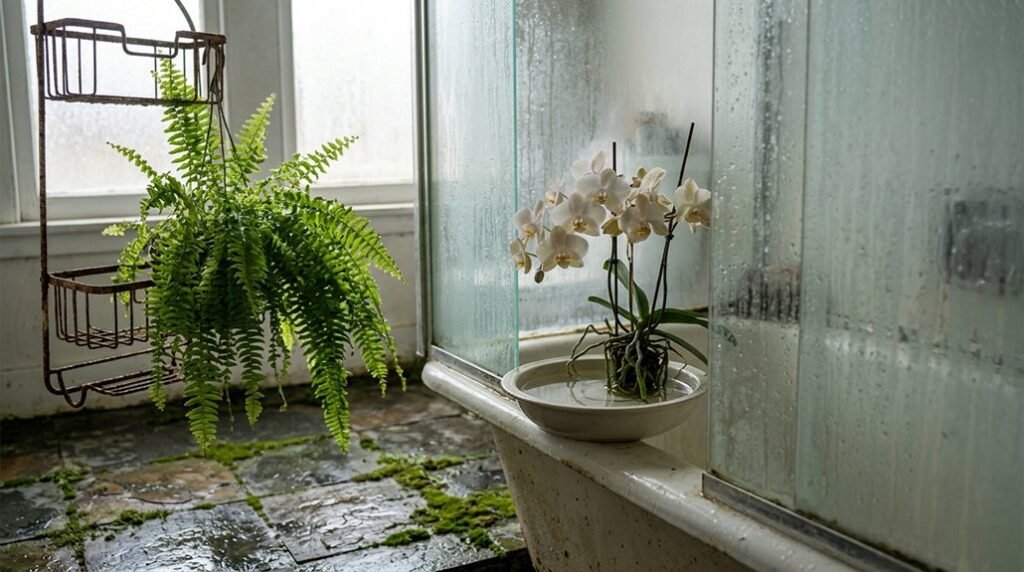
What happens when your bathroom’s steamy comfort turns into a plant prison? You’ll notice condensation clinging to windows and damp surfaces refusing to dry. Your plants’ drainage can’t keep up, leaving you with soggy soil that stays wet for days. Watch for yellowing leaves or drooping in species like Peace Lilies—they’re suffering from excess moisture despite your careful watering.
You’ll spot mold creeping across potting mix and catch musty smells before they overwhelm. These signal that humidity levels are promoting root rot in plants needing drier conditions. When your bathroom traps moisture year-round without proper airflow, you’re not nurturing greenery—you’re drowning roots. Adjust ventilation or relocate sensitive plants before fungal growth claims them.
Recommended Products

Realistic Appearance: The package includes one potted succulents plants artificial, which is well packaged in a box. The fake plants with natural color and delicate details look very lifelike
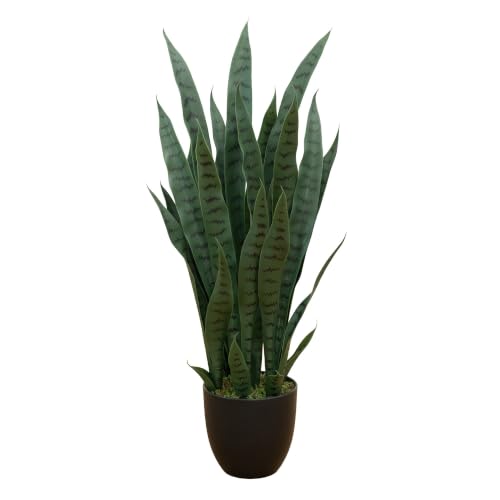
HOME DECOR ACCENT: A beautiful lifelike plant perfect to accent any room or space for year-round greenery. Some plants simply exude class, and that's exactly the case with this wonderful Sansevieria plant. Standing nearly three feet in height, the lush green leaves point skyward, while the included decorative black planter gives it a stout base. It's ideal for both home and office decorating, and will stay looking fresh for years, with nary a drop of water.

LARGE SNAKE PLANT FOR FLOOR DISPLAY: Stands 2 to 3 feet tall in a 10-inch decorative planter, sized to fill an empty corner, flank a doorway, or anchor a living room. Upright leaves add height and structure while using little floor space
How to Style Bathroom Plants: Shelf and Hanging Ideas
Why settle for bare walls when you’ve got the perfect canvas for greenery? Elevate your plant styling with shelves at varying heights—showcase tall, dramatic specimens like Fiddle Leaf Fig, Bird of Paradise, and Peace Lily to create visual rhythm and depth.
You’ll maximize space by suspending trailing humidity-loving varieties in hanging baskets. Pothos, Spider Plant, and Philodendron cascade beautifully without cluttering your floor.
Position moisture-tolerant Boston Fern, Maidenhair Fern, and Calathea near your shower or sink to harness bathroom humidity naturally. Highlight bold Croton, Peperomia Rosso, and Peacock Plant on open shelves or tub edges for striking focal points.
Remember bathroom plants need indirect light—protect Fittonia and Calathea Rattlesnake from harsh sun while maintaining that lush, vibrant atmosphere you crave.
Preventing Mold and Root Rot in Bathroom Plants
Where should you start when balancing your bathroom’s humidity with your plants’ health? You start by recognizing that overwatering—not humidity itself—kills bathroom plants quickest.
You enjoy how ferns thrive in your bathroom’s humidity, but you’ll harm them if you overwater or over-mist without proper ventilation. You’ll grow mold on leaves and soil when moisture lingers.
You place peace lilies where they receive indirect light and steady airflow, since they absorb mold through their foliage yet despise waterlogged roots.
You pot spider plants and snake plants in well-draining soil, knowing they’ll tolerate humid conditions but still succumb to root rot in soggy containers.
You run your exhaust fan, crack windows, and space plants apart so air circulates. You’re preventing mold while preserving the humidity your tropical varieties crave.
Bathroom Plant Care: Quick Reference Chart
You’ve handled the hard part—keeping your bathroom plants alive in tricky conditions. Now streamline your plant care with this quick reference chart. Tropical plants like ferns crave bathroom humidity and indirect light—mist them regularly.
Snake plants shrug off neglect; they’re low light tolerant and you’ll dodge overwatering risk by watering every two weeks.
Peace lilies adore moisture-loving air but hate drafts—skip the misting.
Monstera deliciosa wants 75% soil moisture and occasional leaf TLC.
Orchids? They’re flexible with light as long as it’s indirect.
You’ve got five winners here, each exploiting steamy conditions differently. Match your habits to their needs and you’re set.
Recommended Products

Plant Hanger with Grow Light: This beautiful and cute piece adds a cozy boho touch to your living room, kitchen, bedroom, bathroom, or office. It's perfect for showcasing your favorite indoor plants while elevating any space with natural, vintage-inspired style. Also makes a thoughtful gift for plant lovers—perfect for housewarmings, birthdays, or holidays

High PPFD & Low Energy Consumption - SpeePlant LED hanging grow light with timer uses only 25 watts of actual power, but it can provide a PPFD of 387.34μmol/s/㎡ at a distance of 8 inches. It is not only beneficial to the growth of various indoor plants but also energy-efficient to use

High PPFD - This rattan style hanging grow lights for indoor plants delivers 547.3 PPFD at 8 inches (2000 lumens) with just 18W. Ideal for year-round indoor plant growth
Conclusion
You’ve got plenty of options for bringing greenery into your bathroom, whether it’s bright or dim, humid or pet-friendly. Pick plants that match your light and lifestyle, place them where they’ll thrive, and don’t overwater. With the right choices and simple care, you’ll enjoy fresh, living decor that practically takes care of itself.
Recommended Products

Powerful Spray: Fresh Wave air freshener spray neutralizes tough odors on contact, making it a go-to room spray, bathroom spray, or all-purpose deodorizing spray throughout your entire home.

Disinfecting Multi-Surface Cleaner kills 99.9% of bacteria and viruses* and COVID-19 virus** on hard non-porous surfaces (refer to product label for details)

Powerful Spray: Fresh Wave air freshener spray neutralizes tough odors on contact, making it a go-to room spray, bathroom spray, or all-purpose deodorizing spray throughout your entire home.