
Expert Home Style – For the Price of a Coffee ($3.90)
Master high-end design secrets (Tuscan, Modern) without the expensive consultants.
🛒 Buy NowCreating a living room that feels cozy and functional is a common challenge, especially when space is limited. You might find yourself craving a welcoming atmosphere that accommodates both relaxation and socialization without feeling cramped. That’s why I put together this guide on 18 Two Seating Areas Living Room Layout and Furniture Arrangement. It’s all about maximizing your space while ensuring every corner of your living room serves a purpose.
If you’re someone who loves home decor and wants to create a stylish yet practical space, this post is for you. Whether you’re living in an apartment or a small house, the tips here will help you make the most of your living area. With these layouts and arrangements, you can blend comfort and aesthetics seamlessly, allowing you to enjoy your home to the fullest.
You’ll discover unique designs and furniture arrangement tips that will transform your living room into a haven of comfort and style. From cozy corner nooks to minimalist approaches, I’ve gathered ideas that are not only visually appealing but also perfect for small spaces. Get ready to explore dual seating arrangements that will make your living room the perfect spot for both family time and entertaining guests!
Key Takeaways
– Maximize Your Space: Explore innovative layouts that create two distinct seating areas, allowing for flexibility without sacrificing comfort.
– Furniture Layout Tips: Learn how to arrange your furniture effectively to enhance flow and functionality, making the most of your available space.
– Stylish Design Ideas: Discover various living room design ideas, including cozy corner nooks and floating arrangements that elevate your decor.
– Personalized Touches: Incorporate personalized elements and seasonal decor changes that reflect your style, making your living room uniquely yours.
– Practical Solutions: Find multi-functional furniture suggestions that serve dual purposes, ensuring you can accommodate guests while keeping your space clutter-free.
1. Cozy Corner Nook
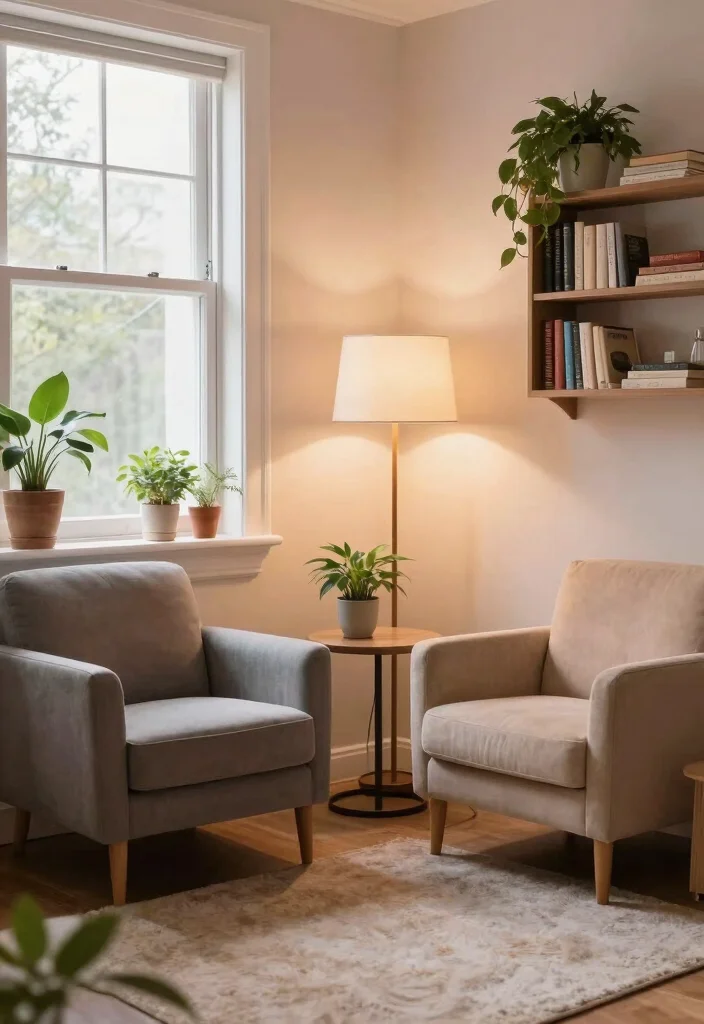
Creating a cozy corner nook in your living room can transform an underutilized space into a welcoming retreat. Pairing a couple of soft, inviting armchairs with a small side table in between offers an intimate setting for morning coffee or leisurely chats. This arrangement fosters a sense of warmth and connection, perfect for unwinding after a long day.
To enhance this nook, select armchairs with plush upholstery and drape a matching throw blanket over one for added comfort. Incorporate floor lamps or wall sconces for gentle lighting during the evenings, making it a delightful spot at any time. A few potted plants or a compact bookshelf can flank this area, emphasizing its charm and character.
Key Insights:
– Use light colors to open up the space.
– Choose furniture with legs to keep the look airy.
– Layer with throw pillows and blankets for comfort.
By ensuring smooth movement between the two seating areas, this corner nook will quickly become your favorite spot in the house, blending style with comfort.


2. L-Shaped Layout
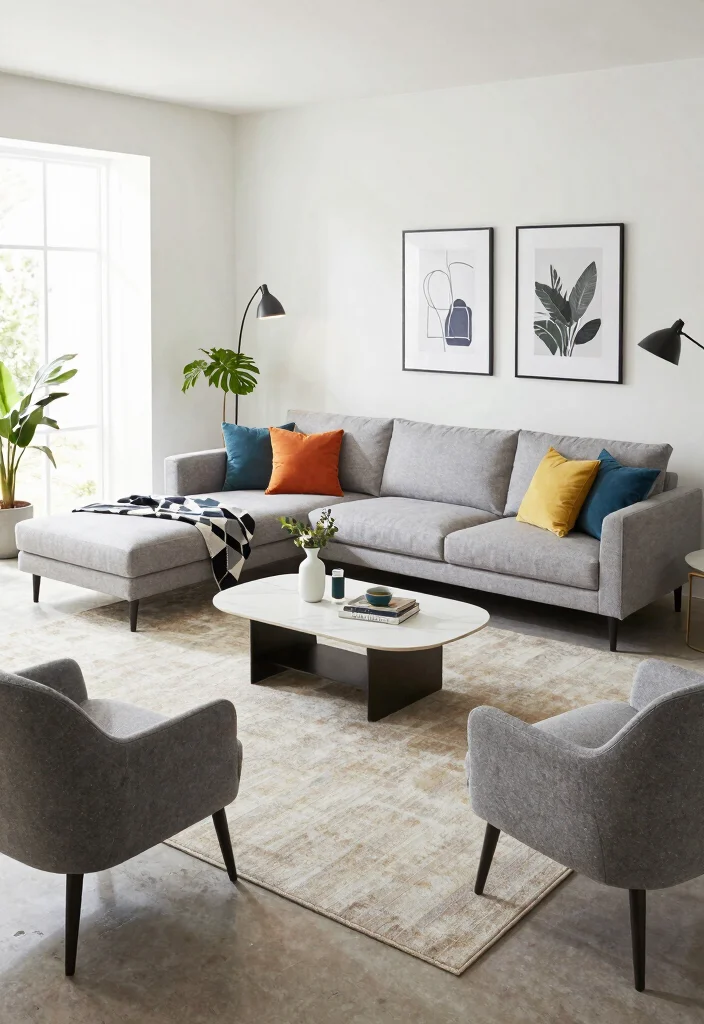
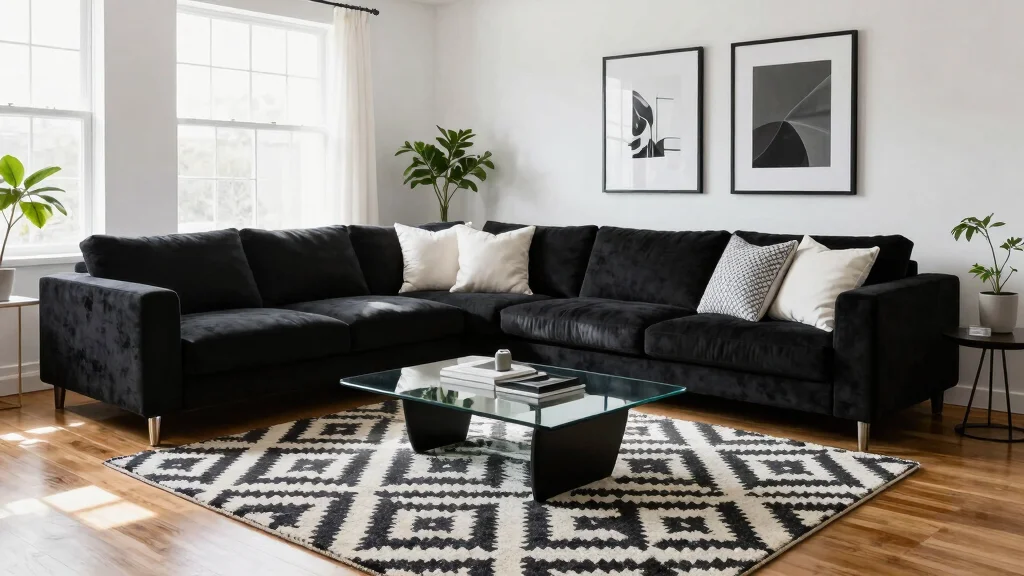
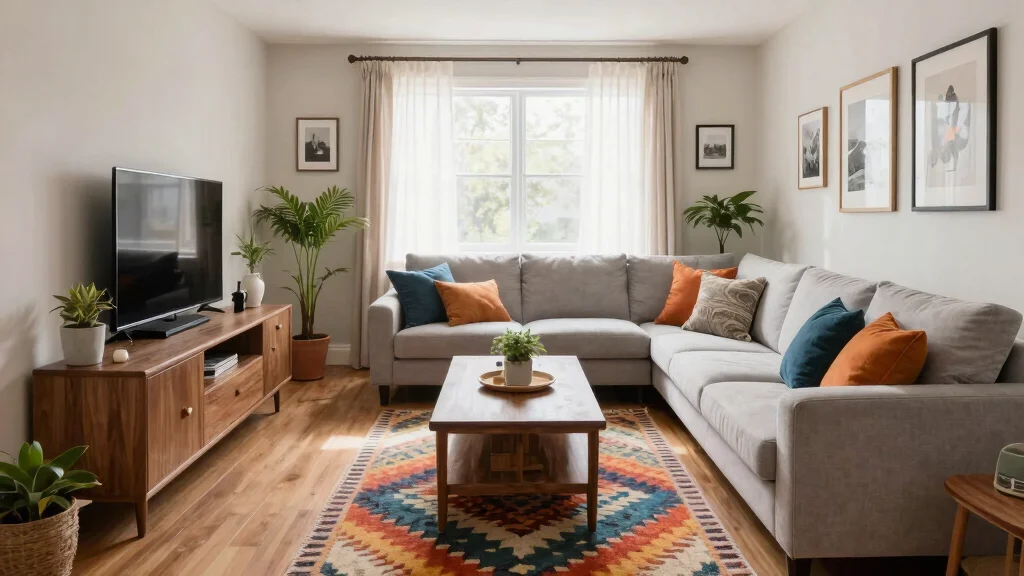
An L-shaped sofa can effectively carve out two distinct seating areas while optimizing your living room’s floor space. Positioning the sofa against one wall and placing accent chairs directly across creates a natural conversation zone. This arrangement maintains an open feel, making the space inviting and functional.
To further define the areas, consider adding area rugs or unique lighting fixtures. Bright, colorful cushions or a vibrant throw on the sofa can infuse personality into the arrangement. A low coffee table at the center ties both spaces together, serving as a practical focal point.
Furniture Layout Tips:
– Ensure that there’s enough walking space between the arrangements.
– Use a low coffee table to maintain an open feel.
– Choose a common color palette to unify the space.
This design fosters fluid conversation while keeping the room visually appealing.



3. Divided Spaces with Rugs
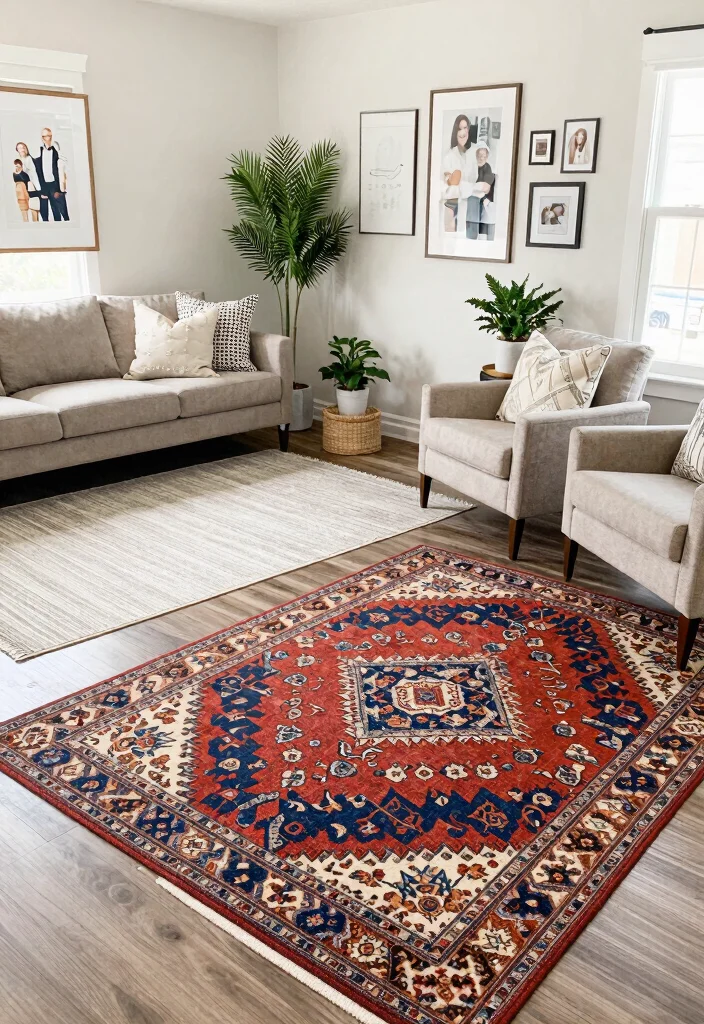
Area rugs are an excellent way to stylishly define two seating areas within your living room. Selecting complementary rugs in different colors and patterns allows for a clear separation while maintaining visual cohesion. For example, a neutral rug under a sectional paired with a bold patterned rug beneath a set of armchairs creates an engaging contrast.
This separation not only enhances the aesthetic but also helps each area feel distinct and purposeful. Ensure that the rugs are large enough to accommodate the front legs of furniture, creating a unified look across the space.
Tips for Rug Placement:
– Ensure at least the front legs of furniture are on the rug for a unified look.
– Play with different textures to add depth.
– Consider layering rugs for an eclectic vibe.
By integrating rugs thoughtfully, you can enhance both functionality and style in your living room.
How To Choose the Right Two Seating Areas Living Room Layout and Furniture Arrangement
Choosing the right layout for a living room with two seating areas can be a fun yet challenging task, especially in smaller spaces. You want to create a cozy, functional environment that maximizes your space while reflecting your personal style. Here’s how to make the best choices:
1. Size Matters
Start with measuring your living room. Knowing the dimensions will help you select furniture that fits well. Keep in mind that the arrangement should allow for easy movement throughout the room. Aim for at least 18 inches of walking space between furniture pieces. If your space is too cramped, consider smaller-scale furniture to prevent a cluttered look.
2. Functionality
Think about how you plan to use your living room. Do you need a space for entertaining guests, or is it more for family gatherings? If you have kids or pets, choose durable, easy-to-clean materials. Multi-functional furniture, like ottomans with storage or a sofa bed, can be a great way to save space while enhancing usability.
3. Style and Theme
Decide on a cohesive style for your living room. Whether you prefer modern, minimalist, or eclectic decor, the furniture and layout should reflect that. Consider mixing different textures and colors to create visual interest, like pairing a soft couch with leather chairs. Ensure that all elements blend well; harmony in design creates a more inviting atmosphere.
4. Traffic Flow
When arranging your furniture, consider how people will move through the space. Position chairs and sofas to encourage conversation without blocking pathways. Avoid placing large pieces in ways that create barriers. The layout should be inviting and allow easy access to all areas of the room, including entrances and exits.
5. Lighting and Ambiance
Lighting plays a crucial role in setting the mood for your living room. Use a combination of overhead lighting, floor lamps, and table lamps to create depth and warmth. Consider how natural light enters the room throughout the day. Arrange your seating areas to take advantage of sunny spots while providing cozy corners for evening relaxation.
6. Personal Touches
Finally, add personal touches that reflect your personality and interests. Artwork, decorative pillows, and unique accessories can make your living room feel like home. Consider seasonal decor changes to keep the space fresh and engaging. Surround yourself with items that tell your story, making the room not just functional but also meaningful.
Pro Tip: Before making any purchases, sketch out different layouts on paper or use design software. This allows you to visualize how various pieces will fit together. Don’t hesitate to rearrange until you find the perfect combination that works for your lifestyle!
By considering size, functionality, style, traffic flow, lighting, and personal touches, you can create a two seating areas living room layout that is both beautiful and practical. Your space should feel welcoming and serve your needs seamlessly. Happy decorating!


4. Multi-Functional Furniture
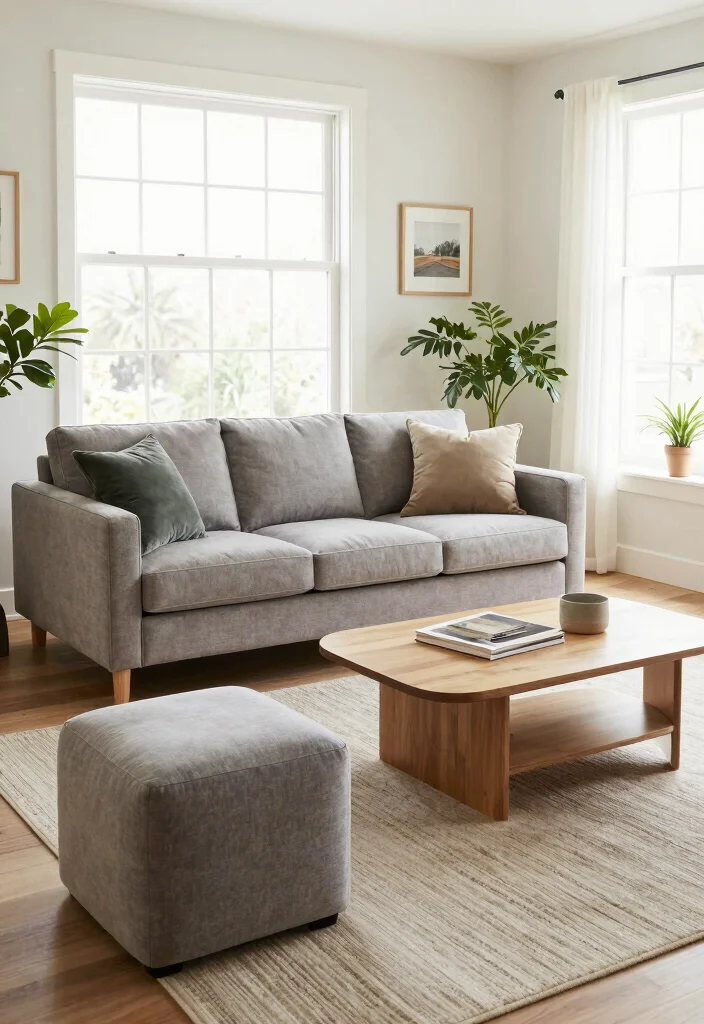
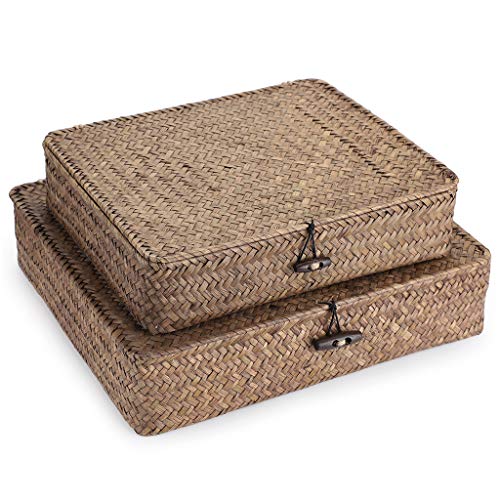
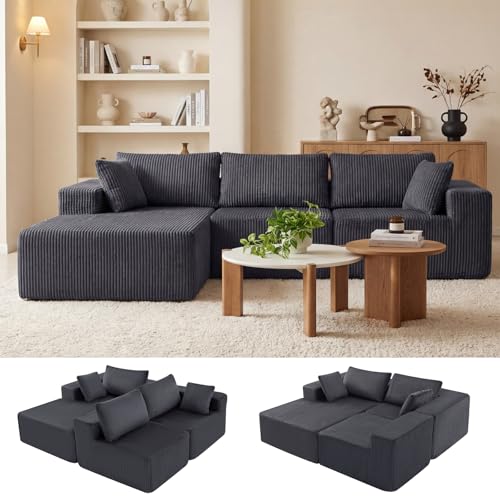
Maximizing a small living room requires the thoughtful selection of multi-functional furniture. For instance, stylish ottomans can double as both seating and storage solutions. Positioning a couple of these alongside a cozy loveseat creates an inviting area perfect for gatherings.
This flexibility allows you to easily adjust seating arrangements when hosting guests. Incorporate a coffee table that can be expanded or nested to further enhance versatility, catering to different need levels.
Smart Furniture Selection:
– Look for pieces that can fold or stack away when not in use.
– Consider a bench instead of chairs for a more compact solution.
– Use storage units creatively, like bookshelves that double as room dividers.
Such choices can help keep your space organized while adding to its aesthetic appeal.


5. Floating Furniture Arrangement
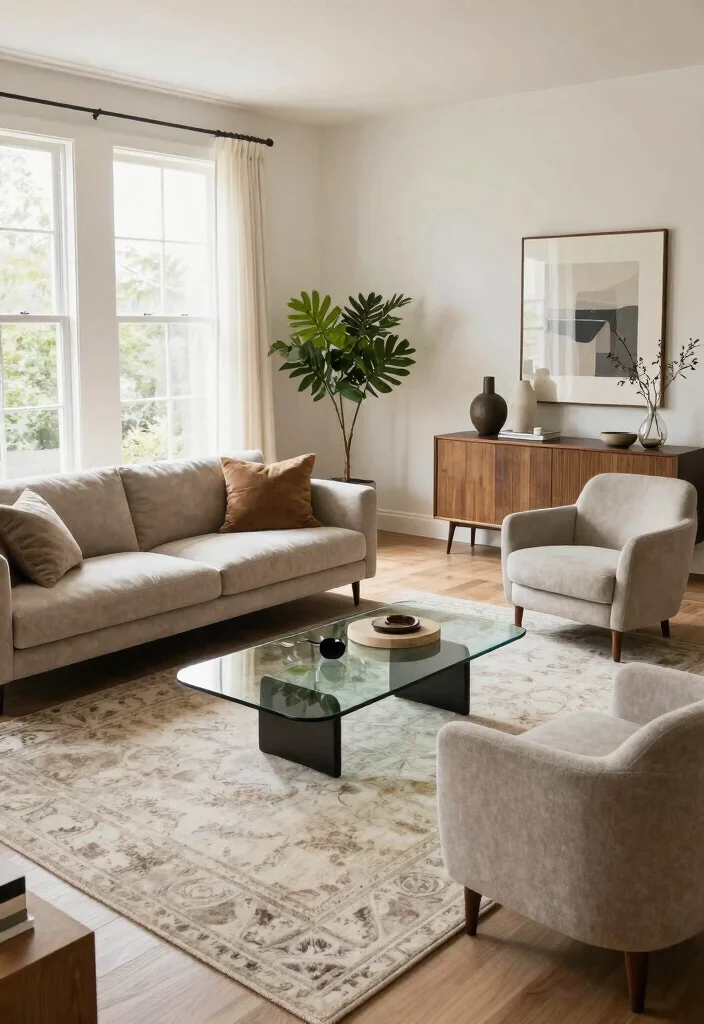
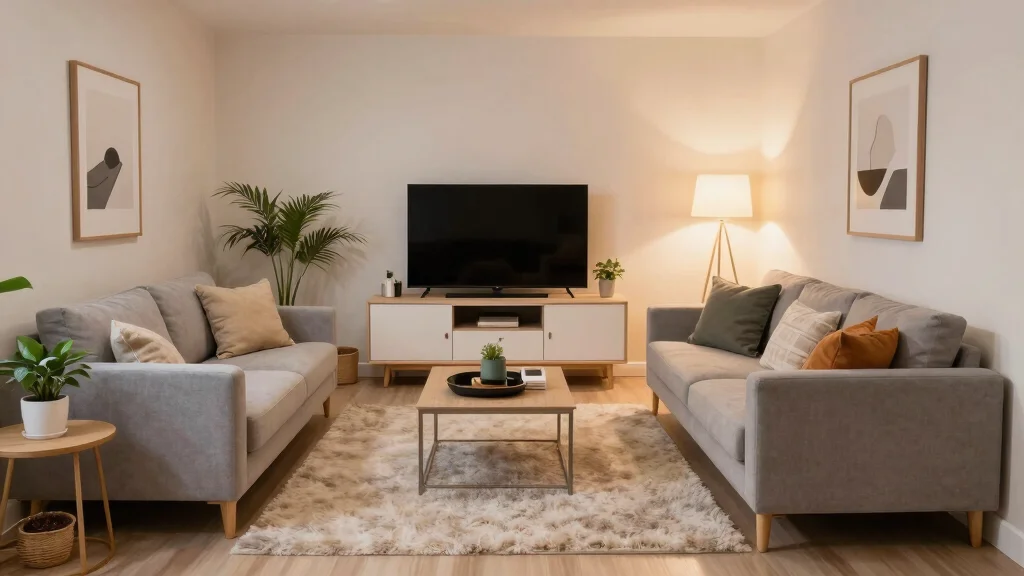
A floating furniture layout can dramatically change the dynamics of your living room. By positioning seating away from the walls, you create a central conversation area that feels open and inviting. Arrange a sofa and chairs around a stylish coffee table to foster interaction and warmth.
Adding a console table behind the sofa not only enhances functionality but also provides a space for decor and storage. This layout encourages movement and flow, making the room feel more spacious and welcoming.
Benefits of Floating Arrangements:
– Creates a more intimate setting.
– Encourages natural flow in the room.
– Allows for better use of visual space, especially in small living rooms.
This approach makes your living area not just a space to sit but a vibrant gathering spot.
Fun fact: A floating furniture arrangement can make two seating areas living room layout and furniture arrangement feel 20–30% larger by creating open flow. Place a sofa and chairs around a central coffee table to spark conversation and warmth.


6. Split-Level Design
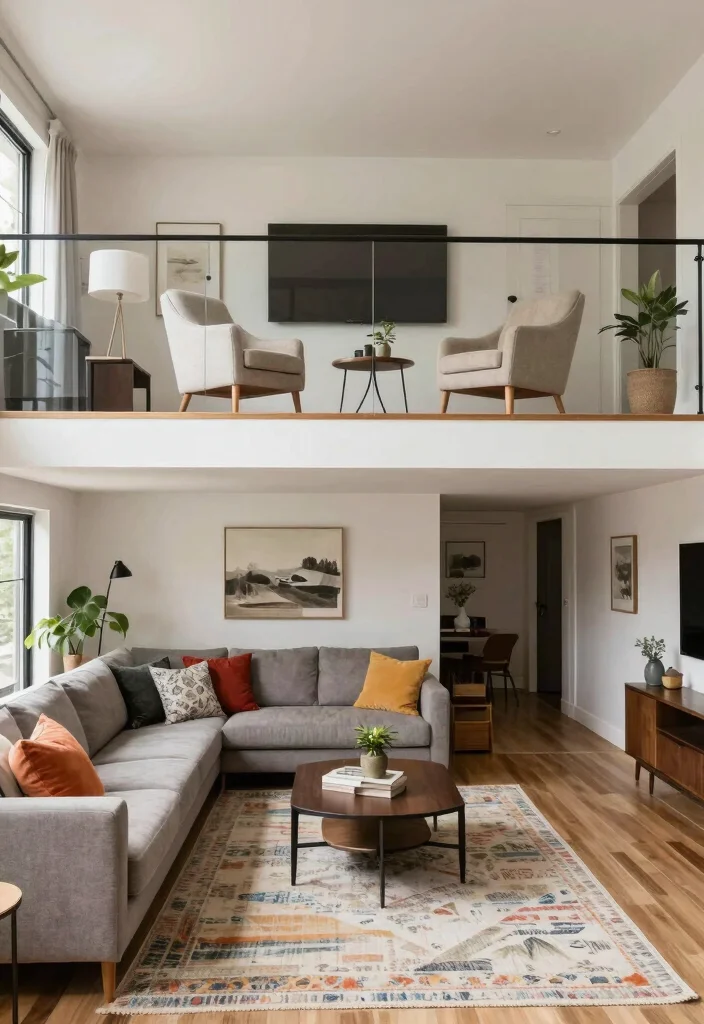
Utilizing a split-level design in your living room can create unique and functional seating areas. Each level can serve a different purpose, such as a casual hangout on the lower level with a sectional and a more formal gathering area upstairs with elegant armchairs. This clever division enhances the room’s dimension and caters to varied activities.
To further define each area, use rugs to create boundaries and different lighting options to set the mood. Keeping the decor consistent in style ensures a seamless transition between the two levels, maintaining visual harmony throughout.
Design Tips:
– Use rugs to define each area.
– Incorporate varied lighting to set the mood.
– Keep decor consistent in style for a seamless transition between levels.
This thoughtful layout makes the most of your space while adding character.
7. Two-Tone Color Scheme
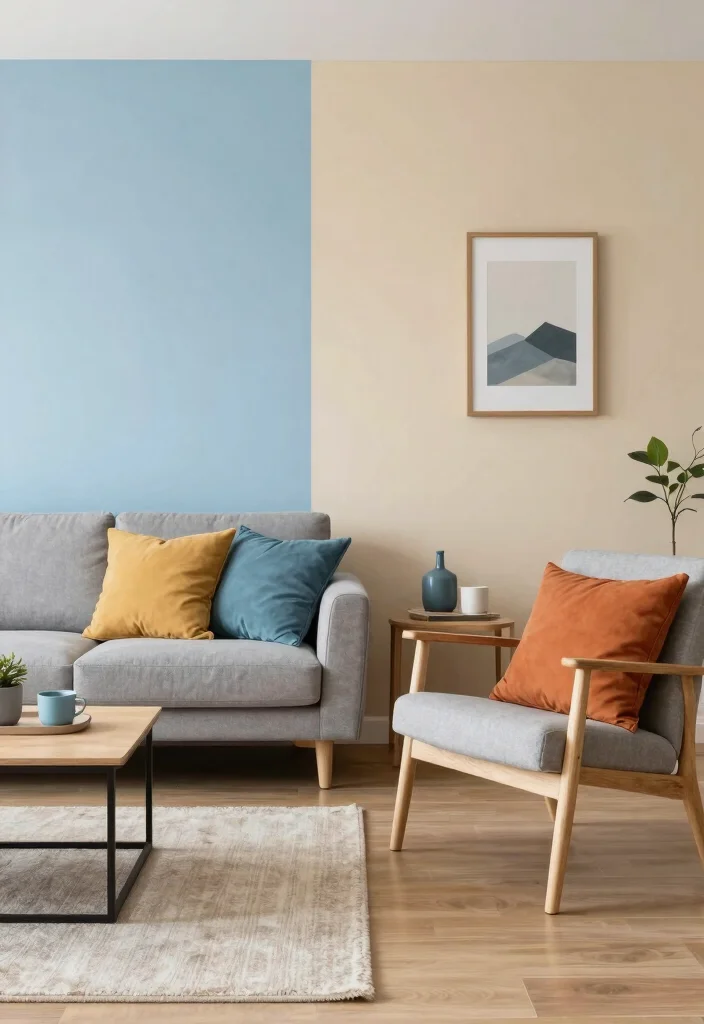
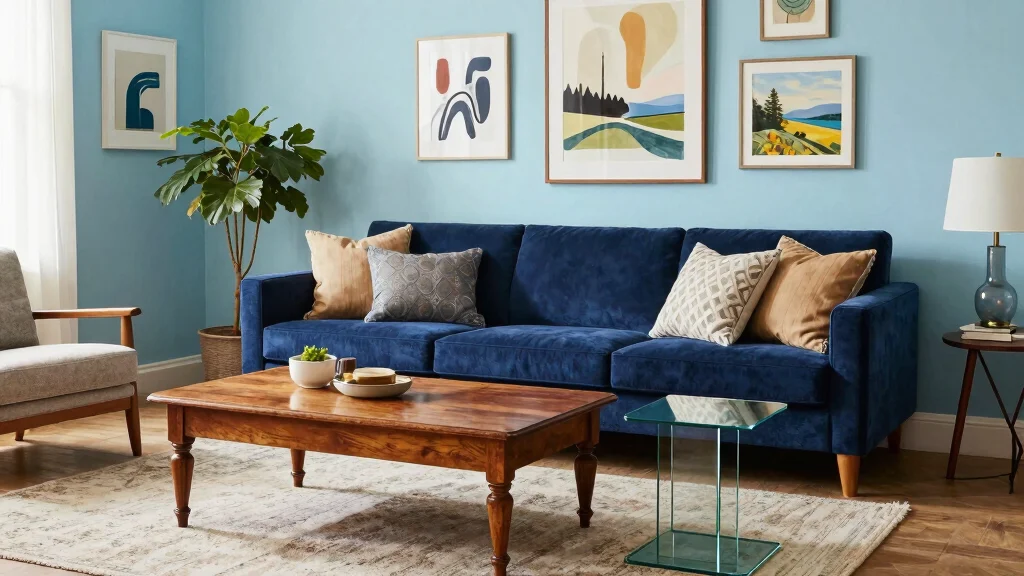
A two-tone color scheme can effectively delineate two seating areas, adding visual interest to your living room. For example, painting one wall a soft blue while the opposite side is a warm beige creates a pleasing contrast that feels cohesive. This approach not only defines the spaces but also enhances the overall aesthetic of the room.
Choosing complementary or contrasting color palettes can elevate the design while ensuring each area feels connected. Balancing light and dark shades within the scheme adds depth and intrigue to the overall look.
Color Tips:
– Use colors within the same family for a harmonious look.
– Balance light and dark shades for depth.
– Incorporate matching decor elements between areas to unify the design.
This strategy promotes a stylish and dynamic environment that invites relaxation.
Fun fact: a 2-tone color scheme can split 2 seating areas in a small living room without walls, making the space feel bigger. Try painting one wall soft blue and the opposite side warm beige to define two seating areas while keeping the living room layout cohesive.
8. Minimalist Approach
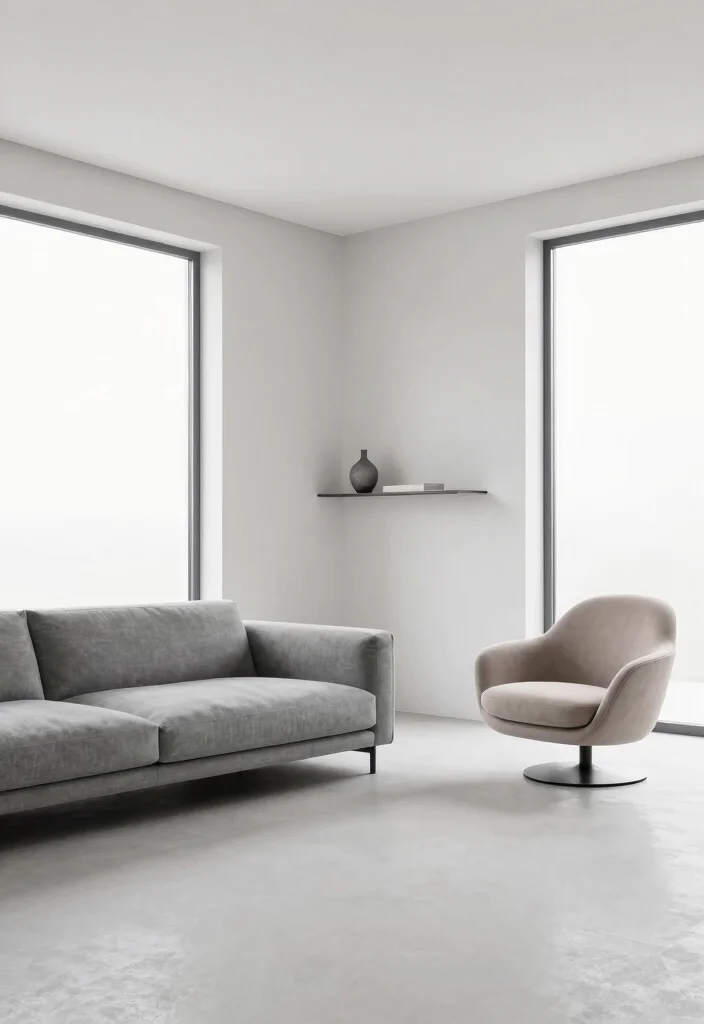
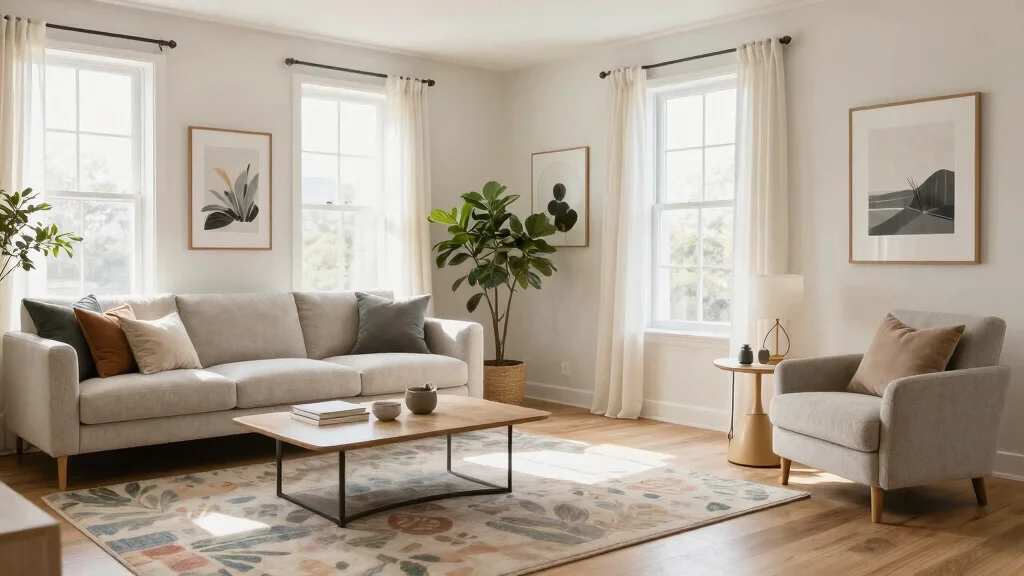
Embracing a minimalist approach can create a sleek and modern atmosphere in your living room. Focus on fewer but high-quality furniture pieces, such as a simple yet elegant sofa paired with standout chairs to form two distinct seating areas. This keeps your space uncluttered while radiating sophistication.
Smart storage solutions can help keep excess items hidden, enhancing the clean aesthetic. Opting for a neutral color palette with one or two accent colors further solidifies this minimalist design.
Minimalist Design Tips:
– Stick to a neutral color palette with one or two accent colors.
– Use multifunctional furniture that blends seamlessly into the background.
– Keep decorations to a minimum, opting for a few impactful pieces.
This approach creates a calming and elegant living environment.
You might also like
9. Layered Textures
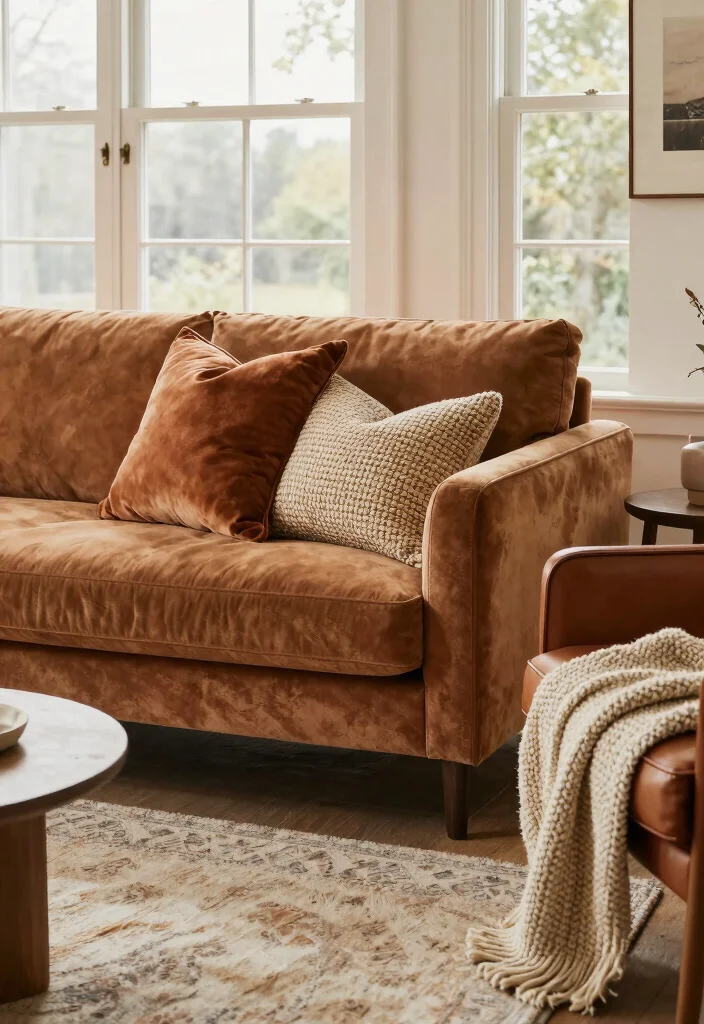
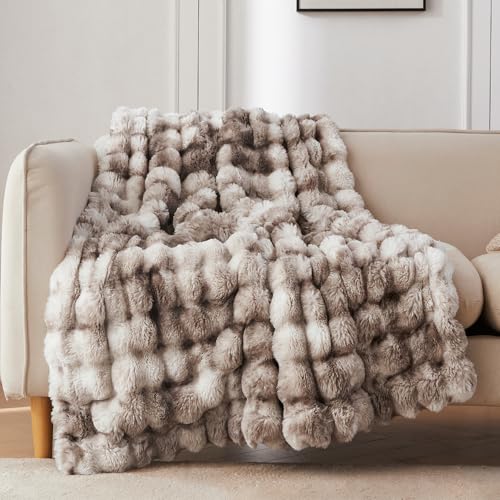
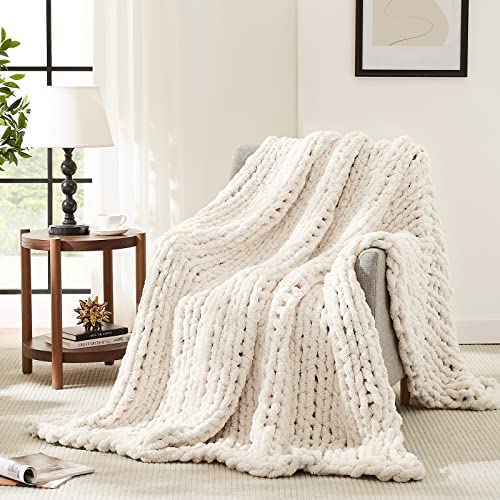
Incorporating layered textures into your living room design adds depth and warmth, particularly when establishing two distinct seating areas. Mixing fabrics and materials—like plush velvet pillows, woven throws, and sleek leather chairs—creates a cozy yet stylish atmosphere. This combination not only enhances comfort but also invites sensory engagement.
Ensure that both areas share some common textures, promoting cohesion across the space. Thoughtfully selected textures can elevate the overall aesthetic, making it feel inviting and rich.
Texture Tips:
– Use rugs to add a soft element underfoot.
– Incorporate varied materials in throw blankets and cushions.
– Consider different surface finishes on furniture to enhance visual interest.
These elements collectively contribute to a layered, inviting living room experience.




10. Eclectic Mix
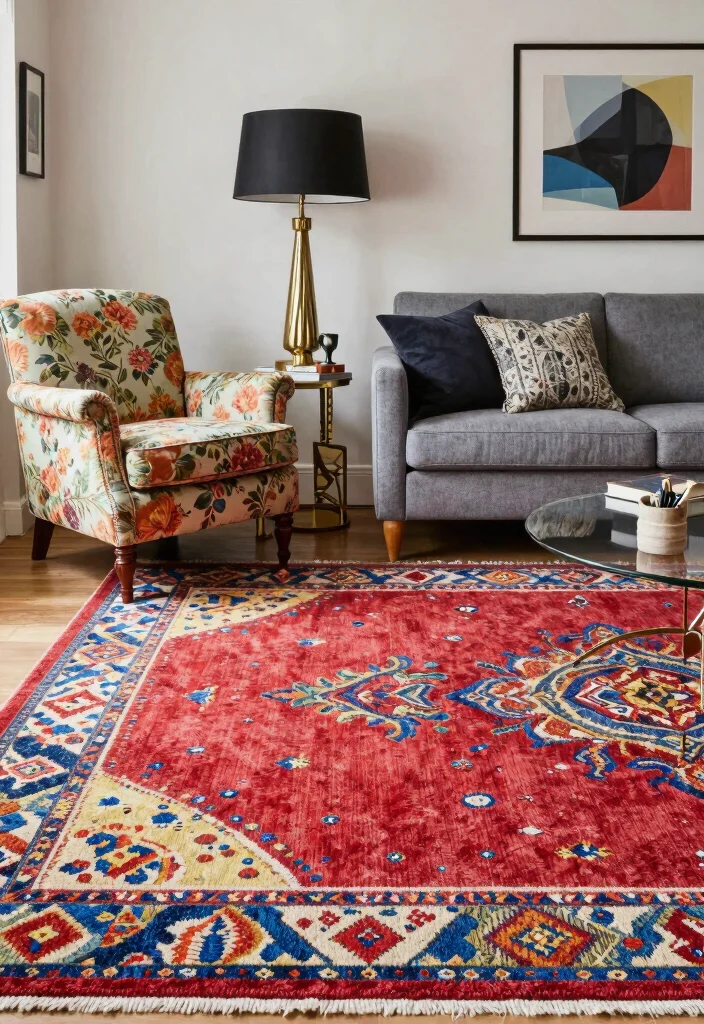
An eclectic mix of styles can infuse your living room with personality and character. By showcasing different aesthetics in two seating areas, such as a vintage armchair alongside a contemporary sofa, you create a dynamic and visually engaging environment. This approach allows for playful combinations of color and form while maintaining a sense of balance.
Incorporate elements that tie the spaces together, like a shared color in upholstery or decor. Striking the right balance between bold patterns and neutral pieces prevents the look from becoming chaotic.
Eclectic Design Tips:
– Choose decor that speaks to your personal style.
– Balance bold patterns with neutral pieces to avoid chaos.
– Use a common rug to unify the look.
This strategy allows you to express your individuality while ensuring a cohesive feel.
11. Use of Mirrors
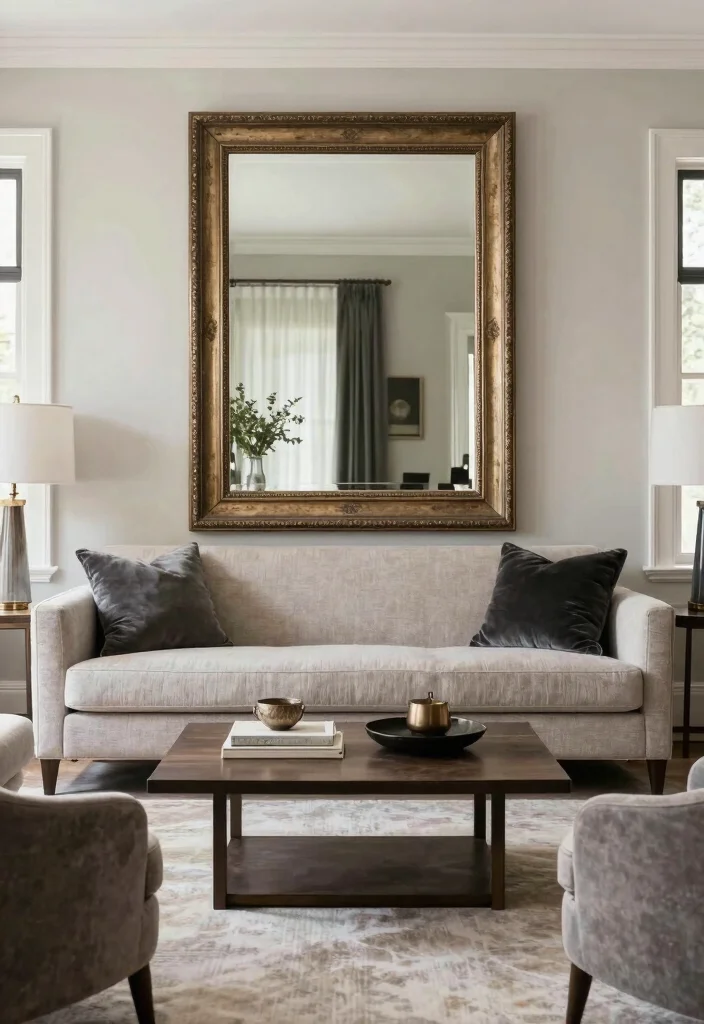
Incorporating mirrors into your living room design can significantly enhance the feeling of space and light. Positioning a large mirror behind one of the seating areas not only reflects light but also creates an illusion of depth, making the room feel more expansive. This elegant touch adds sophistication and can serve as a statement piece in your decor.
Select mirrors with unique frames that complement your overall design style, ensuring they blend seamlessly with your aesthetic. Thoughtful placement of mirrors can maximize their impact without overwhelming the space.
Mirror Placement Tips:
– Position mirrors to reflect natural light sources.
– Use them to frame a seating area or artwork.
– Avoid overcrowding with too many mirrors; one statement piece is often enough.
Such careful consideration of mirrors can elevate your living room’s ambiance.
12. Textured Wall Treatments
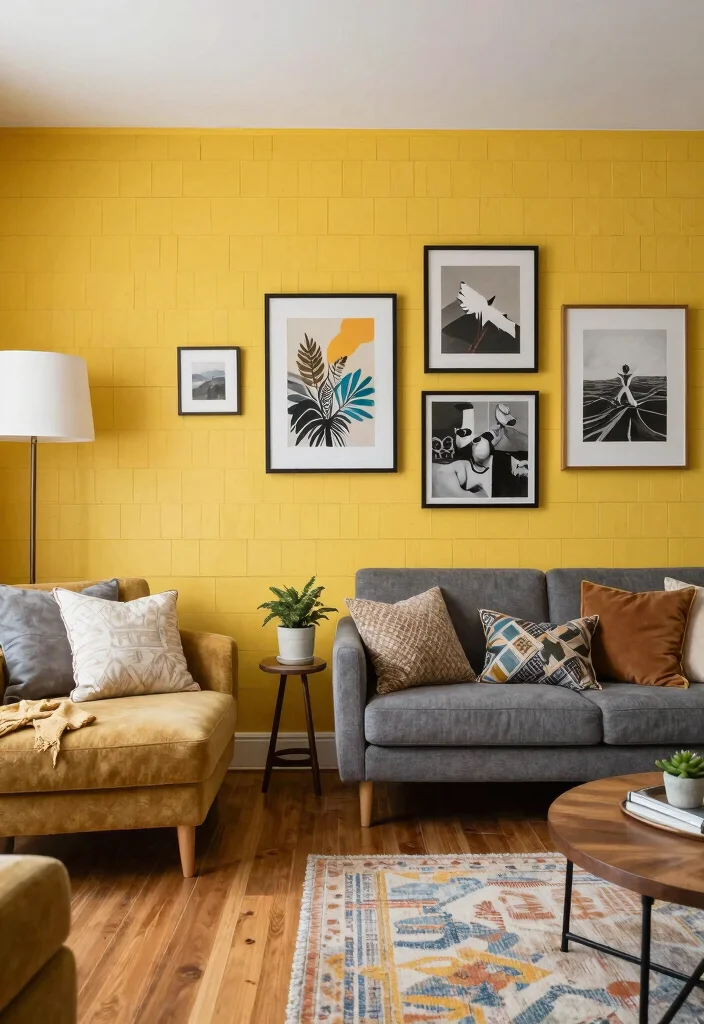
Textured wall treatments can add significant interest and character to your living room. Whether you choose shiplap, wallpaper, or a gallery wall, these textures create stunning backdrops for your two seating areas. Different textures in each area can maintain distinction while ensuring the overall theme remains cohesive and inviting.
Consider painting one wall a bold color to anchor one seating arrangement, allowing the opposite area to stay light and airy. This contrast enhances visual appeal and adds dimension to the space.
Wall Treatment Tips:
– Use paint or wallpaper to highlight areas.
– Ensure textures complement each other.
– Frame art that resonates with both seating areas.
This strategy can make your living room feel both dynamic and personal.


13. Built-in Shelving
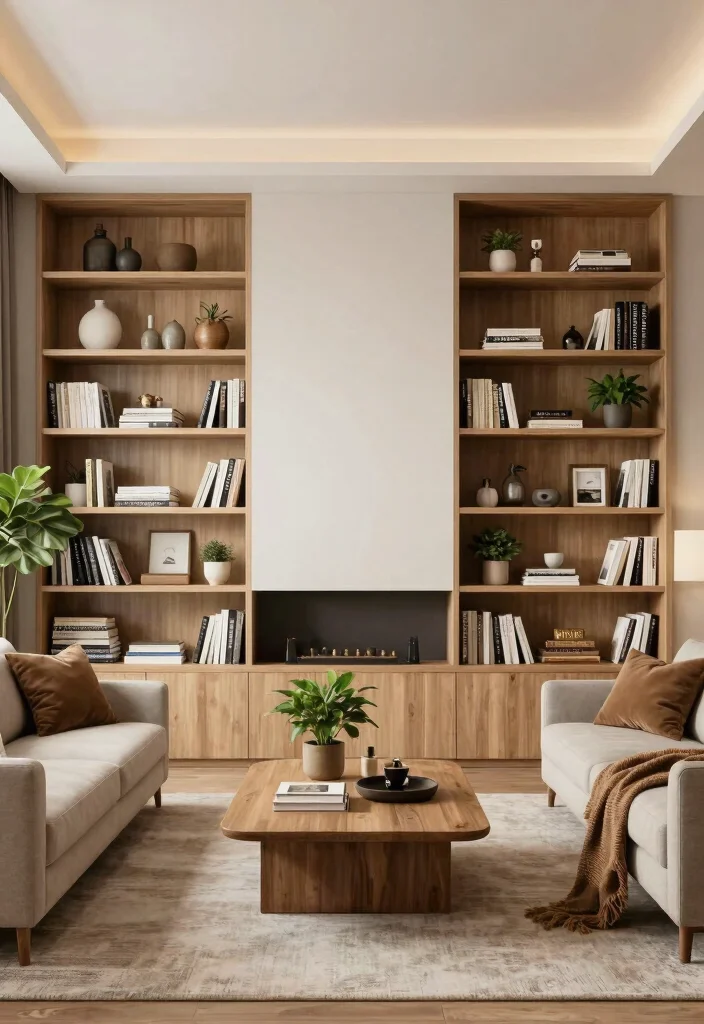
Built-in shelving can provide stylish storage solutions while enhancing your living room’s aesthetic. Positioning shelves between two seating areas acts as a natural divider, connecting the spaces without losing intimacy. Fill the shelves with books, art, or plants to infuse personality and warmth into the room.
This approach maximizes vertical space, allowing for easy transitions between the two areas while keeping them visually linked. Consistent styling across the shelves can create a polished look that ties the room together.
Built-in Shelving Tips:
– Use consistent styling across shelves for a cohesive look.
– Incorporate lighting in shelves to highlight decor.
– Choose lower shelves to keep sightlines open.
Such thoughtful design elements can enhance both function and beauty.
14. Accent Walls
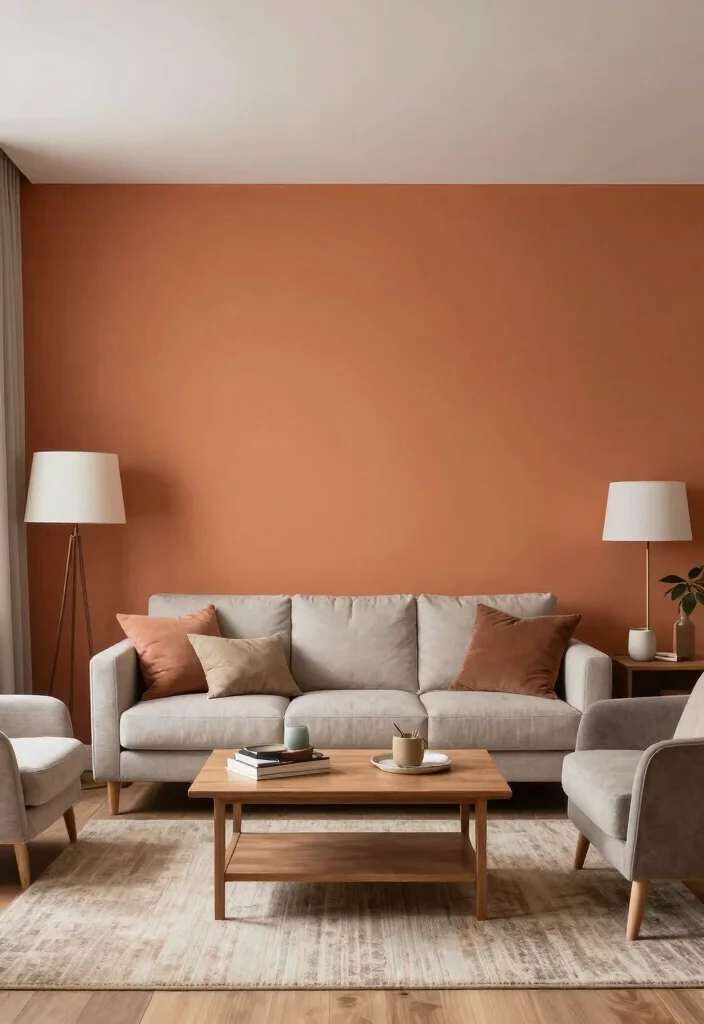
Creating an accent wall can dramatically elevate the atmosphere of your living room, helping to define your seating areas. Painting or wallpapering one wall draws attention and establishes a visual focal point. This technique is particularly effective behind one of the seating arrangements, providing a strong anchor for the space.
Opt for bold colors or eye-catching patterns that complement the overall decor. This approach not only adds character but also enhances the design’s cohesiveness.
Accent Wall Tips:
– Choose colors that resonate with the remaining palette.
– Use wallpaper with a subtle design to avoid overpowering.
– Balance the visual weight with decor on the opposite wall.
This method infuses personality and vibrancy into your living room.
You Might Also Like
15. Seasonal Decor Changes
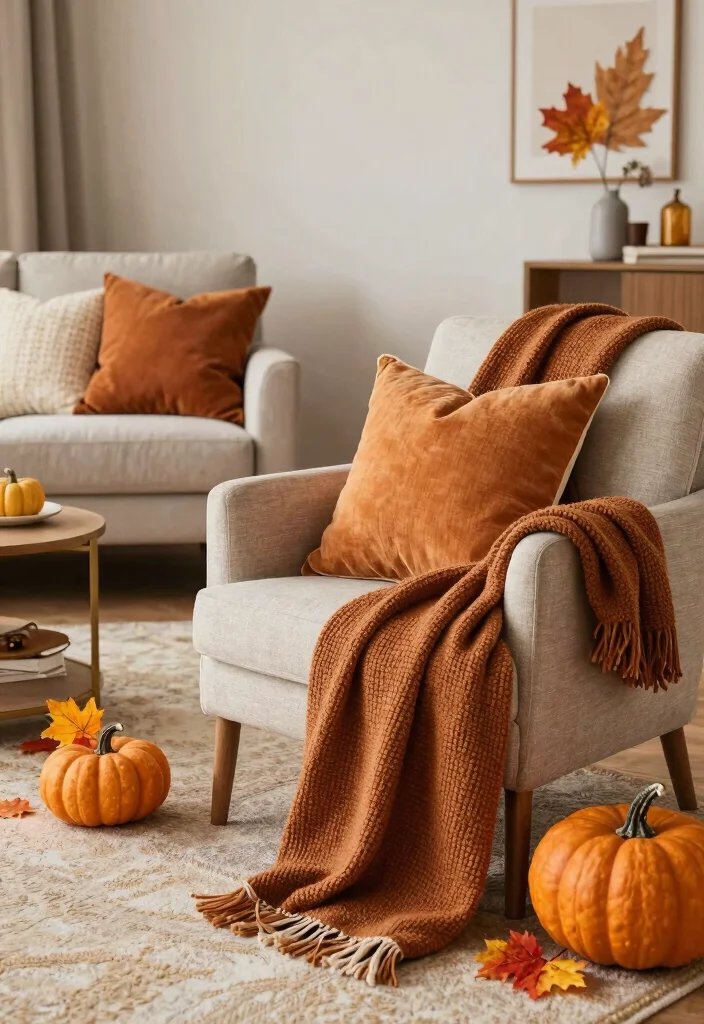
Your living room can evolve beautifully with the seasons by swapping out decor and textiles. Changing throw pillows, blankets, and even artwork can refresh the space and keep it feeling inviting. This practice is a wonderful way to keep your two seating areas current and reflective of the time of year.
In warmer months, consider lightweight fabrics for a breezy feel, while embracing cozy textures and warm hues in the fall and winter. This dynamic approach ensures your living room remains engaging throughout the year.
Seasonal Decor Tips:
– Use lightweight fabrics in spring/summer for a breezy feel.
– Incorporate warm hues and cozy textures in fall/winter.
– Keep decor versatile so it can easily transition from one season to another.
Such thoughtful adjustments can breathe new life into your living space.
16. Outdoor-Inspired Decor
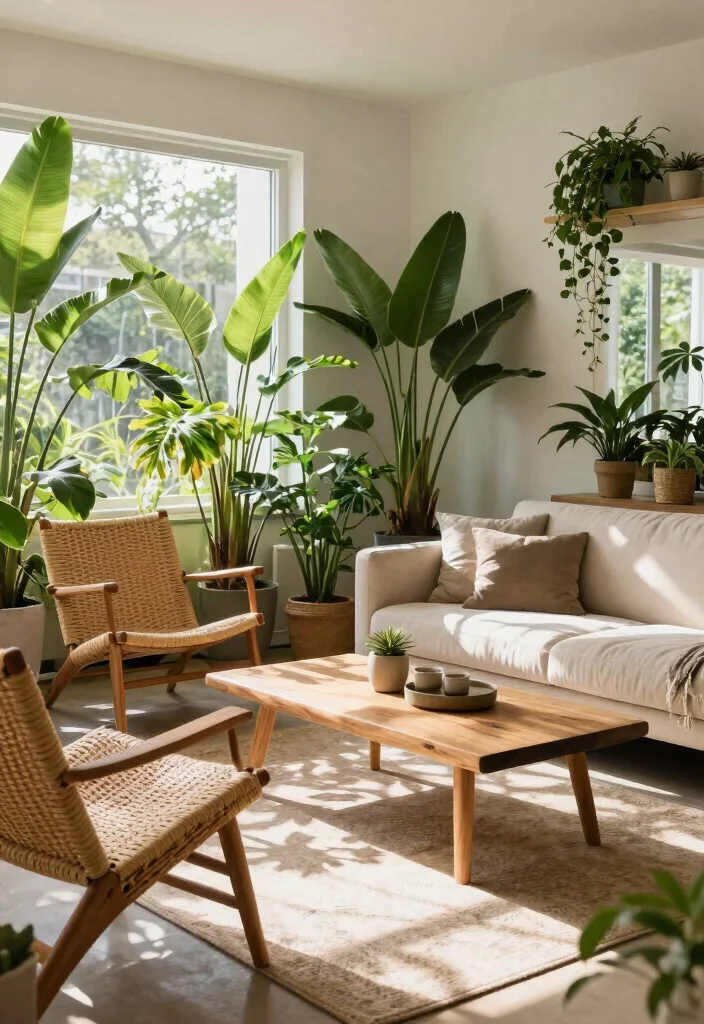
Bringing the outdoors inside can create a refreshing and airy feel in your living room. Incorporating indoor plants and nature-inspired decor helps connect your two seating areas, enhancing the overall ambiance. Choose furniture pieces that echo outdoor designs, such as wicker chairs or reclaimed wood finishes, to foster a seamless transition between indoor and outdoor aesthetics.
This connection to nature fosters a sense of tranquility and openness, making your living room a serene retreat. Light colors and natural textures further enhance this inviting environment.
Outdoor Decor Tips:
– Use a mix of different plants for variety.
– Incorporate natural materials like wood and stone.
– Keep colors light and refreshing for an airy vibe.
Such elements will enrich your living space and create a harmonious atmosphere.
17. Artistic Focal Points
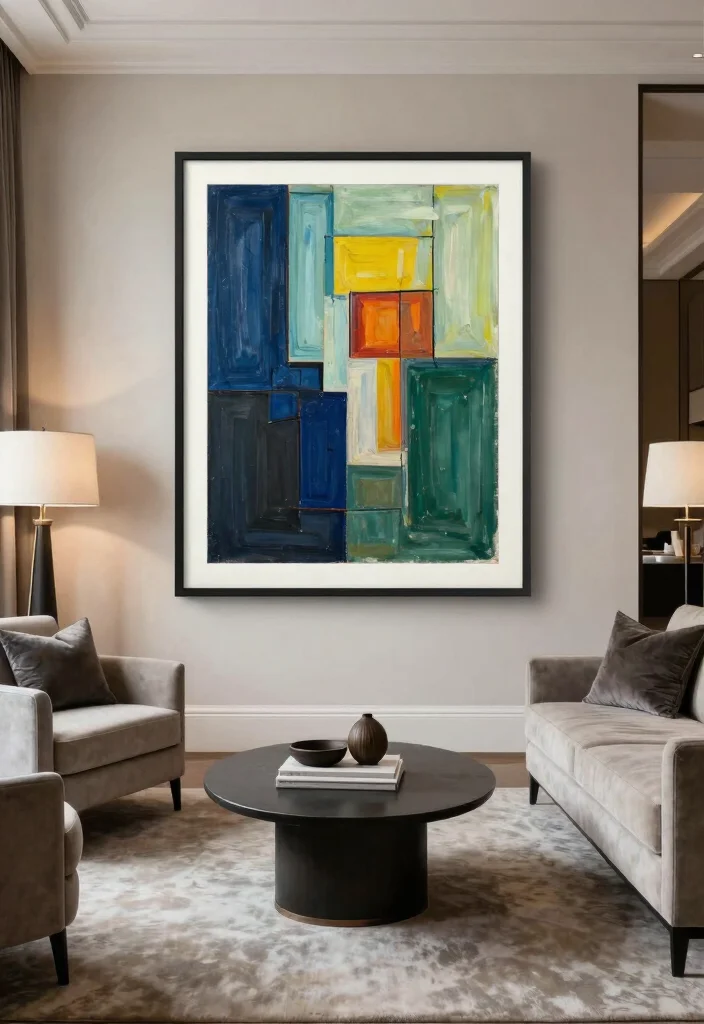
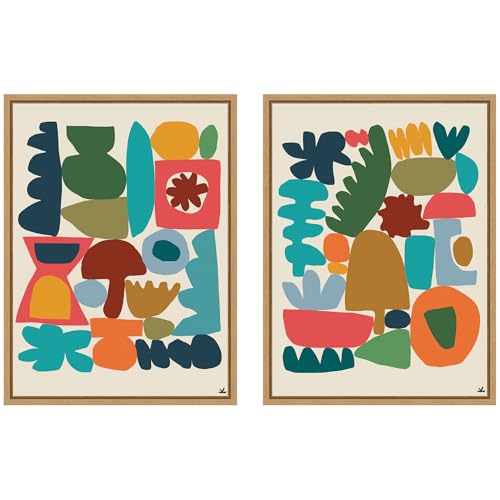
If art holds a special place in your heart, let it guide your living room layout. Positioning large pieces of art between two seating areas not only serves as a focal point but also enhances conversation and flow within the space. Selecting artworks that resonate with your aesthetic—whether abstract, photography, or landscapes—can create a stunning visual experience.
Arranging furniture to complement these pieces ensures the art is the star of the show, creating a captivating atmosphere. Thoughtful placement maximizes impact while maintaining balance in the decor.
Art Display Tips:
– Keep the arrangement at eye level for maximum impact.
– Use framed pieces to enhance decor style.
– Balance wall art with other decor elements to avoid overcrowding.
Incorporating art in this way infuses your living room with personality and charm.




18. Personalized Touches
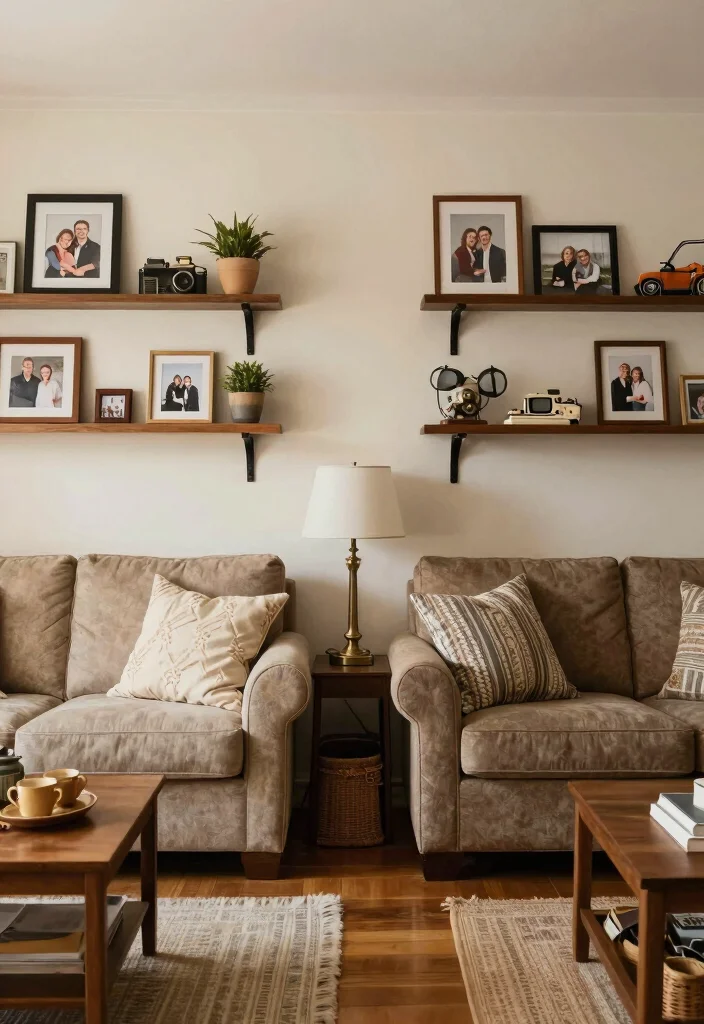
Injecting your personal style into the living room is essential for making both seating areas feel like home. Displaying family photos, travel souvenirs, or handmade crafts adds warmth and character to the space. Choose items that hold meaning and arrange them thoughtfully to enhance the visual appeal of each area.
This personal touch transforms your living room into a reflection of your life and experiences, making it a unique and inviting retreat. Careful curation ensures that the decor remains balanced and uncluttered, allowing each piece to shine.
Personalization Tips:
– Use frames that match your furniture style.
– Rotate decor to keep the look fresh.
– Ensure items are not overly cluttered, allowing each piece to shine.
Such thoughtful personalization will enrich your living space and infuse it with joy.
Make your two seating areas living room layout furniture arrangement bloom with meaning by displaying items that truly matter—family photos, travel mementos, handmade crafts. Rotate pieces seasonally and curate thoughtfully so each zone feels warm, practical, and uniquely yours.
Conclusion
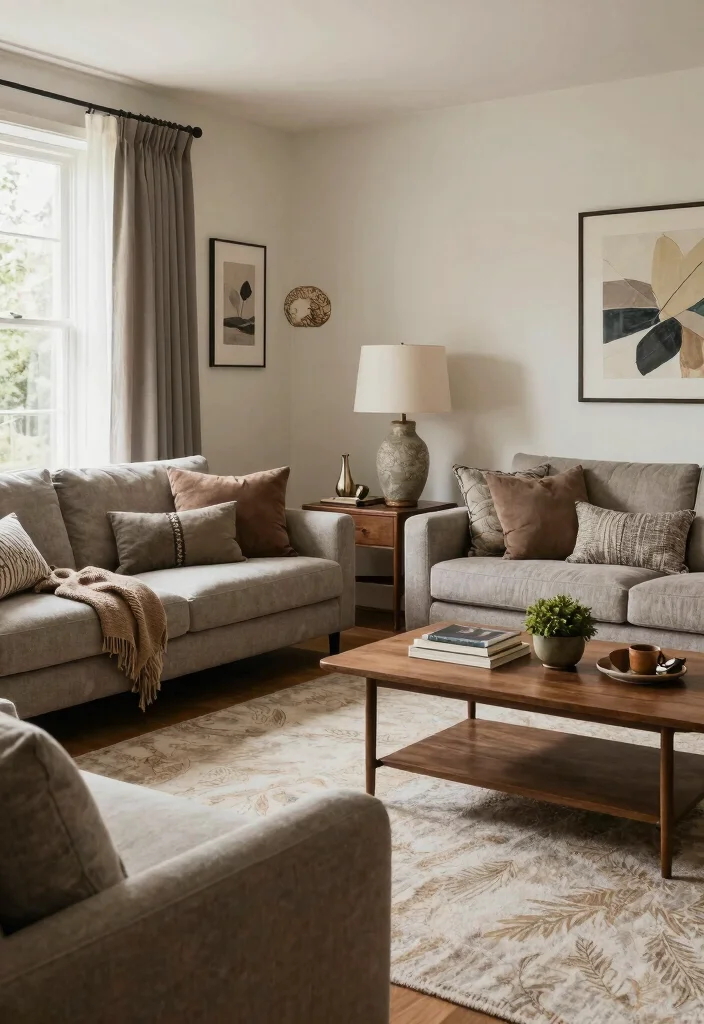
Designing a living room with two seating areas in a small space can feel daunting, but with creativity and thoughtful arrangements, you can achieve a harmonious and functional layout.
From cozy nooks to eclectic mixes, each idea presented here invites you to explore the possibilities of your space, ensuring it reflects your style while being practical.
Consider incorporating some of these trends into your own design, and enjoy the process of creating a living space that feels comfortable and uniquely yours.
Related Topics