
Expert Home Style – For the Price of a Coffee ($3.90)
Master high-end design secrets (Tuscan, Modern) without the expensive consultants.
🛒 Buy NowCreating a kitchen that reflects your style can feel overwhelming. Whether you lean towards the rich heritage of a traditional Indian kitchen or the sleek lines of modern décor, finding that perfect blend is key. I made this post because I understand the struggle of wanting a functional space that also feels like home. With so many options out there, it can be hard to know where to start.
If you’re an enthusiast of home decor or simply looking to refresh your kitchen, you’re in the right place. This guide is tailored for you. It’s designed for anyone who appreciates the beauty of Indian home interiors and is curious about how to mix traditional aesthetics with modern functionality.
In this blog post, you will discover 20 Indian kitchen design ideas that champion both traditional and modern fusion styles. From vibrant tile accents to eco-friendly materials, these ideas are not only visually stunning but also practical. You’ll find inspiration that resonates with your taste and helps you create a kitchen that’s both a joy to work in and a delight to behold.
Key Takeaways
– Explore 20 unique Indian kitchen design ideas that blend traditional and modern styles seamlessly.
– Learn about the use of eco-friendly materials, making sustainable choices that are good for the planet.
– Discover practical tips for incorporating bright color palettes that can uplift your kitchen’s atmosphere.
– Get inspired by decor elements like rustic wooden accents and vibrant tiles to add character to your space.
– Understand how to create multi-functional spaces that maximize both utility and aesthetic appeal in your kitchen.
1. Vibrant Tile Accents
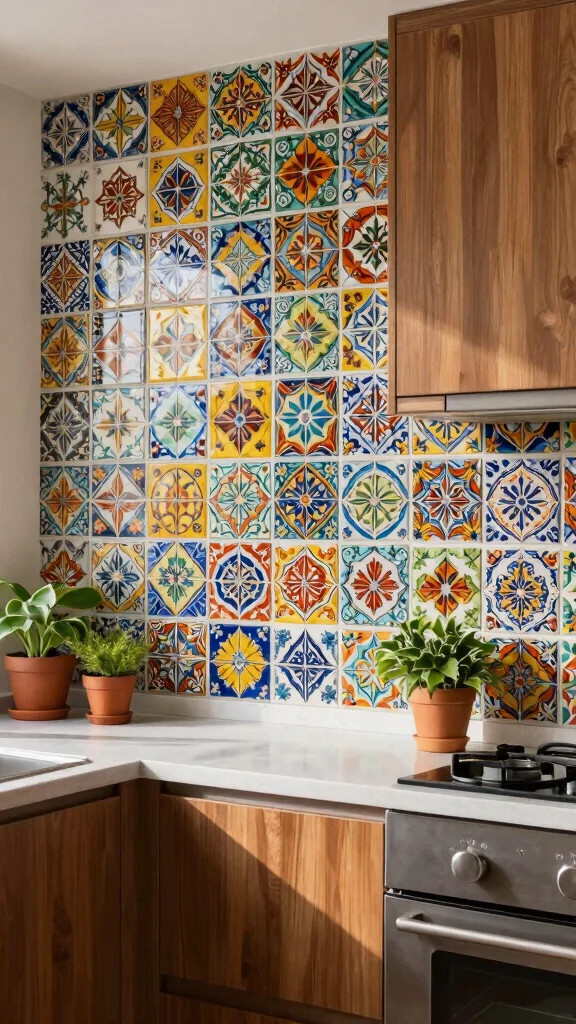
Vibrant tile accents can breathe life into your kitchen. This design element captures the essence of Indian culture, turning your cooking space into a vibrant canvas. Picture colorful ceramic tiles, adorned with intricate patterns, serving as eye-catching backsplashes or countertop highlights. The dynamic hues not only infuse energy but also celebrate the artistic legacy of India.
To maximize this aesthetic, think about incorporating geometric patterns or floral designs that reflect traditional Indian artistry. You can find eco-friendly options made from recycled materials, which contribute to a sustainable kitchen.
Consider these ideas for vibrant tile accents:
– Pair geometric tiles with neutral cabinetry for a balanced look.
– Use matte finish tiles to minimize glare and enhance visual comfort.
– Balance bright tiles with subtle elements to avoid overwhelming the space.
– Select durable tiles that withstand kitchen conditions and everyday use.
This choice elevates your decor while promoting sustainability, creating a kitchen that feels lively and welcoming.


2. Rustic Wooden Elements
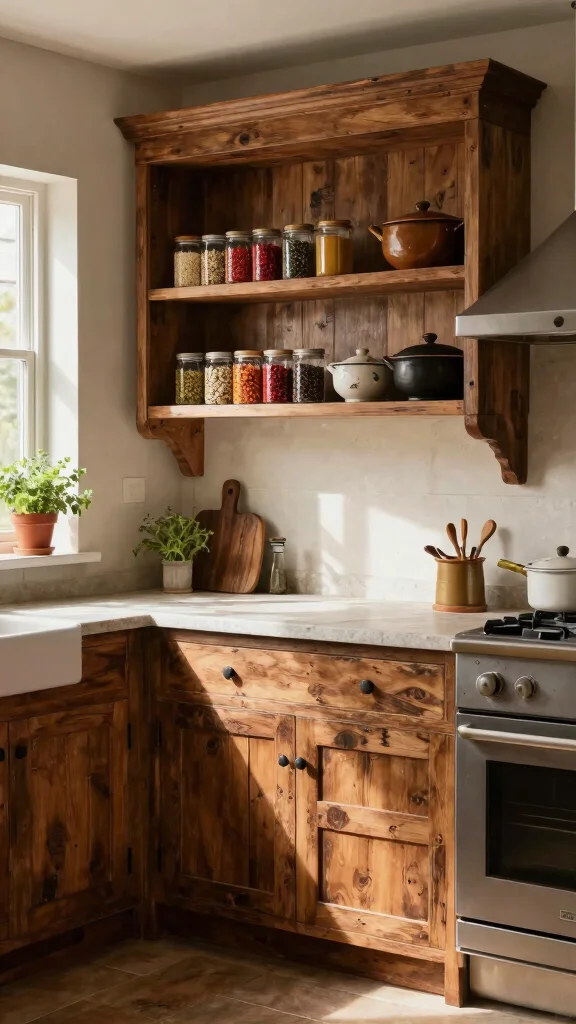
Rustic wooden elements can transform your kitchen into a warm, inviting retreat. Traditional Indian kitchens often feature rich wood cabinetry and beams that exude authenticity. The natural beauty of wood not only enhances aesthetics but also supports eco-conscious design choices.
For a modern twist, consider reclaimed wood or bamboo, both stylish and sustainable. Distressed finishes for cabinets and open shelving allow you to showcase beautiful dishware, spices, or cookbooks, combining function with charm.
To incorporate wood effectively:
– Choose non-toxic finishes that promote indoor air quality.
– Mix different wood types for a diverse yet cohesive look.
– Add wooden accents through furniture pieces to unify the design.
– Pair wood with natural stone countertops for a harmonious contrast.
With rustic wooden elements, your kitchen embodies tradition and modern sustainability, creating a cozy atmosphere.
How To Choose Eco-Friendly Indian Kitchen Design Ideas
Choosing an eco-friendly kitchen design that honors Indian aesthetics while being sustainable is an exciting journey. Here are some key considerations to help you make informed decisions:
1. Material Selection
When it comes to eco-friendly kitchen design, the materials you choose matter a lot. Opt for sustainable materials like bamboo, reclaimed wood, or bamboo plywood. These materials not only reduce your carbon footprint but also add a unique character to your kitchen. Remember, locally sourced materials are a great way to support your community and minimize transportation emissions.
2. Energy Efficiency
Selecting energy-efficient appliances is crucial for a sustainable kitchen. Look for appliances that have high energy ratings, such as those certified by Energy Star. These appliances use less energy, which helps lower your electricity bills and reduces your household’s overall energy consumption. For example, energy-efficient refrigerators can save up to 50% more energy than older models.
3. Natural Lighting
Incorporate as much natural light as possible. Large windows, skylights, or open designs can brighten your kitchen without relying on artificial light. Natural light not only makes the space feel more welcoming, but it also cuts down on electricity usage during the day. Consider using sheer curtains or no curtains at all to maximize daylight.
4. Waste Management
An eco-friendly kitchen should have a plan for managing waste. Implement a recycling station for paper, plastic, and organic waste. Composting can significantly reduce your waste output and provide nutrient-rich soil for your garden. Designate a special area in your kitchen for composting, such as a stylish container on the counter or a built-in bin under the sink.
5. Indoor Plants
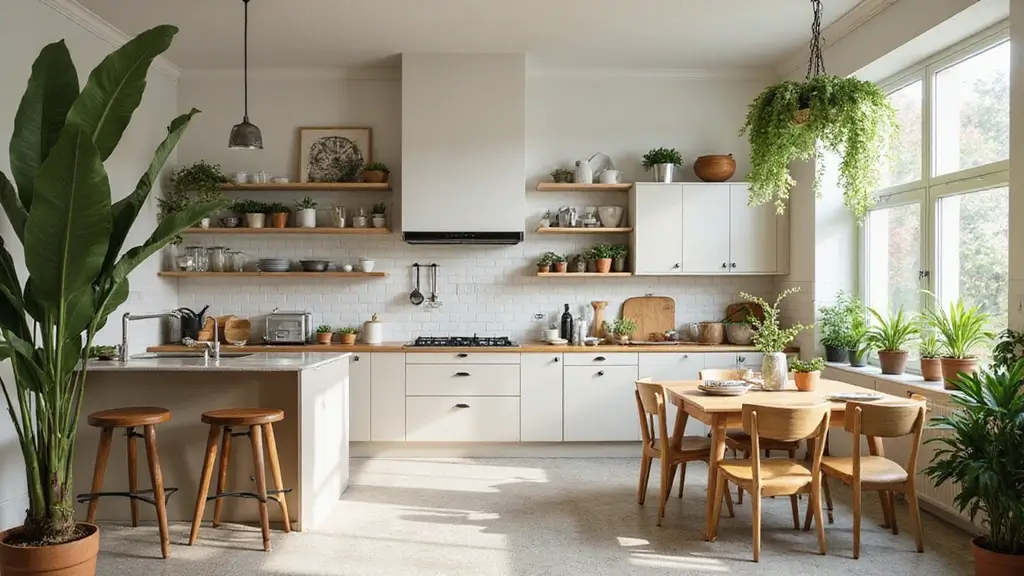
Adding indoor plants can enhance the aesthetics while improving air quality. Herbs are a popular choice for Indian kitchens, as they can be used in cooking. Consider growing basil, coriander, or mint in pots by the window. Not only do they look beautiful, but they also promote a healthier kitchen environment and provide fresh ingredients at your fingertips.
6. Color Palette
Choosing the right color palette can make your kitchen feel fresh and vibrant. Go for natural hues like earthy greens, warm browns, or soft whites. These colors not only represent traditional Indian aesthetics but also create an inviting atmosphere. A lighter color scheme can make a small space feel larger, while darker colors can add depth to a more spacious kitchen.
Pro Tip: Before finalizing your kitchen design, visualize your ideas through sketches or mood boards. This will help you see how different elements come together and give you a clearer picture of your eco-friendly Indian kitchen.
In summary, selecting eco-friendly Indian kitchen design ideas involves careful consideration of materials, energy efficiency, natural lighting, waste management, indoor plants, and color palettes. Each element contributes to a kitchen that is not only beautiful but also sustainable. As you design, keep in mind that each choice you make can impact your health, the environment, and your overall kitchen experience. Embrace the fusion of traditional Indian designs with modern eco-friendly principles to create a space that reflects your values.
3. Eco-Friendly Materials
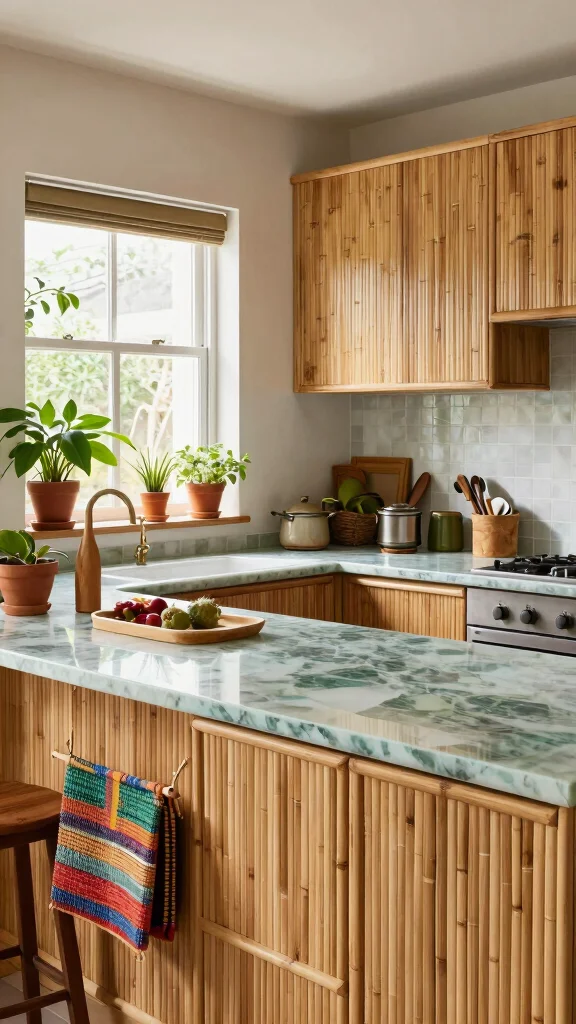
Selecting eco-friendly materials for your kitchen design is a meaningful way to embrace sustainability. Using materials like bamboo, reclaimed wood, and recycled glass can help you create a kitchen that’s both modern and steeped in Indian tradition. These options are durable and reduce your environmental impact.
For countertops, consider recycled glass or composite materials that mimic stone’s beauty without harming the planet. Bamboo cabinetry brings a touch of nature indoors while being stylish and sustainable.
Here are some tips for choosing eco-friendly materials:
– Look for FSC-certified wood products for responsible sourcing.
– Explore low-VOC paint options to keep the air fresh.
– Incorporate energy-efficient appliances to save water and electricity.
– Choose natural fibers like cotton or jute for kitchen textiles.
By being mindful of what you select, you can create a kitchen that is visually appealing and kind to the Earth.
4. Open Shelving Displays
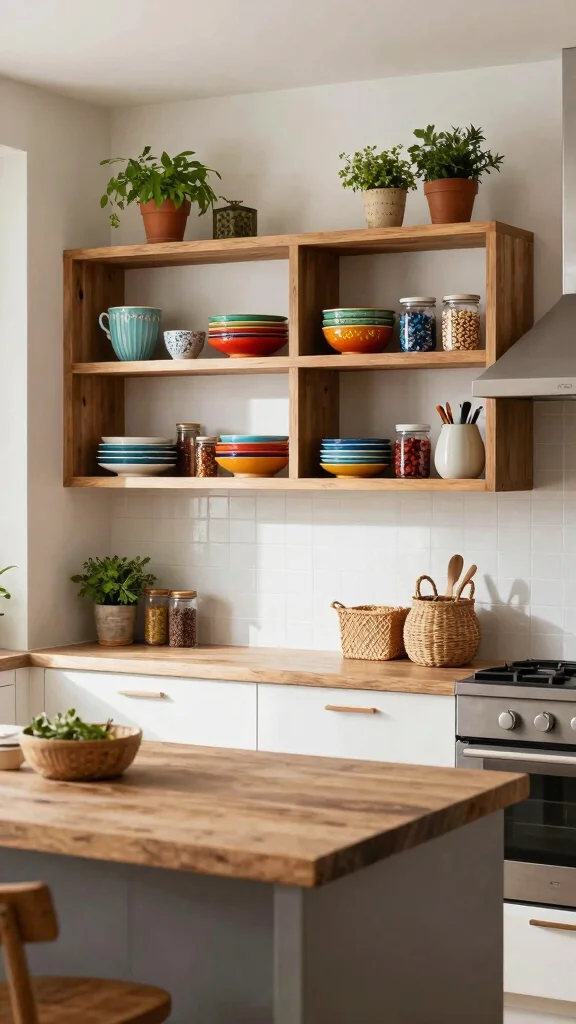
Open shelving is a fantastic way to create an airy kitchen while displaying your beautiful dishware and spices. This design trend merges modern minimalism with traditional Indian aesthetics, inviting warmth into the space. Using reclaimed wood shelves can showcase colorful ceramic plates and jars filled with vibrant spices.
This approach not only saves space but also encourages a cozy, lived-in feel that welcomes family and friends.
To create stunning open shelving:
– Organize items by color or type for visual appeal.
– Use decorative baskets to keep smaller items tidy and attractive.
– Ensure shelves are sturdy enough for heavier items in busy kitchens.
– Combine open shelves with closed cabinets for balanced storage.
Open shelving transforms your kitchen into a functional display of style, enhancing its charm and inviting creativity.
5. Bright Color Palettes
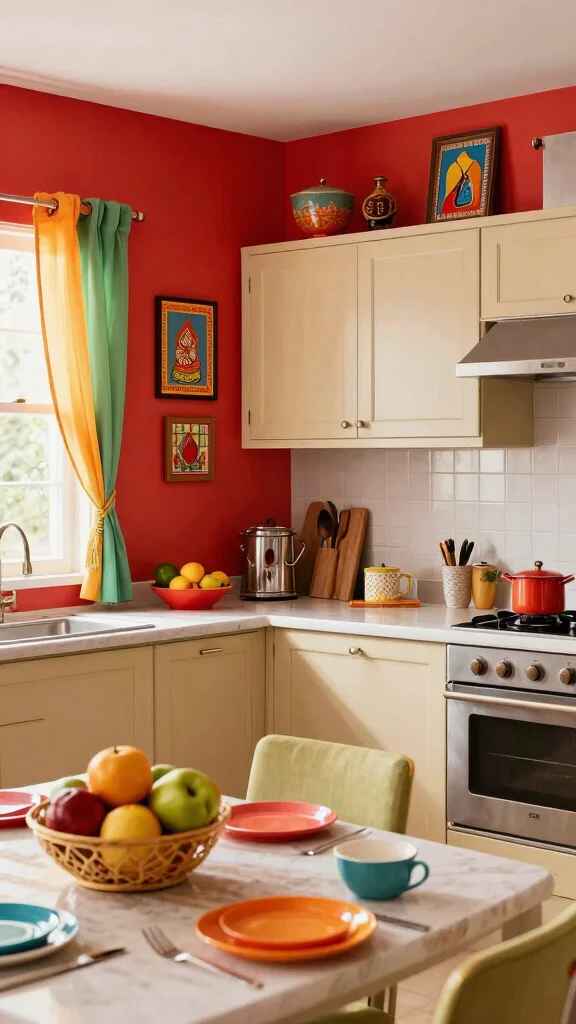
Bright colors are key to the essence of traditional Indian kitchens, and integrating them into your modern decor fosters an energizing atmosphere. Bold hues like deep reds, vibrant yellows, and lush greens create a lively backdrop that uplifts the space. Painting walls in striking shades or adding colorful accents can infuse personality without overwhelming.
Utilizing a neutral base helps balance the impact of bright colors, ensuring a harmonious flow. You can also consider colorful decor items like curtains or backsplashes for an extra pop.
Here are some tips for using color in your kitchen:
– Start with a neutral base for balance, such as soft beige.
– Limit bright colors to specific areas for focused impact.
– Use colored appliances to add fun and uniqueness.
– Incorporate artwork that reflects Indian culture to tie in the theme.
Bright color palettes energize your kitchen, creating a warm and joyful environment perfect for family gatherings.
6. Hanging Pot Racks
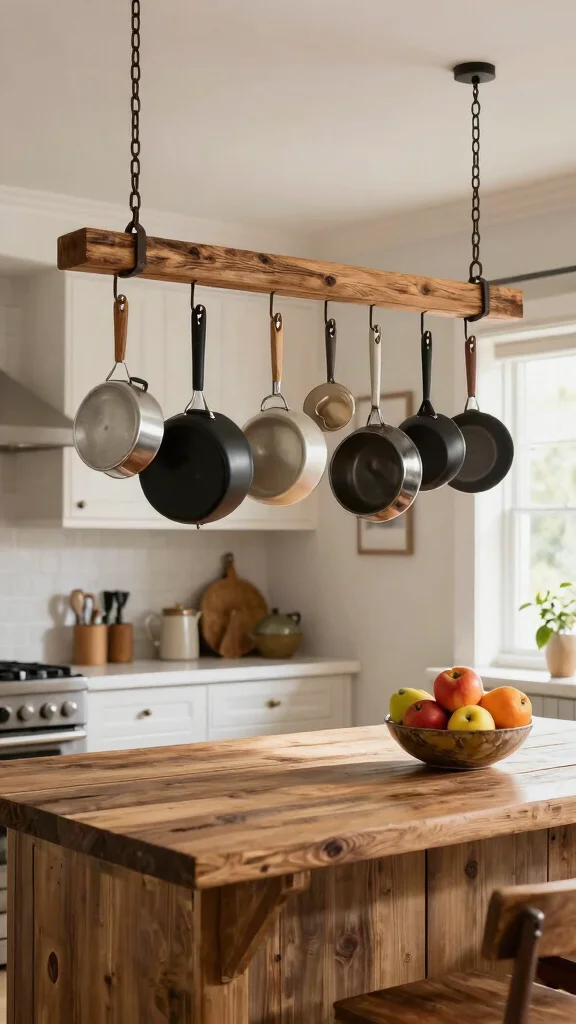
Hanging pot racks are both practical and stylish, adding a functional flair to your kitchen. They create a sense of openness while preserving the traditional feel cherished in many Indian homes. This design trend blends functionality with aesthetic appeal, perfect for any kitchen style.
Opt for metal racks in warm tones or reclaimed wood that complements your cabinetry. Use these racks to hang pots, pans, and beautiful utensils for easy access while cooking.
To install pot racks effectively:
– Ensure strong installation to support heavy cookware.
– Hang pots at varying heights for an exciting visual effect.
– Use colorful pots that serve as decor pieces.
– Add herbs or decorative elements for extra charm.
Hanging pot racks optimize kitchen space while showcasing your cooking passion, turning your kitchen into a culinary gallery.
Fun fact: Hanging pot racks can cut countertop clutter by up to 40% while showcasing Indian kitchen design ideas. They blend practicality with a warm, traditional vibe. Use metal in warm tones or reclaimed wood for easy access and eco-friendly style.
7. Traditional Carved Cabinetry
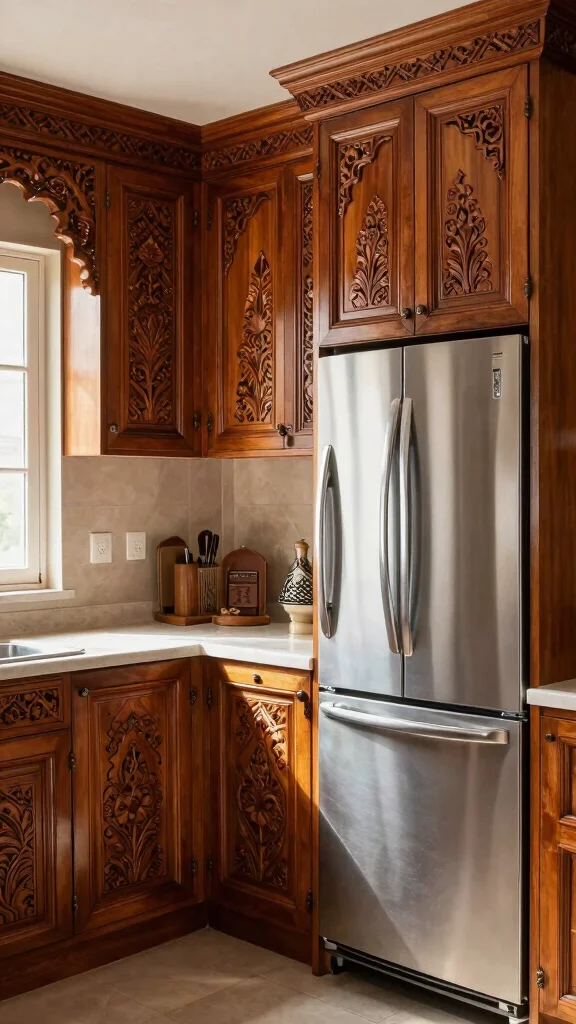
Carved cabinetry provides a distinctive touch, blending elegance with tradition in your kitchen. This design choice showcases intricate craftsmanship rooted in Indian culture, with designs that narrate stories of heritage and artistry. Opt for wooden cabinets featuring detailed carvings or inlay work that adds depth and character to your kitchen.
Pairing these with modern hardware creates a refreshing, updated look that maintains tradition.
When choosing carved cabinetry, keep these points in mind:
– Select designs that reflect your personal style and kitchen theme.
– Mix carved pieces with sleek modern elements for a fusion effect.
– Maintain a cohesive color palette with the rest of your decor.
– Ensure the wood is treated to resist humidity and odors.
With traditional carved cabinetry, your kitchen becomes both functional and a showcase of cultural artistry.
8. Natural Light Emphasis
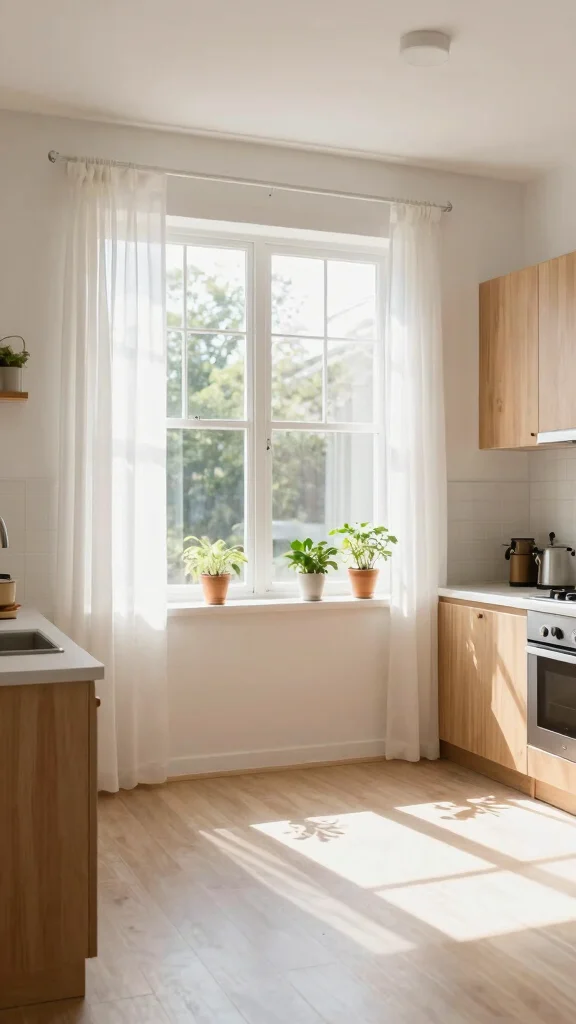
Natural light is essential in kitchen design, making the space feel larger and more inviting. By emphasizing natural light in your Indian kitchen, you create a serene environment that marries modern decor with traditional warmth. Large windows or skylights can flood your kitchen with sunlight, enhancing its overall ambiance.
Utilizing sheer curtains allows light to filter through while maintaining a sense of privacy and warmth.
To maximize natural light, consider these tips:
– Use light-colored walls to reflect sunlight and brighten the space.
– Strategically position mirrors to bounce light around the room.
– Choose glass doors for seamless transitions to outdoor areas.
– Incorporate plants that thrive in indirect light, enhancing the natural feel.
By prioritizing natural light, your kitchen gains a refreshing appeal, enriching your cooking and dining experiences.
9. Eco-Conscious Appliances
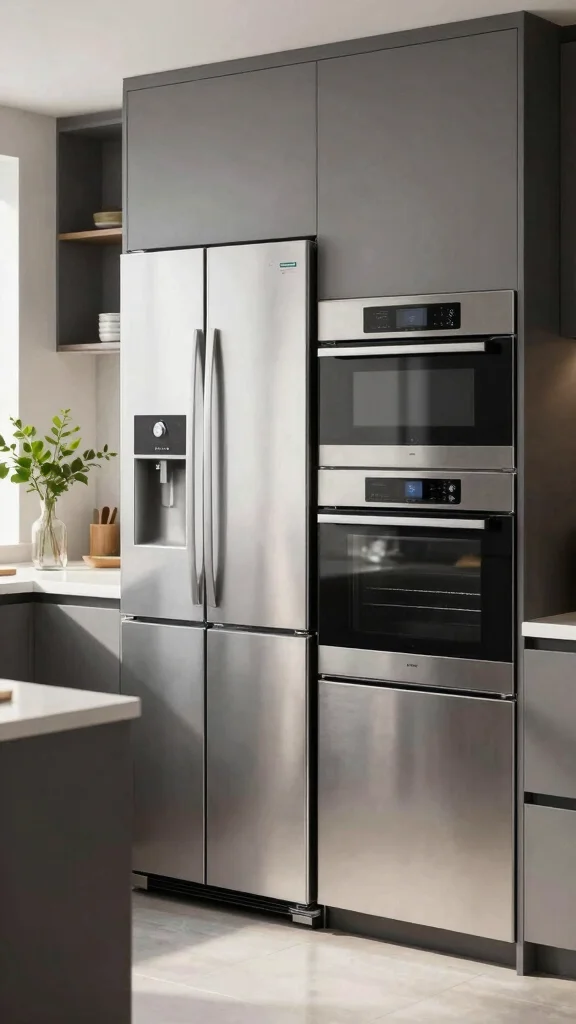
Incorporating eco-conscious appliances into your kitchen design beautifully merges modernity with sustainability. Opt for energy-efficient models that lower your carbon footprint and utility bills. Many brands now offer stylish appliances that use less water and electricity without sacrificing performance.
Choosing Energy Star-rated appliances can significantly impact your environmental footprint while ensuring you enjoy high-quality functionality.
For selecting eco-friendly appliances, keep these tips in mind:
– Research brands committed to sustainable practices.
– Look for easily repairable appliances to extend their lifespan.
– Invest in durable options for long-term energy savings.
– Consider multipurpose appliances to save space and resources.
With eco-conscious appliances, your kitchen becomes a hub of modern conveniences that align with a green lifestyle.
Did you know Energy Star-rated appliances can cut utility bills by up to 20%? For indian kitchen design ideas, choosing efficient models makes sustainability stylish and affordable.
10. Indian Patterned Fabrics
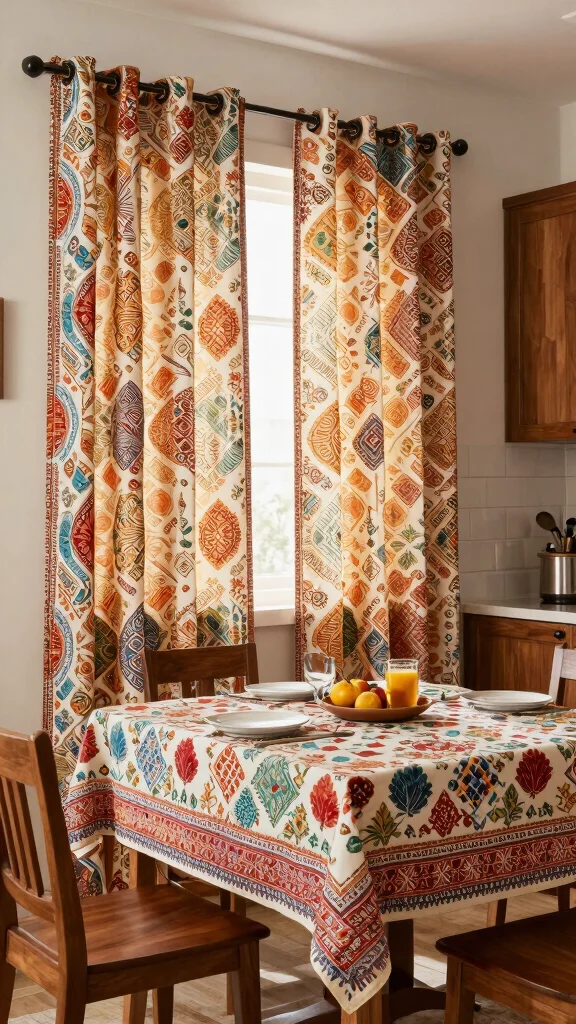
Fabrics play a vital role in adding texture and style to kitchens. Utilizing Indian patterned fabrics for curtains, table runners, or seat cushions introduces cultural flair and personality into your cooking space. Bold prints and intricate designs can beautifully contrast with the clean lines of modern kitchen decor.
Opt for cotton or linen fabrics that are easy to maintain and eco-friendly, such as block-printed textiles that bring warmth and authenticity.
To incorporate fabrics effectively:
– Choose colors that harmonize with your kitchen’s palette.
– Mix and match patterns while maintaining a unifying theme.
– Use durable fabrics that can withstand kitchen conditions.
– Consider seasonal changes with interchangeable fabrics for variety.
By weaving in Indian patterned fabrics, your kitchen reflects rich cultural heritage while being both stylish and functional.
11. Indoor Herb Gardens
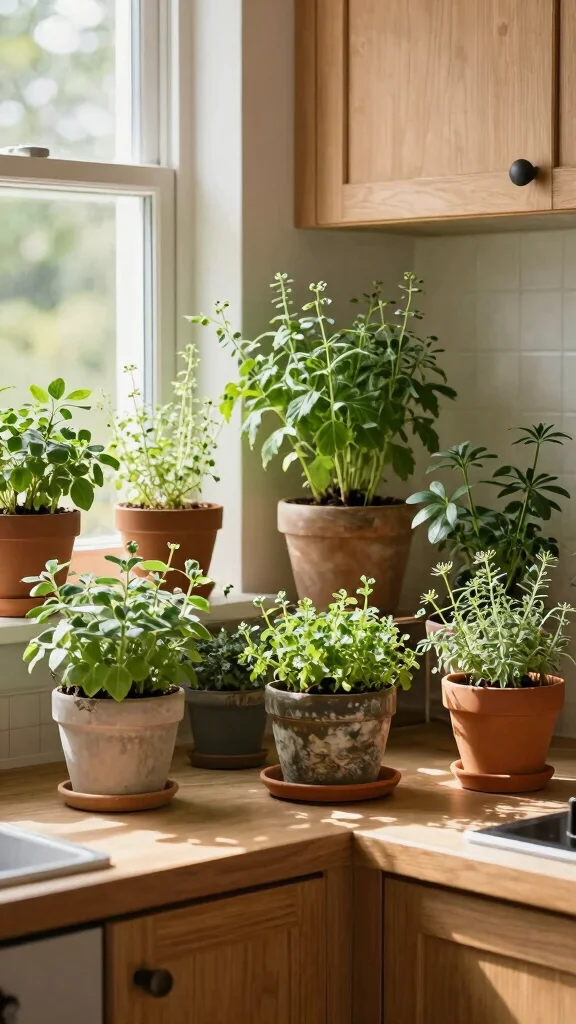
Creating an indoor herb garden in your kitchen is a delightful blend of practicality and beauty. Fresh herbs not only enhance your dishes but also invigorate your space with vibrant greenery. Herbs like basil, mint, and coriander thrive in sunny spots, making your kitchen a nurturing environment.
Use stylish pots or vertical gardening systems to maximize space while keeping your herbs accessible. Position them near windows to enjoy their delightful scents while cooking.
For establishing an indoor herb garden:
– Start with herbs you frequently use for convenience.
– Ensure pots have proper drainage for healthy growth.
– Rotate your herbs regularly to promote even growth.
– Consider clear containers to showcase the roots and soil.
With an indoor herb garden, your kitchen becomes a lively sanctuary that nurtures both plants and culinary creativity.
12. Statement Lighting Fixtures
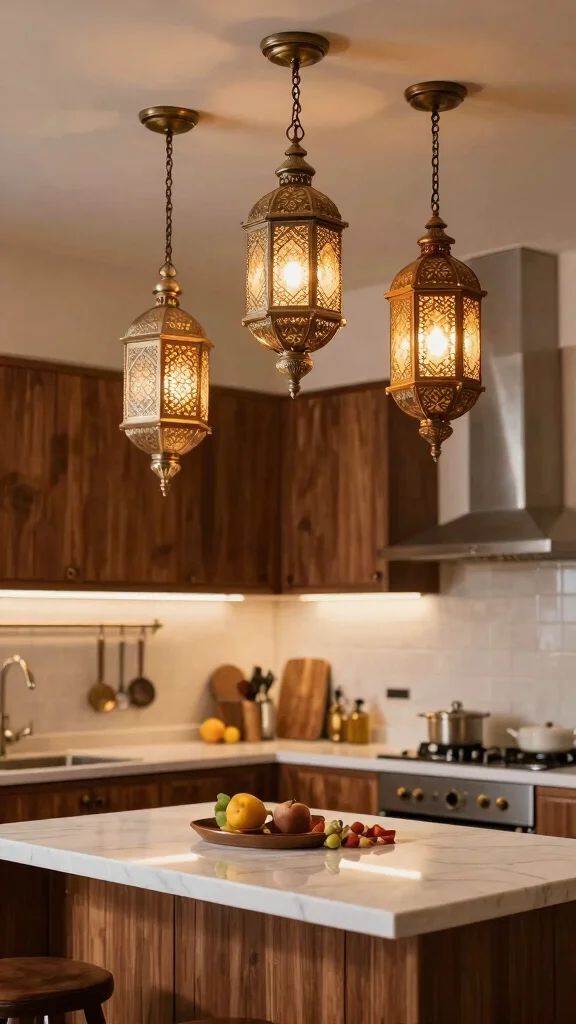
Statement lighting fixtures can dramatically enhance your kitchen design and serve as a focal point. Consider traditional Indian lanterns or modern pendant lights that reflect your unique style, harmonizing with your kitchen’s overall theme. Unique lighting can transform the ambiance and functionality of the space.
Select fixtures that provide adequate illumination while showcasing your personality. Hanging lights over an island or dining area creates an inviting atmosphere for gatherings.
When selecting lighting, keep these tips in mind:
– Choose fixtures that complement your cabinetry and decor.
– Mix metal finishes for a contemporary twist on tradition.
– Opt for adjustable pendant lights for versatile lighting options.
– Incorporate LED bulbs for energy efficiency and longevity.
With statement lighting, your kitchen evolves from a functional space to a stylish area perfect for entertaining guests.
13. Multi-Functional Spaces
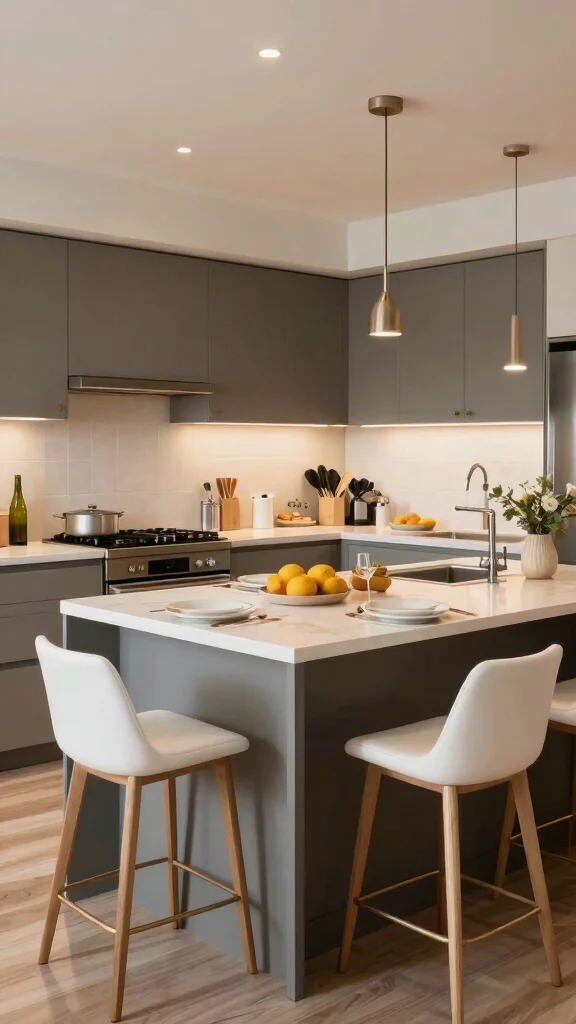
Designing a multi-functional kitchen is crucial in modern homes, especially with limited space. This concept encourages using kitchen areas for diverse activities beyond cooking, such as dining, working, or socializing. A well-designed kitchen seamlessly blends these functions while maintaining aesthetic appeal.
Consider an island that serves as both a prep space and a dining area, or incorporate a cozy nook for family gatherings while cooking. Using adaptable furniture that can be moved or stored easily enhances the kitchen’s functionality.
For creating multi-functional spaces:
– Choose furniture that serves multiple purposes, like benches with storage.
– Set up distinct zones for cooking, dining, and relaxing to improve usability.
– Use bar stools that fit under counters to save space.
– Maintain a consistent decor theme for a unified look.
A multi-functional kitchen ensures every inch is utilized, creating a lively hub for family activities.
14. Minimalist Approach
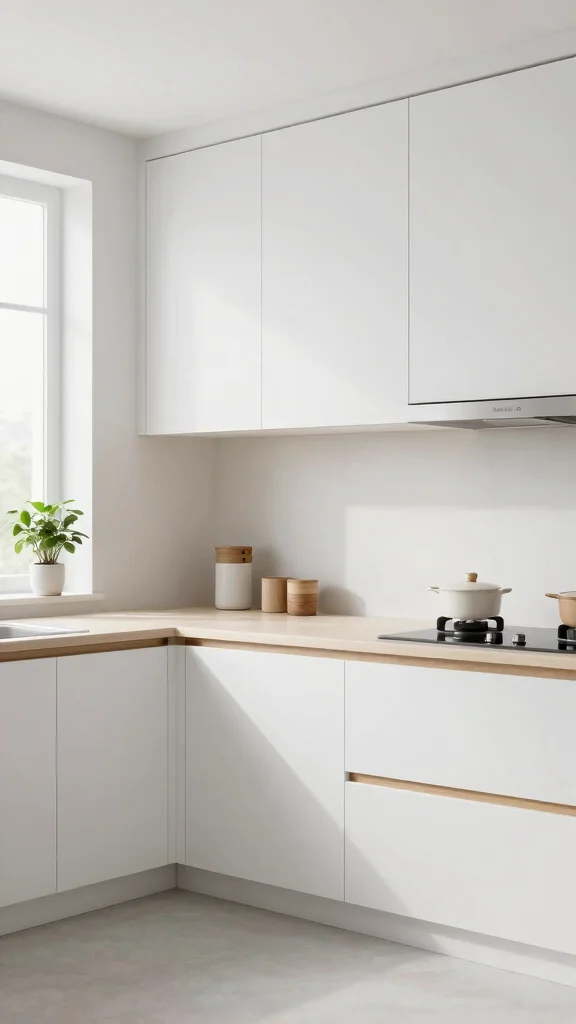
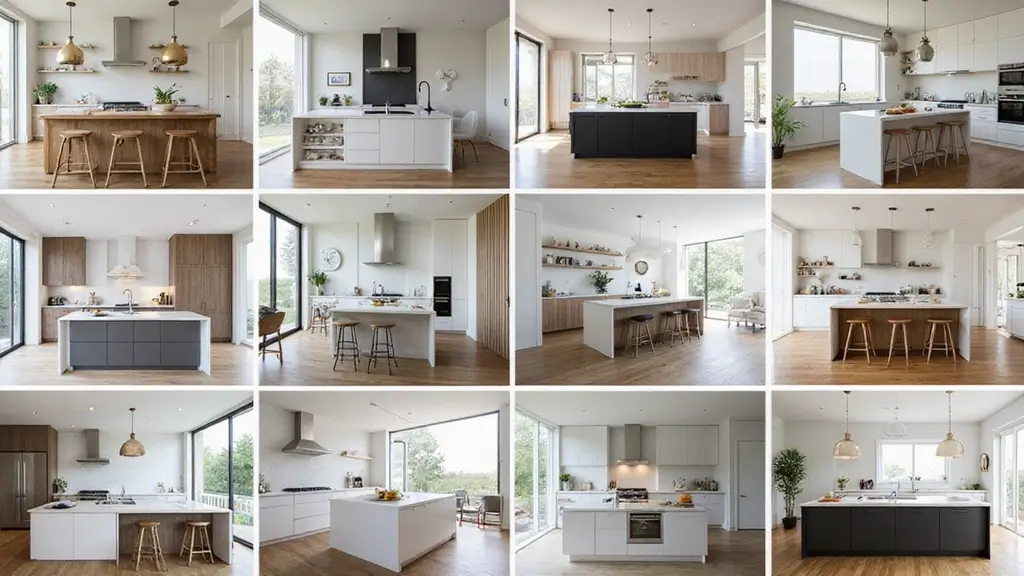
Adopting a minimalist design approach brings order and tranquility to your kitchen. By prioritizing simplicity, you can keep clutter at bay while showcasing the beauty of essential elements. This trend emphasizes clean lines, muted colors, and functional layouts, making your kitchen easy to navigate and maintain.
Opt for sleek cabinetry without intricate details and choose a soft color palette with occasional vibrant accents for personality. This allows your kitchen to feel spacious yet inviting.
For a minimalist kitchen design:
– Keep countertops clear of unnecessary items for a clean look.
– Use smart storage solutions to maximize space without visual clutter.
– Focus on quality over quantity in your kitchenware.
– Add greenery with a few select plants for liveliness.
With a minimalist approach, your kitchen not only looks modern but also provides a calm environment for cooking and gathering.
15. Fusion of Styles
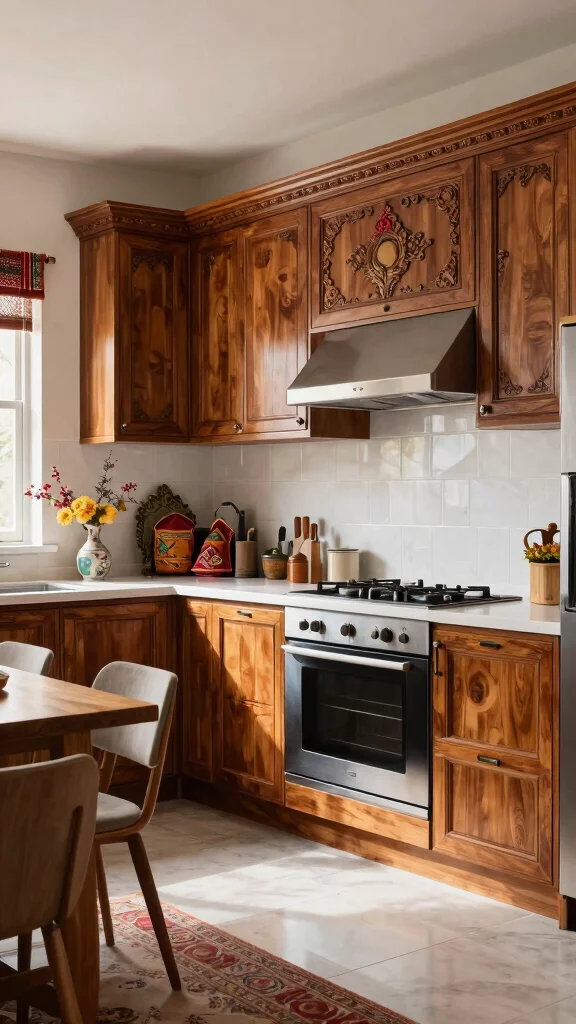
The charm of a kitchen lies in fusing styles, blending traditional Indian elements with modern aesthetics. This fusion allows homeowners to express their unique personalities, creating spaces that feel both familiar and refreshing. Combining various design elements can result in a kitchen that tells a rich story of culture and modernity.
Consider mixing traditional Indian motifs with contemporary finishes or using vintage furniture alongside sleek appliances. The key is to find balance and ensure that each element complements the others.
For achieving a successful fusion:
– Explore different styles to identify elements that resonate with you.
– Highlight one or two standout features from each style for focal points.
– Maintain a cohesive color scheme to unify the design.
– Incorporate vintage pieces or family heirlooms for a personal touch.
A well-executed fusion kitchen not only sparks conversations but also becomes a space where family traditions and modern living coexist harmoniously.
16. Sustainable Flooring Options
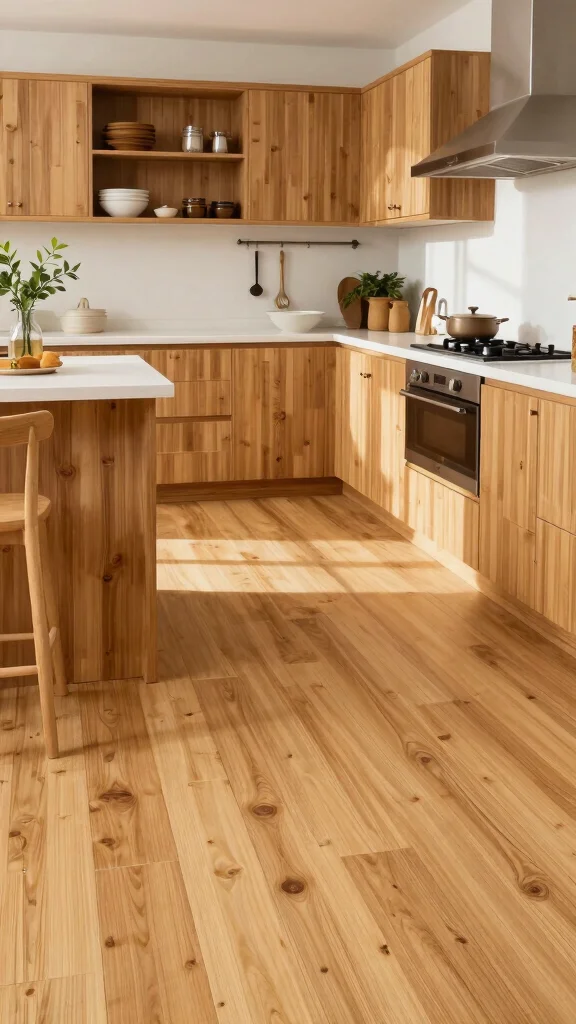
Flooring is a significant aspect of kitchen design that often gets overlooked. Choosing sustainable flooring options can greatly impact your kitchen’s eco-friendliness. Materials like bamboo, cork, or reclaimed wood offer durability, beauty, and environmental benefits.
Bamboo flooring is particularly favored for its hardness and moisture resistance, making it ideal for kitchens. Cork is another excellent choice, providing natural warmth while being renewable and recyclable.
For selecting sustainable flooring:
– Look for certifications like FSC to ensure responsible sourcing.
– Choose materials with low VOC emissions to keep indoor air clean.
– Consider textured finishes to hide scratches and wear.
– Ensure the flooring is easy to clean and maintain for longevity.
With the right sustainable flooring, your kitchen can embody eco-friendly principles while remaining stylish and functional.
Did you know bamboo flooring regrows in about 5-7 years and cork is renewable and recyclable? For indian kitchen design ideas, choose sustainable options like bamboo, cork, or reclaimed wood to boost durability, warmth, and eco-friendliness underfoot.
17. Cultural Artifacts as Decor
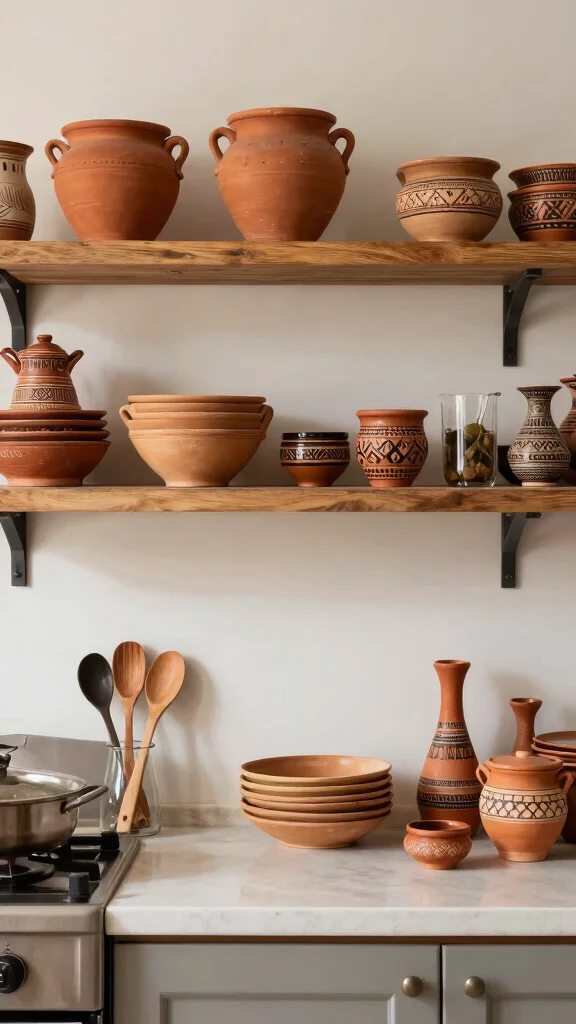
Incorporating cultural artifacts as decor enriches your kitchen, making it feel more inviting and steeped in history. These pieces tell stories and reflect your heritage, bridging traditional Indian designs with contemporary aesthetics. Items like terracotta pots and handmade utensils serve not only aesthetic purposes but also become conversation starters.
Display these treasures on open shelves or as part of your table setting to infuse warmth and character into your kitchen.
For using cultural artifacts:
– Curate a collection that resonates with your background.
– Mix decorative pieces of various materials for an eclectic touch.
– Secure artifacts properly to prevent accidents during cooking.
– Highlight certain areas, such as dining spaces, with these treasures.
With cultural artifacts, your kitchen becomes a tapestry of memories and traditions, enhancing its overall charm.
18. Colorful Accessories and Utensils
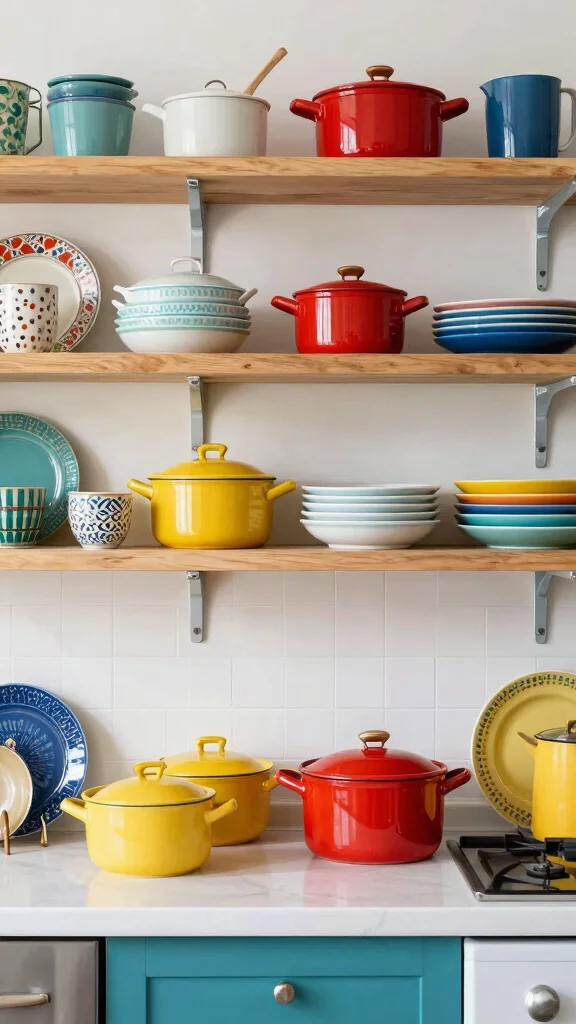
Bright and colorful accessories can enliven any kitchen, creating a welcoming and cheerful atmosphere. These items serve practical purposes while enhancing your space’s overall decor. Choose vibrant pots, unique dishware, and cheerful kitchen gadgets that stand out against your cabinetry.
Reflecting the joyful spirit of Indian culture, these accessories can be easily swapped out for seasonal updates without a full redesign.
For using colorful accessories:
– Coordinate colors with a central theme for harmony.
– Opt for functional items that are also visually appealing.
– Mix and match patterns for a fun yet cohesive aesthetic.
– Display items that inspire you, enhancing your cooking experience.
By incorporating colorful accessories, your kitchen transforms into an energetic space that sparks joy and creativity in every culinary endeavor.
19. Personalized Touches
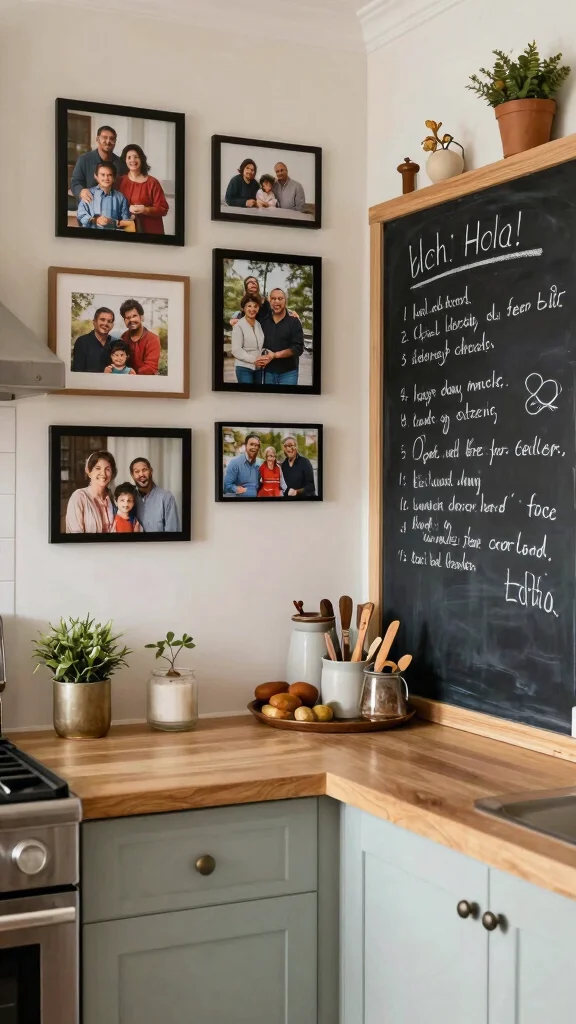
Personalizing your kitchen is a wonderful way to make it uniquely yours. Incorporate touches that reflect your family’s history and values through framed photos, custom artwork, or cherished heirlooms. These elements create a space that feels intimate and inviting.
Consider designing a gallery wall featuring family cooking moments or memorabilia that celebrates your heritage. A chalkboard wall for family recipes or messages adds a playful touch to your kitchen.
For personalizing your kitchen:
– Curate meaningful items that represent your family’s journey.
– Use colors and textures that reflect your personal style.
– Regularly update displays to keep the decor fresh.
– Position personalized items in functional areas for balance.
Personalized touches create a kitchen that feels like home, inviting family and friends to gather and create new memories.


20. Fusion of Indoor-Outdoor Space
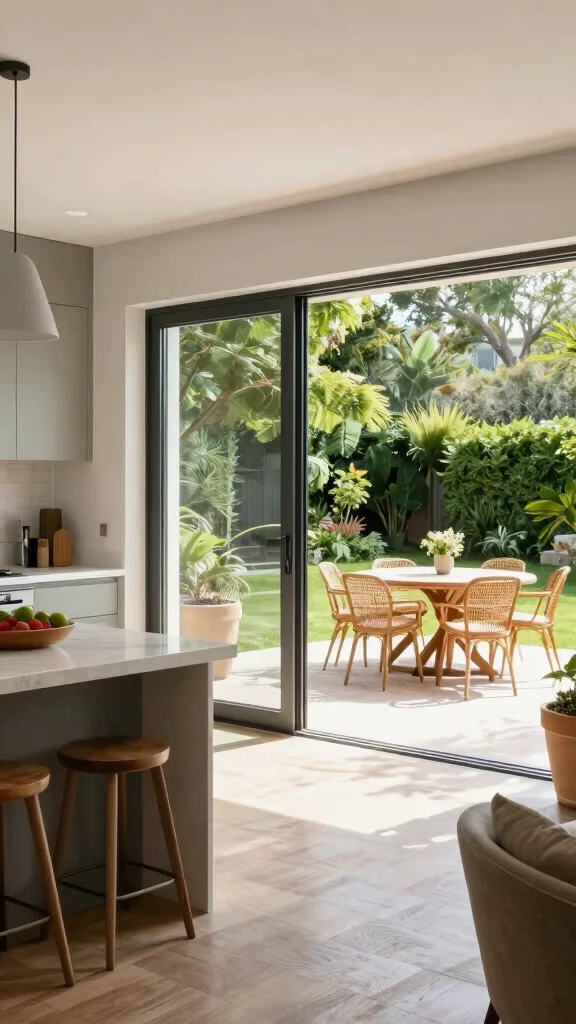
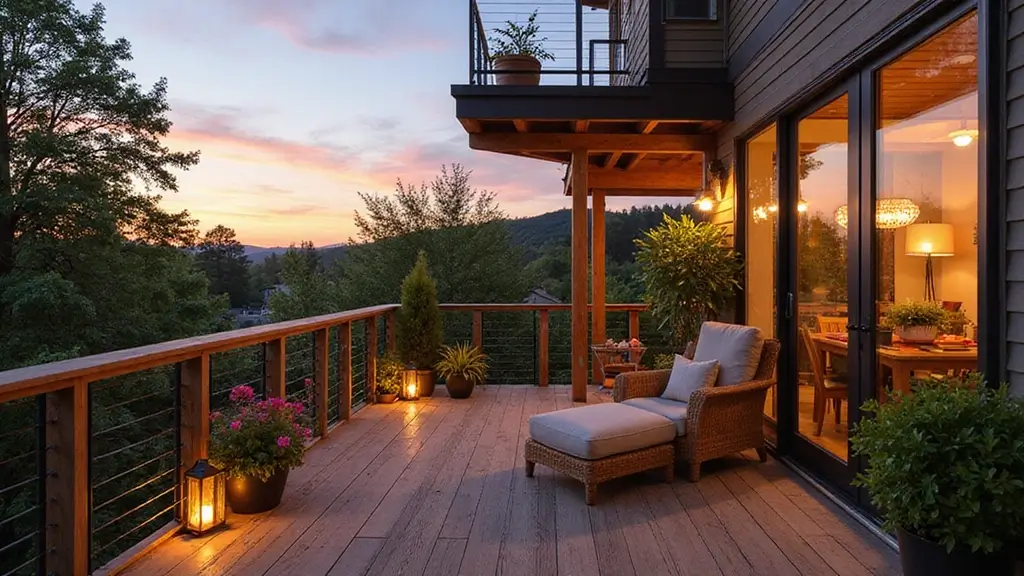
Creating a fusion of indoor-outdoor space in your kitchen can redefine your cooking and dining experience. This trend emphasizes blending your kitchen with outdoor areas, fostering a lifestyle that embraces fresh air and natural light. Large sliding doors or windows can create seamless transitions between your indoor kitchen and outdoor dining spaces.
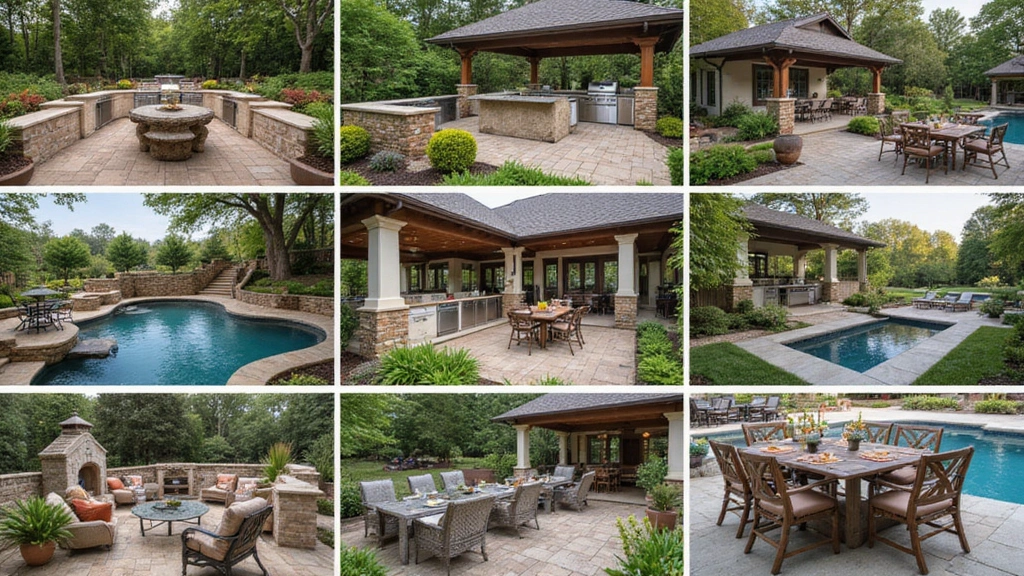
An outdoor kitchen setup allows for grilling or al fresco dining, enhancing your overall cooking experience, perfect for family gatherings.
For achieving indoor-outdoor fusion:
– Ensure flooring transitions smoothly between spaces for continuity.
– Use similar materials and colors to create a cohesive look.
– Incorporate plants indoors and outdoors to enhance the natural vibe.
– Create shaded areas for outdoor cooking to protect against the elements.
A kitchen that fuses indoor and outdoor elements invites a refreshing lifestyle, making cooking and dining enjoyable experiences.
Conclusion
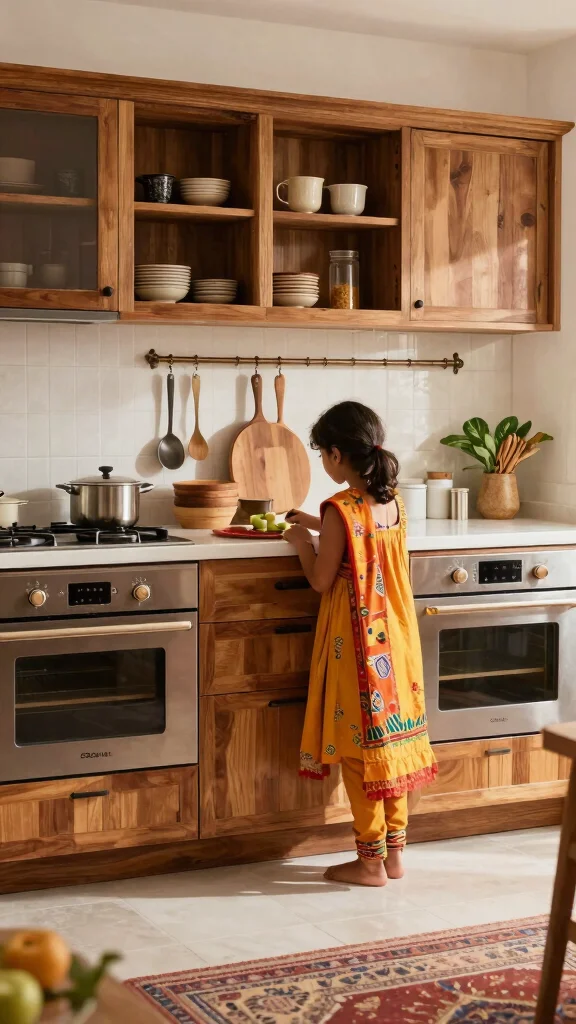
Exploring Indian kitchen design ideas has unveiled a rich tapestry of styles that beautifully blend tradition with modernity. From vibrant tiles to eco-friendly materials, each idea encourages us to create kitchens that are not only functional but also a reflection of our heritage and lifestyle. Consider these trends as you transform your kitchen into a space where culture and creativity coexist.
Invite your family to join in on the journey of designing a kitchen that serves as the heart of your home, nurturing both culinary experiences and cherished memories. What ideas inspired you the most to enhance your kitchen space?
Related Topics