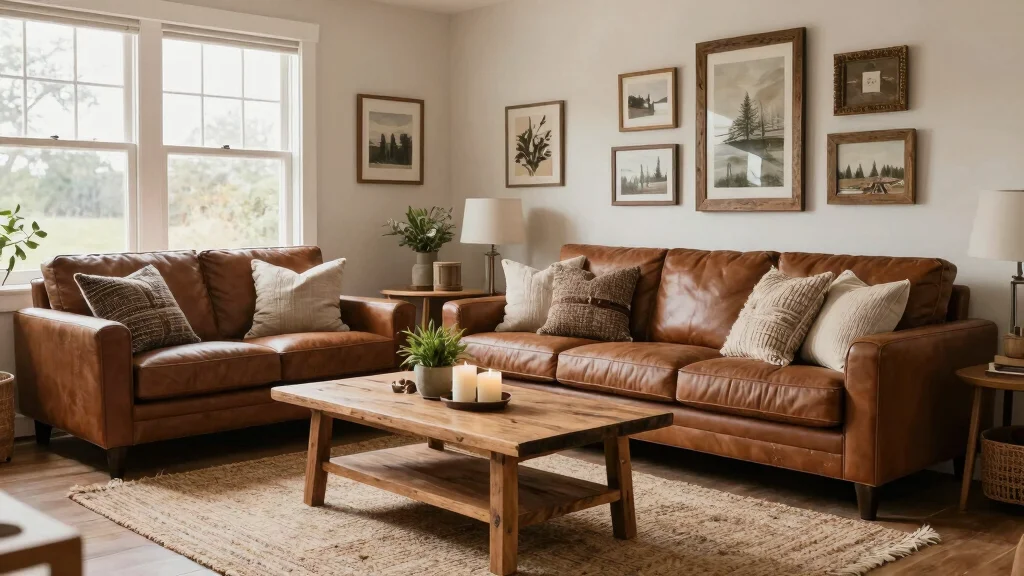

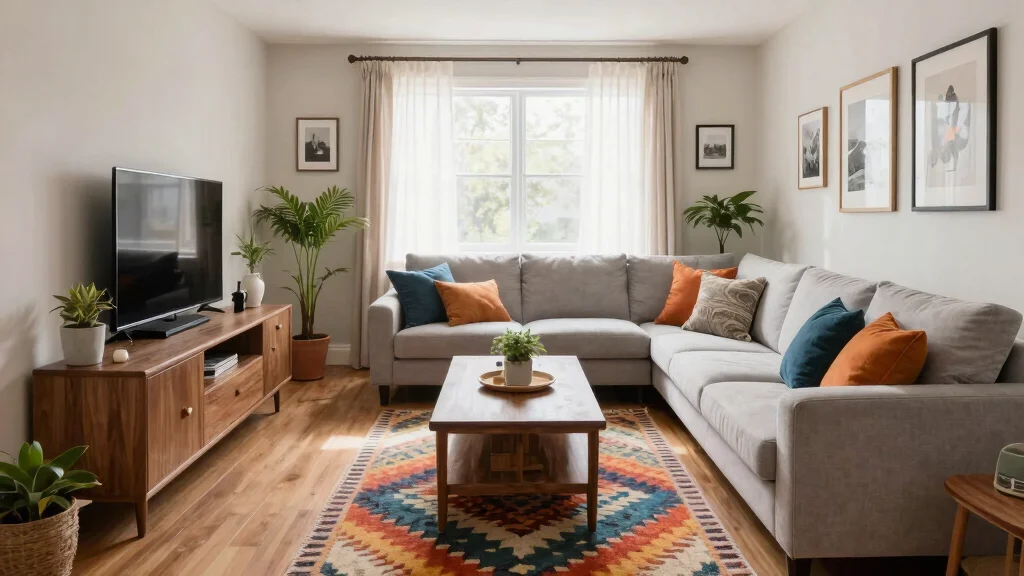
Expert Home Style – For the Price of a Coffee ($3.90)
Master high-end design secrets (Tuscan, Modern) without the expensive consultants.
🛒 Buy NowWhen it comes to making a living room feel cozy and functional, the way you place your furniture can make all the difference. We often find ourselves stuck in cramped spaces, struggling to figure out how to create a harmonious layout that feels inviting. That’s why I put together this guide on how to place furniture in the living room effectively. It’s about more than just aesthetics; it’s about enhancing your space to make it work for you.
If you’re someone who enjoys home decor or simply wants to make the best out of your small living room, you’re in the right place. This guide is designed for anyone looking to optimize their living area while keeping it stylish and functional. Whether you’re moving into a new space or just looking to refresh your current setup, these tips will help you create a layout that feels just right.
In this post, you’ll discover 16 savvy ways to arrange your furniture. From prioritizing pathways and flow to incorporating decorative accents, you’ll find practical ideas that will not only maximize your space but also create a warm, welcoming atmosphere. Get ready to transform your living room into a functional haven that reflects your personal style!
Key Takeaways
– Focus on pathways to ensure easy movement through your space. This helps maintain an open feel, even in smaller areas.
– Modular furniture can adapt to your needs, making it easier to rearrange as your lifestyle changes.
– Vertical space is often overlooked; use shelves or tall furniture to draw the eye upward and create the illusion of more space.
– Functional zones for different activities, like reading or entertaining, can enhance the usability of your living room.
– Personal touches and decorative accents will make your space feel uniquely yours, adding warmth and character.
1. Prioritize Pathways and Flow
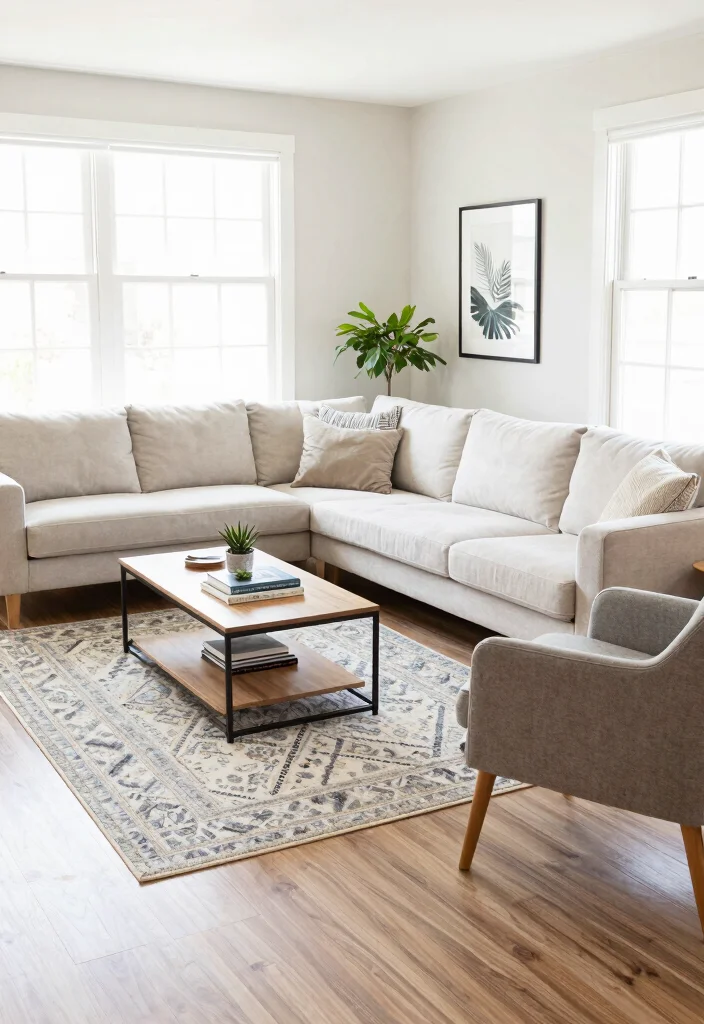
Creating a harmonious living room layout starts with prioritizing pathways. Ensuring there’s ample space for movement enhances both comfort and accessibility. Aim for 24 to 36 inches of walking space, particularly between seating areas and entrances.
To achieve this, consider these thoughtful strategies:
– Position large furniture like sofas against walls to free up central space.
– Group seating in clusters to foster conversation while keeping pathways clear.
– Use area rugs to define spaces and guide foot traffic.
By establishing a natural flow, your living room will not only function better but also offer a welcoming atmosphere for all.
Fun fact: keeping 24–36 inches of walking space dramatically improves flow. When you prioritize pathways, you’ll find it easier to learn how to place furniture in living room and still host comfortable conversations.




2. Embrace Modular Furniture
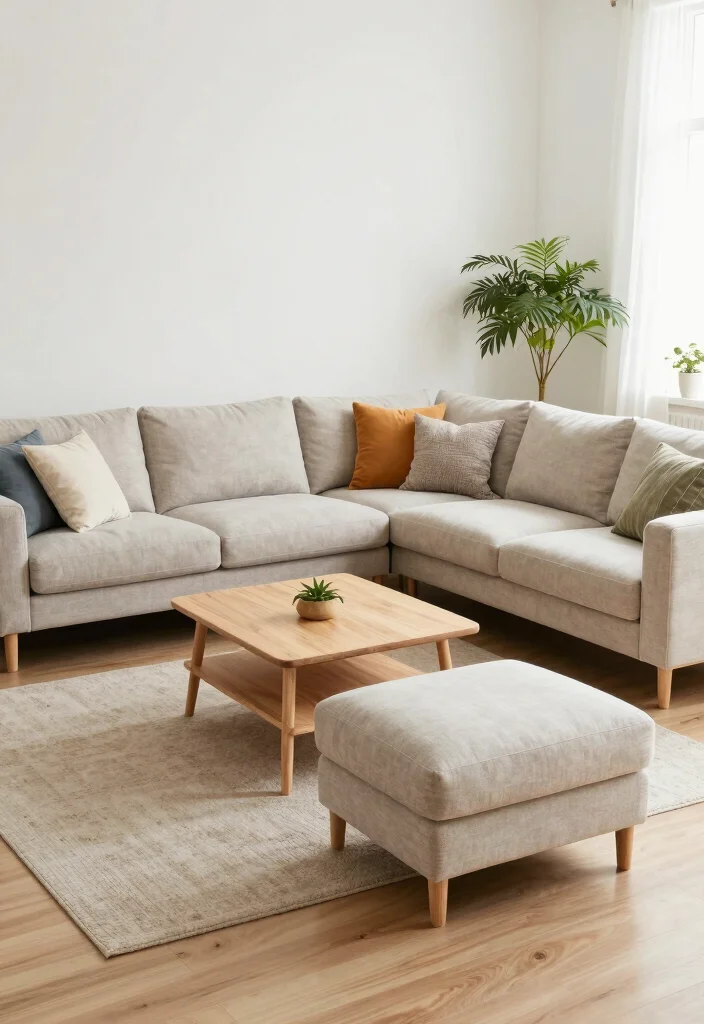
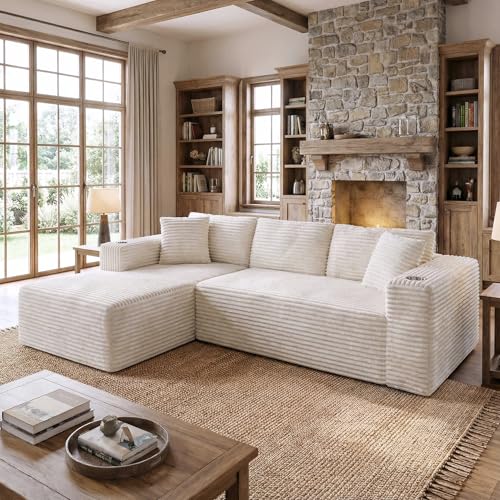
In smaller spaces, modular furniture is a game-changer. Its flexibility allows you to rearrange pieces effortlessly for various occasions, making it ideal for compact living rooms.
Keep these points in mind while selecting modular options:
– Look for multi-functional items like ottomans that offer storage or sofas that convert into beds.
– Choose lightweight pieces to enable easy movement and layout changes.
– Select customizable items, such as sectional sofas that can be reconfigured.
With modular furniture, you’ll maximize space while adapting your living area to suit your changing needs.
3. Utilize Vertical Space
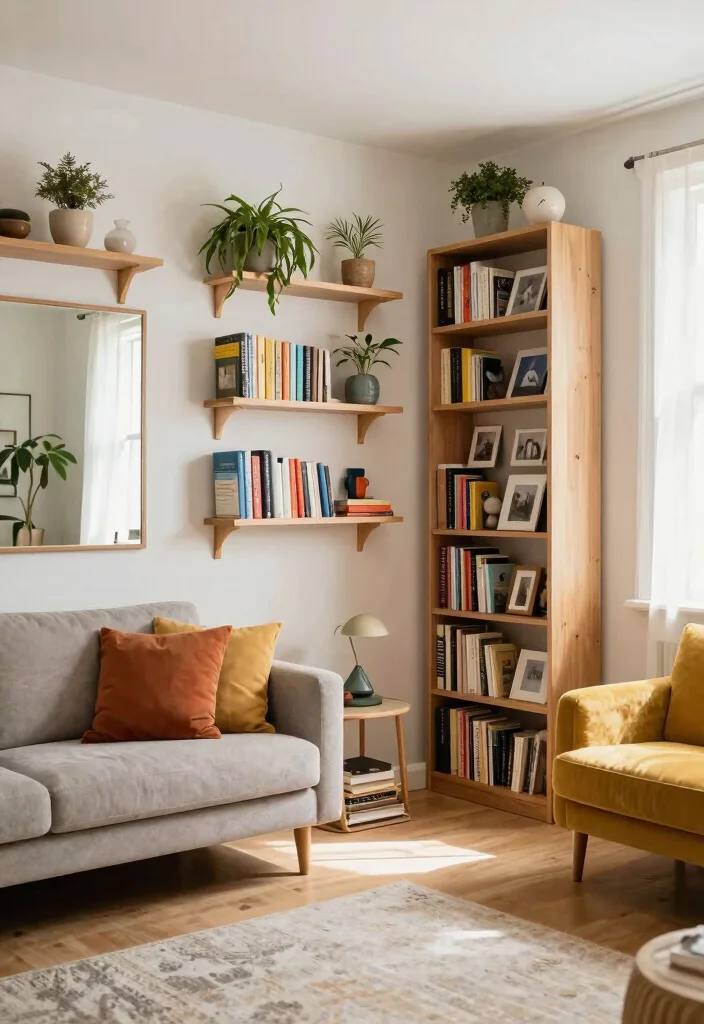
In cozy living rooms, every inch matters. Maximizing vertical space can enhance storage and decorative options without sacrificing floor area, leading to a more open and inviting feel.
Explore these ideas to effectively use vertical space:
– Install floating shelves for books, plants, and decorative accents.
– Incorporate tall bookcases to draw the eye upward, creating an illusion of height.
– Hang art or mirrors to keep surfaces clear and visually expand the space.
By thinking vertically, you can create a stylish and organized living room that feels airy and accommodating.




4. Create Zones for Multiple Activities
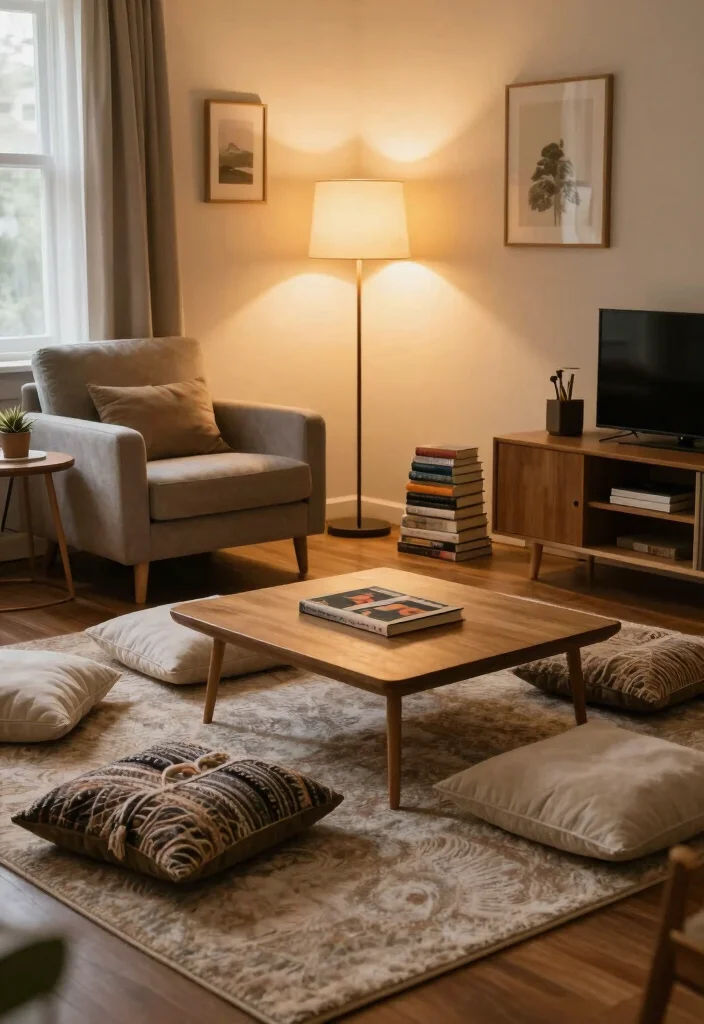
If your living room serves various functions, establishing distinct zones is essential. This strategy allows for better space utilization while catering to different activities like watching TV, reading, or entertaining.
To define these zones:
– Arrange furniture to create specific areas, such as a cozy reading nook or a game space.
– Use area rugs to visually separate activities, adding comfort and style.
– Incorporate diverse lighting options for each zone to enhance ambience.
By establishing these zones, you’ll boost both functionality and the overall visual appeal of your living room.
5. Keep Furniture Low to the Ground
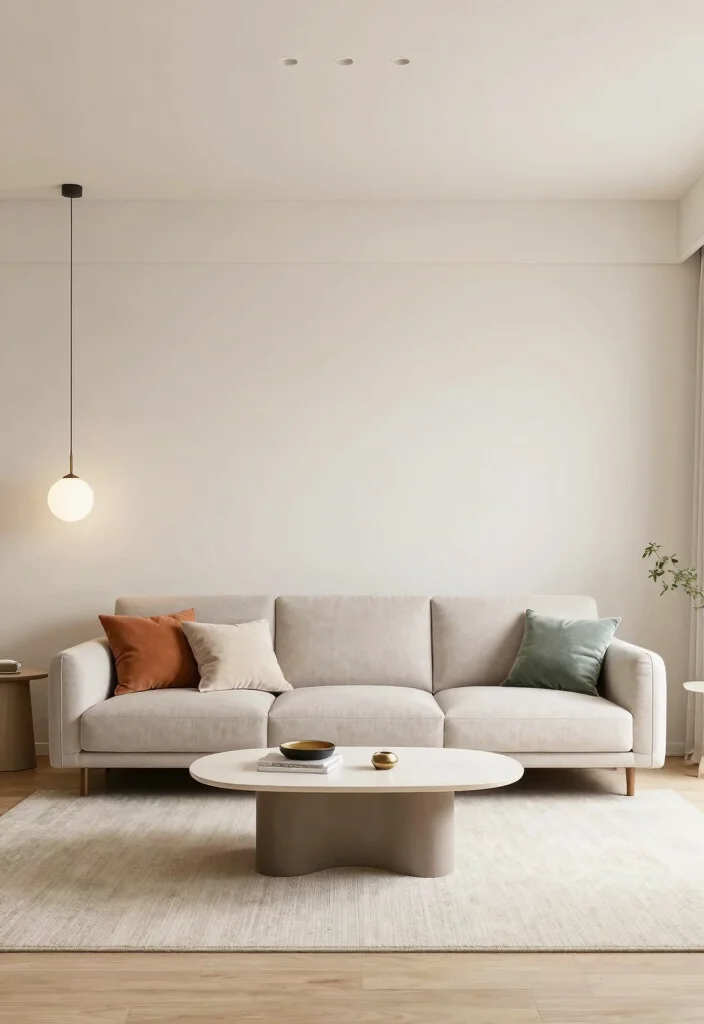
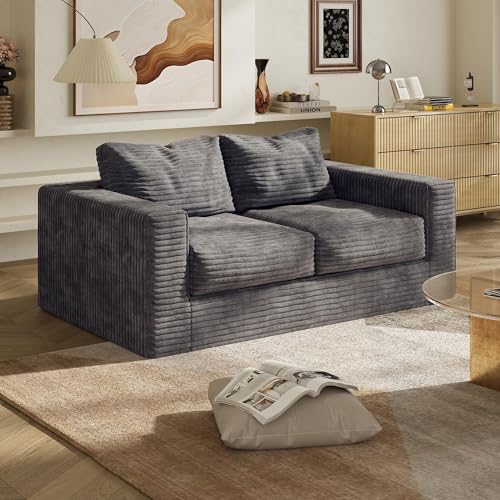
Opting for low-profile furniture can create an illusion of spaciousness in smaller living rooms. Low sofas and coffee tables draw the eye upward, enhancing the room’s height and openness.
Consider these benefits of low furniture:
– They maintain visible wall space, elevating the sense of roominess.
– They foster a relaxed vibe that complements smaller areas beautifully.
– Low items can be more accessible for individuals with mobility challenges.
Selecting low-profile furniture transforms your living space into a stylish and welcoming environment, making it feel expansive and airy.


6. Incorporate Decorative Accents
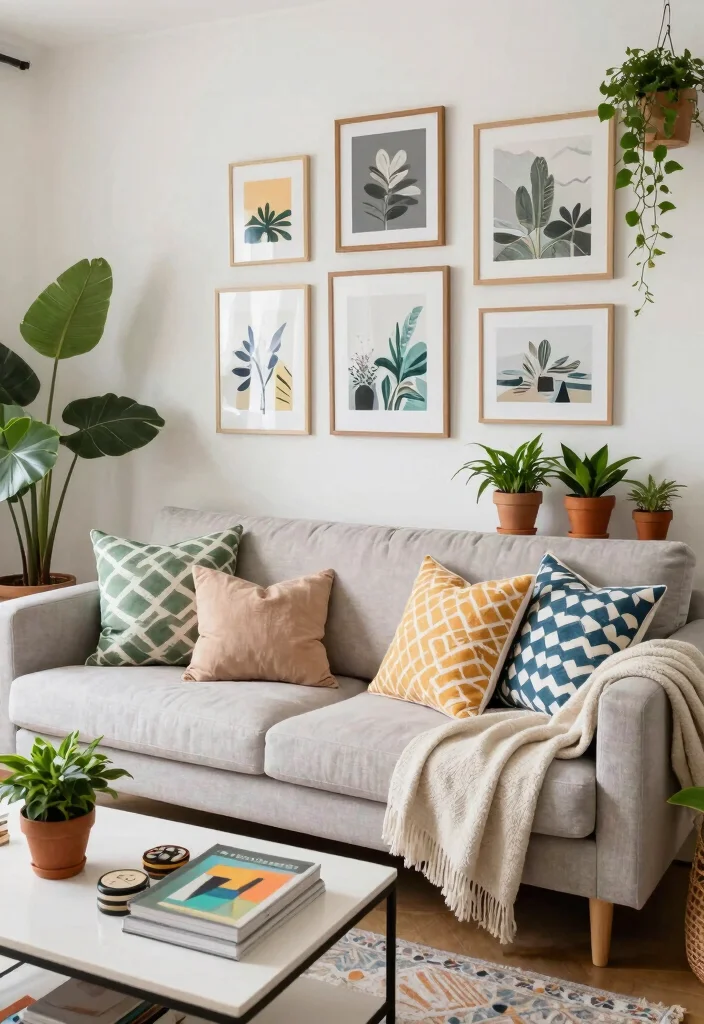
Decorative accents breathe life into your living room, imbuing it with personality and warmth. From vibrant throw pillows to unique art pieces, these small details can significantly enhance your space.
Here are some tips for adding accents:
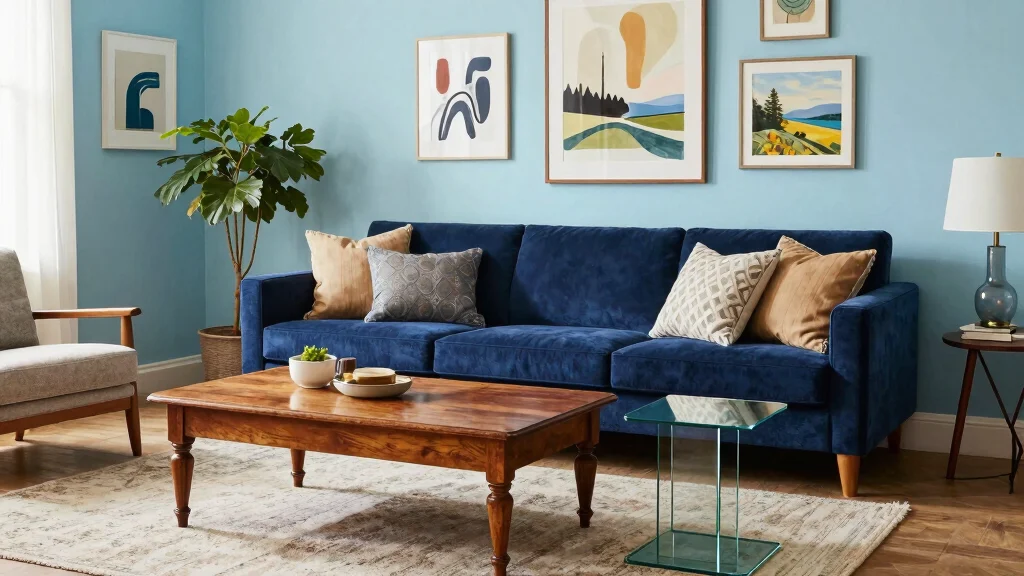
– Layer pillows and throws in varying textures and colors for a cozy feel.
– Choose art that resonates with you, from gallery walls to standout pieces.
– Introduce plants to beautify the area and improve air quality.
Thoughtfully layering decorative accents can make your living room feel more inviting and representative of your personal style.


7. Use Furniture to Create Conversation Areas
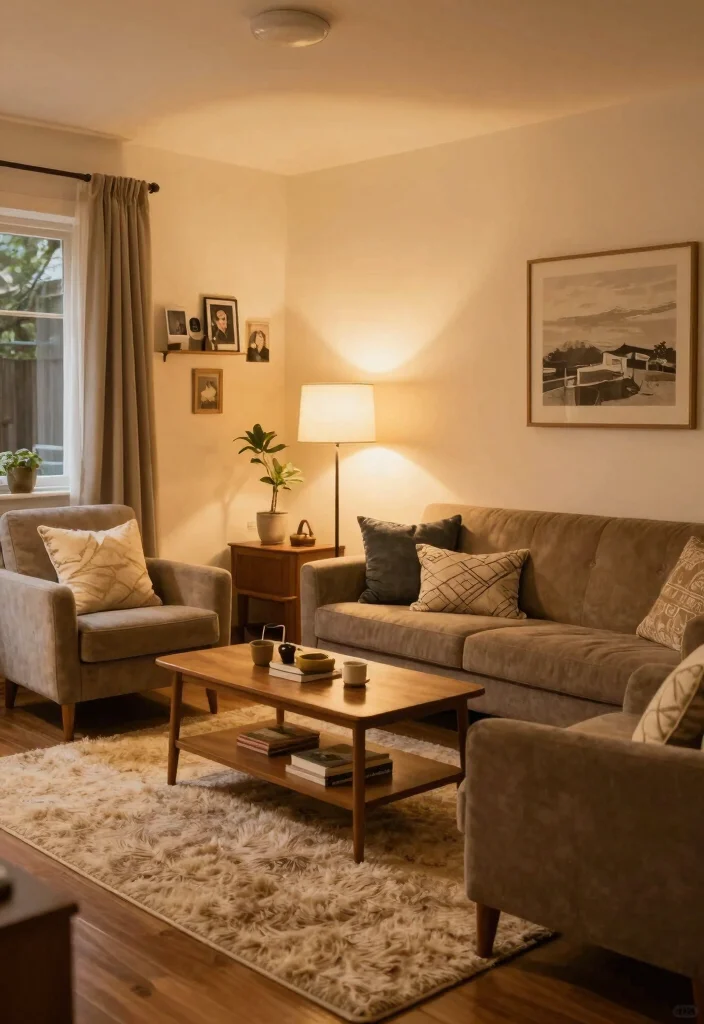
Encouraging conversation is crucial in any living room, especially with limited space. Arranging your furniture to foster cozy conversation areas promotes interaction and creates an inviting ambiance.
To set up conversation-friendly layouts:
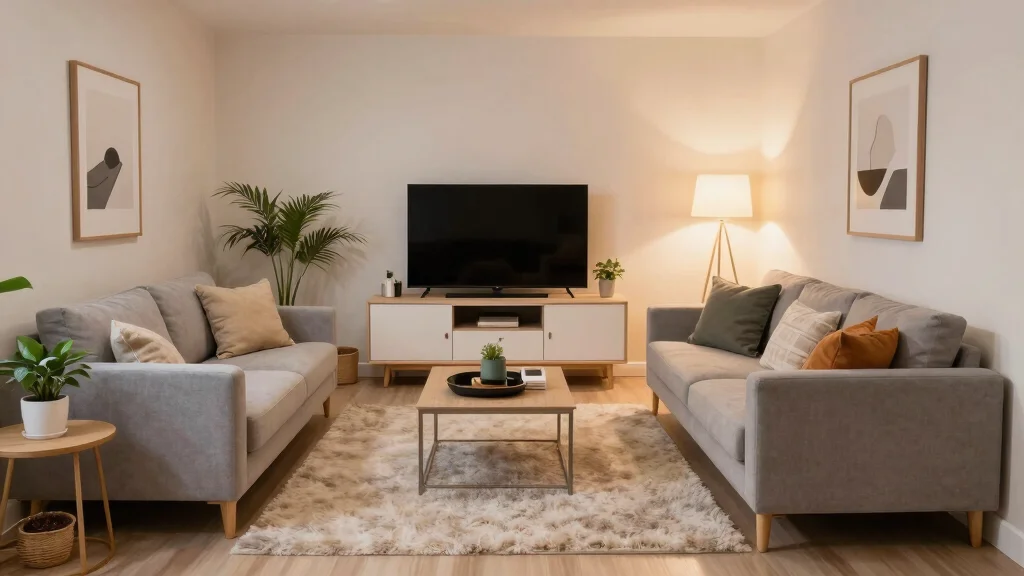
– Angle sofas to face each other instead of placing them against walls.
– Include accent chairs that face the main seating area to encourage dialogue.
– Position coffee tables within reach for easy access to snacks and drinks.
By organizing your layout with conversation in mind, you cultivate a warm and inclusive atmosphere perfect for gatherings.
You might also like
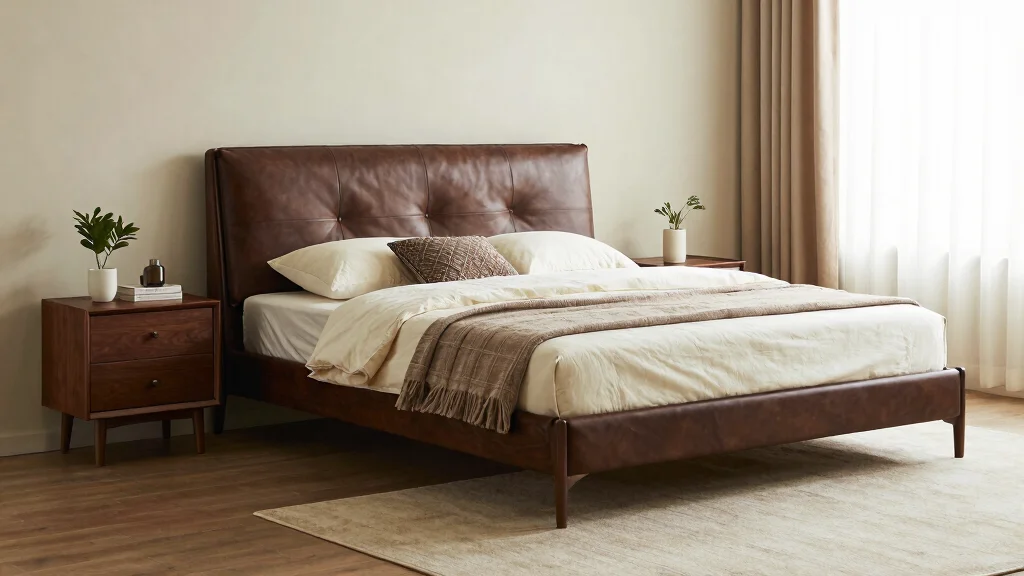




8. Choose the Right Size Furniture
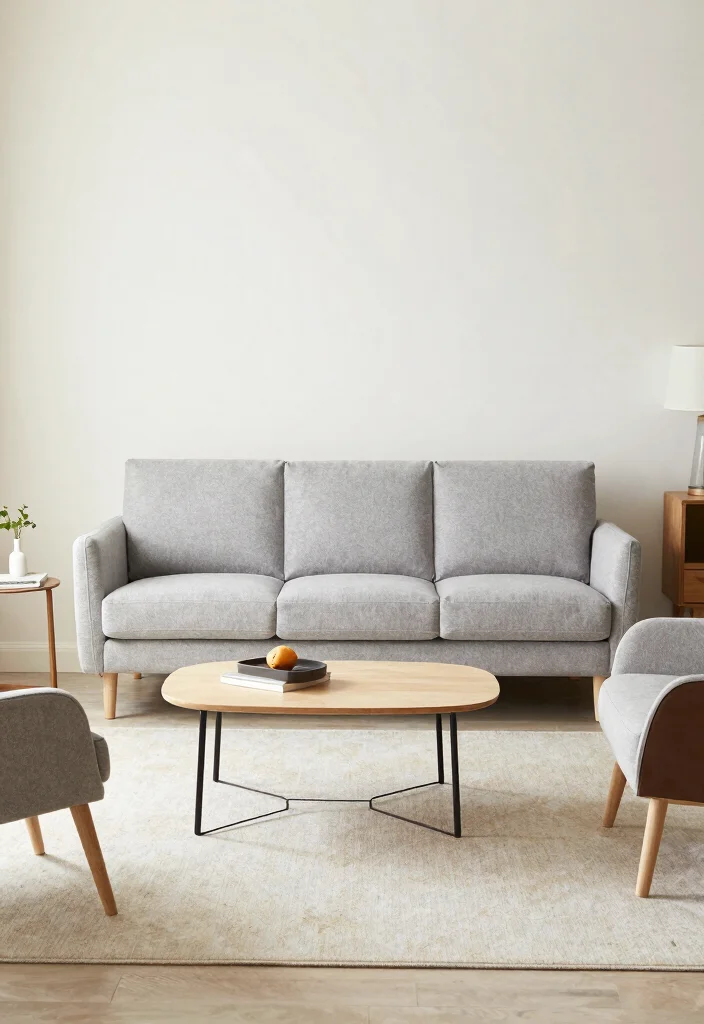
Selecting appropriately sized furniture is essential in small living rooms. Oversized pieces can make the space feel cramped, while the right scale helps maintain balance and flow.
To choose the right size:
– Measure your space before purchasing to ensure a comfortable fit.
– Opt for slimmer profiles and lower seating to create an airy feel.
– Be cautious with decorative items; too many can lead to clutter.
By carefully selecting the right size furniture, you can create a comfortable and inviting living area that feels spacious and organized.
How To Choose the Right Living Room Layout
Choosing the right living room layout can make a huge difference in how your space feels and functions. A well-planned arrangement not only maximizes your area but also enhances comfort and style. Here are some key factors to consider when determining your living room layout:
1. Measure Your Space
Start by measuring the dimensions of your living room. Knowing the size will help you select furniture that fits well without overcrowding. Use a tape measure to note the length and width of the room, including doorways and windows. This helps you visualize the space and avoid making costly mistakes.
2. Consider Traffic Flow
Pathways are crucial in any living room layout. Ensure there are clear walkways so that people can move freely between furniture pieces without obstruction. Aim for at least 2-3 feet of space between furniture. This opens up the room and creates a welcoming environment for guests.
3. Define Functional Zones
Different activities might take place in your living room, such as watching TV, reading, or socializing. Use furniture to create distinct areas for these activities. For example, position seating around a coffee table for conversation, while placing a cozy chair by a lamp for reading. This helps everyone enjoy their preferred activities without feeling cramped.
4. Choose Furniture Wisely
Selecting the right size and style of furniture is essential. Large, bulky pieces can overwhelm a small room. Instead, opt for pieces that are scaled down but still comfortable, like a loveseat instead of a full sofa. Also, consider furniture with versatile functions, such as ottomans that double as storage. This helps in maximizing space and keeping the area tidy.
5. Incorporate Vertical Space
Don’t forget to utilize vertical space! Wall shelves and tall bookcases draw the eye upward, making the room feel more spacious. Hanging artwork or mirrors can also enhance this effect. Use these elements to add character without taking up valuable floor space.
6. Personalize Your Layout
Finally, let your personality shine through in your living room layout. Add decorative accents, such as unique throws, pillows, or art pieces that reflect your style. These personal touches make the room feel inviting and truly your own.
Pro Tip: Experiment with different layouts before settling on one. Use painter’s tape to outline where furniture will go on the floor. This provides a visual representation and helps you see how the arrangement feels before moving heavy pieces around.
Creating the perfect living room layout takes thought and planning, but with these tips, you can transform your space into a functional and beautiful area for relaxation and entertainment. Whether you’re in a small apartment or a spacious home, these strategies will help you maximize your living room’s potential. Happy decorating!




9. Flip the Layout
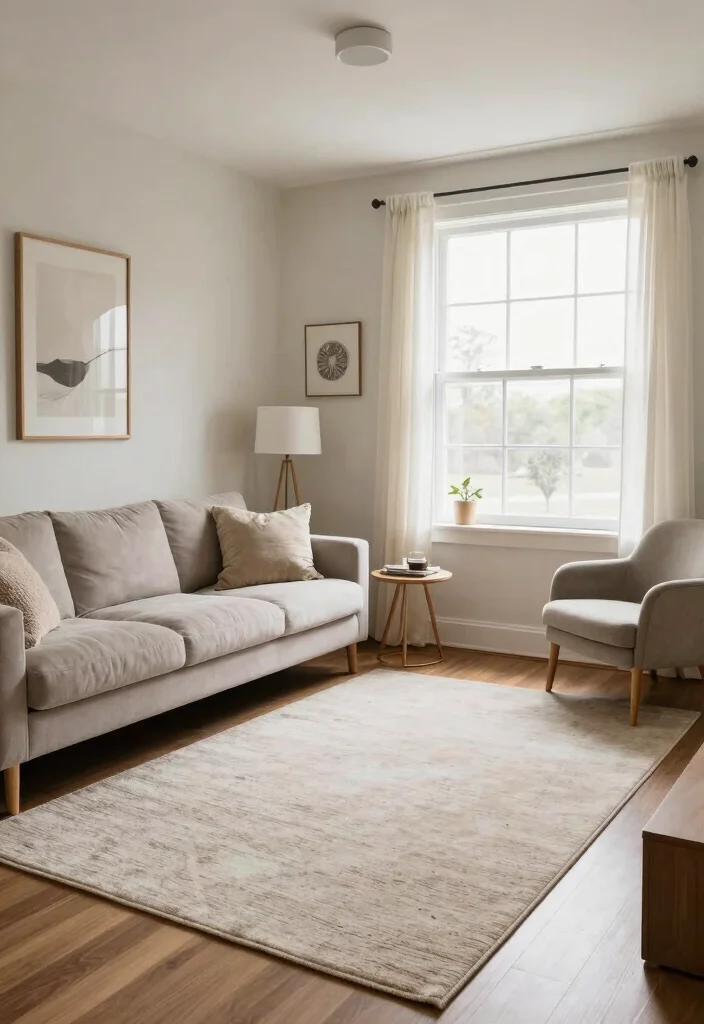
Sometimes, a simple rearrangement can refresh your living room. If your space feels cluttered or cramped, consider switching the layout completely.
Here are a few ideas to try:
– Shift furniture placement to focus on a different feature like a fireplace or window.
– Experiment with angles instead of keeping pieces straight against walls.
– Keep the space dynamic by changing your layout regularly.
By rethinking your layout, you can invigorate your living area, making it feel entirely new and exciting.
Did you know a fresh layout can make a living room feel up to 25% larger? If you’re wondering how to place furniture in living room, shift the sofa to highlight a fireplace or window, and try angles. A simple reconfiguration boosts flow.
10. Focus on Lighting
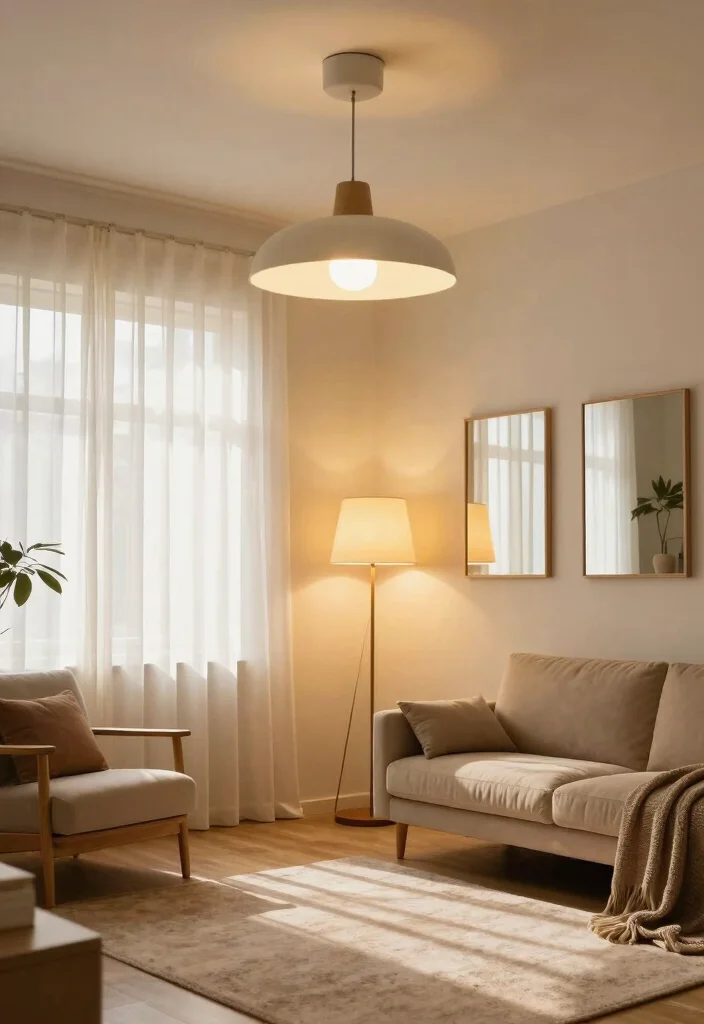
Good lighting can transform your living room, making it more inviting and spacious. Layered lighting is crucial, combining ambient, task, and accent lights for a warm glow.
Consider these lighting strategies:
– Install stylish overhead lights to illuminate the entire space.
– Use floor and table lamps to create cozy reading spots.
– Maximize natural light by using sheer curtains and mirrors to reflect brightness.
With the right lighting, your living room can effortlessly shift from bright and lively to warm and cozy, depending on the mood.
11. Incorporate a Focal Point
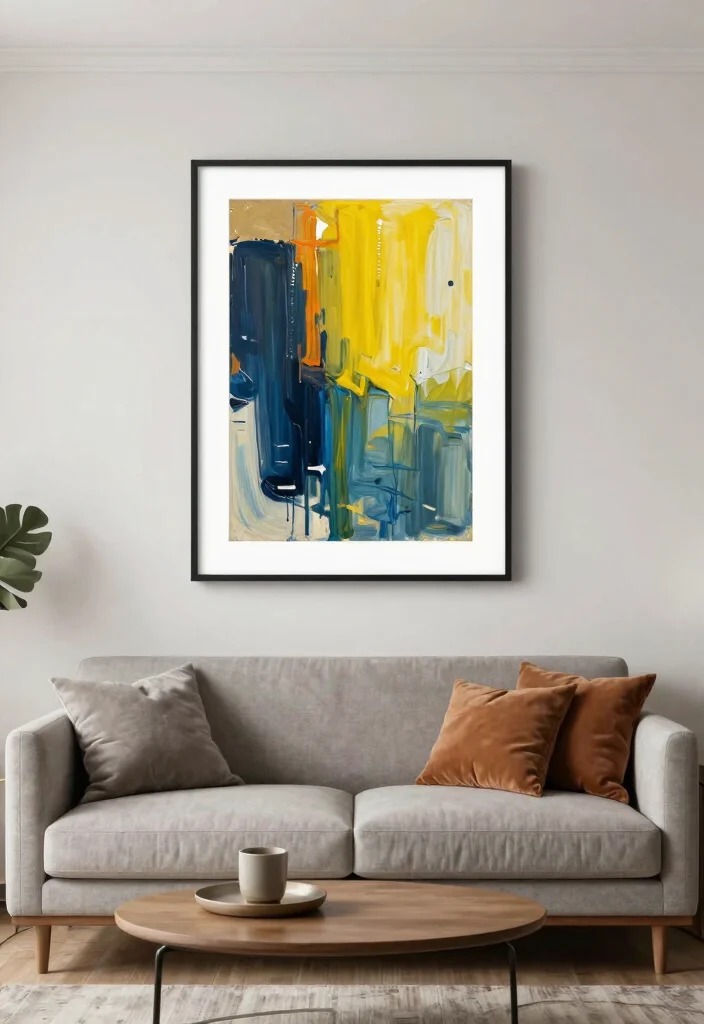
A focal point in your living room draws the eye and establishes purpose within the space. This could be a stunning piece of art, a fireplace, or an eye-catching piece of furniture.
To create a focal point:
– Arrange seating to face the focal point, promoting interaction.
– Use color, texture, or size to make it stand out.
– Keep distractions minimal to ensure your focal point shines.
With a well-defined focal point, your living room will feel more cohesive and thoughtfully designed.
Did you know spaces with a clear focal point feel up to 25% more cohesive? Master how to place furniture in living room by facing seating toward the focal point, using color to highlight it, and keeping distractions minimal. The result is a room that invites conversation and feels intentional.
12. Choose Versatile Color Palettes
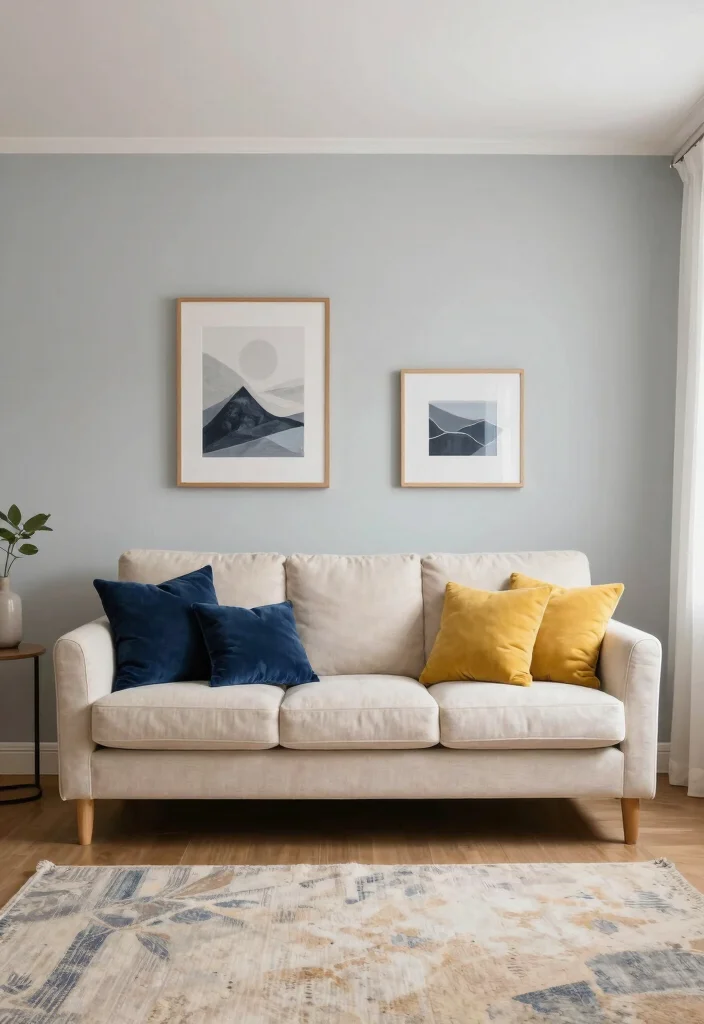
Color plays a pivotal role in shaping the mood of your living room, especially in smaller spaces. Opting for versatile color palettes can create an open and inviting atmosphere.
Consider these color strategies:
– Light colors like soft whites and pale grays can visually enlarge a space.
– Use an accent wall to introduce bold colors without overwhelming the room.
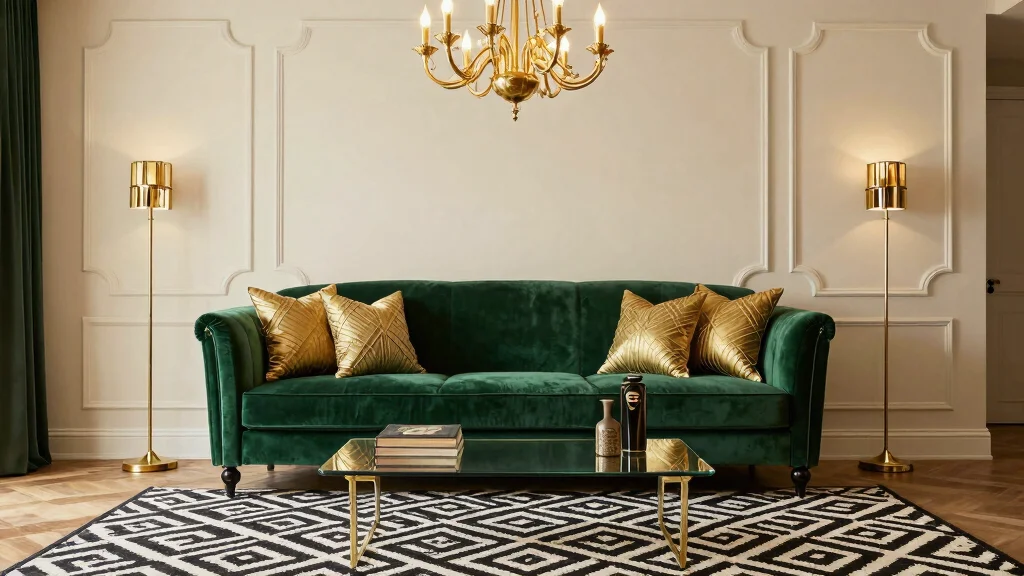
– Ensure cohesion with complementary colors in decor and furniture.
A carefully chosen color palette sets the tone for your living room, making it a cozy and stylish retreat.
You Might Also Like
13. Consider Open Shelving
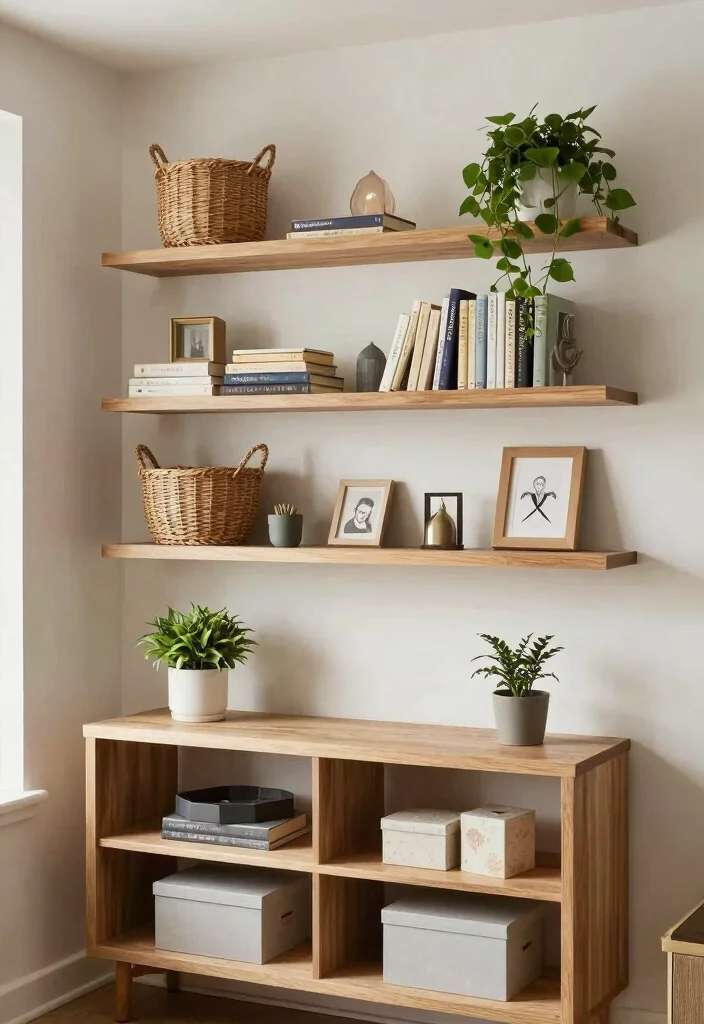
Open shelving can add both style and functionality to small living rooms. Unlike bulky cabinets, open shelves keep areas feeling spacious while showcasing your personality.
Here are some tips for incorporating open shelving:
– Organize items thoughtfully using baskets or decorative boxes to reduce clutter.
– Mix books, plants, and decorative elements for a curated look.
– Install shelves at varying heights to draw the eye upward, enhancing room height.
Open shelving maximizes space while adding character, making your living room feel unique and personal.
14. Make Use of Corners
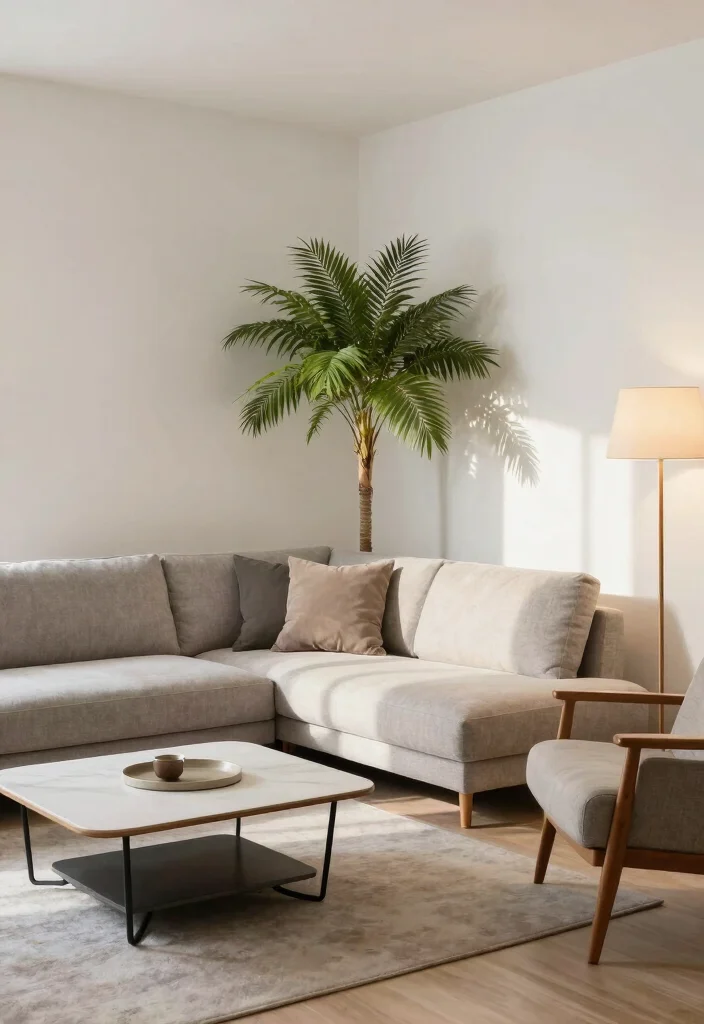
Don’t overlook corners! They can be valuable real estate in your living room, presenting opportunities for creative furniture arrangements and decor.
To optimize corners:
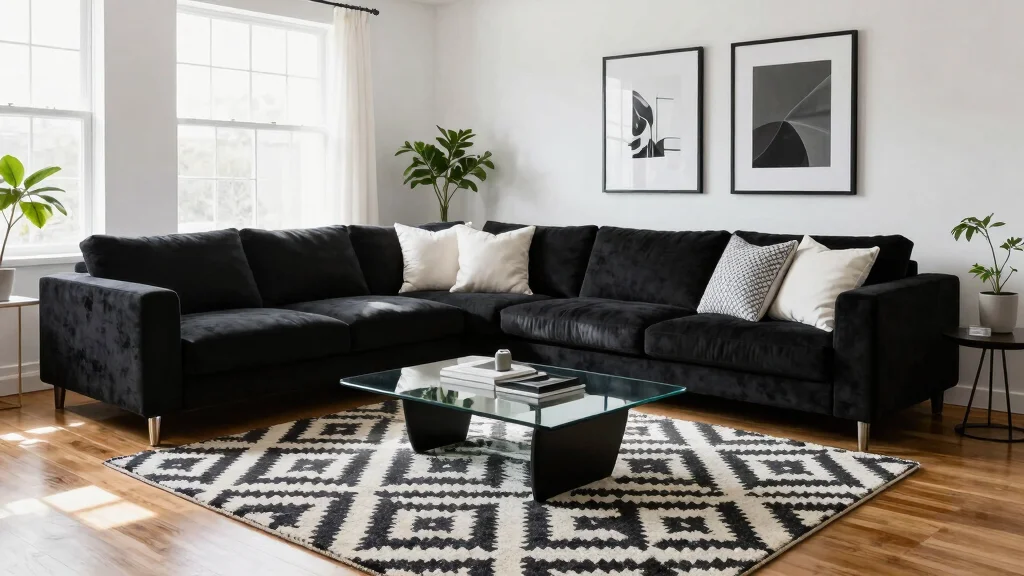
– Choose L-shaped sofas that fit snugly, freeing up central space.
– Add accent chairs or a small table for extra seating or decor.
– Incorporate tall plants or lamps to fill vertical space and draw the eye upward.
Utilizing corners will help you create a functional and visually engaging living room.
15. Maintain a Clean and Clutter-Free Space
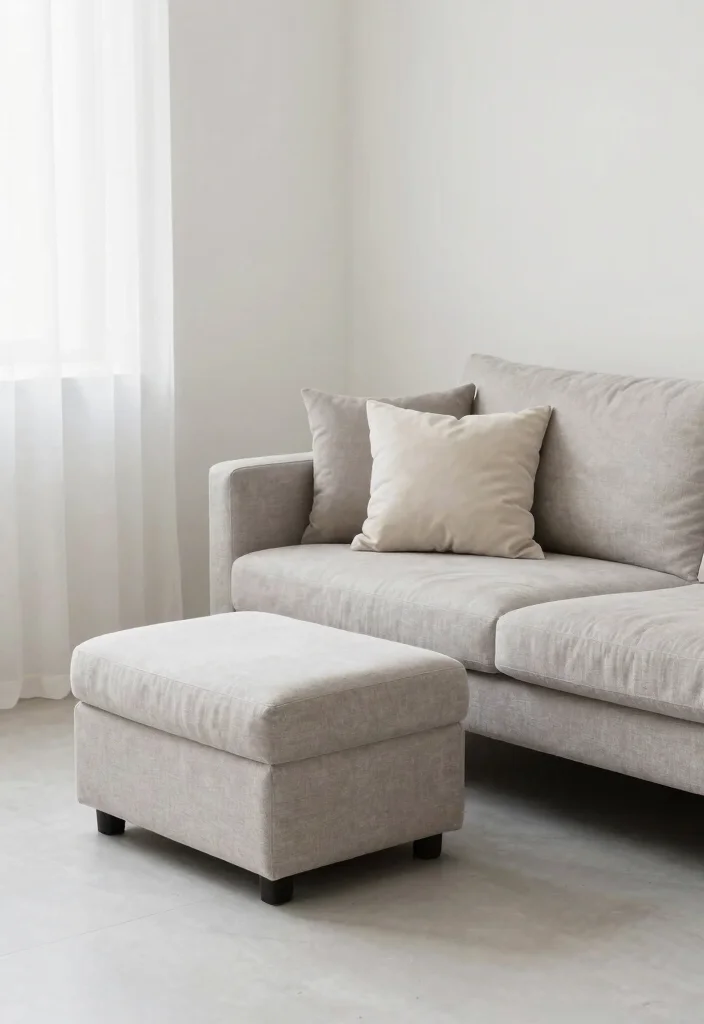
A clutter-free living room not only looks appealing but also feels more spacious. Keeping your space tidy allows you to enjoy your environment without feeling overwhelmed.
To maintain cleanliness:
– Regularly declutter to keep surfaces clear and organized.
– Use hidden storage options like ottomans or benches to stow away items.
– Limit decorative accessories to avoid overcrowding.
A clean and organized living room serves as a peaceful retreat, making it inviting for everyone.
16. Personalize Your Space
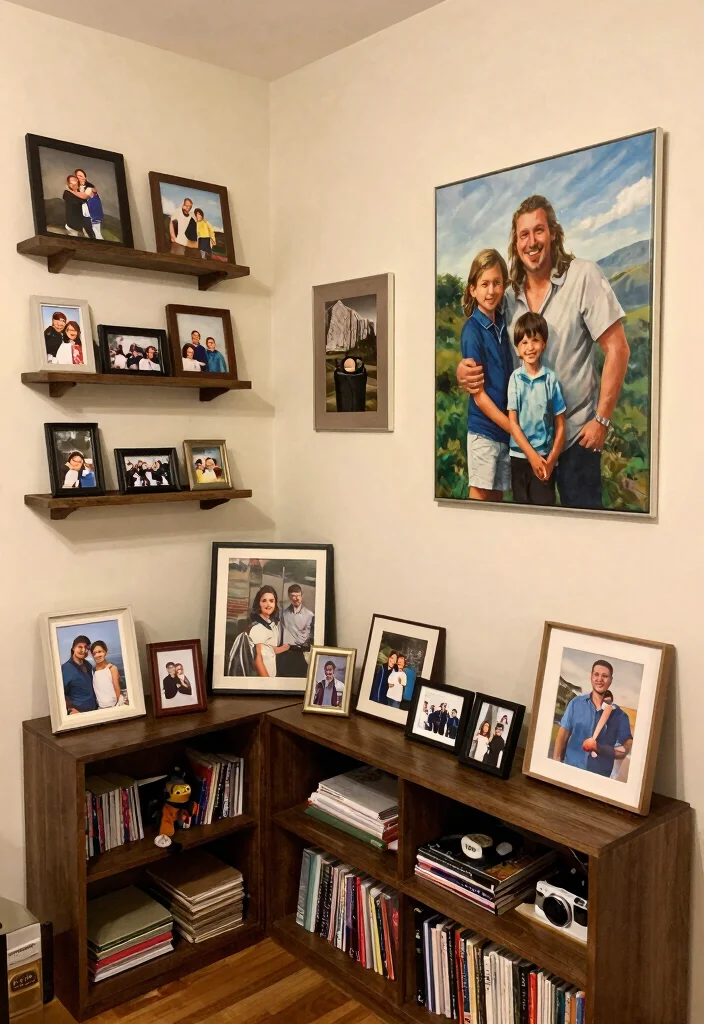
Let your personality shine by personalizing your living room. This is your space, so feel free to make it uniquely yours!
Ways to add personal touches:
– Display family photos on shelves or walls to add warmth.
– Incorporate travel souvenirs or handcrafted items that tell your story.
– Consider custom art or DIY projects to make the room truly special.
When your living room reflects your personality, it becomes more than just a functional area; it turns into a cherished home.
Conclusion
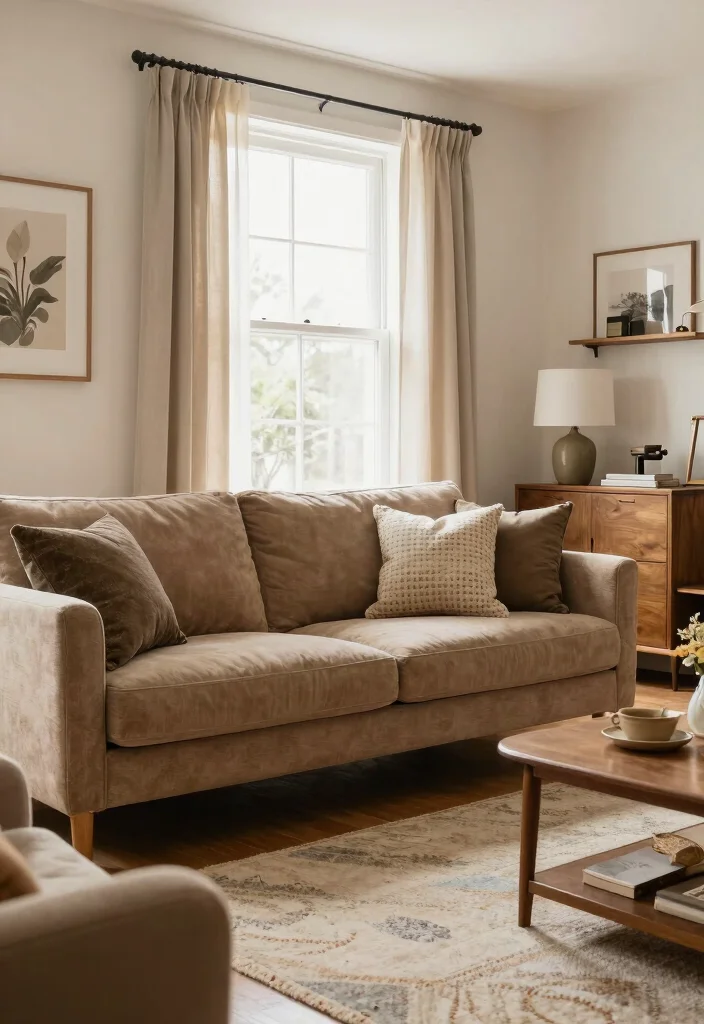
Arranging furniture in a small living room requires creativity and thoughtfulness, but with these 16 tips in mind, you can transform your space into a stylish and functional haven. Whether you focus on maximizing space, creating cozy conversation areas, or incorporating personal touches, every detail counts in making your living room a true reflection of you. Embrace these ideas and let your living room be a place where style meets comfort!
Related Topics