
You’ll transform your living room when you master rug placement, but most people anchor their sofas incorrectly from day one. The difference between a cramped, disjointed space and a cohesive, elevated interior often comes down to measurements you haven’t taken yet. Before you unroll a single fiber, there are proportion rules that determine whether your seating arrangement succeeds or falls flat.
Choose From Three Classic Living Room Rug Placements
Where precisely should your living room rug sit to achieve both visual cohesion and functional flow? Your rug placement determines how effectively you anchor the seating area and establish visual hierarchy within the space.
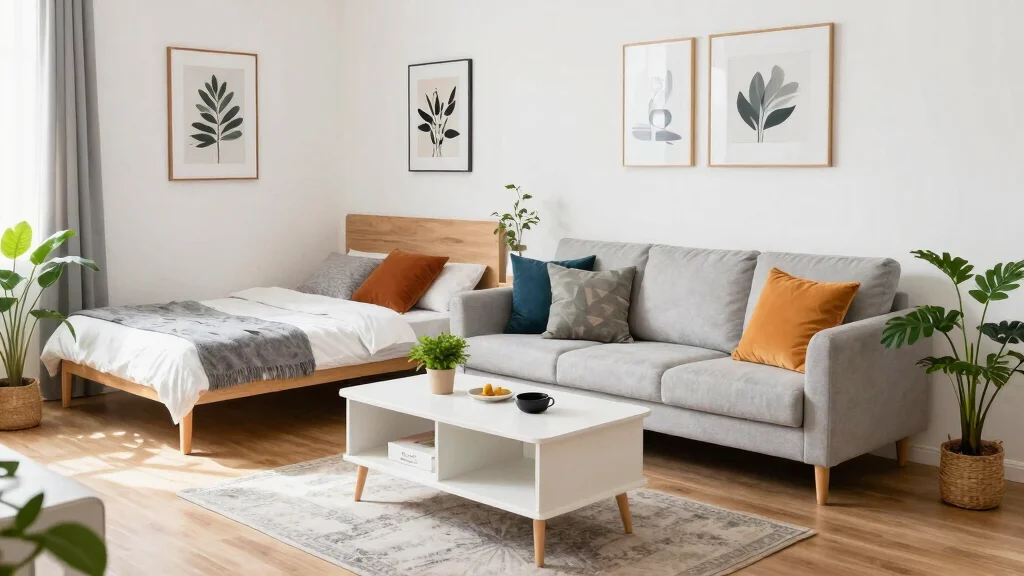
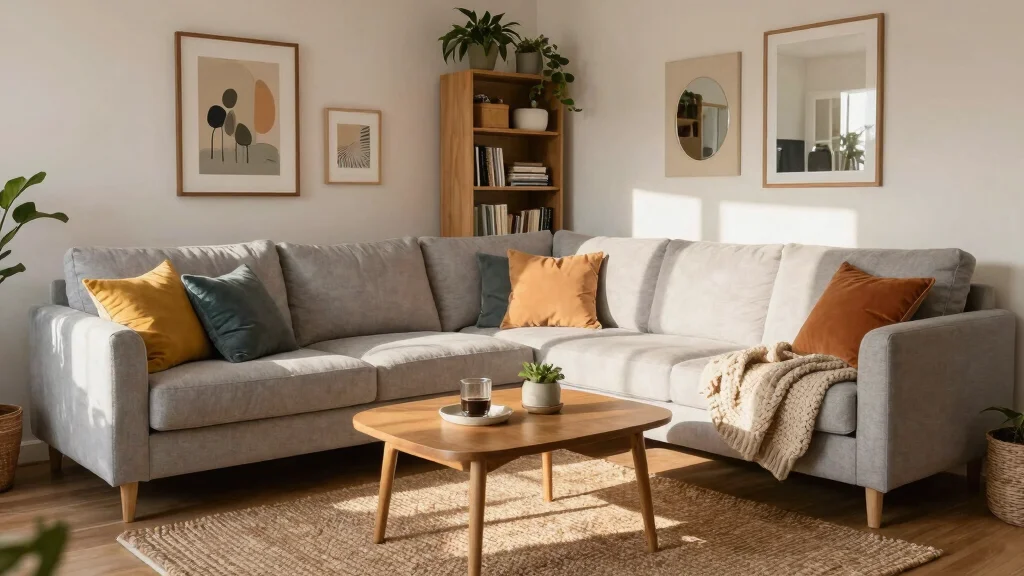
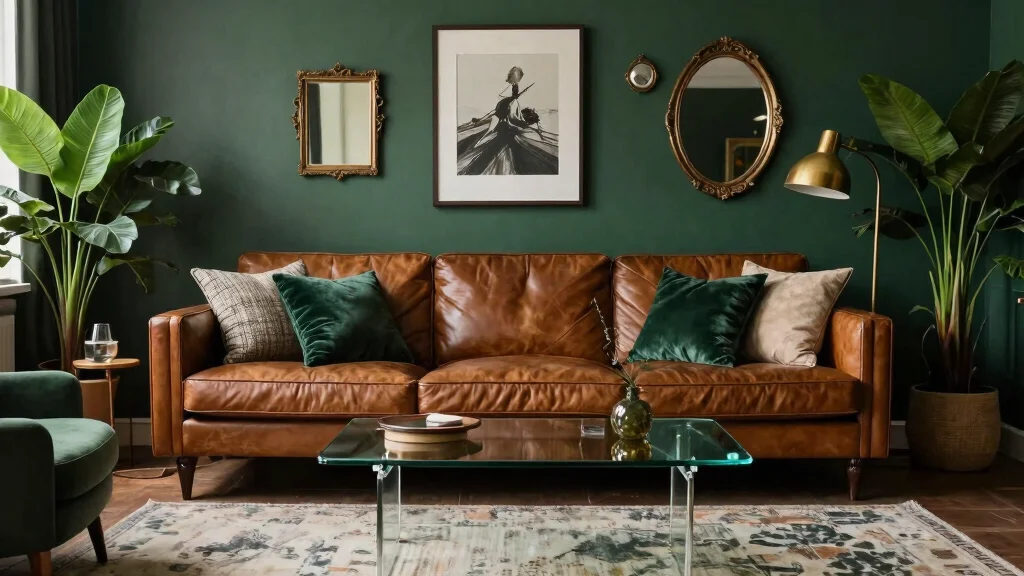
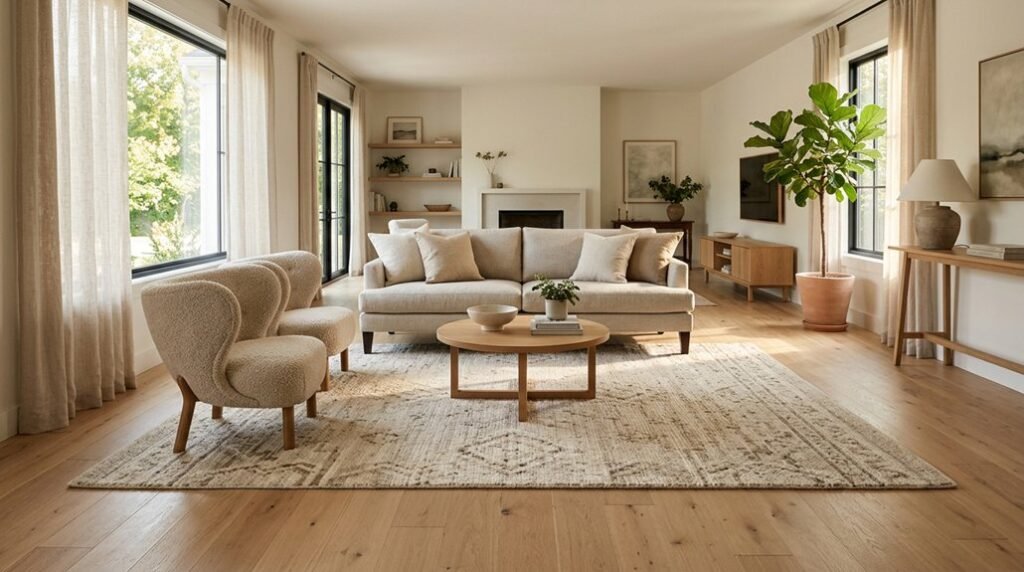
You’ll execute three foundational configurations. Place all seating fully on the rug to unify your seating area through comprehensive rug grounding—this cultivates intimacy and deliberate connection. Position only front legs on the rug to align furniture while preserving spatial breath, creating structure without enclosure. Alternatively, keep furniture off entirely, letting the rug serve as a visual anchor beneath or near your focal point.
In rectangular rooms, align lengthwise with the longest wall for balanced flow. In square rooms, center precisely to enhance symmetry. You must also align front legs within boundaries or emphasize central design elements for technical precision.
Recommended Products

Soft Comfort & Certified Materials — Made from soft 100% polyester carpet material certified to OEKO-TEX STANDARD 100, this washable rug offers a cozy, comfortable feel underfoot. Available in compact, runner, and room-size options, it adds warmth to entryways, hallways, bedrooms, home offices, living rooms, and dining areas. Inviting for barefoot use and active households, it brings together everyday comfort, versatile style, and trusted material standards.

Trendy Modern Rug: Our area rug is designed in today's popular minimalist style, featuring adaptable printed patterns that seamlessly blend into a wide range of interior aesthetics. This neutral rug adds understated elegance with a strong feeling of individuality to your living room, bedroom, dining room, nursery or playroom.

Ultra-Soft Low Pile Rug: Gent drizz living room rugs 8x10 made of Upgraded durable low pile faux wool fibers, 0.25'' thick, featuring a soft fuzzy density surface, soft and pliable to the touch, providing great comfort for your bare feet. The low pile makes it easy for your Large area rug to clean and is perfect for homes with kids and pets
Size Your Rug for Living Room Placement
Once you’ve settled on a placement configuration, your rug’s dimensions determine whether that arrangement succeeds or falls flat. You’ll measure your sofa width first, then select a rug size that extends 20–30 centimeters beyond each side for balanced proportions. Your seating placement gains cohesion when front legs rest on the rug, anchoring the arrangement with intentional precision.
For optimal room proportions, maintain approximately 40 centimeters of exposed floor between rug edges and walls—this negative space prevents visual heaviness while expanding perceived dimensions. You’ll find King’s offerings—200 x 300 cm, 260 x 360 cm, 300 x 430 cm, plus custom options—accommodate diverse spatial requirements. Scale appropriately: undersized rugs fragment your layout, while generous dimensions unify and elevate the entire living environment.
Recommended Products

SOFTNESS & COMFORT: Step into cloud-like comfort with our 8x10 area rugs—unlike thin, mat-like competitors, ours are crafted from ultra-soft microfiber for a soft, cushioned feel underfoot. Perfect as bedroom rugs or cozy additions to high-traffic spaces, these soft, sumptuous rugs elevate everyday living while complementing family life

Solo Solid Shag Collection by Unique Loom features luxurious shag rugs in 22 gorgeous colors. Lush and soft, you’ll fall in love with this amazing rug. Imagine sinking your bare feet into the lavish pile of this extravagant rug! You’ll be the envy of everyone who visits your home with the magnificent color from your Solo Solid Shag rug.

Machine Washable & Easy to Clean: The surface features water-repellent performance for simple cleanup when drinks spill accidentally, reducing the chance of liquid soaking deep into fibers. You can wipe spills quickly with a towel, remove local stains via spot cleaning with a damp cloth, or regularly vacuum for daily upkeep. The whole rug supports machine washing for deeper cleaning
Direct Living Room Rug Placement by Room Shape
How do you guarantee your rug works with, rather than against, your living room’s architecture? You’ll tailor rug placement to room shape to optimize spatial harmony.
In rectangular spaces, align the rug lengthwise with your longest wall and position it under the main seating arrangement. This approach anchors the configuration and directs visual flow along the room’s dominant axis.
For square rooms, you’ll center the rug to establish equilibrium and reinforce symmetry. Select a rug that mirrors the room’s proportions—square or round—to amplify this balanced effect.
Seating grounding remains essential regardless of configuration. Ensure front legs rest on the rug to unify your furniture and define the primary activity zone. When doorways intersect the space, orient the rug toward key entry points while maintaining 18–24 inches of exposed flooring along traffic paths to facilitate movement.
Recommended Products

【Machine Washable & Easy Care】 Made for real life with kids, pets, and everyday messes, this washable area rug is easy to maintain and keeps your space looking fresh. The water-resistant surface helps prevent spills from quickly soaking in, giving you time to wipe away coffee, juice, pet accidents, or food stains with a towel. For daily care, simply vacuum or shake off dust and pet hair. For deeper cleaning, machine wash separately in cold water on a gentle cycle and air dry naturally. No complicated maintenance needed.

Romantic and maximalist, Botanical indoor/outdoor rugs feature large-scale florals with a poppy, vintage fabric style.
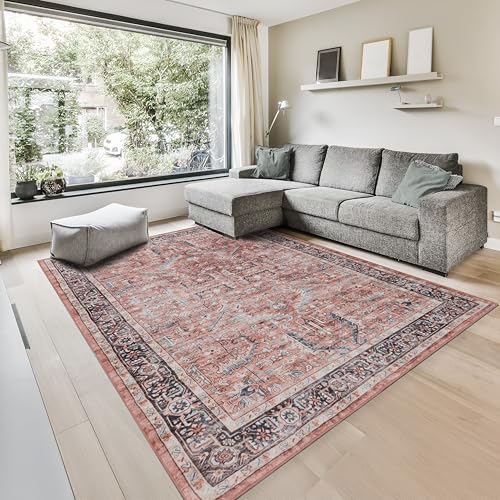
NANOWIPE LIQUID REPELLENT: Every rug from GLN is made with NanoWipe technology, meaning each fiber of your rug is protected by silica-based nanoparticles, keeping liquid and stains on the surface; The non-shedding print on our large area rugs will stay crisp even in a busy home
Anchor Sectionals With Proper Living Room Rug Placement
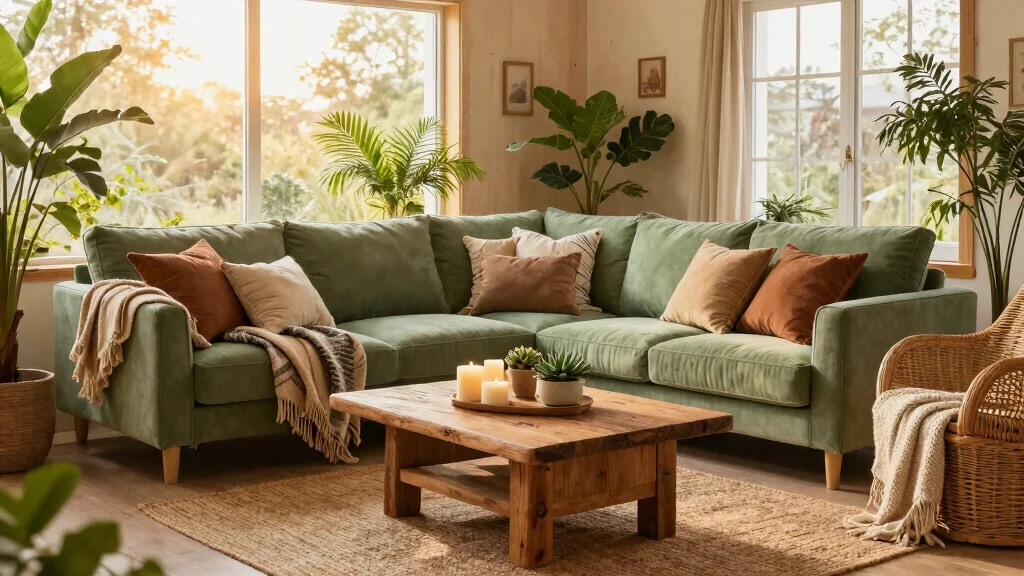
A well-chosen rug transforms your sectional from a floating arrangement into a grounded, intentional gathering space. You’ll want to select a rug large enough to sit beneath the front legs of your entire sectional and nearby pieces, uniting the seating arrangement through cohesive rug placement.
Consider echoing your sectional’s shape—whether L-shaped or curved—to amplify coziness and prevent a disjointed aesthetic. You should avoid undersized rugs that disrupt spatial balance; instead, prioritize dimensions that visually encompass the whole sectional and adjacent furniture.
Align the rug with your main seating layout so front legs rest on its surface, reinforcing visual continuity across your grounded seating. Extend the rug across the full width of your seating area while maintaining equitable spacing around furniture, preserving both flow and accessibility throughout your living room.
Recommended Products

[SUBSTANTIAL & ROBUST]: Up to 5x more material by weight for added durability and comfort; multi-tone design may show slight color or size variations; reverse roll on arrival to relax any temporary creases

Soft Bedroom Rug: Our 4' square area rug is very soft, the surface layer is fluffy low-pile material, and the sandwich layer is a thickened fast-rebound memory foam, which is more friendly to the skin, the fabric of the carpet is suitable for family use, such as bedroom rug, living room rug, dorm room rug, laundry room rug, kitchen rug, entryway rug and so on

Vibrant & Playful Design: Cheerful diamond blocks in circus-inspired hues pop on a soft cream background, dotted with dainty polka dots. Like streamers from a circus parade, each diamond invites tiny feet to skip and discover, instantly turning any space into a whimsical playground that sparks creativity and blends with vibrant or neutral decor
Plan Living Room Rug Placement Around Walkways
Where should your rug sit when foot traffic cuts through your living space? You align your rug placement with main walkways, ensuring feet land on the rug as you move through the room. You’ll orient the rug along natural pathways to create intentional flow.
Leave 30–60 cm of open floor space around busy walkways to preserve clear movement and eliminate tripping hazards. In rectangular rooms, position the rug lengthwise to follow the longest wall, achieving a strong seating area anchor.
You’ll place front legs of sofas and chairs on the rug, creating connected pathways that link zones without interruption. When paths intersect the rug area, pull it slightly off-center or angle it to guide movement strategically. This approach transforms walkways into cohesive design elements while maintaining functional elegance.
Recommended Products

Beautiful Design Abstract Rug:The 5x7 rug design is unique and trendy, the colors blend with nature, the abstract design complements the modern tones, it blends perfectly with your home decor, adding more warmth and comfort to your home. Suitable for living room, bedroom, dining room, study, home office, etc

[COLOR & DESIGN]: SAFAVIEH's Monaco area rug showcases a distressed traditional medallion pattern in grey tones with light blue accents; actual color may appear darker or lighter than shown, depending on lighting and screen settings.

Soft Feel: Enjoy a soft, luxurious area rug underfoot, perfect for your living room or bedroom rug. The fluffy design ensures comfort and makes our rugs pet friendly. Ideal for homes with pets, they elevate your home decor while helping provide lasting softness.
Coordinate Rug Colors With Living Room Timber Finishes
Which timber tones anchor your living room? You’ll find your rug colors through intentional pairing contrast with your timber finishes.
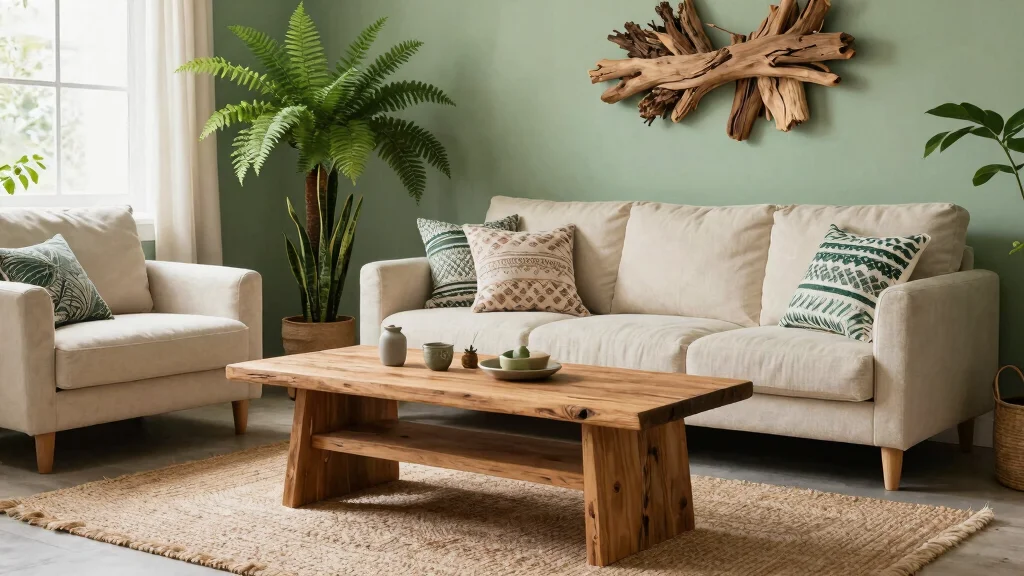
Light timber finishes like Natural Oak demand subdued rug colors—soft neutrals and pale greys that complement without competing. Keep tones mid to light with subtle texture to maintain openness and avoid washed-out effects.
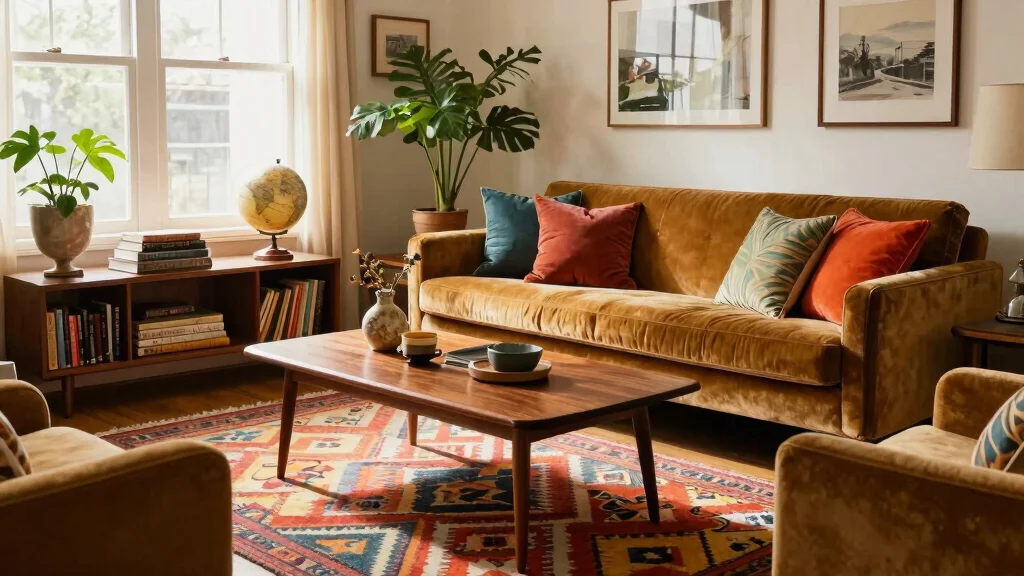
Richer timber finishes such as American Walnut call for muted earthy hues: taupe, soft charcoals, deeper creams, and greens. These emphasize natural timber lustre while delivering sophisticated warmth.
Moody timber finishes—Smoked Oak, Onyx—offer dual pathways. Darker tonal rugs create depth; lighter neutral rugs lift your palette while preserving refined pairing contrast.
You’ll anchor darker timber spaces with deeper colors or richer textures, or brighten them with lighter rugs that maintain elegance. Your timber finishes dictate the dialogue—listen, then layer.
Recommended Products

Inspired by the Strength of the Earth: Inspired by fertile soil, weathered bark and natural clay shaped through changing seasons, this Earth Brown rug brings timeless warmth into your home. Layered shades of earth brown, coffee brown, warm taupe and soft charcoal create authentic vintage depth, while subtle tonal variations are intentionally designed for a naturally aged look. Complements Modern Farmhouse, Organic Modern, Rustic and Transitional interiors
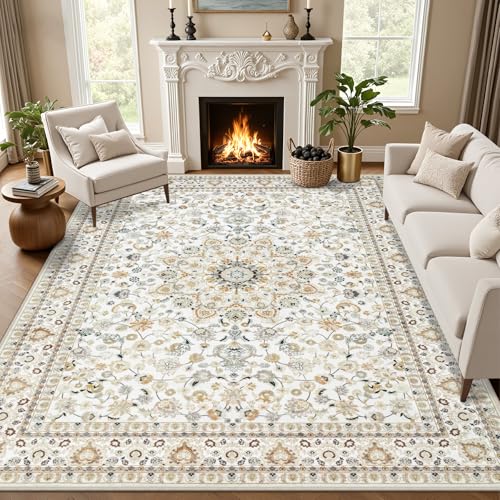
Timeless Classic Design Rug: Featuring an elaborate traditional pattern and harmonious color palette, these 5x7 area rugs bring artistic elegance to the interior. The versatile design works with various decor styles from vintage and bohemian to contemporary, making it suitable for living room, bedrooms, dining room, hallway, kids' playrooms, or home offices. Built to withstand daily use while maintaining its visual appeal, these rugs for living room 5x7 combines durability with timeless beauty

Tides Series – Effortless style that flows with your life.This modern machine-washable non-slip rug features reinforced edges and a low-pile design that resists dirt. Its water-repellent surface makes spills easy to clean - liquids bead up for quick wiping. Simply machine wash in cold water (no bleach) to refresh. The non-slip backing keeps it securely in place. A perfect blend of function and contemporary design for active homes.
Add Depth by Layering Neutral Textures
Why settle for flat when you can build dimension? You achieve sophisticated spatial depth through layering neutral textures in your living room. Start with a substantial base rug in deeper tones like charcoal or taupe to anchor seating areas and disguise practical wear. You then position a smaller, lighter textured rug atop, ensuring directional alignment with primary furniture for cohesive visual flow. This technique introduces contrast without visual chaos, maintaining an elevated, restrained palette. You must secure each tier with anti-slip underlay to prevent shifting and preserve dimensional integrity over time. For seasonal adaptability, you adjust by swapping in plush, high-pile top layers during cooler months while retaining that essential neutral foundation. Strategic layering transforms your floor plane into a curated, architecturally rich surface.
Recommended Products

The Chris Collection area rug by Chris Loves Julia x Loloi is a fresh take on the classic stripe, with a soft color palette and neutral background.

The Fabian Collection modernizes diamond-shaped Moroccan rug motifs in neutral colors; designed by Loloi.

An exemplar representation of elegant traditonal design, each of the designs from the Rosette collection will imbue your décor space with a warm and cozy ambience.
Select Pile Height for Living Room Traffic and Sofas
How precisely should your rug feel beneath your feet and furniture? Your pile height choice directly shapes both functionality and ambiance. You’ll select low-pile (¼”–½”) or flatweave for high-traffic zones where chairs glide and vacuums clean efficiently. You’re prioritizing movement and durability where feet and wheels repeatedly cross.
However, you aren’t sacrificing comfort entirely. You’ll deploy high-pile (1″–2″) strategically—perhaps under coffee tables—to sculpt intimate, tactile zones without obstructing seating mechanics. You’re engineering distinct experiences within one space.
In pet-friendly homes, you’re favoring darker, textured piles that mask wear. You’re pairing every selection with anti-slip underlays for stability. When layering, you’re positioning thinner, low-pile foundations beneath thicker, high-pile surfaces only where feet land, eliminating trip hazards while preserving fluid circulation.
Recommended Products

PRODUCT SPECIFICATIONS: Material: 100% Polypropylene | Pile Type: Medium Pile, 0.26 inches | Construction: Machine Woven | Origin: Turkey | Colors: Fuchsia, Mustard, Dark Blue, Sky Blue, Gray, Orange | Pantone Codes: 17-2031, 14-0848, 19-4033, 16-4414, 16-5803, 15-1058

VERSATILE DESIGN: This outdoor rug has a soft texture that adds comfort to indoor and outdoor spaces alike.

100% polypropylene machine made area rug with jute backing.
Fix Living Room Rug Placement Mistakes Without Restarting
When your rug placement misses the mark, you don’t need to start over—you course-correct.
You adjust the rug so your sofa’s front legs rest fully on its surface, establishing a cohesive grounding anchor that unifies your furniture arrangement. You center the piece beneath your primary seating area or align it with the longest wall to eliminate visual disconnection and restore spatial balance. You extend coverage 20–30 cm beyond each sofa edge to improve proportion without replacing the rug.
If scale remains an issue, you shift the rug outward to capture side tables and entry paths, optimizing flow. You secure anti-slip underlay beneath to prevent migration during re-positioning, locking in your refined configuration.
Recommended Products

Effortless Maintenance: Keep your space looking fresh effortlessly with our machine washable rug. No need for professional cleaning - simply toss it in the washing machine for a quick and easy clean.

[Charming Vintage Design]: Adorned with vintage-inspired floral patterns in a retro color palette. It brings a touch of cutting‑edge elegance to living rooms, bedrooms, kids’ rooms and more, and fits right in with distressed boho farmhouse styles without even trying.

Soft & Durable: This 8x10 area rug low-pile combines soft faux wool fibers with a 0.25-inch height for comfort. Tight weaving reduces shedding and edge fraying, making it perfect for high-traffic areas like living rooms, bedrooms, and entryways
Conclusion
You’ll transform your living room by mastering rug placement fundamentals. Anchor seating properly, size strategically for your room’s proportions, and layer textures where depth’s needed. Correct pile height and color coordination with timber finishes elevate the technical execution. When mistakes occur, you’ll adjust without restarting. These principles ensure visual cohesion, define traffic flow, and create that aspirational, professionally finished space you’re aiming for.