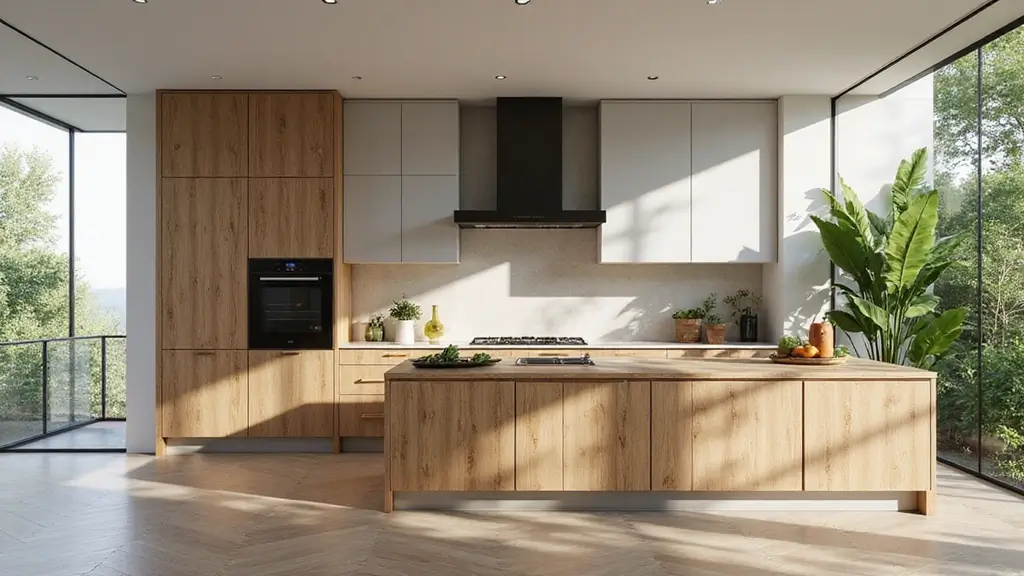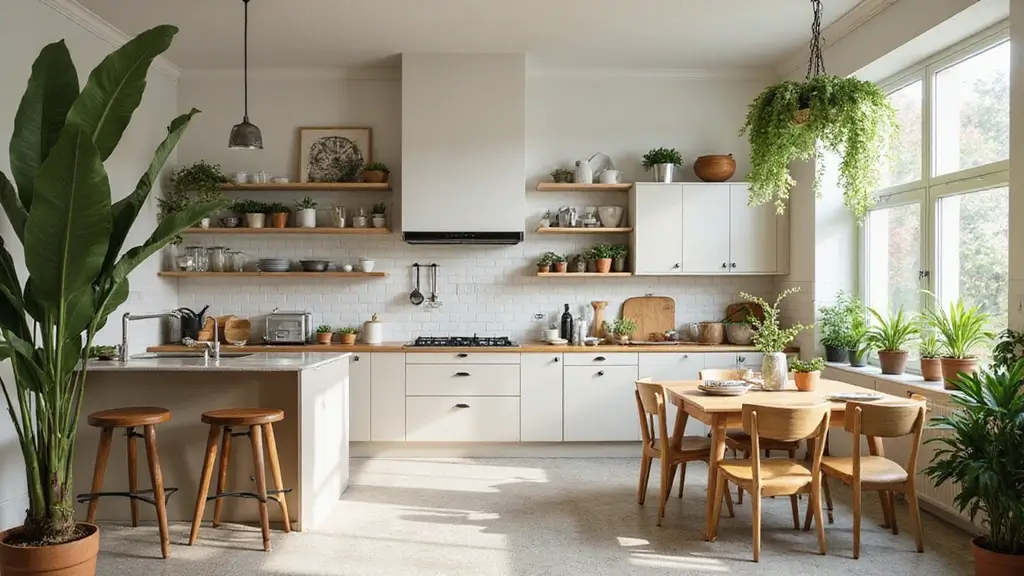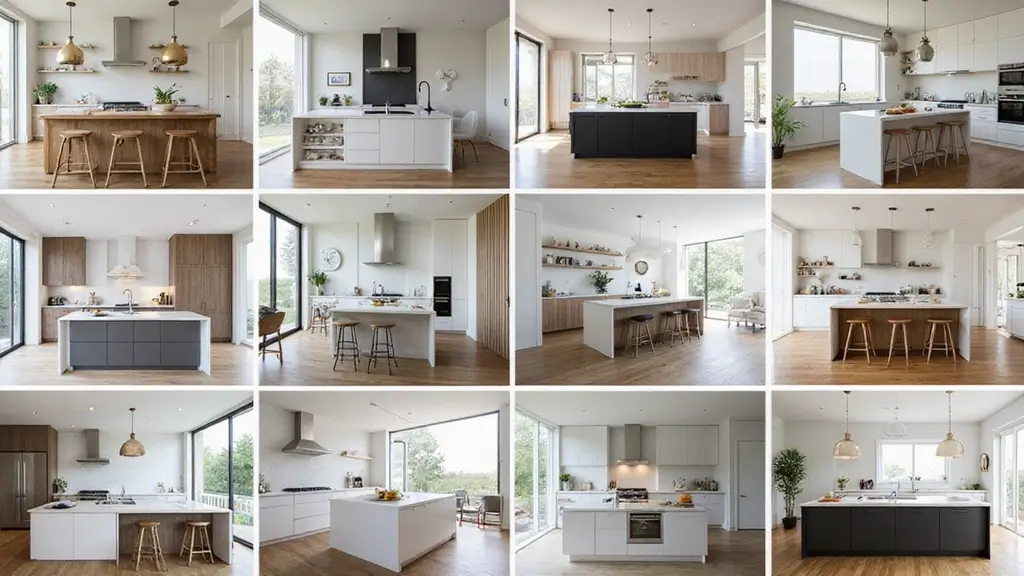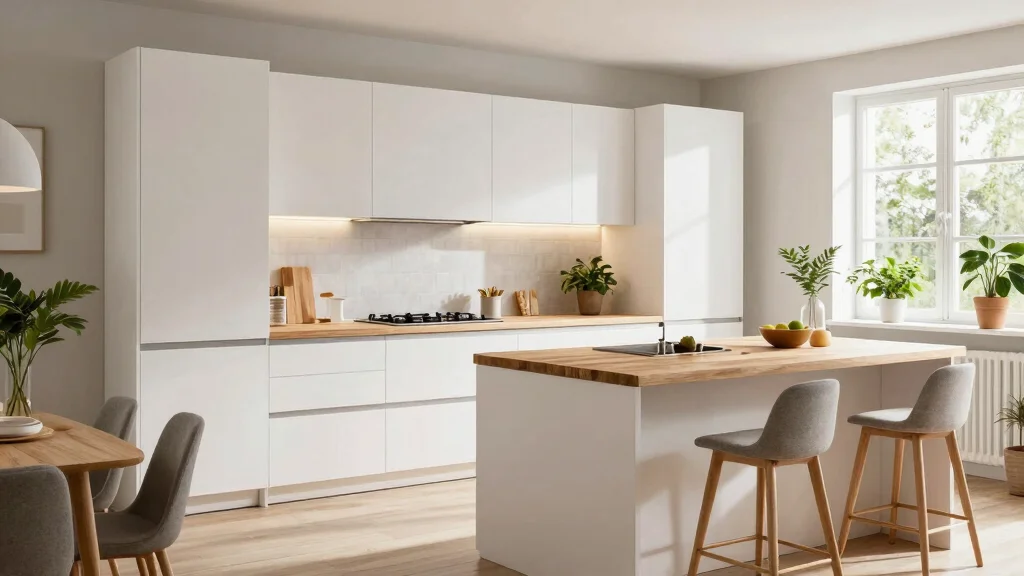

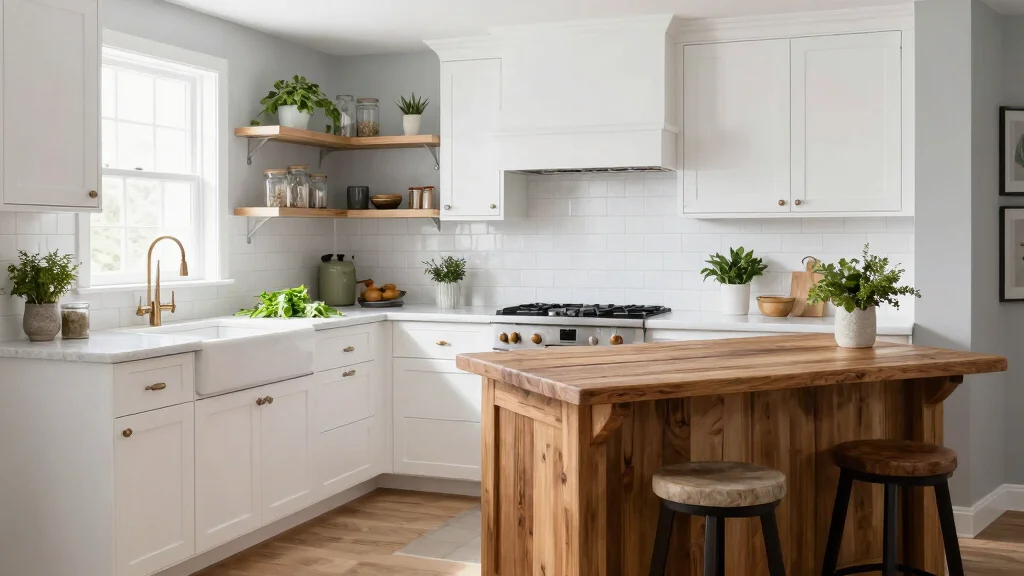
Creating a warm and inviting kitchen can feel overwhelming, especially when trying to blend traditional charm with modern trends. That’s why I put together this post. I want to inspire you with fresh and stylish transitional kitchen design ideas that will help you find the perfect balance. Whether you’re starting from scratch or giving your existing space a much-needed facelift, these ideas will make the process easier and enjoyable.
If you love home decor and want to create a kitchen that feels both classic and contemporary, this guide is for you. Many homeowners are searching for ways to bring together the beauty of traditional kitchen elements with the clean lines of modern design. You’ll discover practical tips and stylish inspirations that cater to both small spaces and open concept kitchens. Each idea is designed to elevate your kitchen’s aesthetic while keeping it functional and welcoming for your family and friends.
In this post, you will find 19 transitional kitchen design ideas that are not only visually appealing but also practical for everyday use. From smart storage solutions to bold color schemes, you will gain insights that will help you create a kitchen that feels uniquely yours. Get ready to transform your kitchen into a space that blends the best of both worlds!
Key Takeaways
– Discover 19 transitional kitchen design ideas that merge classic and modern styles, perfect for any space.
– Learn how to incorporate traditional kitchen elements while adding modern touches for a cohesive look.
– Explore color schemes for kitchens that add a splash of personality and keep the room feeling fresh.
– Find practical smart storage solutions to maximize space, especially in smaller areas.
– Get inspired by decorative backsplashes and unique appliance choices that make a statement in your kitchen.
1. Sleek Cabinetry with Classic Details
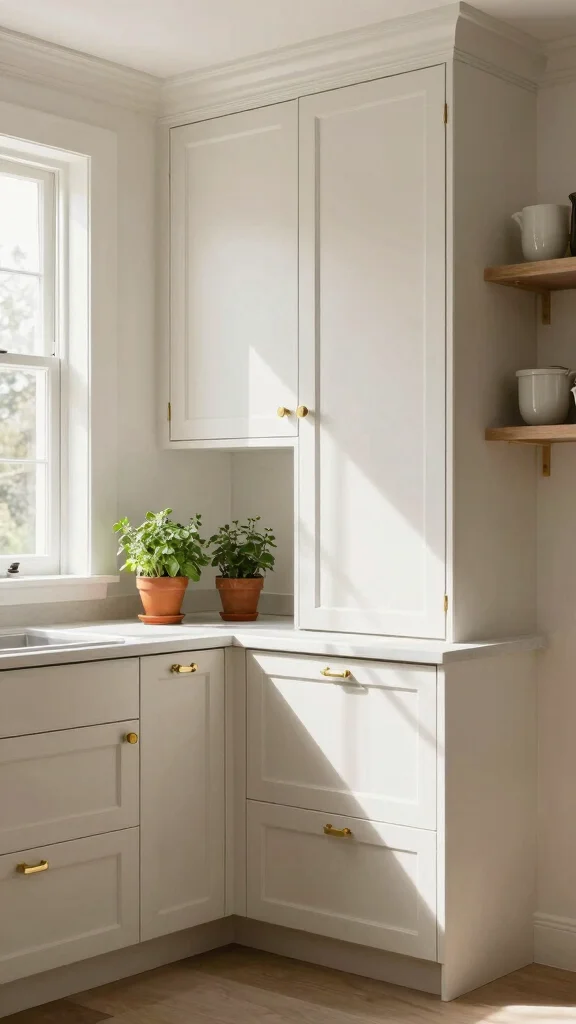
In transitional kitchen design, sleek cabinetry paired with classic details creates a stunning balance of modernity and tradition. This combination works well because it marries clean lines with charming elements like raised paneling and decorative molding, achieving both functionality and elegance. For example, soft-close drawers and hidden hinges can enhance the polished look while ensuring ease of use.
To implement this style effectively, consider using a soft color palette like off-white or pale gray to brighten your space. Adding brass or matte black hardware introduces a striking contrast, beautifully merging contemporary and traditional aesthetics.
– Pair soft-colored cabinets with warm wood accents for a cohesive feel.
– Install glass inserts in select cabinets to display beautiful dishware.
– Use unique handle styles for a personalized touch.
This thoughtful approach not only elevates your kitchen’s aesthetic but also ensures that each element contributes to a warm, inviting atmosphere.
2. Modern Farmhouse Elements
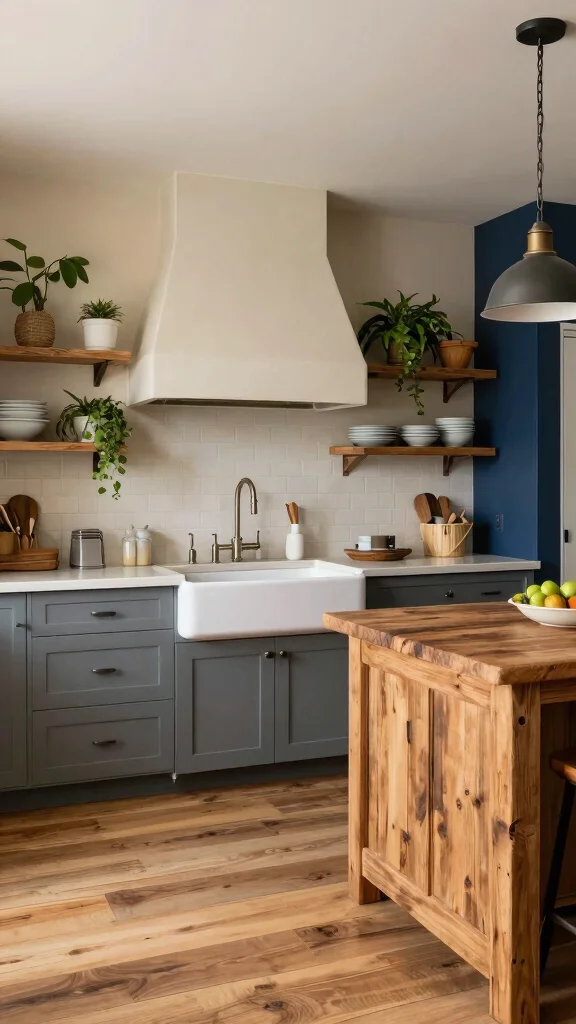
Integrating modern farmhouse elements into your kitchen design brings a cozy and inviting atmosphere that resonates warmth. The blend of reclaimed wood shelving with sleek metal fixtures creates a charming contrast while maintaining practicality. A large farmhouse sink stands out as a functional focal point, adding to the overall rustic appeal.
To enhance this style, opt for a color scheme that features deep blues or earthy greens mixed with neutral tones, creating a distinct character. Open shelving can display vintage dishware or mason jars filled with dry goods, enriching the farmhouse aesthetic.
– Layer textures with woven baskets or linen curtains for added comfort.
– Install vintage-style pendant lights to evoke warmth and nostalgia.
– Ensure that rustic elements harmonize with modern touches for a balanced design.
This style not only provides comfort but also fosters a connection to nature, making your kitchen a welcoming retreat.


3. Color Schemes that Pop
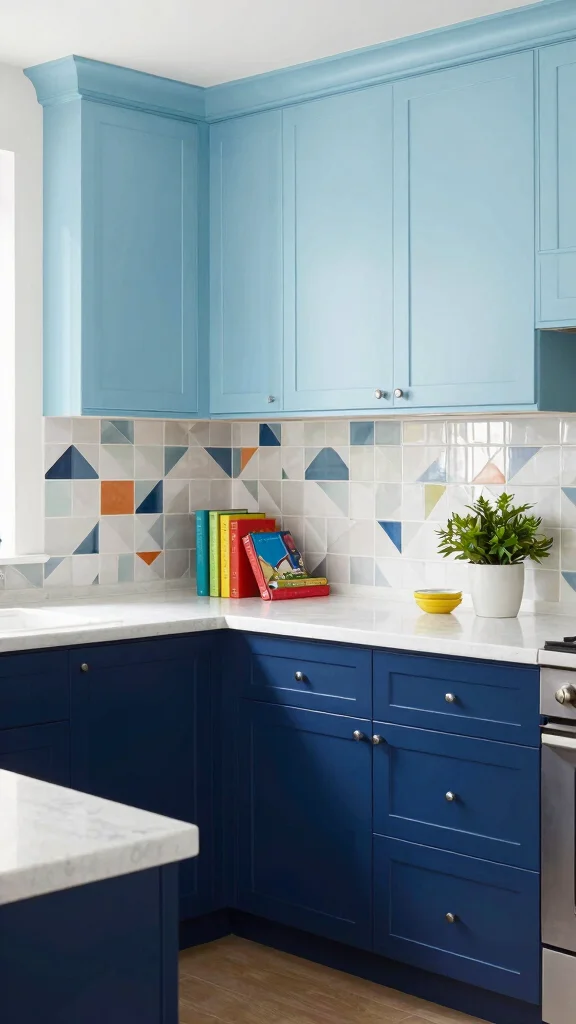
A well-chosen color scheme can dramatically transform your kitchen, especially in smaller spaces. Light colors create an illusion of openness, making your kitchen feel airy and elegant. Soft blues, greens, or grays paired with bold accent colors like deep reds or navy create vibrant contrast, adding personality to the space.
Consider utilizing two-tone cabinets, where upper cabinets are lighter and base units darker. This technique adds visual depth and guides the eye around the room.
– Use bold backsplashes with geometric tiles to enhance the light colors.
– Keep ceilings crisp white to maximize the open feeling.
– Avoid overly dark colors that can make the space feel cramped; balance is crucial.
Thoughtful color combinations can make your kitchen not just stylish but also a welcoming environment for family and friends.
Light color schemes open up small kitchens, a core principle in transitional kitchen design ideas. Try two-tone cabinets with light uppers and darker bases to add depth without a remodel. Pair soft blues or grays with bold accents like navy to create personality and easy updates.
4. Mixing Metal Finishes
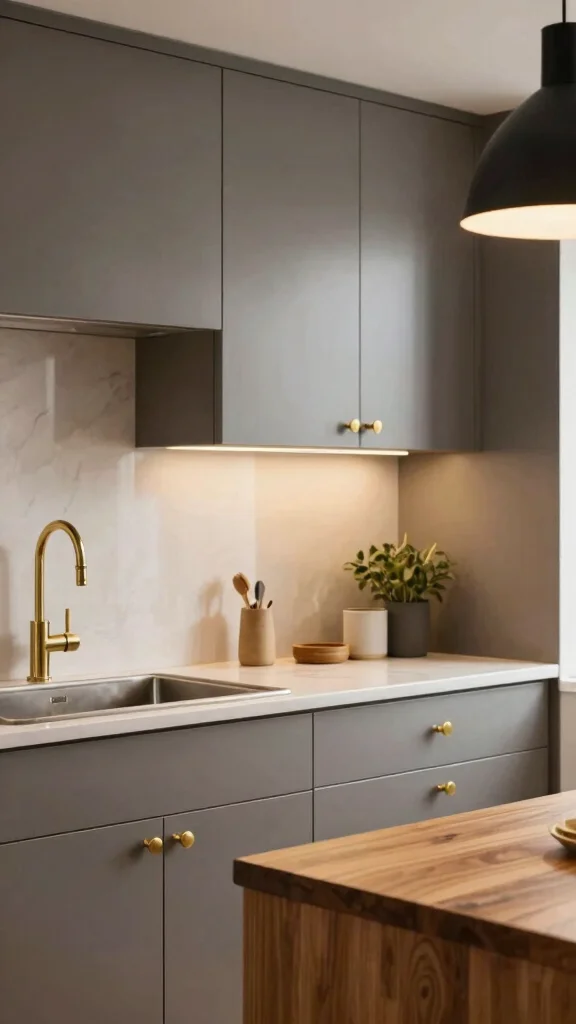
Blending various metal finishes adds sophistication to your transitional kitchen design. Combining brass, stainless steel, and matte black allows for a playful mix of textures and styles without overwhelming the space. For example, brass knobs can complement a stainless-steel sink, while black light fixtures enhance warm wood elements.
To create a cohesive look, restrict your palette to three metal finishes. This strategy keeps the design unified while allowing for character and charm.
– Choose fixtures that balance aesthetics with usability and durability.
– Avoid mixing too many finishes to prevent a chaotic appearance.
– Consider the overall style to ensure metals enhance rather than clash.
Mixing metal finishes not only boosts visual appeal but also infuses unique personality into your kitchen.
5. Open Concept Layouts
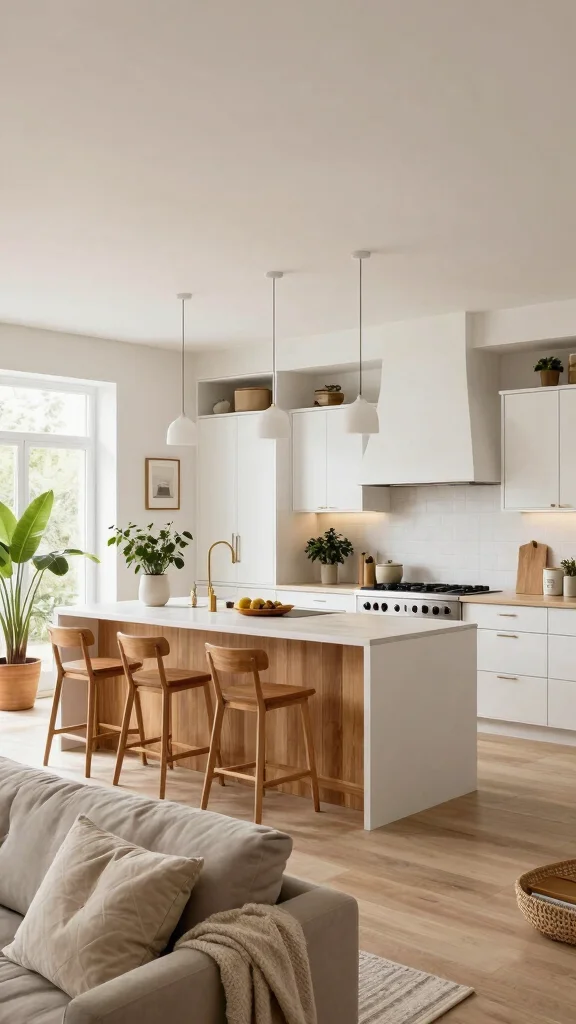
Open concept kitchens embody contemporary design while seamlessly integrating traditional elements. This layout creates a spacious atmosphere, ideal for maximizing smaller homes. An island can serve as a functional divider, allowing for a smooth transition between the kitchen and adjacent living areas.
Incorporating traditional touches like wainscoting or crown molding adds depth to your open layout while enhancing overall character. This design fosters a sense of connectivity, perfect for modern living.
– Ensure a harmonious color scheme flows through both spaces.
– Use furniture that complements your kitchen style for continuity.
– Avoid overcrowding the area with excess furniture, keeping it inviting.
An open concept kitchen encourages interaction and style, making it perfect for both entertaining and everyday life.
6. Textured Surfaces
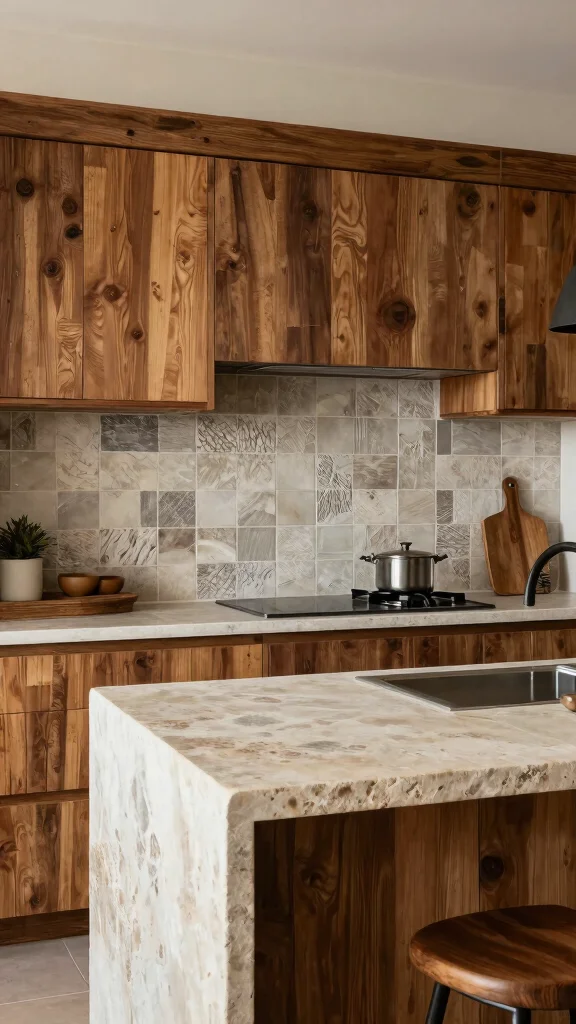
Incorporating textured surfaces into your kitchen design adds depth and visual intrigue. Materials like reclaimed wood for cabinetry or rough-cut stone for countertops create a captivating contrast to sleek surfaces, enhancing tactile appeal. Textured finishes on walls or backsplashes can serve as stunning focal points, enriching the overall aesthetic.
Using tiles with three-dimensional patterns or a rough plaster finish can make a striking statement without overwhelming the design. Balance is key when mixing textures to create a cohesive look.
– Consider performance when selecting textures; some may require more maintenance.
– Use textures thoughtfully to avoid visual clutter.
– Don’t mix too many textures without a clear plan for cohesion.
Textured surfaces not only enhance the aesthetic but also infuse warmth and comfort into your kitchen.
7. Functional Lighting Solutions
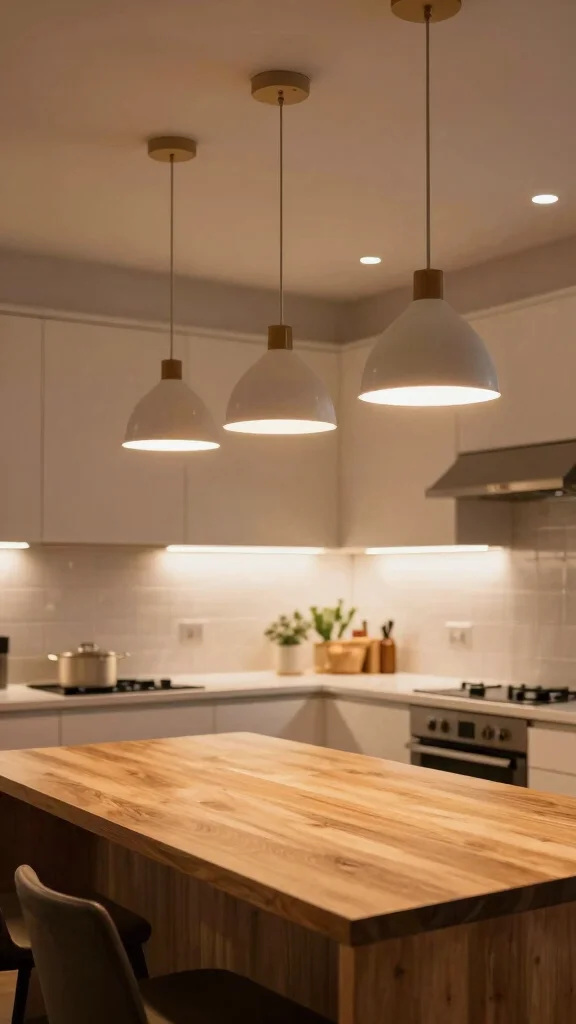
Effective lighting solutions are critical in any kitchen, especially in smaller spaces. Layering different lighting types—ambient, task, and accent—creates a well-lit and functional environment. Pendant lights above an island provide focused illumination for food prep, while recessed lighting brightens the entire area.
Incorporating under-cabinet lighting enhances countertops, making cooking easier while creating a cozy atmosphere at night. Choose fixtures that align with your kitchen style for a cohesive look.
– Opt for LED bulbs to save energy while ensuring sufficient light.
– Mix various lighting types for balance and effectiveness.
– Don’t rely solely on one type of lighting to illuminate the space.
A well-lit kitchen not only improves functionality but also fosters a warm gathering space for family and friends.
8. Smart Storage Solutions
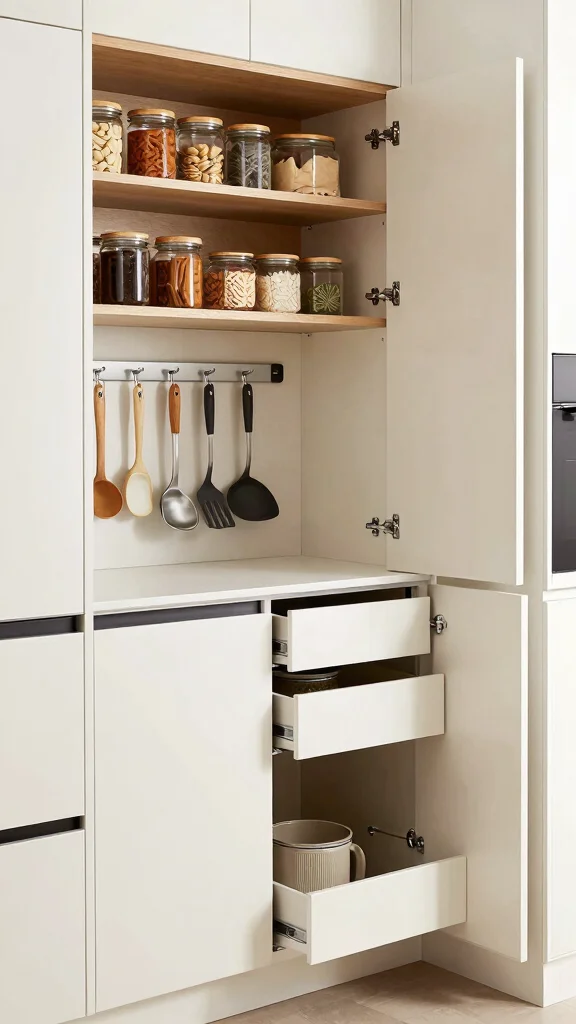
In smaller kitchens, smart storage solutions are essential for organization and functionality. Maximizing vertical space with shelves, racks, and cabinets helps maintain a clean and appealing visual. Consider pull-out drawers or lazy Susans in corner cabinets to optimize storage while keeping the kitchen tidy.
Hooks or magnetic strips on walls can hold utensils or pots, freeing up counter space while adding an aesthetic element. Clear containers for pantry items can blend organization with style seamlessly.
– Incorporate built-in storage within islands or bench seating for added efficiency.
– Regularly sort through kitchen items to keep only the essentials.
– Avoid clutter by being selective about what you store visibly.
Smart storage enhances functionality while contributing to a pleasant kitchen environment.
9. Customizable Island Designs
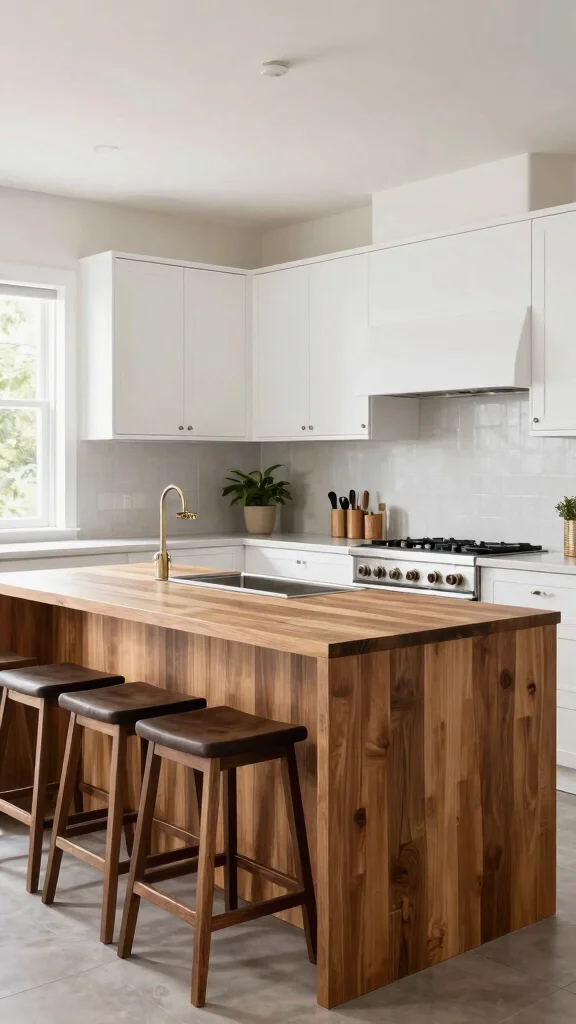
A versatile kitchen island is a central feature in transitional kitchen design. Customizable island designs allow you to adapt the space for cooking, dining, or entertaining. Opt for multi-functional islands that include storage, seating, or built-in cooktops to meet your needs.
Choosing a different material or color for your island can create a striking centerpiece, such as pairing a wooden island with sleek laminate cabinetry. This contrast enhances visual interest and functionality.
– Include bar stools for casual dining options.
– Use the island as a prep area with built-in cutting boards.
– Ensure the island’s size complements your kitchen space without overwhelming it.
A customizable island design not only boosts functionality but also fosters a gathering hub for family and friends.
Customizable island designs turn your kitchen into a flexible hub for cooking, dining, and entertaining—perfect for small spaces. Embrace contrasting materials and finishes, and your transitional kitchen design ideas come to life with warmth and smart function.
How To Choose Transitional Kitchen Design Ideas for Small Spaces
When it comes to creating a stunning transitional kitchen in a small space, selecting the right design elements can make all the difference. Here are some key factors to keep in mind as you plan your dream kitchen that beautifully combines modern flair with traditional charm.
1. Size and Layout
Understanding the size and layout of your kitchen is vital. Measure your space carefully, noting dimensions of walls, windows, and doors. Consider how the kitchen’s layout will affect traffic flow and functionality. Open concept formats can create a spacious feel, but ensure that the layout accommodates your cooking and entertaining needs without feeling cramped.
2. Cabinet Style
Cabinetry sets the tone for the entire kitchen. Choose cabinets that blend traditional elements like raised panels with sleek, modern finishes. Opt for lighter colors or glass fronts to open up the space visually. Custom cabinetry can maximize storage and fit perfectly within your unique specifications, making it a great choice for small areas.
3. Color Schemes
Color plays a crucial role in kitchen design. Light, airy colors can make a small kitchen feel more spacious. Popular transitional color schemes often mix whites, soft grays, and warm wood tones. Adding a bold accent color through accessories or a statement backsplash can inject personality without overwhelming the space.
4. Lighting Solutions
Proper lighting can transform a small kitchen from dull to dazzling. Combine ambient lighting, such as recessed lights, with task lighting over work areas. Pendant lights above an island serve both functional and decorative purposes. Remember to select fixtures that harmonize with the blend of traditional and modern styles you wish to achieve.
5. Functional Accessories
In small kitchens, every accessory should serve a purpose. Choose multi-functional items like islands with built-in storage or foldable tables that can be tucked away when not in use. Open shelving can display decorative items and keep essential kitchen tools within reach. Smart storage solutions, like pull-out drawers or corner cabinets, can maximize your available space.
6. Texture and Material
Adding texture can enhance the aesthetic appeal of your kitchen. Mixing materials like wood, metal, and stone adds depth and interest to the space. For example, a rustic wooden table combined with sleek stainless steel appliances creates a beautiful contrast. Incorporating textured surfaces, such as a patterned backsplash or unique cabinet hardware, can also elevate your design without overwhelming it.
Pro Tip: Always think about the long-term usability of your kitchen design. Trends will come and go, but a timeless look with quality materials will stand the test of time. Consider selecting durable finishes that are easy to clean and maintain, especially in a busy kitchen.
By focusing on these key elements, you can create a transitional kitchen that embraces both modern and traditional styles, making the most of your small space. Happy designing!
10. Decorative Backsplashes
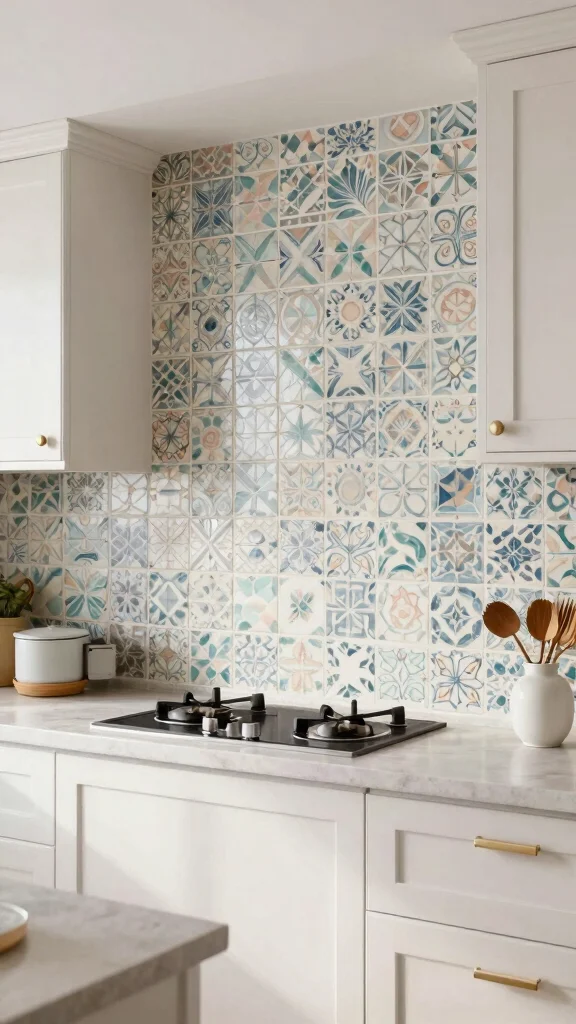
A decorative backsplash adds personality and visual interest to your kitchen. Unique patterns or textures can serve as a focal point, making a significant impact in smaller spaces. Materials like mosaic tiles, glass, or reclaimed wood can enhance the design, adding color and life.
Ensure the height of your backsplash complements cabinetry for balance and visual appeal. Using lighter colors in smaller kitchens can maintain an open and bright atmosphere.
– Avoid overly busy patterns that can overwhelm compact areas.
– Choose materials that reflect your style while maintaining functionality.
– Use a cohesive color palette for a harmonious look.
A well-planned backsplash not only ties the kitchen together but also showcases your unique taste.
11. Incorporating Natural Elements
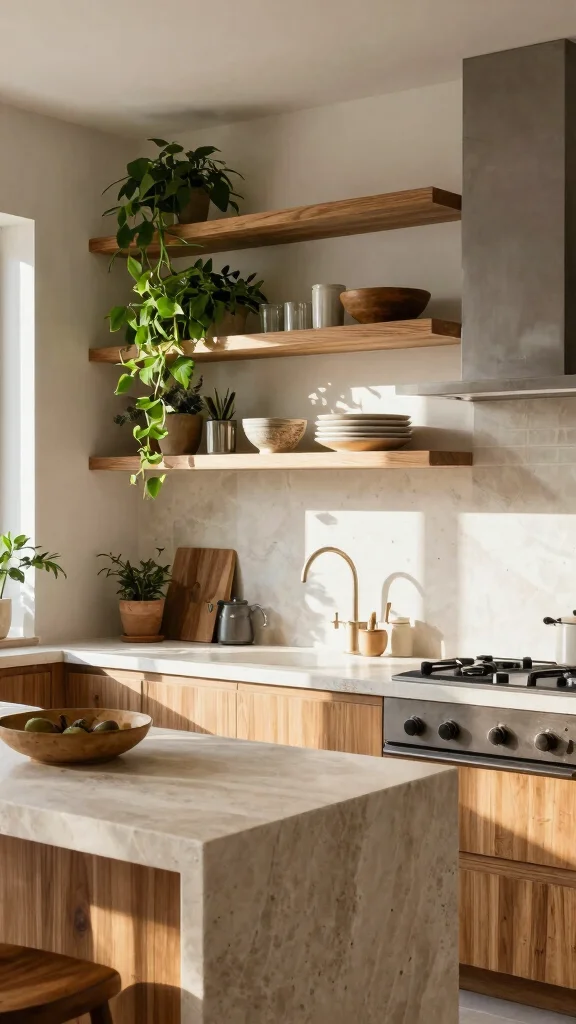
Bringing natural elements into your transitional kitchen design fosters a warm and inviting atmosphere. Wood accents, natural stone countertops, and indoor plants create tranquility and a connection to nature. Opt for sustainable materials and finishes to enhance the earthy vibe.
Integrating greenery with small potted herbs or plants adds freshness and life, making the space feel vibrant. Wooden open shelving can beautifully display both dishes and plants, further enhancing the natural appeal.
– Maximize natural light to enhance the feel of openness.
– Choose a few indoor plants that thrive in kitchen environments.
– Avoid overcrowding with too many plants for a clean and fresh look.
Integrating natural elements beautifies your kitchen while promoting a peaceful cooking environment.
12. Vintage Accents
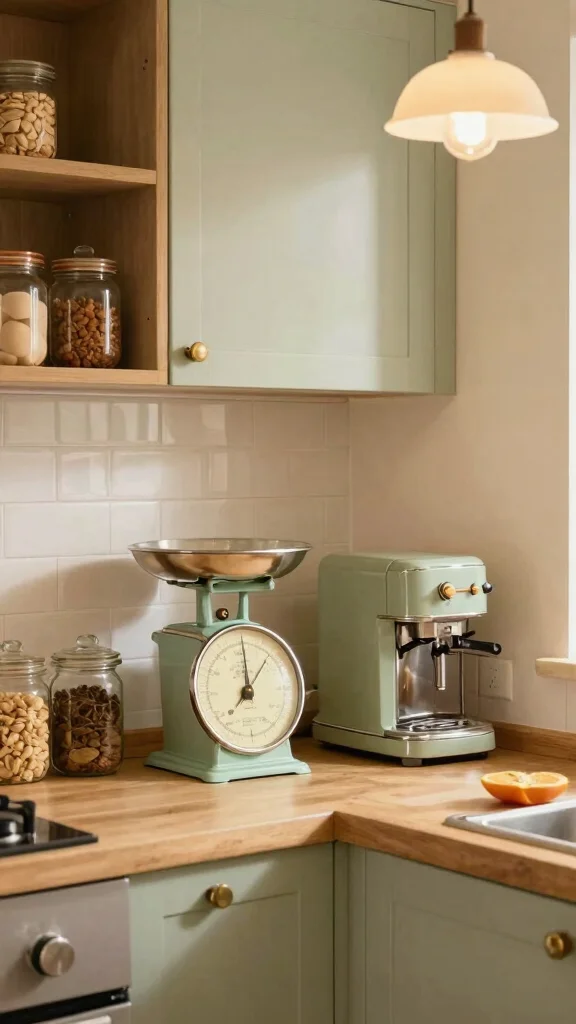
Incorporating vintage accents can add character and charm to your transitional kitchen. Items like old scales, jars, or retro-style appliances can serve as decor, providing a sense of history. These touches can spark conversation while making your kitchen feel warm and lived-in.
Use open shelving to showcase vintage decor items, enhancing the aesthetic without compromising functionality. Integrating vintage-inspired appliances can combine nostalgic appeal with modern efficiency.
– Choose vintage decor that harmonizes with the overall design.
– Select functional vintage items that maintain modern standards.
– Avoid overwhelming the space with too many vintage pieces for balance.
Incorporating vintage accents allows you to express your personality, enriching the transitional style of your kitchen.
13. Creative Flooring Solutions
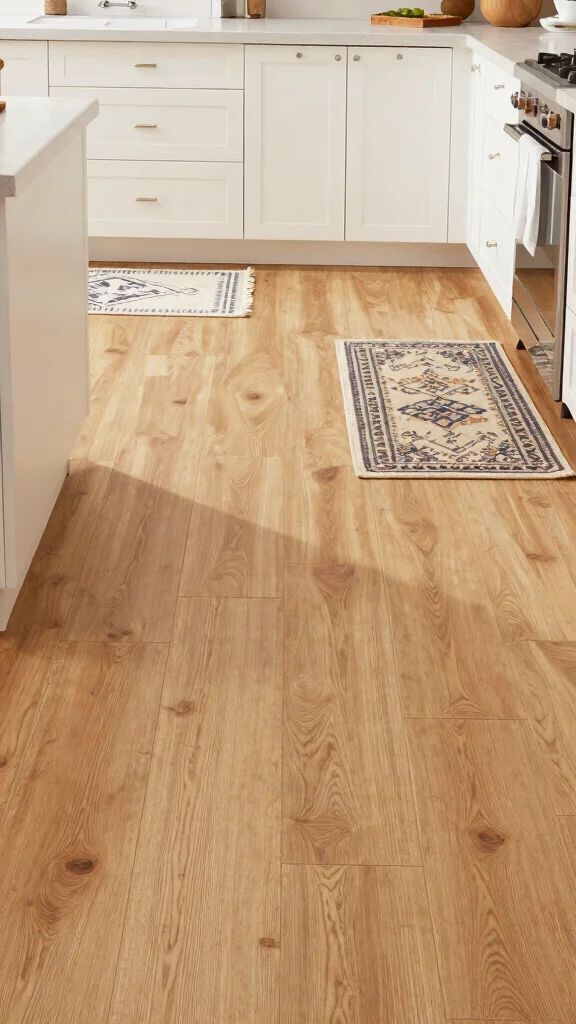
The flooring choice in your kitchen significantly impacts the overall design, especially in transitional spaces. Creative flooring solutions can enhance both style and durability. Consider durable materials like luxury vinyl planks that mimic hardwood or stylish ceramic tiles for visual appeal.
Using large tiles in smaller kitchens can create a seamless look, making the space feel larger. Alternatively, patterned tiles add character without overwhelming the overall design.
– Opt for easy-to-clean materials that withstand kitchen use.
– Keep a cohesive color palette that matches your cabinets and decor.
– Avoid dark flooring in small spaces, as it can create a cramped feeling.
Creative flooring solutions create a strong foundation for a beautiful kitchen that is both practical and stylish.
14. Statement Lighting Fixtures
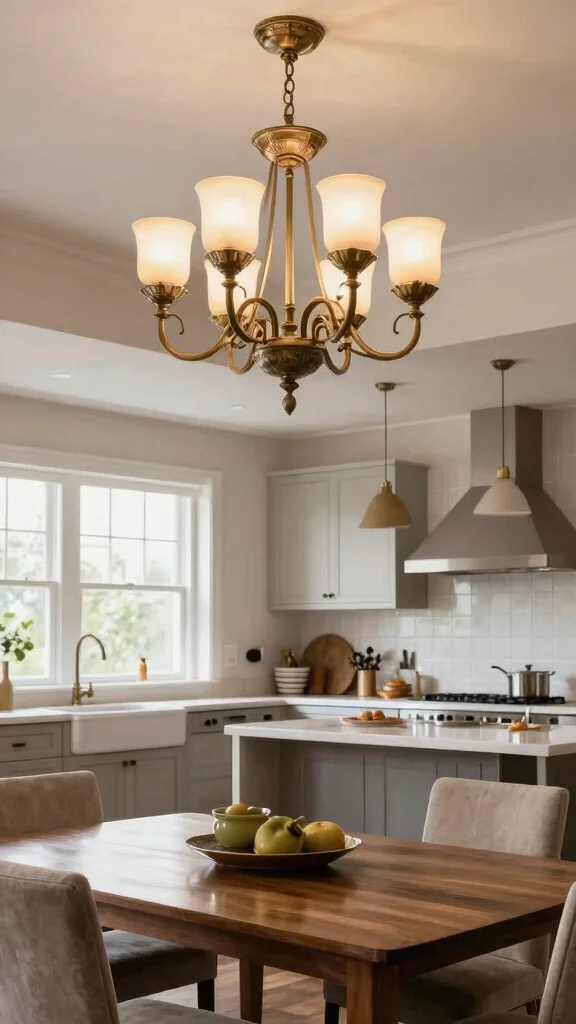
Statement lighting fixtures serve as striking focal points in your transitional kitchen design. Large pendant lights or unique chandeliers can instantly elevate the space while adding a touch of glamour. Choose fixtures that harmonize with both modern and traditional elements to maintain a cohesive theme.
Consider using fixtures with intricate designs or bold colors to make a statement that enhances the space without overwhelming it. Ensuring your lighting is both stylish and functional is essential for creating the right atmosphere.
– Match the size of your fixtures to the room’s scale for balance.
– Combine statement pieces with recessed lighting for a dynamic effect.
– Avoid oversized chandeliers that may crowd the space; they should enhance, not overwhelm.
Incorporating statement lighting creates a dramatic effect while staying true to the transitional style.
15. Open Shelving with Style
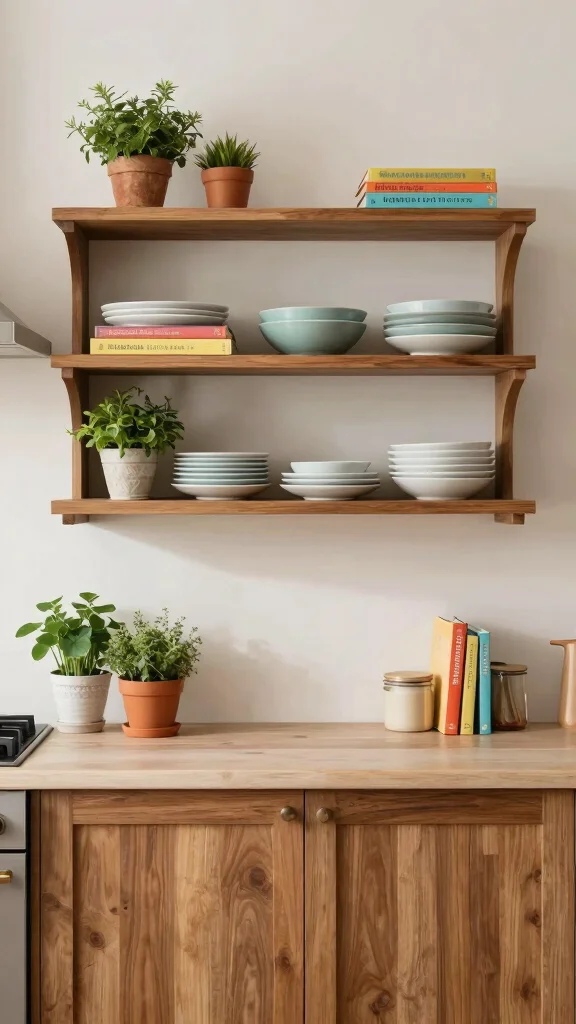
Open shelving is a popular feature in transitional kitchens, offering both functionality and style. It allows easy access to essentials while showcasing beautiful dishware and decor items. Curating well-organized open shelves can create an attractive display without cluttering the space.
Incorporate a mix of practical items and decorative pieces, such as plants, unique bowls, or cookbooks, to add personality. Choose shelf materials that complement your cabinetry or countertops for a unified look.
– Keep everyday items within reach and reserve top shelves for less-used pieces.
– Use a color palette that reflects your kitchen design for harmony.
– Avoid overcrowding the shelves; simplicity often leads to sophistication.
Open shelving transforms functionality into artistry, allowing your kitchen to reflect your unique style.
16. Unique Appliance Choices
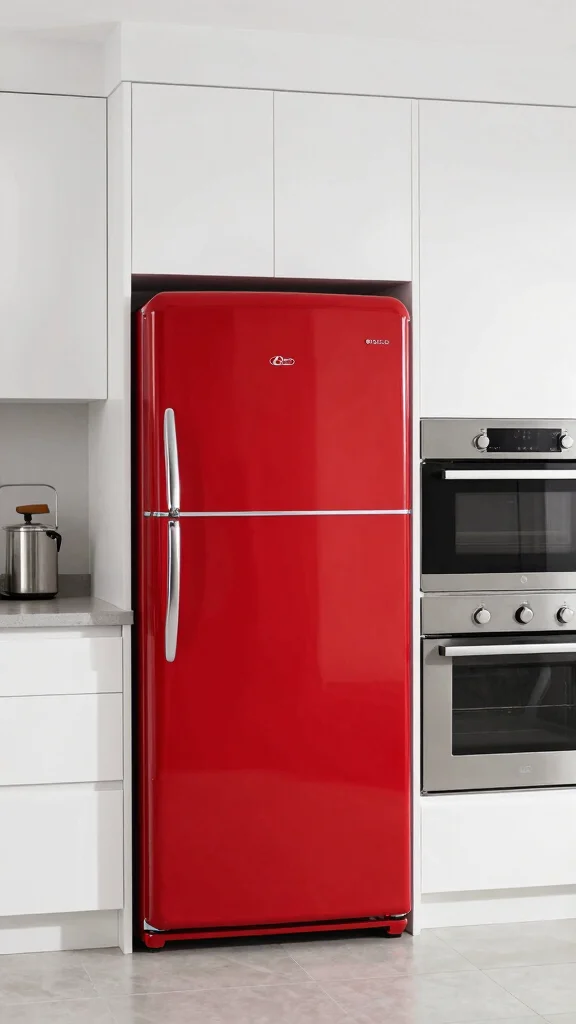
Opting for unique appliance choices can set your transitional kitchen apart from the rest. Appliances in bold colors or unique finishes serve as eye-catching focal points while enhancing the overall design. For instance, a bright red refrigerator or a vintage-style range can create stunning contrasts against neutral cabinetry.
Integrating modern technology with unique designs enhances both functionality and aesthetics. Choose appliances that not only work well but also align with your kitchen’s overall style.
– Ensure that your appliances complement cabinetry and fixtures for a cohesive look.
– Look for energy-efficient options that provide modern conveniences.
– Avoid selecting appliances that clash with your design theme; they should enhance the overall feel.
Unique appliance choices infuse character into your kitchen while providing essential functionality.
17. Minimalist Approach
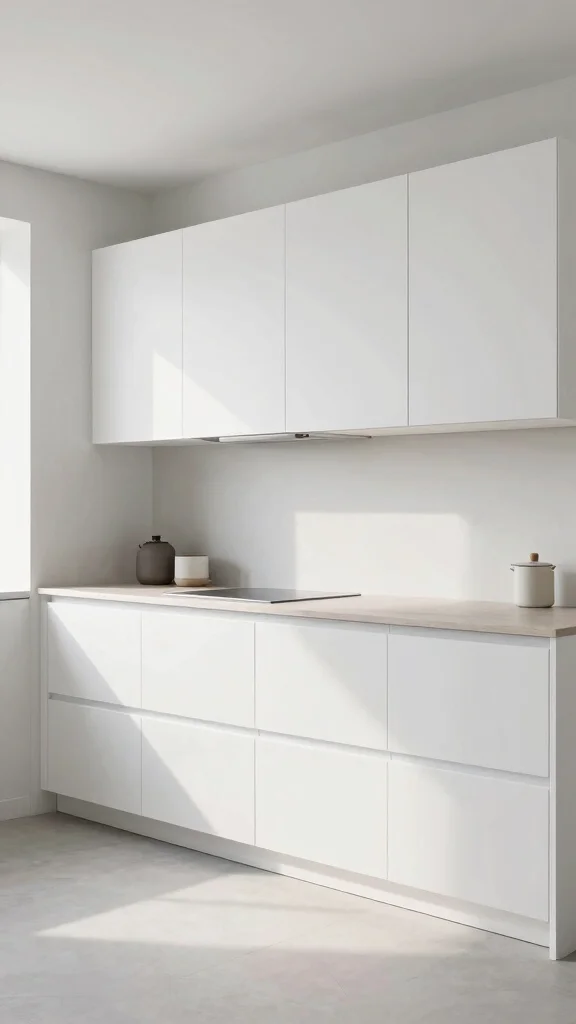
Embracing a minimalist approach can elevate your transitional kitchen by focusing on simplicity and functionality. A clean design with uncluttered surfaces creates a spacious feeling, ideal for smaller kitchens. Concentrate on essential elements and choose pieces that serve multiple purposes.
Using neutral colors and streamlined designs for cabinetry and countertops maintains a cohesive, airy atmosphere. This approach not only enhances functionality but also promotes a clear mindset while cooking.
– Choose simple hardware and fixtures for a seamless look.
– Utilize clever storage solutions to keep countertops clear.
– Avoid overcrowding with decorations; less is often more in minimalist design.
A minimalist kitchen allows for creativity in cooking while fostering a serene environment.
18. Personal Touches
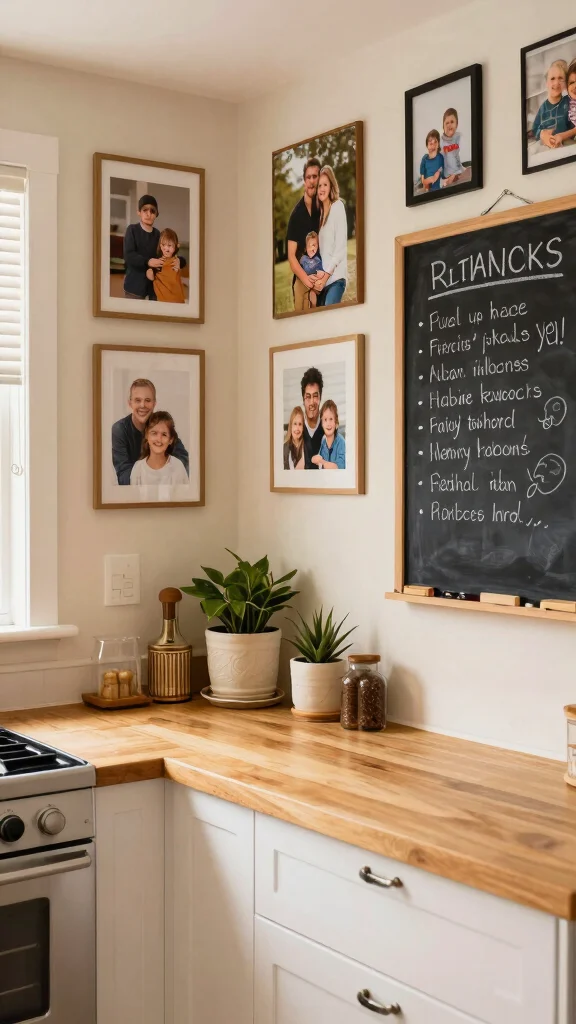
Incorporating personal touches in your transitional kitchen makes the space uniquely yours. Family photos, art pieces, or cherished cooking tools create a sense of belonging and warmth. Consider a gallery wall of family recipes or a chalkboard for notes to enhance your kitchen’s character.
Using your favorite colors or themes can help tie the design together, making it feel like home. Wall-mounted frames or hanging pot racks can showcase personal elements beautifully.
– Choose a few favorite items that resonate with you for display.
– Incorporate DIY decor projects that reflect your personality.
– Avoid overcrowding with too many personal items; simplicity enhances impact.
Personal touches transform a generic kitchen into a warm, inviting space filled with memories and stories.


19. Embracing Sustainability
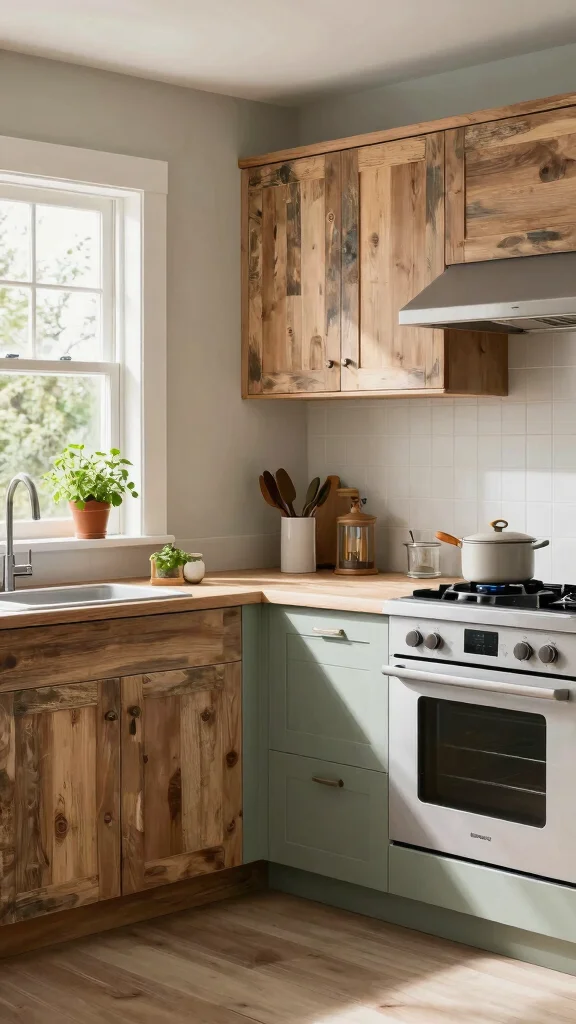
Sustainability in kitchen design is increasingly important, and embracing sustainable practices can enhance your transitional kitchen beautifully. Opt for eco-friendly materials like bamboo or recycled options for cabinetry and countertops, showing commitment to the environment. Incorporating energy-efficient appliances further contributes to a greener kitchen.
Using low-VOC paints and finishes improves indoor air quality, while small touches like a composting system or herb garden reflect a sustainable lifestyle. Recycle old materials during remodeling to minimize waste and choose natural finishes that connect with nature.
– Ensure sustainable choices also meet your functional needs effectively.
– Promote a connection to the outdoors with natural colors and textures.
– Avoid sacrificing functionality for sustainability; both can coexist beautifully.
Embracing sustainability not only benefits the environment but also creates a beautiful and responsible kitchen space.
Fun fact: In transitional kitchen design ideas, embracing sustainable practices can cut energy bills by up to 20% with bamboo cabinetry and energy-efficient appliances. Pair with low-VOC paints and a small composting system for a greener, healthier home.
Conclusion
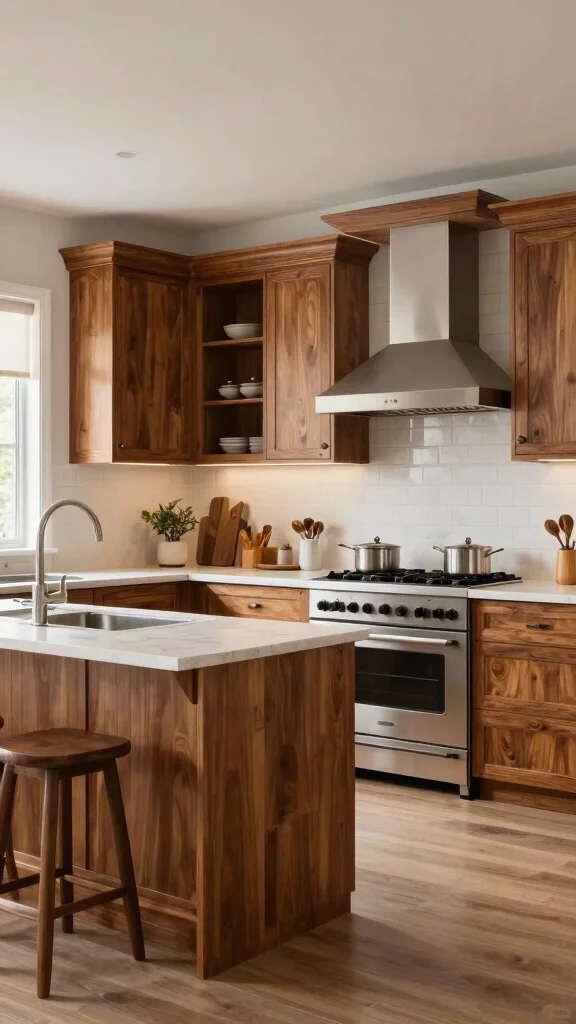
Transitional kitchen design offers a flexible approach to blending traditional and modern elements, allowing you to create a personalized space that suits your style and needs. From color schemes to unique features, the ideas explored can help you maximize functionality while keeping the aesthetic cohesive and inviting.
Integrating these 19 ideas into your kitchen can transform it into a beautiful and practical hub for cooking and gathering. Don’t hesitate to mix and match styles, colors, and elements to truly make the space your own.
Related Topics